Beihang Professor Spearheads Team to Deploy Autonomous Driving in Mines, Achieving 500 Million Yuan in Annual Revenue, Now Eyeing Hong Kong IPO
 05/25 2026
 520
520
Another autonomous driving enterprise, with a specialization in mining operations, has initiated the process for a public listing.
On May 20, Tage Intelligence submitted its prospectus to the Hong Kong Stock Exchange, with Huatai International acting as the sole sponsor.
Established in 2016, Tage Intelligence is primarily dedicated to the development of autonomous driving transportation technology for mining environments and intelligent mining solutions. Its flagship product is a 'Vehicle-Ground-Cloud' system named 'Kuanggu'.
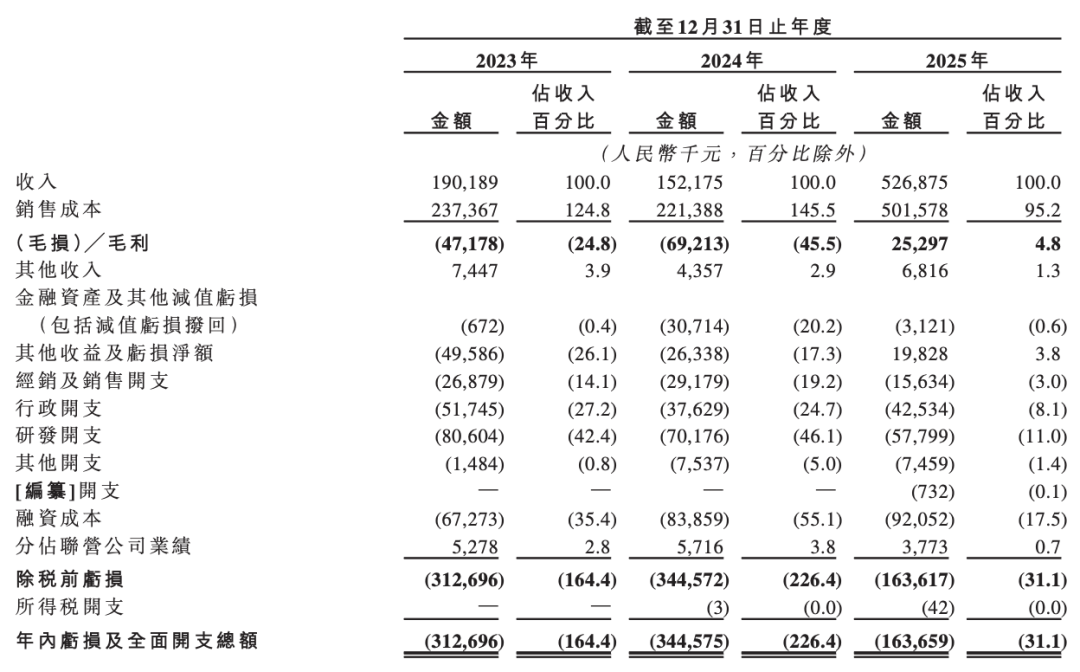
The release of the prospectus highlighted several key financial metrics: revenue reached 527 million yuan in 2025, marking a staggering 246.7% year-on-year increase; gross margin turned positive for the first time, climbing from -45.5% to 4.8%; and operating cash flow also saw a significant turnaround, achieving a net inflow of 37.88 million yuan.
However, other figures in the prospectus were equally eye-catching: cumulative losses over the past three years exceeded 800 million yuan, with the top five customers contributing nearly 90% of total revenue and the largest single customer accounting for over 40%.
What is the nature of this mining autonomous driving company, founded by a Beihang professor, ranked among the top three in China, and having secured a total of 1.5 billion yuan in funding?
01 Why Did a Beihang Professor Choose to 'Venture into the Mines'?
The story traces back to 2016.
That year, the autonomous driving sector was experiencing a boom. Numerous startups set their sights on Robotaxi services, aiming to revolutionize transportation with grand narratives, and their valuations soared.
However, Yu Guizhen, the founder of Tage Intelligence and a professor at the School of Transportation Science and Engineering at Beihang University, made a decision that seemed 'unconventional' at the time: instead of targeting urban areas, he chose to focus on mining operations.
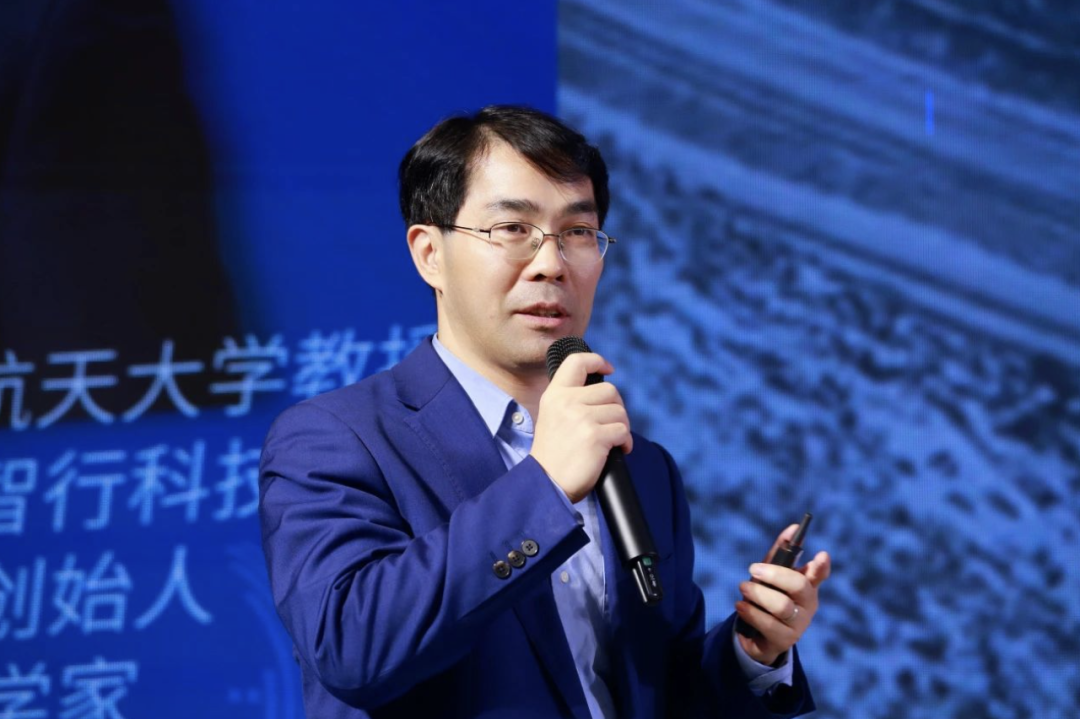
Tage Intelligence Founder Yu Guizhen
Yu Guizhen's decision was far from impulsive. Initially, Tage Intelligence explored autonomous driving scenarios in logistics parks. However, Yu soon realized that the challenges in park transportation were not severe enough—drivers were relatively easy to recruit, and the working environment was not particularly harsh. The situation in mining areas was vastly different.
To gain a deep understanding of the actual needs in mining areas, Yu Guizhen spent over two months visiting more than 20 open-pit mines across China.
He identified three core issues:
Firstly, recruiting drivers was becoming increasingly difficult. Almost no young people were willing to work as drivers in the mines; all drivers were over 50 years old. Secondly, occupational diseases were alarmingly prevalent. Thirdly, safety accidents posed the biggest risk.
Thus, in 2017, after internal team discussions, Yu Guizhen decided to fully commit to open-pit mining areas.
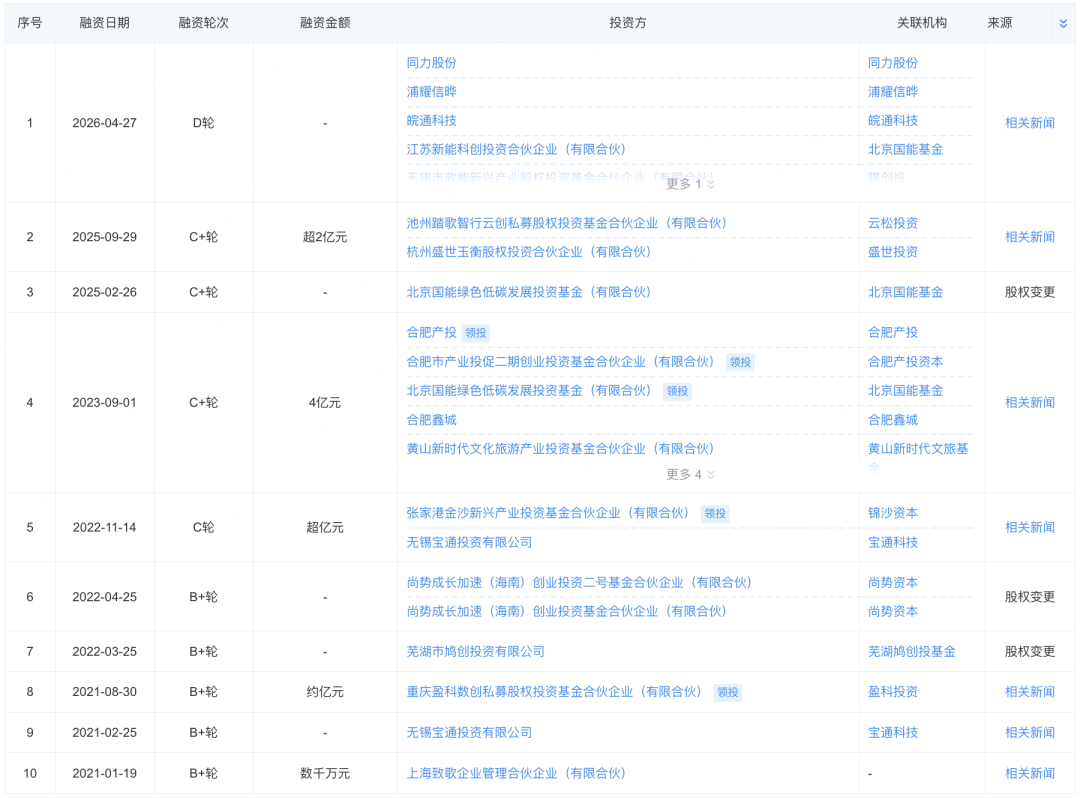
Partial financing history of Tage Intelligence. Data source: Qichacha
That same year, Tage Intelligence secured tens of millions of yuan in Pre-A round financing.
Since then, the company has undergone multiple rounds of financing. From Pre-A to Series D, it has raised approximately 1.5 billion yuan in total, with investors including Jinsha Jiang Phase III, Baotong Investment, Qianhai Investment, Hefei Industry, Beihang Asset Management, Beijing Guoneng, Zhixing Yunchuang, Wuxi Dingqi, Puxin Yixin, among others.
In terms of shareholder structure, as of the last practicable date, Yu Guizhen controlled 21.04% of the company's equity through direct and indirect holdings (11.7%), Ningbo Dongge (7.18%), acting in concert with Zhou Huasheng (0.71%), and acting in concert with the Beihang Education Foundation (1.46%), making him the largest single shareholder group. Beijing Guoneng and Xinneng Kechuang collectively held 16.92% of the shares, ranking as the second-largest shareholder.
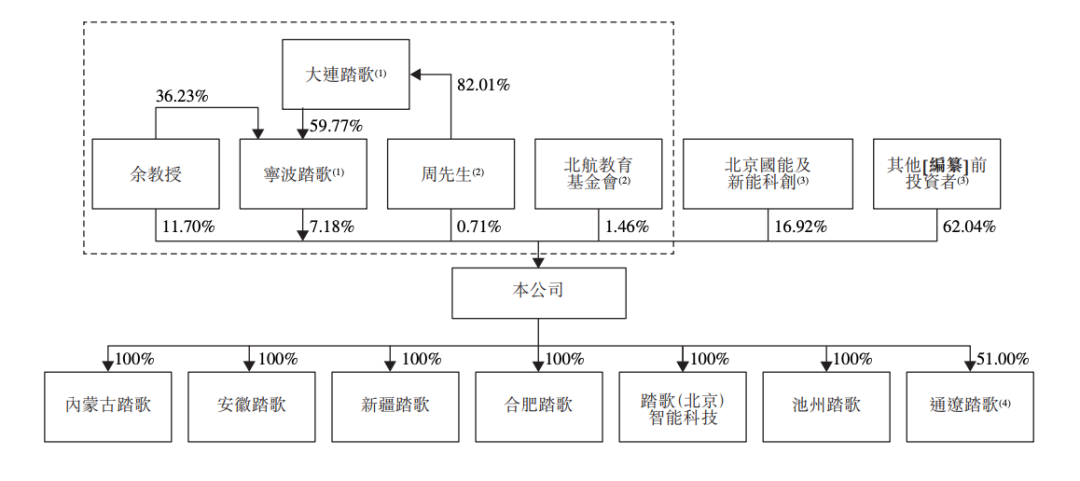
Equity structure of Tage Intelligence
The prospectus states that the proceeds from this IPO will primarily be used for the company's core business operations, including research and development activities, business growth and expansion, and general working capital needs.
02 The Most Impressive Financial Results and the Most Striking Figures
The disclosure of this prospectus has laid bare the true financial picture of Tage Intelligence.
Let's first examine the impressive data.
In 2025, Tage Intelligence's operating revenue reached 527 million yuan, a year-on-year increase of 246.7% compared to 152 million yuan in 2024.
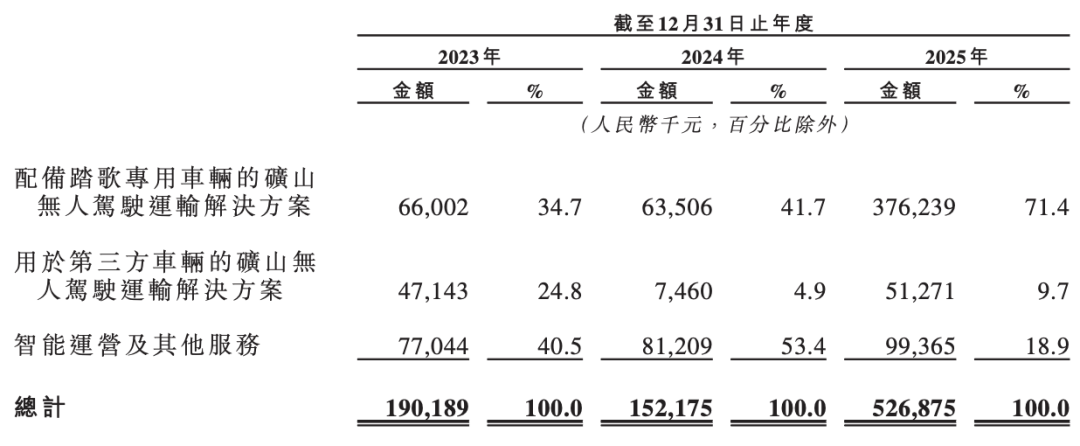
The company operates in three main business segments: firstly, solutions equipped with Tage's dedicated vehicles, which involve collaborating with OEMs to sell mining wide-body trucks integrated with autonomous driving systems, along with supporting ground facilities and cloud control platforms; secondly, solutions for third-party vehicles, which involve retrofitting existing mining wide-body trucks and rigid mining trucks; and thirdly, intelligent operations and other services, including maintenance, technical services, and intelligent transportation services billed based on transportation volume.
From a revenue structure perspective, 'solutions equipped with Tage's dedicated vehicles' have become the most significant revenue source, contributing 376 million yuan in 2025, accounting for 71.4% of total revenue. This indicates that market acceptance of Tage Intelligence's integrated hardware and software solutions is rapidly increasing.
Based on 2025 revenue, Tage Intelligence ranks third in China's mining autonomous driving transportation solutions market, with a 13.3% market share, trailing behind Company A (38.1%) and Company B (21.0%).
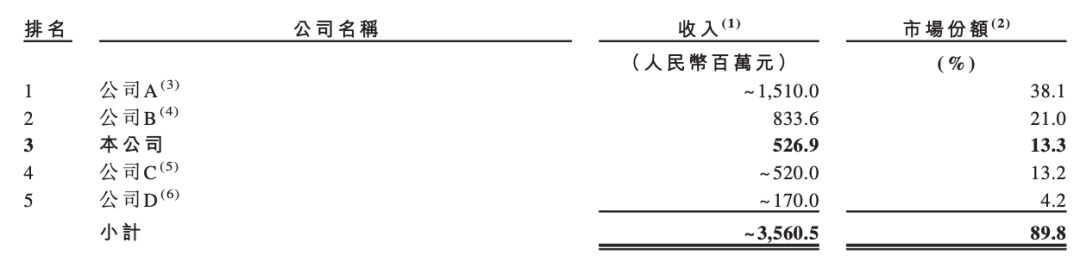
2025 Ranking of Mining Autonomous Driving Suppliers in China (by revenue)
A more critical signal is that the gross margin turned positive for the first time in 2025, reaching 4.8%, compared to gross losses of 24.8% and 45.5% in 2023 and 2024, respectively. For Tage Intelligence, which has been in a high-investment phase, this marks the end of the era of 'losing money on every unit sold'.
Cash flow also shows positive signs. In 2023 and 2024, operating cash flow had net outflows of 204 million yuan and 177 million yuan, respectively; by 2025, this figure had turned into a net inflow of 37.88 million yuan. The company has finally begun to 'generate its own cash flow'.
However, the other side of the coin is equally worth examining.
The issue of losses persists. From 2023 to 2025, Tage Intelligence accumulated losses of approximately 822 million yuan. Although losses narrowed to 164 million yuan in 2025, there is still a long way to go before achieving true profitability.
One of the core issues is the extremely low gross margin. A 4.8% gross margin means operating almost at cost. Many core hardware components of autonomous mining trucks (such as the truck bodies) are outsourced, and Tage Intelligence currently plays more of an 'integration + software' role, limiting its ability to command premium pricing.
Another common challenge for many startups is high customer concentration. In 2025, Tage Intelligence's top five customers contributed 88.2% of its revenue, with the largest single customer accounting for 40.5%. Of course, this is not unique to Tage; the current business model for mining autonomous driving is inherently driven by large clients.
Supplier concentration is also high. In 2025, the top five suppliers accounted for 84% of procurement, with the largest supplier accounting for 44.8%. Key procurement items include mining wide-body trucks, rigid mining trucks, and radar systems. Over-reliance on a concentrated supply chain limits bargaining power and poses risks of supply disruptions.
Another noteworthy detail is the significant proportion of government subsidies in profits. From 2023 to 2025, the company received government subsidies of 5.77 million yuan, 2.78 million yuan, and 3.93 million yuan, respectively, accounting for 77.5%, 63.9%, and 57.6% of other income.
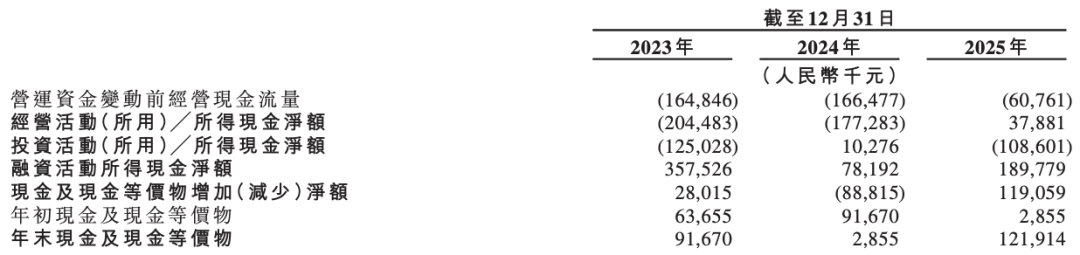
As of the end of 2025, Tage Intelligence had 122 million yuan in cash and equivalents, representing approximately a 41.73-fold increase from 2.855 million yuan at the end of 2024.
03 The Technology Behind 557 Mining Trucks: The 'Kuanggu' System
Tage Intelligence's core competitiveness lies in its 'Kuanggu' system.
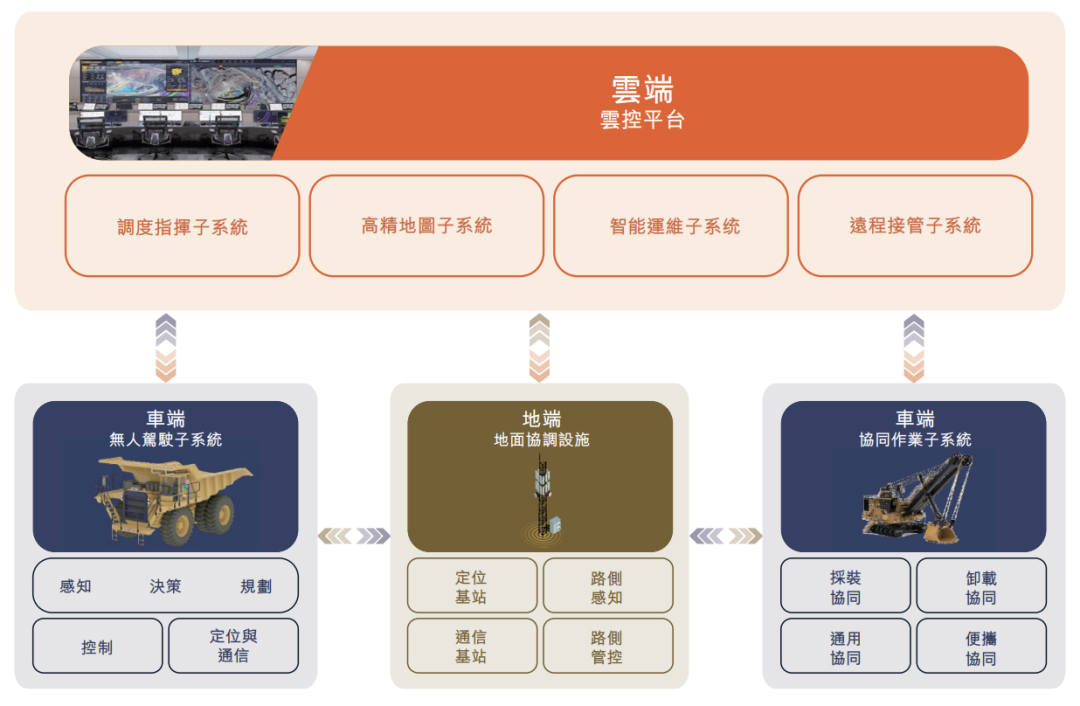
Tage Intelligence's 'Kuanggu' system
This system adopts an integrated 'Vehicle-Ground-Cloud' architecture, driven by three major AI large model foundations, covering core capabilities such as end-to-end autonomous driving, multi-agent scheduling and control, and full-lifecycle health management of equipment. In layman's terms, it equips mining trucks with 'eyes' and 'brains' and coordinates them through a unified cloud platform.
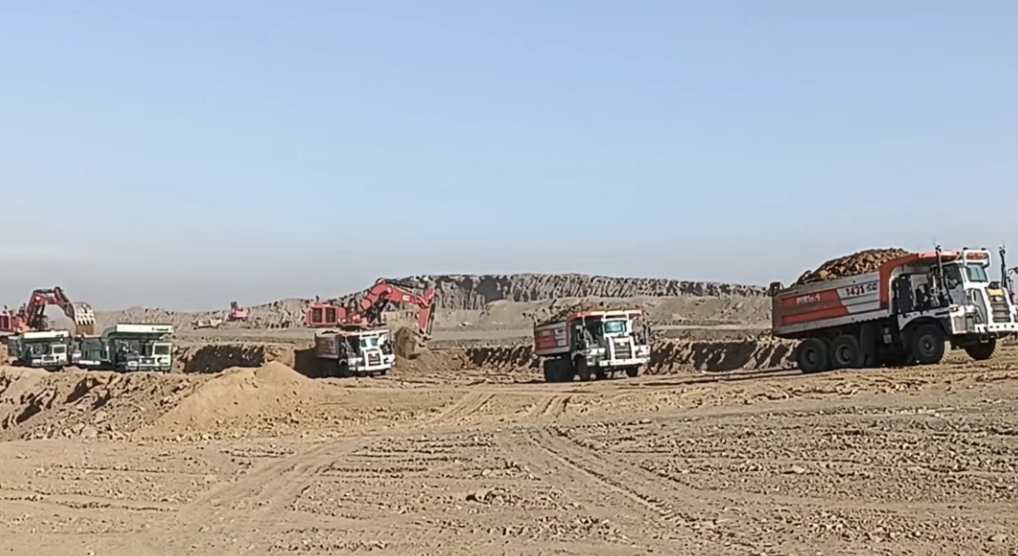
What truly gives 'Kuanggu' its competitive edge is its large-scale fleet scheduling capability. As of April 2026, Tage Intelligence had deployed over 140 autonomous driving mining wide-body trucks at a single mining site.
In terms of product adaptability, Tage Intelligence is also highly proactive. Its solutions support 12 models of mining wide-body trucks, covering hybrid, pure electric, and methanol-powered configurations. In 2024, it independently developed the 100-ton-class hybrid electric autonomous driving mining wide-body truck TG136HA, which reduces overall energy consumption by 30% compared to traditional fuel vehicles and has been deployed on a large scale in northwest China.
Customer relationships are another noteworthy aspect of Tage Intelligence. Its client list reads like a 'national team' roster: China Energy Group, State Power Investment Corporation, Baotou Steel Group, Jiangxi Copper Corporation... These large state-owned enterprises are not only customers but, in some cases, also shareholders.
As of December 31, 2025, Tage Intelligence had provided services for 31 intelligent open-pit mining projects across China, with projects in Xinjiang, Inner Mongolia, Jiangxi, Guangdong, and Heilongjiang.
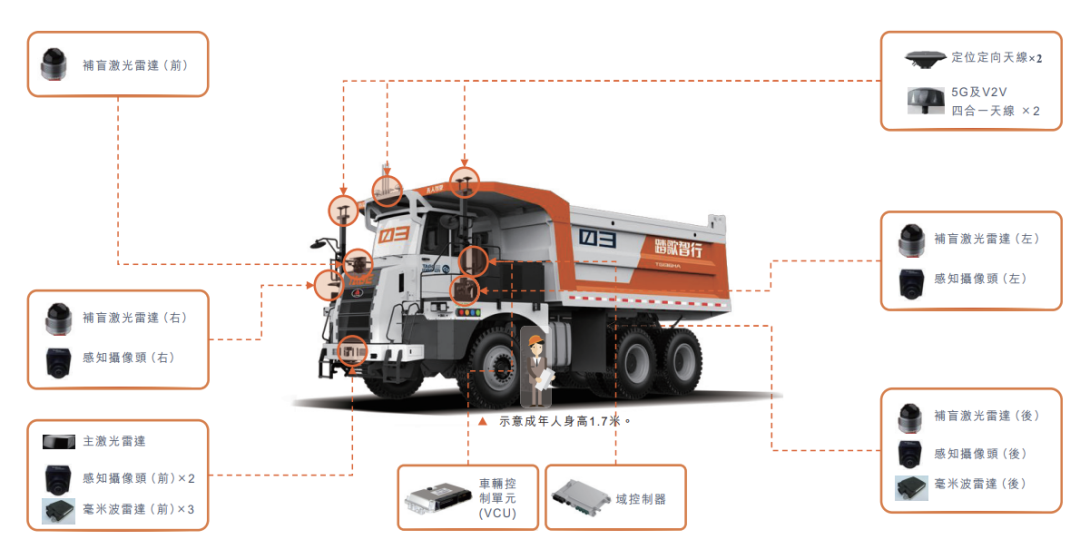
Features of Tage Intelligence's autonomous wide-body trucks
In terms of vehicles, as of the end of 2025, Tage Intelligence had delivered and serviced 557 autonomous driving mining transport vehicles, including 114 autonomous driving rigid mining trucks.
According to CIConsulting data, Tage Intelligence ranks second in China for the number of autonomous driving rigid mining trucks delivered and serviced and among the top four for the number of autonomous driving mining transport vehicles delivered and serviced.
In overseas markets, Tage Intelligence has also made strategic moves. The prospectus states that as of the end of 2025, based on contract value and solutions delivered, Tage Intelligence had secured China's largest overseas commercial order, involving solutions for over 40 third-party rigid mining trucks.
04 A Billion-Dollar Market and Players Still Incurring Losses
Tage Intelligence's decision to rush for a Hong Kong listing at this time is no coincidence.
According to CIConsulting data, the global mining autonomous driving market has ballooned from 900 million yuan in 2021 to 8.6 billion yuan in 2025 and is expected to reach 56.5 billion yuan by 2030. Central Asia, Africa, Australia, and South America are the primary growth regions.
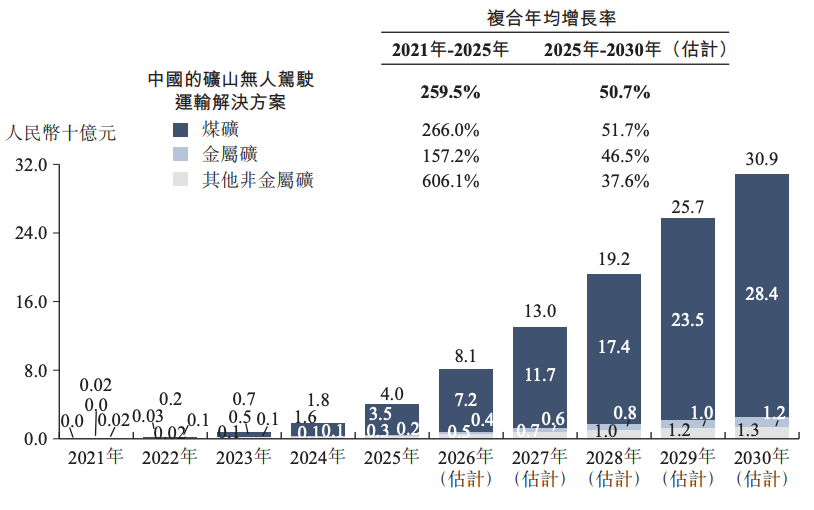
Market size of mining autonomous driving solutions in China
Policy support is also continuously increasing: China requires that by 2026, at least 60% of coal mine production capacity be intelligent, providing a clear growth driver for the entire industry.
However, this is also a highly 'winner-takes-all' sector, with an accelerating divergence in competitive dynamics.
OEMs like XCMG and Yutong are leveraging their chassis manufacturing advantages to extend downstream; solution providers are scrambling to go public—Bora Tech listed on the Hong Kong Stock Exchange in May 2025, and HiDi Tech completed its Hong Kong listing in December of the same year, becoming the 'world's first autonomous driving mining truck company.' Easy Control Intelligent Driving and Bolai Technology have also submitted their prospectuses.
Tage Intelligence's advantage lies in its technical expertise derived from its industry-academia-research background. However, it still needs to catch up in terms of pure commercial delivery scale and market share.
Another noteworthy signal is that the entire industry is 'incurring losses' in its pursuit of growth.
HiDi Tech's first financial report after listing showed 2025 full-year revenue of 885 million yuan, a year-on-year increase of 115.8%, but annual losses reached 1.021 billion yuan, up 75.8% from the previous year. Easy Control Intelligent Driving reported revenue of 921 million yuan in the first three quarters of 2025, with losses of 442 million yuan during the period.
What does this indicate
However, a second challenge is now emerging: achieving scalable profitability.
The financial data for 2025 offers some encouraging signs—revenue has surged to more than three times its previous level, gross profit margin has shifted into positive territory, and operating cash flow has also turned positive. Yet, the 4.8% gross profit margin, a high concentration of major clients at 88.2%, and accumulated losses surpassing 800 million yuan all present formidable obstacles.
The industry window is ajar. Policy incentives, technological advancements, and market expansion—these three favorable factors are converging. But this window of opportunity won't stay open forever. As more competitors enter the market, when OEMs start to 'jostle' for position, and when major clients initiate in-house R&D efforts, will Tage I.V. be able to maintain its competitive edge?
In its prospectus, Tage I.V. paints a long-term vision of 'AI + industry': leveraging technology to tackle the most hazardous jobs and utilizing algorithms to modernize the most traditional mining sector. While the underlying logic of this vision is sound, under the scrutiny of the capital market, investors are more eager to know when it will start generating substantial profits.
The Hong Kong stock market represents just the initial proving ground. The full picture is only beginning to take shape.
END-
-
Ofilm Teams Up with ADSensE to Propel Large-Scale Deployment of All-Solid-State LiDAR Powered by ADS6311 Chip!
-
![]()
Loss of 2.5 Billion Yet Facing Strong Demand for Shares? Another Battle for Control of Lianchuang Electronics
-
![]()
Huawei’s Enjoy Series Flies Off the Shelves, Prompting Xiaomi to Double Down on Budget Smartphones
-
![]()
Beijing Hyundai's Top Executive Criticizes Industry Disorder: Certain Brands Treat Customers as Beta Testers
-
![]()
The domestic mobile phone market has declined for five consecutive quarters! Huawei defies the trend with significant growth: maintains its top market share
-
Annual Revenue Surpasses 3 Billion: An Automotive Trim 'Little Giant' Makes Its Debut on the Beijing Stock Exchange
-
![]()
The Space Force Wants to Spend $30 Billion on Rocket Launches: Is Trump Doubling Down, and Is SpaceX the Big Winner?
-
![]()
Going Crazy! One out of Every Three Plug-in Hybrids Sold in Europe is a Chinese Vehicle