In the AI Era, Big Tech Companies Return to the PC Battlefield
 05/26 2026
 602
602

Author | Lucky
As AI technology applications delve deeper, the PC, once considered a 'sunset terminal,' has suddenly become a focal point for tech giants.
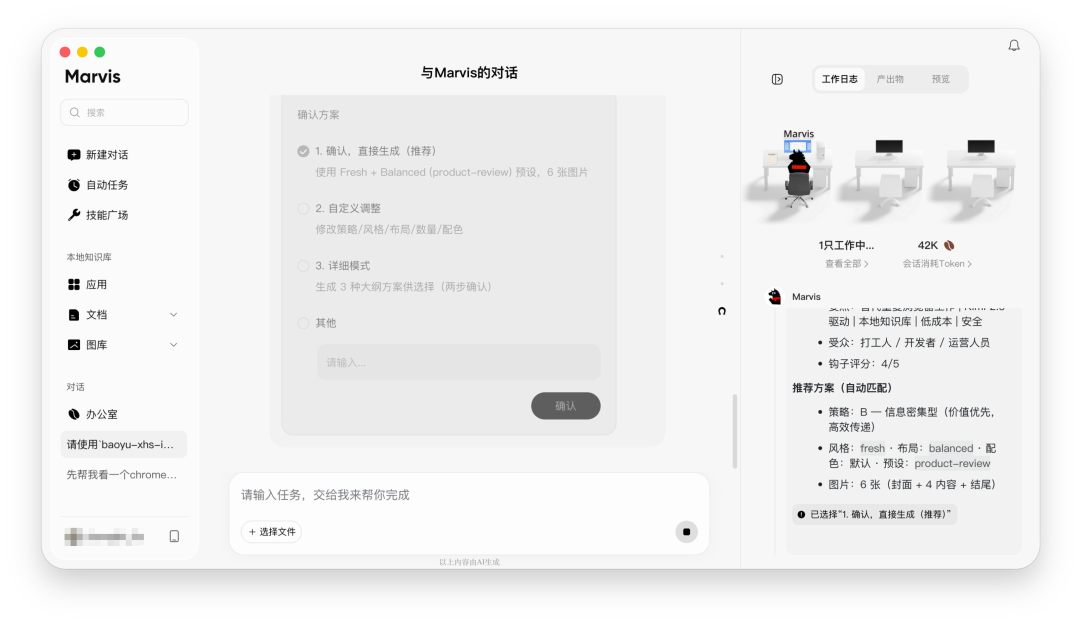
Image Source: Tencent
On May 21, 2026, Tencent launched Marvis, an AI assistant at the operating system level, capable of transforming the entire computer into a conversational entity, available simultaneously on Windows, macOS, and Android. It is worth noting that while Marvis offers an Android version, the mobile version is primarily in a Chatbot form and only evolves into its 'ultimate form' when connected to a computer.
Since 2026, Tencent has introduced not only Marvis but also PC-based AI assistants like QClaw and WorkBuddy. Meanwhile, developing AI products centered around PCs is becoming a major trend in the tech industry. Alibaba, Baidu, and ByteDance have also launched products such as Qoder Work, DuMate, and Trae.
As we all know, with the maturation of smartphones, the tech industry has long since entered the mobile internet era, and the PC ecosystem has gradually been marginalized. Today, it seems highly unusual for tech companies to be developing AI products centered around PCs.
So, the question arises: Why are tech companies unanimously increasing their investment in PC-end software when smartphones remain the dominant computing platform for the general public? As AI applications gradually mature, how will the relationship between PCs and smartphones evolve?
01 In the Mobile Internet Era, PCs Were Cast Aside
Unlike their current status as primarily office devices, more than a decade ago, before smartphones matured, PCs were the most important mass computing terminals, handling users' diverse needs such as internet access, socializing, and entertainment. Thus, they became the core battleground for tech companies to build product ecosystems and compete for entry points.
At that time, Baidu, Alibaba, and Tencent developed services like Baidu Search, Taobao, and QQ based on PC users' search, shopping, and social needs, respectively, becoming the three major internet giants. Meanwhile, numerous startups also created products like WPS, Thunder, and PPS to meet users' fragmented needs.
Among them, Baidu, which controlled the core search entry point of the PC internet, was once the dominant player in China's internet industry. In March 2011, Baidu's market value reached $48.1 billion, surpassing Tencent to become the highest-valued Chinese internet company at the time.
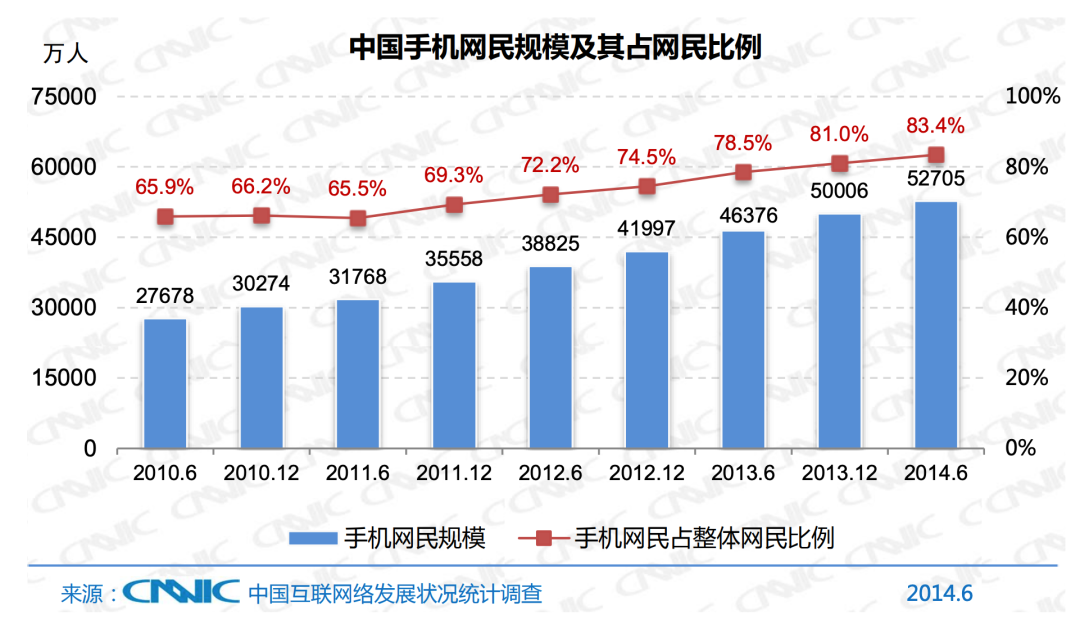
Image Source: China Internet Network Information Center
However, after 2007, with the iPhone ushering in the smartphone era, the appeal of PCs to users began to decline. Data from the China Internet Network Information Center shows that from June 2010 to June 2014, the number of mobile internet users in China grew from 277 million to 527 million, a staggering increase of 90.25%; their proportion rose from 65.9% to 83.4%, an increase of 17.5 percentage points.
Against this backdrop, internet companies rushed to embrace the smartphone era and undergo mobile transformation. Alibaba gained a foothold with Mobile Taobao, Tencent secured its place in the new era with WeChat, and ByteDance rose to prominence with Toutiao, becoming a new powerhouse in the mobile internet track ( track : track, referring to a competitive field).
In response, in an open letter in October 2014, Pony Ma, Chairman and CEO of Tencent, pointedly stated, 'The mobile internet is the true internet, connecting everything and disrupting all industries.'
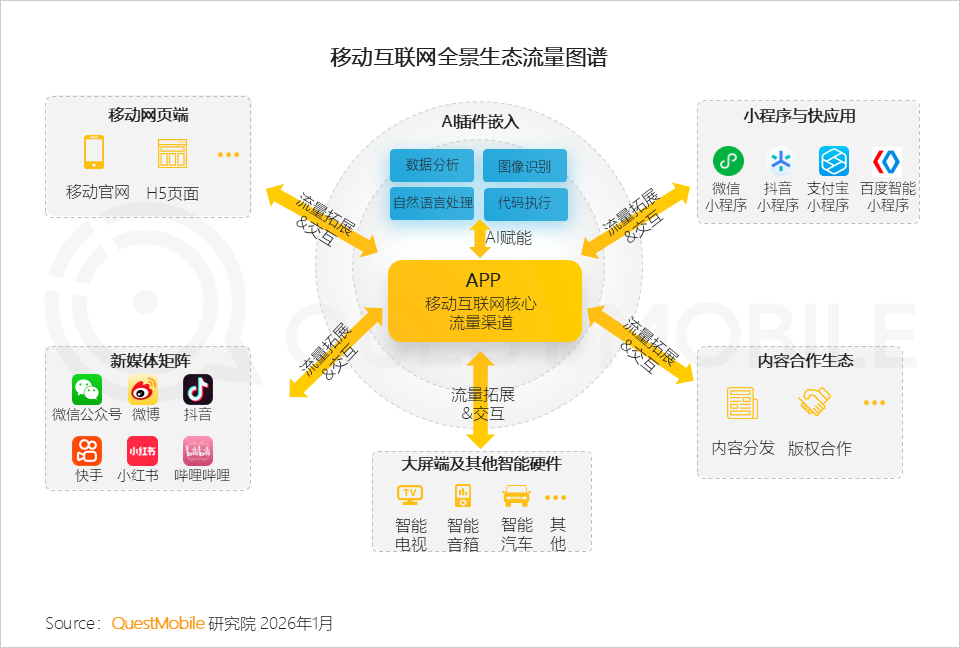
Image Source: QuestMobile
Indeed, Ma's judgment proved insightful. With advantages such as portability, 24/7 connectivity, and broad scenario adaptability, the mobile internet rapidly penetrated areas like shopping, travel, and entertainment, creating vast commercial opportunities.
As smartphones became the dominant computing platform, internet companies shifted their strategic focus entirely to the mobile internet. PCs were no longer the preferred carriers for innovative products, and many mobile apps did not even offer desktop versions upon initial release.
For example, Douyin (the Chinese version of TikTok) launched as early as 2016 but only introduced a web version in June 2021, when the mobile internet traffic dividend had dissipated.
Xianyu (a second-hand trading platform) once offered a web version but, amid the mobile internet wave, repeatedly reduced its web version's functionality to steer users toward the app. It abandoned the web version in 2019 and only reinstated it in 2024, albeit with incomplete features.
02 AI Unleashes Productivity: PCs Have Scenario Advantages
In recent years, as AI technology has matured, tech companies have actively developed mobile AI products. However, unlike the mobile internet era, these new AI offerings often adapt simultaneously to PCs and even take PCs as their primary carriers.
In addition to the Marvis, Qoder Work, and DuMate products recently launched by Chinese tech companies mentioned earlier, overseas tech companies have also developed PC-end AI products like Claude Code, Codex, and Gemini CLI.
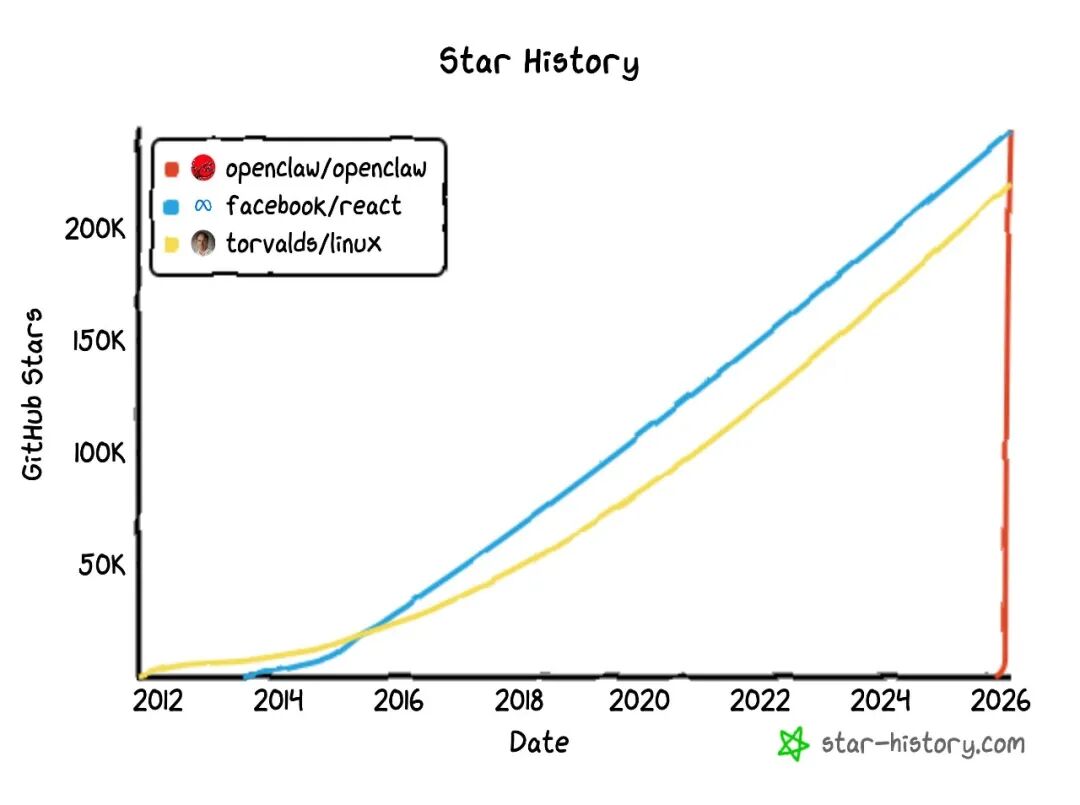
Image Source: OpenClaw
More unusually, despite most users having migrated to the mobile internet, many recently launched PC-end AI products have gained massive user adoption. For instance, within just over two months of its launch on the open-source platform GitHub, OpenClaw received over 300,000 'stars,' surpassing Linux to become the platform's most popular open-source project.
While OpenClaw's popularity on GitHub mainly resonated within the programmer community, the subsequent nationwide craze for 'raising shrimp' (a reference to a popular feature or application) indicated that the product had successfully 'broken out' and penetrated the mass market.
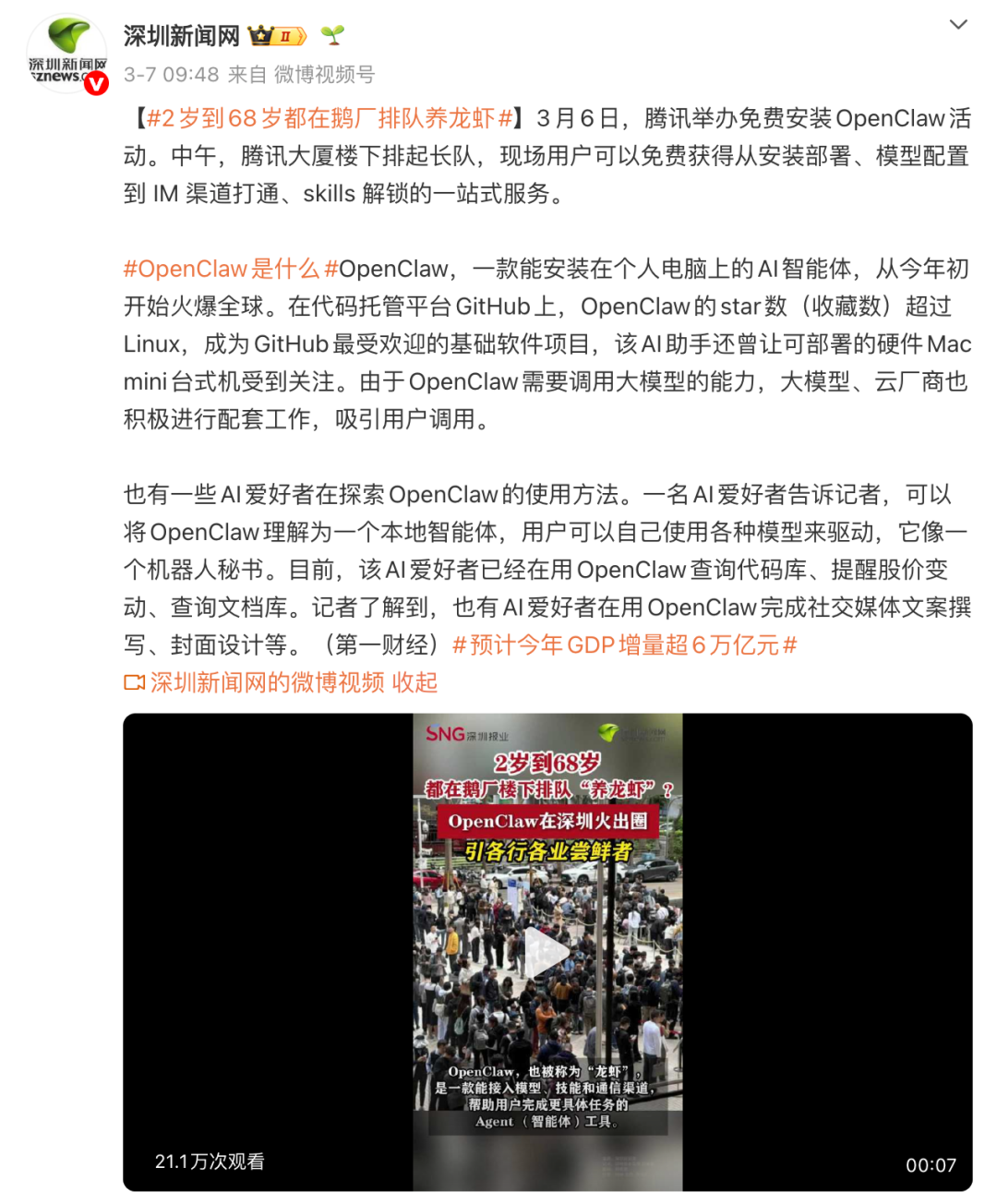
Image Source: Shenzhen News Network
According to Shenzhen News Network, in early March 2026, Tencent hosted a free OpenClaw installation event in Shenzhen. The venue was crowded, attracting early adopters from all walks of life, including children and seniors. 'Many people are unfamiliar with programming or cloud computing processes but came out of curiosity or work needs,' the report noted.
The reason lies in the fact that, unlike smartphones, which lean more toward entertainment and lifestyle scenarios, PCs excel primarily in productivity scenarios and are more likely to achieve positive feedback when applying AI technology.

Image Source: 'Luo Yonghao's Crossroads'
In mid-May 2026, during an appearance on the podcast 'Luo Yonghao's Crossroads,' Li Xiang, Chairman and CEO of Li Auto, discussed why ordinary users have limited perception of AI. 'A key aspect of agents is that they require a real work production environment to obtain good feedback. Ordinary users may lose interest after playing around because there's no productive feedback,' he said.
Indeed, since 2025, mobile AI assistants launched by tech companies like Alibaba, Tencent, and ByteDance have been continuously strengthening their 'task-handling' capabilities. However, constrained by the isolated ecosystem of the mobile internet, these AI products can mostly only complete service loops within their own ecosystems and cannot truly achieve cross-platform services, making it difficult to deliver a disruptive user experience.
In contrast, the PC ecosystem is less fragmented, and Windows and macOS can provide applications with system-level execution rights. AI agents like OpenClaw can deeply integrate with users' computer data and truly 'execute tasks with a single sentence.'
From a demand perspective, when using PCs, users often have explicit productivity-related needs for office work and creative tasks, showing higher acceptance of AI agent products that can enhance efficiency and perform complex operations.
Not only do PCs better align with user needs, but in the field of AI agents, they also possess significant advantages over smartphones in terms of computing power, memory, battery life, and other configurations.
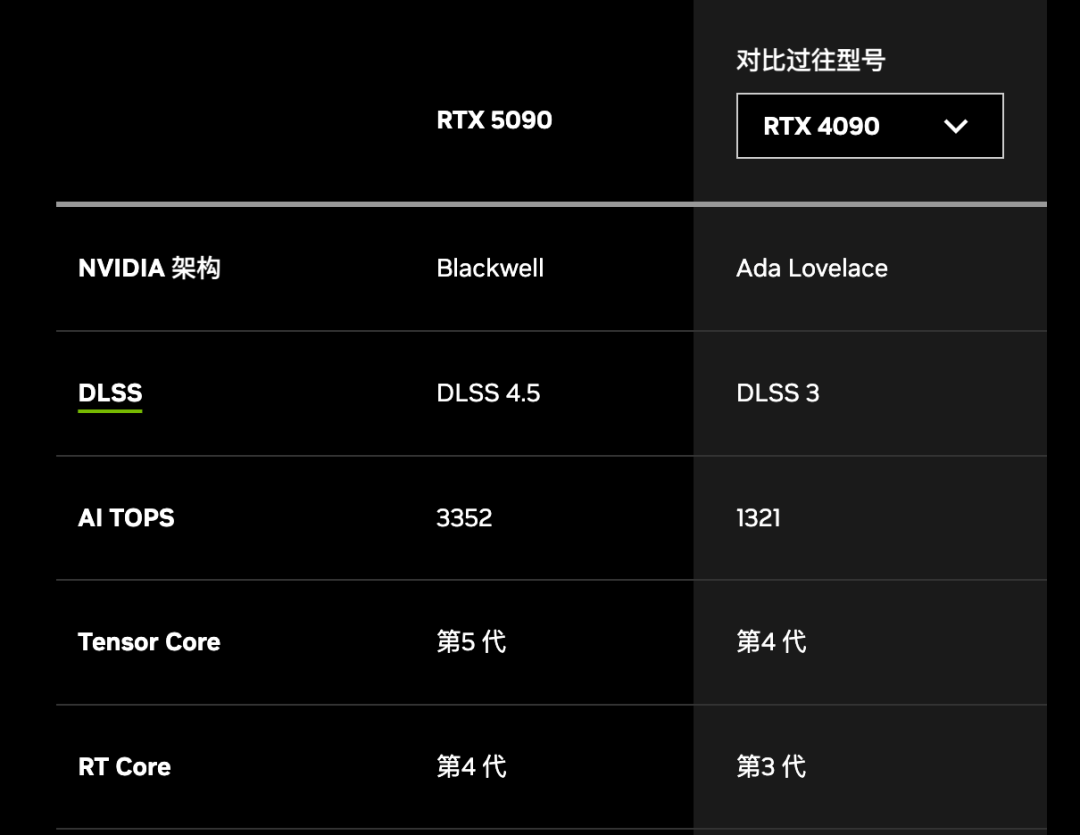
Image Source: NVIDIA
For example, NVIDIA's flagship graphics card, the RTX 5090, boasts 92 billion transistors and delivers AI computing power of up to 3352 TOPS, acting as users' private 'token factory.' In comparison, the current flagship processor in the mobile industry, the fifth-generation Snapdragon 8 Supreme Edition, offers only 80 TOPS of AI computing power, struggling to meet users' high-intensity on-device computing demands.
In summary, in the AI era, big tech companies' focus on developing AI products centered around PCs is no coincidence. Compared to smartphones, PCs are better suited for the deployment and evolution of AI agents in terms of hardware performance, system openness, and user scenarios.
AI is reshaping PCs from 'office tools' into the core entry point of the next-generation computing ecosystem.
03 In the Next Era, Hybrid Computing Architectures May Dominate
While big tech companies' unanimous bet on AI agents has brought the marginalized PC back to the center of the tech industry, its bulkiness makes it unlikely to become a portable computing terminal for users. This means that in the AI era, the relationship between PCs and smartphones and other portable devices may not follow a zero-sum replacement logic.
Although cloud-based large models offer scale advantages and stronger capabilities, each user possesses vast amounts of private and personalized data. Thus, the personal computing hub in the AI era will still primarily rely on local devices.
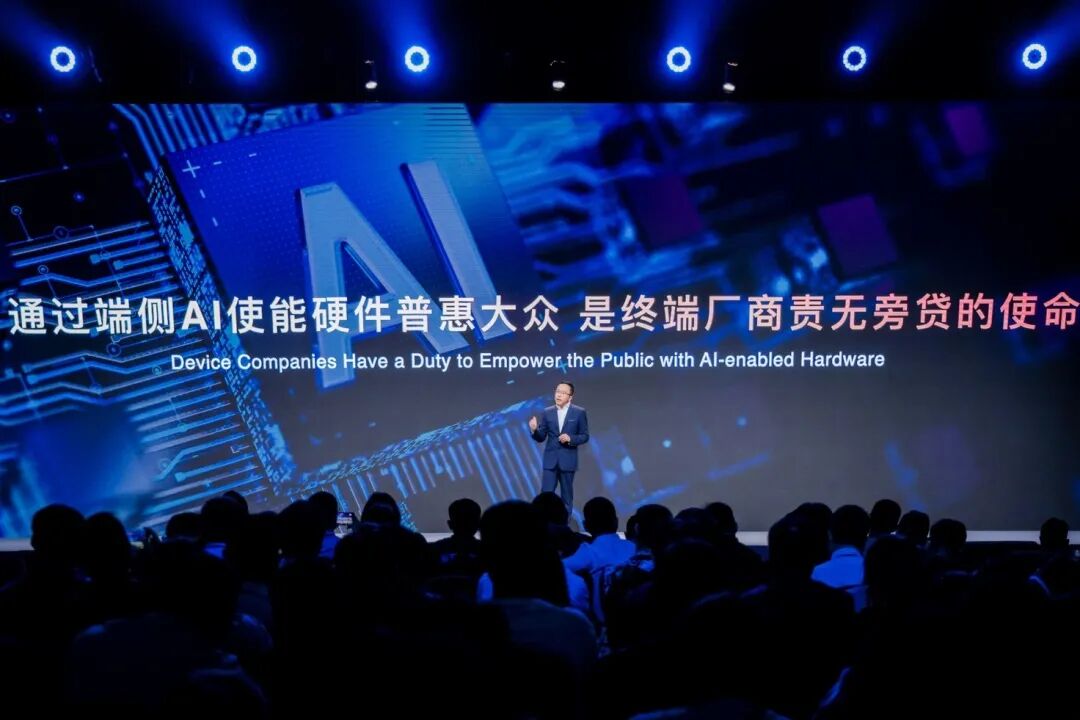
Image Source: Honor
In response, in June 2024, Zhao Ming, former CEO of Honor, stated, 'Many capabilities of on-device AI are not possessed by cloud AI. Its strengths lie primarily in learning from users' personal data and protecting personal privacy. The future development of on-device AI will undoubtedly better empower consumers and coexist with network AI.'
Against this backdrop, PCs, with their stronger on-device computing power and higher system openness, are expected to evolve from productivity tools into 'home computing centers,' responsible for storing users' personal data and providing on-device computing power. When local computing power is insufficient, PC-based AI agents can leverage advanced cloud-based large models via home WiFi to handle complex tasks.
However, compared to smartphones and other smart devices, PCs also have disadvantages, such as poor portability and reliance on a fixed desktop environment. Therefore, in the future, users' computing needs may not be confined to a single terminal but could instead adopt a 'hybrid architecture.'
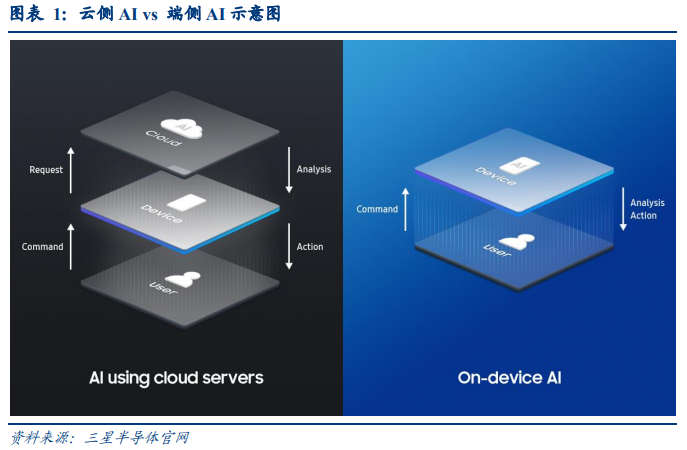
Image Source: Huibo Investment Research
PCs, primarily located in homes, will handle high-intensity computing tasks by coordinating on-device and cloud computing power. Portable devices can then deeply collaborate with PCs to efficiently execute corresponding tasks.
For example, users can delegate fleeting thoughts to PC-based AI agents via wearable devices like smart glasses or smart earphones. By opening IM software on their phones, they can intuitively view the AI agents' task progress.
Clearly, in the AI era, while users' computing hubs will also shift, they are unlikely to be monopolized by a single terminal, as in the PC internet or mobile internet eras. PCs, smartphones, wearables, and even more edge devices will deeply integrate.
In this ecosystem, PCs—with their stronger on-device computing power, higher openness, and productivity ecosystem—will become the core hub for personal data, AI agents, and complex task scheduling, assuming increasing strategic importance.
From this perspective, big tech companies' return to the PC battlefield in the AI era is not primarily about launching AI products but about vying for entry points and control over the next-generation digital world.
By securing the PC—the 'control console' of the AI era—tech companies have the opportunity to shape future human-computer interaction paradigms and ecological order.
Which internet company will secure its 'ticket' to the AI era via PCs remains uncertain. However, one thing is clear: As PC-centric hybrid computing architectures mature, AI will reshape human-computer interaction and elevate user productivity to new heights.
Interactive Topic
Have you used AI agents on PCs? Do you find them more useful than similar products on smartphones?
This article is original content from Farsight and is prohibited from reproduction without authorization.
-
Ofilm Teams Up with ADSensE to Propel Large-Scale Deployment of All-Solid-State LiDAR Powered by ADS6311 Chip!
-
![]()
Loss of 2.5 Billion Yet Facing Strong Demand for Shares? Another Battle for Control of Lianchuang Electronics
-
![]()
Huawei’s Enjoy Series Flies Off the Shelves, Prompting Xiaomi to Double Down on Budget Smartphones
-
![]()
Beijing Hyundai's Top Executive Criticizes Industry Disorder: Certain Brands Treat Customers as Beta Testers
-
![]()
The domestic mobile phone market has declined for five consecutive quarters! Huawei defies the trend with significant growth: maintains its top market share
-
Annual Revenue Surpasses 3 Billion: An Automotive Trim 'Little Giant' Makes Its Debut on the Beijing Stock Exchange
-
![]()
The Space Force Wants to Spend $30 Billion on Rocket Launches: Is Trump Doubling Down, and Is SpaceX the Big Winner?
-
![]()
Going Crazy! One out of Every Three Plug-in Hybrids Sold in Europe is a Chinese Vehicle