Apple's Epic Upgrade! iOS 27 Interface Leak: Full AI Integration in Camera and Photos Apps
 05/29 2026
 582
582
Kuaikeji, May 29 - Apple is poised to introduce its new iOS 27 system at the upcoming WWDC Global Developers Conference in June. Ahead of the event, the new system's interface and core features have been fully leaked.
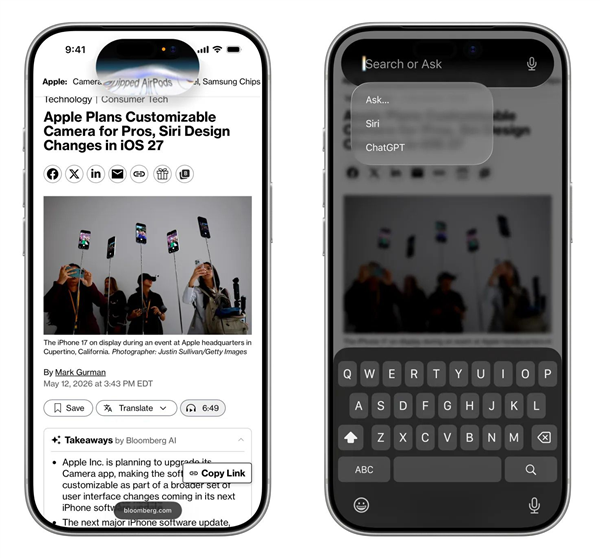
Renowned Apple insider Gurman revealed details about iOS 27, highlighting the most prominent upgrades in the Camera app. The new version will include a built-in Siri mode, placed alongside existing options like photo and video capture.
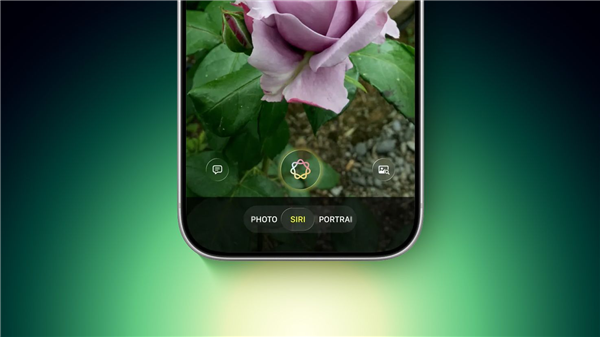
Gurman disclosed that users can simply point and shoot at any object after activation, and the system will automatically analyze the image using third-party AI or initiate a global image search via Google, offering a much smoother experience than before.
By integrating this visual capability directly into the native Camera app—rather than burying it deep within control menus—Apple aims to significantly boost usage among everyday users.
Once Apple's upcoming smart glasses and AirPods with cameras hit the market, users will be able to leverage these visual intelligence features using familiar interaction patterns, eliminating any learning curve.

Additionally, the updated Camera app introduces fully customizable widgets and a more flexible interface. The top-bar shortcuts, previously fixed above capture modes, are now customizable, allowing users to tailor options to their habits—such as adding depth-of-field adjustments for frequent portrait mode users.
The native Photos app in iOS 27 also introduces new Apple Intelligence tools, including two core features: Reframe and Smart Expand.
Reframe lets users manually adjust the perspective of existing photos, correcting less-than-ideal angles during post-processing. Smart Expand uses AI to generate extensions beyond the original image, such as automatically completing the lower half of a building accidentally cropped out, vastly expanding the usability of old photos.
Apple is also testing natural language-based photo editing, enabling users to describe desired edits—like cropping or color adjustments—via voice or text instead of manual parameter tweaks. The system will then execute the changes automatically.
However, Gurman noted that this feature is not yet polished enough for release and likely won't appear in the initial iOS 27 rollout, potentially arriving in a future update.
Beyond imaging upgrades, iOS 27's Shortcuts app undergoes its most significant redesign, allowing users to create automation workflows through natural language descriptions.
Instead of manually dragging and dropping nodes to build complex workflows, users can simply describe the desired outcome in everyday language, and the system will generate the corresponding automation rules.
For example, users could set up a daily commute workflow that automatically plays their favorite playlist and sends real-time estimated arrival times to their spouse when they start their car after work.
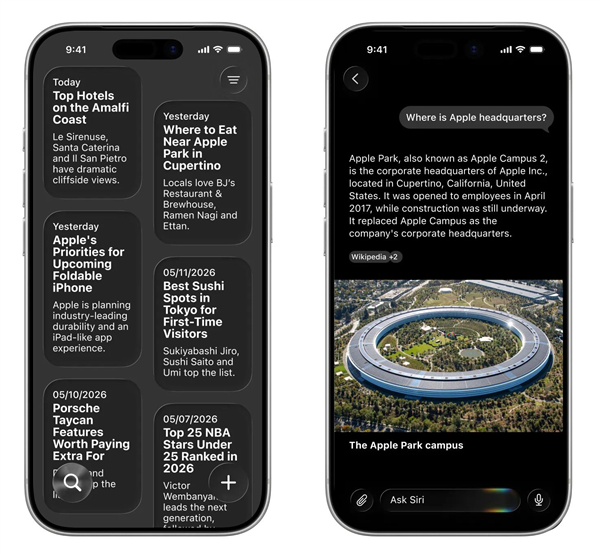
The iOS 27 upgrades focus entirely on seamless AI integration, moving beyond incremental feature updates. AI capabilities are now deeply embedded across core system apps rather than hidden in secondary menus, promising a noticeable shift in how everyday users interact with Apple devices after the official rollout.

-
Ofilm Teams Up with ADSensE to Propel Large-Scale Deployment of All-Solid-State LiDAR Powered by ADS6311 Chip!
-
![]()
Loss of 2.5 Billion Yet Facing Strong Demand for Shares? Another Battle for Control of Lianchuang Electronics
-
![]()
Huawei’s Enjoy Series Flies Off the Shelves, Prompting Xiaomi to Double Down on Budget Smartphones
-
![]()
Beijing Hyundai's Top Executive Criticizes Industry Disorder: Certain Brands Treat Customers as Beta Testers
-
![]()
The domestic mobile phone market has declined for five consecutive quarters! Huawei defies the trend with significant growth: maintains its top market share
-
Annual Revenue Surpasses 3 Billion: An Automotive Trim 'Little Giant' Makes Its Debut on the Beijing Stock Exchange
-
![]()
The Space Force Wants to Spend $30 Billion on Rocket Launches: Is Trump Doubling Down, and Is SpaceX the Big Winner?
-
![]()
Going Crazy! One out of Every Three Plug-in Hybrids Sold in Europe is a Chinese Vehicle