Between tool enhancement and environment reconstruction, Kingsoft Office has found its path to AI productivity
 06/01 2026
 428
428
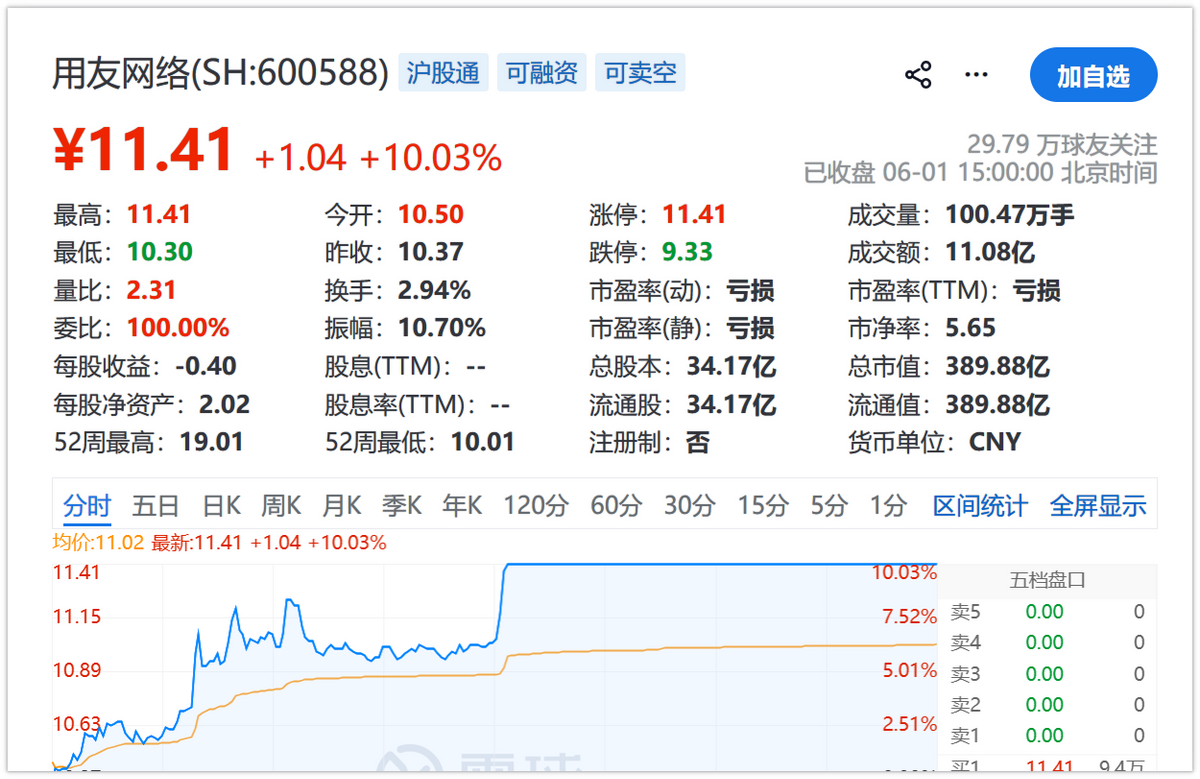
In the final week of May just passed, software listed companies like Snowflake and DataDog saw their stock prices surge due to first-quarter earnings that far exceeded expectations, alleviating market concerns about AI disrupting the software industry. Subsequently, on June 1, AI application concept stocks such as Kingsoft Office, Yonyou Network, BlueFocus, and Sangfor experienced significant gains. The anticipation of traditional applications transitioning to AI applications has gained further recognition.
In March of this year, a16z released the latest edition of its 'Top 100 Gen AI Consumer Apps' report. The findings revealed that ChatGPT's weekly active users still account for only 10% of the global population. Based on this, a16z partner Olivia Moore concluded, 'There is still a massive untapped market.'
What makes this list remarkable is its inclusion, for the first time, of products that are not AI-native but have been extensively AI-ized, such as Notion and Canva. Notion even stated that half of its new Annual Recurring Revenue (ARR) comes from AI-first features.
a16z refers to this phenomenon as 'scenario leapfrogging' and 'diversified entry points': AI is no longer confined to a single web-based dialog box but is evolving into an environmental capability that can be embedded into workflows. Take office software as an example; the current AI-driven transformation paths within the industry are not overly complex:
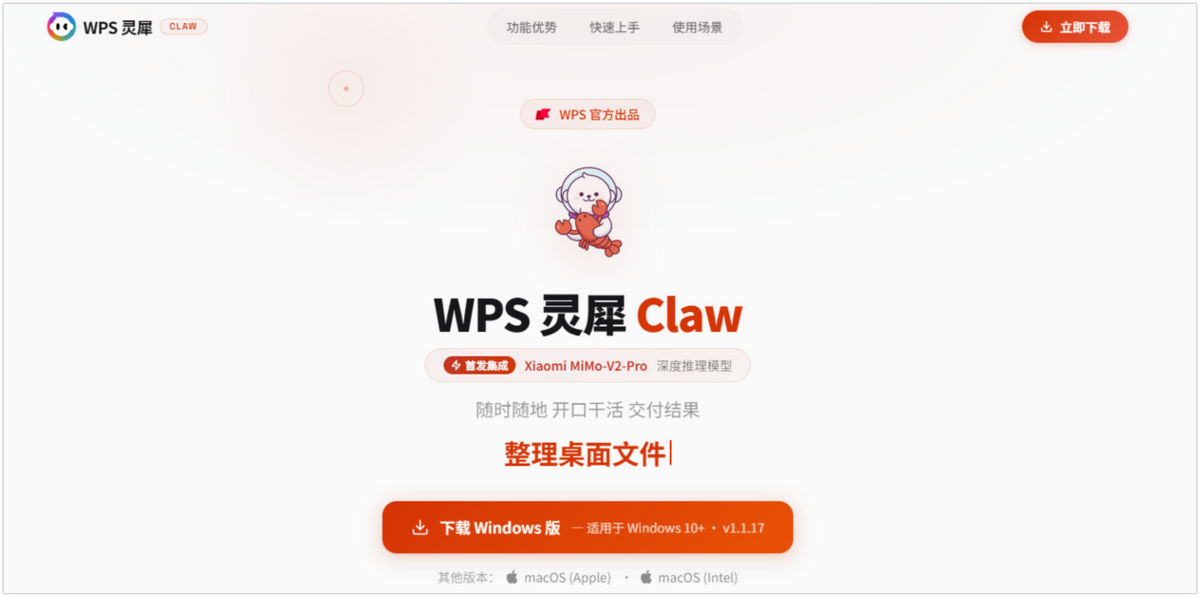
One path involves making existing tools smarter. Microsoft Copilot and Notion AI, for instance, essentially add AI capabilities to mature office software suites. The other path involves redesigning the underlying architecture of the digital office environment with AI, as exemplified by Kingsoft Office's shift from 'Office AI' to 'AI Office.' Last year, the Lingxi intelligent agent embedded in its software was upgraded to an all-around AI office companion—in simpler terms, it covers multiple file formats and diverse usage scenarios, empowering the entire office workflow.
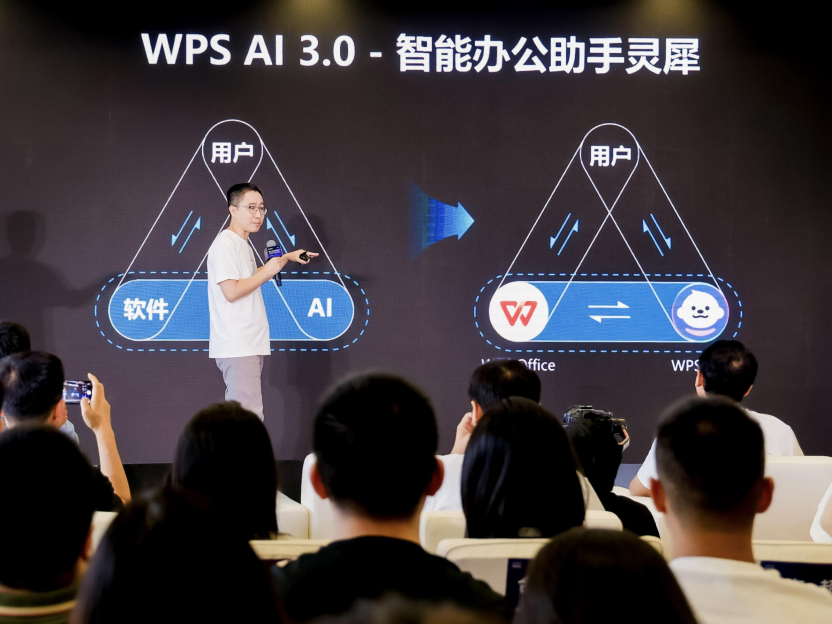
Making tools smarter or environments more intelligent—these approaches are intertwined. The key to truly harnessing AI lies in how well these two approaches can be integrated into software.
I. At the End of AI's Impact on Software: AI Applications or Application AI?
The mainstream path for AI-driven office productivity overseas—represented by Microsoft Copilot and Notion AI—is essentially 'tool enhancement.' The underlying logic of their workflows remains relatively unchanged, with AI serving as an add-on capability to existing tools. When users open Word, it's still the same Word, but with an additional assistant in the sidebar. The efficiency gains are immediate and noticeable, which helps drive adoption and willingness to pay.
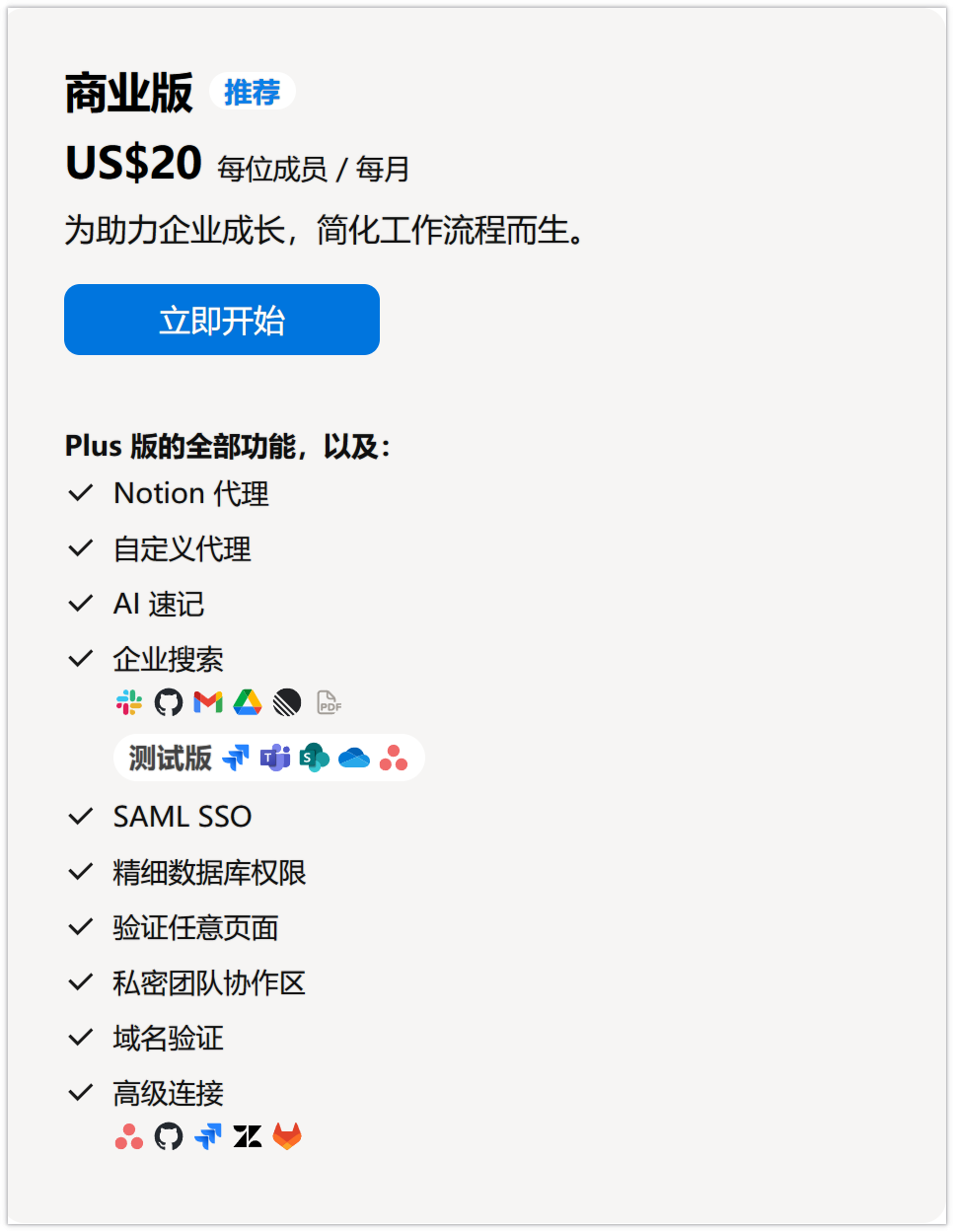
Copilot is priced at $30 per month, while Notion AI costs around $20 per month. According to Axis Intelligence's calculations, the Return on Investment (ROI) for a typical enterprise using Microsoft Copilot 365 will reach 107% after 18 months, effectively doubling the investment within a year and a half.
Moreover, this embedded form allows for rapid product iteration and strong user perception. Notion's debut on a16z's list, ranking highly, is proof of the viability of this approach.
However, compared to the popular vision of AI taking over work and liberating human labor, this model has several limitations.
The first limitation is scenario constraints. 'Tool enhancement' excels in open-domain tasks—content generation, information retrieval, and text summarization. These tasks have clear standards and well-defined input-output boundaries, where large models perform quite maturely. However, no one would willingly apply it to scenarios like government approvals, cross-departmental collaboration, or financial risk control, as 'writing faster' or 'searching more accurately' does not address the core issues in these contexts. These scenarios require process orchestration, permission management, compliance auditing, and cross-system data integration—tasks that are not solely within the domain of large models.
The second limitation is organizational adaptation. Overseas AI products, especially standalone ones, often assume users are 'atomic individuals'—independent knowledge workers for whom efficiency gains equate to full value. However, in large organizations, workflows are not linear but networked. An approval process involves multiple departments, making integration into collaborative workflows a critical design consideration for AI office products.
The third limitation is data challenges. For AI capabilities to penetrate high-value scenarios, they must access core data. However, core data is difficult to migrate to the cloud, and on-premises deployment places significant demands on product design and user willingness.
The final limitation is competitive homogenization. When all tools integrate large models for AI writing, summarization, and translation, the differences between functionalities diminish. Reliance on third-party large models in the technology stack makes it difficult for product layers to form genuine competitive moats. User migration costs are low—a good AI feature can quickly be replicated by competitors.
a16z's report raises several considerations, such as memory functions becoming a core advantage, products evolving from tools to companions, and, in the view of institutional and industry-leading developers, when general capabilities become homogeneous, stickiness comes from the depth of scenario embedding rather than the quality of individual functions.
Thus, while the tool enhancement path of early adopters excels in efficiency value, when it comes to systemic value, the professional office software's approach to AI integration is crucial. They are better equipped to meet the complex scenarios driven by organizational needs.
II. Kingsoft Office's Environmental Reconstruction: A Revolution in Context and Scenarios
Last year, the Generative Artificial Intelligence Research Lab (GAIR Lab) at Shanghai Jiao Tong University proposed in a paper that the essence of artificial intelligence is not a computational revolution but a contextual revolution.
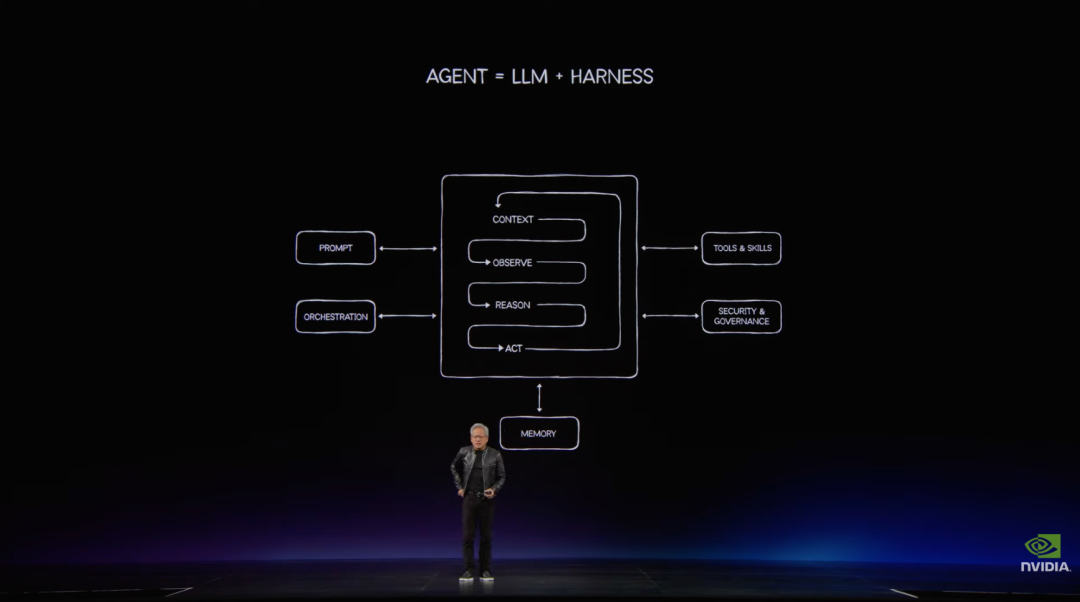
What does this mean? It suggests that an AI-led intelligent system's ability to understand the world depends primarily on its absorption and interpretation of context. With the rise of concepts like Harness this year, this idea can be further extended: in vertical domains like office productivity, the key to integrating applications with AI lies in reconstructing the application environment to leverage user context effectively while remaining confined within scenario boundaries.
At an industry forum in late May, Wang Shaokang, Vice President of Kingsoft Office, summarized this transformation as a shift from 'Office AI' to 'AI Office.' Office AI involves adding AI capabilities to office software, whereas AI Office entails reconstructing the office environment with AI. The difference in product form is superficial; it fundamentally addresses the question of what office software should look like in the AI era, effectively reconstructing the digital office environment.
The first aspect is the reconstruction of the interaction layer, shifting from 'humans operating software' to 'humans and machines coexisting in an intelligent environment.'
Traditional interaction modes involve humans operating software through menus, buttons, and shortcuts to complete specific tasks, such as writing a letter or creating a spreadsheet. Even with the addition of AI assistants, the interaction paradigm remains unchanged—humans initiate requests, and AI performs atomic tasks.
In contrast, Kingsoft Office's vision for a 'next-generation WPS office intelligent agent' involves a different scenario: users set a goal (e.g., organizing a meeting), and the system automatically breaks it down into multiple subtasks, coordinates multiple participants, and completes the entire loop from planning to execution to tracking. In this process, users do not issue instructions one by one but set intentions, leaving the environment to execute.
AI task execution follows a fundamental principle: the more detailed, the more profound. Touching upon the specifics of organizational, personnel, and event processes requires AI to evolve from an assistant to a process orchestrator, actively perceiving the environment and executing workflows. Model capabilities alone are insufficient; this clearly involves adapting product architecture to AI integration.
The second aspect is the reconstruction of the process layer, focusing on shifting from individual efficiency to organizational collaboration.
Enhancing the productivity of individual knowledge workers is relatively straightforward. Kingsoft Office differentiates itself by embedding AI capabilities into organizational collaborative workflows.
WPS 365's architecture, which integrates 'documents, collaboration, and AI,' provides a unified work platform for workgroups, departments, or entire organizations. On this platform, AI is not just a tool for writing documents but also a coordinator for cross-departmental processes.
In the domestic market, whether for government agencies, state-owned enterprises, or even development teams, workflows often emphasize strict approvals, multi-tiered structures, and compliance. AI cannot merely focus on work efficiency without considering security boundaries. Kingsoft Office's deep experience in the government and enterprise market, along with its understanding of such scenarios, is difficult for pure technology companies to replicate quickly.
The final aspect is the reconstruction of the data layer. While delivering functionality is fundamental, the true 'last mile' of application lies in embedding AI infrastructure into systems in a trustworthy manner.
Many key industries face a core contradiction in their digital transformation: they need AI to improve efficiency but cannot entrust core data to uncontrollable external systems. This requires AI capabilities to support on-premises deployment, auditable traceability, and operation within secure boundaries.
To address this, Kingsoft Office emphasizes its security system's 'four-layer protection + full-link auditing' while adopting a hybrid commercial model of 'basic licensing + value-added subscriptions.' This approach meets stability and security requirements while smoothly incorporating AI-driven technological updates.
The cleverness of this strategy lies in its use of two delivery methods to cater to different customer needs rather than relying on a single product for all clients. This 'progressive monetization' aligns better with the user mindset cycle of moving from curiosity to dependency on AI features.
From a results perspective, this strategy has already been validated in performance. In the first quarter of 2026, Kingsoft Office reported revenue of 1.613 billion yuan, up 23.95% year-on-year; WPS 365 business revenue reached 244 million yuan, a 60.79% increase; WPS software revenue was 347 million yuan, up 32.24%. The simultaneously announced equity incentive plan set targets for cumulative growth in overseas business revenue and WPS 365 business revenue over the next three years, indicating Kingsoft Office's confidence in the potential of its current strategy.
III. Going Global with Differentiation: Seeking Cutting-Edge Opportunities
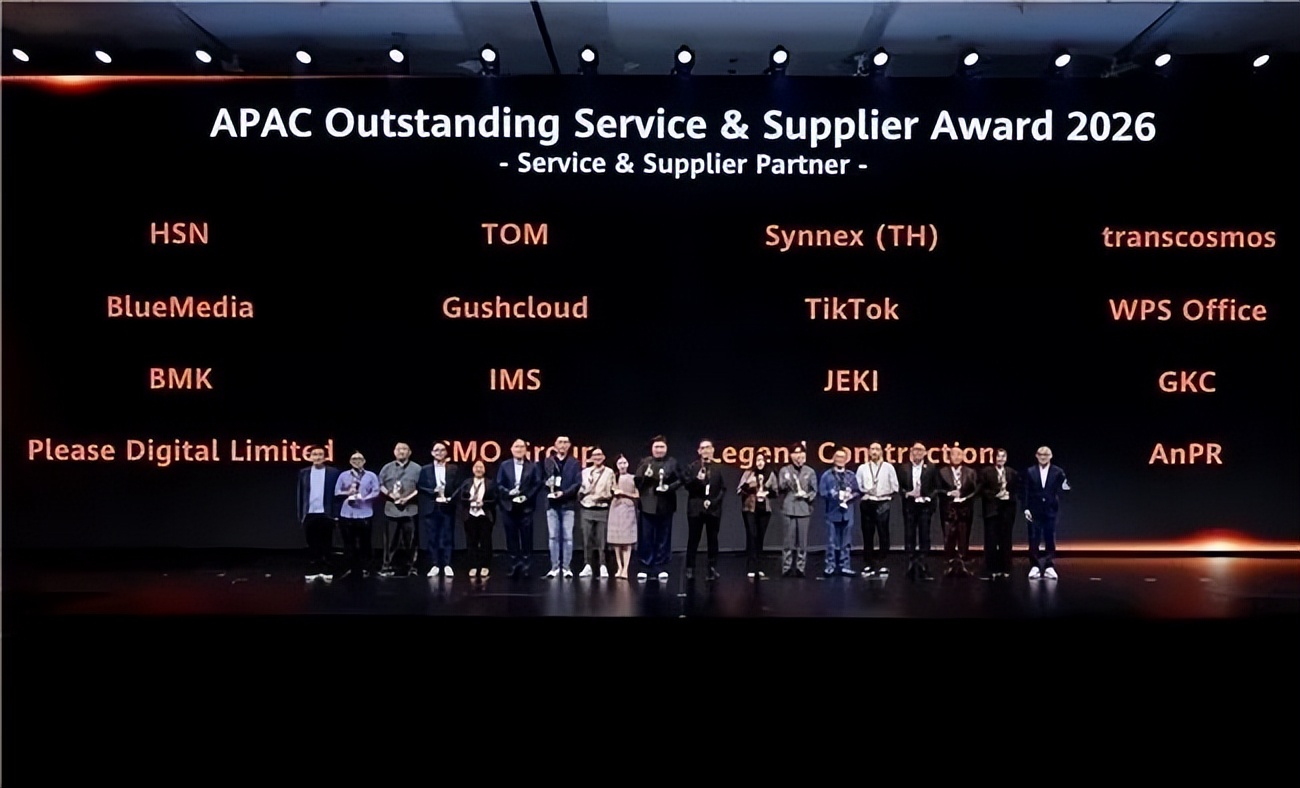
In May of this year, Huawei hosted a global product launch event in Bangkok, Thailand. Alongside unveiling flagship new products, Huawei also presented awards to its outstanding ecological partners in the Asia-Pacific region, with Kingsoft Office receiving the 'Outstanding Ecological Contribution Award.' In addition to WPS being preloaded on Huawei devices for overseas expansion, Kingsoft Office itself has vigorously promoted its global presence, successfully establishing operations in Thailand, Malaysia, and other countries and regions, where it has been well-received by local large enterprises, institutions, and government units.
From an AI application perspective, Kingsoft Office's approach of balancing functionality with constraints aligns well with the needs of such clients. They prioritize systemic value—process optimization and trust-building.
From a commercialization standpoint, many AI products experiencing rapid short-term growth tend to be add-on types, focusing on short-term monetization and quick expansion. In contrast, products willing to reconstruct work environments and processes have a longer lifecycle characterized by gradual accumulation and value release. Thus, the former's competitive moat comes from technological iteration speed and user scale, while the latter's moat stems from the depth of scenario embedding and trust assets.
These two paths are not mutually exclusive but complementary. The global AI application market is vast enough to accommodate both paradigms. Two observations from a16z's report support this judgment.
The first observation is the significant regional variation in AI penetration: trust in AI stands at only 32% in the United States, while over 70% of people in the UAE, China, and other regions hold positive attitudes toward AI. From Kingsoft Office's practice, it is evident that as long as AI remains effective and controllable, resistance to 'environmental reconstruction' in complex organizations is minimal.
The second observation is the growth of desktop applications. Desktop apps like Granola and voice input tools can directly access file systems, performing more contextualized tasks akin to OpenClaw's butler-like services. Therefore, deeper coupling between software and hardware is also worth noting. Two key signals emerge here:
First, Kingsoft has consistently focused on cutting-edge hardware demands. At the Snapdragon Summit China in September 2025, Kingsoft Office announced the launch of a native WPS Office version designed specifically for ARM architecture processors like the Snapdragon X series. In May of this year, the fifth-anniversary offline party of the Xiao You Club was held in Beijing, where WPS Office for Windows on ARM was showcased in the Snapdragon application ecosystem zone.
The ARM-native version of WPS Office achieved significant performance improvements in startup speed and large file processing, providing a hardware foundation for AI-driven office capabilities on end-user devices.
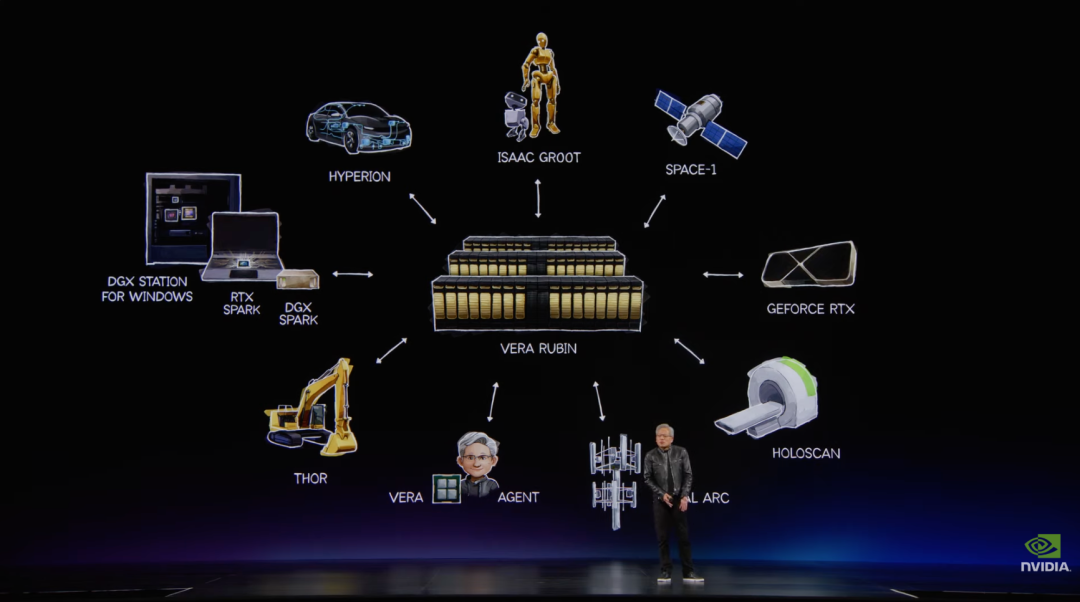
Second, on June 1, NVIDIA officially announced at the GTC Taibei 2026 conference a PC product co-developed with Microsoft. Powered by a special NVIDIA RTX Spark chip based on ARM architecture, the product is defined as a compact AI workstation with strong AI inference capabilities or simply an 'Agent PC.'
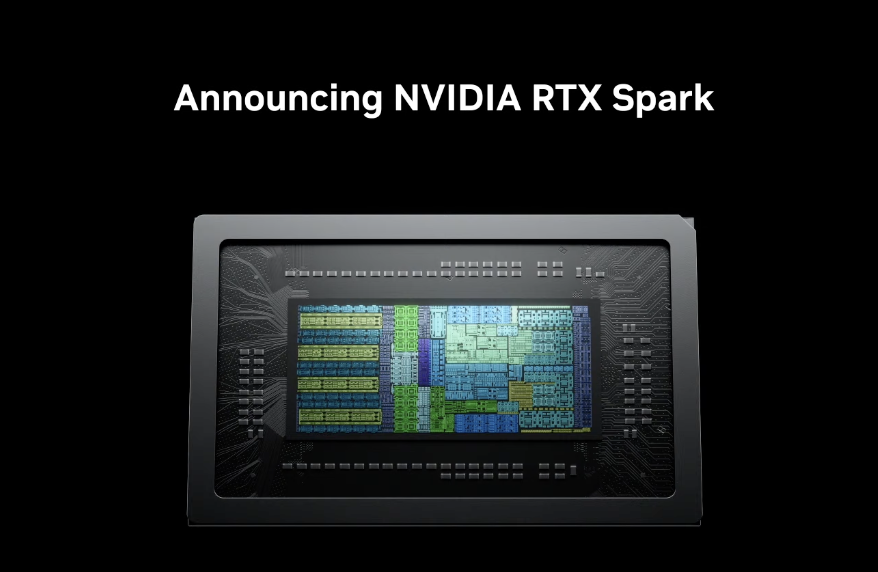
Jensen Huang said, 'The PC is being redefined. For the past 40 years, you launched applications, clicked, and typed. With RTX Spark and Windows, you just state your needs, and the PC gets the job done.' In their bold innovation, environmental reconstruction is accelerating toward its limits—completely transforming the work carrier while shaping entirely new work methods. For intelligent products like WPS, which are also reconstructing environments and processes, this could represent an opportunity or a risk.
Currently, WPS's AI has more than 80.13 million monthly active users in China, representing a year-on-year increase of 307%, with the daily average number of tokens exceeding 200 billion. The 678 million monthly active devices worldwide provide Kingsoft Office with a continuous stream of data and a solid user base.
As more and more users accumulate documents, develop collaborative habits, and rely on AI functions within the WPS ecosystem, we cannot predict the direction in which the reconstruction will evolve. However, judging from this year's surge in intelligent agents and the PC innovations brought about by NVIDIA, speed is not the only dimension in the AI revolution.
Some are chasing speed, while others are building depth. Is the ultimate value of AI to help people do their existing work faster, or to turn things they never thought possible into everyday tasks? Perhaps the ultimate, incredible answer lies in the software transformations led by Kingsoft Office and the hardware transformations led by companies like NVIDIA and Microsoft.
-
Ofilm Teams Up with ADSensE to Propel Large-Scale Deployment of All-Solid-State LiDAR Powered by ADS6311 Chip!
-
![]()
Loss of 2.5 Billion Yet Facing Strong Demand for Shares? Another Battle for Control of Lianchuang Electronics
-
![]()
Huawei’s Enjoy Series Flies Off the Shelves, Prompting Xiaomi to Double Down on Budget Smartphones
-
![]()
Beijing Hyundai's Top Executive Criticizes Industry Disorder: Certain Brands Treat Customers as Beta Testers
-
![]()
The domestic mobile phone market has declined for five consecutive quarters! Huawei defies the trend with significant growth: maintains its top market share
-
Annual Revenue Surpasses 3 Billion: An Automotive Trim 'Little Giant' Makes Its Debut on the Beijing Stock Exchange
-
![]()
The Space Force Wants to Spend $30 Billion on Rocket Launches: Is Trump Doubling Down, and Is SpaceX the Big Winner?
-
![]()
Going Crazy! One out of Every Three Plug-in Hybrids Sold in Europe is a Chinese Vehicle