Domestic Games Aiming to Enter the South Korean Market: More Than Just Genshin Impact
 06/01 2026
 639
639
Author|Wuta
Editor|Li Xiaotian
When it comes to the South Korean game market, perhaps the first reaction of most people is 'esports powerhouse.'
This perception is not unfounded. Relying on the impressive achievements of T1 team (T1 team) winning three consecutive championships in the League of Legends international competitions, a mature operation model that idolizes esports players, a widespread internet cafe ecosystem, and regular offline esports events, South Korea has built a globally renowned esports industry system.
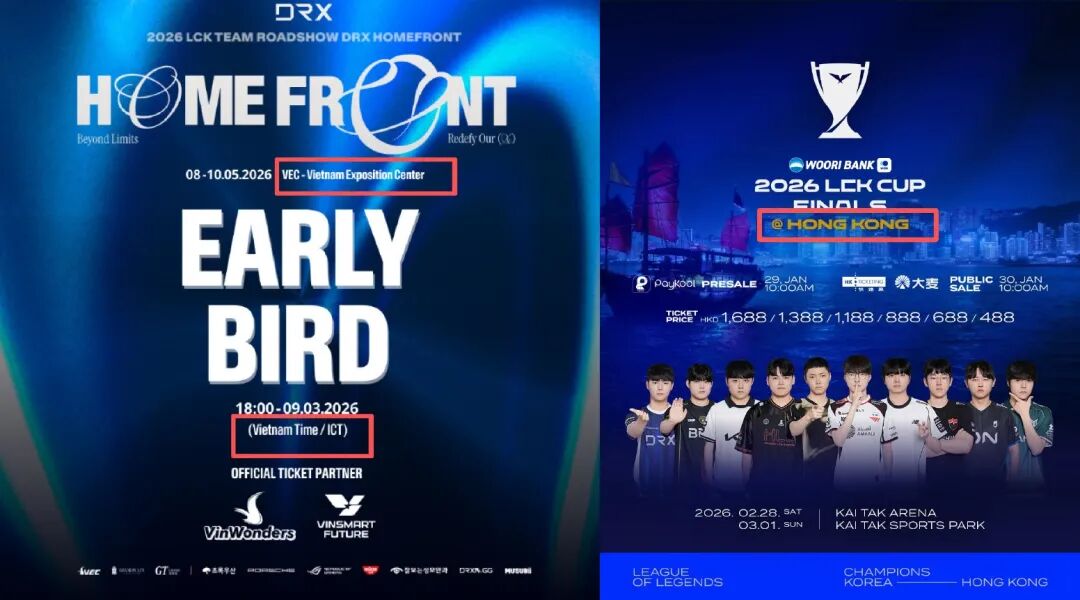
However, beneath the surface of this reputation lies a different reality. In the past two years, the prize money for esports events in South Korea has continued to shrink, prompting the industry to actively seek overseas expansion, gradually extending its event and activity layouts to overseas regions such as Hong Kong, Macao, China, and Vietnam. This strategic move essentially reflects the industry's dilemma in South Korea, where traditional PC games and esports have reached their growth limits in the local ecosystem, and their commercial profitability is under pressure.
In stark contrast to the weakening traditional esports and PC game markets, the South Korean mobile game industry is experiencing a period of rapid growth. The proliferation of infrastructure, demand for diverse gameplay, and social needs have driven young players to flock to this sector. During the pandemic, in-app purchase revenue for mobile games in the South Korean market reached a peak of $5.5 billion. Although it declined in 2022, it has been growing annually since then.
As a result, the South Korean market is becoming a must-compete arena for mobile game overseas expansion.
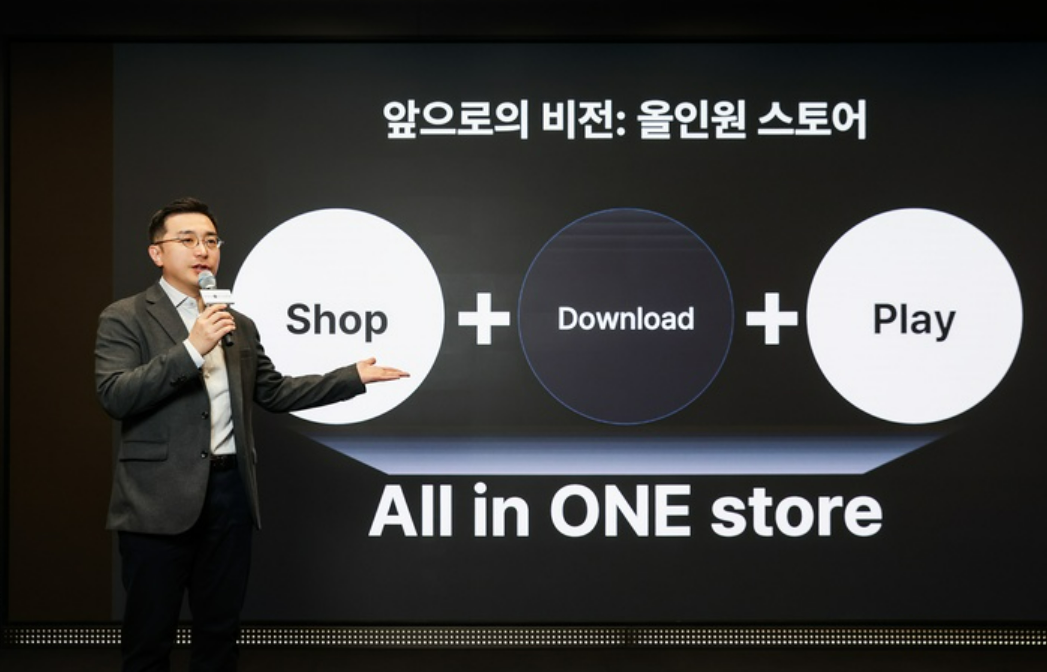
Starting from May 2025, the South Korean app store One Store officially launched its 'One Play Game' service, introducing proven domestic casual games from Tencent's WeChat Mini Games.
Backed by South Korea's three major telecommunications operators—SKT, KT, and LG U+—as well as Naver, South Korea's largest search engine and portal website, One Store boasts top-tier local traffic and channel resources, providing a solid foundation for market penetration.
What's even more noteworthy is One Store's exceptional user quality and commercialization advantages. In the first half of 2025, One Store accounted for 49.2% of the transaction volume among the top 50 highest-grossing games in the South Korean market. During the same period, the average revenue per paying user (ARPPU) on One Store was five times that of Google Play.
This means that One Store provides access to absolutely high-quality users.
Meanwhile, the platform's policy incentives have further lowered the entry barrier for developers. One Store has introduced an ultra-low fee policy for the first batch of casual games, with a comprehensive fee rate (including PG payment processing fees) of only 8%. This is significantly lower than the traditional 30% revenue share of Google and Apple app stores, greatly reducing channel costs and maximizing profit margins for game developers.
With user protection, profit protection, and Tencent's platform support, the wave of domestic casual games entering the South Korean market seems to have arrived.

What games do South Koreans really like?
When discussing South Koreans' gaming preferences, it seems impossible to avoid the word 'pornographic.'
More than a decade ago, the South Korean online game Vindictus, developed by Nexon, introduced a 'battle damage' system and lingerie outfits. The development team once revealed that the sales of these in-game items were so high that they even considered opening a physical lingerie store based on Vindictus.
In recent years, the pornographic elements in South Korean games have become even more prominent.
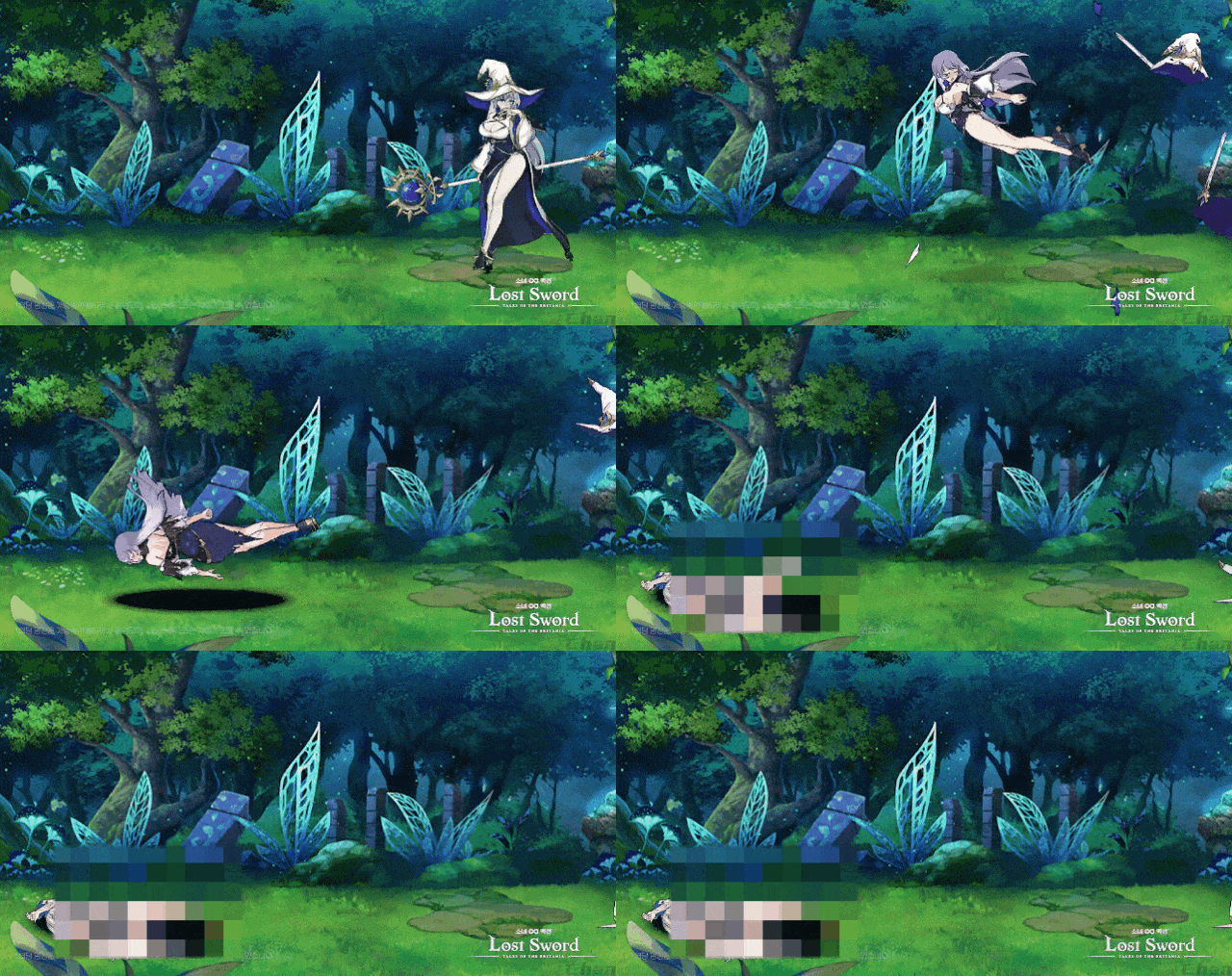
The RPG Forgotten Sword, developed by CodeCat, topped the best-seller charts in mainland China with its core gameplay of 'clothing damage.'
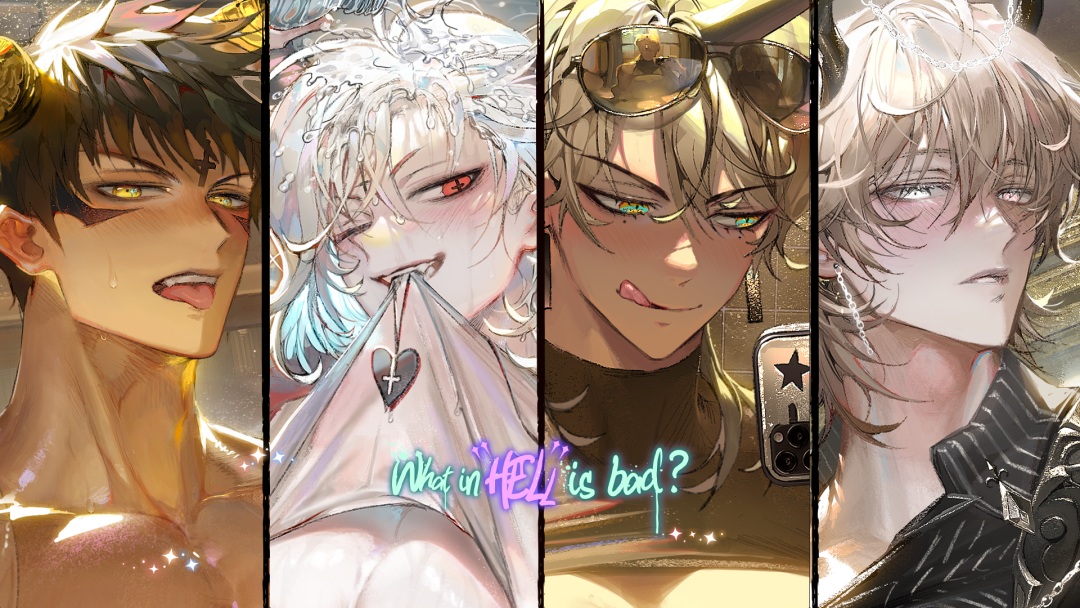
The 19-prohibited otome game What in Hell is Bad? not only emphasizes skin exposure and muscular physiques but also features an unprecedented 'male lactation' setting to cater to female players.
Stellar Blade, criticized by Western media for objectifying women, had sold over 6.1 million copies globally by January 15, 2026, with approximately 2.4 million copies sold for the PC version.
Netmarble's long-polished game Magical Defense: STAR DIVE heavily focuses on visual presentation, blatantly incorporating soft pornographic elements.
Although pornography has become a label, an unavoidable question is: Do South Korean audiences really buy into this?
The answer may not be definite.
Around 2020, the most popular mobile game in South Korea was undoubtedly PUBG MOBILE.
In 2017, An'an, a junior, spent a year as an exchange student in Seoul. She clearly remembers that mobile gamers were a rare sight at the time, and domestic mobile games were virtually unheard of.
'I was playing Onmyoji, and the people I matched with were domestic students visiting South Korea. We were even from the same hometown,' she recalled.
However, when she returned to South Korea in 2020 to begin her graduate studies, An'an habitually asked old friends and searched various cafes and forums for ways to integrate into the community. The answer she consistently received was, 'Try playing PUBG MOBILE.'
She usually chose to match in the South Korean region. 'Almost all my teammates were South Koreans. Not only could we chat and socialize, but we could also practice the language. My Korean became quite fluent during that time,' An'an said. Her roommate even found a regular gaming partner, a younger South Korean man, through the game. An'an once played with them but eventually chose to go solo. The reason was that the game was filled with 'noona' (Korean for 'older sister'), 'I was a bit scared,' she said.
She told Xiaguang Society that her seniors in the department were also playing the game and would proudly showcase their 'learning achievements' during public lectures. 'Can you imagine them walking up to you, seriously spouting a string of profanities? It was quite shocking,' she said.
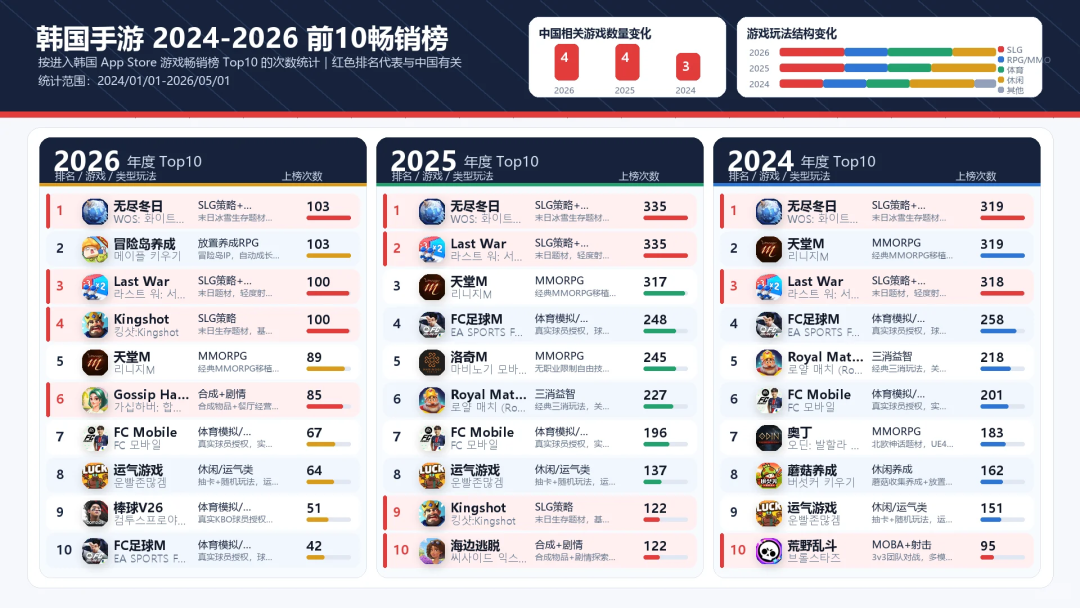
Looking at the top 10 best-selling games in South Korea from 2024 to 2026, the SLG genre is becoming increasingly dominant, followed by sports, RPG, and casual games, forming the top four sectors in the South Korean market.
Among them, Lineage M, the national mobile game of South Korea, has a lifecycle of nearly a decade. Behind this longevity lies the pride South Koreans hold for the earliest 'national-level' online game IP that exploded in popularity in the country. In 2017, WiseApp data showed that 51% of Lineage M players were in their 30s, while 19% were in their 40s.
Second-tier games (otome games), which are often labeled as 'pornographic,' are more about generating buzz.
In fact, similar to the rise of the 'merchandise economy' concept in China, the concentration of otaku and 'cute' culture in South Korea has been increasing in recent years. Hongdae Station, a hub for young people, is often surrounded by advertisements for various second-tier games. AK Plaza, a landmark building in Hongdae, has undergone a complete 'otaku transformation' over the past two years.
In addition to the original Animate, comic cafes, and One Piece-themed restaurants on the fifth floor, AK Plaza's first to fifth floors are now filled with various types of otaku shops, including pop-up stores that appear irregular (from time to time) on the first floor, always crowded gashapon (capsule toy) stores, and fan-made handicraft shops decorated in Japanese home styles. The large-scale promotional photo wall standing prominently in front of Animate and the 'Gashapon Kingdom' spanning an entire floor next door have become must-visit spots for countless young people on weekends.
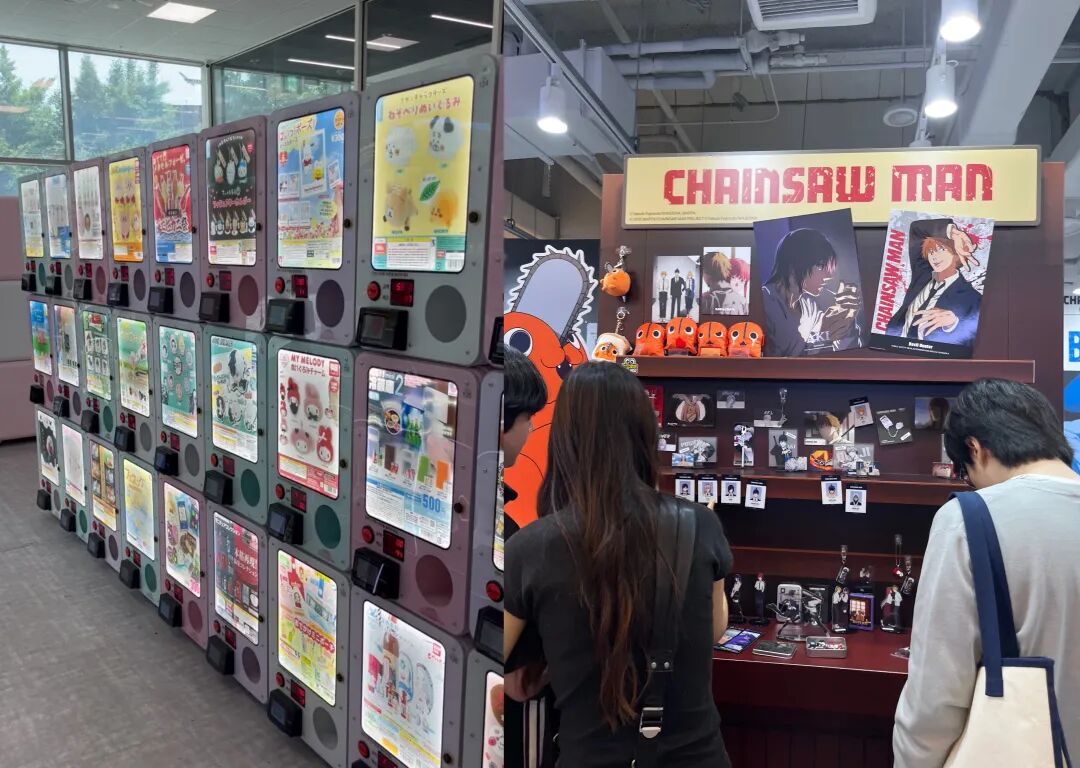
Photo taken by the author
However, as the rankings show, second-tier games do not perform impressively in terms of sales data. From a purely numerical perspective, the South Korean market still favors RPG and SLG games. Due to the prominent presence of Honkai: Star Rail, Genshin Impact, Zenless Zone Zero, and Wuthering Waves in the second-tier game revenue in South Korea in 2025, most second-tier games are often labeled as 'Genshin Impact clones' upon release.
'Of course, celebrities' love for second-tier games, especially Chinese ones, has also stimulated an influx of some players,' An'an remarked.

Can casual games break through in South Korea?
So, returning to the present, will the domestic casual games that are being heavily invested in be accepted by the South Korean market?
In fact, there have already been successful cases of casual games exporting to the South Korean market several years ago.
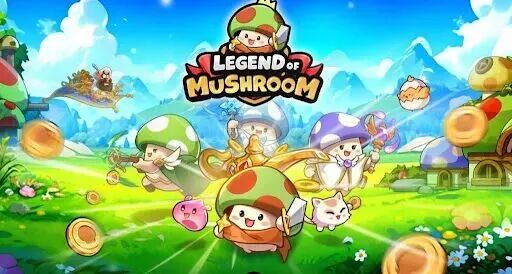
In 2012, 4399 established 4399Korea, focusing on overseas investment. In 2013, 4399 made a modest foray into the South Korean market with the collectible card game (Kungfu Heroes), marking the beginning of its overseas expansion. By 2024, 4399's Adventure Big Battle was reborn as the post-apocalyptic themed Legend of Mushroom Warriors overseas, generating $370 million in revenue in just the first half of the year and becoming one of the most profitable games in South Korea.
However, at the time, Legend of Mushroom Warriors, or casual games in general, although bypassing 'license thresholds' by relying solely on advertising revenue and becoming a sweet spot for small and medium-sized developers, struggled to maintain long-term popularity with their casual gameplay mechanics.
Times have changed. Although casual games are still often associated with labels like shoddy production, Match-3 puzzles, and hyper-casual games, casual game platforms now host a large number of mid-core and hardcore games. Even the once-dormant SLG genre has produced enduring hits through gameplay hybridization.
For example, the South Korean developer Gravity launched the HTML5 idle MMORPG Ragnarok: Dawn on domestic casual game platforms, while Webzen's MU series is now offered in a casual game format.
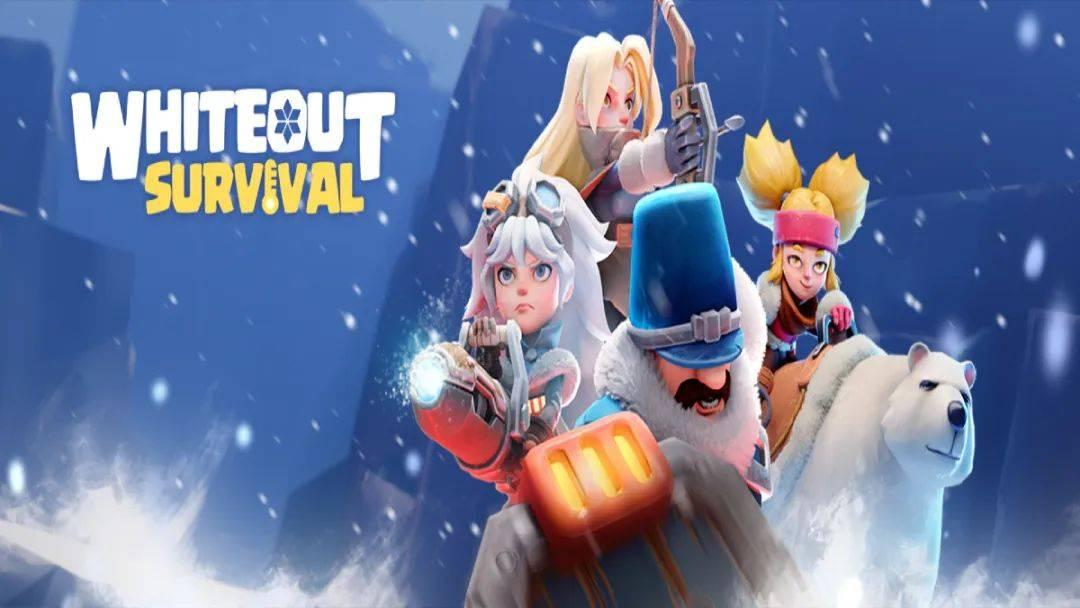
A typical case of domestic casual games going overseas is Whiteout Survival (also known as Frostland Survival). Sensor Tower data shows that Whiteout Survival has a day-one retention rate of 42% and a month-one retention rate of 8%.
This game cleverly combines SLG and casual gameplay. Players can enjoy simulation management and tower defense gameplay in the early stages, relying on simple resource collection to level up quickly and engage in free social interactions, ensuring a low-payment experience and player retention. In the later stages, they can enjoy hardcore SLG gameplay.
From a data perspective, this type of gameplay not only caters to South Korean players' preferences but also aligns with the social needs of South Korean society. The continued dominance of Whiteout Survival-like casual games in the South Korean market has shattered the past notion that 'only high-quality games can succeed overseas,' providing experience and inspiration for domestic casual games going global.
Li Qing, the Product Director of WeChat Mini Games, revealed at a forum that due to the increasing number of successful cases and the established industry perception that 'WeChat provides social infrastructure,' more developers are initiating SLG projects this year, covering a wider variety of themes. The overall trend of the genre's development is quite positive.
It can be said that the overseas expansion of domestic casual games into South Korea has transitioned from a 'trial phase' to an 'explosive phase.'

Chinese Game Developers' 'Partition' Battle in South Korea
In fact, the ambition of domestic game developers for the South Korean market has been evident for quite some time.
Nexon, one of the three major giants (3N) in the South Korean game market, owns Dungeon & Fighter (DNF), MapleStory, and KartRider. In 2025, Nexon reported annual revenue of 475.1 billion yen (approximately RMB 20.6 billion).
And for such a Nexon, Tencent had already extended an olive branch.
In 2019, Tencent was shortlisted as a bidder to acquire the South Korean game company Nexon, competing alongside Kakao, Netmarble, and KKR. According to South Korea's Economic Daily, the deal could have reached up to $13.3 billion (approximately RMB 89.2 billion).
However, this high-profile competition ended quietly due to disagreements—Nexon founder Kim Jung-ju expected a valuation of $11 billion, but the market valuation was only around $7 billion.
In June last year, news resurfaced that "Tencent plans to acquire Nexon, South Korea's largest gaming company, for $15 billion." If successful, this would become Tencent's largest gaming acquisition since its $8.6 billion purchase of Supercell, marking a significant step that could reshape Asia's gaming landscape. However, Tencent later issued an official statement denying the rumors.
In addition, in 2014, Tencent invested $500 million in Netmarble, one of the "3N" companies. By 2018, Tencent held a 17.66% stake, becoming its third-largest shareholder.
Recently, Chinese games have accelerated their rapid expansion into the South Korean market.
In October 2025, Habby established a joint venture with South Korean game developer 111% in Singapore to jointly develop global casual games.
In December 2025, NEXON announced that it would handle the publishing, promotional activities, and localization of Manjuu Games' new title *Azur Promilia* in the South Korean market, as well as the 3D RPG *Higan: Eruthyll* developed by Bilibili.
In May 2026, *Phantom Star*, developed by Perfect World Games' Hotta Studio, entered the top 10 of South Korea's app market revenue rankings.
On May 20, Tencent signed a Memorandum of Understanding (MoU) with South Korea's Game Culture Foundation (GCF) to jointly build a sustainable global gaming ecosystem and promote the cultural and social value of games. Additionally, Tencent collaborated with the Korea Creative Content Agency (KOCCA) to host seminars and cultivate industry talent.
Coupled with the official launch of the "meta-game" service on South Korea's One Store app store in late April, which introduced top-tier casual games validated in the Chinese market via Tencent's WeChat Mini Games, the layout for Chinese games to go global in South Korea has been further refined.
The industry's focus on South Korea may stem from the spending power and content receptiveness of South Korean players.
Take the RPG game *MapleStory Nurturing*, which ranked highly in 2026's bestseller list, as an example. Data from DianDian shows that as of now, the South Korean market accounts for 31% of the game's downloads but generates 65% of its revenue.
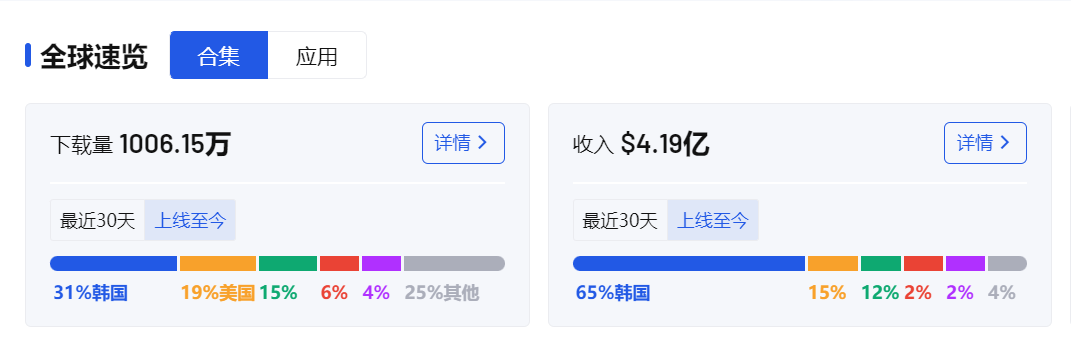
Image Source: DianDian Data
On the creative side, Yoko Taro, the father of the *NieR* series, publicly admitted that technically, "many Korean developers have surpassed Japan." The rapid growth of South Korean games has to some extent cultivated local players' awareness and habits, though this is more concentrated in AAA and PC gaming.
Over the past year, the influence of non-local mobile games has intensified in terms of both visibility and gameplay. *Arknights* launched a collaboration event with convenience store brand GS25, with merchandise selling out rapidly. At AGF 2025 (Korea's Animation & Game Festival), the demo area for Chinese games was always packed.
Anan told us that her senior is even planning to visit Shanghai next year and attend COMIC UP (China's largest and longest-running doujinshi convention) while exploring pop-up events because she has become a fan of Chinese cosplayers.
"South Korea is already the fourth-largest mobile gaming market, but its domestic game content output lags far behind that of China, the U.S., and Japan, actually offering more opportunities for Chinese games to go global," commented a gaming industry professional.

Anxious South Korean Gaming: Fearing Chinese Competition Yet Reliant on Chinese Capital
Perhaps sensing the growing appetite of foreign games for the South Korean market in recent years, the local industry has initiated multi-layered protections.
On October 22, 2024, South Korea's *Game Industry Promotion Act* introduced a "domestic agent" system, requiring all foreign games providing services to South Korean users without a residence or business presence in the country to appoint a domestic agent if their global revenue exceeded 1 trillion won in the previous year or if their mobile game averaged over 1,000 daily downloads in South Korea. Violators face fines of up to 20 million won (not a one-time penalty).
In September 2025, Democratic Party lawmaker Zhao proposed a comprehensive amendment to the *Game Industry Promotion Act*. Considering the inevitable shift in the global gaming market from PC to mobile, and the overly strict regulatory policies for mobile games in the current *Game Act*, which to some extent hindered the development of South Korea's domestic gaming industry, the reform included several key measures: First, it clarified the distinction between gaming and gambling, eliminated regulatory disparities between PC and mobile games, and "loosened restrictions" on domestic games across all platforms that do not involve gambling to protect local development. Second, it abolished the "game time selection system (curfew)," allowing parents to "choose whether to restrict their children's gaming." Third, it shifted the power of the Korea Game Rating and Administration Committee (GRAC) from "prior judgment" to "post-hoc regulation" to minimize excessive rating reviews.
The South Korean gaming industry previously seemed to view Chinese game companies as its primary competitors.
When discussing the necessity of AI-driven productivity improvements, producer Kim Hyung-tae specifically cited China's "massive workforce" approach in game development—Shift Up's team size for a single game is around 150 people, but in overseas markets, their first competitors are almost always Chinese games, with domestic Chinese teams often deploying 1,000–2,000 people per project. "We lack competitiveness in terms of both content completion and quantity," Kim admitted.
Behind this lies not just collective anxiety among Korean developers but a complex 20-year relationship of "competition—dependence—integration" between the Chinese and South Korean gaming industries. Interestingly, Tencent owns a 40.03% stake in Kim Hyung-tae's Shift Up.
From the early days of "Korean Wave" games like *Legend of Mir*, *MU Online*, and *DNF* thriving in the Chinese market to China's rise as a gaming powerhouse exporting titles globally, both countries seek a new balance through dynamic competition while leveraging technological advancements to upgrade their local gaming industries.
For players, however, gameplay always remains the top priority before national identity.
-
Ofilm Teams Up with ADSensE to Propel Large-Scale Deployment of All-Solid-State LiDAR Powered by ADS6311 Chip!
-
![]()
Loss of 2.5 Billion Yet Facing Strong Demand for Shares? Another Battle for Control of Lianchuang Electronics
-
![]()
Huawei’s Enjoy Series Flies Off the Shelves, Prompting Xiaomi to Double Down on Budget Smartphones
-
![]()
Beijing Hyundai's Top Executive Criticizes Industry Disorder: Certain Brands Treat Customers as Beta Testers
-
![]()
The domestic mobile phone market has declined for five consecutive quarters! Huawei defies the trend with significant growth: maintains its top market share
-
Annual Revenue Surpasses 3 Billion: An Automotive Trim 'Little Giant' Makes Its Debut on the Beijing Stock Exchange
-
![]()
The Space Force Wants to Spend $30 Billion on Rocket Launches: Is Trump Doubling Down, and Is SpaceX the Big Winner?
-
![]()
Going Crazy! One out of Every Three Plug-in Hybrids Sold in Europe is a Chinese Vehicle