Countdown to SpaceX's IPO: Musk's Ultimate Vision Unveiled
 06/05 2026
 477
477
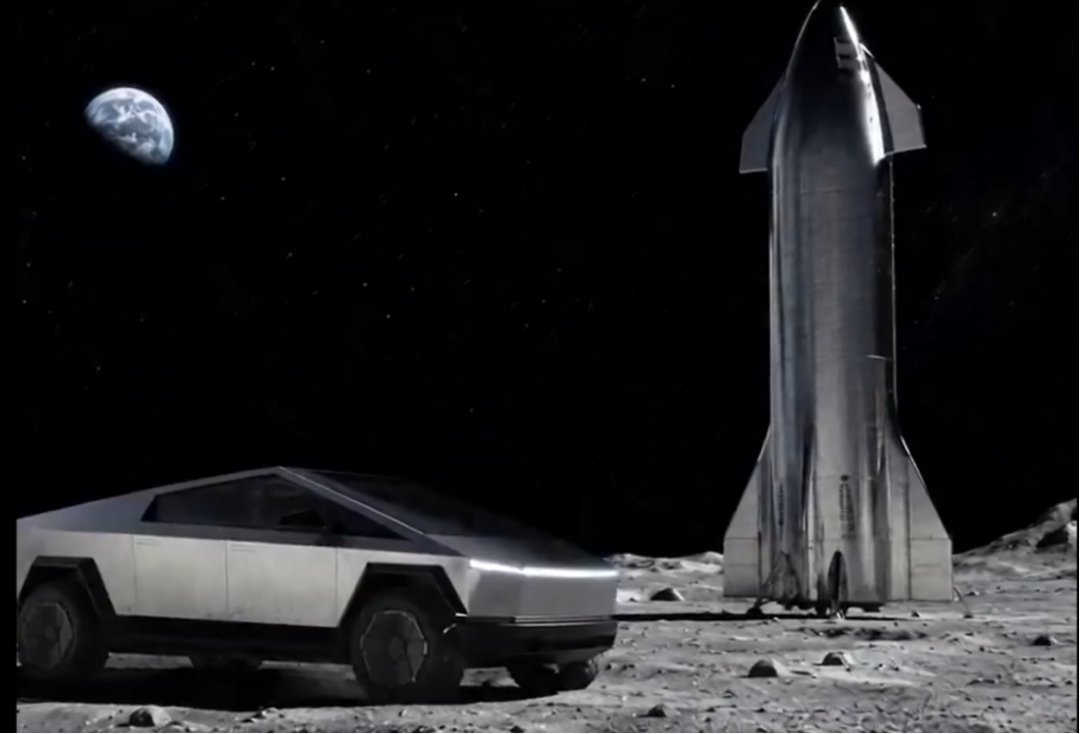
Is the $2 trillion valuation a levy on faith or a gateway to interstellar civilization?
The world's financial markets are riveted on a 'cosmic vessel' preparing to embark on its journey into Earth's IPO orbit.
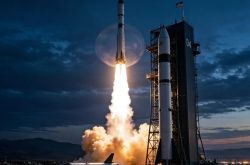
This isn't a scene from a sci-fi film; it's the most pivotal financial event of 2026. SpaceX, Elon Musk's space exploration enterprise, has discreetly submitted its IPO documents, aiming for a Nasdaq listing in June.
The figures are as bold as Musk himself: an anticipated valuation ranging from $1.75 trillion to $2 trillion, with a funding target of $75 billion. If successful, it would surpass Saudi Aramco to claim the title of the largest IPO in history. This 'cosmic vessel' carries not only Musk's space aspirations but also a collective wager by global investors on the 'space economy'.
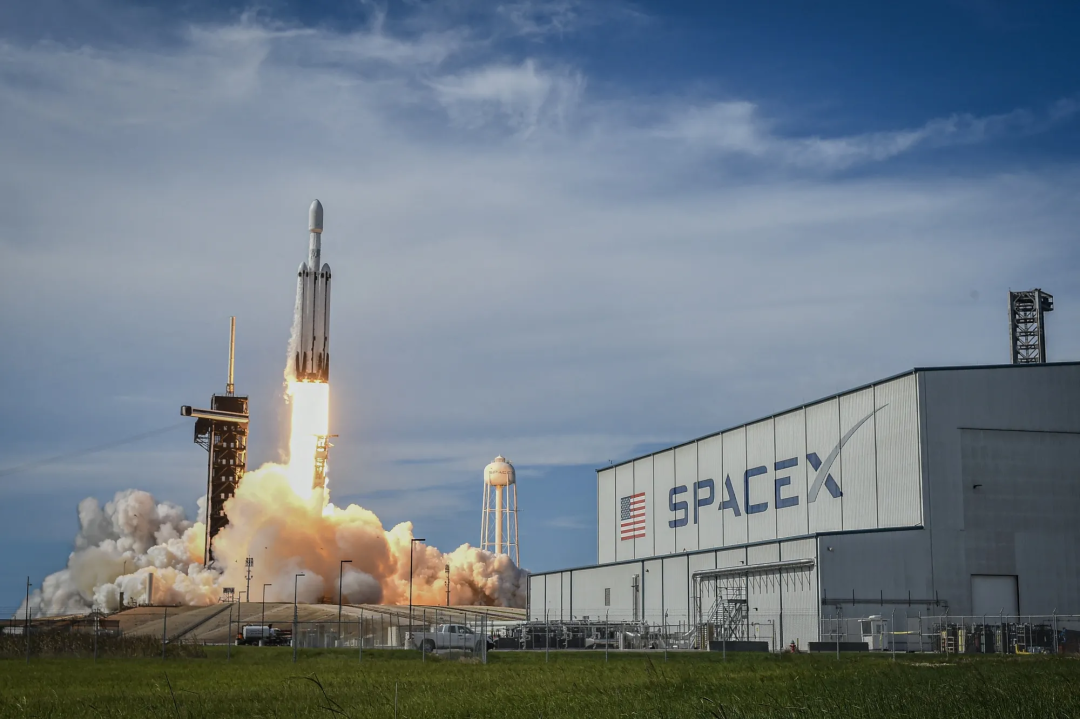
Image Source: Internet
SpaceX has evolved from a fledgling rocket company with a handful of desks and a wild dream in 2002. This February, Musk executed a brilliant asset reshuffle: SpaceX formally merged with xAI. Consequently, the prospectus reveals an unprecedented business structure—three segments, each telling a distinct story:
One specializes in rocket launches, another in satellite Wi-Fi, and the third in constructing large-scale models and social media platforms. Musk has interwoven these elements with the grand narrative of 'humanity becoming a multi-planetary species + AI infrastructure' and encapsulated them within a single prospectus.
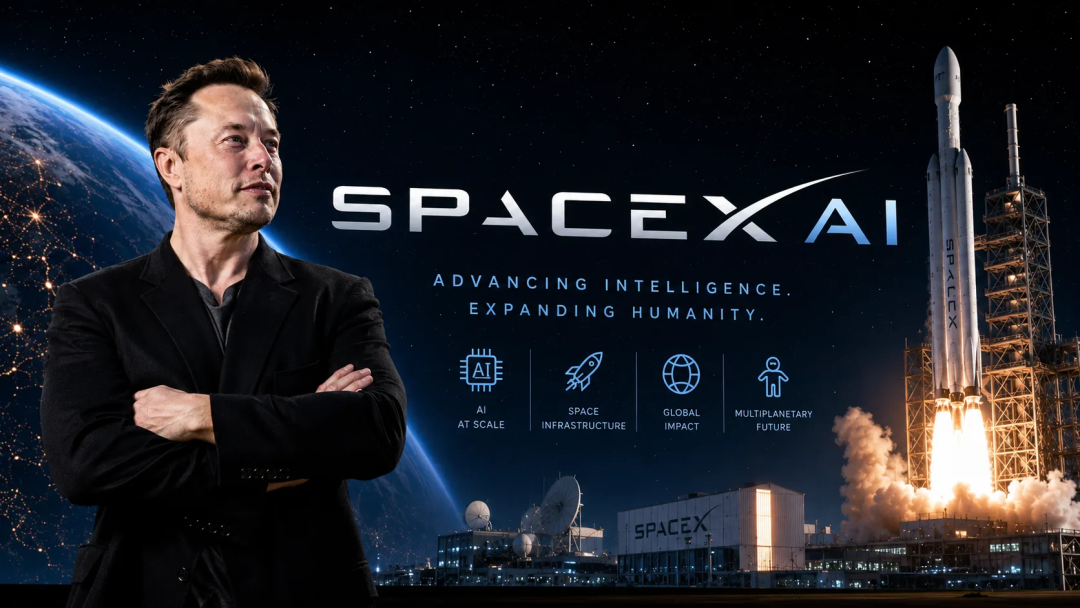
Image Source: Internet
Is this a 'vertically integrated space empire' or a strategic bundling of money-losing ventures with profitable ones for a joint listing? It hinges on one's perspective.
Denmark's pension fund Akademiker Pension has vowed to blacklist SpaceX, with Chief Investment Officer Anders Schelde stating bluntly: "The company's reasonable valuation should not exceed $1 trillion, yet the market is starting at $1.8 trillion." Michael O'Rourke, chief strategist at Jonestrading, was even more forthright: "This is indicative of a market peak and a bubble."
From Near Bankruptcy to Space Dominance
All discussions on 'why it's worth $1.75 trillion' must trace back to the origin—Elon Musk, who was left with just $3 million in his pocket on Christmas Eve 2008.
SpaceX's early days were marked by three 'near-death experiences' that forged its survival DNA.
The first occurred on March 24, 2006, when the Falcon 1 prototype 'Demonstrator' exploded on the launch pad before takeoff. On March 21, 2007, it failed again, disintegrating due to uncontrolled spin. These consecutive failures left the company's finances teetering on the brink. Investors issued Musk an ultimatum: succeed on September 28, 2008, or face bankruptcy liquidation.
That afternoon, after the rocket's third stage separated, the control center fell silent. Until the 'orbit confirmation' signal arrived, Musk dared not look up and said, "Thank God." SpaceX survived, but only temporarily.
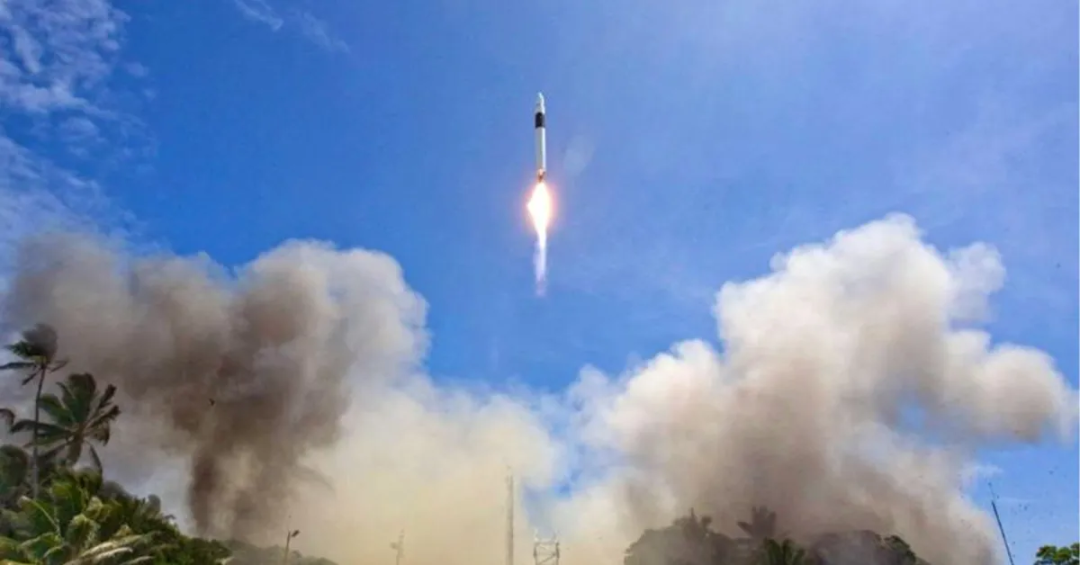
Image Source: Internet
The second crisis struck on June 28, 2015. SpaceX's 'lifeline'—the Falcon 9 rocket on its seventh International Space Station resupply mission—disintegrated two and a half minutes after launch, witnessed by the world. This marked NASA's first entrustment of critical cargo to a commercial company, and the failure nearly severed all future government contracts for SpaceX, forcing Musk to cover damages with his personal funds.
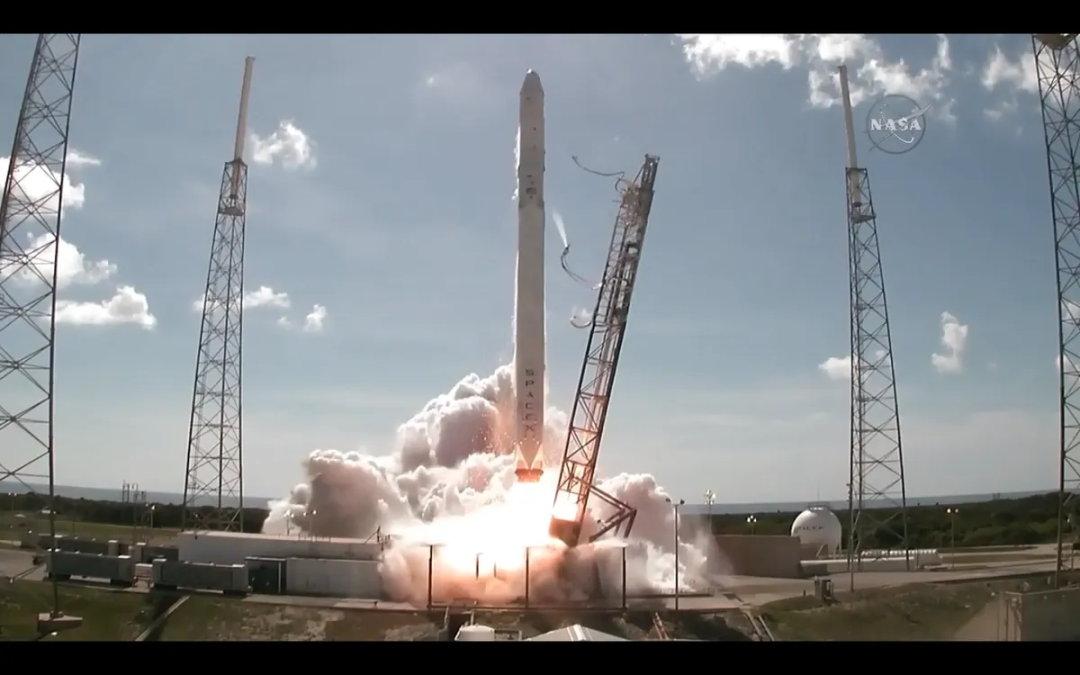
Image Source: Internet
The third crisis occurred on September 1, 2016, when another Falcon 9, carrying a Facebook communications satellite, exploded during a static fire test. The satellite was reduced to ashes, the launch pad severely damaged, and operations halted for six months. At the time, SpaceX had over $10 billion in backlogged orders, with each delay incurring exorbitant penalty fees.
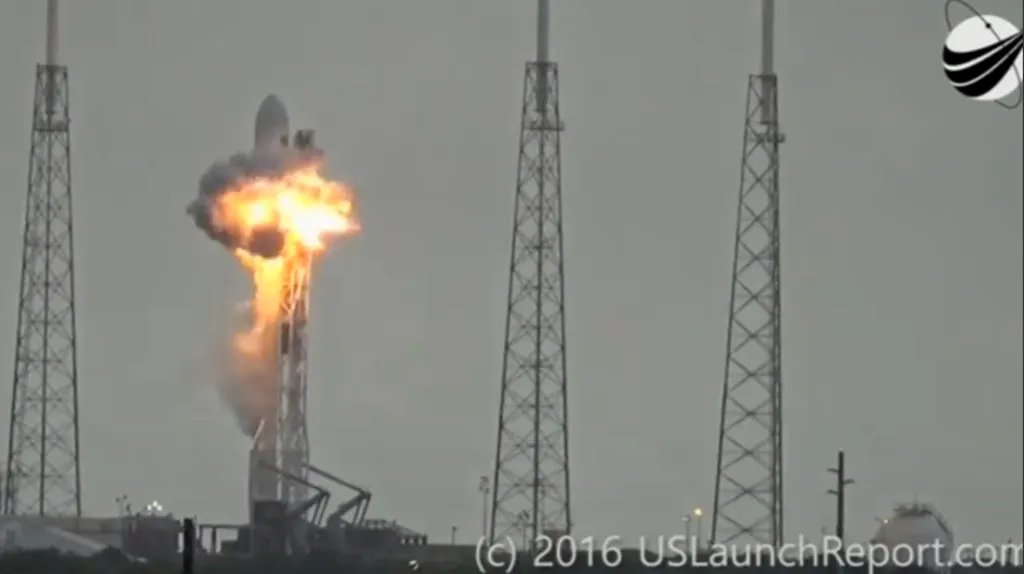
Image Source: Internet
Three explosions pushed SpaceX to the edge of the abyss three times. Yet, each time, Musk chose to double down rather than retreat. This obsessive commitment laid the groundwork for everything that followed. Musk adheres to first principles, returning to the essence of the problem—if it's theoretically possible, it must be made real in practice.
Traditional rocket launches cost hundreds of millions of dollars. SpaceX's reusable rockets can slash single-launch costs to the tens of millions—not a marginal improvement but a 90% reduction. While Blue Origin was celebrating its first successful recovery, SpaceX was already mass-producing reusable rockets. By 2025, SpaceX completed 167 orbital launches, capturing 85% of the U.S. market. SpaceX's dominance wasn't achieved through administrative orders but through cost advantages.
The audacity of the Starlink plan initially seemed like another 'PPT dream' by Musk. Proposed in 2015, it aimed to deploy 12,000 satellites in low-Earth orbit. At the time, the total number of global in-orbit satellites was just over 2,000.
But Musk saw a different opportunity: rocket launches are low-frequency, high-value services. To captivate Wall Street, he needed a high-frequency, cash-flow-generating 'money machine.' Starlink was the answer.
In 2020, Starlink began offering test services. By 2025, it generated $11.387 billion in revenue with a 63% profit margin. Today, over 9,600 satellites are in orbit, covering 164 countries with over 10 million users. SpaceX has transformed from a company that merely launches objects into space to a global telecommunications operator directly selling 'signals' to the ground.
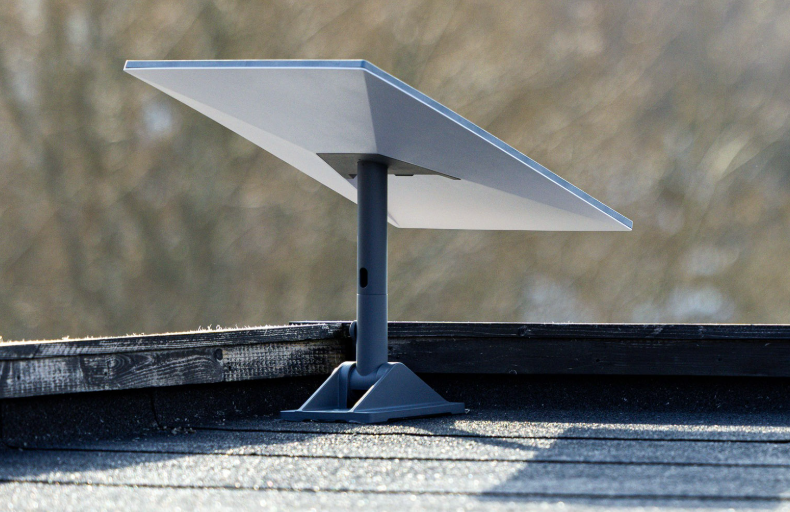
Image Source: Internet
The final chapter of the story is 'AI + Space'.
In February 2026, SpaceX acquired xAI in an all-stock deal. Many found this move perplexing: Why would a rocket company buy an AI firm?
Musk's rationale: Starlink has already woven a global 'space internet,' and the ultimate value of this network is to become the world's largest distributed computing platform. Imagine data centers no longer confined to crowded, energy-hungry ground locations but situated in low-Earth orbit—where solar energy is nearly limitless and radiation cooling extends into deep space.
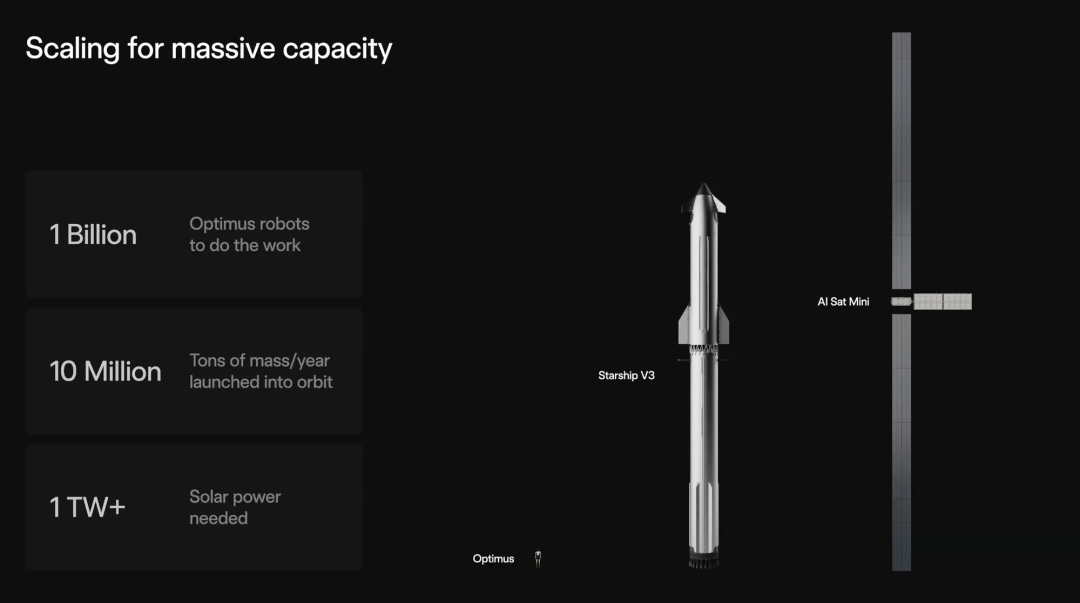
Image Source: Internet
SpaceX envisions transforming low-Earth orbit into humanity's first 'space data center.' Rockets handle transportation and construction, while satellites manage connectivity and computing distribution. From 'space transportation' to 'space computing,' the valuation potential has fully opened.
Don't Overlook the 'Elephants' in the Room
SpaceX has indeed achieved 'what no one else has': it's the only aerospace company to turn rocket recovery into an assembly line, Starship iteration into software updates, and satellite internet into a profitable business. These advantages are real, structural, and difficult to replicate. But 'what no one else has' doesn't equate to 'worth $2 trillion.' Against a backdrop of 5% risk-free rates, engineering advantages must swiftly convert into cash flow—otherwise, 'what no one else has' is just another way of saying 'expensive for a reason.'
The strongest pillar supporting SpaceX's valuation is undoubtedly Starlink.
But the numbers don't lie: $11.387 billion in revenue in 2025, up nearly 50% year-on-year; operating profit of $4.423 billion, up 120% year-on-year; adjusted EBITDA margin at 63%. Among global tech companies, only a handful of top SaaS firms can match this profitability. With 10.3 million subscribers across 164 countries and 9,600 in-orbit satellites accounting for over half of global active satellites—all self-designed, manufactured, launched, and operated—this is a cash-printing machine with a proven commercial closed loop.
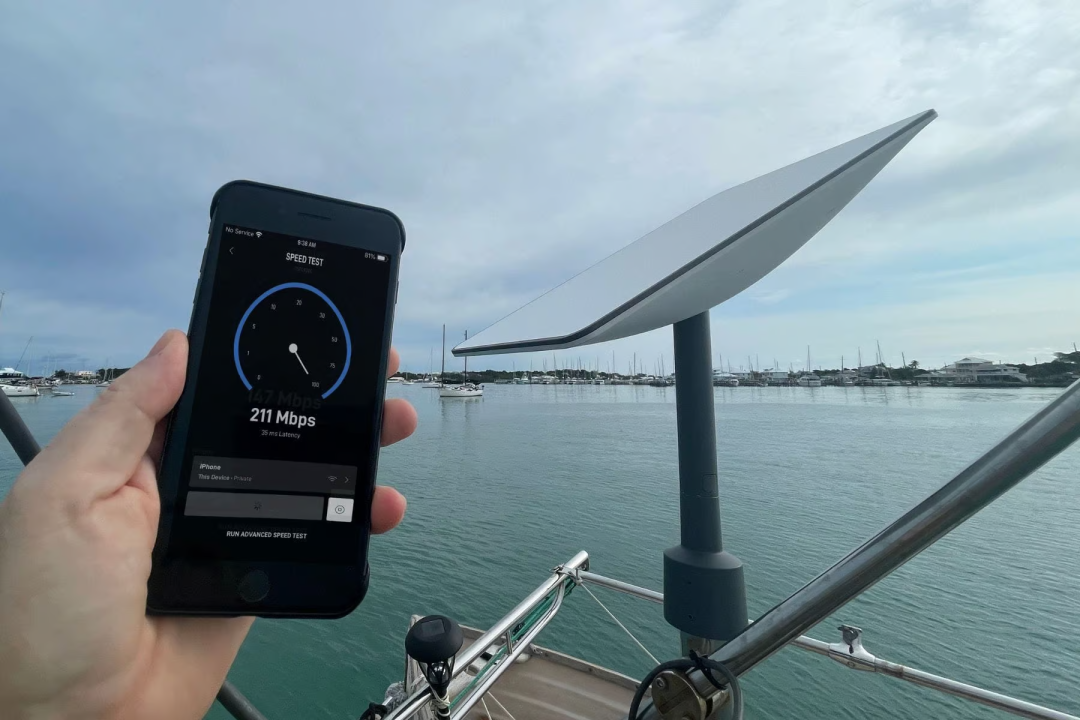
Image Source: Internet
However, the issue lies in ARPU. Starlink's average revenue per user (ARPU) is declining at a noticeable pace:
2023: ~$99/month
2025: ~$81/month
2026 Q1: ~$66/month
A one-third drop in three years. SpaceX attributes this to global expansion into Asian, African, and Latin American markets and the promotion of low-cost plans—an inevitable trade-off.
This explanation holds merit but implies a critical assumption: user growth must consistently outpace ARPU decline. Currently, Starlink's user base is growing 105% year-on-year, indeed outpacing the decline. But where will ARPU bottom out? The prospectus doesn't say. If the steady-state ARPU stabilizes at $40-50, the revenue model needs recalculating.
At a $1.8 trillion valuation, Starlink's implied price-to-sales (PS) ratio exceeds 100x. Even looking at EBITDA, it's over 30x. This isn't pricing for an 'excellent company' but for 'destined to rule Earth'—implying most of humanity will use Starlink. Is that feasible?
If Starlink supports SpaceX's valuation floor, the AI segment represents the ceiling—and the greatest uncertainty.
In Q1 2026, the AI segment posted a single-quarter operating loss of $2.469 billion, nearly double Starlink's same period $1.188 billion profit. In 2025, the AI segment lost $6.355 billion for the year. Meanwhile, SpaceX's full-year net loss was $4.937 billion—meaning the company would have been profitable without the AI segment's financial drain.
Even more staggering is capital expenditure. In Q1 2026, SpaceX's total capex was $10.107 billion, with 76% allocated to AI—primarily for Grok large model training and computing infrastructure. At this pace, annual AI capex will exceed $30 billion.
How much does the AI segment earn? $818 million in Q1 2026. The gap between revenue and capex spans nearly an order of magnitude. This is a classic 'arms race' model: you must burn cash to build computing power to avoid obsolescence, but how and when this computing power will monetize remains unclear.
Image Source: Internet
SpaceX's IPO filings reveal a core bottleneck in scaling its Startrack AI plan: GPU supply shortages. Its current ad-hoc procurement model offers weak risk resistance, while the jointly developed TeraFab chip factory lacks legally binding formal agreements, leaving project success rates uncertain.
Now, new variables have emerged: Musk has begun leasing computing power. On the morning of May 7, 2026 (Beijing Time), Musk announced this collaboration on social platform X, confirming that the entire computing capacity of the Memphis Colossus 1 data center would be provided to Anthropic.
On May 20, 2026 (local time), SpaceX formally submitted its S-1 prospectus to the U.S. Securities and Exchange Commission (SEC), detailing contract terms, amounts, and rights/obligations with Anthropic. This will partially alleviate the AI segment's cash burn, but expecting it to stop burning money—let alone consistently generate profits—is unrealistic.
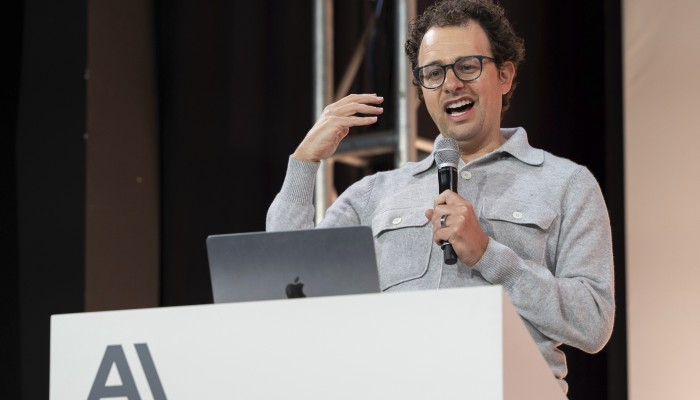
Image Source: Internet
First, to clarify: xAI has not been abandoned or downgraded in importance by Musk. The leased computing capacity from Memphis Colossus 1 to Anthropic is massive—exceeding 300 megawatts (MW), equivalent to nearly OpenAI's total schedulable computing power across its network. This move directly enables Anthropic to achieve a computing power shortcut, no exaggeration—perhaps demonstrating Musk's resolve to compete with OpenAI.
However, Musk still holds the most advanced computing power center. SpaceX AI (formerly xAI) has migrated all of its core training tasks for the Grok series to the newer, larger Colossus 2 cluster, which is entirely based on the Blackwell architecture. Colossus 2 is hailed as the next-generation supercomputing cluster, with a total power output of 1 gigawatt—more than three times that of Colossus 1—and a cost of approximately $17 billion, representing an order of magnitude increase in scale compared to the first generation.
Some may worry that this computing power leasing will help Anthropic widen the gap with Grok, but let's not forget that Musk, always astute, wouldn't engage in a losing proposition. Musk emphasized on the social platform X that SpaceX has not committed to a multi-year lease; instead, it is essentially a '180-day lease' with either party able to cancel with 90 days' notice at any time.
So, it's premature to conclude that Musk has lost his ambition to compete in the AI industry, as AI remains one of his core businesses. The fear in the AI computing power war is not about wasting
The Starship serves as the pivotal propulsion system underpinning all of SpaceX's forthcoming ventures. The deployment of V3 satellites hinges on the Starship's capabilities (boasting a single-satellite capacity of 1 Tbps, 20-fold that of current models), the transportation for Mars colonization relies on the Starship, and the construction of the orbital AI computing power center necessitates the Starship's involvement. The prospectus unequivocally states that the Starship is slated to commence commercial operations in the latter half of 2026, and its current grounding situation has the potential to disrupt the entire project timeline. Some investment banks project that this technical setback could result in a valuation markdown ranging from 5% to 15%. Musk himself commented on Blue Origin's explosion incident on X, remarking, "It's truly regrettable; rockets are inherently challenging." He is also acutely aware that this sentiment applies equally to his own endeavors.
In Conclusion
SpaceX stands as one of the most remarkable startups in human history. It has slashed launch costs by 85%, secured an 80% monopoly on global payload-to-orbit missions, and transformed satellite internet from a mere concept into a daily reality for millions of users. These accomplishments are undeniable.
However, being a great company does not automatically translate into being a great investment, particularly at a valuation hovering between $1.8 trillion and $2 trillion.
Starlink undoubtedly generates substantial revenue, yet its average revenue per user (ARPU) is experiencing a consistent decline. Rocket launches do enjoy a global monopoly, but the Starship remains grounded. While AI holds promise for the future, it incurs a staggering $2.5 billion in expenses every quarter, with a murky path to profitability. Coupled with a 5% risk-free interest rate, the largest IPO blood-draw effect in history, and 85% super-voting rights, SpaceX's IPO pricing has already factored in all optimistic projections for the next 5-10 years.
The lingering question is, if any of these expectations fall short, how much of a safety net will remain?
References:
$4.9 Billion Loss, Musk Controls 85% Voting Rights. Source: Wall Street See
SpaceX Launches IPO, Musk Has Bigger Ambitions. Source: Cyzone
Can SpaceX Weather the U.S. Debt Storm? Source: Economic Observer
Some information was gathered with the assistance of AI.
Click 'Recommend' and may fortune smile upon you!
- END -
-
Ofilm Teams Up with ADSensE to Propel Large-Scale Deployment of All-Solid-State LiDAR Powered by ADS6311 Chip!
-
![]()
Loss of 2.5 Billion Yet Facing Strong Demand for Shares? Another Battle for Control of Lianchuang Electronics
-
![]()
Huawei’s Enjoy Series Flies Off the Shelves, Prompting Xiaomi to Double Down on Budget Smartphones
-
![]()
Beijing Hyundai's Top Executive Criticizes Industry Disorder: Certain Brands Treat Customers as Beta Testers
-
![]()
The domestic mobile phone market has declined for five consecutive quarters! Huawei defies the trend with significant growth: maintains its top market share
-
Annual Revenue Surpasses 3 Billion: An Automotive Trim 'Little Giant' Makes Its Debut on the Beijing Stock Exchange
-
![]()
The Space Force Wants to Spend $30 Billion on Rocket Launches: Is Trump Doubling Down, and Is SpaceX the Big Winner?
-
![]()
Going Crazy! One out of Every Three Plug-in Hybrids Sold in Europe is a Chinese Vehicle