NVIDIA Provides Lenovo with a Secret Weapon
 06/05 2026
 500
500
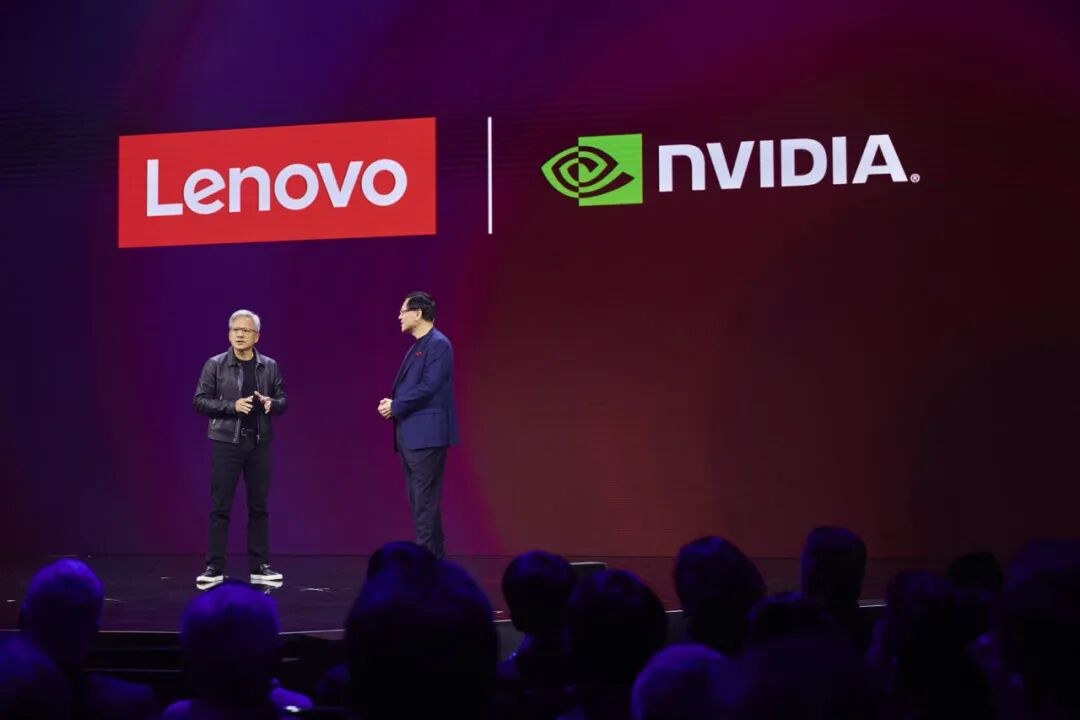
After three years of anticipation, AI PCs finally possess a "qualified" hardware foundation.
Over the past three years, edge AI has languished in an awkward state.
Smartphone manufacturers discuss on-device large models, PC vendors promote AI PCs, and automakers emphasize smart cockpits. Nearly everyone envisions the same future: AI will no longer be confined to the cloud but will operate directly on user devices.
However, every time it comes to implementation, the narrative falters. Models can run, but not swiftly; features can be built, but not deeply; demos dazzle, but the actual user experience feels underwhelming.
The problem doesn't lie with AI itself. Large models have advanced rapidly, with agents now capable of planning, reasoning, and executing complex tasks. Nevertheless, the development of terminal hardware lags far behind the pace of AI's evolution.
At the recently concluded Computex, Jensen Huang unveiled NVIDIA's RTX Spark, a PC processor dubbed the world's first Windows PC superchip designed for "personal agents." Dell, HP, Lenovo, and Microsoft Surface top the initial partner list—essentially a roll call of the Windows PC industry—with shipments expected to commence this fall.
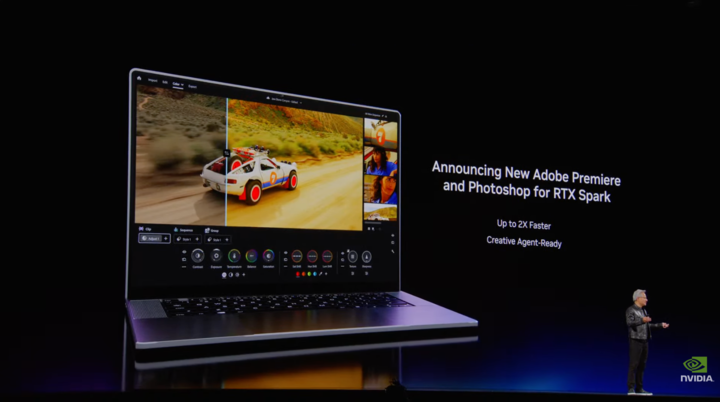
This may not immediately transform the PC market, but it marks a significant hardware milestone for edge AI after three years of development. It signals that tasks once limited to the cloud can now potentially run on local devices.
After three years of AI PC hype, a proper foundation has finally arrived.

The Hardware Ceiling for Edge AI Has Been Shattered
Before delving into RTX Spark, let's clarify how far AI PCs have progressed after three years of buzz.
From a supply-side perspective, the industry has completed most preparatory work. Chipmakers have overcome hardware challenges for local inference: Intel launched the Core Ultra series, AMD released the Ryzen AI platform, Qualcomm re-entered the PC market with the Snapdragon X Elite, and NPU became the most frequently mentioned keyword in next-gen processor launches.
Lightweight versions of large models like DeepSeek and Tongyi Qianwen have also emerged for edge deployment, enabling local AI operations.
OEM investments have been substantial. Lenovo released the YOGA AI Yuanqi and Xiaoxin AI PC series, Dell rebranded its entire product line around AI, while ASUS, HP, and Huawei all made AI PCs a core strategy.
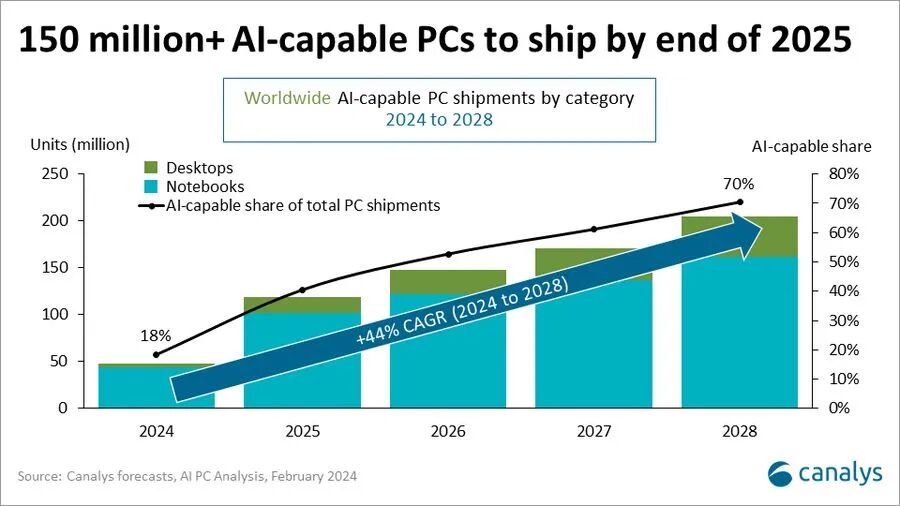
According to Canalys, global AI PC shipments reached approximately 48 million units in 2024, accounting for nearly 20% of annual PC shipments. Analysts predict this share will exceed 40% by 2025.
Yet, supply-side readiness hasn't sparked corresponding demand-side excitement. The industry debates "whether AI can enter PCs," while users ask: What can AI do for me once it's in my PC?
Most consumers won't upgrade devices for 45 TOPS vs. 60 TOPS NPU performance. A Dell executive noted: "Consumers don't buy based on AI—it might confuse them more than clarify outcomes."
This highlights the crux of AI PCs' dilemma: the industry emphasizes computational power but hasn't created compelling reasons to upgrade. Digging deeper, why haven't attractive AI applications emerged?
The root cause: insufficient computational foundations.
When Microsoft proposed Copilot+ PC certification in 2024, the core threshold was ≥40 TOPS NPU performance. This made sense initially—NPUs excel at lightweight local AI tasks like real-time captioning, image recognition, and semantic search due to their low power consumption.
But with agent proliferation, edge AI goals have shifted. The conversation moved from "how to run AI on devices" to "how to make agents work on devices."
These goals demand vastly different hardware. NPUs remain highly specialized units optimized for rule-based, fixed-flow tasks. They struggle with complex reasoning and multi-step agent tasks.
Traditional Windows PCs isolate CPU and GPU memory pools, making data transfer between them costly. When AI models scale to billions of parameters, this fragmented memory design becomes a physical bottleneck—not from lack of computational power, but from inability to "feed" data efficiently.
NVIDIA aims to solve this with RTX Spark.
RTX Spark's core innovation binds CPU and GPU via NVLink-C2C technology, achieving 600GB/s bidirectional memory bandwidth—a feature previously exclusive to data center-grade Grace Hopper superchips.
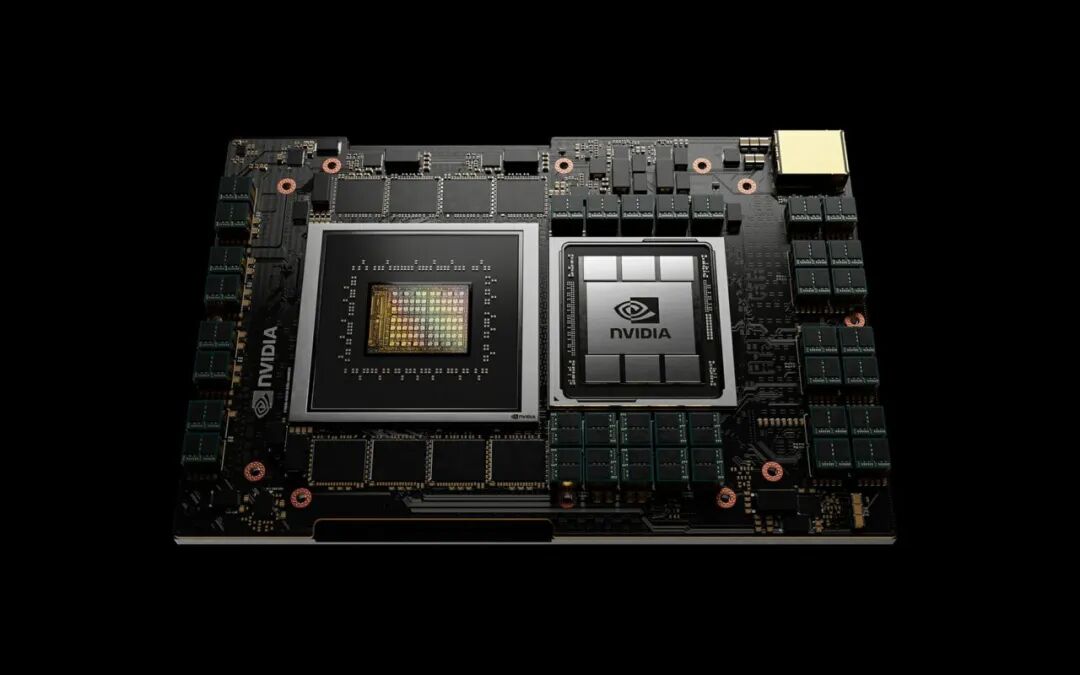
The unified memory architecture's game-changing aspect is enabling CPU and GPU to share a single memory pool. Only Apple's M-series chips previously achieved this in consumer markets.
But NVIDIA holds something Apple lacks: CUDA.
Often seen as a development tool, CUDA is better described as AI's most critical infrastructure. Over two decades, it has become the most familiar environment for global AI developers. Mainstream tools like PyTorch, TensorRT, and llama.cpp prioritize CUDA, with most AI model training and inference pipelines built atop it.
Bringing data center capabilities to consumer PCs is RTX Spark's true killer feature.
Qualcomm's Snapdragon X2 Elite Extreme boasts higher paper NPU performance (~80 TOPS vs. RTX Spark's neural processing unit), but lacks CUDA. Its AI acceleration relies on the QNN framework, creating a significant gap with mainstream AI developer ecosystems.
Apple's M5 chips remain benchmarks for edge AI performance and efficiency, but they run macOS—not Windows.
For the Windows ecosystem, RTX Spark carries different implications.
NVIDIA's timing is also shrewd. For a decade, Qualcomm has pioneered Windows ARM ecosystem development. With Prism emulation maturing, Windows ARM now supports daily use.
Meanwhile, Apple's M-series proved ARM could outperform x86 in both performance and power efficiency. NVIDIA waited for the path to clear before driving its CUDA "heavy truck" onto the scene.
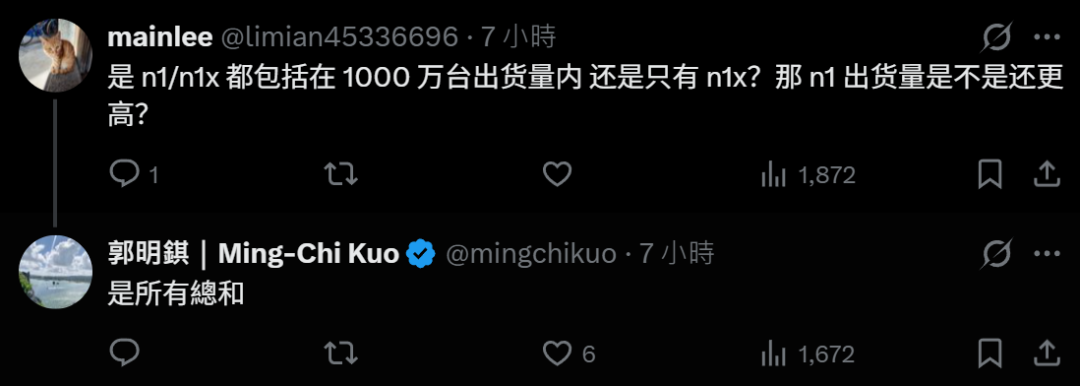
However, RTX Spark hasn't launched yet—pricing remains unknown, and market reception awaits validation. Tianfeng International analyst Ming-Chi Kuo estimates, based on supply chain surveys, that devices with N1X and N1 chips will ship approximately 10 million units over two years, primarily targeting power users demanding local AI performance. This marks a niche beginning.
RTX Spark generates such high interest because it signals a shift: running 10-billion-parameter models locally is no longer a geek's exclusive playground but is becoming a consumer market "standard."

NVIDIA Enters the Fray, Lenovo Catches the "East Wind"
Lenovo's presence in RTX Spark's launch partner list comes as no surprise.
As the global OEM with the largest AI PC market share (31% of the Windows AI PC segment per Microsoft), Lenovo became NVIDIA's natural choice for first-wave consumer adoption.
At Computex 2026, Lenovo showcased the Yoga Pro 9n: a 15-inch notebook powered by RTX Spark, targeting creators, AI developers, and professionals.
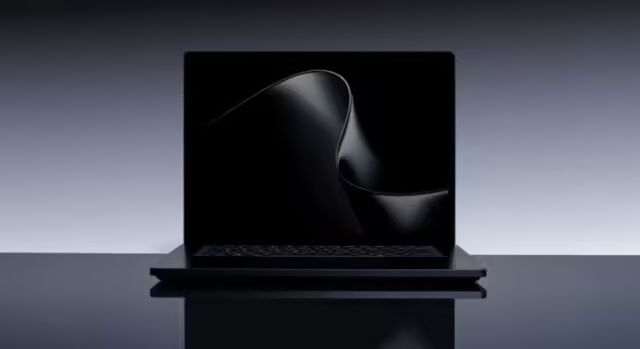
For NVIDIA, RTX Spark isn't a data center product but a new consumer platform.
Even the strongest chip needs an OEM to deliver it to users. As the world's largest PC vendor and one of the most aggressive AI PC players, Lenovo fits this role perfectly.
Since 2024, Yang Yuanqing has emphasized "hybrid AI" concepts. For consumers, Lenovo launched the Tianxi AI agent as a cross-device personal assistant; for enterprises, it introduced the Qingtian AI platform and agent matrices covering multiple industries.
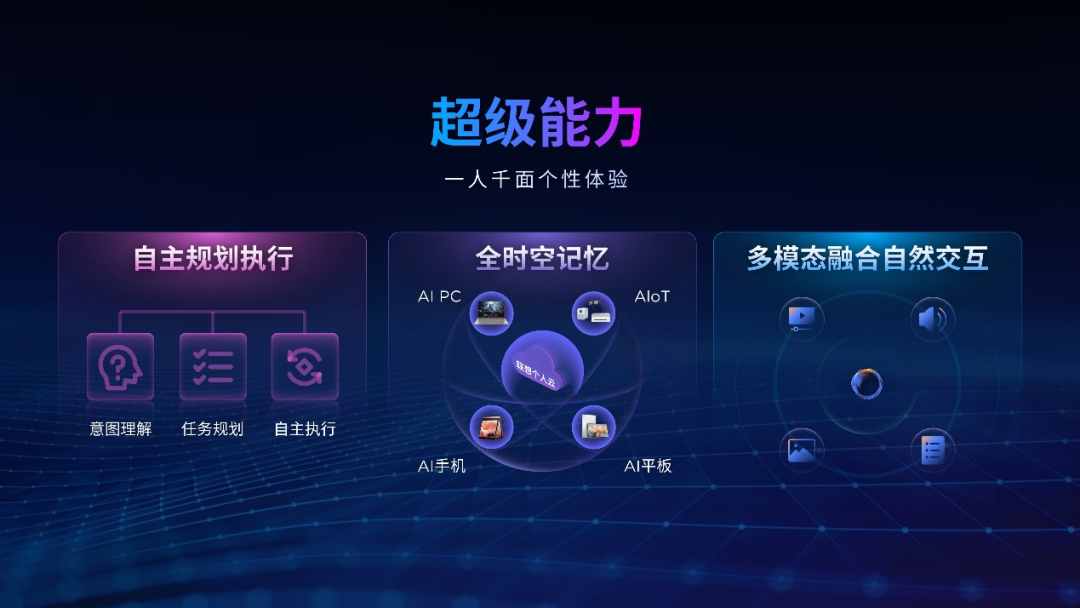
In Lenovo's vision, users won't open apps individually but will directly request tasks from agents, which then autonomously plan, invoke tools, coordinate resources, and execute.
This "next-gen human-computer interaction" narrative requires one premise: sufficiently powerful edge computing. RTX Spark makes closing this gap possible for the first time.
This explains why Lenovo warrants more attention than other PC makers. Its AI layout (strategic layout) didn't start today—years of software and ecosystem development position it to convert computational upgrades into user experience improvements first.
Data supports this: Lenovo's AI-related revenue grew 105% YoY last fiscal year, with AI PCs accounting for 30% of total PC shipments.
Having invested heavily in AI PCs for years, Lenovo is naturally poised to capitalize first on new computational platforms.
Yet opportunities and challenges coexist. While Lenovo excels in supply chain management, channel strength, and mass manufacturing, AI competition now focuses on agent experience, software ecosystems, and user retention.
Moreover, Lenovo partners with all four chip giants: NVIDIA, AMD, Qualcomm, and Intel. Yang Yuanqing states, "Different chipmakers have distinct strengths—NVIDIA for AI cloud, Intel/AMD for PC terminals, Qualcomm for mobile."

This diversification logic holds merit but requires simultaneous investment across all fronts, maintaining rapid software adaptation for each new chip generation.
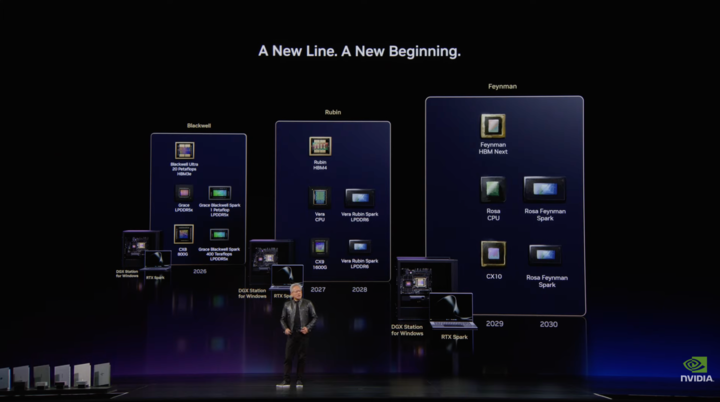
NVIDIA's RTX Spark roadmap spans three product generations, each iteration demanding Lenovo's software stack keep pace—a sustained engineering challenge.
After RTX Spark triggers another computational leap, whether Lenovo can translate hardware upgrades into tangible user experience improvements will be a major test. Zooming out, this challenge extends beyond Lenovo alone.

Beyond the High-End: The Potential Battlefield of Billions of End Devices
RTX Spark can meet the needs of high-end PC users who have sufficient purchasing power and demand for local AI computing power, but the battlefield for on-device AI is much broader.
Globally, there are over 40 billion smart end devices, including smartphones, automobiles, wearables, smart home systems, and more. These devices cannot be equipped with chips at the level of RTX Spark; their computing power budgets are measured in TOPS, not Petaflops; their power consumption windows are measured in milliwatts, not watts.
Yet, they also need to run AI locally and complete perception, understanding, and decision-making in offline or weak network environments.
How can AI capabilities be maximized on highly constrained end devices? This is a battlefield that RTX Spark does not illuminate, yet it is key to the widespread adoption of on-device AI.
This is also the question that domestic company Wall-E Intelligence is attempting to answer. Wall-E's core product, the MiniCPM series of on-device small models, is specifically designed for resource-constrained devices, with deployments ranging from AI-enabled smartphones and PCs to intelligent cockpits and wearables.
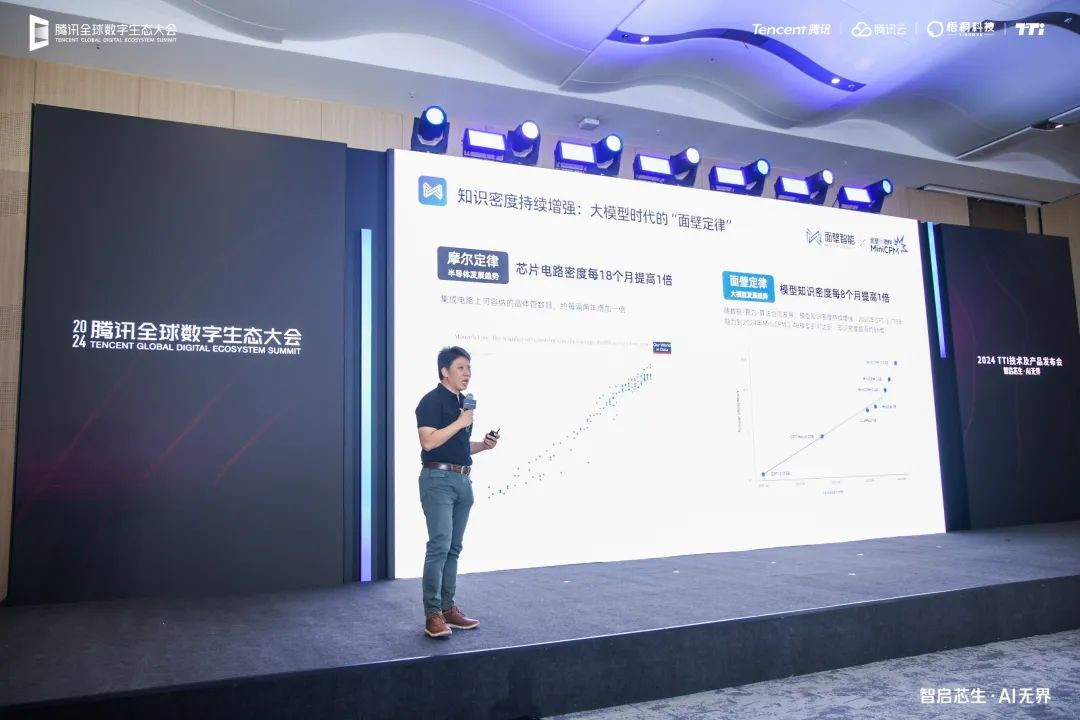
Wall-E's proposed "Density Law" suggests that the knowledge density of large models doubles every 3.3 months, leading to models that are increasingly smaller yet more capable—a long-term bet on the efficiency of small models.
In May of this year, Wall-E released MiniCPM5-1B, which already surpasses the early version of GPT-4o in some capability dimensions, despite having only 1 billion parameters.
Wall-E and NVIDIA's RTX Spark are also complementary. RTX Spark has raised the ceiling for on-device AI in high-end PCs, while Wall-E enables more devices to gain AI capabilities under resource constraints.
RTX Spark has raised the ceiling for on-device AI in high-end PCs, allowing complex agents to run locally; Wall-E, on the other hand, enables more devices to gain usable AI capabilities under resource constraints.
One is about "how to unleash potential with sufficient computing power," while the other is about "how to make the most of every TOPS with constrained computing power."
Li Dahai, CEO of Wall-E, once said that the number of devices equipped with Wall-E's on-device models is expected to reach 10 times that of 2025 by 2026. This implies that the widespread adoption of on-device AI will not rely solely on high-end PCs but will also require establishing a sustainable ecosystem of small models on low-computing-power devices.
Whoever can provide a better experience within a smaller resource budget will have the opportunity to win.
NVIDIA's entry acts like a starting gun, drawing developers' attention and capital
NVIDIA's journey over the past two decades has been marked by a series of pivotal moments, from the setbacks encountered with Tegra's mobile chips and the challenges faced in acquiring ARM, to the trial runs of the Grace CPU in data centers, and now, the official launch of RTX Spark. This trajectory underscores NVIDIA's unwavering commitment to transitioning AI computing capabilities from data centers to personal computers.
While RTX Spark may not represent the ultimate solution—its sales performance, pricing strategy, software ecosystem, and market reception are all factors that remain to be thoroughly evaluated—it has undeniably set a new benchmark for the on-device AI sector.
In this context, NVIDIA can be seen as the architect of the stage, whereas Lenovo, Wall-E, and all other entities striving to redefine the landscape of on-device AI are the true stars of the show.

Editor: Muren Reviewer: Zhang Wenxin Producer: Rui Zong
-
Ofilm Teams Up with ADSensE to Propel Large-Scale Deployment of All-Solid-State LiDAR Powered by ADS6311 Chip!
-
![]()
Loss of 2.5 Billion Yet Facing Strong Demand for Shares? Another Battle for Control of Lianchuang Electronics
-
![]()
Huawei’s Enjoy Series Flies Off the Shelves, Prompting Xiaomi to Double Down on Budget Smartphones
-
![]()
Beijing Hyundai's Top Executive Criticizes Industry Disorder: Certain Brands Treat Customers as Beta Testers
-
![]()
The domestic mobile phone market has declined for five consecutive quarters! Huawei defies the trend with significant growth: maintains its top market share
-
Annual Revenue Surpasses 3 Billion: An Automotive Trim 'Little Giant' Makes Its Debut on the Beijing Stock Exchange
-
![]()
The Space Force Wants to Spend $30 Billion on Rocket Launches: Is Trump Doubling Down, and Is SpaceX the Big Winner?
-
![]()
Going Crazy! One out of Every Three Plug-in Hybrids Sold in Europe is a Chinese Vehicle