WeChat Collaborates with Huawei/Honor/Xiaomi on A2A: Is This the Dawn of AI Integration?
 06/08 2026
 542
542
The door has creaked open, but this subtle movement signifies a pivotal moment.
Enthusiasts of AI-driven smartphones can finally glimpse a promising horizon.
Recent reports from multiple media outlets reveal that WeChat is joining forces with leading phone manufacturers, including Huawei, Honor, and Xiaomi, to introduce A2A (Agent-to-Agent) assistant functionalities. This integration enables voice assistants on these phones to initiate WeChat audio and video calls or send messages to contacts.
In layman's terms, in the near future, if you instruct your phone's assistant, "Send a WeChat message to Lao Wang," the assistant will no longer feign ignorance. Instead, it will relay your request to WeChat, which will execute the task and provide feedback.
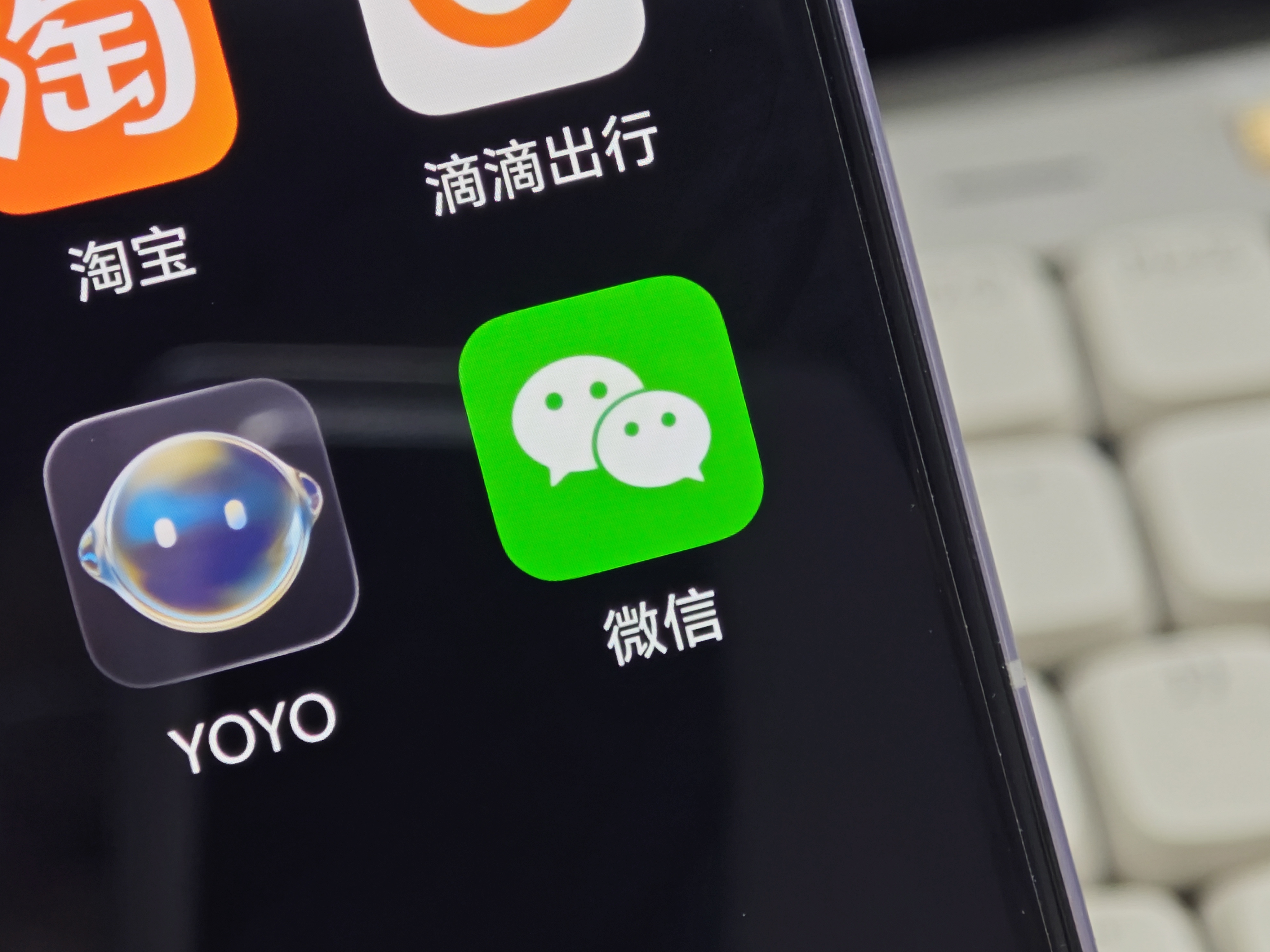
(Image source: Leikeji)
At first glance, this may seem incremental. After all, in 2026, a phone assistant facilitating a WeChat message should be a fundamental feature rather than headline news.
Yet, therein lies the crux.
Over recent years, the launch of AI smartphones has been marked by increasing fanfare, boasting global agents, proactive services, and cross-app functionalities. During these launches, there are demonstrations of booking tickets, hailing taxis, and sending messages with a single sentence, with smooth demo videos that seem almost too good to be true. However, when confronted with a national-level application like WeChat, many AI functionalities suddenly become reserved and even cautious. They refrain from acting rashly, respect boundaries, and struggle to accomplish tasks effectively, merely lingering outside the door.
Until now, WeChat has only slightly opened its door. Yet, even this slight opening, as Leikeji believes, will profoundly impact the AI technology landscape.
Usable, but with Limited Functions
Let's first delve into what WeChat and the manufacturers have accomplished.
Traditionally, when phone manufacturers developed agents, they often adopted a "takeover" approach. They would analyze the interface, locate buttons, simulate clicks, and await page transitions.
Theoretically, this approach is powerful, enabling interaction with any app. However, the issue is apparent.
How would app manufacturers react if a phone assistant began interacting with WeChat, Alipay, Meituan, or banking apps on behalf of users?
Nervously, undoubtedly.
Because it's not merely about buttons; it involves user data, payment risks, risk control rules, and, most importantly, control over entry points. Technical feasibility doesn't equate to commercial willingness.
The resistance faced by Doubao Phone earlier underscores this issue.
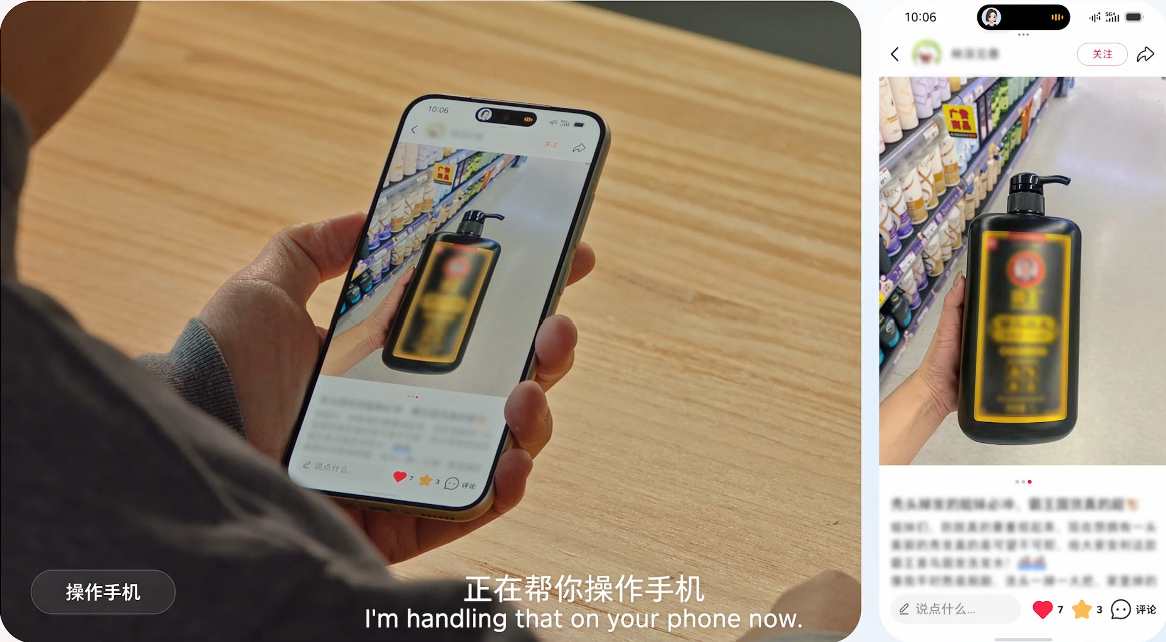
(Image source: Doubao)
In contrast, the A2A standard protocol, initially proposed and open-sourced by Google in April 2025, which is supported by WeChat this time, allows different agents to establish direct communication, assign tasks, and collaborate. This enables phone assistants to send requests to WeChat, which then judges, executes, and returns the results.
Since WeChat retains decision-making power, it dares to allow external AI assistants to invoke several low-risk, high-frequency WeChat functionalities.
What exactly can be done? I tested it with a Honor Magic8 RS.
The usage method is straightforward: summon the YOYO assistant and issue a command.
Upon first activating WeChat, it prompts you to grant smart assistant permissions, presumably aligning with the upcoming WeChat Agent.
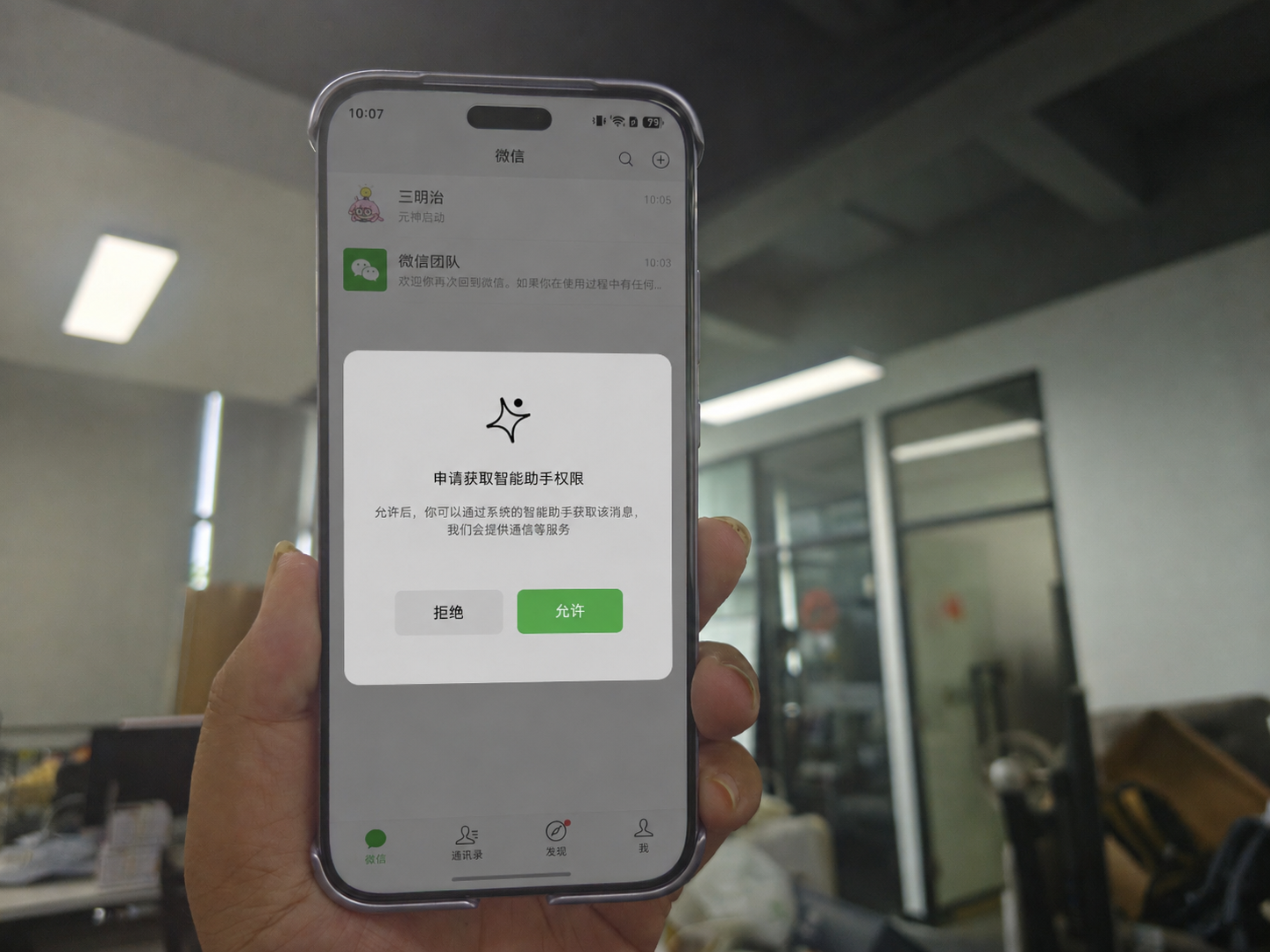
(Image source: Leikeji)
Subsequent operations are simple. Use the command "Open WeChat Scan" to access the scanning interface.
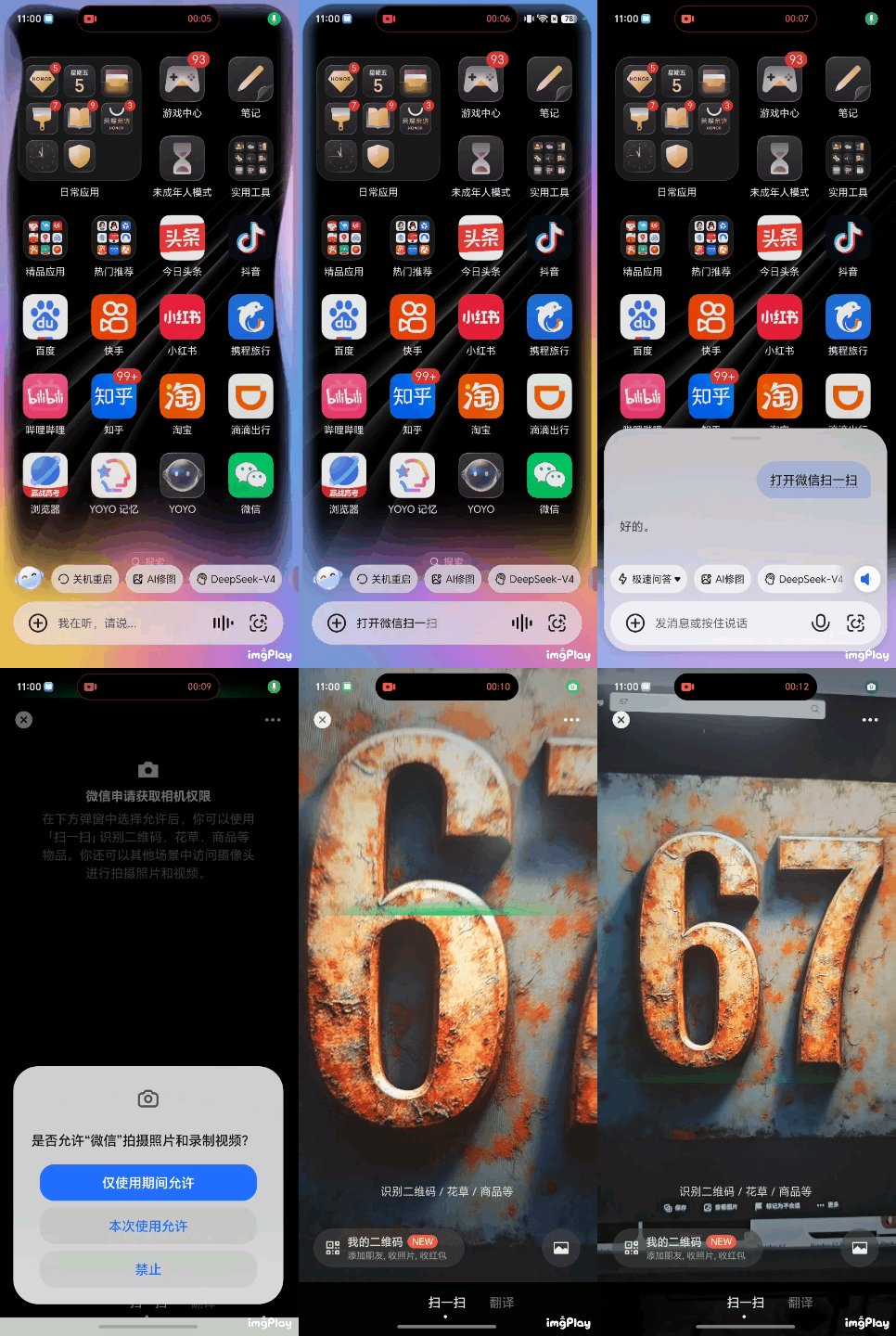
(Image source: Leikeji)
Using the command "Send a WeChat message to XX saying OOOO," you can send a text message, although the post-jump operation speed is not swift, requiring manual confirmation before sending.
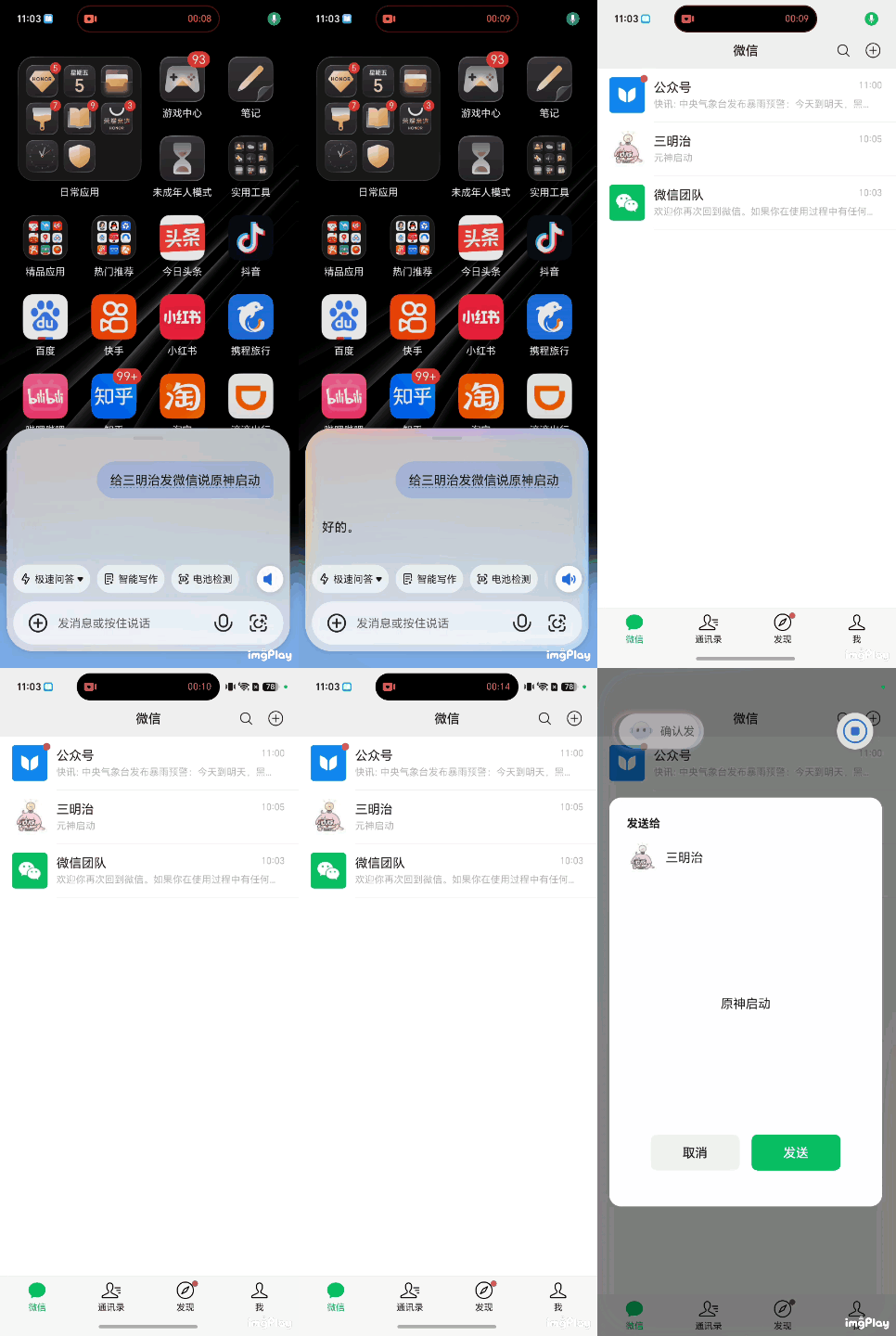
(Image source: Leikeji)
Using the command "Make a WeChat voice/video call to XX," you can initiate a voice/video call, still requiring manual confirmation to dial. However, the operation speed is quicker than sending a text message.
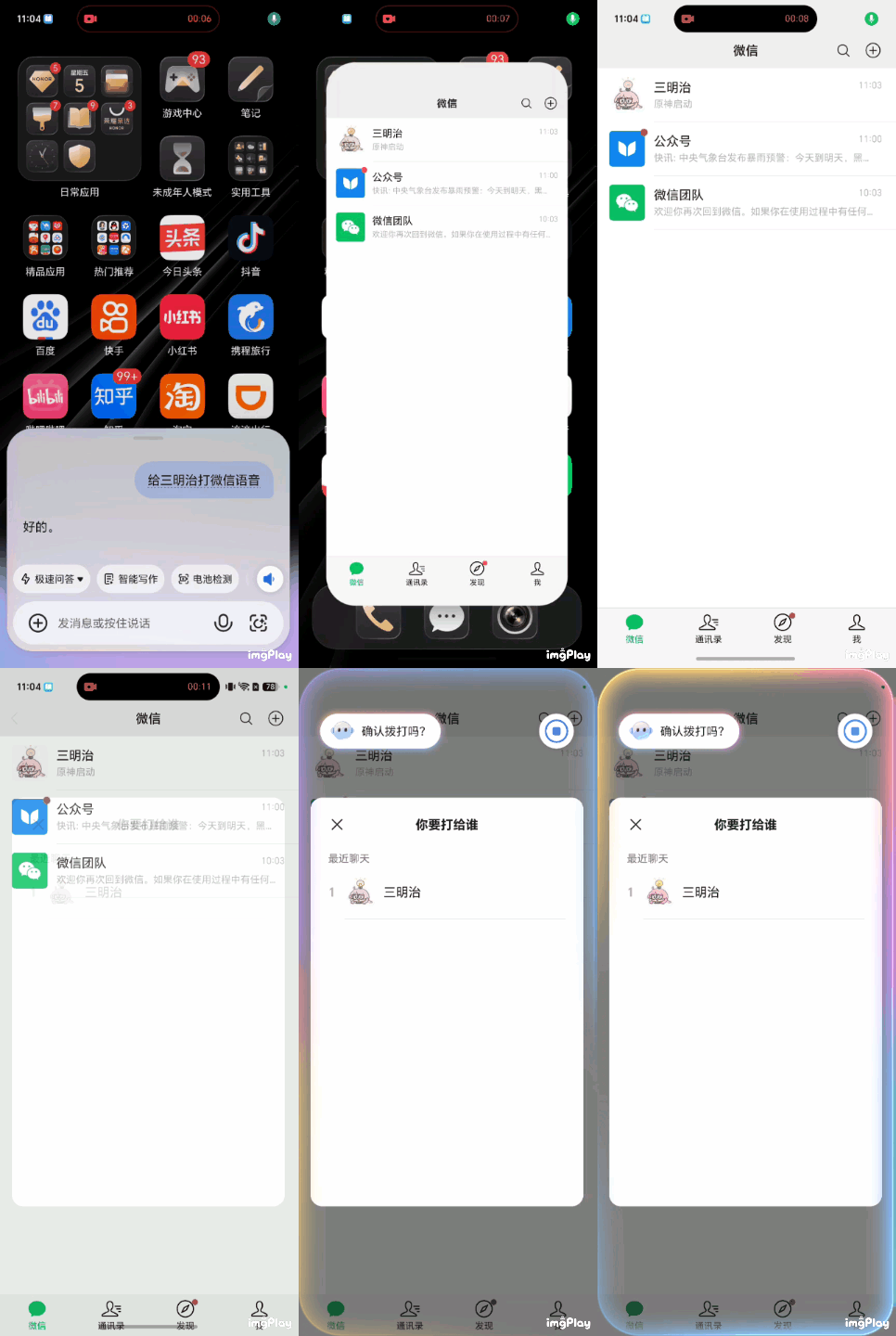
(Image source: Leikeji)
WeChat's receive/payment codes can also be invoked, but I won't demonstrate that here.
Apart from these basic functions, numerous WeChat features remain unsupported, particularly those involving personal privacy or property security, such as sending photos/videos to contacts, sending red envelopes/transfers to contacts/group chats, and even using WeChat to open specific pages of official accounts.
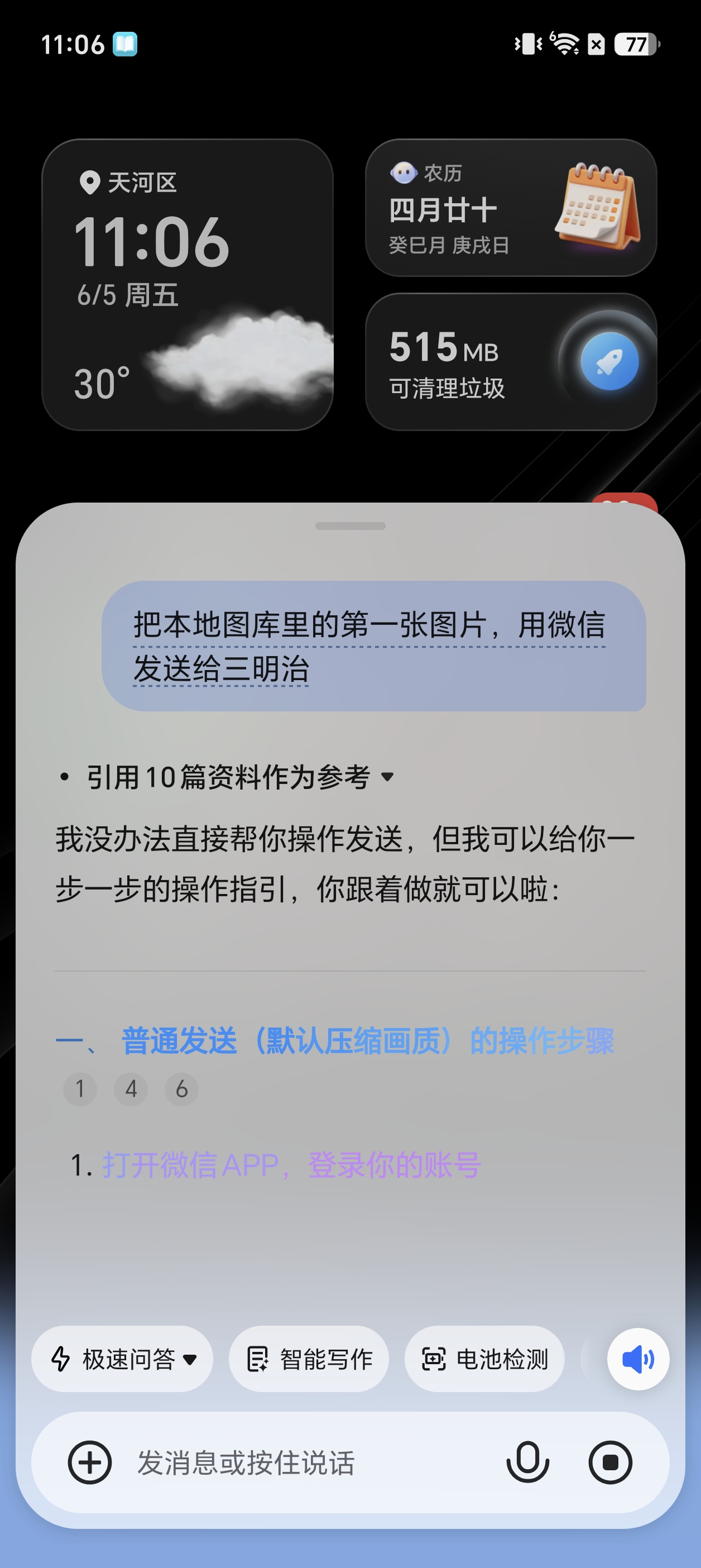
(Image source: Leikeji)
For comparison, I also tested Super Xiaoai.
Without accessing WeChat's A2A assistant, phone assistants from various manufacturers can still bring up WeChat Scan and receive/payment codes, facilitating payments.
However, sending messages remains impossible; the furthest they can go is to "Open WeChat."
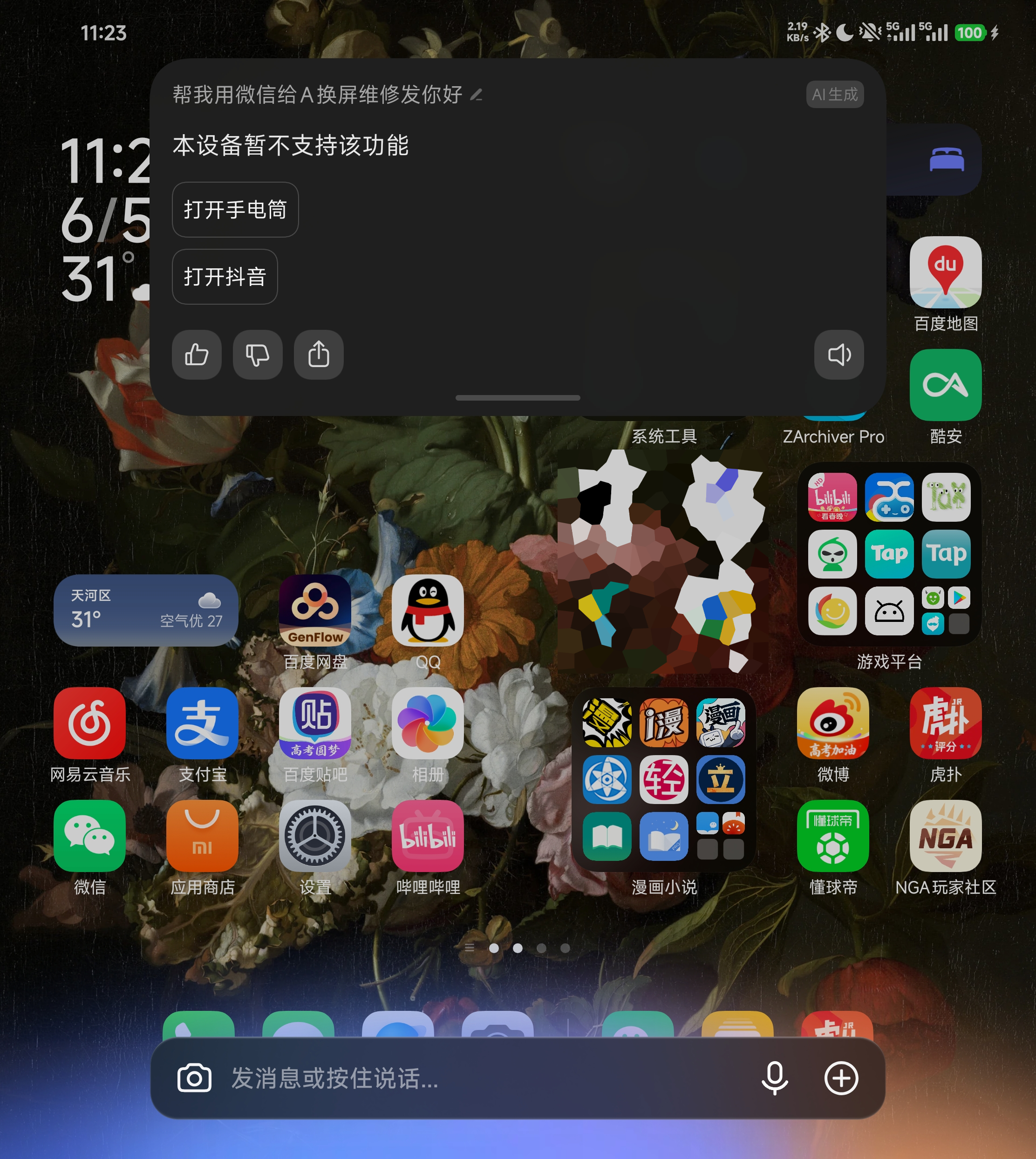
(Image source: Leikeji)
According to industry insiders, the Honor Magic8 series, 500 series, and the entire X70 series currently support WeChat's A2A assistant capabilities, with other manufacturers expected to follow suit.
This is undoubtedly positive news for phone manufacturers. Previously, AI assistants faltered when encountering WeChat, but now they can at least manage some high-frequency tasks.
For WeChat, it's also a favorable deal. It hasn't fully relinquished core permissions yet avoids being perceived as an isolated island in the AI era.
More importantly, this likely paves the way for the upcoming WeChat Agent.
Starting with low-risk actions like sending messages and making voice calls, it will navigate manufacturer collaboration, permission boundaries, user confirmation, and risk control procedures. Once users and manufacturers acclimate, it can gradually unlock capabilities like Mini Programs, official accounts, video accounts, and WeChat Work, offering more narrative potential.
Everyone Wants AI Self-Circulation
Since the advent of agents, people have contemplated breaking the isolation barrier.
As early as November 2024, Anthropic proposed the MCP (Model Context Protocol) protocol, a unified and standardized communication protocol designed to enable large models to securely and standardly request prompts, resources, and executable tools from external applications.
The MCP protocol transforms a large model from a chatbox into an intelligent assistant capable of connecting everything.
The issue is that under the MCP protocol architecture, the large model is the absolute subject, while external applications are merely tools to be invoked. When all user perception, interaction, and intent understanding are completed within the phone assistant or another large model, applications naturally degenerate into underlying "service APIs."
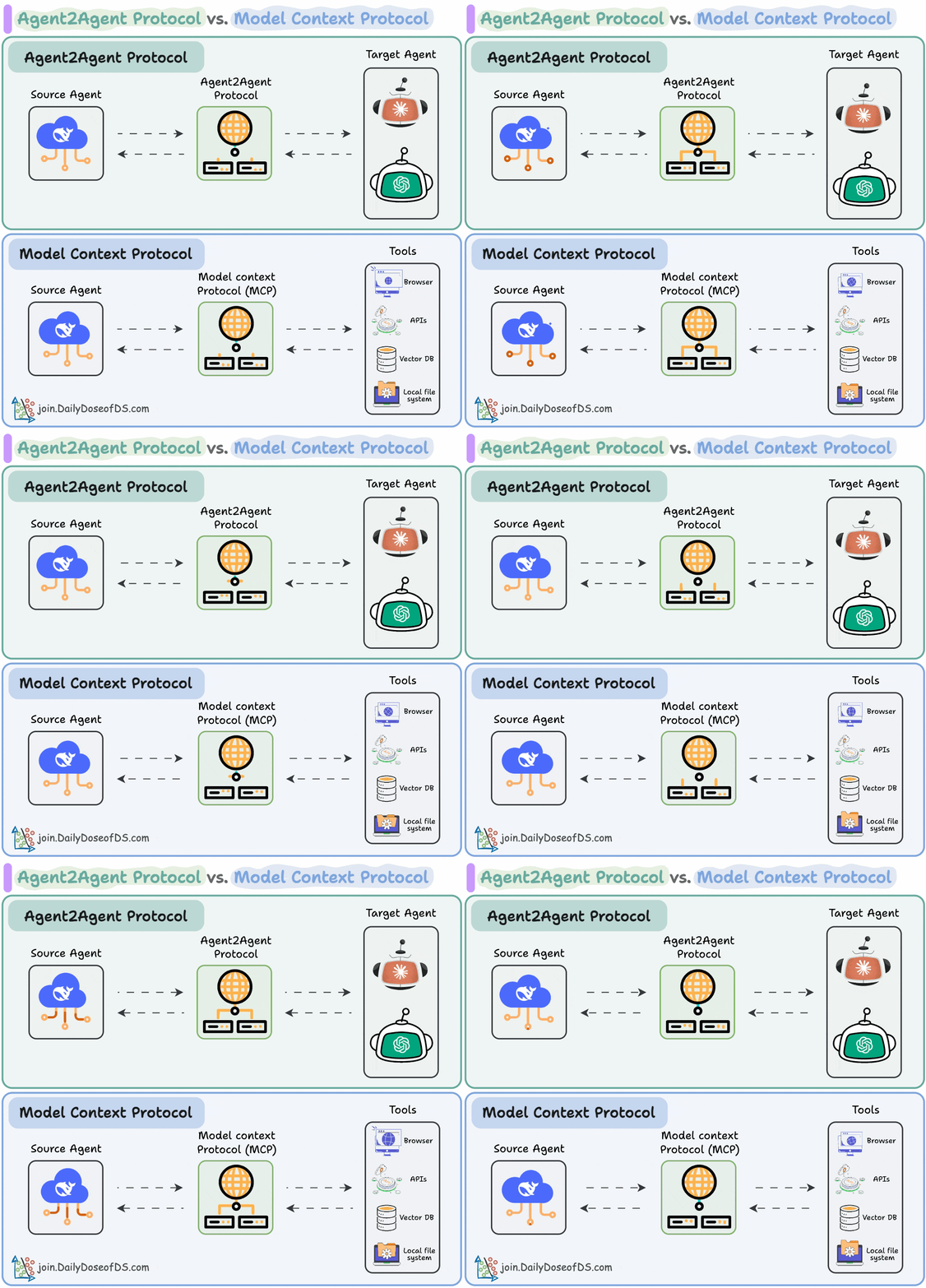
(Image source: dailydoseofds)
Major companies find this situation intolerable.
Hence, it's rare to see major companies actively adapting to the MCP protocol. Alibaba and ByteDance are both advancing towards the agent direction, but their attitudes are highly consistent: openness is acceptable, but it must commence within their own ecosystems.
Alibaba exemplifies this approach.
Qianwen now integrates with Alibaba's ecosystem businesses such as Taobao, Alipay, Taobao Deals, Fliggy, and Gaode, enabling shopping, ordering food, booking flights, and planning routes, essentially restringing the Alibaba family bucket (Alibaba's entire ecosystem).
This path is smooth because these capabilities already exist within the Alibaba system. Permissions, payments, fulfillment, and customer service can all be interconnected without the need for constant negotiations with others.
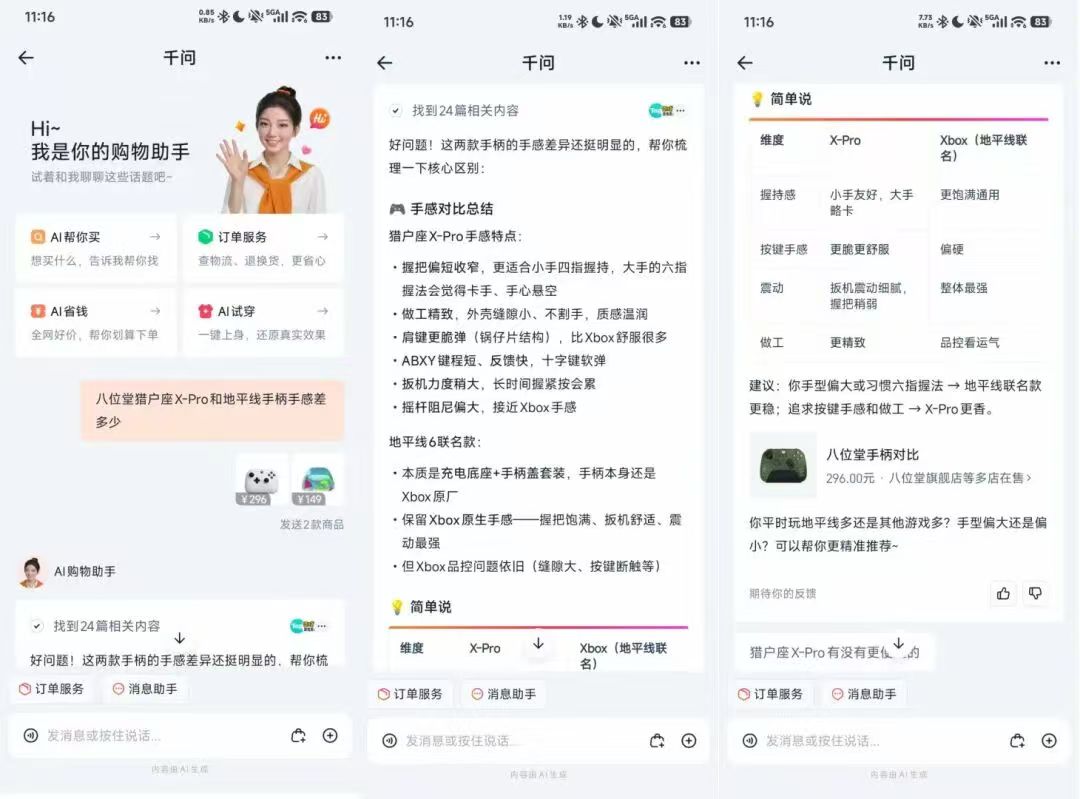
(Image source: Leikeji)
However, the problem persists.
It's powerful but confined to Alibaba's ecosystem. Asking Qianwen to deeply invoke WeChat, Douyin, or Meituan becomes challenging. It's not that the model can't; it's that others may not be willing to cooperate.
ByteDance follows a similar path. Doubao is now connected with Douyin E-commerce, allowing users to raise shopping requests within Doubao and complete recommendations, product selection, ordering, and payment. Kouzi oversees the agent platform, which can query and invoke a series of ByteDance applications. They aim to accomplish more tasks within ByteDance's ecosystem.
Thus, while everyone discusses agents, they're actually pursuing closed loops within their own ecosystems.
Alibaba connects with Alibaba's ecosystem, ByteDance connects with Douyin's ecosystem, and phone manufacturers, while seemingly at the system level and closest to users, are actually farthest from real services.
You understand, it's quite challenging.
In Conclusion
You might find it peculiar why WeChat's opening of A2A has garnered widespread attention.
Because it provides the industry with a more realistic solution: major companies don't have to attack or repel each other; instead, they can function like companies issuing work orders, with one agent handing over tasks to another.
The phone assistant understands you, the WeChat agent handles WeChat-related tasks, Mini Programs complete specific services, and the user confirms the final outcome. No one oversteps boundaries, but tasks can be completed, and major companies' traffic remains unaffected.
I'd argue this is far more realistic than envisioning a super AI taking over everything.
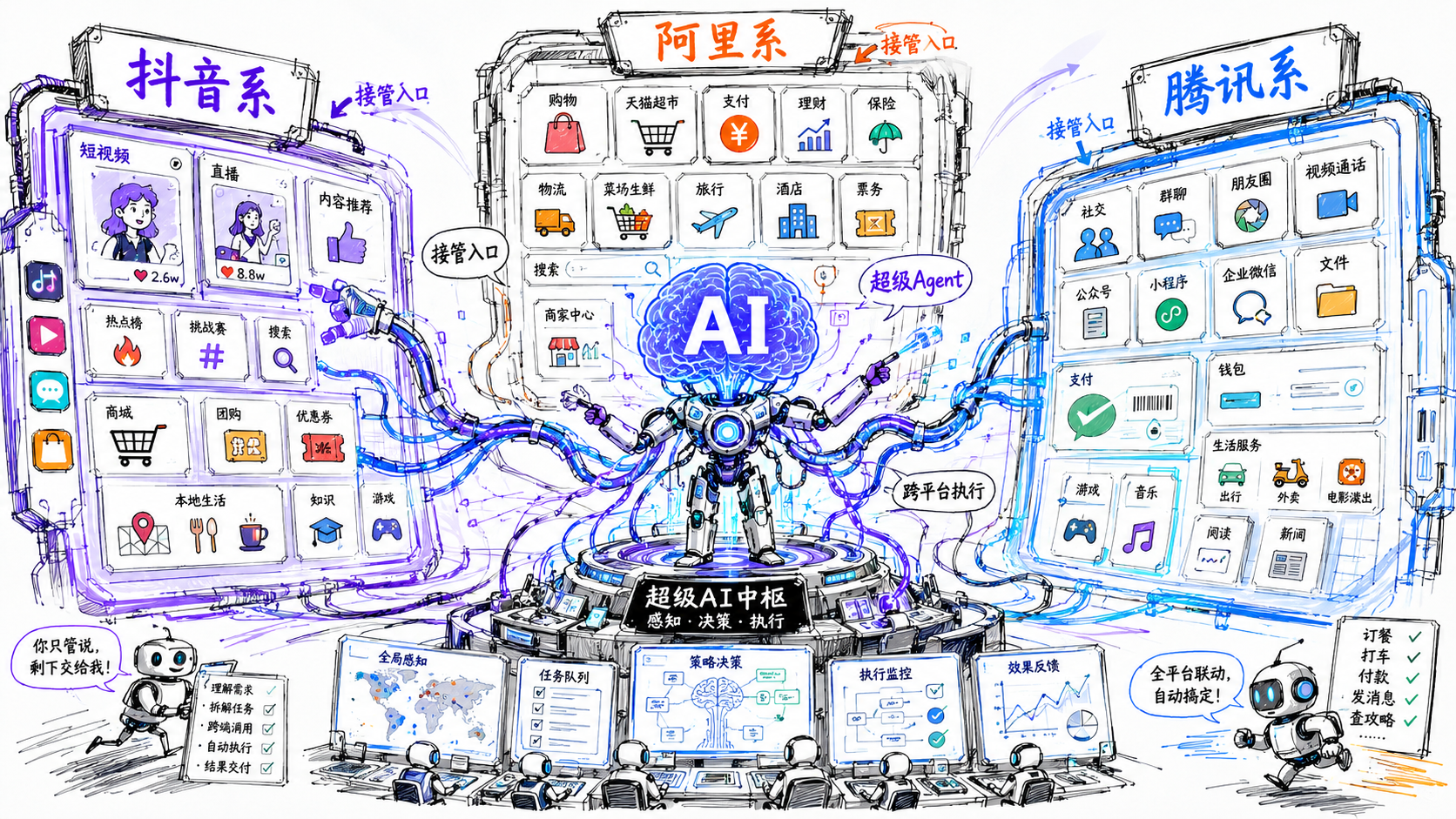
(Image source: Leikeji)
Of course, don't romanticize this opening excessively.
WeChat has only opened a small crack, and A2A is not a universal key. It addresses the question of "whether collaboration is possible," not "whether collaboration will definitely be beneficial."
Whether the experience is satisfactory depends on whether the model is intelligent enough, whether the permission design is clear enough, whether payment confirmation is secure enough, and whether fallback options exist in case of errors.
At least currently, many netizens remain dissatisfied with WeChat's own agent performance.

(Image source: Weibo)
Nevertheless, the industry signal conveyed by WeChat's opening is unmistakable.
Whether this door leads to a broad avenue or another round of entry battles hinges on how each manufacturer proceeds next.
WeChat, Honor, A2A, Xiaomi, Huawei
Source: Leikeji
All images in this article are from the 123RF licensed image library. Source: Leikeji
-
Ofilm Teams Up with ADSensE to Propel Large-Scale Deployment of All-Solid-State LiDAR Powered by ADS6311 Chip!
-
![]()
Loss of 2.5 Billion Yet Facing Strong Demand for Shares? Another Battle for Control of Lianchuang Electronics
-
![]()
Huawei’s Enjoy Series Flies Off the Shelves, Prompting Xiaomi to Double Down on Budget Smartphones
-
![]()
Beijing Hyundai's Top Executive Criticizes Industry Disorder: Certain Brands Treat Customers as Beta Testers
-
![]()
The domestic mobile phone market has declined for five consecutive quarters! Huawei defies the trend with significant growth: maintains its top market share
-
Annual Revenue Surpasses 3 Billion: An Automotive Trim 'Little Giant' Makes Its Debut on the Beijing Stock Exchange
-
![]()
The Space Force Wants to Spend $30 Billion on Rocket Launches: Is Trump Doubling Down, and Is SpaceX the Big Winner?
-
![]()
Going Crazy! One out of Every Three Plug-in Hybrids Sold in Europe is a Chinese Vehicle