Explosion of Recording Hardware! Four Major Product Categories Compete for New AI Entry Points, with Agent Capabilities Becoming Standard
 06/08 2026
 399
399
AI functions are converging, and hardware capabilities determine superiority.
In many people's imaginations, voice recorders might be the hardware most easily replaced by smartphones.
From journalist interviews to business meetings, from classroom notes to online communication, smartphones paired with transcription apps like iFlytek's can already cover the vast majority of recording scenarios. Even in the media industry, many journalists have started to directly use their smartphones as voice recorders to "cut corners." For many people, voice recorders have long become a gradually forgotten category.
While a few years ago, some brands also launched smart voice recorders equipped with AI models that could directly transcribe recordings on the device. However, in terms of experience, these smart voice recorders merely caught up with the combination of "smartphone + app," and in terms of ease of use, smartphones paired with intelligent recording software remained the pinnacle of recording experience at the time.
However, by 2026, just as everyone thought voice recorders were about to disappear, AI Agent technology has reinvigorated the recording hardware sector.
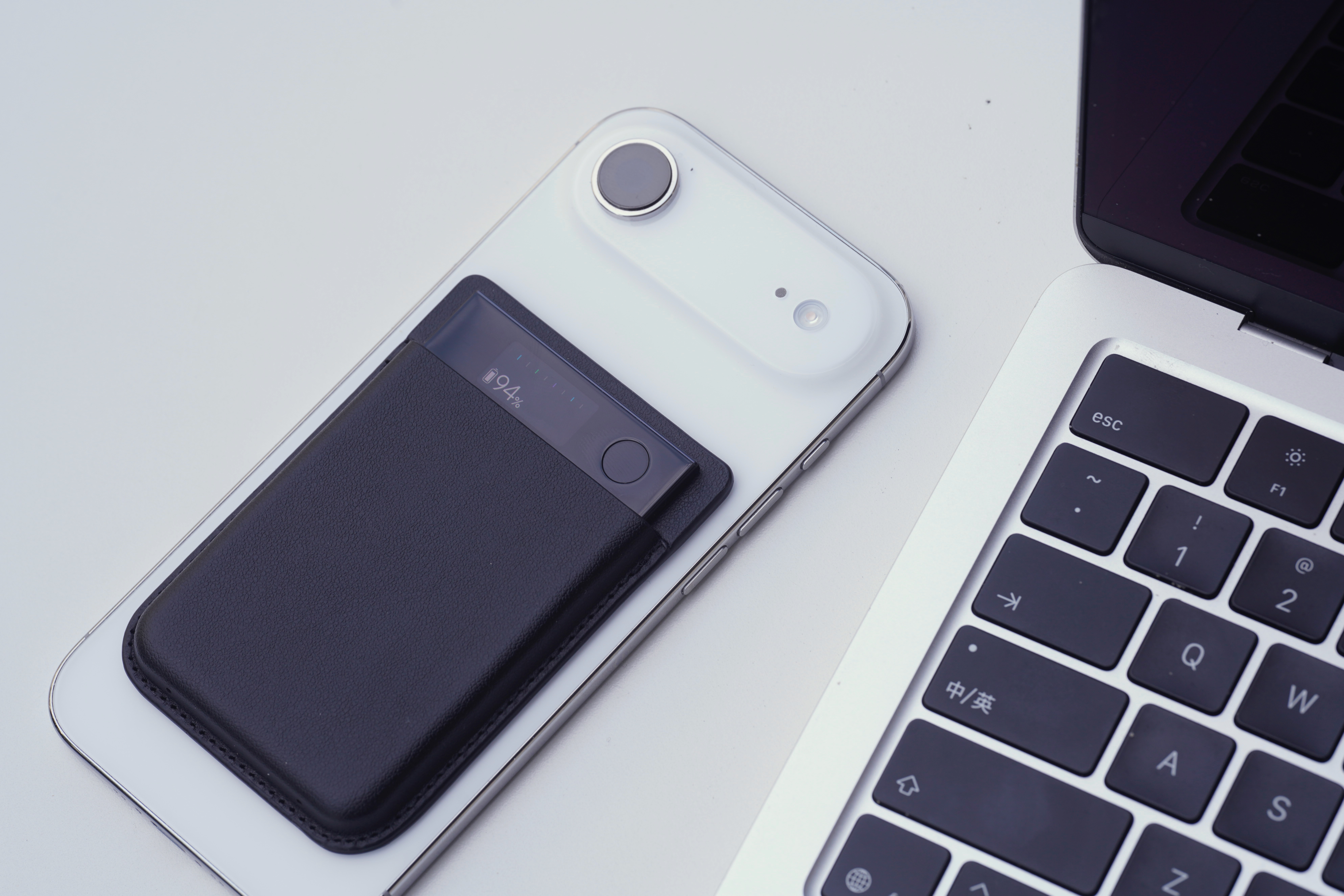
Image Source: Leitech
Over the past two years, from the Plaud Note Pro and DingTalk A1 recording cards to Anker's recording beans and Insta360's Mic Air, as well as various AI earphones and smart microphones with real-time transcription capabilities, more and more manufacturers have begun to re-enter the seemingly mature market of "AI recording hardware." However, in the smart hardware industry, there are many categories preparing to "resurrect" with the help of AI. Why can AI recording devices stand out?
Four Major Categories of Recording Hardware Compete for the Super Entry Point of Voice AI
Leitech has compiled a list and found that mainstream AI smart recording hardware on the market can be roughly divided into four categories based on form factor: cards, wearables, earphones, and voice recorders, with cards and wearable recording devices being the most common.
1. Recording Cards: Stick them on your phone for instant use, portable and lightweight.
Most people should be very familiar with card-based AI recording devices. Plaud, DingTalk, MOVA TPEAK, and even Evernote from the "ancient" era of mobile internet have all launched such AI recording devices; Leitech has also deeply experienced related products in the past.
In terms of hardware, AI recording cards continue the traditional voice recorder's interaction mode of "input only, no output." Highly simplified body hardware and a microphone matrix with "better hearing" allow these AI recording cards to break away from the traditional voice recorder's hardware form of being "bulky, heavy, and unattractive," solving the portability issue of traditional voice recorders with a lightweight card design.
Take the DingTalk A1, familiar to Leitech, as an example. Its matrix structure of five omnidirectional microphones and one bone conduction microphone allows the recording card to accurately pick up sound from a distance without needing two large microphone heads like traditional voice recorders, significantly reducing the product's volume. Incidentally, the addition of the bone conduction microphone also allows the A1 to provide call recording functionality for iPhones, solving the biggest pain point of iPhones in work scenarios.
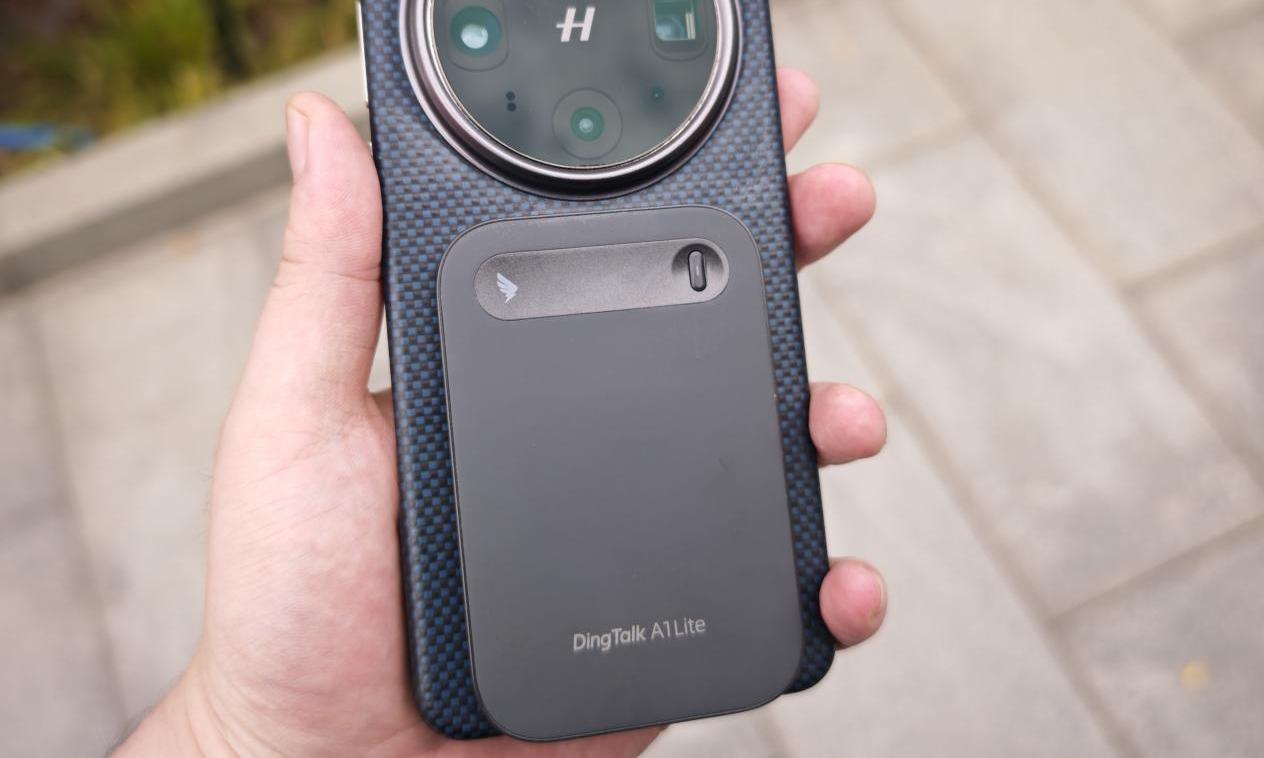
Image Source: Leitech
In terms of AI Agent capabilities, the DingTalk A1 also focuses on office scenarios such as interviews and meetings. It can directly display real-time translations in the mobile app and output meeting minutes organized by the AI Agent after the meeting.
2. Wearable Recording Devices: Record anytime, anywhere, without being intrusive.
If AI recording cards like the DingTalk A1, designed for interviews and meetings, are too "professional," then wearable recording devices, such as the Insta360 Mic Air, cater to voice recording needs outside of professional scenarios.
Not long ago, Leitech reported on the co-branded Mic Air Vibe-Coding microphone launched by Insta360 and TRAE. In terms of hardware form, these wearable microphones completely abandon the traditional voice recorder model and instead use wireless microphones as their hardware prototype, emphasizing compactness, low profile, and long-term use.
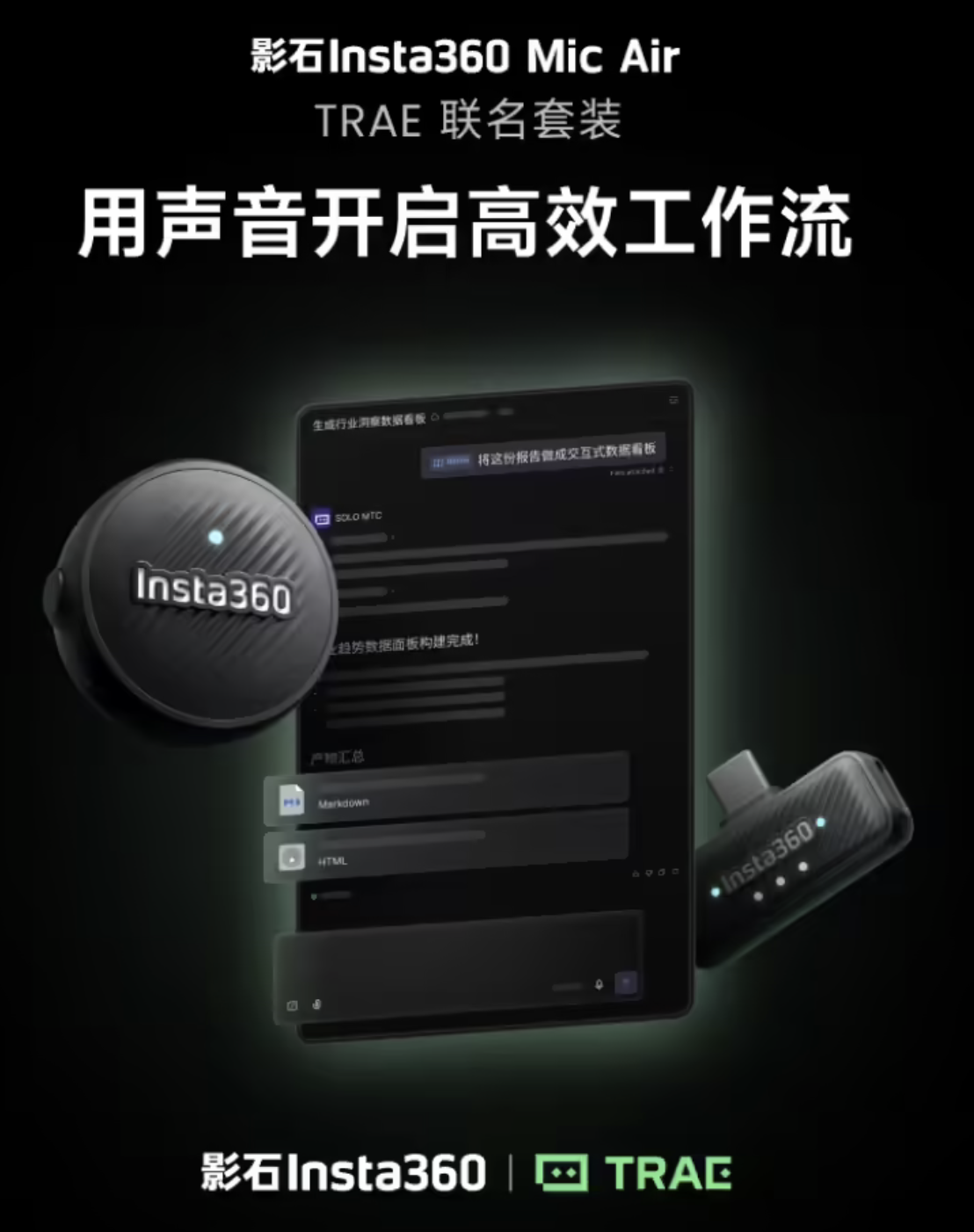
Image Source: Insta360
For example, when the Mic Air was launched, it specifically highlighted its selling points of being "extremely lightweight and highly sensitive": even in relatively noisy environments like offices, it can accurately capture the user's whispering voice, allowing developers to "command AI to work anytime, anywhere."
3. AI Recording Earphones: Solve translation and other Rigid demand (essential needs) with the lowest learning curve.
AI recording earphones, represented by iFlytek's AI earphones, still focus their core value on dialogue, translation, and other "earphone scenarios." Compared to the previous two types of devices, earphones have the advantage of an extremely low learning curve.
4. Traditional Voice Recorders Go AI: Continuing Old Habits with High Reliability.
Finally, there are the "traditionalists" among AI recording devices—traditional voice recorders equipped with AI Agent capabilities. Compared to the previous three new form factor products, these AI devices essentially add an Android module to traditional voice recorders, giving them certain AI Agent capabilities. However, this separated hardware architecture brings extremely high reliability, making them more user-friendly for professional users such as journalists and lawyers.
How is AI Agent Reshaping Recording Devices?
However, whether it's magnetic cards or lapel microphones, these hardware differences are merely superficial. From Leitech's perspective, the significance of AI Agents to the recording industry is not about improving transcription efficiency or adding more new functions but redefining the purpose of recording devices.
In the era of traditional voice recorders, the value of recording devices was simply to record sound. Whether for journalist interviews, meeting minutes, or classroom notes, voice recorders were merely "storage tools." After recording, users had to listen back, organize, and extract key points themselves. This "record-listen back-organize" workflow is what Leitech refers to as the Recording 1.0 era.
For journalists, a one-hour exclusive interview often means spending another one to two hours listening back to the recording, organizing viewpoints, and extracting quotes. Earlier this year, when Leitech participated in reporting on CES 2026, we encountered media peers still using this "ancient recording method," resulting in extremely low work efficiency. For enterprise users, such pure meeting recordings could only be used for backup archiving.
Later, with the emergence of transcription tools like iFlytek's, the recording industry entered its second phase. In this phase, the recording devices themselves did not change much, but AI began to take on part of the text organization work, evolving the workflow into "record-transcribe-organize"—what Leitech defines as the Recording 2.0 era.
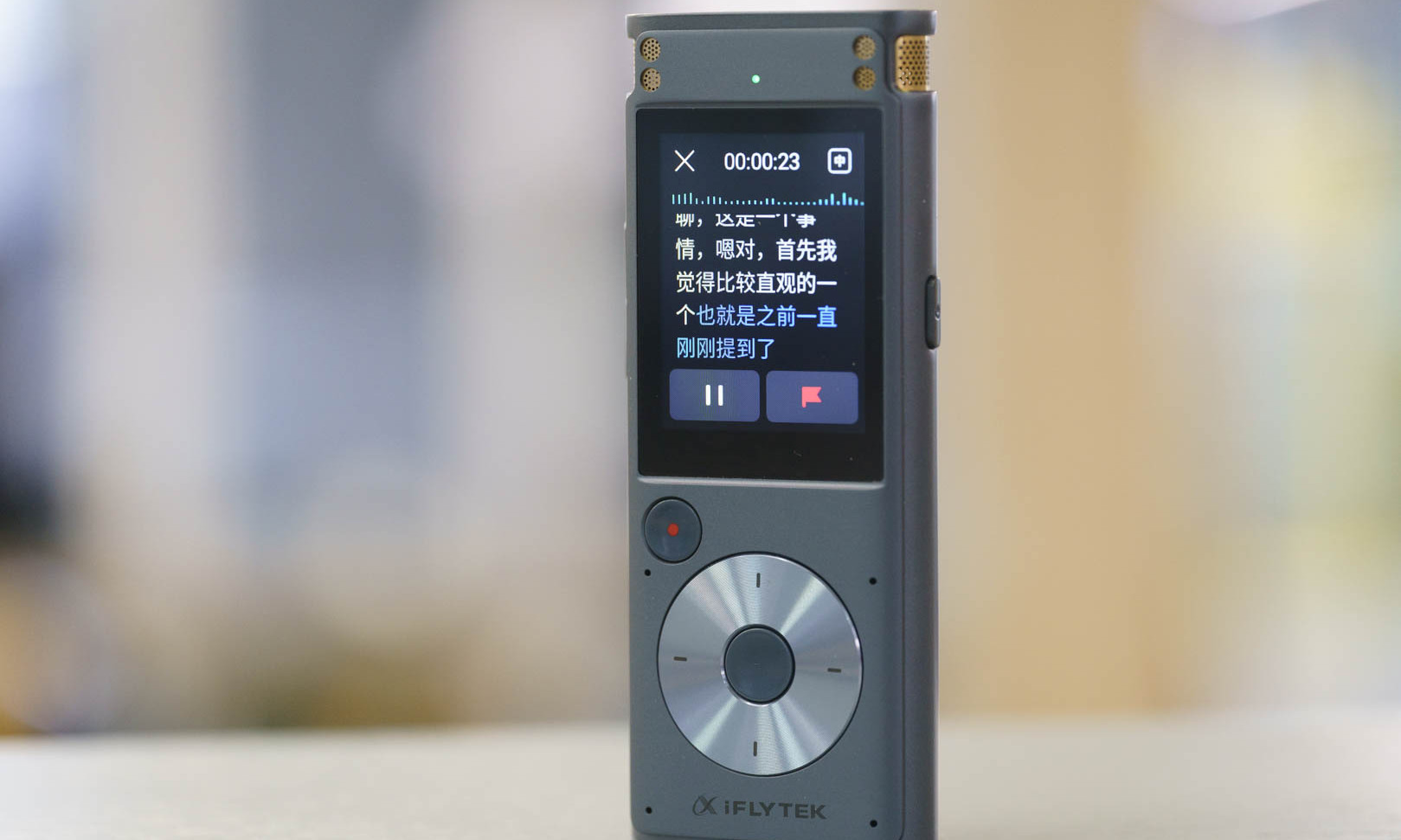
Image Source: Leitech
Compared to the era of traditional voice recorders, users no longer had to listen back to the recording word by word but instead faced a text transcript, representing a huge efficiency boost. However, the problem was that transcription did not equal organization. A verbatim transcript of an interview spanning tens of thousands of words was still essentially an unprocessed collection of information. We still had to structure the framework (organize the structure) and Filter key points (filter key points) ourselves; product managers still had to Task breakdown (break down tasks) from the discussion content.
In other words, transcription tools only solved the problem of "converting sound to text" but did not solve the problem of "converting information into action."
The emergence of AI Agents changed all that. Today's AI recording devices have evolved their workflow into: "record-transcribe-summarize (think)-execute."
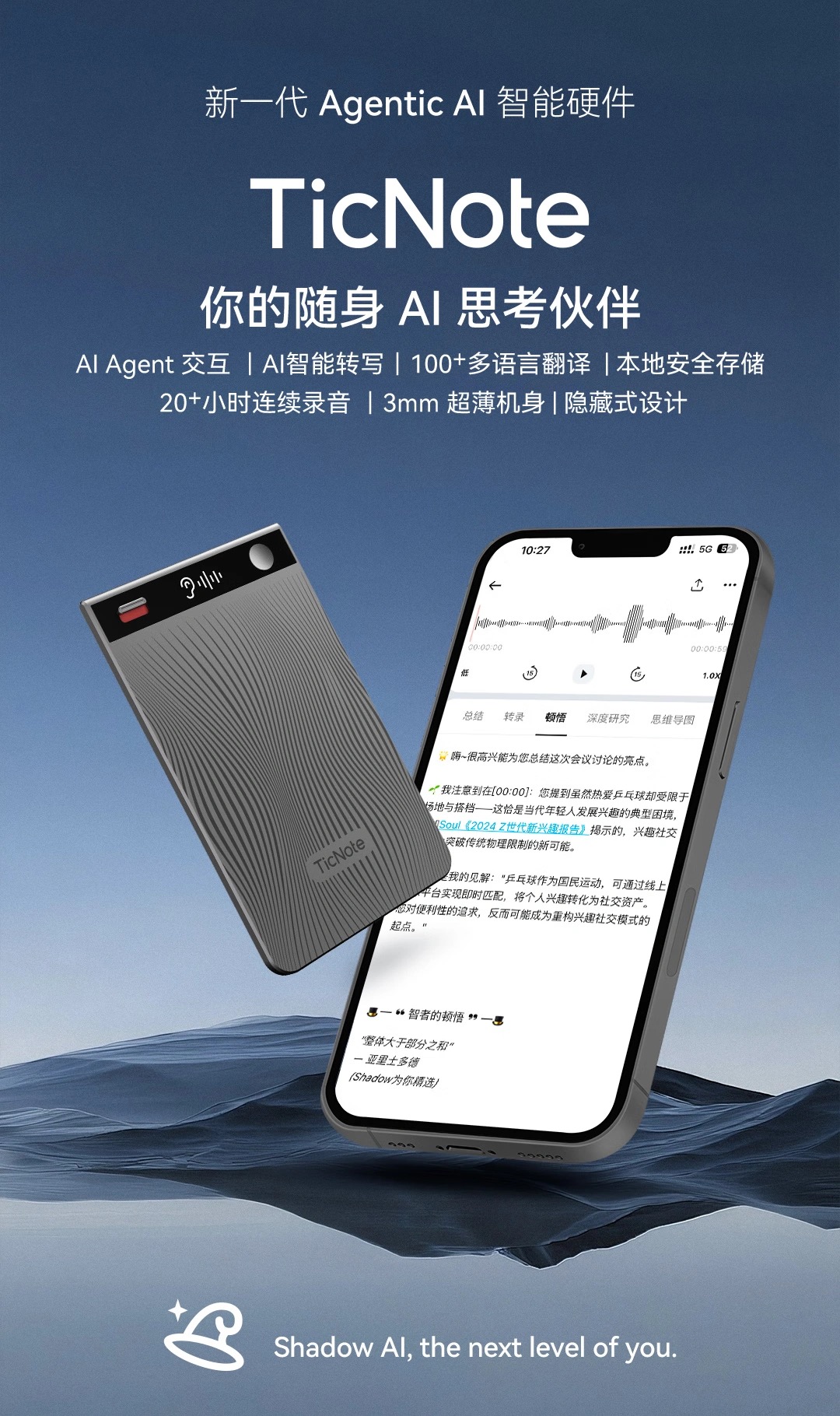
Image Source: TicNote
Take Leitech's actual work scenarios as an example. In the Recording 1.0 era, after an interview, we would get a recording file; in the Recording 2.0 era, the recording file would be turned into a verbatim transcript; but in the Recording 3.0 era, mainstream AI recording devices can directly provide interview summaries, core viewpoints, character quotes, and even the article structure of the interview transcript.
Besides meetings and interviews, AI has also given rise to entirely new scenarios that did not exist before—the aforementioned "Voice Vibe Coding" is a perfect example.
In the past, software development relied almost entirely on keyboard input, while Vibe-Coding advocates for a fuzzy development approach—developers make requests to AI and let AI figure out how to implement the functionality. Since developers are giving inherently fuzzy instructions, why do we still need a precise input method like a keyboard? Against this backdrop of AI-driven development, voice-based VibeCoding emerged, and Insta360 became the first brand to seize this opportunity.
It can be said that the emergence of AI Agents has transformed recording devices from simple "input tools" into devices capable of "generating value."
Agent Capabilities Converge, Basic Experience Becomes More Important
However, while the explosion of AI Agents has allowed recording devices to "prove themselves once again," the rapid iteration of AI Agents has also quickly leveled the playing field in terms of capabilities across different products. For AI recording devices at this stage, capabilities such as meeting minutes generation, to-do item extraction, interview summaries, and content summarization have already become industry standards.
From Leitech's perspective, the reason for this situation is not complicated: most AI recording device manufacturers do not develop their own underlying large models but instead use the same batch of mature model services. As the industry matures, the capabilities of external models will inevitably converge. So, in this context, how can AI recording hardware differentiate itself from one another?
Leitech believes that as AI Agent capabilities converge, competition in the recording hardware category will inevitably return to hardware configuration and basic experience.
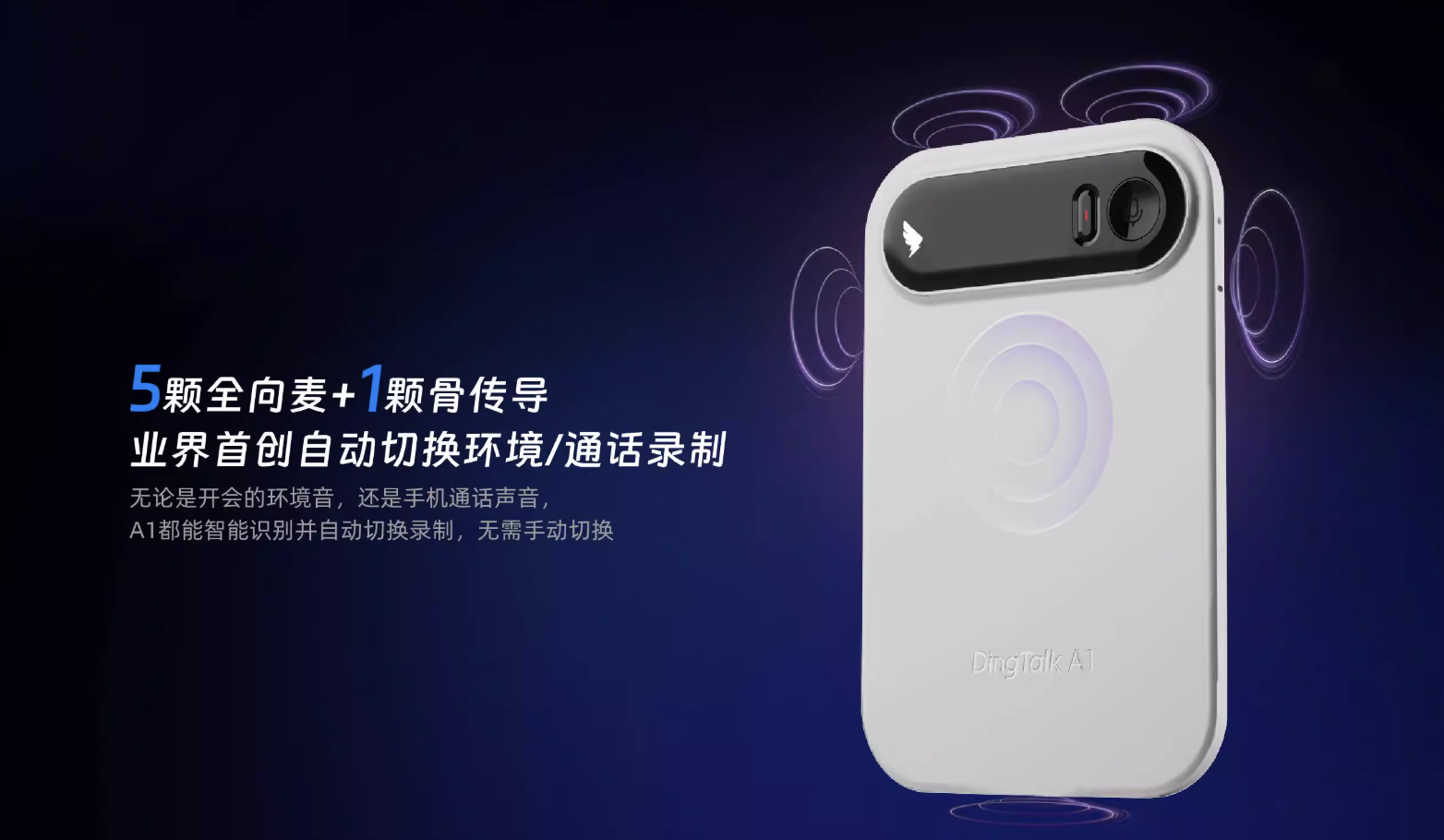
Image Source: DingTalk
In fact, after experiencing quite a few AI recording products, Leitech has discovered a very interesting phenomenon: when it comes to generating meeting minutes, the content differences provided by different devices are often not as significant as one might imagine; however, the quality of the recording source itself directly determines the usability of the final result.
For example, last year, Leitech participated in a group interview held at an outdoor track and field stadium at a university, where the wind was extremely strong, making it impossible to hear anything clearly on the phone recording, and the AI transcription could barely recognize any human voices; a while ago, during an indoor group interview with a certain brand, the brand's AI recording device completely missed the human voices and only recorded 37 minutes of ambient noise for me.
From this perspective, AI Agents are actually somewhat similar to active noise cancellation technology from back in the day: the emergence of active noise cancellation technology changed the direction of the earphone industry and even created a dedicated category of ANC earphones. However, the noise cancellation algorithms of various brands are actually quite similar; what truly affects the experience of noise-canceling earphones are factors like the earphone microphone matrix and ergonomics—"hardware development capabilities."
Buying Guide: Some Are Worth Buying, Others Suggest "Waiting a Bit Longer"
So, as consumers, if we want to experience AI recording devices, how should we choose the right product for ourselves? From Leitech's perspective, in 2026, when "AI experiences are similar but hardware differences are significant," choosing the right AI recording device is actually not difficult.
First, we need to clarify our needs: do we want a portable recording card for meeting recordings? Or a multifunctional wireless microphone? Or do we just want to "give it a try" and experience what AI Agents can do in the recording category?
For users in the media industry with high-intensity recording needs, Leitech highly recommends the DingTalk A1: its portable size, extremely long battery life, and deep integration with DingTalk AI make it the least error-prone option for domestic users.
If you find recording cards still not convenient enough, then Anker's recording beans, which also use a magnetic attachment scheme and are deeply interconnected with Feishu, are also worth considering.
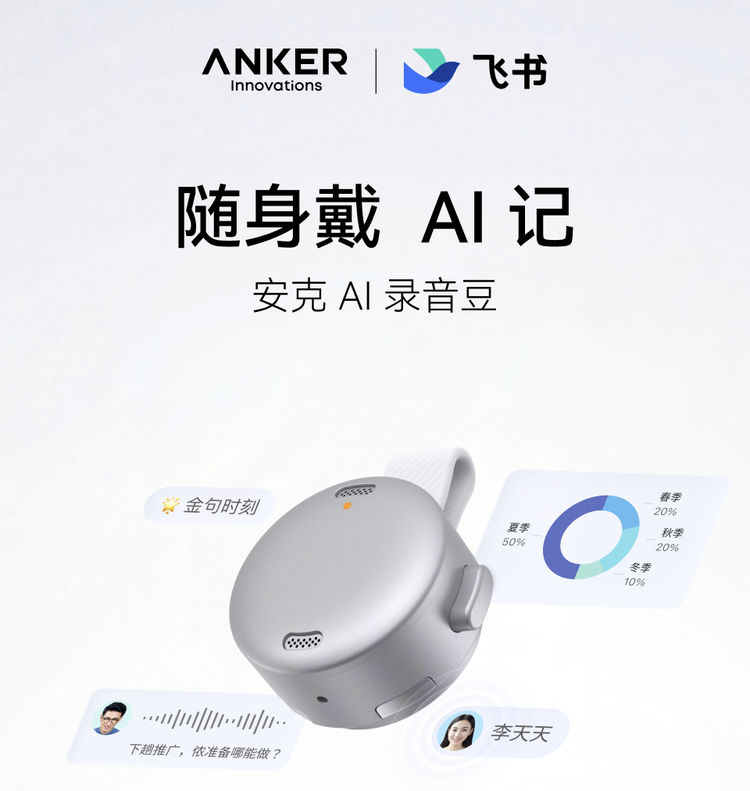
Image Source: Anker
However, if you don't have a strong need for "recording" and just want a "wearable microphone" to command the Agent in your computer, then the TRAE × Mic Air from Insta360 would undoubtedly be the most suitable product for you.
As for recording earphones and dedicated AI voice recorders, from Leitech's experience, I believe these two product categories do not yet constitute a compelling reason to "buy them at all costs" at this stage.
Functionally, AI recording earphones and AI recording cards can do roughly the same things. However, in terms of experience, the earphone form factor makes it difficult for AI recording earphones to match AI recording cards in terms of recording quality, portability, etc. In 2026, when "everyone has a pair of TWS earphones," giving up your existing TWS earphones for the sake of "AI recording" seems, in my opinion, like "losing the forest for the trees."
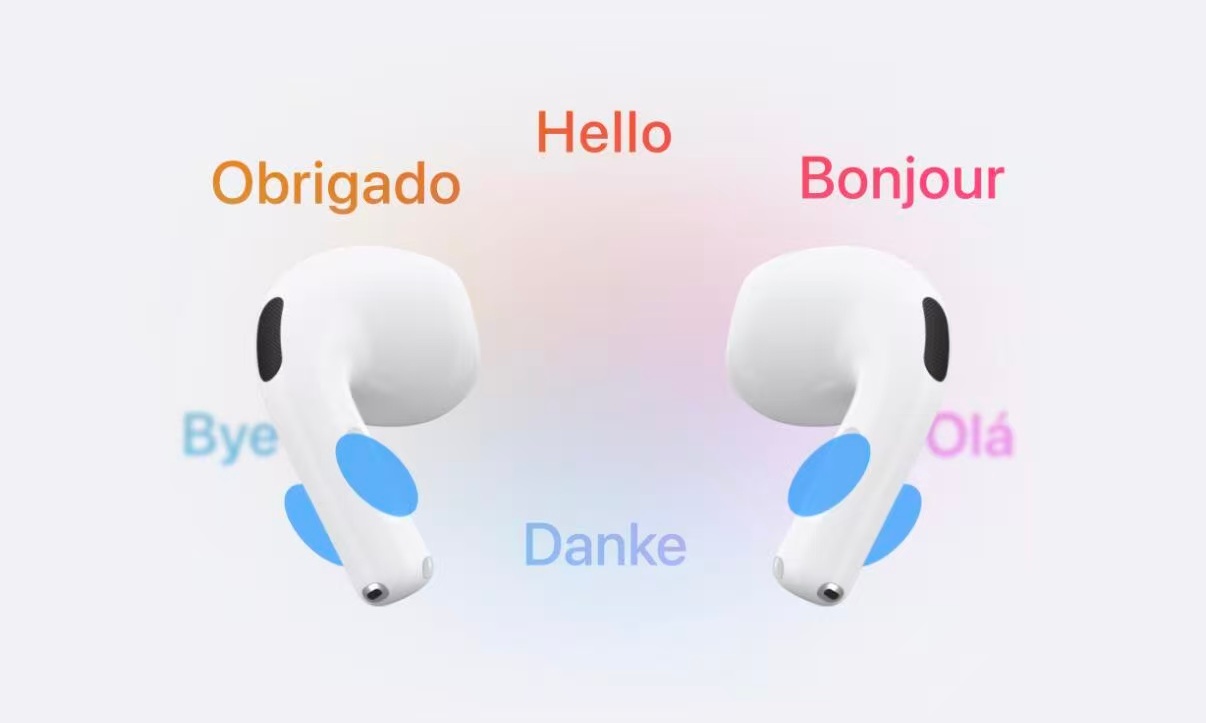
Image Source: Apple
As for dedicated AI voice recorders, their positioning is also quite awkward. While professional AI voice recorders far surpass other products in terms of recording quality, the Android system's software foundation forces these AI voice recorders to choose between "standby time" and "ease of use": to be always ready, the battery life cannot be long; to have long battery life, they must be manually turned off after each use. If you do have professional recording needs, Leitech suggests sticking with "non-smart" recording devices.
Ultimately, what AI Agent brings to recording devices is not just a technological upgrade. In the AI era, recording devices have long moved beyond simple functions like "backup" and "archiving," becoming the "hardware organs" of AI Agents, providing AI with the ability to "perceive the world" just like smart glasses and wearable cameras do.
These AI recording devices may even continue to evolve in the future. However, one thing is certain according to Leikeji: the digital recorder won't die; it will simply take on a new name and continue to shine in the workplace.
AI Hardware DingTalk Plaud Anker iFlytek
Source: Leikeji
All images in this article are from the 123RF royalty-free image library. Source: Leikeji
-
Ofilm Teams Up with ADSensE to Propel Large-Scale Deployment of All-Solid-State LiDAR Powered by ADS6311 Chip!
-
![]()
Loss of 2.5 Billion Yet Facing Strong Demand for Shares? Another Battle for Control of Lianchuang Electronics
-
![]()
Huawei’s Enjoy Series Flies Off the Shelves, Prompting Xiaomi to Double Down on Budget Smartphones
-
![]()
Beijing Hyundai's Top Executive Criticizes Industry Disorder: Certain Brands Treat Customers as Beta Testers
-
![]()
The domestic mobile phone market has declined for five consecutive quarters! Huawei defies the trend with significant growth: maintains its top market share
-
Annual Revenue Surpasses 3 Billion: An Automotive Trim 'Little Giant' Makes Its Debut on the Beijing Stock Exchange
-
![]()
The Space Force Wants to Spend $30 Billion on Rocket Launches: Is Trump Doubling Down, and Is SpaceX the Big Winner?
-
![]()
Going Crazy! One out of Every Three Plug-in Hybrids Sold in Europe is a Chinese Vehicle