Thinking of Buying an International Version iPhone for Apple AI? Don't Be Hasty—Watch Out for These Key Pitfalls
 06/10 2026
 533
533
Perhaps it's wiser to hold off for now.
At 1 a.m. Beijing Time on June 9, the WWDC26 keynote took place as planned, introducing a significant update to Apple Intelligence. However, these new AI features are not yet available for devices in mainland China. According to Apple, related efforts are "subject to regulatory requirements and thus not yet accessible."
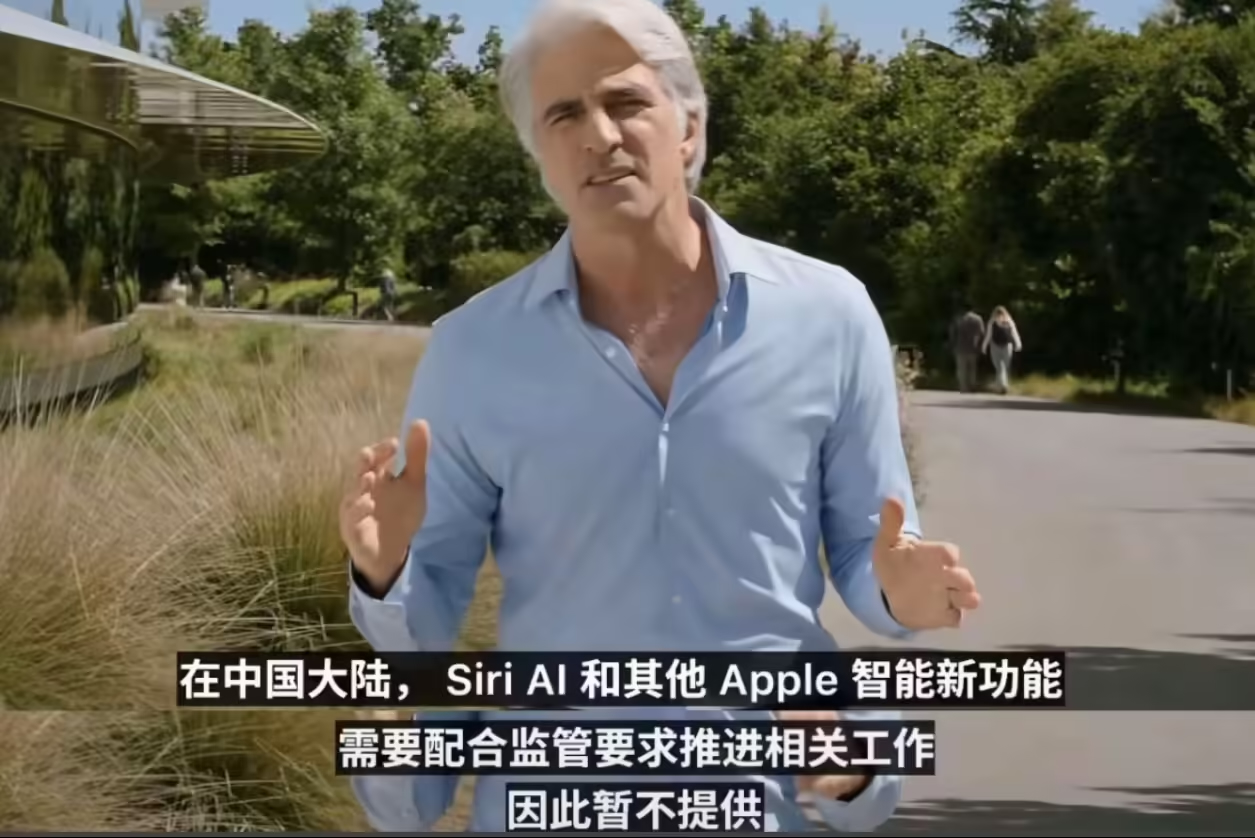
(Image credit: Apple)
Therefore, if users in mainland China are eager to try out the new iPhone AI features, they will need to explore alternative approaches, such as purchasing non-mainland devices or using foreign Apple IDs. While I don't recommend this for the average user, if you're a professional reviewer or content creator, this article may provide some valuable insights.
Following the WWDC26 keynote, Apple duly released the iOS 27 developer preview. However, upgrading to iOS 27 is just one of the prerequisites for experiencing Apple's new AI on an iPhone, with additional requirements in place. Specifically, besides mainland China, the European Union is also excluded from accessing Apple's AI features. Apple explained in a press release that due to the impact of the Digital Markets Act, Siri AI will not be available in the European market alongside system updates like iOS 27.
Currently, Apple and European regulators have not reached an agreement, leaving the availability of new AI features for EU iPhones uncertain. However, the restrictions for EU iPhones are purely software-based, requiring the device to be physically located within the EU and the Apple ID to be registered in an EU region. Therefore, from a hardware standpoint, only non-mainland China iPhone models can currently support Apple's new AI features.
Next, let's talk about the Apple ID. IDs registered in regions outside mainland China and the EU, such as the United States and Japan, can access Apple's AI features. Theoretically, mainland users can obtain a foreign Apple ID by simply selecting a region and filling in an address during the registration process.
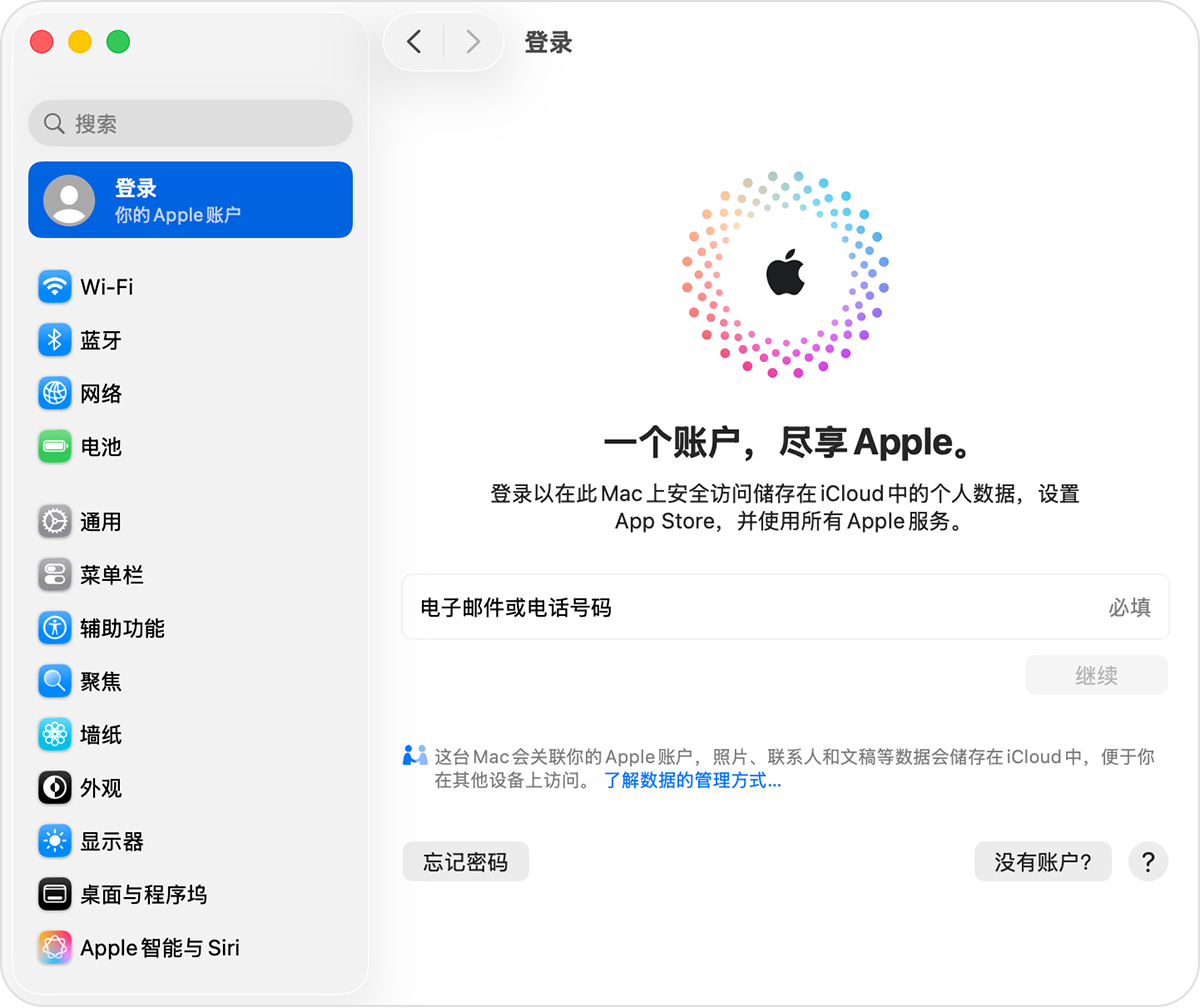
(Image credit: Apple)
However, Apple has recently tightened its review process for ID registration. It's advisable to prepare multiple devices and email addresses during registration to avoid being blocked by Apple's risk control measures.
Network considerations are also crucial. Notably, Apple's new AI leverages Google's Gemini solution. However, Apple has not directly integrated with Gemini services; instead, it acquired a technical solution from Google, which Apple has extensively modified to run on its own servers and device endpoints. Therefore, when users access the new Siri features, they are still connecting to Apple's cloud servers.
Typically, Apple's overseas cloud services do not impose restrictions on mainland Chinese users. Thus, in theory, mainland users can experience Apple's latest AI features by using an international iPhone, a foreign Apple ID, and iOS 27.
However, it's important to note that in the short term, using an international iPhone and a foreign Apple ID in mainland China will be treated as international roaming and won't face restrictions. But if this setup persists for an extended period, with the user's location and network connection remaining in mainland China, Apple may disable AI access. A similar situation applies in the EU.
After considering the above analysis, if you've decided to purchase an international iPhone, read on. First, even among international iPhones, only a few recent models support AI features. While iOS 27 supports a wide range of devices, including all models upgradeable from iOS 26 (with the iPhone 11 being the oldest compatible device), compatibility with iOS 27 does not equate to compatibility with Apple AI.
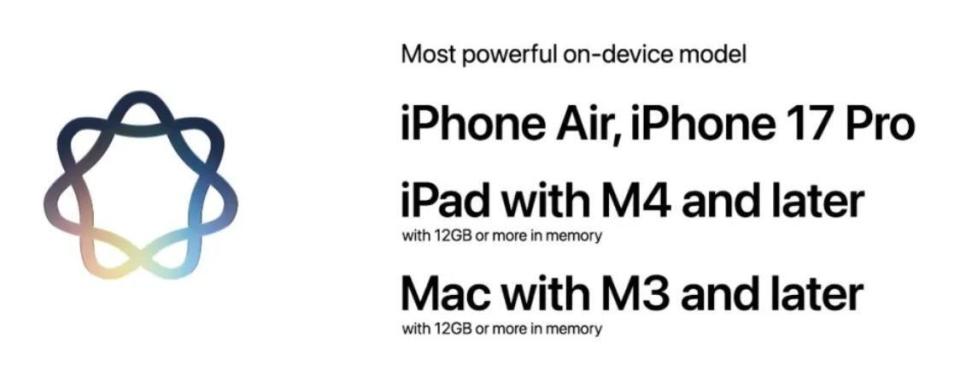
The iPhone models that can experience the latest AI features via the iOS 27 update are the same as before: iPhone 15 Pro, iPhone 15 Pro Max, all iPhone 16 models (including 16e), and all iPhone 17 models (including 17e). It's worth noting that Apple's latest and most powerful on-device models are only supported by a few devices, specifically the iPhone Air and iPhone 17 Pro series.
(Image credit: Apple)
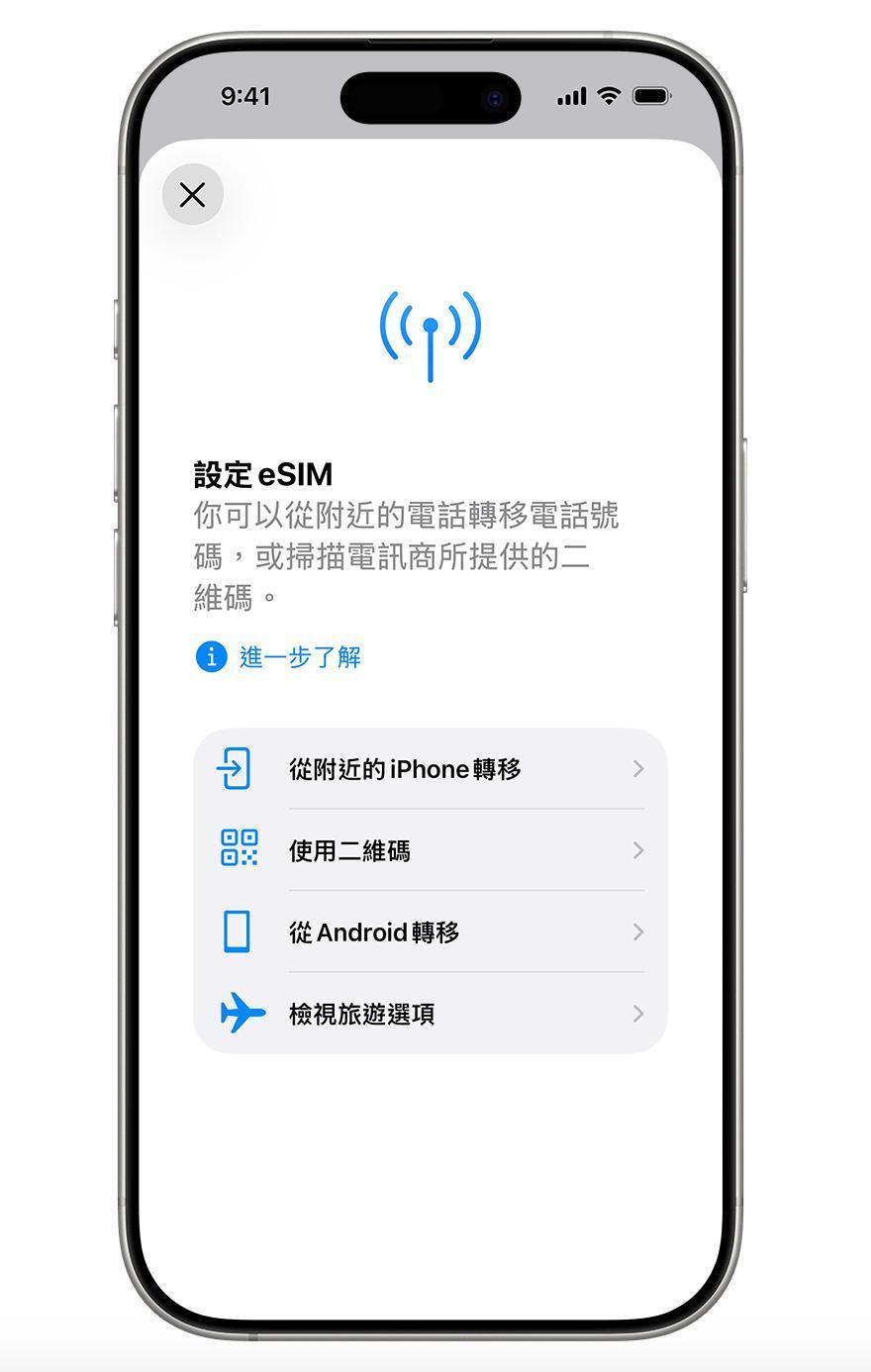
Next is the regional version. As mentioned earlier, theoretically, any non-mainland China version should work. However, one easily overlooked issue is the SIM card slot. Currently, the SIM card slot configurations for different regional versions of iPhones are highly complex, falling into three categories: dual physical SIM slots, single physical SIM slot + eSIM, and eSIM-only.
Given that mainland China does not currently support writing domestic eSIM numbers to international iPhones, eSIM-only iPhones are the least suitable option for us.
The eSIM solution is most thoroughly implemented in U.S. models. All Apple AI-compatible models mentioned above lack physical SIM card slots in their U.S. versions. Japanese iPhone 15 Pro series and iPhone 16 series (excluding 16e) feature a single physical SIM slot + eSIM, while the iPhone 17 series and iPhone 16e are eSIM-only. Hong Kong versions of the iPhone 15 Pro series, like their mainland counterparts, use dual physical SIM slots, with other models featuring a single physical SIM slot + eSIM.
(Image credit: Apple)
Currently, Huaqiangbei has introduced SIM card modification solutions for eSIM-only phones, but these require disassembling the device to modify the motherboard, posing potential risks for future use. These modifications are not recommended for ordinary users. Overall, U.S. models are the least suitable, followed by the Japanese iPhone 17 series. Hong Kong versions are relatively the most recommended due to their lower prices and relatively easier purchase and warranty processes.
It's also important to note that international iPhones can generally be serviced at mainland Apple Stores, but proof of purchase (receipts, electronic invoices, etc.) is usually required. Moreover, a crucial point is that if a major repair, including motherboard replacement or device exchange, is performed in mainland China, the device will be converted to a mainland China model, resulting in the loss of AI functionality.
Finally, regarding purchase channels, local official and authorized channels are the most recommended, offering greater assurance in transactions and after-sales support, with some regions offering tax refunds. However, travel costs can be high. Mainland e-commerce platforms' direct overseas purchase channels are another option, though prices are generally higher than official prices. It's advisable to purchase during discount seasons like 618. Third-party stores may offer lower-priced options like officially refurbished or replacement devices, but the risk of encountering counterfeit or problematic devices is higher, including the possibility of buying "reassembled" phones.
Additionally, the second-hand market is an option, but it's a mixed bag, with locked devices, modified SIM slot phones, and screen-replaced devices being prevalent. In our view, we strongly discourage novice users from purchasing second-hand iPhones unless they are seasoned tech enthusiasts.
As mentioned earlier, the current iOS 27 released by Apple is still a developer preview with many bugs and not suitable for daily use. The official version of iOS 27 is expected to be released after Apple's autumn event in September. Therefore, if you're considering purchasing an international iPhone for Apple's new AI features, there's no need to rush into a purchase now.
According to multiple leaks, the new iPhones to be unveiled at this year's autumn event include the iPhone 18 Pro, iPhone 18 Pro Max, and iPhone Fold. The iPhone 18 and iPhone Air 2 will be delayed until spring 2027. The iPhone 18 Pro series will see significant upgrades in performance and imaging capabilities, with the A20 Pro chip enhancing AI capabilities, including a more powerful neural engine and increased memory.
If you want to experience the most complete and powerful Apple AI, consider waiting until after the autumn event to purchase the latest international iPhone 18 Pro. If you're just looking for an early taste and plan to buy a budget-friendly older iPhone model that supports AI, you can also wait until after the new models are released, as prices for older models may drop. Currently, the cheapest AI-compatible model is likely the iPhone 16e, released in early 2025, equipped with an A18 chip and 8GB of memory.
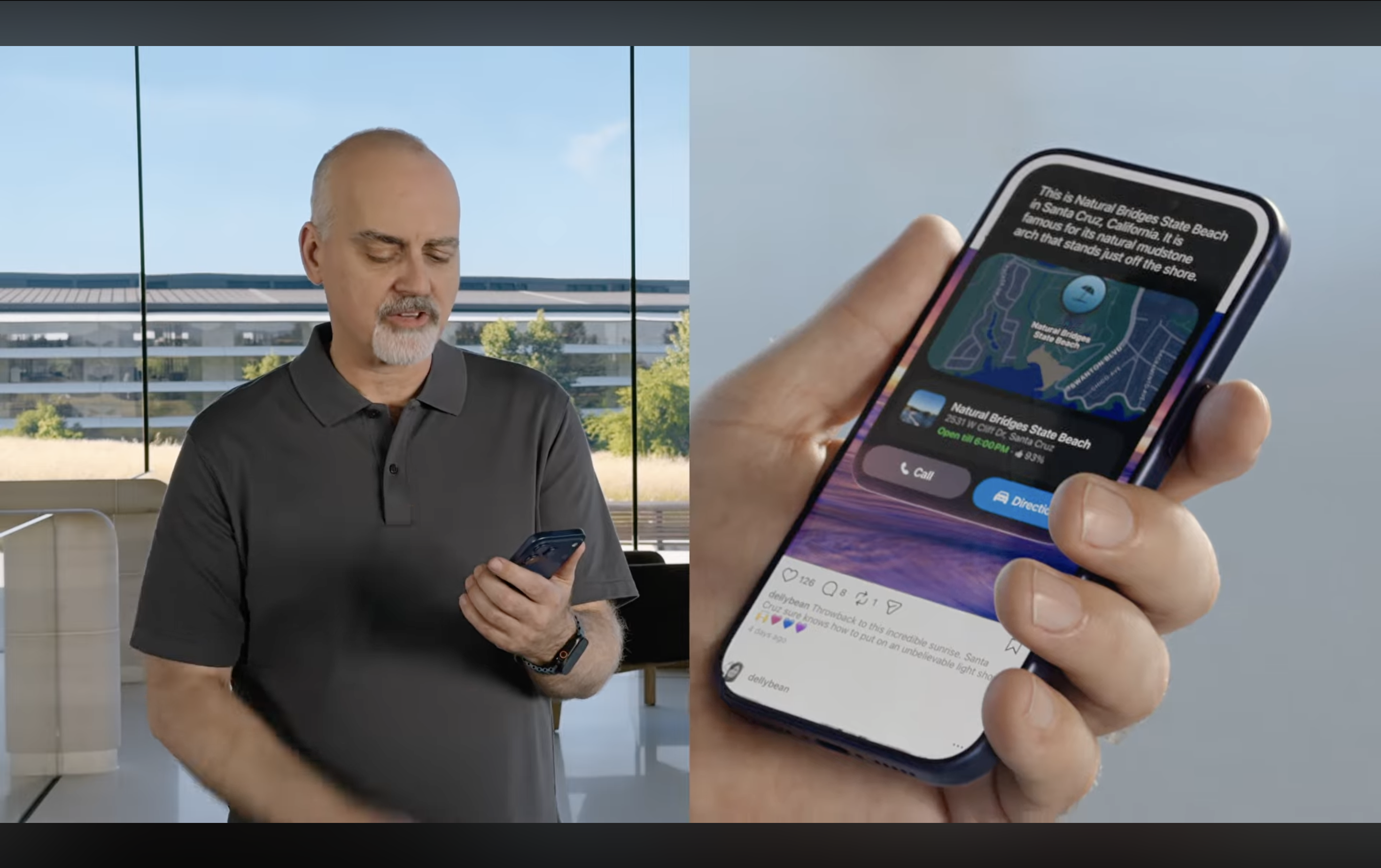
Taking a brief look back at WWDC26, the new AI features introduced in iOS 27 mainly manifest in several areas: Siri has been AI-enhanced with increased capabilities, including screen awareness and cross-app interaction; AI is integrated throughout the system, including Shortcuts, photo editing, and HomeKit, enhancing the original functionality through AI. Compared to the previous generation of Apple Intelligence, the new Apple AI features represent a significant upgrade.
(Image credit: Apple)
However, the concept of AI phones has been around for a while. In the Android camp, Google has already offered a more mature solution. In the domestic market, Chinese Android manufacturers have incorporated various AI scenarios into their phones, covering imaging, photo editing, documents, and other fields.
In comparison, Apple is still playing catch-up. Moreover, Apple's new AI still relies on Google's Gemini solution. Given the rapid iteration speed of large models and intelligent agents in the AI field, if Apple's proprietary models fail to keep pace and it continues to purchase technology from Google, OpenAI, and others, the iPhone's AI experience will inevitably lag behind.
Overall, purchasing an international iPhone to experience Apple's new AI involves significant effort and potential risks, including subsequent network risk control measures and warranty issues in mainland China. If you're not a tech enthusiast eager for the latest features, there's no need to rush for the currently immature AI capabilities.
While Apple Intelligence has made noticeable progress in system-level integration, its long-term reliance on external technical solutions due to the lack of proprietary large models may limit its functional iteration and independence. In contrast, the on-device AI ecosystem in the domestic Android camp has already flourished, offering comprehensive functionality and a better understanding of local users' actual needs than Apple.
Of course, if you remain determined to experience the most authentic Apple AI, consider being patient and waiting for the iPhone 18 series to be released this autumn. By then, not only will the A20 Pro chip offer stronger on-device computing power, but the official version of iOS 27 will also be more stable. It might be wise to wait until September before making a decision.
AI, Apple, Apple Intelligence, iOS 27, iPhone
Source: Leikeji
Images in this article are from the 123RF licensed image library. Source: Leikeji
-
![]()
The First AI Car! Seres + ByteDance, AIVA Targets the 200,000+ Market with Its First Vehicle Launching This Year | Mirror Pro
-
![]()
Most People Don't Understand Kimi's World Cup Prediction
-
![]()
Behind Saido: The Strategy of a Company Backed by CATL and ByteDance
-
![]()
Market Disparity: Domestic OLED TVs Hold Less Than 10% Share, with Two Korean Giants Leading the Pack
-
![]()
Seres Faces Six Months of Declining Sales: Challenges Coexist with Opportunities
-
![]()
Is There Still Room for Growth in the Off-Road Vehicle Market, Now Brimming with Domestic Brands?
-
![]()
The number of supercharging stations will be no less than that of gas stations; Guangdong releases action plan for charging facilities
-
Why Are New Energy Vehicles Becoming 'Larger and Heavier'?