Can AI-Powered Transparent Kitchens Guarantee Food Safety in Delivery Services?
 07/03 2026
 534
534
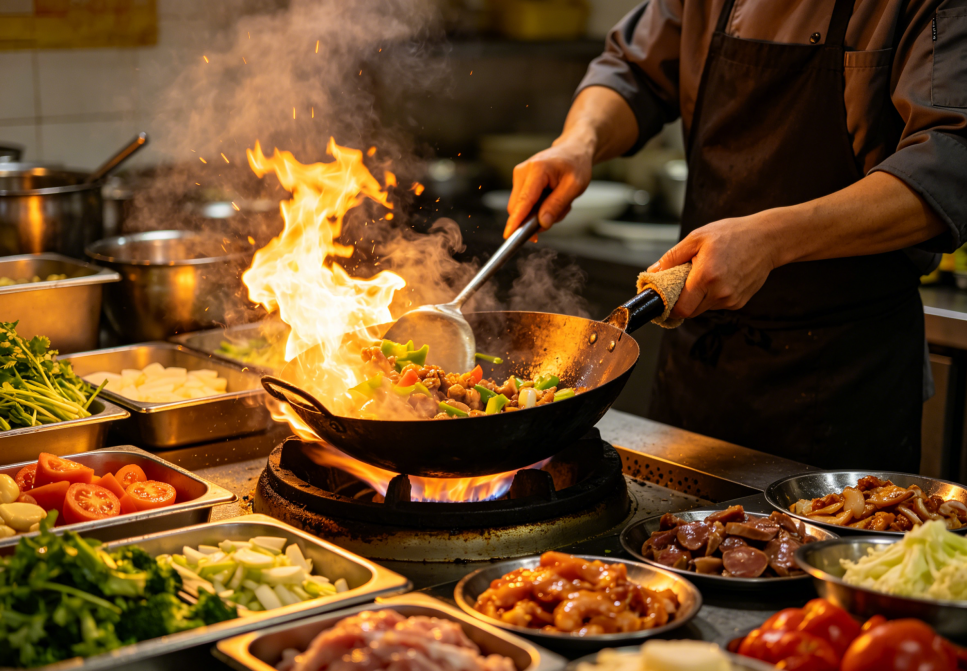
The platform that genuinely provides dine-in services, transparent kitchens, AI inspections, manual reviews, and liability tracing is more likely to earn users' trust and confidence when placing orders.
Author | Liu Shanshan
Editor | Yang Ming
"Would you let your own child eat here?" In Zhengzhou, a law enforcement officer angrily questioned the owner of a breakfast shop.
This breakfast shop, which included the word "Mom" in its name, was discovered preparing pancakes directly on oil-stained scrap cardboard. The shop was littered with garbage, and the tomatoes were extensively moldy. The hygiene conditions were appalling.
Data indicates that by 2025, China's food delivery market is projected to surpass RMB 1.4 trillion, accounting for approximately 24% of the total revenue in the catering industry. However, consumer experience remains far from satisfactory.
On platform pages, kitchens are often depicted as clean and bright with glowing reviews, but the reality for some merchants may be starkly different—operating out of filthy "black workshops" with no guarantees of hygiene or food quality. Every order placed by consumers feels like "opening a mystery box."
Why does this happen? Isn't there the Transparent Kitchen initiative? In fact, traditional Transparent Kitchen solutions focus on "visibility," but ensuring food safety in food delivery also requires "traceability and control."
This is the backdrop for JD.com Food Delivery's recent upgrade to an AI + Transparent Kitchen system. The enhanced AI inspection system now identifies six new risks: unauthorized personnel entering the kitchen, smoking in the kitchen, improper attire, sewage (dirty floors/countertops), signs of rodent infestation, and uncovered trash bins. These are complemented by manual reviews, merchant rectifications, and video documentation.
Building on its previously introduced strict dine-in standards and "Dine-In Judge" system, JD.com Food Delivery aims to answer the same question: Can food safety in food delivery transition from user perception to platform-verified systems?
1 After New Regulations Take Effect, Food Safety Governance Cannot Rely Solely on "Visibility"
For consumers, the primary concern when ordering food delivery is not taste or speed but whether the food is clean and safe to eat. Ordinary users can only indirectly judge a restaurant's quality through sales volume, ratings, and buyer reviews, as kitchens remain invisible and hygiene unverified—a common concern for nearly all consumers.
This year, multiple food safety incidents in food delivery across the country have heightened public anxiety, transforming food safety governance from an industry issue into a public welfare concern.
To address this and hold platforms accountable, on June 1, the "Supervision and Management Regulations on the Implementation of Food Safety Responsibilities by Online Catering Service Operators" (hereinafter referred to as the "New Regulations"), dubbed the "strictest ever," took effect. The regulations target industry pain points such as "ghost restaurants," falsified credentials, and opaque kitchens, explicitly requiring platforms to display "Transparent Kitchen" labels for compliant merchants.
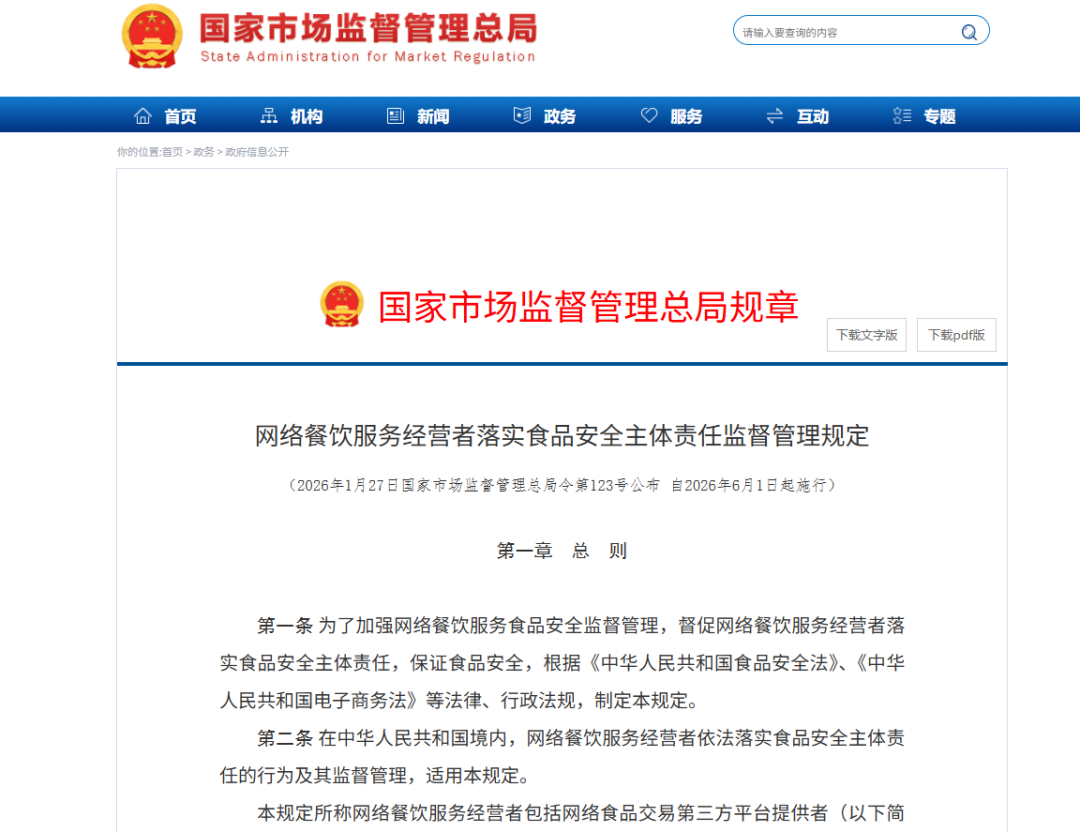
The New Regulations clarify platform responsibilities for displaying Transparent Kitchen information and providing technical support: Platforms must show "Transparent Kitchen/Non-Transparent Kitchen" labels on merchant lists; merchants with Transparent Kitchen setups must feature a live stream link on their main pages, with functioning equipment. Relevant video footage must be stored for at least 14 days and made available to regulatory authorities upon legal request.
The logic of this system is clear: Use transparent oversight to turn every consumer into an "online food safety supervisor."
Initially, major food delivery platforms added "No Dine-In" and "Transparent Kitchen" labels. However, in practice, regulators and media uncovered issues such as offline cameras, blocked views, and misaligned lenses, revealing inconsistent implementation of Transparent Kitchen standards.
This highlights the core challenge of food safety governance in food delivery: A single regulatory approach cannot establish a comprehensive, long-term food safety management system.
2 Addressing "Kitchen Chaos": How AI Prevents Cameras from "Sleeping"
An industry observer noted that some Transparent Kitchen initiatives have become mere formalities because cameras only solve "transmission" issues, not "judgment" ones. While cameras may capture basic food safety hazards, traditional Transparent Kitchen systems lack AI recognition capabilities, leading to delayed risk detection and incomplete manual video reviews, severely undermining implementation effectiveness.
Leveraging AI and smart technologies to manage kitchens, control details, and ensure safety from the source has become a key industry focus.
JD.com Food Delivery's recent upgrade centers on this issue. Its "AI + Transparent Kitchen" system now identifies six new kitchen risks: unauthorized personnel, smoking in the kitchen, improper attire, sewage (dirty floors/countertops), signs of rodent infestation, and uncovered trash bins. The upgrade's significance lies not just in recognizing more risks but in transforming Transparent Kitchen from a "video display tool" into a governance mechanism featuring "AI recognition and early warning—manual review and response—merchant timely rectification—video documentation for future reference."
In simple terms, AI equips surveillance equipment with recognition capabilities, shifting passive oversight—relying on merchant compliance and random manual checks—into a digital capability for automatic identification, real-time alerts, and closed-loop rectification.
Transparent Kitchen is no longer just static footage but a risk detection system with continuous inspection capabilities, enabling platform governance to shift from "waiting for user complaints and random manual checks" to "proactive identification and early warning."
To date, over 250,000 stores on JD.com Food Delivery have adopted the AI Transparent Kitchen system. The platform also subsidizes equipment costs and waives first-year internet fees for merchants, lowering barriers for small and medium-sized businesses committed to improvement.
AI inspection is not the sole solution for food safety. While AI "identifies problems" and "raises alarms," determining suspected violations, notifying merchants for rectification, and verifying compliance still require platform manual reviews and response mechanisms. In other words, AI is not the final arbiter but exposes risks earlier and more frequently.
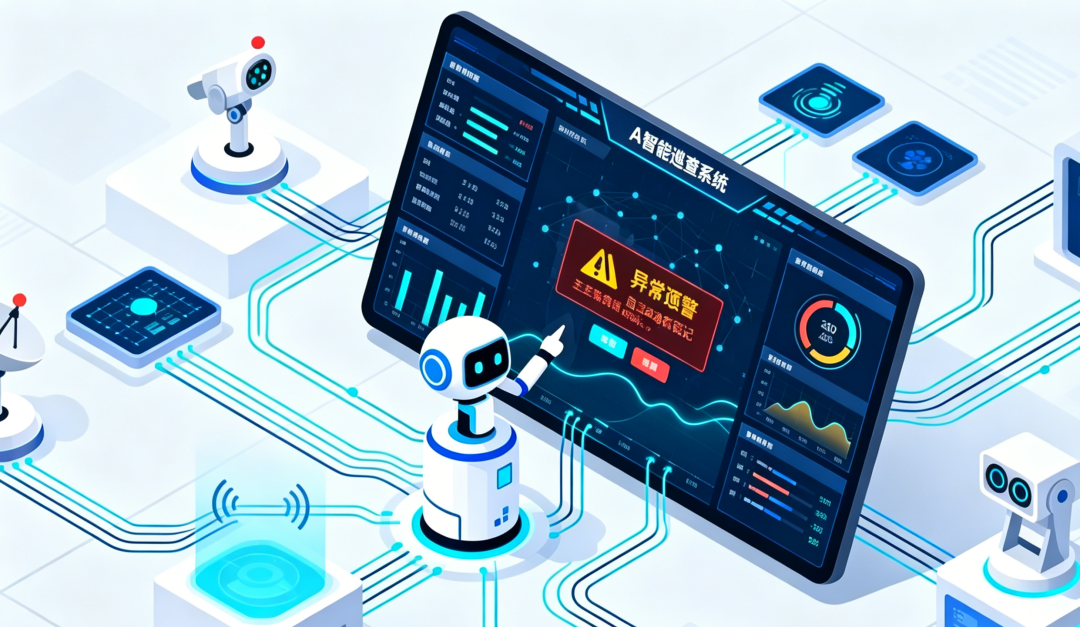
"Jidian Business" argues that the "AI alerts, humans decide, full documentation" mechanism resolves a long-standing issue: Food safety is no longer "unclear." Governance, once reliant on compliance and random checks, now becomes a system with identifiable, warning, and rectifiable capabilities, better ensuring food safety.
Indeed, beyond JD.com Food Delivery, industry players and regulators are exploring AI inspections, video documentation, and risk warnings, with a clear direction: The next step for Transparent Kitchen is not to have consumers monitor live streams but to let systems identify risks first.
3 Tackling "Fake Dine-In": The Industry Needs Quantifiable Hard Standards
Beyond implementing Transparent Kitchen, verifying merchants' dine-in qualifications remains a core consumer concern.
In recent years, "no dine-in" food delivery services have sparked public debate. These establishments lack in-person customer oversight, raising stricter demands for credential authenticity, kitchen transparency, and platform inspections. Many delivery riders have spontaneously exposed non-compliant pure delivery stalls on social media, warning consumers to avoid them.
This has drawn regulatory attention. The Regulations explicitly state that merchants exclusively offering delivery services without dine-in options must display a "No Dine-In" label prominently on their main pages, with platforms synchronizing this label on merchant lists.
For dine-in services, different platforms set varying standards, with no clear, unified industry criteria. Some review merchants based on uploaded real-time videos or photos of their dine-in environments, while others require stable dine-in services with independent seating areas.
Shortly before the Regulations took effect, JD.com Food Delivery introduced what is considered the industry's strictest quantifiable dine-in standard. It mandates that only stores with stable, continuous dining areas isolated from kitchens, where dining spaces account for over 50% of the total area, are recognized as dine-in restaurants. This prevents "black delivery-only" operations from "whitewashing" their status with a single table.
However, the challenge lies not just in setting standards but in enforcing them consistently.
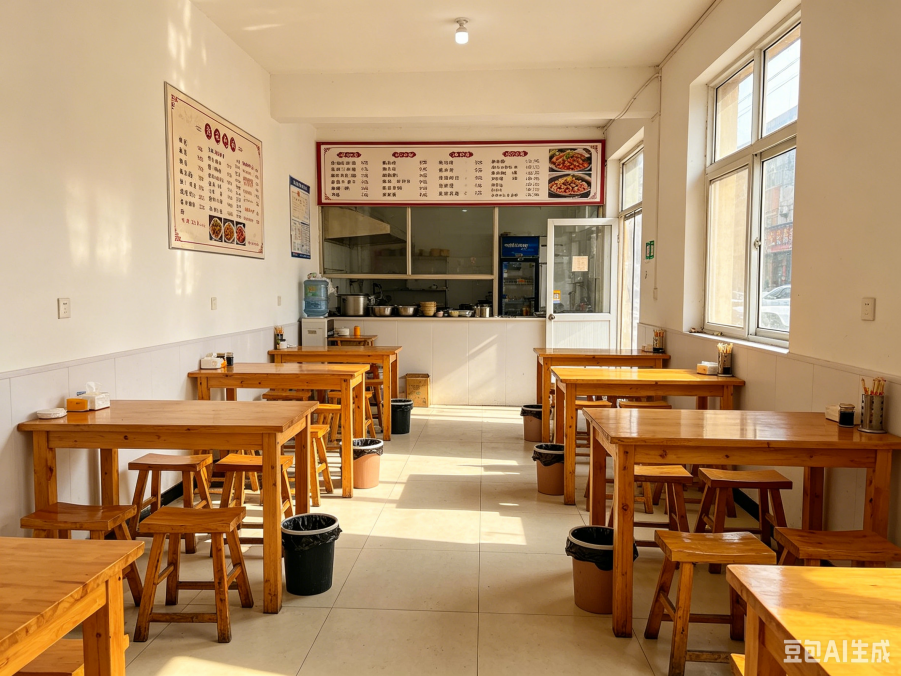
Lai Yang, an expert committee member at the China Chamber of Commerce, observed that some food delivery merchants temporarily set up one or two tables for inspections while continuing to focus on online orders. Some even bypass reviews by purchasing "dine-in labels" or using AI to generate fake dine-in environment photos. These "pseudo-dine-in" establishments are harder to identify than purely delivery-only shops.
This underscores that rigid standards alone are insufficient; AI technology and flexible oversight are needed to support implementation.
To ensure dine-in label accuracy, JD.com Food Delivery launched the "Dine-In Judge" system, which uses AI to analyze store photos and videos, assisting in verifying whether genuine dine-in areas exist and if seating areas meet size requirements. Combined with manual spot checks and dynamic feedback from riders and consumers, it validates merchant label authenticity.
"Everyone who visits the store can participate in and oversee dine-in verification," an industry insider noted. Consumers prefer dine-in restaurants because they are "visible"—their environment, hygiene, ingredients, and preparation processes are subject to constant oversight by riders, customers, and residents, creating natural accountability.
4 Observation: Food Safety in Food Delivery Enters the Era of Trust Competitiveness
While price, efficiency, and supply are important in the long-term competition of the food delivery industry, food safety remains the absolute bottom line and foundational pillar.
Prices can be discounted, efficiency optimized, and supply expanded, but a single food safety incident can destroy industry trust, often requiring manifold investments to recover.
The industry must reevaluate competition priorities—building transparent, verifiable, and proactive food safety governance capabilities is not a "bonus" for brands but a "ticket to stay in the game" for enterprises.
This means that only those who can genuinely integrate genuine dine-in services, transparent kitchens, AI inspections, manual reviews, and liability tracing into a closed-loop system—rather than using them as mere marketing narratives—are likely to establish an insurmountable trust barrier in the next phase of user mindshare competition.
Under a mature regulatory framework, consumers need not rely solely on sales volume, ratings, or buyer reviews for subjective judgments. Rigid dine-in standards, AI-powered real-time kitchen monitoring, and smart food safety labels provide multiple safeguards, significantly reducing decision-making costs for orders. Every food delivery order can then be placed with confidence and consumed with peace of mind, fostering a virtuous cycle in the industry.
From this perspective, JD.com Food Delivery's AI + Transparent Kitchen upgrade is not an isolated feature update. Together with its strict dine-in standards and Dine-In Judge system, it pursues the same goal: Shifting food safety assessment from "user perception" to "platform-verified systems."
The next phase of competition in the food delivery industry will still involve price, efficiency, and supply density, but long-term user trust may hinge on deeper food safety capabilities. Only those who can genuinely implement genuine dine-in services, transparent kitchens, AI inspections, manual reviews, and liability tracing are likely to become the platforms where users confidently place orders.
END
Producer: Huang Qiangqiang
-
![]()
Mengshi Auto’s High-End Aspirations Dashed: Huawei Partnership Fails to Revive Sales, New Model’s Entry Price Dips Below 300,000 Yuan
-
A Single-Day 40% Plunge! AI-Themed New Listings: The Cruelest 'Slashes' for Retail Investors in Hong Kong Stocks
-
China’s Fourth-Largest Token Factory Accelerates IPO Plans Amid -24% Gross Margin and AI Infrastructure Reduced to a "Traffic Business"
-
![]()
Humanoid Robots Take Center Stage at Electronica Munich: Auto Chip Titans Embrace Robotics Revolution
-
![]()
Purchasing the Casket and Sending Back the Pearl: Meta's Foray into Computing Power Business
-
![]()
AI Computing Power is Pushing Global Power Grids to Their Limits
-
![]()
The Toughest Battery Safety Rules Ever Are Here: Production Halted Over Fire and Explosion Risks
-
![]()
Why Does Kunlunxin Opt for a "Live-Streaming-Inspired IPO" Approach?