MiHoYo’s AI Companion BSide is Here! I Tried It Out—Great Aesthetics, But Needs Work
 07/15 2026
 345
345
The vision is promising.
MiHoYo now has an AI companion?
When I saw BSide: Olivia Lin launch on Steam, that was my immediate thought.
It’s not that AI companions are a novelty these days—a quick search on Xingye or Catbox reveals digital partners offering emotional value that sometimes rivals real-life relationships.
The catch? This time, MiHoYo is behind it.
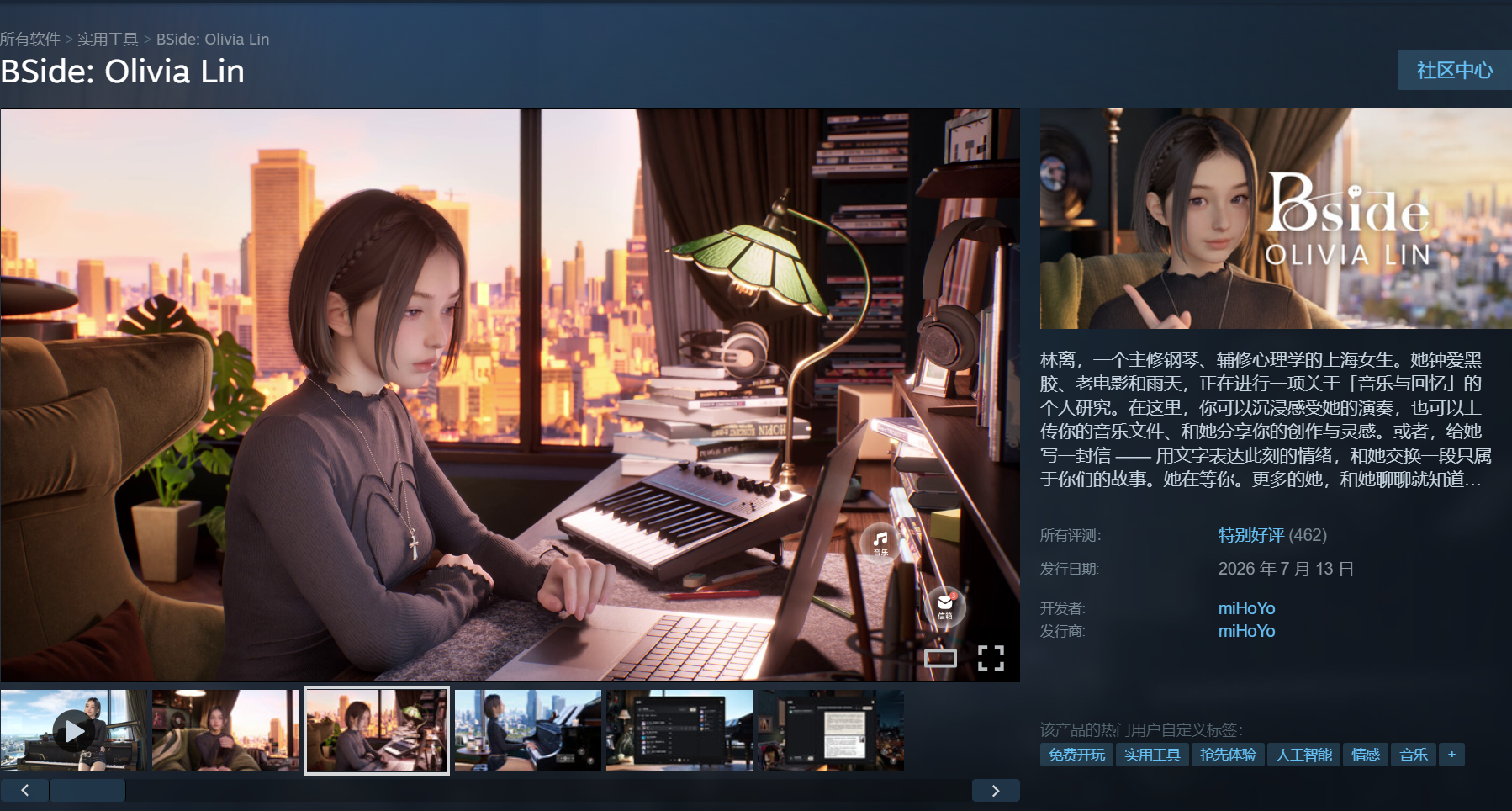
(Image Source: Steam)
As a frequent mobile gamer—from Genshin Impact and Honkai: Star Rail to Zenless Zone Zero—we all know MiHoYo’s strengths. They may not always hit the mark, but they know how to craft visually stunning virtual characters.
Now, the company has pivoted from gacha games and stamina systems to create a Shanghai-based pianist who lives on your desktop—blending realistic characters, music, and AI interaction into a standalone experience. That’s refreshing.
I had to see it for myself, so Leitech dove right in.
Here’s the gist: BSide is currently a free early-access title on Steam.
Just search for it, add it to your library, link your Steam account with your MiHoYo account, and you’re ready to go.
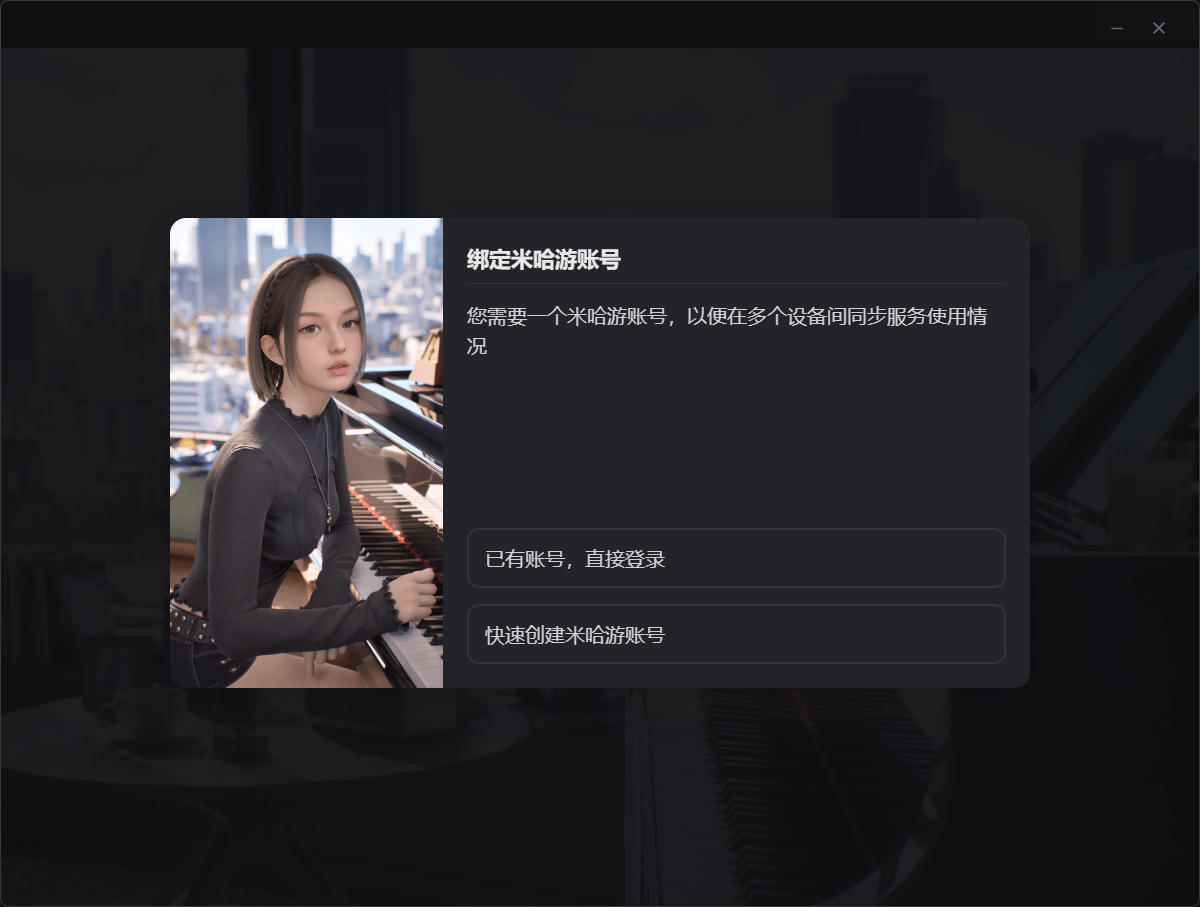
(Image Source: Leitech)
Upon launching BSide, it doesn’t feel like a game at all.
The app automatically replaces your selected wallpaper with a character interaction interface, seamlessly integrating into your daily desktop setup.
No新手十连 (newbie ten-pull), no flood of red notification dots, and no character popping up to remind you that completing tasks today will earn you sixty Primogems. Instead, the character stays in her room, with Shanghai’s night skyline visible through the window, beside a piano, vinyl records, and decor that would fit perfectly on an artsy young woman’s social media feed.
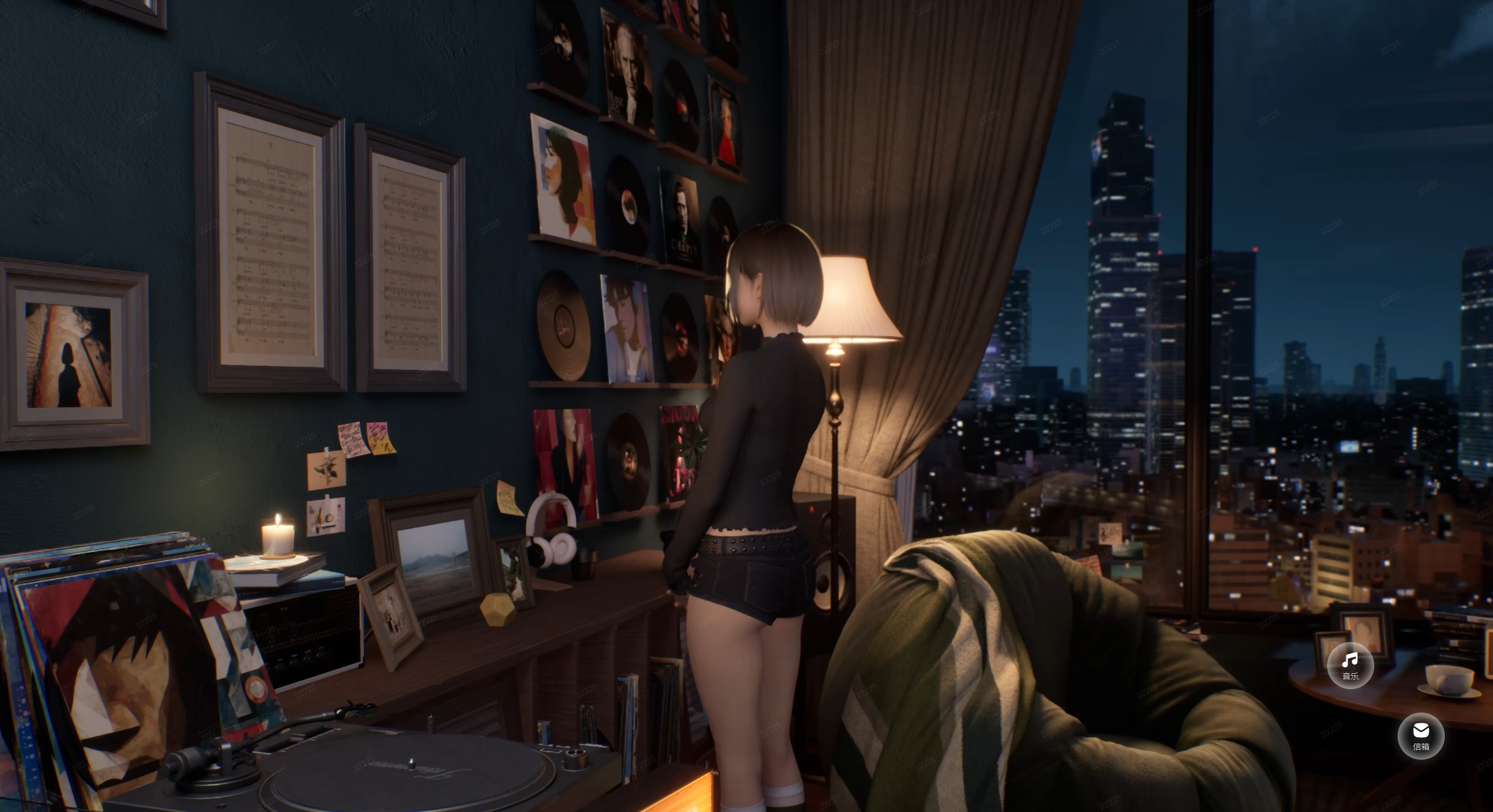
(Image Source: Leitech)
Currently, BSide’s features are straightforward. Beyond customizing the character’s state, you can write letters to her, listen to her perform, and upload MIDI files to generate videos.
In settings, you can choose between two performance states and three desktop modes for Lin Li.
Besides the full-body waiting state shown above, there’s a casual daily mode where she lounges on the sofa and a creative mode where she stares at her desk computer. The options are limited, and they’re clearly not real-time rendered—but MiHoYo’s character modeling and motion capture are solid.

(Image Source: Leitech)
After setup, the app transitions straight to the music interface.
Lin Li can play the piano and sing. Beyond classical and light music, her library includes some of MiHoYo’s own tracks. After adding your favorite songs, she’ll randomly start performing. Watching her sit in her room and play is a unique experience—more immersive than just opening a Lofi playlist.
However, the music player feels half-baked. Finding songs isn’t convenient, playlist management is basic, and even full-screen auto-mute isn’t fully optimized. Launching a game causes audio conflicts, so there’s plenty of room for improvement.

(Image Source: Leitech)
If we’re talking about standout features, uploading MIDI files is one.
Simply put, MIDI is a digital sheet music format. Feed the system a single-track piano MIDI, and Lin Li will “perform” it, generating a corresponding video.
The catch? You can’t just drop in any pop song for on-the-spot transcription. You can’t even submit MIDI files converted from audio. Ideally, you should already know how to compose melodies—then the experience feels fresh.
At my skill level... I had to use Suno V5 to export a full track and convert it to MIDI.
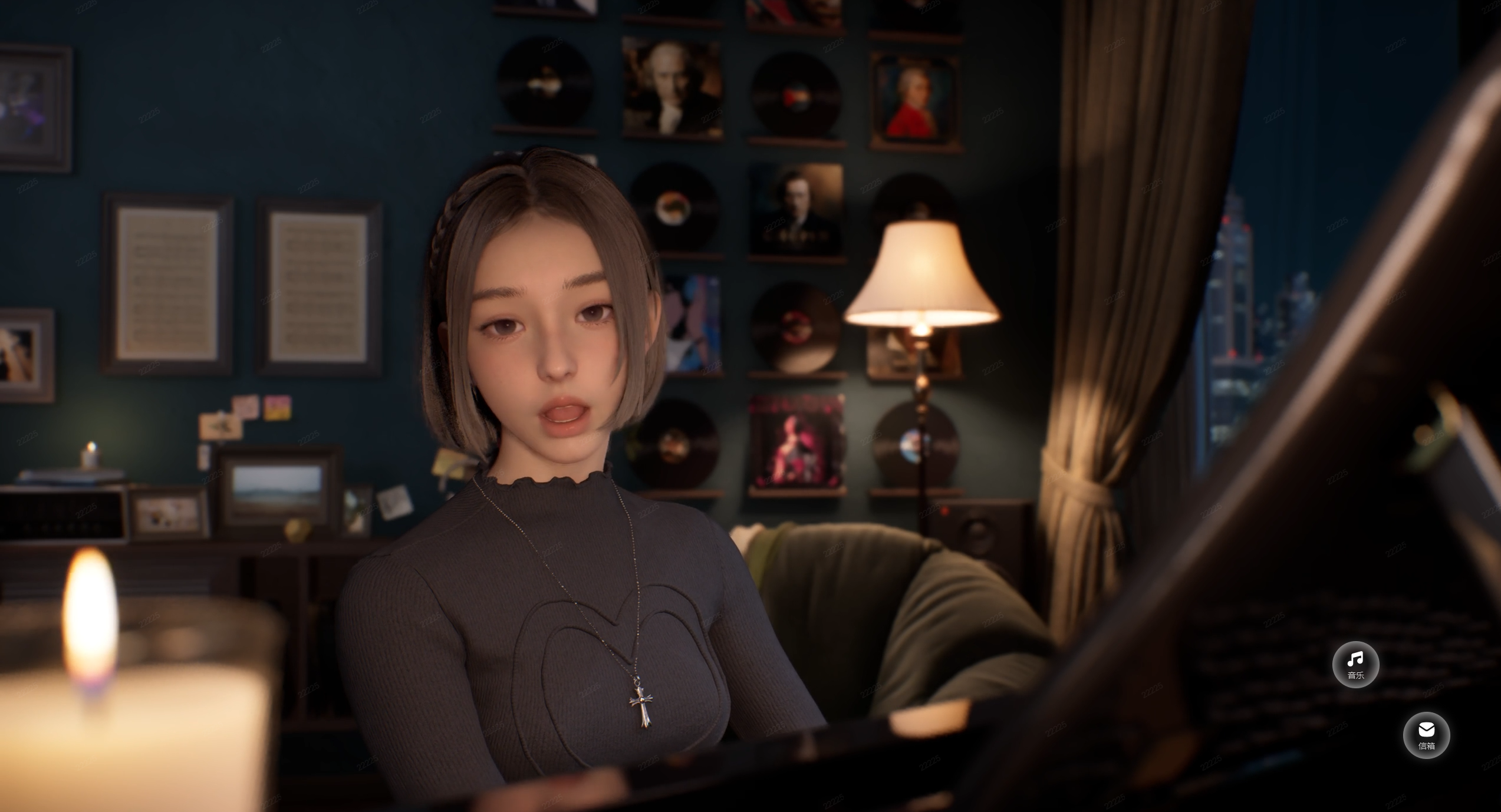
(Image Source: Leitech)
From the results, since I lack music theory knowledge, I couldn’t spot issues with the performance animation—though the camera transitions felt a bit rigid.
For comparison, MiHoYo’s pre-rendered performance animations look far better.
Finally, there’s the most “AI companion”-esque feature: letter writing.
Surprisingly, it doesn’t prioritize a chatbox. You can’t start with “Are you there?” and chat with Lin Li until 3 AM. Instead, you write a formal letter about your recent life, mood, or music, then wait for her reply.
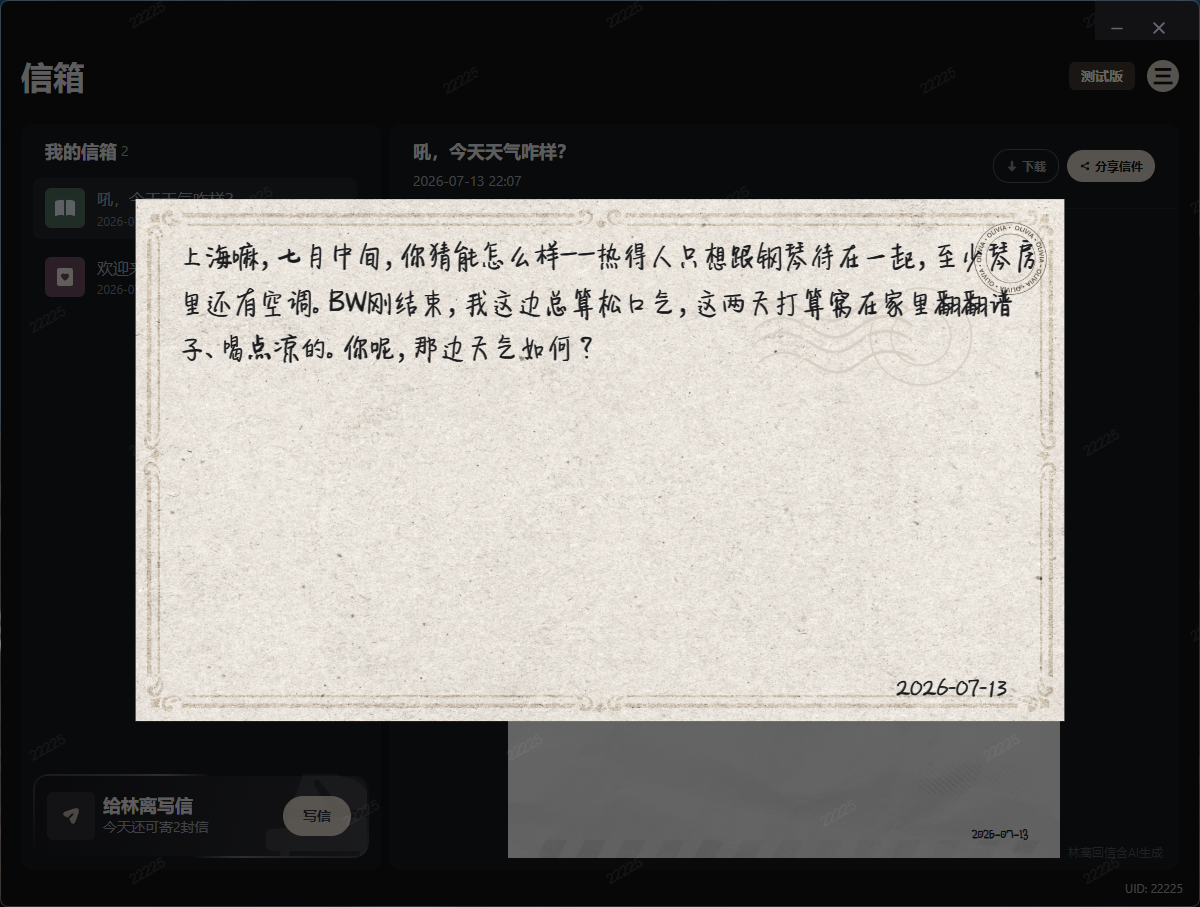
(Image Source: Leitech)
After sending a letter, you’ll wait 1-2 minutes for a response.
Judging by the replies, MiHoYo has done a decent job maintaining her character. Lin Li’s responses stay within her supposed expertise. Even when I asked, “Do you play Genshin Impact?”—a somewhat out-of-context question—she answered seriously, staying true to her music-focused persona.
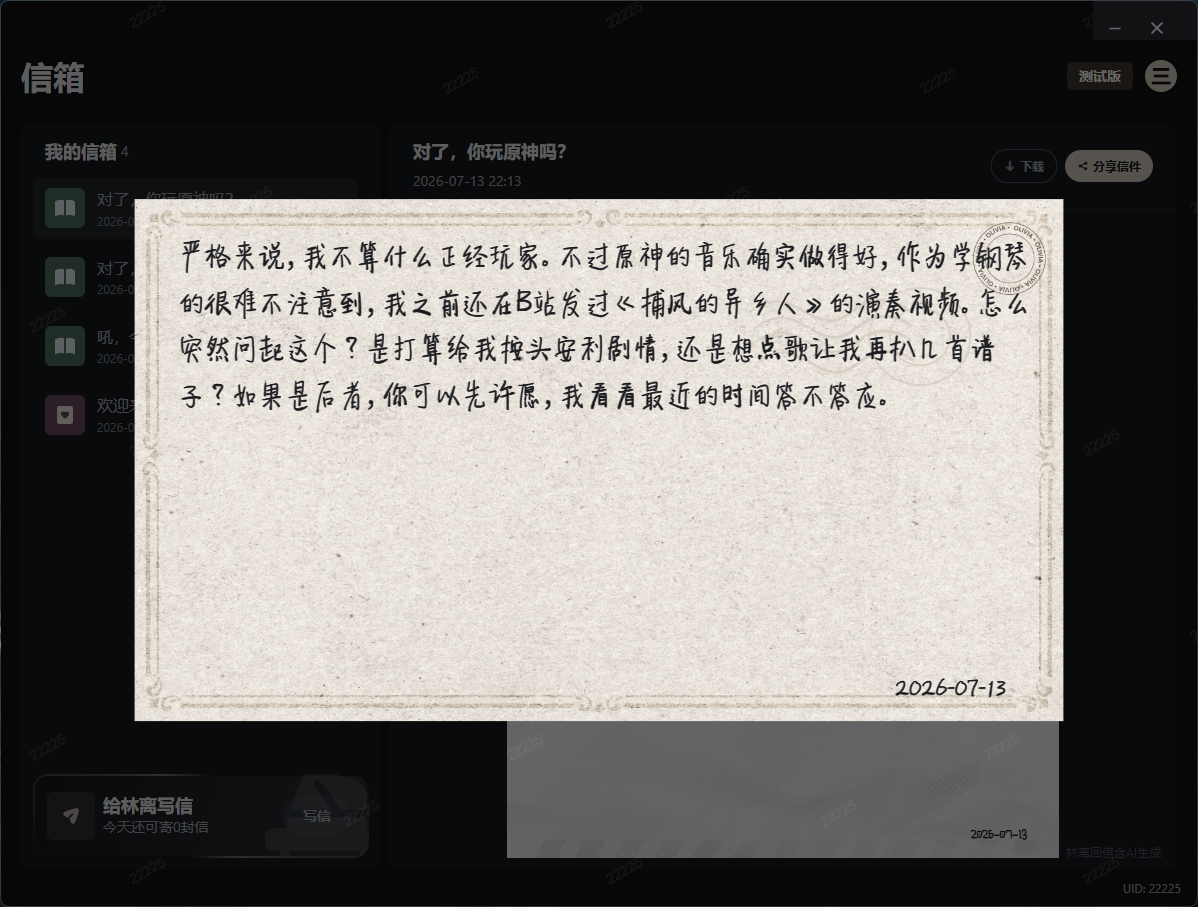
(Image Source: Leitech)
You can only send three letters per day.
What can I say? While other AIs rush to reply with 800 words in 0.5 seconds, Lin Li feels like an occasional electronic pen pal who plays the piano for you. You can’t interact with her directly through the screen, but this distant dynamic is actually more comfortable than constant engagement.
In the end, while I work, she plays; when I slack off, she maintains a “you do your thing, I’ll do mine” vibe.
Perhaps this is how companionship apps should be?
Interestingly, while BSide feels fresh, it’s not entirely new on Steam.
I’ve personally tried Spirit City: Lofi Sessions. The concept is simple: it gives you a cozy room, a Lofi playlist, ambient sounds, and productivity tools.
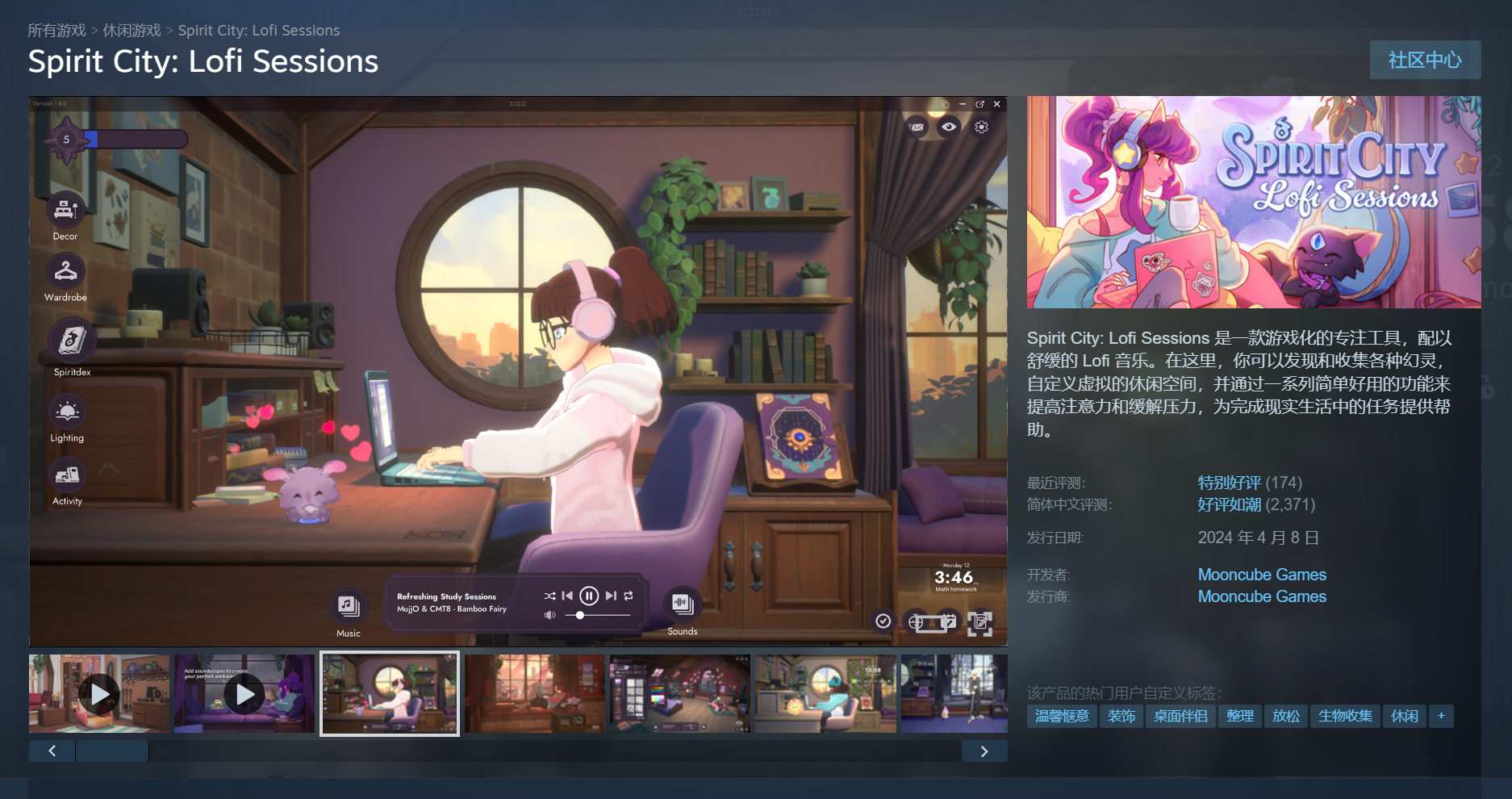
(Image Source: Steam)
You work there while characters and spirits move around nearby, easing the loneliness of overtime and making “work” feel less tedious.
Plus, it’s highly customizable—you can adjust hairstyles, clothes, and colors for characters, as well as furniture, wallpapers, and decor in the room. Timing tasks and building habits earn experience to unlock more outfits and spirits.
Even if you don’t work, just leaving it running in the background lets you collect things slowly.
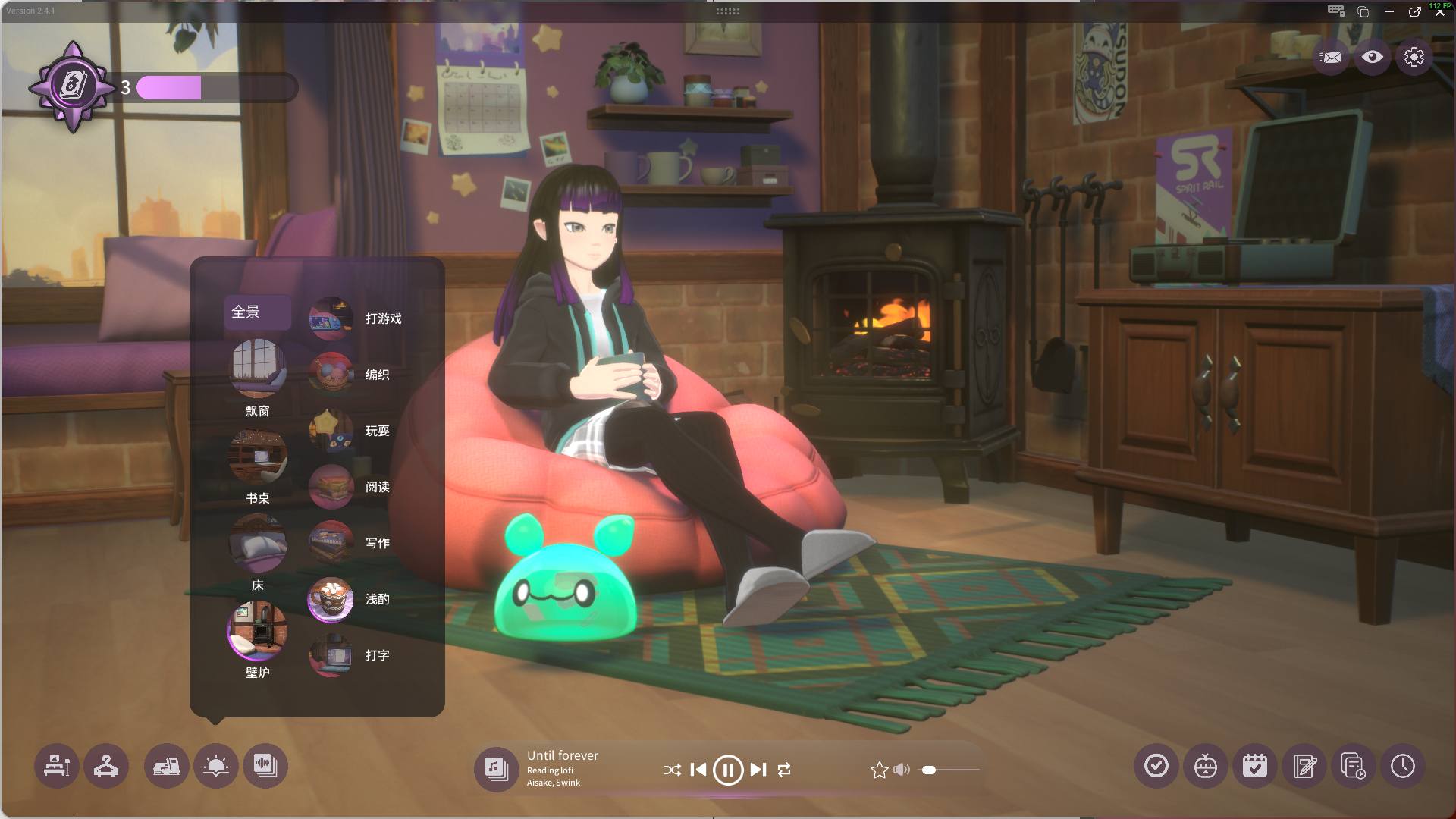
(Image Source: Leitech)
In comparison, BSide is much simpler in terms of tools.
Forget idle rewards and customization options—it doesn’t even have a Pomodoro timer, to-do lists, or habit trackers. Besides the character herself, there aren’t many features to help users stay organized or engaged long-term.
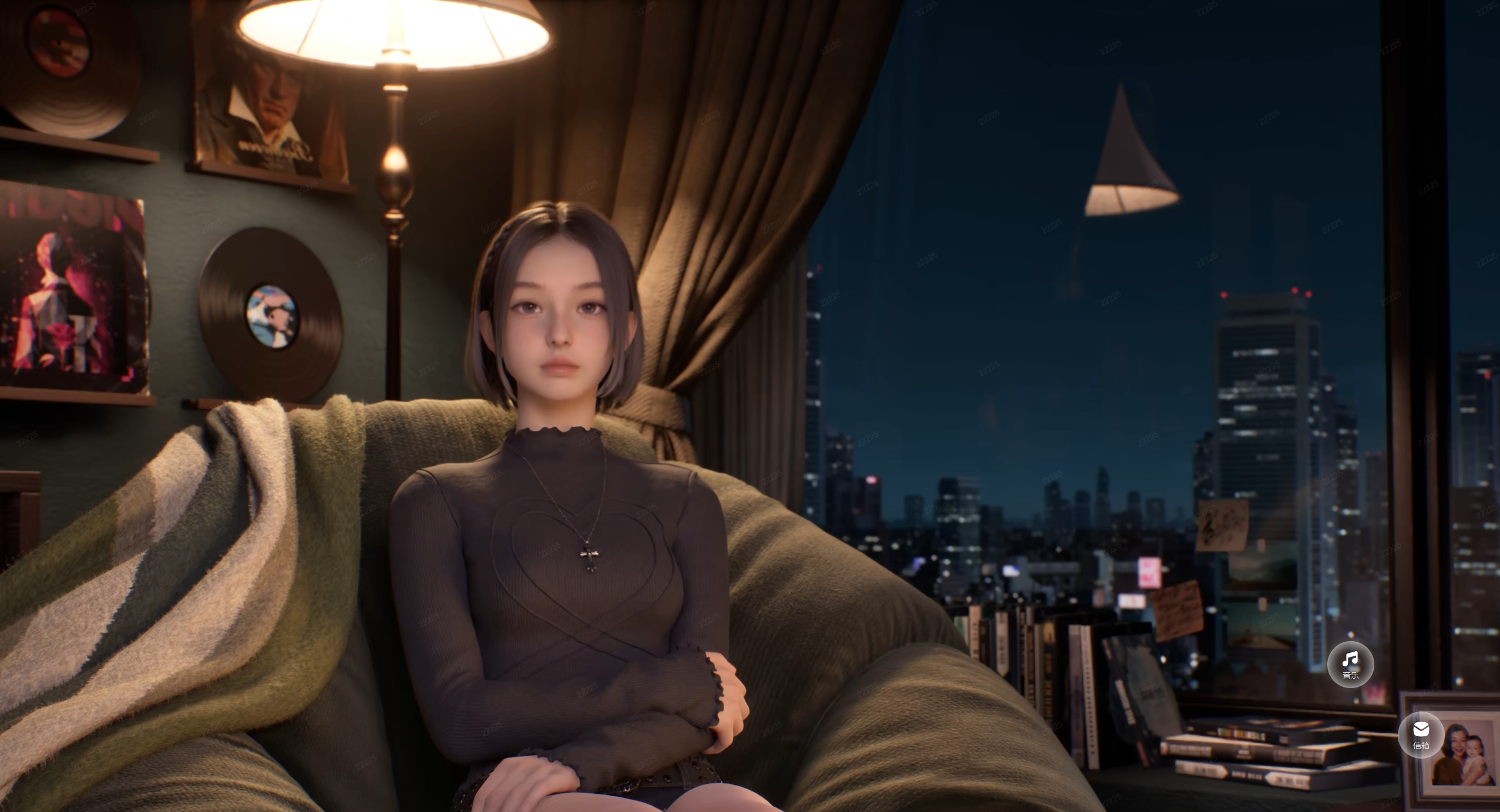
(Image Source: Leitech)
While a lack of features can wait for updates, initial bugs hinder the experience.
On Steam’s discussion boards, some users are stuck on account binding and login screens. Others report issues like the app not opening, input method conflicts, ultrawide black bars, blurry resolutions, and disappearing music/mailbox buttons after returning to the desktop. Dual-screen setups only display correctly on the primary monitor.
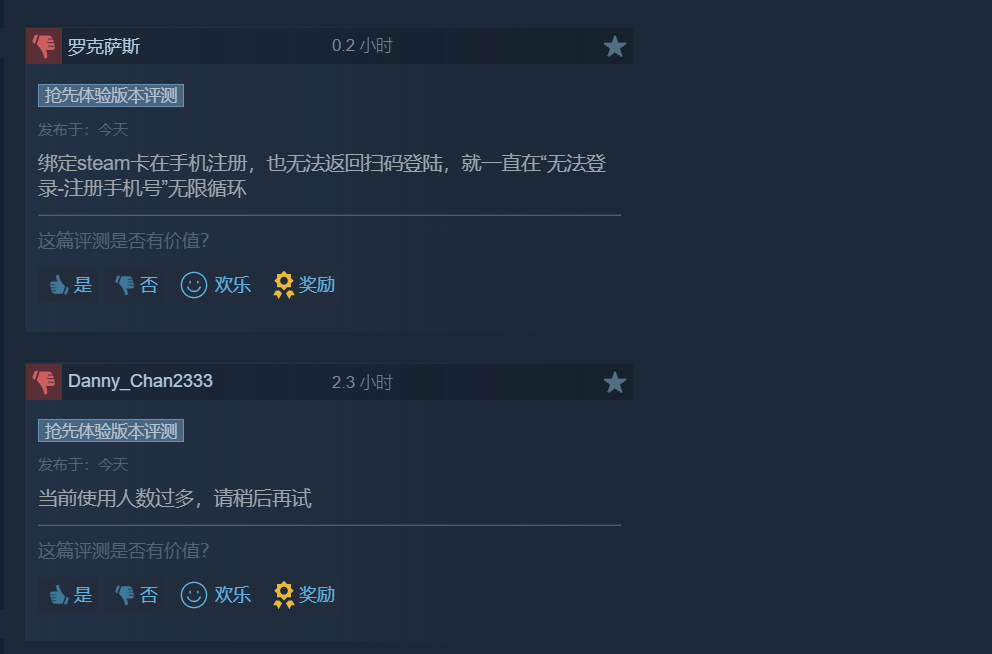
(Image Source: Leitech)
If it aims to replace users’ desktops, it should at least master these basic adaptations first.
But BSide has its own focus: selling a character persona.
Opening Spirit City reminds me to work; opening BSide makes users more likely to check what Lin Li is up to first. Her appearance, voice, musical taste, and reply style are what make the product work.
On this front, MiHoYo has existing expertise.
MiHoYo already brought Lumi to computer and mobile desktops via N0va Desktop; the Genshin Impact team publicly shared their character and scene design processes at GDC, while HOYO-MiX has long handled music for their games. Characters, art, desktop presentation, and music are all core to BSide.
The difference is that BSide adds AI on top of these, filling in what similar apps lack most: responsiveness.
Previously, such tools felt refined but were just looping animations after a while. With AI, your letters and uploaded melodies can at least alter what the character gives you next. A unique exchange emerges between user and Lin Li, rather than everyone watching the same idle animation.
Plus, the AI companionship market is sizable. A 2025 study on Character.AI mentioned over 20 million monthly active users; researchers also analyzed ~2.1 million public character introductions, involving ~1 million creators.
In other words, people willing to create characters and engage in long-term virtual interactions are far from a minority.
What can I say? The current BSide hardly makes me want to keep it running daily.
While the character modeling is exquisite, every feature feels like an obvious early-access draft. Marketing calls it an AI companion, but that feels like hype running ahead of the product.
Still, this direction is worth watching. I hope it adds more complete music management, auto-mute, multi-screen support, and focus tools. I also hope Lin Li remembers past exchanges, has more natural voice acting, and diversified daily states—so every user experience can become material for her future responses.
Of course, as AI companionship grows more human-like, defining experience boundaries becomes crucial.
The new Personification regulations set to take effect on July 15 explicitly require emotional interaction services to implement anti-addiction mechanisms, minor verification, and content moderation. How to handle privacy, emotional responses, and minor access can’t be brushed off with a “please use rationally” disclaimer.

(Image Source: Cyberspace Administration)
When users invest emotionally, adjusting logic, pricing, or shutting down services could become more sensitive than regular software updates.
That’s why I hope BSide evolves into a healthy companionship tool—making solitude less awkward, giving creators more responsive feelings, and quietly accompanying users at their desks. For a game company skilled at character design, this starting point is already interesting.
As for replacing real relationships or handling all emotional needs? Maybe hold off on that for now.
MiHoYo AI BSide AI companion Digital girlfriend
Source: Leitech
Images in this article come from: 123RF Royalty-Free Library Source: Leitech
-
![]()
How Can Embodied AI Overcome the Data Challenge of 'Being Able to Work'? Solutions from Five Leading Players
-
![]()
Half-Year Pre-Tax Loss Hits 4.5 Billion, Full-Year Net Cash Outflow Reaches 16.2 Billion! GAC Incurs 8,000 Yuan Loss per Vehicle Sold
-
![]()
In a Bid to Propel Towards a $10 Billion IPO, Jieyue Xingchen Weaves a Hardware Fairy Tale: A 'Chinese Version of Apple + OpenAI'?
-
![]()
REDMI Note 17 Pro First Impressions: Built to Last and Waterproof, Who Cares About Cost-Effectiveness?
-
![]()
MiHoYo’s AI Companion BSide is Here! I Tried It Out—Great Aesthetics, But Needs Work
-
![]()
A Token Cloud Drifting in the Winds of Change
-
![]()
A Token Cloud Looms on the Horizon
-
![]()
Qualcomm, NVIDIA, and Horizon Robotics: Pioneering Similar Paths in Automotive Tech