Manus to Regain Independence, Former Shareholders Including Tencent to Repurchase Shares from Meta for $2 Billion
 08/12 2026
 419
419
Farsight Reef reported on August 12 that Manus announced it would resume operations as an independent company. To achieve this, former shareholders are required to invest heavily in repurchasing Manus' shares from Meta.

Caixin, citing sources close to Manus, reported that former major shareholders of Manus, including Tencent, ZhenFund, and Sequoia China, are required to repurchase Manus' shares from Meta for $2 billion.
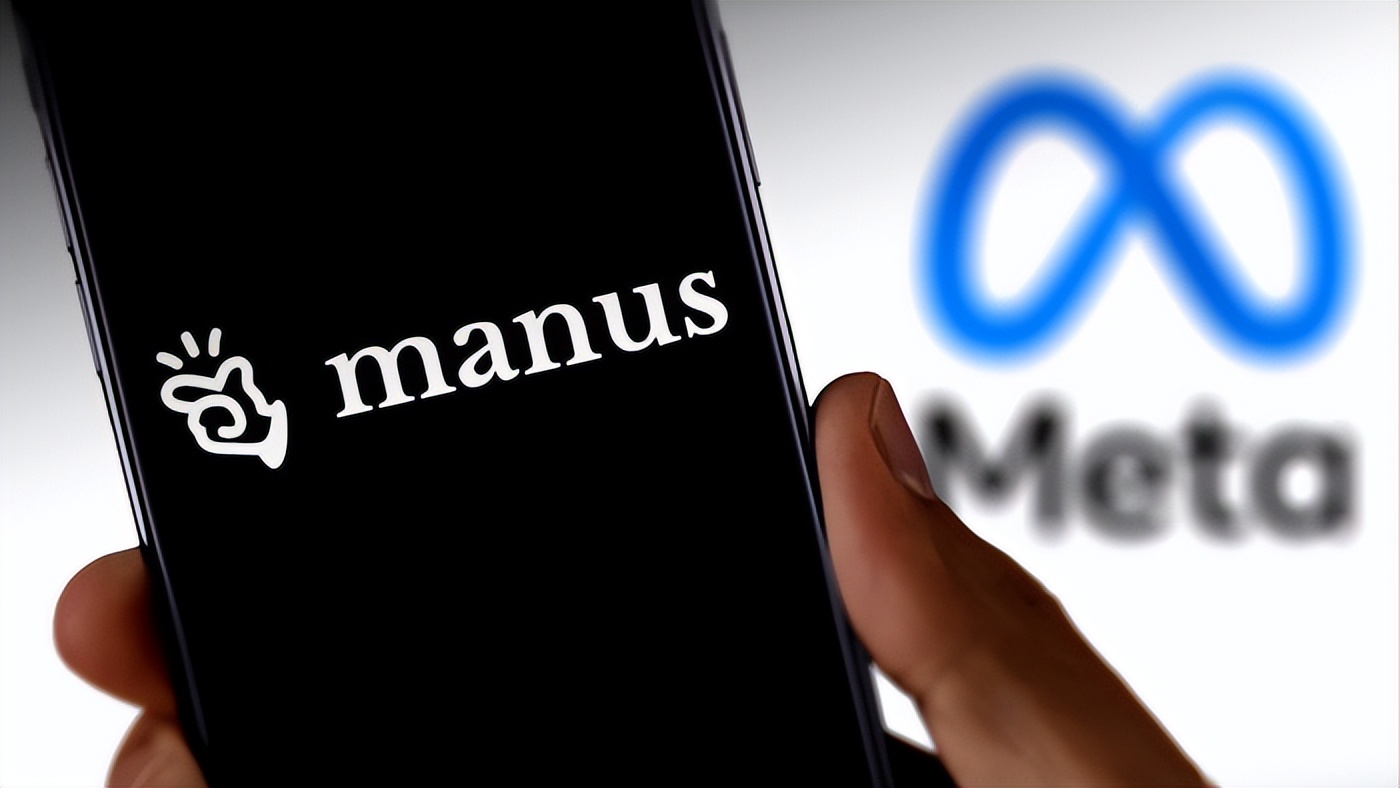
It is reported that in December 2025, Meta announced its plan to acquire Manus outright for approximately $2 billion, aiming to integrate Manus' AI technology into its advertising management system and AI assistant products.
However, the transaction raised concerns among Chinese authorities. In April 2026, the NDRC banned the investment on grounds of national security risks and the potential outflow of critical AI technology, requiring Meta and all relevant parties to terminate the transaction.
Now, with Manus regaining independent operation and former shareholders like Tencent repurchasing shares, the transaction has effectively returned to its starting point. Despite having to part ways with Meta, Manus remains optimistic about the future. In its announcement, Manus stated, "Looking ahead, we are incredibly excited about the prospects. We are preparing a series of new features that will once again push the boundaries of what is possible with general AI agents."
It is reported that Manus is a subsidiary of Singapore-based Butterfly Effect, founded by serial entrepreneur Xiao Hong. Xiao's team initially gained technical and overseas commercialization experience through the AI browser plugin Monica. In March 2025, they launched the general AI agent Manus, which quickly ignited the global AI agent sector.
Unlike conventional conversational AI, Manus can autonomously invoke cloud environments to independently complete tasks such as data retrieval, code writing, and document creation. Its initial access volume surged, with invitation codes being resold at high prices. Within eight months of launch, its annualized revenue exceeded $100 million.
-
![]()
Voice Input: Opening the AI Gateway?
-
![]()
This Year’s Chengdu Motor Show: A Subdued Affair
-
![]()
Can a Small Car Priced at 63,900 Yuan Help Leapmotor Achieve Its Goal of 60% Overseas Sales?
-
![]()
Behind Two Renewed Agreements: Joint Venture Automakers Choose Long-Term Presence in China's New Energy Sector
-
![]()
Will Zunjie’s Launch of Two L3-Ready MPVs Spell the End of the ‘Price Markup Era’ for Alphard and Its Peers?
-
![]()
17 Strategies, 1.8 Billion Parcels, 12.5 Billion Yuan: Huizhou, Guangdong, Paves the Way for Autonomous Vehicle and Drone Delivery
-
![]()
Manus to Regain Independence, Former Shareholders Including Tencent to Repurchase Shares from Meta for $2 Billion
-
![]()
Starting at 99,900 yuan, the Updated Seal 06 Hits the Market. How Should Family Buyers Decide?