Starting at 99,900 yuan, the Updated Seal 06 Hits the Market. How Should Family Buyers Decide?
 08/12 2026
 359
359
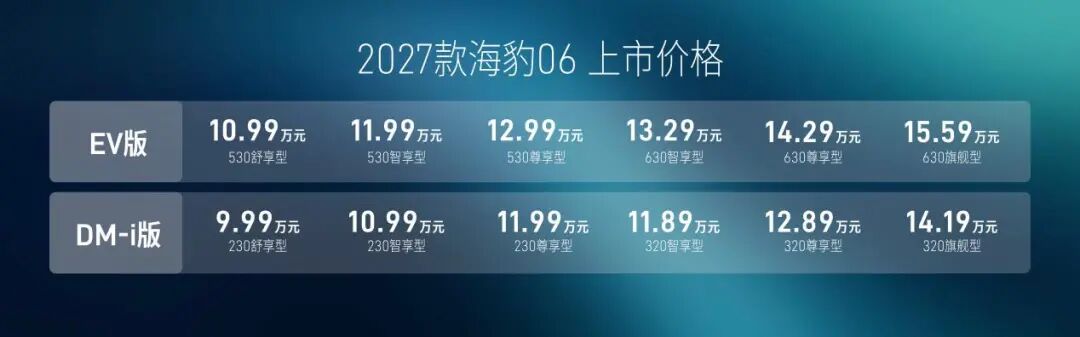
On August 11, the 2027 Seal 06 was officially launched, with prices ranging from 99,900 to 155,900 yuan. It comes with two powertrain options: EV (pure electric) and DM-i (plug-in hybrid), offering a total of 12 different configuration versions.
In recent years, the family sedan market has evolved. Competing solely on price no longer resonates with consumers. Today, buyers are more willing to pay for superior chassis quality, intelligent driving capabilities, and efficient charging. However, these advanced technologies are often found in higher-priced models. With this update, the Seal 06 brings a native flash-charging platform, the advanced "Celestial Eye B" driver-assistance system with lidar, and the Yun-Chan C intelligent damping body control system into the 100,000-150,000 yuan price range.
Bringing High-End Hardware to Mainstream Prices
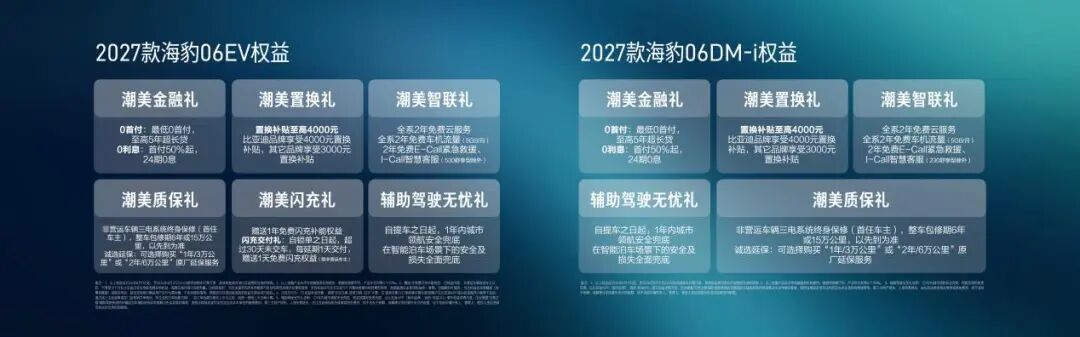
Over the past few years, technologies such as lidar, intelligent damping suspensions, and high-power flash charging have typically been reserved for models priced above 200,000 yuan. The 2027 Seal 06, starting at just 99,900 yuan, makes these premium features accessible to ordinary families. The base DM-i model starts at 99,900 yuan, while the base EV model begins at 109,900 yuan. Top-tier trims are priced at 141,900 yuan and 155,900 yuan, respectively. The launch also includes various incentives such as financing options, trade-in deals, and flash-charging privileges, with the EV version offering a year of free flash charging.
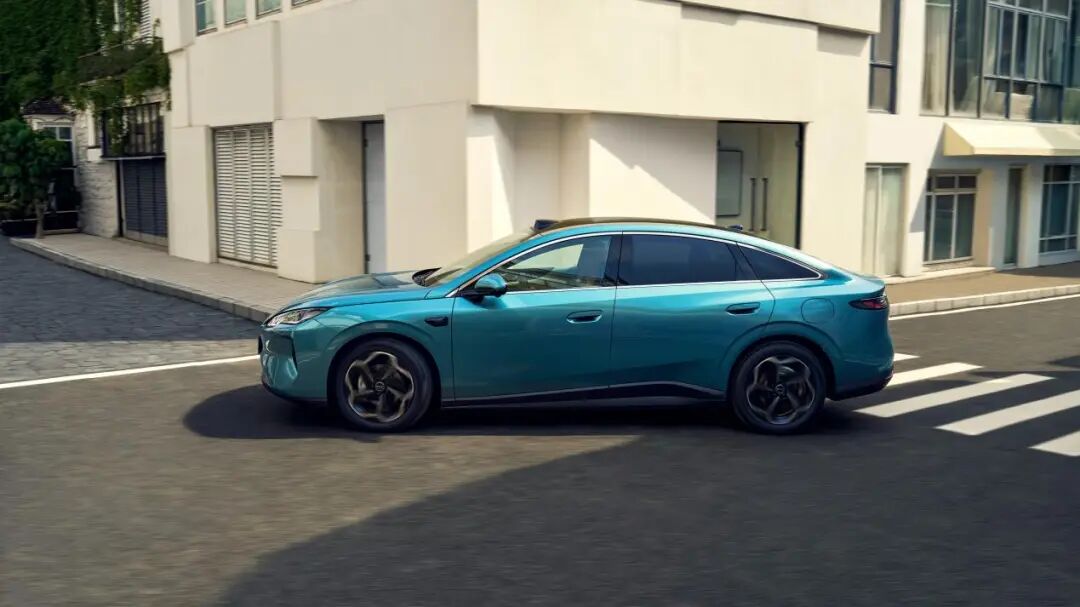
Decentralizing hardware doesn't mean every version comes fully equipped. The Yun-Chan C system and the "Celestial Eye B" driver-assistance system with lidar are mainly available in mid-to-high-end trims. Base versions focus on essential, sufficient configurations rather than being fully loaded across the board—a distinction buyers should keep in mind. With a length of 4870mm and a wheelbase of 2820mm, it fits the standard B-class sedan size, offering ample space. The exterior and interior color options have been updated with five paint finishes and two interior color schemes to cater to the aesthetic preferences of younger users.
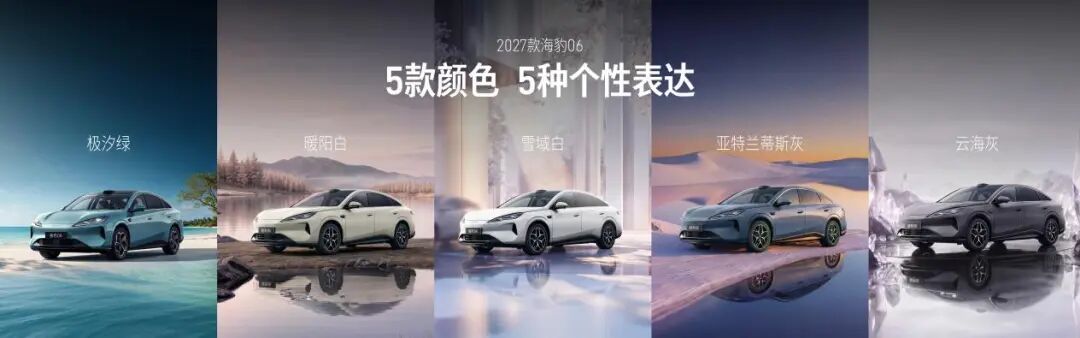
At an industry level, the Seal 06's arrival will put pressure on competitors in the same class. However, hardware is just the foundation; the ultimate experience depends on tuning, algorithm maturity, and real-world performance. We can observe that the market is shifting from mere price competition to a comprehensive comparison of configurations, chassis quality, and intelligent features. The Seal 06 stands out as a representative product in this wave of technological decentralization.
Two Powertrains for Different Driving Needs
The new car offers two powertrain options, targeting two distinct groups of users. The EV version features a native flash-charging platform and second-generation blade batteries, providing a maximum CLTC pure electric range of 630km. Its charging capability is officially described as “5 minutes for a quick boost, 9 minutes for a full charge, and just 3 extra minutes at -30°C.” The motor delivers a maximum power of 240kW, accelerating from 0 to 100km/h in 5.9 seconds.
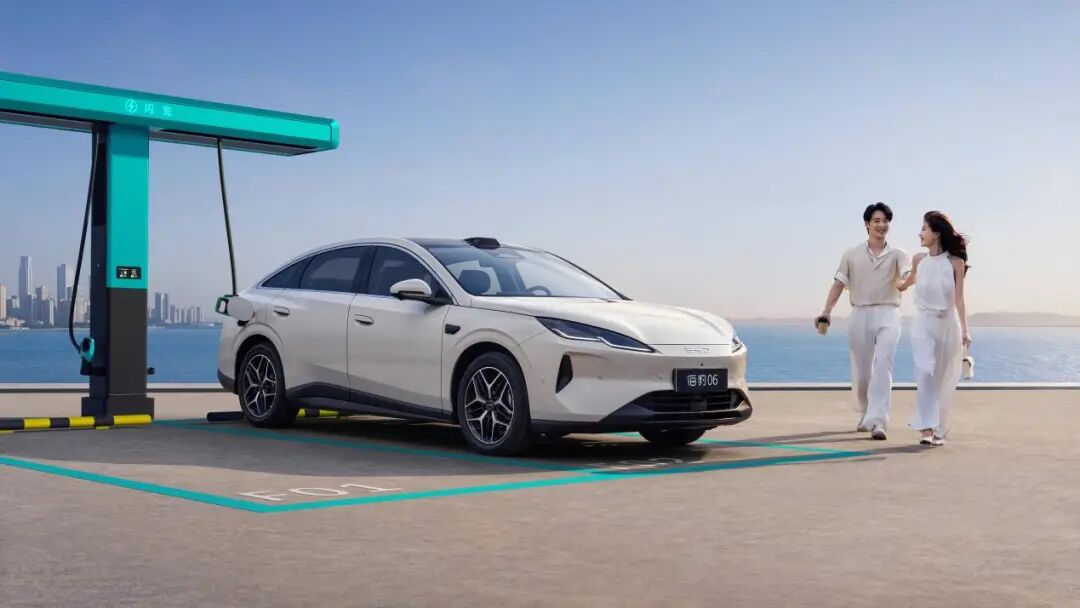
This setup is ideal for users who have reliable access to charging stations at home or work and whose daily commuting distance is manageable. The flash-charging experience heavily relies on the availability of high-voltage charging stations. If such stations are scarce in the area, the benefits of flash charging cannot be fully realized. The one-year free flash-charging privilege also depends on the availability of a corresponding charging network.
The DM-i version incorporates fifth-generation DM technology, offering a maximum CLTC pure electric range of 320km and an NEDC-rated fuel consumption of 2.59L when running low on battery. With a full tank and full battery, the combined range reaches 2370km. Families without fixed charging access and those who frequently travel long distances will find the plug-in hybrid version more suitable, relying on pure electric power for daily city commuting and gasoline for longer trips. It's important to note that the 2.59L fuel consumption figure is based on NEDC test conditions, and real-world consumption may vary depending on temperature, load, and driving habits.
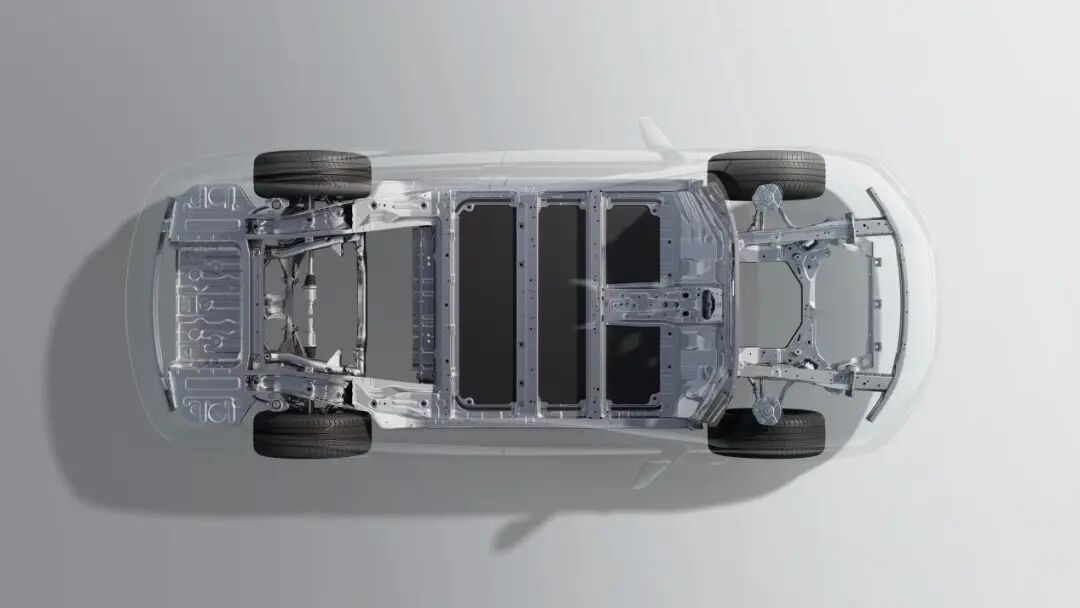
In terms of safety, the vehicle features an internal skeletal CTB architecture, with 75.4% high-strength steel and up to seven airbags. It comes standard with a high-speed tire blowout stability control system. Official data indicates that at 140km/h during a tire blowout, the lateral displacement within 100 meters is less than 0.75m. This safety mechanism helps stabilize the vehicle, but it cannot completely eliminate the risks associated with a tire blowout, and the driver must still take control of the vehicle in emergencies.
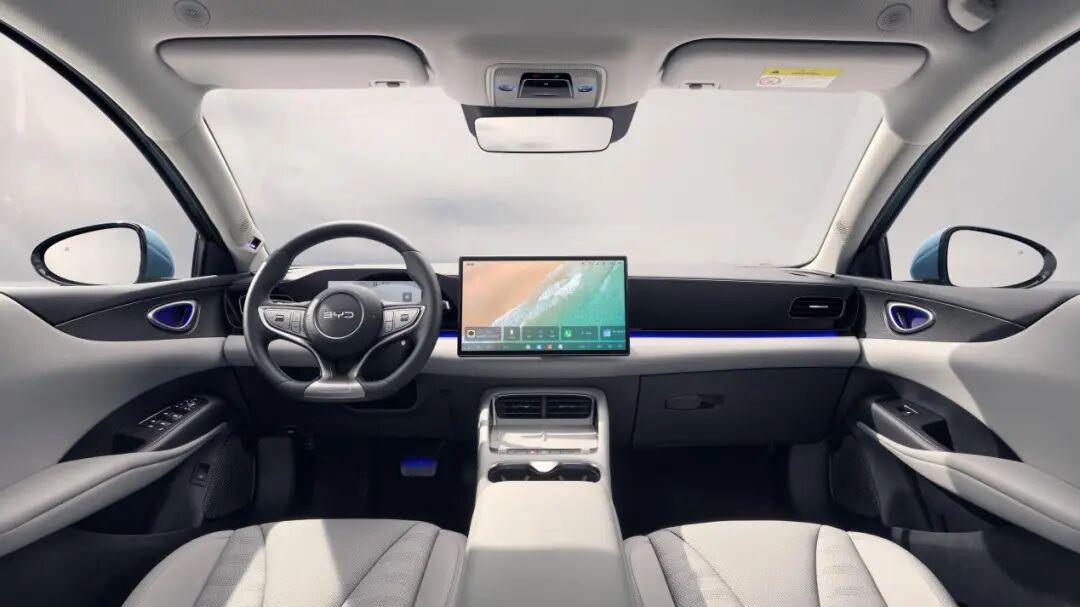
The intelligent cockpit is equipped with the high-end DiLink 150 system, featuring a 15.6-inch central display and a comprehensive DeepSeek large model. Scenario-based functions such as Baby Mode, Nap Mode, and Pet Mode are all available. For intelligent driving, the "Celestial Eye B" driver-assistance system with lidar supports urban navigation, highway navigation, and intelligent parking. The official promotion highlights dual safeguards for urban navigation and intelligent parking. It must be emphasized that all driver-assistance systems are auxiliary in nature, and the driver must remain attentive throughout the journey.
Understanding Full Configuration Selection
The official claim of “full configuration from the base model” can easily mislead users into thinking that every trim comes fully loaded with all high-end hardware. In reality, the 12 versions are clearly categorized into Comfort, Smart, Premium, and Flagship trims, simplifying the selection process.
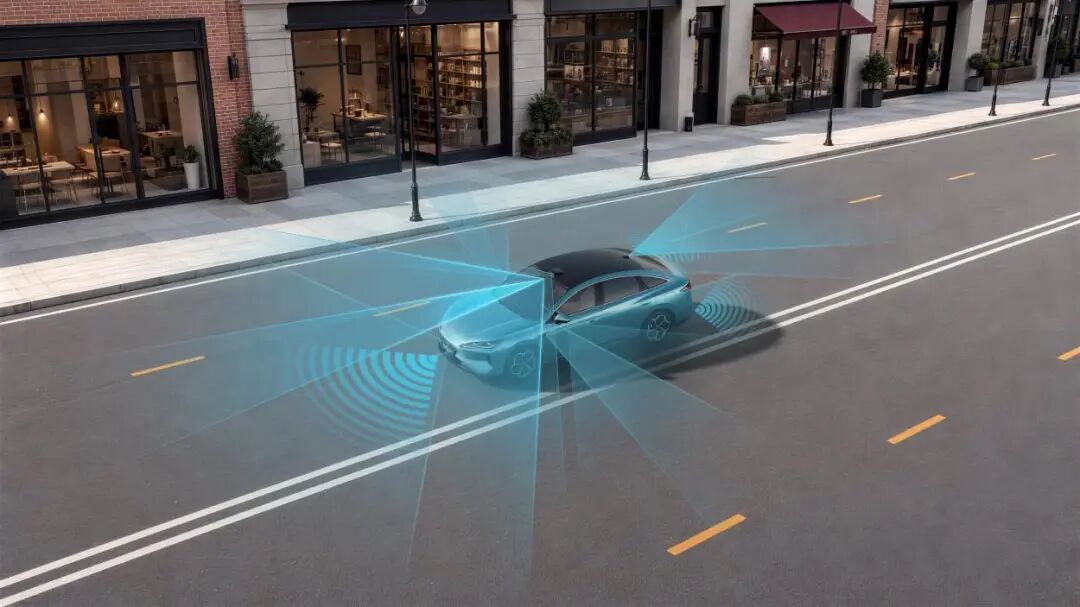
For budget-conscious users primarily needing a commuter vehicle, the Comfort trim offers adequate space, battery, and safety features but lacks the Yun-Chan C system and lidar-based intelligent driving. The Smart trim is ideal for those who frequently drive on elevated highways and value assisted driving features. For families who often travel with elderly members and children, the Premium trim’s Yun-Chan C system with road preview and ventilated, massaging seats helps reduce motion sickness and is a priority for most families. The Flagship trim targets users willing to pay for top-tier intelligent driving and comfort features.
When purchasing a family car, many consumers are concerned about two main factors: charging accessibility and daily travel radius. If a charging station is available, prioritize the EV version for its flash-charging and acceleration performance. If charging is inconvenient and long-distance travel is frequent, the DM-i version is a more reliable choice. Additionally, the actual experience of certain features cannot be judged solely by specifications. The damping performance of the Yun-Chan C chassis, the smoothness of the "Celestial Eye B" system in complex urban conditions, and the actual charging speed of flash charging in different environments can only be truly assessed through test drives. For ordinary consumers, it is more important to prioritize configurations that match their actual driving scenarios rather than chasing every high-end feature.
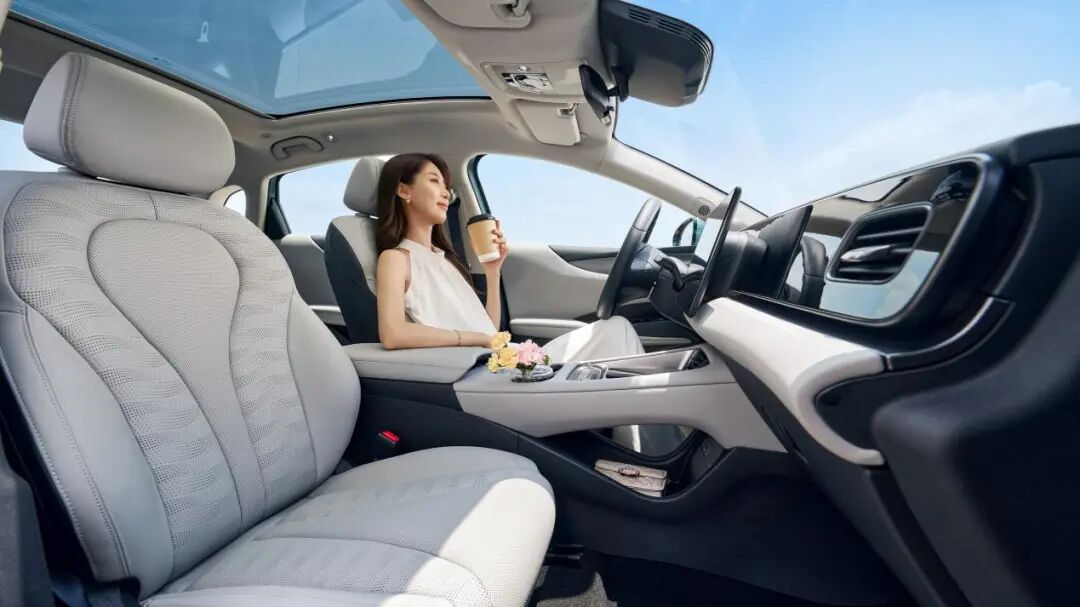
Overall, the greatest significance of the 2027 Seal 06 lies in bringing a range of technologies that were once exclusive to high-end models into the mainstream 100,000-150,000 yuan B-class family sedan market, raising the bar for configurations in this price range. However, hardware is just the foundation; factors such as chassis tuning maturity, intelligent driving algorithm updates, and charging network compatibility will all significantly impact the daily driving experience. While it may not be a perfect model without any shortcomings, it does provide budget-conscious families with an additional choice.
-
![]()
Voice Input: Opening the AI Gateway?
-
![]()
This Year’s Chengdu Motor Show: A Subdued Affair
-
![]()
Can a Small Car Priced at 63,900 Yuan Help Leapmotor Achieve Its Goal of 60% Overseas Sales?
-
![]()
Behind Two Renewed Agreements: Joint Venture Automakers Choose Long-Term Presence in China's New Energy Sector
-
![]()
Will Zunjie’s Launch of Two L3-Ready MPVs Spell the End of the ‘Price Markup Era’ for Alphard and Its Peers?
-
![]()
17 Strategies, 1.8 Billion Parcels, 12.5 Billion Yuan: Huizhou, Guangdong, Paves the Way for Autonomous Vehicle and Drone Delivery
-
![]()
Manus to Regain Independence, Former Shareholders Including Tencent to Repurchase Shares from Meta for $2 Billion
-
![]()
Starting at 99,900 yuan, the Updated Seal 06 Hits the Market. How Should Family Buyers Decide?