US$60 Billion! Musk Brings 'Code Writing' Craft Under His Wing
 08/18 2026
 466
466
Let's talk about the recent bombshell in the tech world.
Musk bought Cursor for US$60 billion.
On August 14, 2026, a brief two-minute read appeared on Cursor's official blog.
The headline was simple: 'Cursor is now a part of SpaceX.'
Cursor officially became part of SpaceX.
There was no grand launch event, nor a lengthy farewell letter.
A name that had become nearly synonymous with 'AI programming' in recent years underwent this identity shift.
But what truly makes this deal memorable isn't just the name.
It's the number behind it: US$60 billion.
According to documents filed by SpaceX with the U.S. Securities and Exchange Commission, SpaceX and Cursor's parent company, Anysphere, signed a formal merger agreement on June 16.
The implied equity value for Cursor was set at US$60 billion, with the transaction consideration paid in SpaceX stock. On August 14, Cursor announced the acquisition's official completion.
What's even more intriguing is the timing of this deal.
On June 12, SpaceX had just gone public on Nasdaq, raising US$75 billion with a market valuation of approximately US$1.77 trillion upon listing, setting a record for the largest U.S. IPO financing scale.
On its debut day, the stock price rose about 19%, with the company's market value once surpassing US$2 trillion.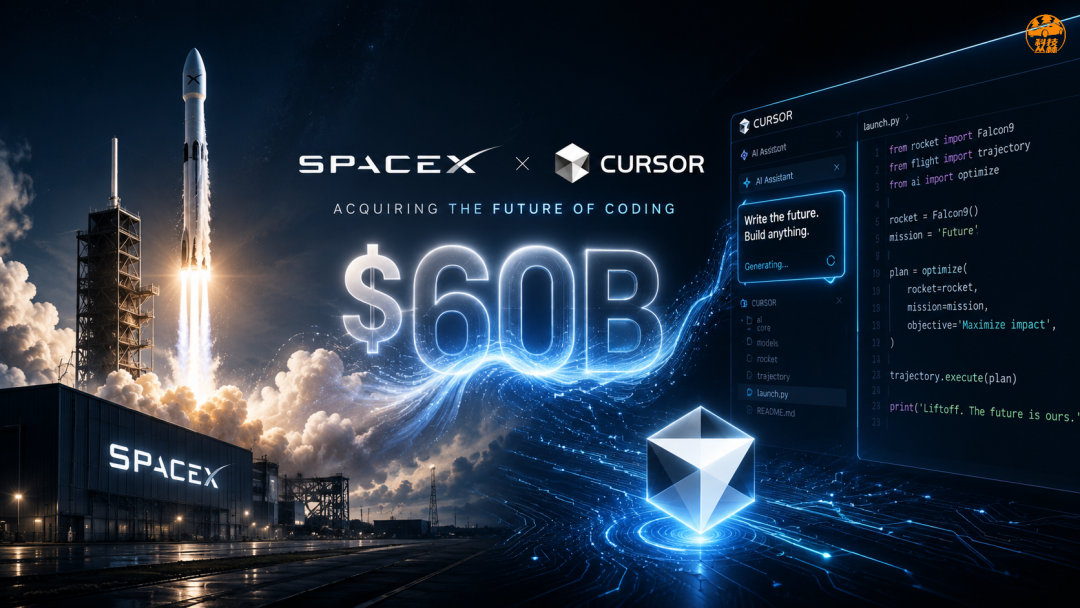
Just four days later, SpaceX signed the formal acquisition agreement for Cursor.
The stock, freshly priced by the public market, immediately became a new currency for mergers and acquisitions.
The rocket builder has brought the code writers under its wing.
But if we simply see this as 'Musk buying another company,' we might underestimate what those US$60 billion truly represent.
Because what SpaceX acquired isn't just a code editor.
It's likely the last mile for AI to move from models to the real world.
01 Four MIT Youngsters and a Nearly Vertical Growth Curve
To understand why SpaceX was willing to pay US$60 billion, we must go back to Cursor's origins.
Anysphere was founded by four MIT alumni: Michael Truell, Sualeh Asif, Aman Sanger, and Arvid Lunnemark.
Cursor's later success may seem like riding the wave of AI programming's explosion, but the truly critical choice was made much earlier: while other companies treated AI as an 'assistant' installed in an editor, Cursor aimed to integrate AI directly into programmers' core work environment.
Traditional Copilot felt more like a human writing code with AI assisting. Cursor gradually evolved into a setup where humans set goals, and AI began participating in completing entire tasks.
Understanding codebases, modifying multiple files, searching contexts, invoking tools, detecting errors, revising, and running tests.
As Agent capabilities continued to strengthen, the code editor began transforming from 'a place to write code' to 'a place where humans and AI complete software engineering tasks together.'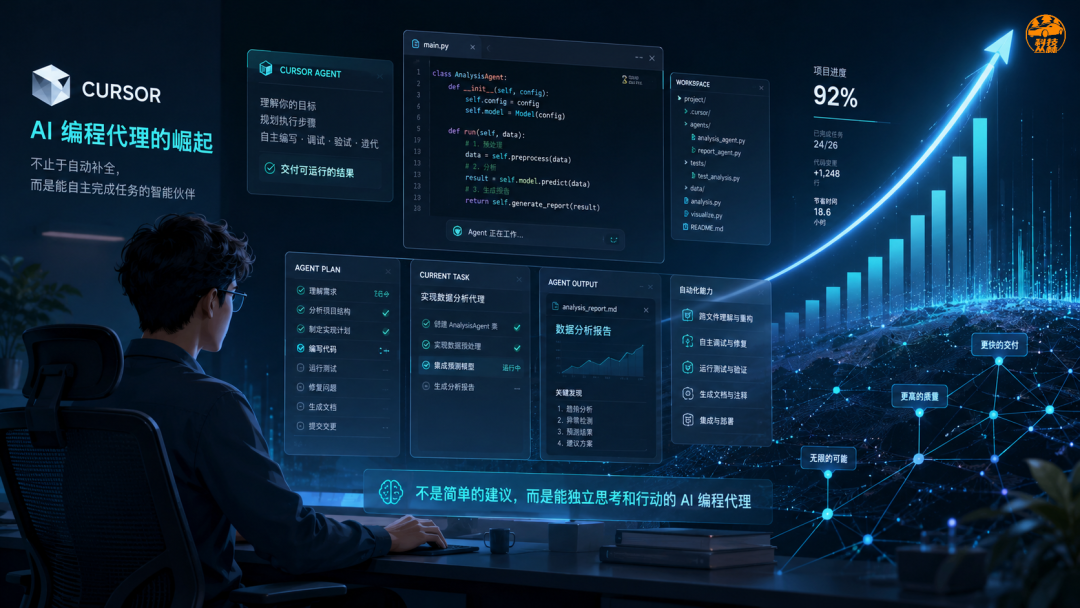
With this vision, Cursor's growth curve became astonishing.
In August 2024, Cursor's Series A funding valued it at approximately US$400 million;
By June 2025, after completing a US$900 million Series C round, its valuation reached US$9.9 billion.
By November 2025, it secured a US$2.3 billion Series D round, with a post-money valuation of US$29.3 billion.
Cursor officially disclosed that its annualized revenue had surpassed US$1 billion, with a team exceeding 300 people and millions of developer users.
By June 2026, data provided by Cursor to Reuters showed that annualized revenue from enterprise and B2B businesses alone reached approximately US$2.6 billion.
Major enterprises like British Airways, BP, Nokia, and Sanofi had become clients.
This meant: Cursor was no longer just a tool favored by independent programmers; it was becoming corporate software production infrastructure.
From a US$29.3 billion valuation in November 2025 to a US$60 billion acquisition price in June 2026, its price doubled in just seven months.
From a startup by four youngsters to a US$60 billion price tag—it took only a few years.
02 US$60 Billion Isn't Lifesaving Money
US$60 billion is a lot.
However, it's important to note that Cursor wasn't acquired by SpaceX because it ran out of money.
Quite the opposite.
Before SpaceX made its move, the company already had millions of developers, annualized business revenue in the billions of dollars.
SpaceX's IPO filings even revealed that as of January 31, 2026, Cursor had total assets of approximately US$3.1 billion, including about US$2.7 billion in cash and cash equivalents, with total liabilities of only about US$550 million.
So, Cursor wasn't short on cash.
At the same time, Cursor wasn't short on suitors.
This brings us to another AI giant: OpenAI.
OpenAI discovered Cursor early, invested in it initially, and later tried to buy it—but ultimately failed to secure it.
Cursor's seed round in 2023 was led by the OpenAI Startup Fund.
As Cursor grew rapidly, investors began considering buying the company outright.
Public reports indicate that OpenAI approached Anysphere in 2024 to discuss a potential acquisition; another round of talks occurred in early 2025.
Both times, no agreement was reached.
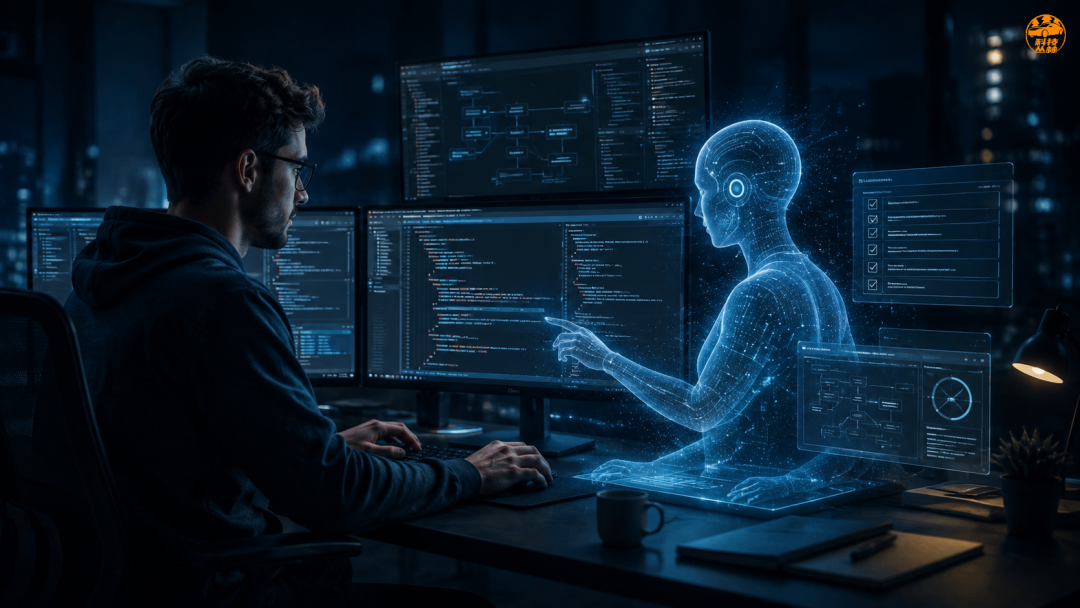
In August 2025, when asked about acquisition offers, Cursor CEO Michael Truell responded simply that this was their 'life's work.'
So this wasn't a team eager to cash out.
He wanted to remain independent.
Even by spring 2026, another tech giant seriously considered acquiring Cursor: Microsoft.
Reuters later revealed that Microsoft ultimately withdrew, mainly concerned that it already owned GitHub Copilot, and regulatory agencies might not approve another acquisition of Cursor.
So Cursor was never an unwanted asset.
It was one of the hottest assets in the AI industry.
Thus, the real question becomes: Why did Cursor, which originally didn't want to sell and wasn't short on cash, ultimately choose SpaceX?
The answer lies in a power shift within the AI programming industry over the past three years.
03 The Business Logic Changed
Early Cursor had an excellent positioning.
Cursor excelled at product experience, packaging different models into a seamless software engineering workflow. Beneath it lay increasingly powerful foundational models from companies like OpenAI and Anthropic.
This once represented a tantalizing vision in AI startups: models could be replaced, but users and workflows belonged to application companies.
As long as the product was good enough, even if the underlying models came from others, the application company could still hold immense value.
But this logic held only under one premise: model sellers wouldn't come down to steal users.
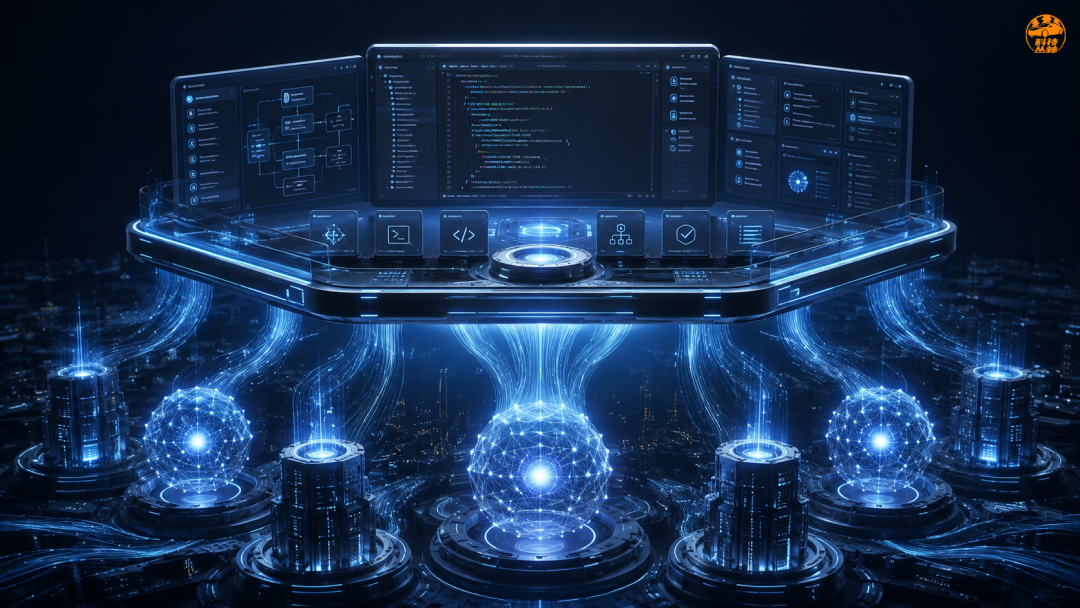
Later, that premise vanished.
Anthropic launched Claude Code.
OpenAI launched Codex.
They were no longer satisfied with just selling models to Cursor.
Claude Code could enter codebases, read files, modify code, invoke terminals, run tests, and submit PRs.
Codex similarly established a complete Agent loop, tool invocation, sandboxing, and software engineering execution system.
Model companies began bypassing Cursor, directly entering programmers' workflows.
Thus, Cursor faced a perilous structure: my supplier was becoming my competitor.
So Cursor started moving upstream. In October 2025, it launched its own agentic coding model—Composer. Later, Composer 1.5 increased reinforcement learning scale by over 20 times; Composer 2 added continuous pre-training.
Cursor officially stated that as computational resources increased, model capabilities also improved significantly. At this point, Cursor was no longer just 'an application calling others' models.'
It began transforming into: a model company + an Agent company + a development tools company. Then, it hit a wall that the entire AI industry couldn't avoid: computing power.
Cursor wanted to push model training further, but it lacked sufficient computing power.
The exact words were: 'We have always wanted to push the training work forward a lot, but we have always been constrained by the bottleneck of computing power.' To compete with these giants and train models independently, it would have to join a hundred-billion-dollar computing power arms race alone.
Cursor had the product, users, revenue, data, and talent.
Moreover, the capital markets were willing to provide funding.
But what it lacked was an ultra-large-scale training infrastructure capable of directly competing with OpenAI and Anthropic.
After all, money doesn't automatically equal GPUs.
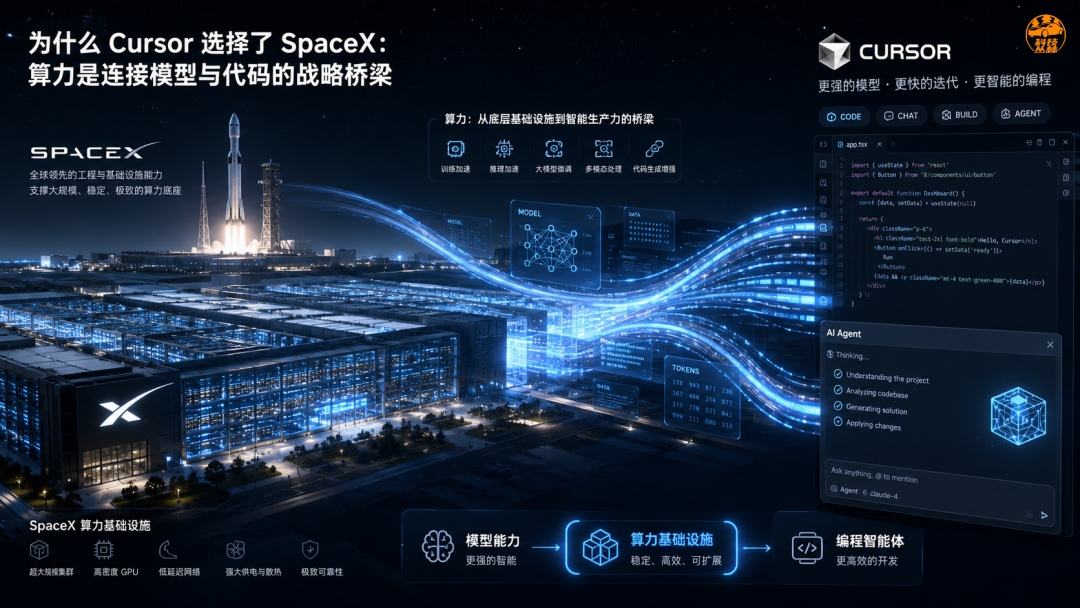
Even after raising billions of dollars, you still need to find chips, electricity, data centers, build networks, construct training clusters, and operate the entire system.
And this isn't something that can be done overnight; it requires massive time and labor costs.
This is the scarcest resource in the next competition.
Moreover, in today's AI race, progress is measured in days.
Every so often, companies release even stronger models.
This constantly shifts valuation logic, posing a significant risk for Cursor.
But on the other side, a company that had just completed massive vertical integration happened to have exactly what Cursor needed.
It was SpaceXAI.
04 Why SpaceXAI?
After acquiring xAI in February this year, SpaceX became more than just a rocket company; it directly gained deep AI expertise.
At the bottom lay massive AI computing infrastructure like Colossus; in the middle stood foundational models like Grok; X provided real-time information and massive user distribution; meanwhile, products like Grok API, Grok Business, Grok Enterprise, and Grok Gov catered to different user groups.
Cursor also made it clear: through this collaboration, our team will leverage SpaceXAI's Colossus infrastructure to significantly enhance our models' intelligence.
Moreover, for Cursor, this deal wasn't a loss.
That April agreement was highly unusual. SpaceX secured the right to acquire Anysphere for approximately US$60 billion.
If the deal ultimately didn't close, according to SpaceX's later filings, the agreement included approximately: US$1.5 billion in termination fees + US$8.5 billion in computing resources.
Total value: approximately US$10 billion. So, this was an extremely cost-effective deal.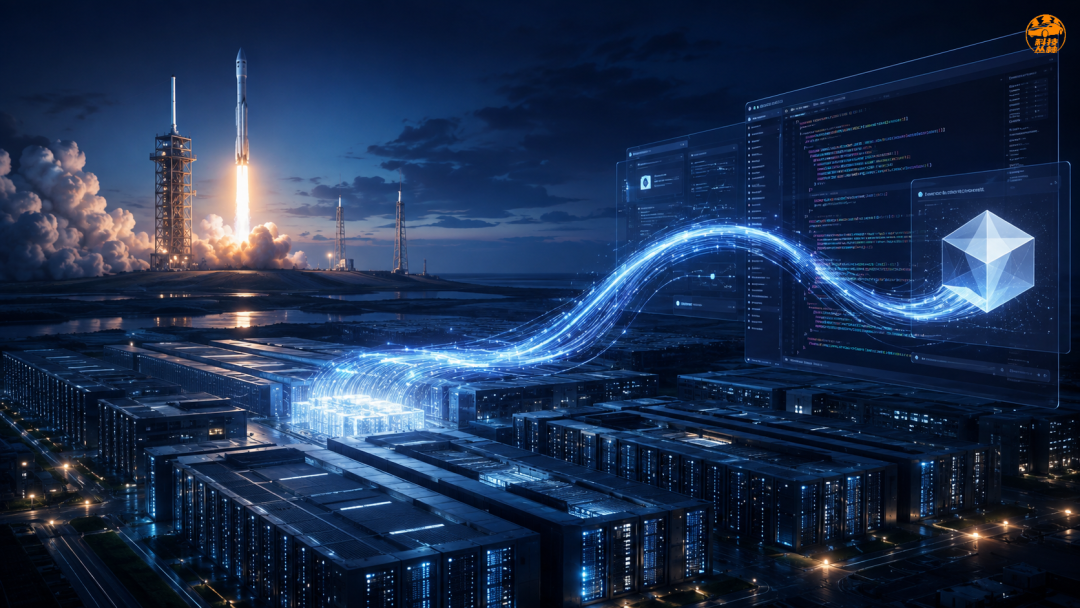
Moreover, US$60 billion is no small sum. Earlier in the year, market discussions pegged its new funding valuation at around US$50 billion.Market discussions pegged its new funding valuation at around US$50 billion.
Then SpaceX offered US$60 billion.
And it's all paid in SpaceX stock.
So what Cursor shareholders receive isn't US$60 billion in cash to walk away with, but rather an exchange of Cursor shares for SpaceX shares.
This means that the founders, employees, and investors of Cursor are not completely exiting Musk's ecosystem.
They become shareholders of SpaceX.
If you believe in the long-term value of SpaceX + xAI + Starlink + AI, then this deal is not just about cashing in on Cursor's growth but also about continuing to participate in the rise and ascent of a much larger platform.
This is entirely different from simply selling to a mature software company.
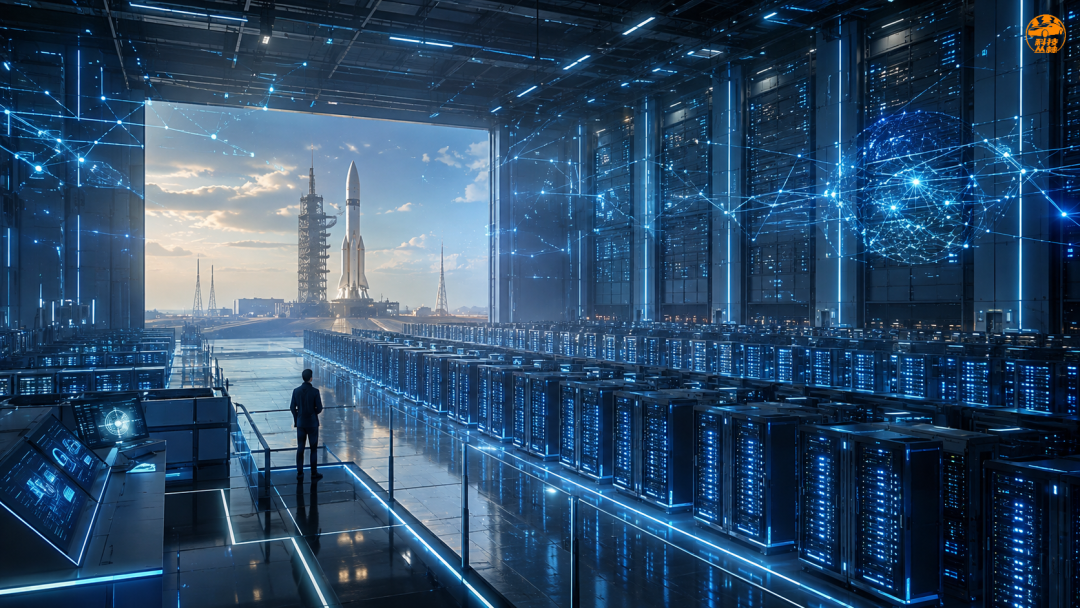
If OpenAI were to buy Cursor, it would be a model giant incorporating an application into its own product ecosystem.
When SpaceX buys Cursor, at a time when Cursor most needs to advance into the model layer, it provides Cursor with a model partner, a massive computational powerhouse, and the resources to continue growing.
This is the fundamental difference between the two types of deals.
In short, Cursor gets money while also gaining better development opportunities with immeasurable prospects.
That's why Cursor chose SpaceX.
05 What does SpaceX gain?
What it truly acquires consists of at least three layers.
The first layer:
The easiest to understand: access points.
The places where millions of developers and tens or hundreds of millions of users truly spend extended periods of time daily are not Grok.com.
Instead, they are: IDEs (terminals), Git (code repositories).
Cursor has already secured one of the most central positions among these.
In the internet era, the most valuable positions were once search boxes, browser homepages, and social networks.
In the Agent era, they become the places where users truly entrust tasks to AI.
Cursor is precisely such a place (domestically, this would correspond to products like Alibaba's Qianwen Office or Tencent's WorkBuddy).
The second layer: valuable data assets.
The data Cursor possesses is not ordinary code but data on 'how work is done.'
Models can learn not just 'what software is.'
They can also learn how developers work and how Agents complete tasks in real-world environments.
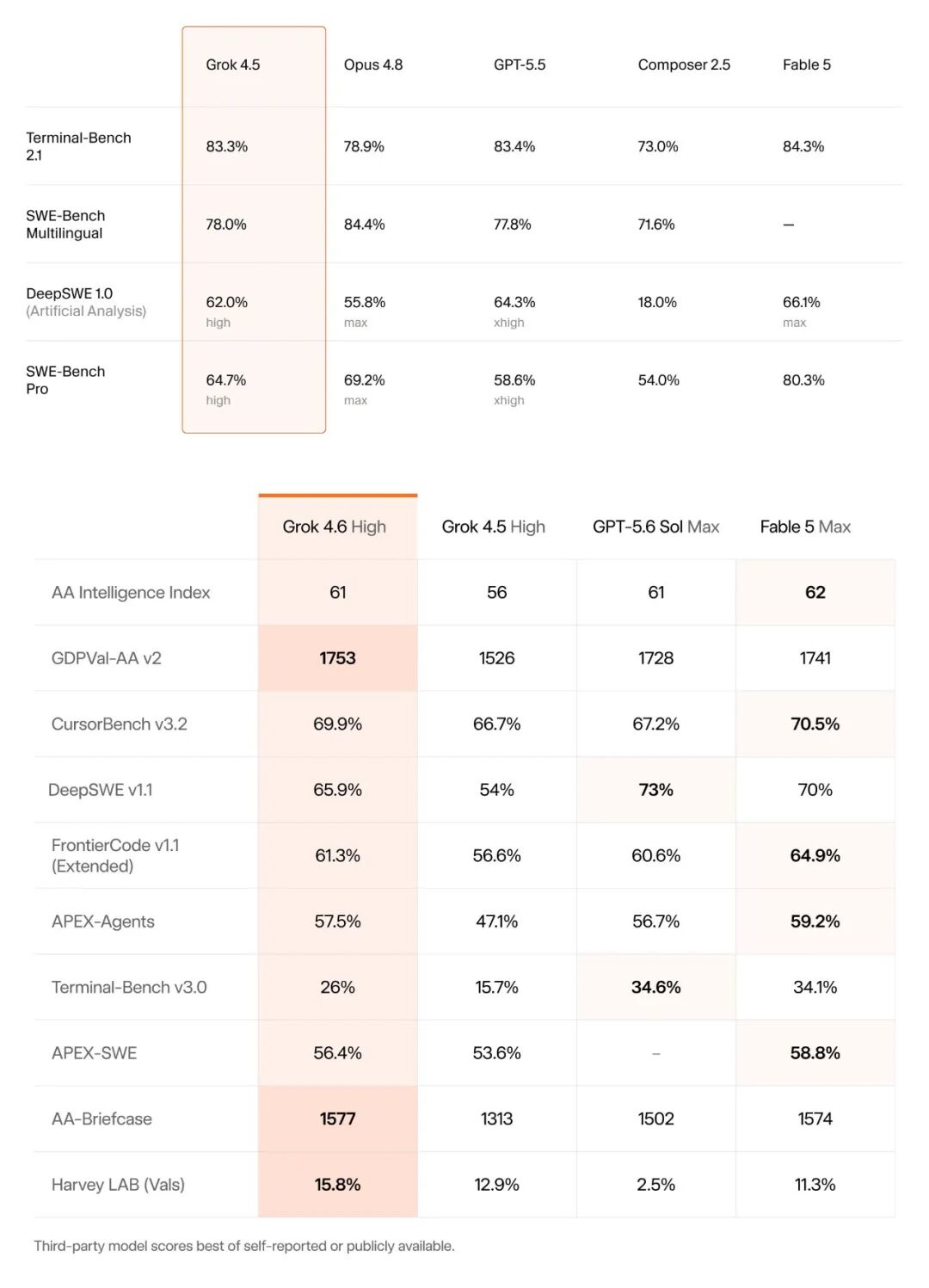
Grok 4.5, released on July 8, 2026, is a model jointly trained by Cursor and SpaceX AI.
Cursor officially disclosed that the training utilized trillions of tokens of Cursor data, including data on how users interact with codebases, software tools, and Agents.
A month later, in August, Grok 4.6 was launched.
By this point, it could already compete with GPT-5.6 Sol, showing remarkable improvement in just one month.
This deal is far from a loss.
Moreover, if you are a Supergrok heavy subscriber, you can use Cursor directly for free.
This actually proves that the collaboration between the two sides was already extremely deep before the acquisition was finalized.
The official announcement of the acquisition was merely a formality.
Immediately after, the third layer emerges: closure.
1. Grok becomes stronger;
2. After integrating with Cursor, Cursor becomes more user-friendly, and more real tasks are entrusted to Agents;
3. More execution trajectories and feedback are generated, which are reintroduced into model training;
4. The next generation of Grok and Cursor models continues to improve.
It's worth mentioning that before the release of Grok 4.6, SpaceX AI also launched Grok Bot.
Grok Bot is almost an open secret regarding Cursor's strategic direction post-acquisition.
If Grok was previously just a passive assistant, Grok Bot now aims to transform it into a digital employee.
Cursor's value to SpaceX AI is expanding from being an 'AI programming product' to an 'Agent infrastructure.'
Over the past few years, Cursor has solved numerous highly challenging problems: how to keep Agents running for extended periods; how to operate tools; how to preserve context; how to manage permissions; how to run cloud-based Agents; how to process task results; how to enable Agents to interact with real software environments.
Previously, these capabilities primarily served code writing.
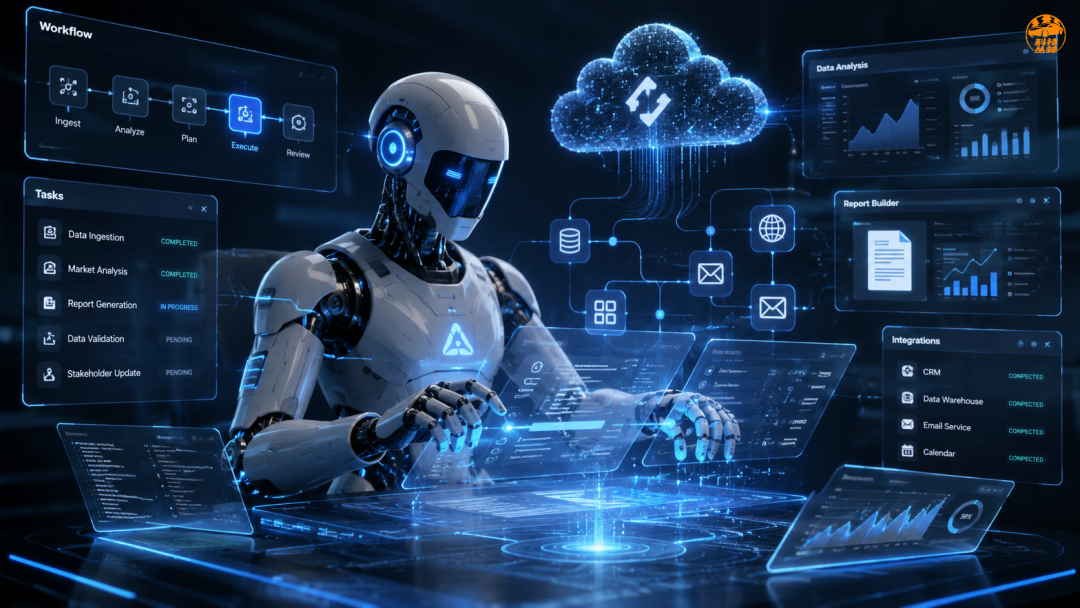
Now, Grok Bot is bringing the same mindset to the entire digital work world: sales, finance, operations, recruitment, customer service, research, and more.
This is far more significant than just integrating Grok into Cursor.
Although the current beta version performs somewhat poorly, its future potential is enormous and worth monitoring continuously.
Therefore, the greatest significance of SpaceX AI's acquisition of Cursor is not just adding a 'code-writing function' to Grok but rather filling a crucial gap for Grok to evolve from a 'model' into a 'digital workforce.'
This could very well be the underlying business logic behind the US$60 billion deal.
06 Conclusion
In the traditional internet era, we were accustomed to separating the industrial chain: chips were chips; clouds were clouds; models were models; applications were applications, with each layer having its own companies.
But AI is creating an entirely different structure.
The scale of computational power affects model capabilities; model capabilities determine product experience; the real tasks and feedback a product possesses, in turn, determine the training quality of the next-generation model; the operating costs of the model directly determine the gross margins of application companies.
Each layer is increasingly inseparable from the next.
This also means that the competition between so-called 'foundational model companies' and 'AI application companies' in the past may not ultimately be a competition between two types of companies.
Because they are becoming the same type of company, all converging toward the middle.
Model companies are moving downward to consume applications; application companies are moving upward to train models; cloud providers are moving downward to create models; chip companies are moving upward to invest in applications.
Ultimately, the real advantage may lie not with those who excel at a single layer but with those who can connect computational power—models—applications—data—feedback into a continuous loop.
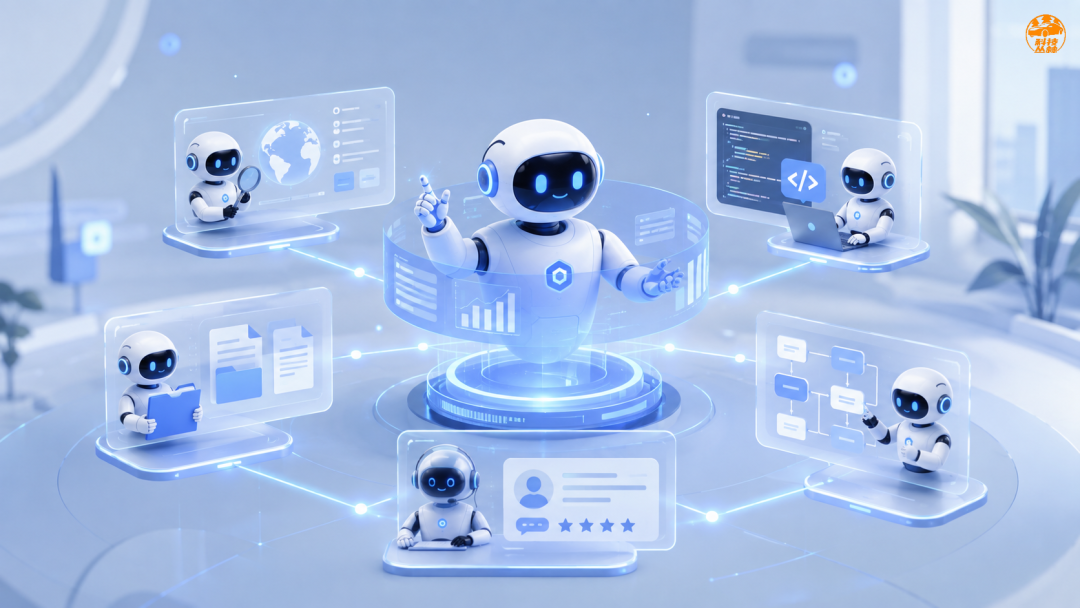
In one sentence: vertical integration.
Does this sound very familiar?
In fact, this is exactly what Musk has been doing all along.
Moreover, beyond this, considering the massive future AI chip demand and iteration speed of SpaceX AI and Tesla, Musk has also extended his reach to the wafer manufacturing, storage, advanced packaging, and testing layers, with Terafab being the representative example.
If this step also succeeds, Musk will have pieced together the world's most massive AI empire.
For Cursor, being able to exit at a high point and go with the flow (seize the opportunity) find an even larger development platform
can be considered a win-win situation.
This US$60 billion has been well spent.
The end.
-
The More Users, The More Money Lost: AI Transforms C-End SaaS into a Gym-Style Business
-
![]()
Unitree Technology Unveils 'Superman,' Igniting a Robotics Boom!
-
![]()
Regulators Put the Brakes on the Once-Popular 'Little Blue Light'
-
![]()
Major Leadership Shift at Geely Auto: Li Shufu Steps Down!
-
![]()
Porsche 'Steps Out of Group to Secure Carbon Credits,' Facing Fresh Electrification Challenges
-
![]()
Xiaomi Increases Stake in Xiangbin Electronics' IPO, Executives Face Financial Setbacks Selling Shares for Home Purchases
-
![]()
"The More a Car Resembles European Models, the Tougher It Is to Outcompete Them in Europe"; "Chinese Automakers in the European Market: Small Cars, Competitive Strategies, and the Leapmotor A05"; "Chi
-
![]()
From Market Leader to Outside the Top Five: Can Honor Revive Its Fortunes with a 9,999-Yuan 'Robot Phone'?