A Large Number of 'Neo PCs' Are Coming: Apple Leads the Way, Followed by Huawei and Google. Will Mobile Chips Take Over the PC Market?
 03/10 2026
 526
526
A Change That’s Easy to Overlook.
As expected, Apple unveiled a range of new products this week, but the most attention wasn’t on the iPhone 17e, nor the new MacBook Pro and Air models. Instead, it was a long-rumored yet somewhat 'unconventional' new computer:
The MacBook Neo.
While many are more focused on its pricing and appearance, the real attention should be on the chip inside. The MacBook Neo doesn’t use Apple’s common M-series chips but instead features one from the iPhone 16 Pro—the A18 Pro.
In other words, this is a Mac directly powered by a mobile SoC.
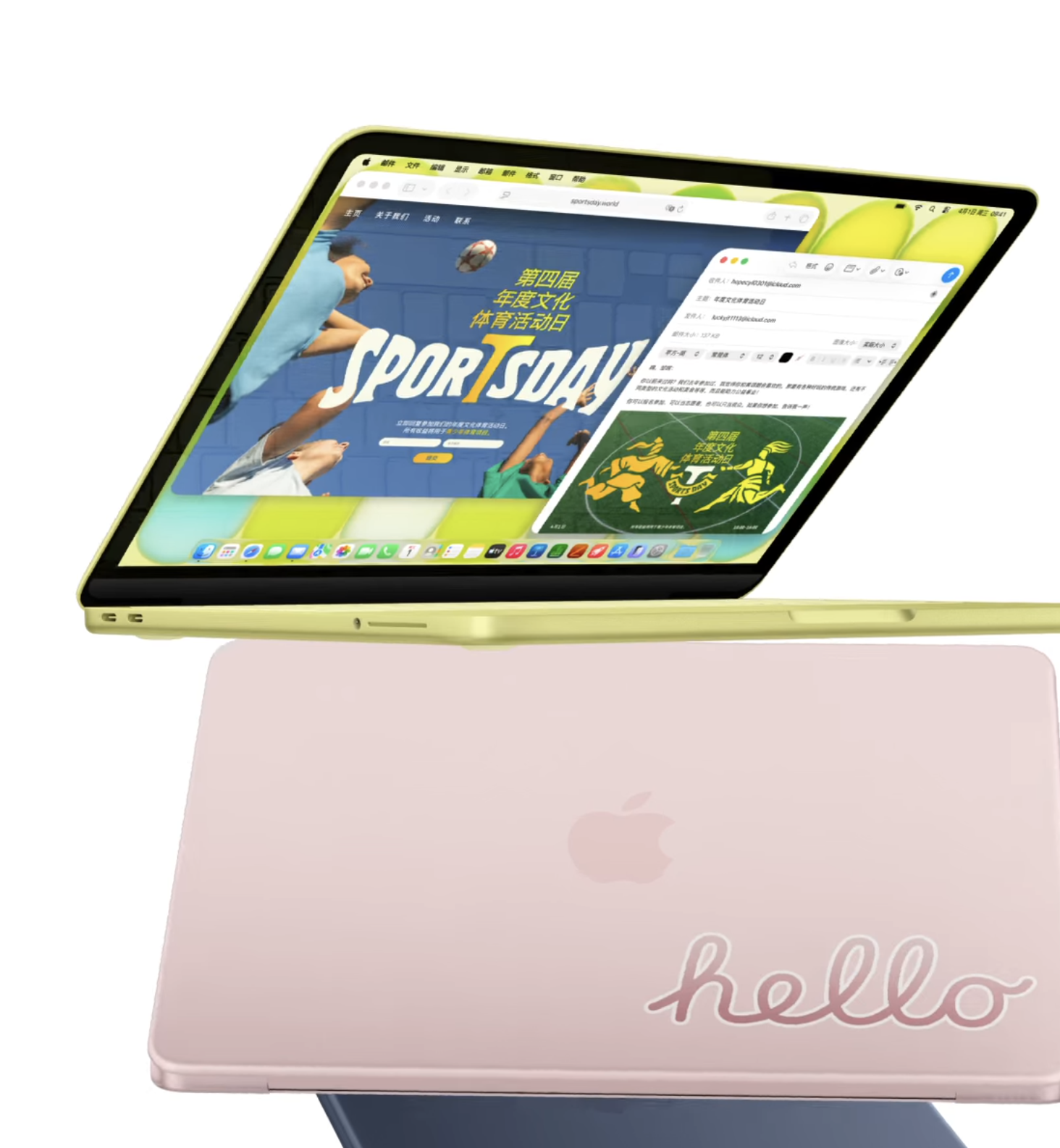
MacBook Neo, Image Source: Apple
Viewed in isolation, this might seem like just a minor adjustment to Apple’s product lineup: using a cheaper, more power-efficient chip to create an entry-level Mac. But looking a bit further reveals that things aren’t so simple.
Shortly after the MacBook Neo’s release, well-known leaker @DigitalChatStation revealed that Huawei’s MateBook Neo is also on the way, hinting that it might use the same Kirin 9030-series mobile SoC found in the Huawei Mate 80.
On the other hand, during the opening keynote of last year’s Snapdragon Summit, Google announced that it is advancing the Android for PC project. Qualcomm CEO Cristiano Amon also mentioned 'Android PCs,' with plans to launch them this year. From the current signs, Google’s Android PCs will likely use Qualcomm’s flagship mobile SoCs rather than its own Tensor chips or Snapdragon X PC chips.
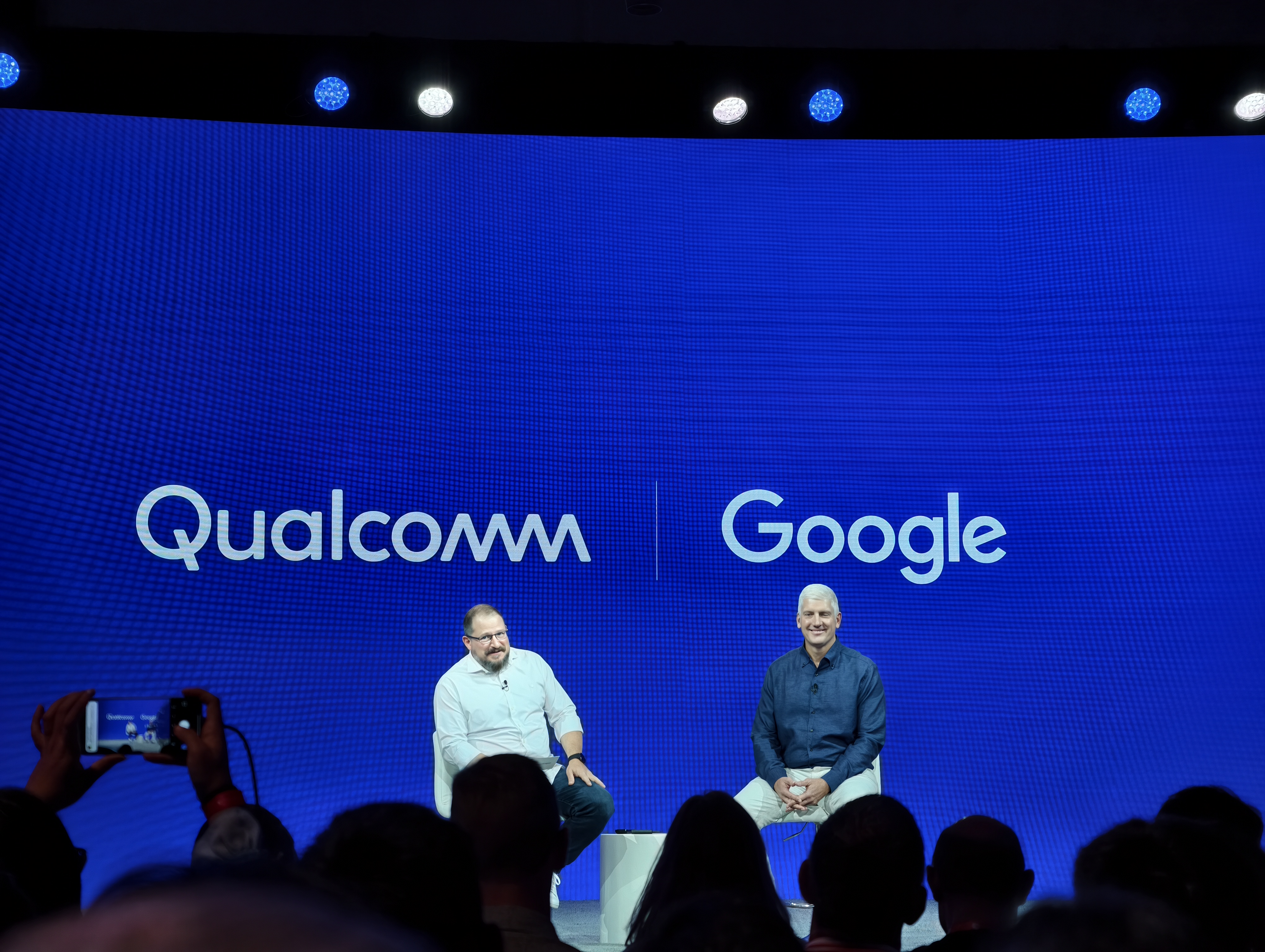
2025 Snapdragon Summit, Image Source: Leitech
It seems PCs are entering an era driven by mobile SoCs.
What’s even more interesting is that the companies driving this change share a common trait: they all make chips, operating systems, and end-user devices. This is true for Apple, Huawei, and to some extent, Google.
Why are PCs starting to use mobile chips?
At first glance, the MacBook Neo seems like a 'downgrade.'
Not to mention the downgrades in many core and peripheral configurations, to many, using a mobile chip in a computer intuitively suggests weaker performance and a lower positioning. Especially in the PC market, long dominated by Intel and AMD, mobile SoCs have always been seen as solutions for mobile devices only.
But a closer look at the technological evolution over the past decade reveals the opposite: mobile SoCs have grown capable enough to take on PC roles.
That’s actually a conservative statement. The performance improvement of mobile SoCs follows one of the most aggressive technical curves in the entire semiconductor industry. Take Apple, for example: from the A-series’ early performance nearing low-power PC processors to the A19 in the iPhone 17, its CPU single-core performance even topped the PassMark single-core rankings, surpassing many mobile and PC CPUs.
GPU capabilities are also rapidly approaching those of lightweight discrete graphics cards, with some flagship phones already attempting to run PC-level AAA games. Earlier, Leitech tested this with the RedMagic 9S Pro (Snapdragon 8 Gen 3), and Geekbench has conducted similar tests over the years.

Dark Souls Remastered, Image Source: Leitech
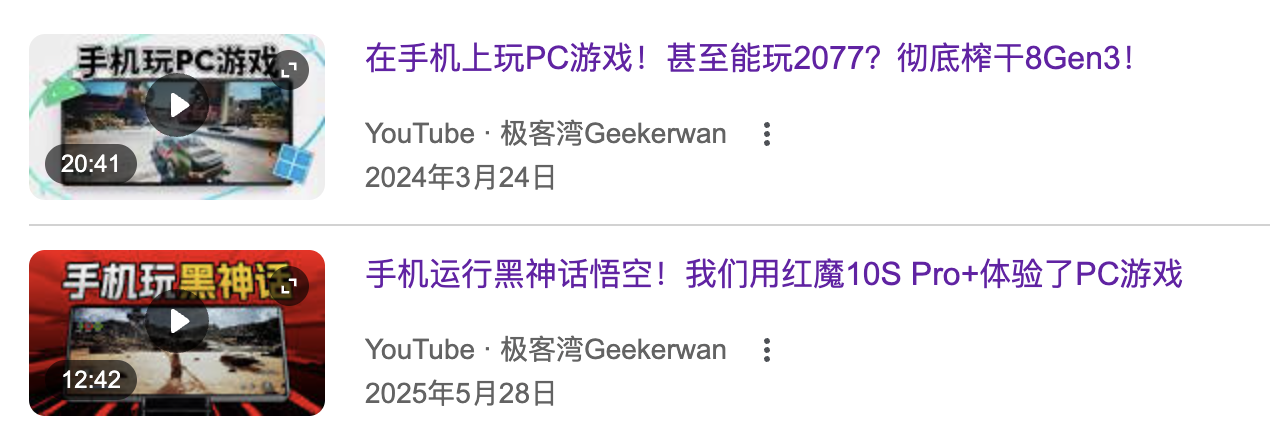
Image Source: Google
These tests all demonstrate the significant performance gains in mobile SoCs, which are now sufficient to support PC-level graphics demands. Furthermore, in the AI era, where NPUs are increasingly important, mobile and PC technologies are advancing in tandem.
Moreover, the MacBook Neo is an entry-level, lightweight laptop, for which flagship mobile SoCs are already more than adequate.
After all, the main tasks for most users on computers today are no longer compiling code or rendering 3D scenes but browsing the web, writing documents, attending video conferences, and handling simple creative tasks. The performance of mobile SoCs can fully cover these scenarios while offering a smaller size, more controllable costs, and far lower power consumption than traditional PC platforms.
However, the differences between 'Neo' PCs and traditional PCs go beyond just the chips themselves.
The technical structure of traditional PCs has long been dominated by the so-called Wintel alliance: Intel or AMD provides the processors, Microsoft supplies the Windows operating system, and PC manufacturers design the complete systems based on this foundation. This created a relatively loose division of labor between chips, systems, and end devices.
After introducing the M1 chip, Apple completely changed this dynamic by developing chips, operating systems, and PC terminals within the same technological ecosystem, including sharing CPU architectures between the A-series and M-series. This is why we see iPads running iPadOS (essentially iOS) powered by both A-series and M-series chips.
This is also why Apple could directly put an iPhone A-series chip into the MacBook Neo.
Without historical baggage, Huawei has taken an even more aggressive approach with its technological ecosystem, using HarmonyOS to cover phones, tablets, PCs, and other devices. Last year, it officially launched its first HarmonyOS PC with in-house chips and an operating system. If Huawei truly powers an entry-level MateBook Neo with the Kirin 9030 from the Mate 80, it wouldn’t be surprising at all.
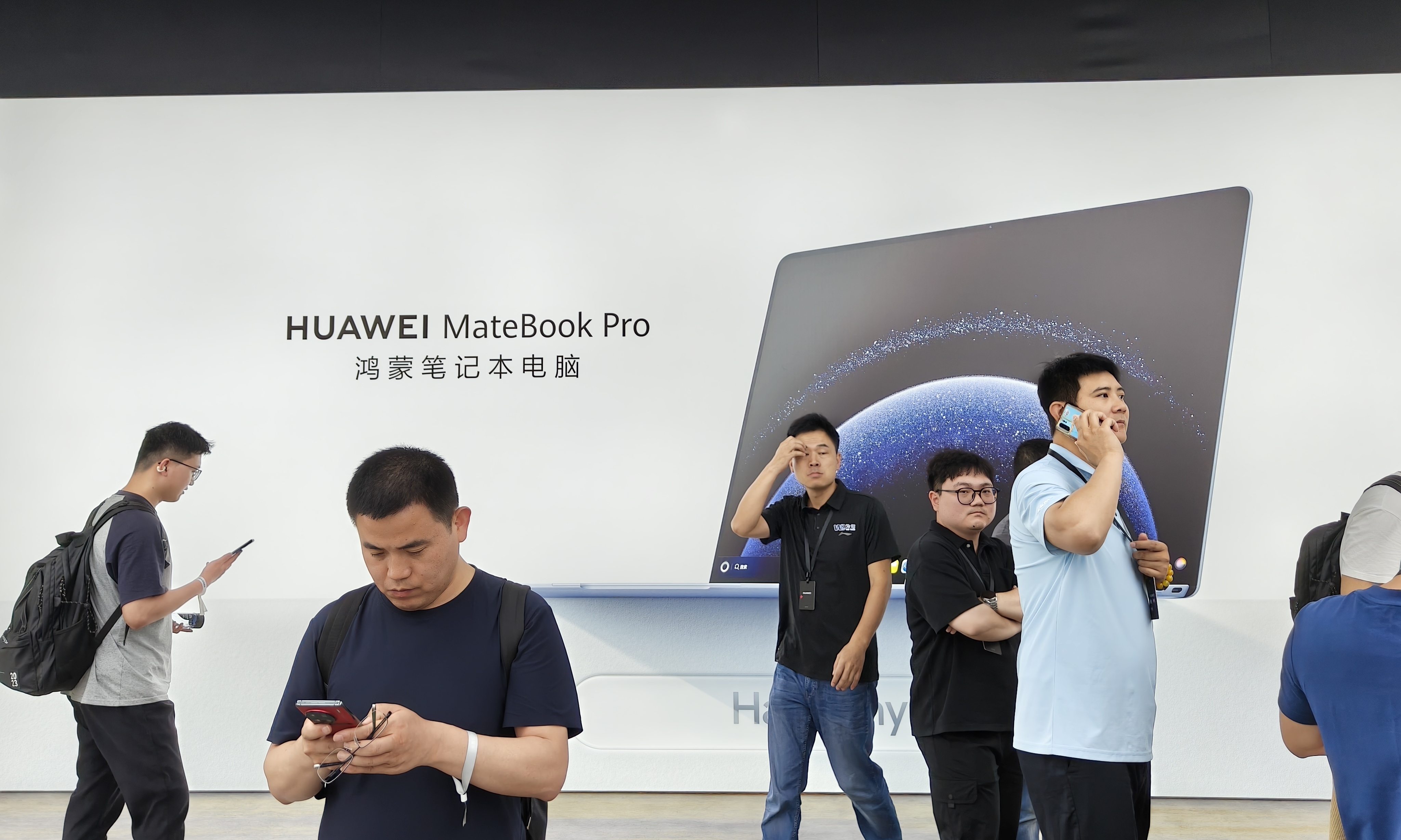
Image Source: Leitech
This deep integration between hardware and software is something the traditional Wintel model struggles to achieve.
In a sense, computers like the MacBook Neo aren’t just extensions of traditional PCs but rather expansions of mobile computing platforms. If this trend continues, the future PC ecosystem might take on a new form: more entry-level, lightweight laptops will gradually be built on mobile SoC platforms.
Of course, Android PCs could also become an option for more third-party PC manufacturers in this process.
Will 'Neo' PCs Be a Better Entry-Level Option?
From a technological evolution standpoint, the emergence of 'Neo' PCs seems logical. But for users, the key question is simpler: Will laptops powered by mobile SoCs actually be better?
The MacBook Neo at least provides a clear answer: in some ways, it certainly could be. The most obvious advantage is low power consumption.
Mobile SoCs have always been designed for mobile devices, with their core goal being energy efficiency rather than absolute performance—providing the highest possible performance at the lowest possible power consumption. This aligns perfectly with the core needs of lightweight laptops.
In recent years, many lightweight laptops have focused on one goal: longer battery life, lower heat generation, and thinner, lighter designs. Apple already demonstrated this path once with its M-series chips, and the MacBook Neo simply extends this logic further into the entry-level market.
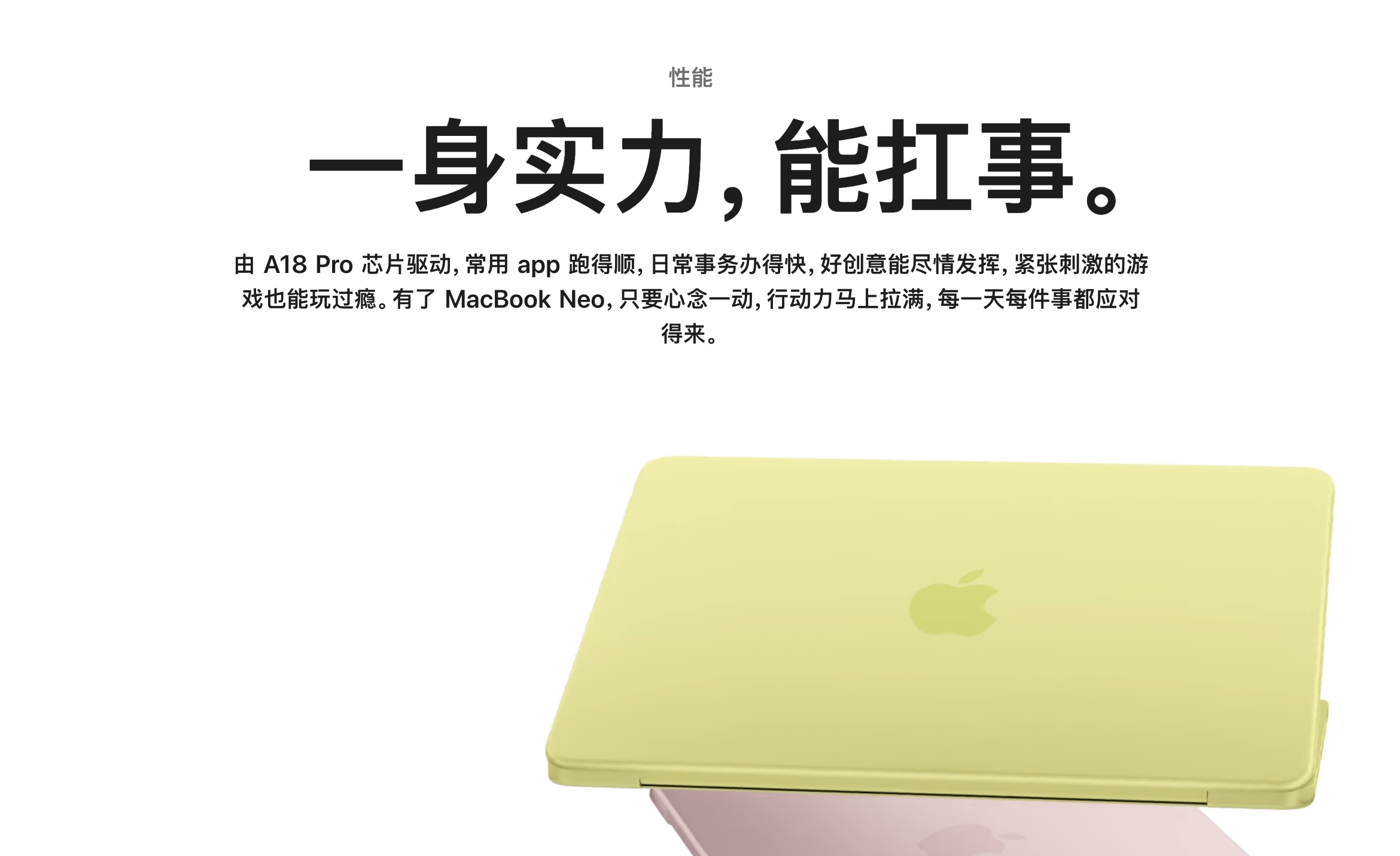
Image Source: Apple
If more products like this emerge, future entry-level laptops might increasingly resemble 'always-ready mobile devices'—no fans needed, almost no noticeable heat generation, and batteries that easily last all day.
For many average users, this experience is actually more important than extra performance.
The second change might be in pricing. The cost structure of traditional PC platforms is relatively complex, with processors, chipsets, various controllers, and peripheral circuits forming a complete system. The high integration of mobile SoCs means whole-system designs can be simpler and costs easier to control.
The pricing of the MacBook Neo itself is a signal: Apple has, for the first time, brought the starting price of a MacBook down to a significantly lower range. With national subsidies and educational discounts, the final price can even drop as low as 3,310 yuan. If Huawei’s MateBook Neo and Android PCs adopt similar strategies by bringing mobile SoCs to PCs, these products could also drive down the price range for lightweight laptops.
For consumers, this means a new possibility: at the same price point, they could buy a computer with a better experience.
Of course, these 'Neo' PCs aren’t without issues. The most obvious limitation remains the software ecosystem and application formats. While ARM platforms have made significant progress on PCs, many traditional PC software programs are still developed for the x86 architecture. Apple has largely solved this through ecosystem integration, Huawei’s HarmonyOS is rapidly improving, and Google’s Android PCs remain to be validated over time.
For more professional use cases—such as large-scale development projects, complex content creation, or high-end gaming—traditional PC platforms still hold clear advantages. Even with rapid performance improvements, mobile SoCs are unlikely to fully replace high-performance PCs anytime soon.
But this doesn’t mean 'Neo' PCs have limited value. From a user perspective, these devices are more like opening up a new product line within the PC market, offering a different kind of choice. If traditional PCs are more like performance-first computing devices, then 'Neo' PCs are closer to computers centered around mobile experiences:
Quieter, more power-efficient, lighter, while still providing sufficient performance for most daily scenarios.
Final Thoughts
The significance of the MacBook Neo might not lie in it being a cheaper Mac but in demonstrating a new possibility: when mobile SoC performance can cover most daily computing needs, the PC computing platform itself is no longer the only option.
For entry-level lightweight laptops, mobile SoCs might become a more reasonable choice.
If Apple, Huawei, and future Android PCs continue down this path, the PC market could gradually develop two parallel forms: one continuing to pursue performance limits (traditional PCs), and the other centered around mobile computing platforms, emphasizing energy efficiency and mobile experiences ('Neo' PCs). For users, this might mean better choices.
Apple, Huawei, Google, Qualcomm
Source: Leitech
Images in this article come from: 123RF Royalty-Free Image Library
-
![]()
Hardware is the skeleton, AI is the soul, and data integrates the two
-
![]()
China’s AI Industry: A Unified Pivot Towards Monetization?
-
![]()
New Progress! Infineon Completes Acquisition of ams OSRAM's Non-Optical Sensor Business
-
![]()
35 Million Bet on an Optical Future! Tengjing Technology Makes a Move in AR
-
![]()
Why World Models Get Stuck on Construction Roads in Autonomous Driving Applications
-
Alibaba Initiates Cultural Transformation: Is Jack Ma Making a Strategic Comeback?
-
Tianfeng Heads to Hong Kong for IPO with RMB 3.8 Billion in Funds: Xingyu's Cross-Border Foray into Embodied AI Faces Uncertain Future
-
![]()
Mengshi Auto’s High-End Aspirations Dashed: Huawei Partnership Fails to Revive Sales, New Model’s Entry Price Dips Below 300,000 Yuan