Who Can Challenge BYD's Megawatt Flash Charging?
 03/10 2026
 658
658
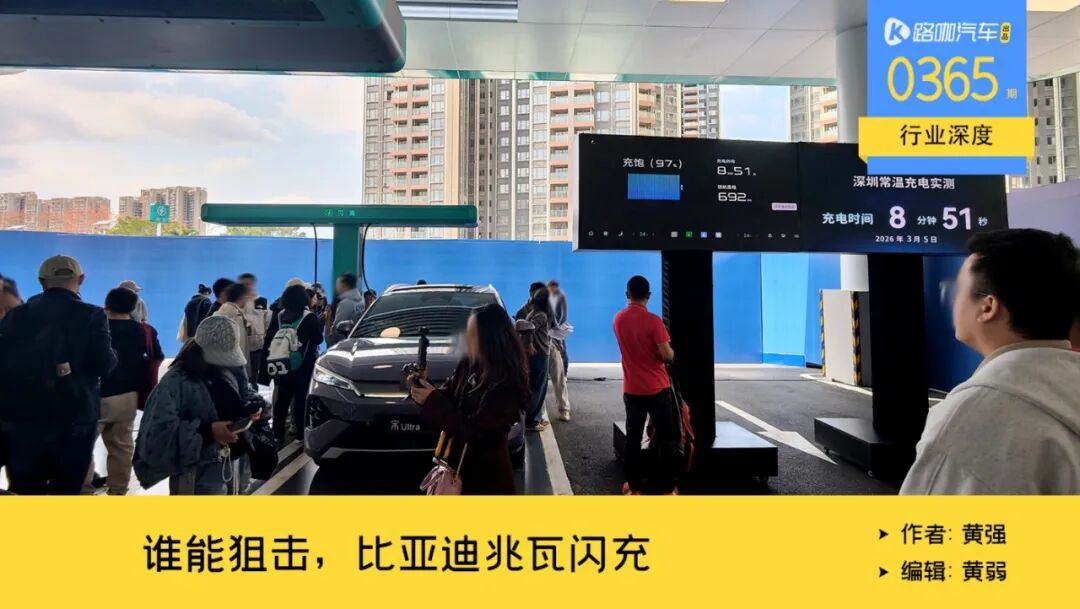
Every 3-5 years marks a cycle, but this time, the frontrunners are no longer the upstarts.
Some have noted that BYD hyped 'disruptive technology' ahead of its launch event. While the charging network is still in its early stages, public sentiment already suggests a paradigm shift. This momentum represents a baptism of fire for 'newcomers' from established players.
To date, the launch of the second-generation Blade Battery and Megawatt Flash Charging has sparked head-to-head comparisons with two upstarts. First, Li Auto owners tested Megawatt Flash Charging against Li Auto's 5C ultra-fast charging. Second, inevitable comparisons emerged between ultra-fast charging and NIO's battery swap system.

In reality, this energy replenishment battle runs far deeper. Consider Geely's layout (strategic layout translates as 'strategic layout ' but contextually means 'strategic deployment')—it has built 2,013 charging stations and deployed 10,000 charging piles across 215 cities nationwide.
This evokes memories of the automotive discourse five years ago, when upstarts first fired shots in the energy replenishment network war.
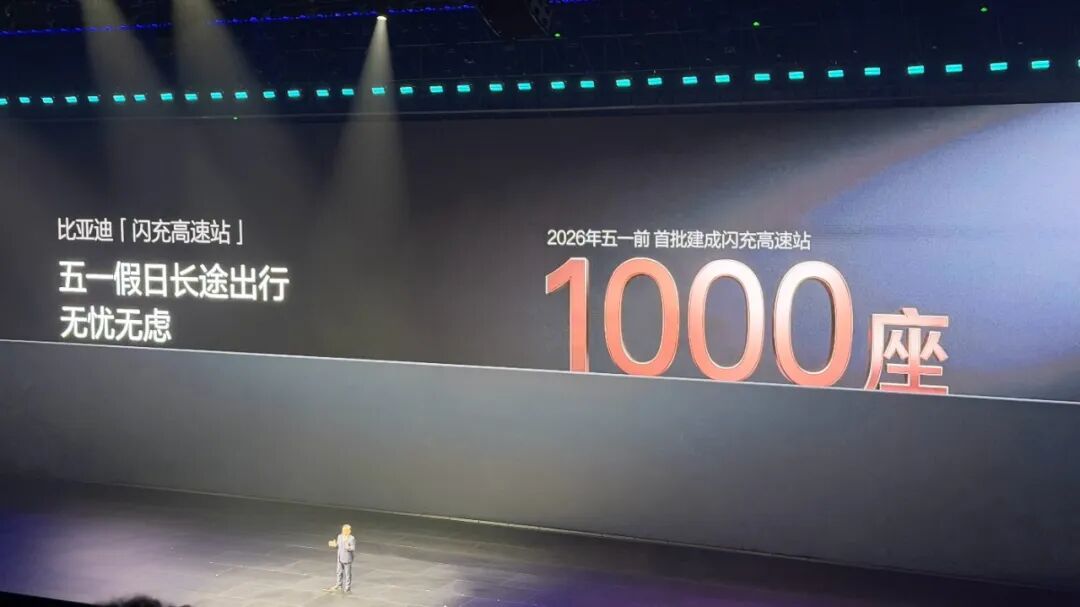
The focus must return to BYD. The first critical juncture is its promise to build 1,000 expressway flash-charging stations by May 2026. That's when the real test begins. The key question looming for consumers: Who will break through in this energy replenishment network war? Who can challenge BYD—or be challenged by it?
Civilian Tests Can't Resolve Technical Superiority Debates
Faced with new technology, outsiders attempt to gauge Megawatt Flash Charging's capabilities, prospects, and attention through self-initiated tests.
Recently, Guangdong's Megawatt Flash Charging stations have undergone frequent testing. Results show an Ideal i6 charging from 14%-100% in 25 minutes, while another Ideal i6 owner reported 17%-100% charging in 31 minutes.
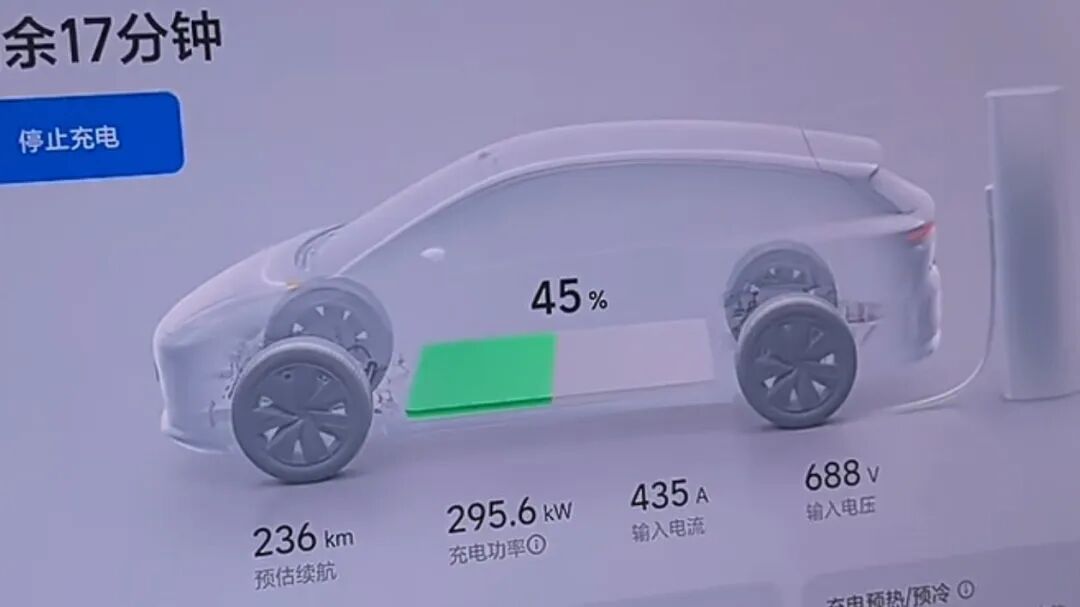
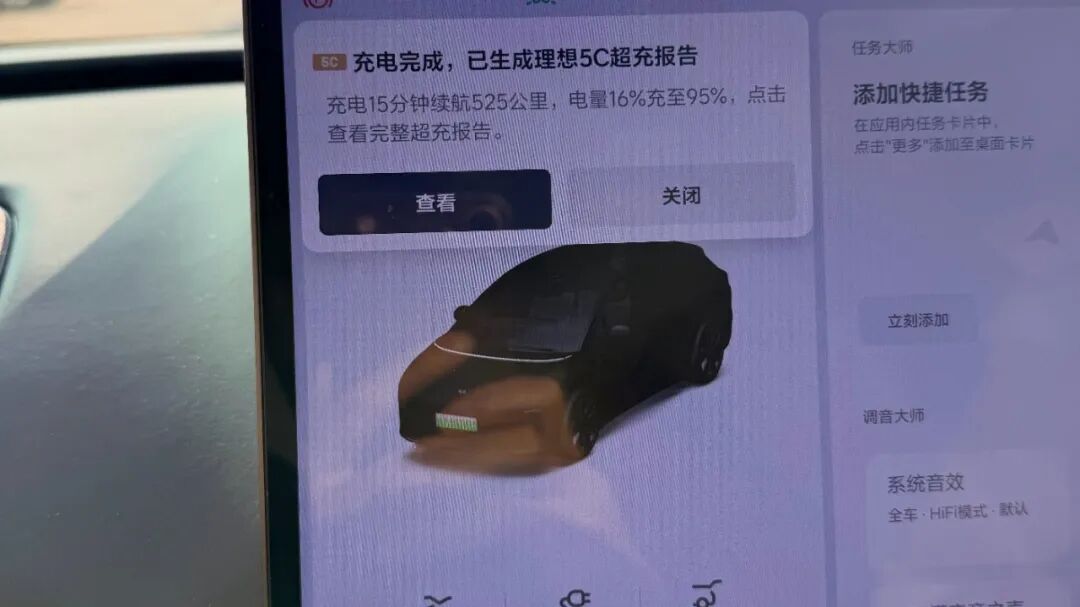
These results sparked controversy online because the charging speeds fall between Li Auto's proprietary 4C and 5C charging piles. Li Auto's 4C pile charges ~500km in 15 minutes, while its 5C pile achieves ~500km in 10 minutes.
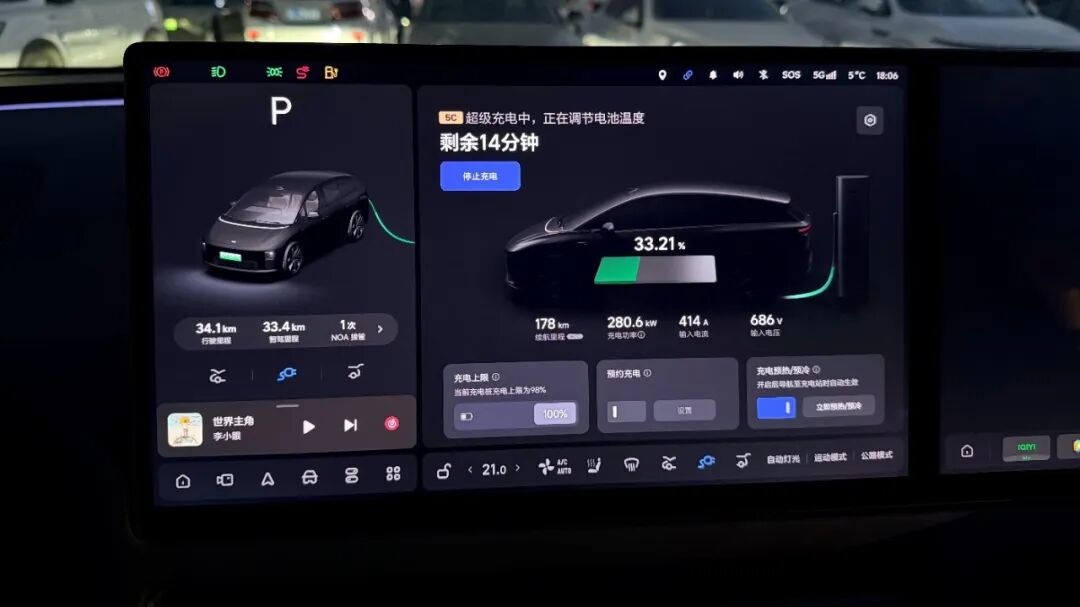
However, these tests suffer from significant methodological flaws. Both set the charging ceiling at 100%, which is rare in real-world EV charging (typically capped at ~95%). For example, Li Auto's ultra-fast piles cite ~15 minutes for 10%-95% charging.
BYD follows a similar pattern: 10%-70% in ~5 minutes, 10%-97% in ~9 minutes.
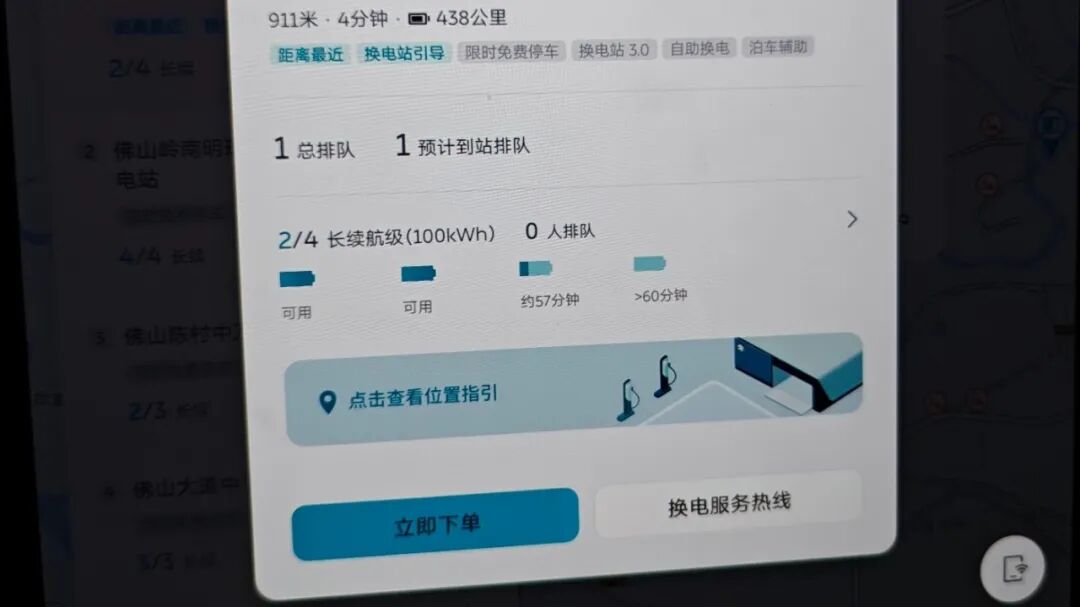
Even NIO's battery swap leaves cells at 93% capacity post-swap.
The issue with civilian tests is that they provide misleading data. Standardizing the upper limit to 97% would reveal the true performance gap between third-party models and second-generation Blade Battery vehicles.
What's clear is that BYD's Megawatt Flash Charging performs well. Ideal i6 users provide a large sample size: On common 120kW third-party piles, it charges 10%-80% in ~40 minutes; on 800V third-party piles, 5%-88% takes ~19 minutes.
Comparing battery swaps to flash charging holds little practical value. Notably, NIO's battery swap system has repeatedly proven its competitive moat. Whenever new technologies emerge—Zeekr's ultra-fast charging, Li Auto's 4C/5C piles, Huawei's liquid-cooled ultra-fast charging, or CATL's battery swaps—NIO's system faces comparisons. Now, BYD's Megawatt Flash Charging joins the list.
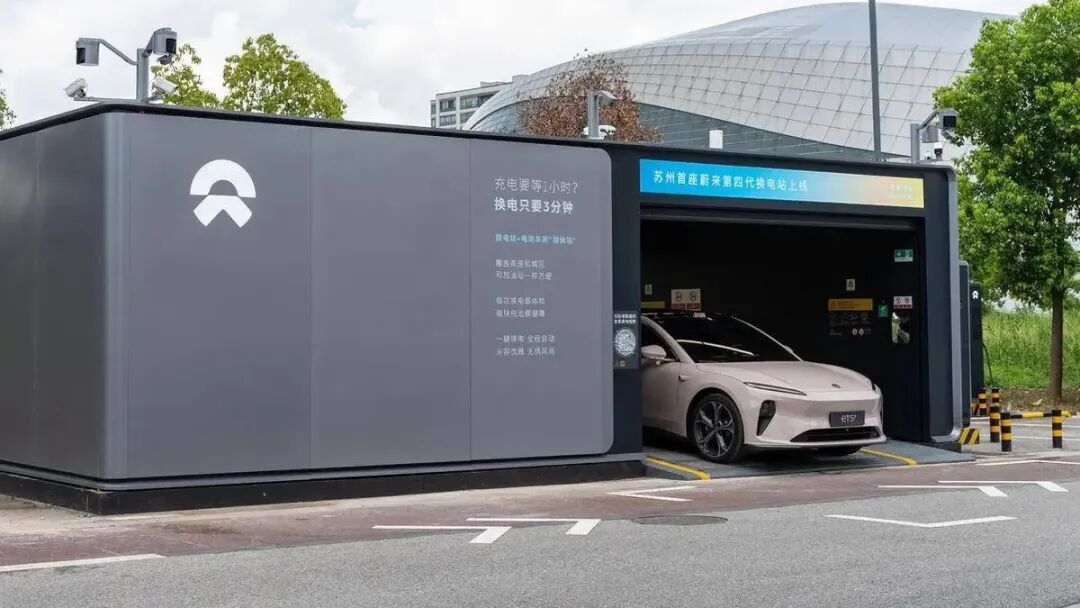
When all new technologies draw comparisons to one existing solution, it proves that solution's strength. Flash charging vs. battery swaps lacks meaningful context because usage scenarios differ. NIO's battery swaps operate via dedicated lanes with staff supervision during peak hours, avoiding congestion.

Megawatt Flash Charging, however, is open to all. The experience gap between owners of new BYD batteries, older models, and other brands is stark.
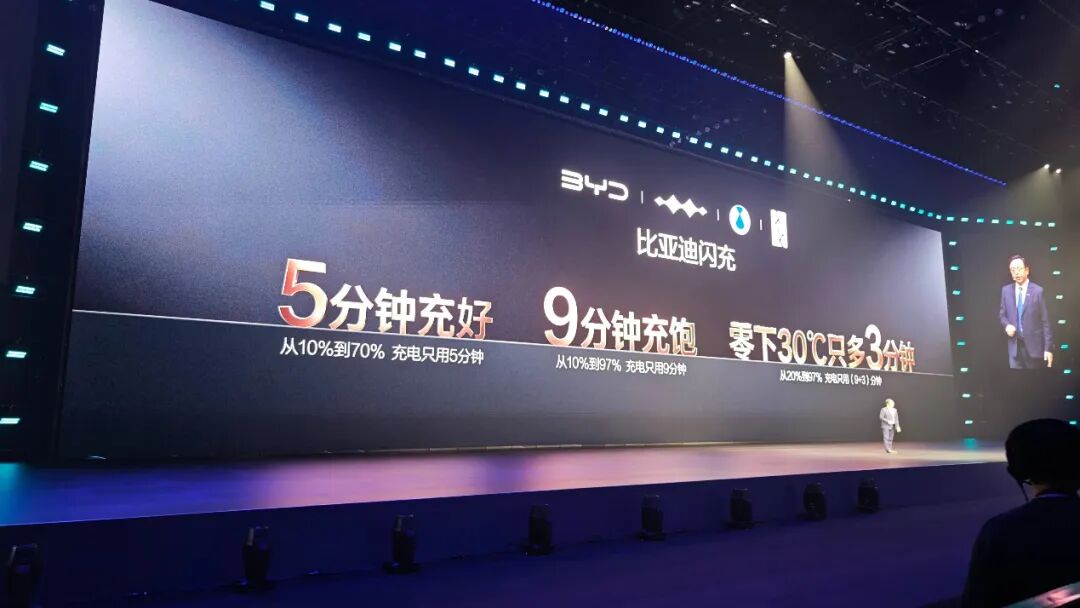
Current tech specs show BYD's edge: 10%-70% in 5 minutes, 10%-97% in 9 minutes, and ultra-fast charging at -30°C (10%-97% in 12 minutes). These are unmatched in the market, especially for lithium iron phosphate batteries.
Two Clear Paths to Challenge Megawatt Flash Charging
"What's the point if they're all built at 4S stores?"
This common critique of Megawatt Flash Charging lacks merit. First, the launch event occurred less than a week ago—rapid deployment of numerous ultra-fast stations already demonstrates impressive infrastructure capabilities.

Second, building near 4S stores makes logical sense. New tech debuts alongside new cars; initial stations must let buyers experience the technology firsthand, necessitating proximity to strong sales outlets.
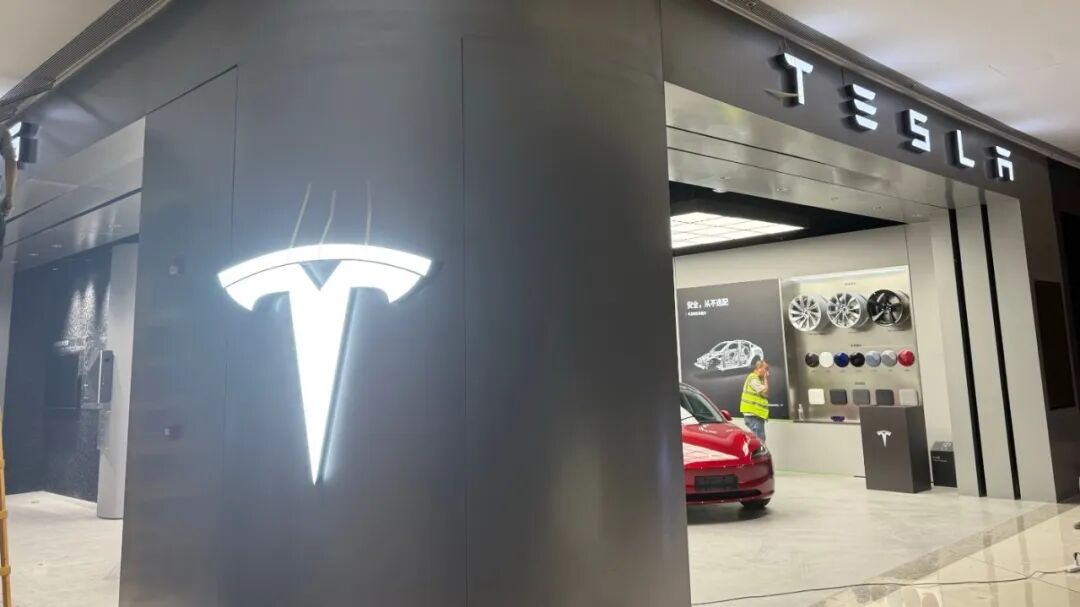
This mirrors Tesla's, XPeng's, and NIO's strategies five years ago, as well as Li Auto's and Mercedes-Benz/BMW's recent ultra-fast charging rollouts.
BYD's Megawatt Flash Charging faces three substantive challenges: capital allocation, station scalability, and post-validation battery longevity.
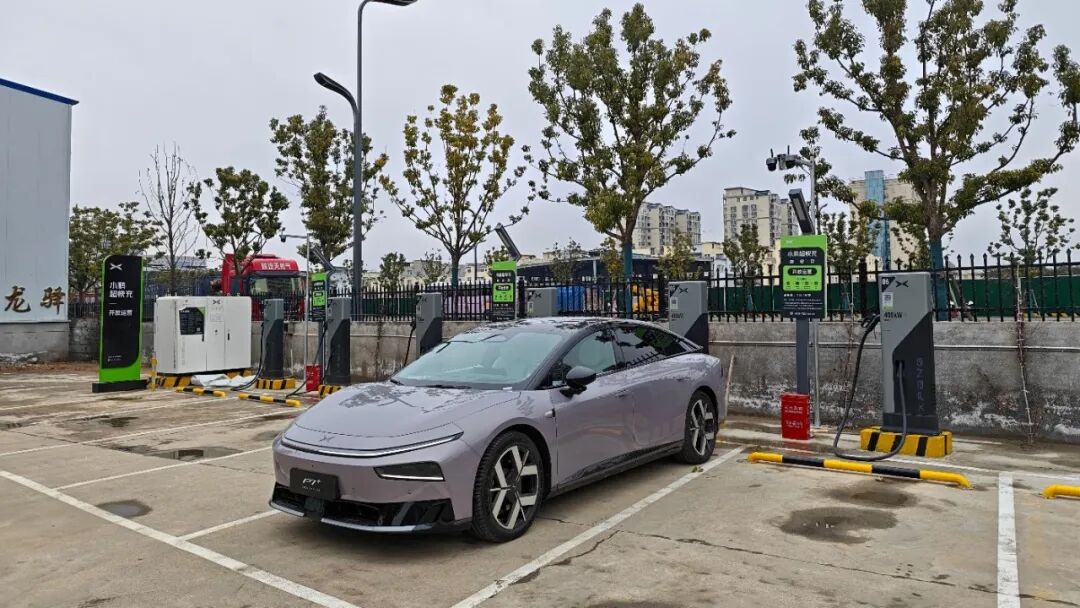
Capital needs can be estimated using Tesla's, XPeng's, Li Auto's, and Zeekr's deployment costs:
Tesla: ~1,800 proprietary ultra-fast stations at RMB 1.2-2 million each;
XPeng: >2,700 stations at RMB 0.8-1.3 million each;
Li Auto: >4,000 stations at RMB 1-1.2 million each;
Zeekr: >1,200 stations at RMB 1.1-1.6 million each.
These figures exclude long-term costs like 3–5-year rent, operations, and digital systems.
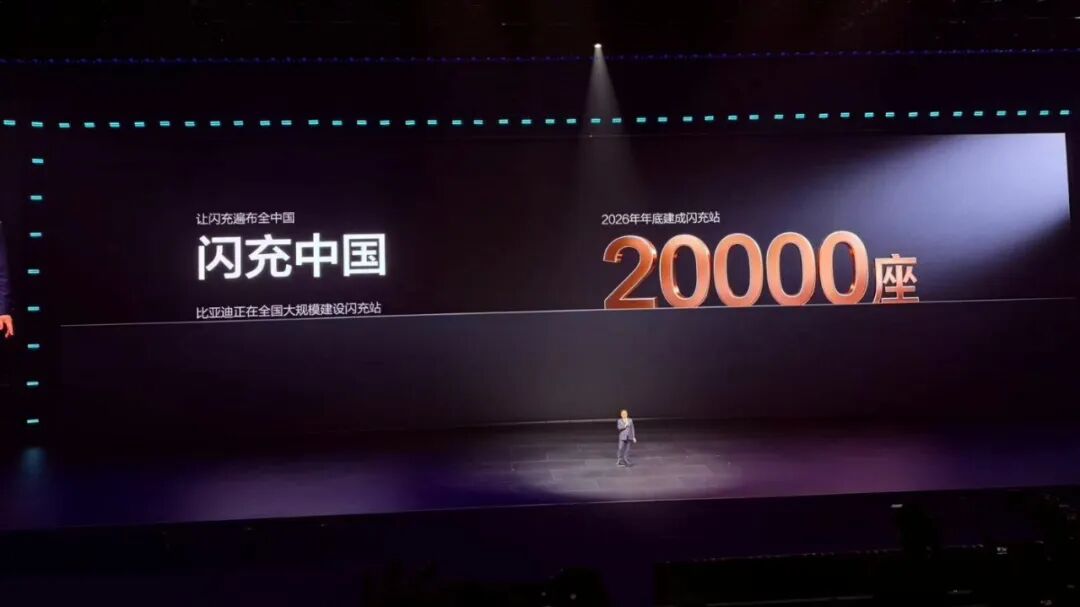
BYD aims to build 20,000 ultra-fast stations by 2026 (18,000 urban, 2,000 highway). Its urban plan involves partnering with operators to retrofit existing stations with megawatt piles, significantly reducing costs compared to standalone stations. However, highway service area costs remain high.
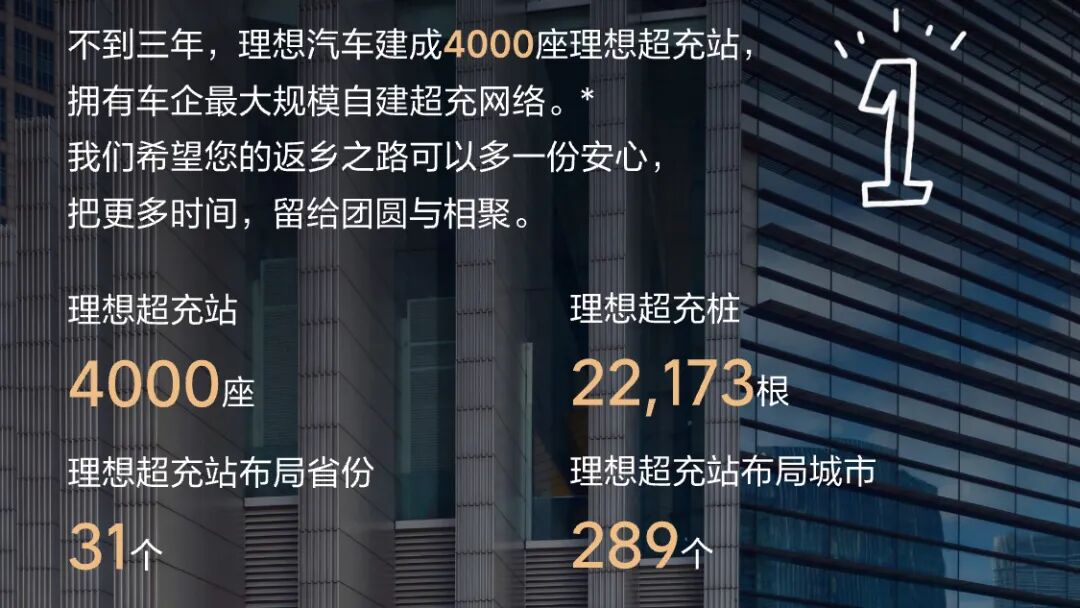
The aforementioned companies have spent at least RMB 2 billion each on ultra-fast stations. BYD's 20,000-station target exceeds their combined total, making its cost implications critical to watch.
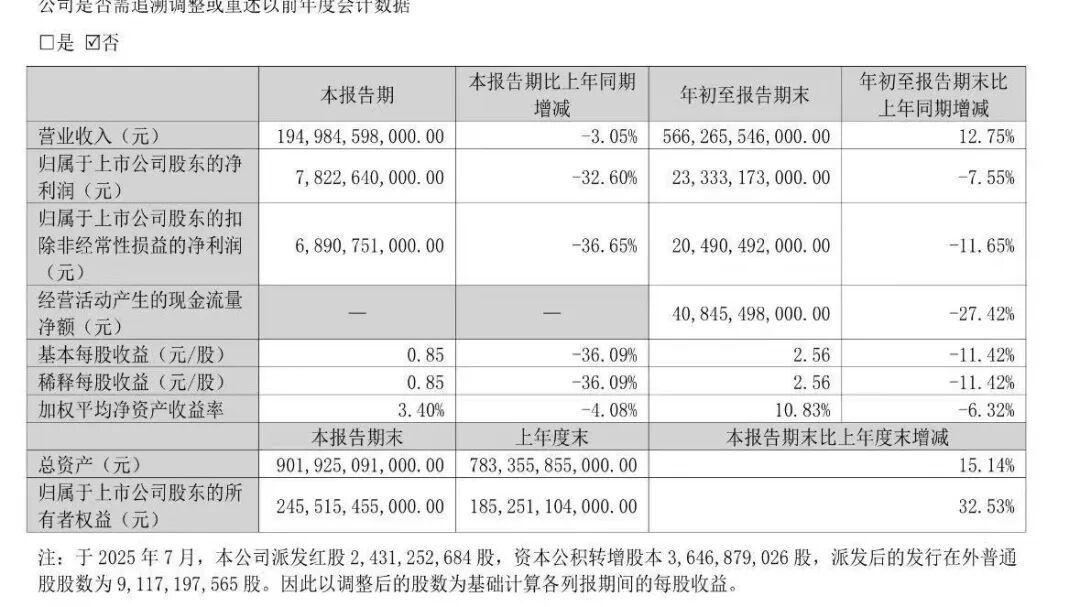
For reference, BYD reported RMB 23.33 billion in net profit for Q1–Q3 2025. Allocating a quarter's profit to Megawatt Flash Charging deployment could trigger capital market reevaluation (impacting stock price) and raise questions about commercial viability.
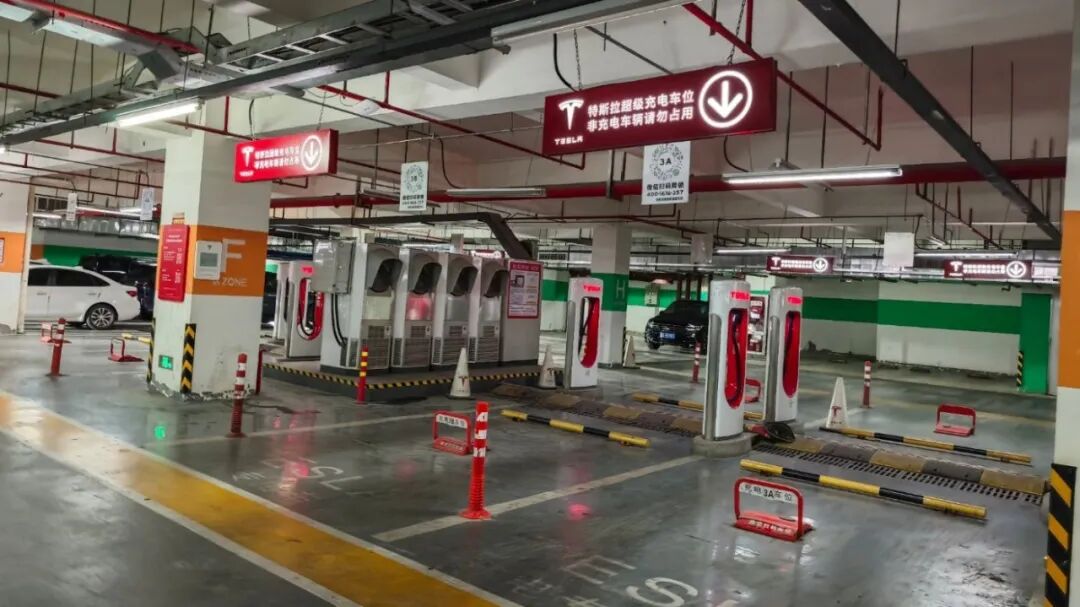
Achieving commercial closure remains challenging. To date, only Tesla and NIO focus solely on BEVs in China's NEV market. Tesla reduced its 2025 ultra-fast pile target to 2,000 (from 2,500 previously). XPeng aims for 4,000 in 2025 (down from 4,500 in 2024), while Zeekr targets 1,500 (also down from 2024).
Trends show companies prioritize sales and market share stability, optimizing input-output ratios.
Beyond capital, scalability poses a challenge. BYD's vehicle parc and projected growth dwarf those of upstarts. Successful tech rollout hinges on adequate coverage to ensure positive owner experiences.
Tesla's China parc stands at ~2.78 million vehicles, with single-pile daily usage of 8–10 times (70–90% utilization in core areas).
Li Auto, new to BEVs, has >50,000 vehicles, with single-pile daily usage exceeding 20 times (peaking at >60 times).
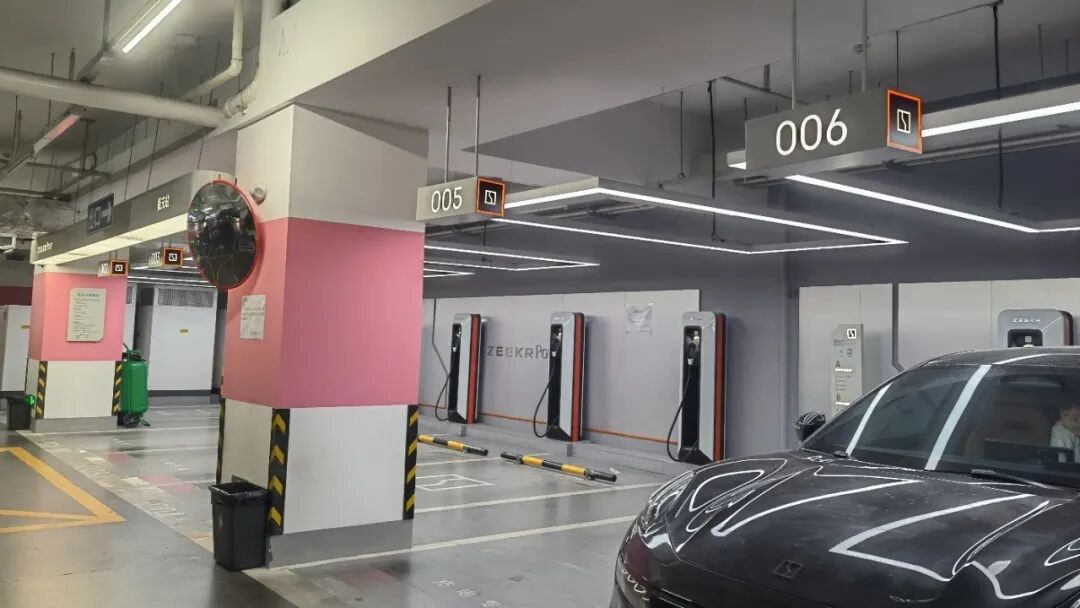
Zeekr's single-pile daily usage exceeds 35 times, nearing capacity at peaks.
BYD's sales volumes speak for themselves. Once full deployment begins, annual new vehicle additions could reach millions.
Finally, there is the challenge of battery lifespan. At the megawatt flash charging launch event, Wang Chuanfu announced a technological breakthrough, with many adjustments made to temperature control and battery materials. As a result, the second-generation Blade Battery has a longer lifespan than the first generation.
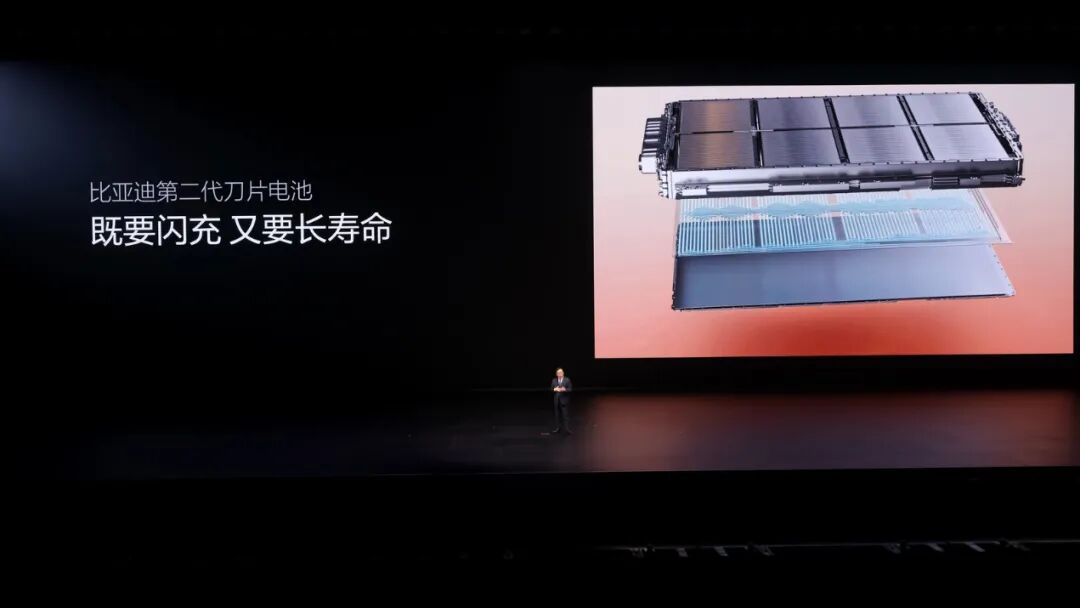
Meanwhile, the warranty policy has also been upgraded, offering free replacement if the battery capacity drops below 77.5% and a lifetime warranty for the battery cells. This move is aimed at boosting user confidence, but the next focus will undoubtedly be on this aspect.
Over the past five years, the issue that ultra-fast charging stations have been facing is that inputting a larger amount of electricity in a shorter time generates a significant amount of heat, which can impact the materials and physical structure.
In Conclusion
Who can challenge and compete with BYD's megawatt flash charging and second-generation Blade Battery? The answer does not lie outside.
The scale and magnitude of BYD are unprecedented in the development of the Chinese automotive market. Its reserves of three-electric technologies (battery, electric motor, and electronic control) are also unique on a global scale.
The charging speed it currently offers is undeniable. The next challenge lies in the details of BYD's own advancement.
As for the comparison with NIO's battery swap, it is not very meaningful as the logics behind the two are quite different. However, the impact of megawatt flash charging on other self-operated ultra-fast charging stations and third-party charging is significant.
Many people have not yet seen BYD's next killer move, which actually lies in the capabilities of its new batteries and DM6.0 plug-in hybrids. This will be the next leap forward.
-
![]()
The Unstoppable Rise of 'Optical Progress and Copper Decline': Sunny Optical’s Strategic Vision for the Next Decade
-
![]()
AI + Going Global in the Second Half: No Intermission for Robot Vacuum Cleaners
-
![]()
The Suffering Endured in E-commerce, Walmart Doesn't Want to Repeat in AI
-
![]()
What Does the Doubling of New Energy Vehicle Exports Mean?
-
![]()
Ghosn: 'Only I Can Save Nissan'
-
![]()
Volkswagen Lays Off 100,000 Employees, The Elephant Sits Down
-
![]()
Expanding Production Capacity! Yutong Optics Acquires Approximately 1.5 Hectares of Industrial Land in Chang'an, Dongguan
-
![]()
Why Is Nokia Making a Comeback in the AI Era?