vivo X300 Ultra First Launch Review: Telephoto Stabilization Shines, but Algorithms Still Overstep
 03/31 2026
 461
461
Great strengths, but notable weaknesses too.
This year's first ultra-premium imaging flagship has finally arrived.
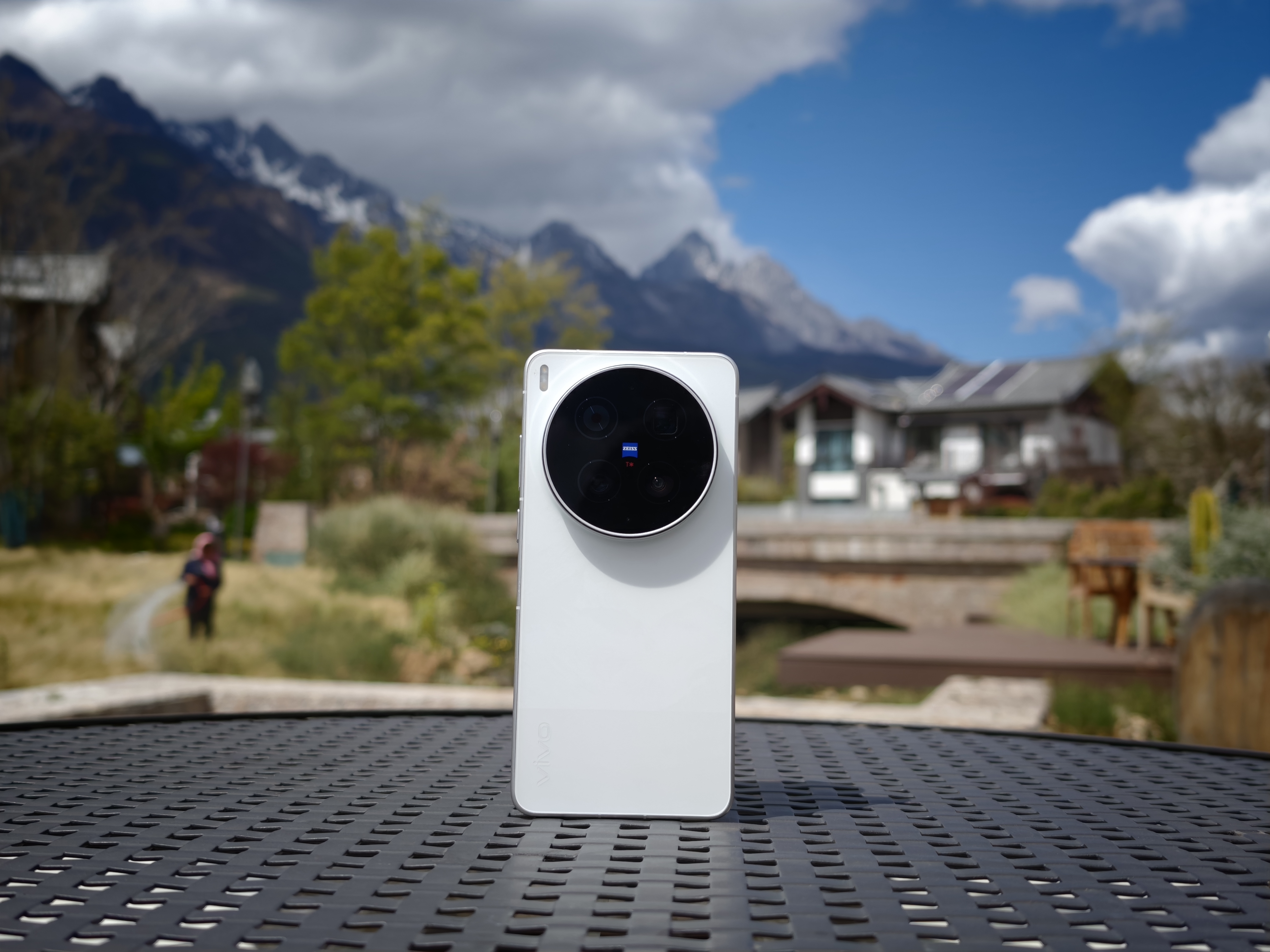
(Image Source: Leitech Photography)
Before getting my hands on the vivo X300 Ultra, I had high expectations. After all, every generation of vivo Ultra emphasizes "ultimate performance," with several features leaving a lasting impression.
So, how does the newly released vivo X300 Ultra perform? Let me break it down.
Thicker, More Protruding, but Also Stronger?
To be honest, my first impression of the vivo X300 Ultra wasn't great. Its camera module protrudes more than any other on the market—bar none. Compared to competitors like the 17 Ultra and X8 Ultra, vivo's design sticks out noticeably, making it uncomfortable to hold in any position due to the camera module digging into my hand.
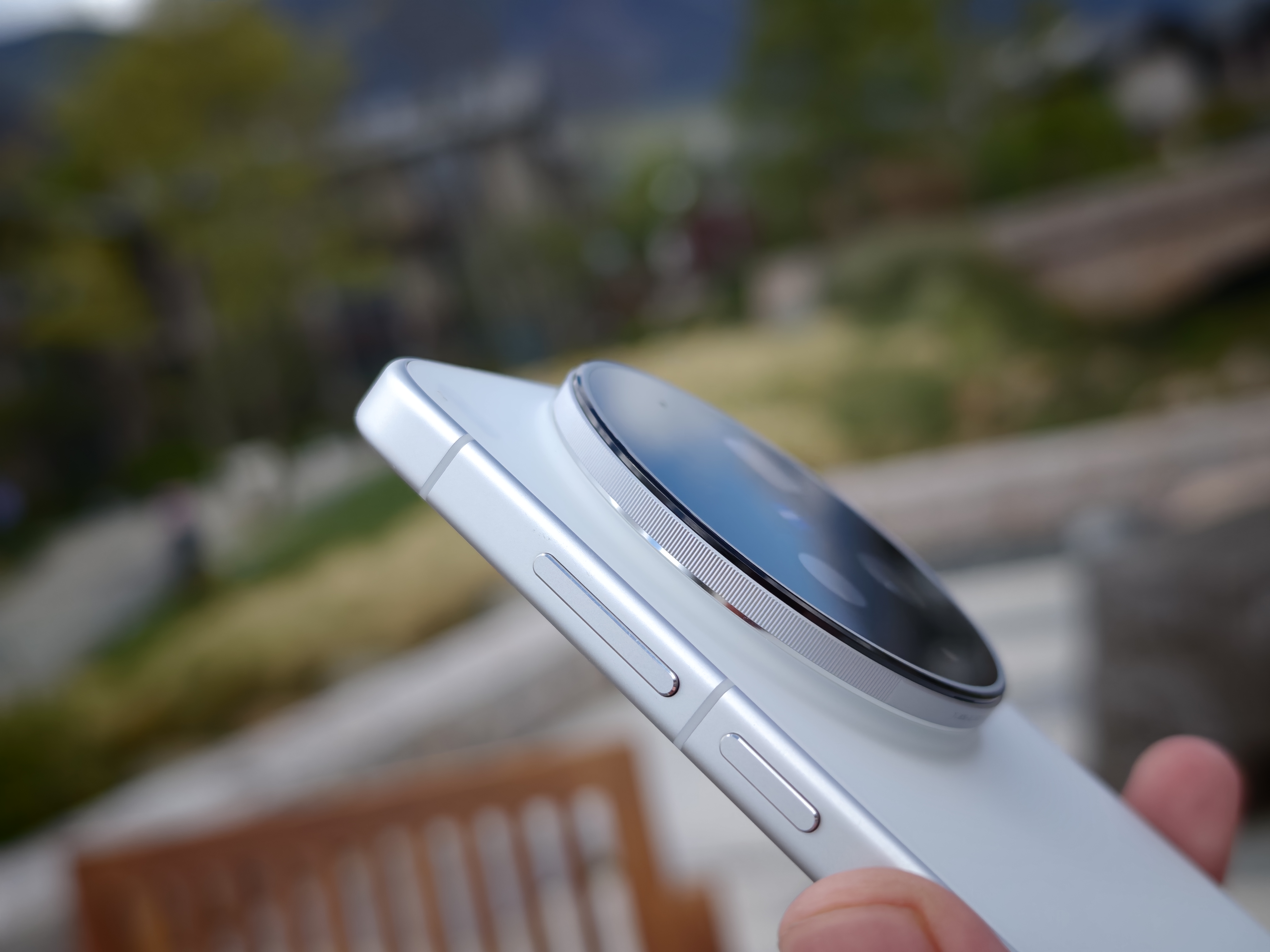
(Image Source: Leitech Photography)
From another perspective, though, for an imaging flagship, a more exaggerated camera module often indicates better performance. At least hardware-wise, the vivo X300 Ultra justifies its bold design: a 1/1.12-inch LYTIA-901 Sony 200MP primary camera (35mm), a 1/1.4-inch Samsung HP0 200MP telephoto lens (85mm), a 1/1.28-inch LYTIA-818 Sony 50MP ultra-wide lens (14mm), and a dedicated color-accurate sensor.
Considering each sensor is exclusively customized by vivo and its partners, with such impressive specs, mobile imaging enthusiasts might overlook its thickness and protrusion.
The screen is a 2K-resolution Zeiss Master Color display. In an era where 1.5K is the norm, we won't debate its effectiveness yet, but the name alone sounds "superior." Its main advantages are peak brightness and eye protection. Even under direct sunlight, I could still vaguely see the composition guidelines instead of just a dark screen.
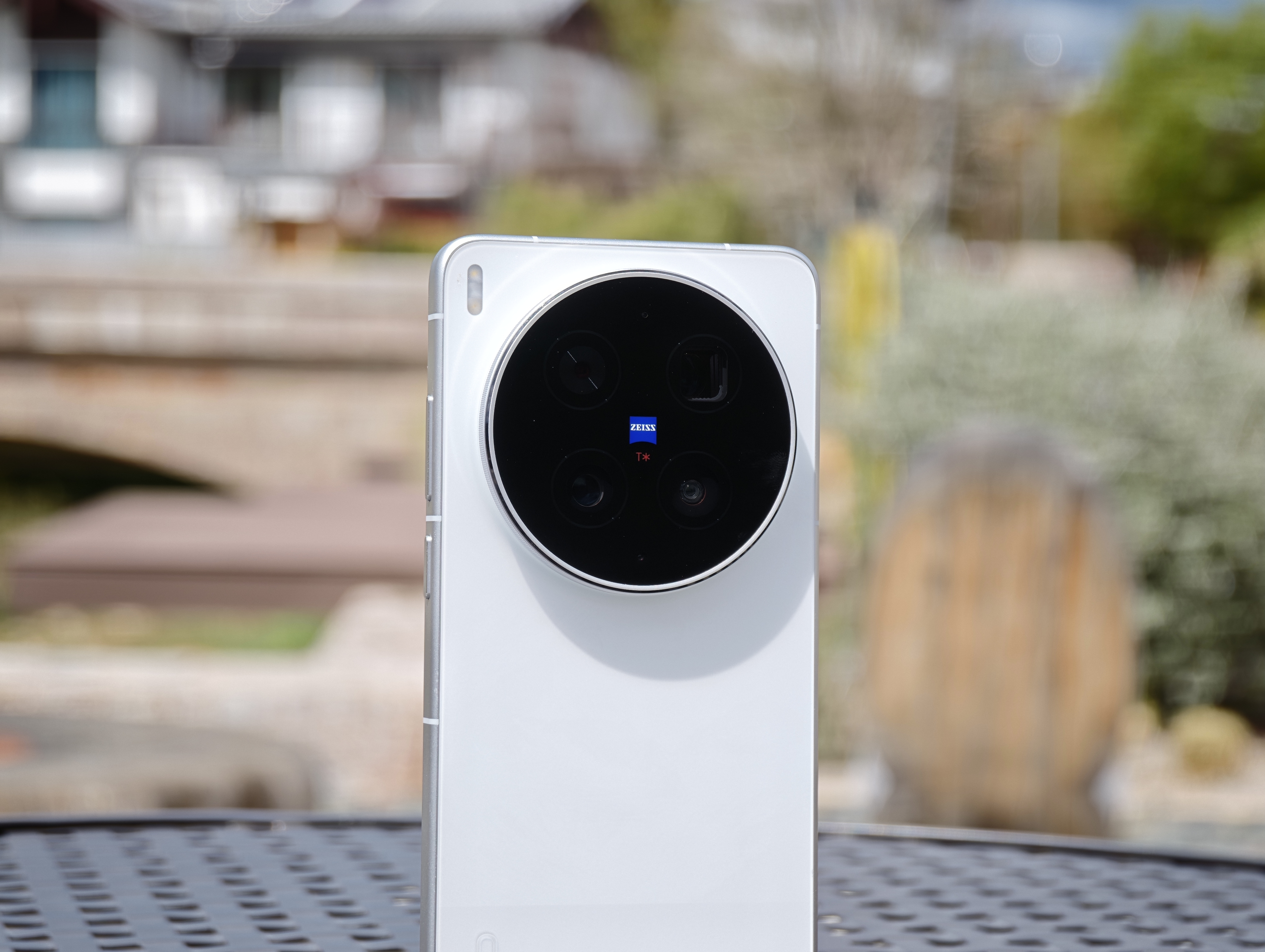
(Image Source: Leitech Photography)
As for handling and design, it's basically on par with the vivo X200 Ultra—in two words: thick and heavy. But again, if you're a fan of ultra-premium flagships, these aspects are negligible.
2nd-Gen 35mm Primary + 5th-Gen 200MP Telephoto: Hype or Genuine Strength?
When reviewing the vivo X200 Ultra, I noted the 35mm focal length's versatility for landscapes, portraits, street photography, and close-ups. It aligns better with photographers' habits, used more frequently than 23/24mm as a primary lens.
Especially for portraits, 35mm helps eliminate distracting backgrounds, focusing attention on the subject.
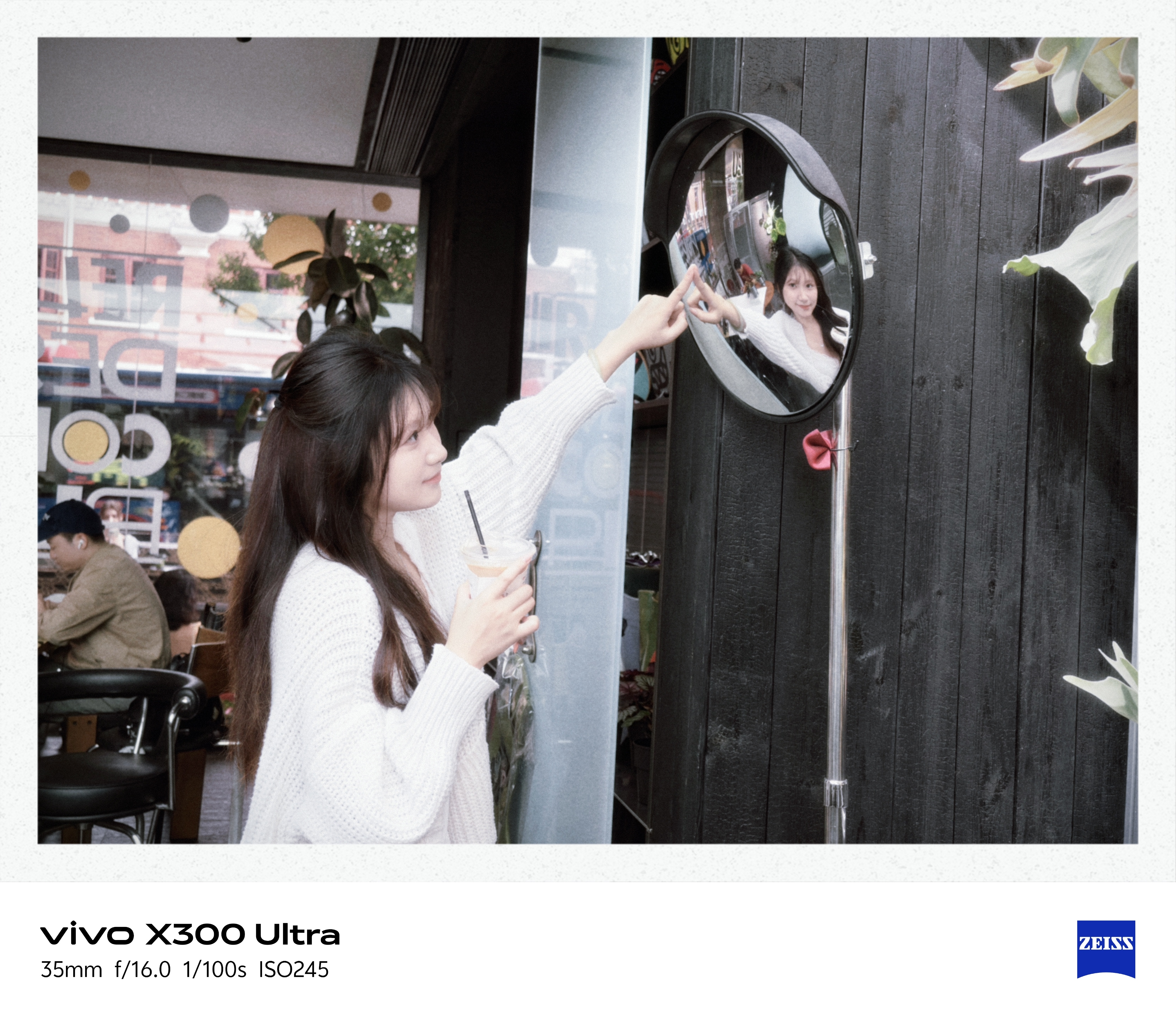
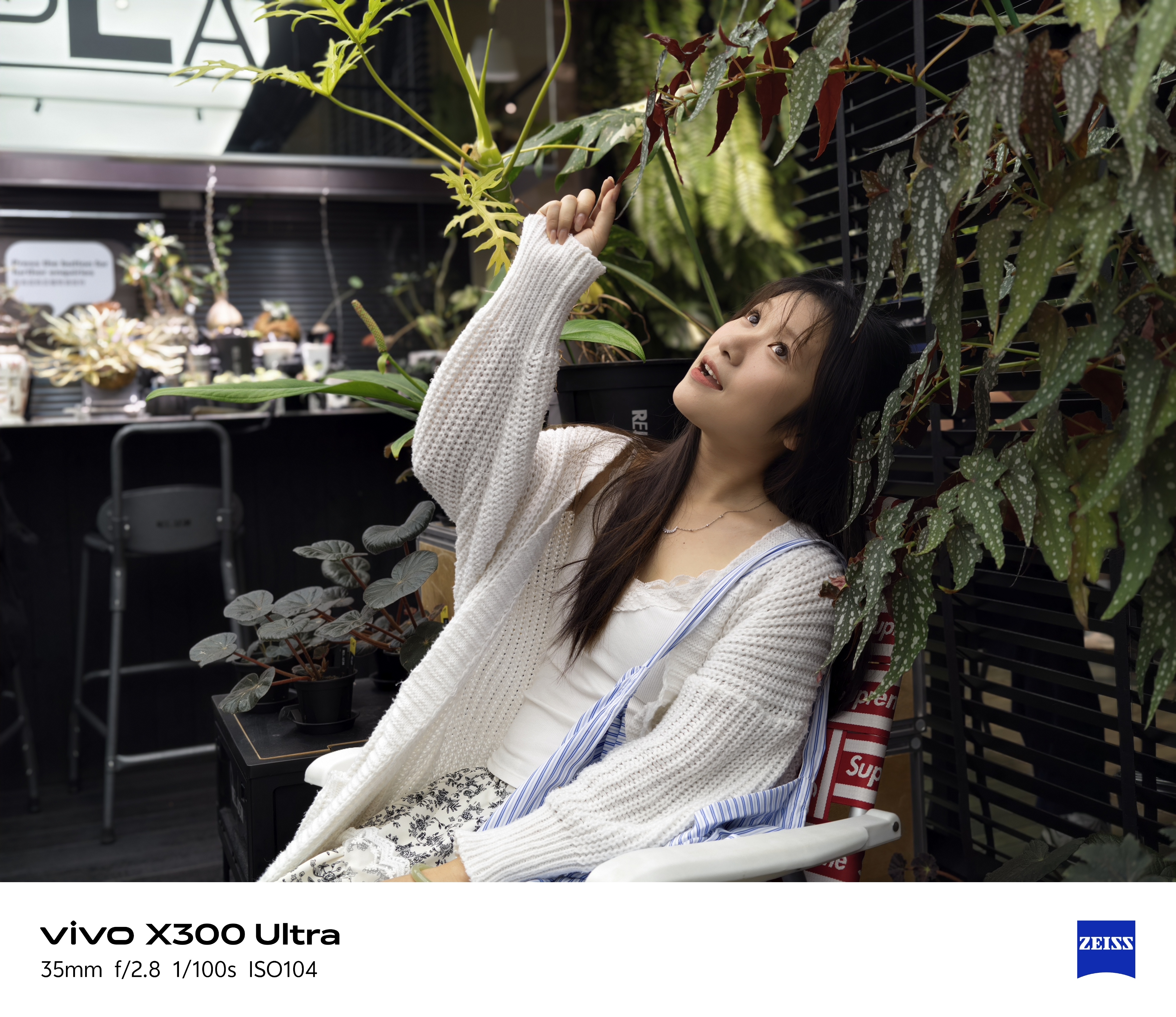
(Image Source: Leitech Photography)
While imaging flagships have reached peak image quality, making differences hard to spot with the naked eye, the vivo X300 Ultra impresses. At default 25MP output, it captures fine subject details exceptionally well, especially faces, without over-smoothing for "better skin."
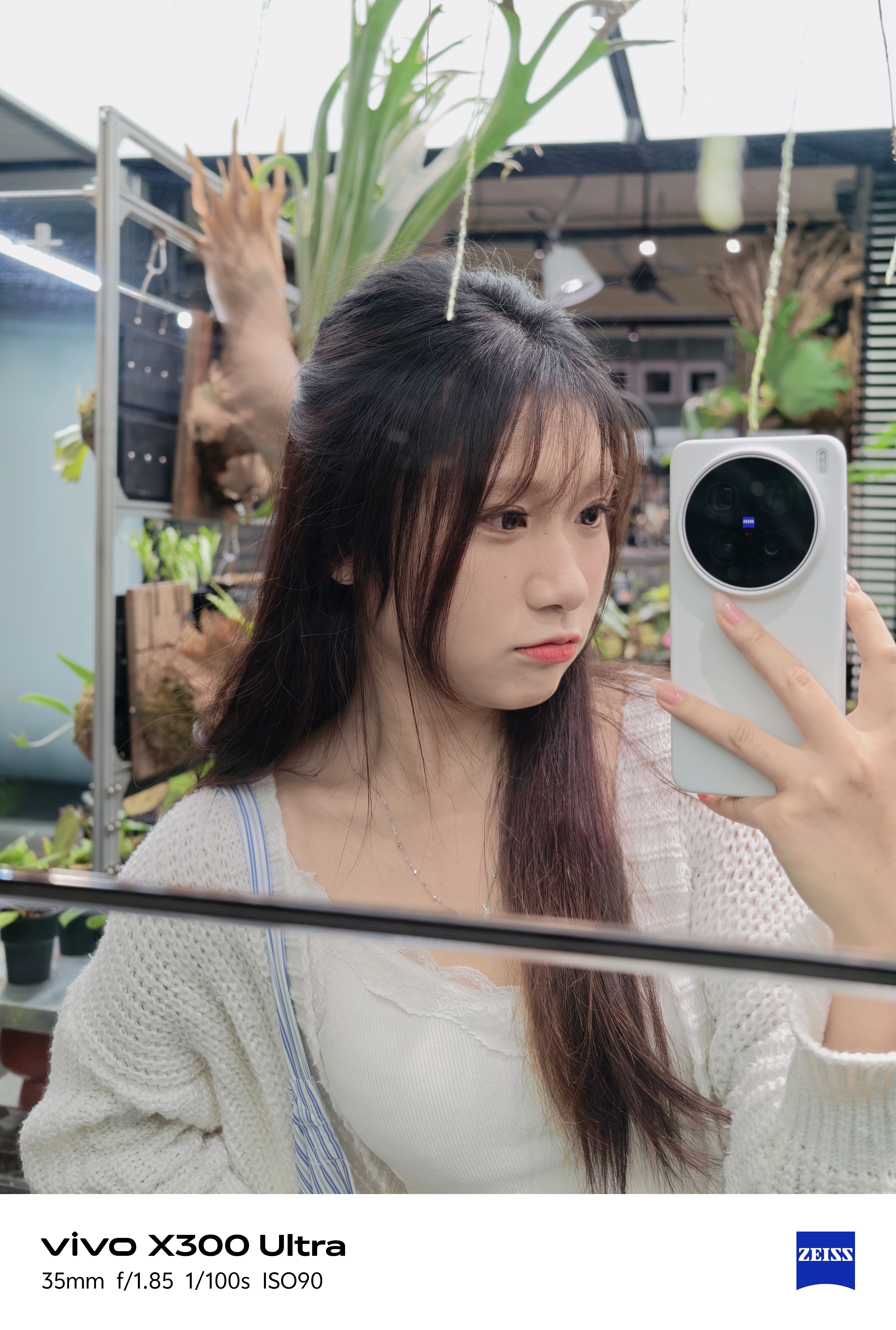
(Image Source: Leitech Photography)
Vivo now truly balances attractiveness and quality in portraits—something I've always sought.
Oh, some might wonder why vivo abandoned the 1-inch sensor so early compared to competitors. As explained with the X200 Ultra, I prefer vivo's "refined" sensor combination over sacrificing other sensors (mainly ultra-wide) for a 1-inch primary.
While most users rarely use ultra-wide lenses, the 14mm+35mm+85mm triple-camera setup is currently the most versatile.
With large sensors for both ultra-wide and primary lenses, the vivo X300 Ultra enables lossless cropping to 28mm and 50mm. If 14mm and 35mm seem impractical, these two focal lengths should suffice.
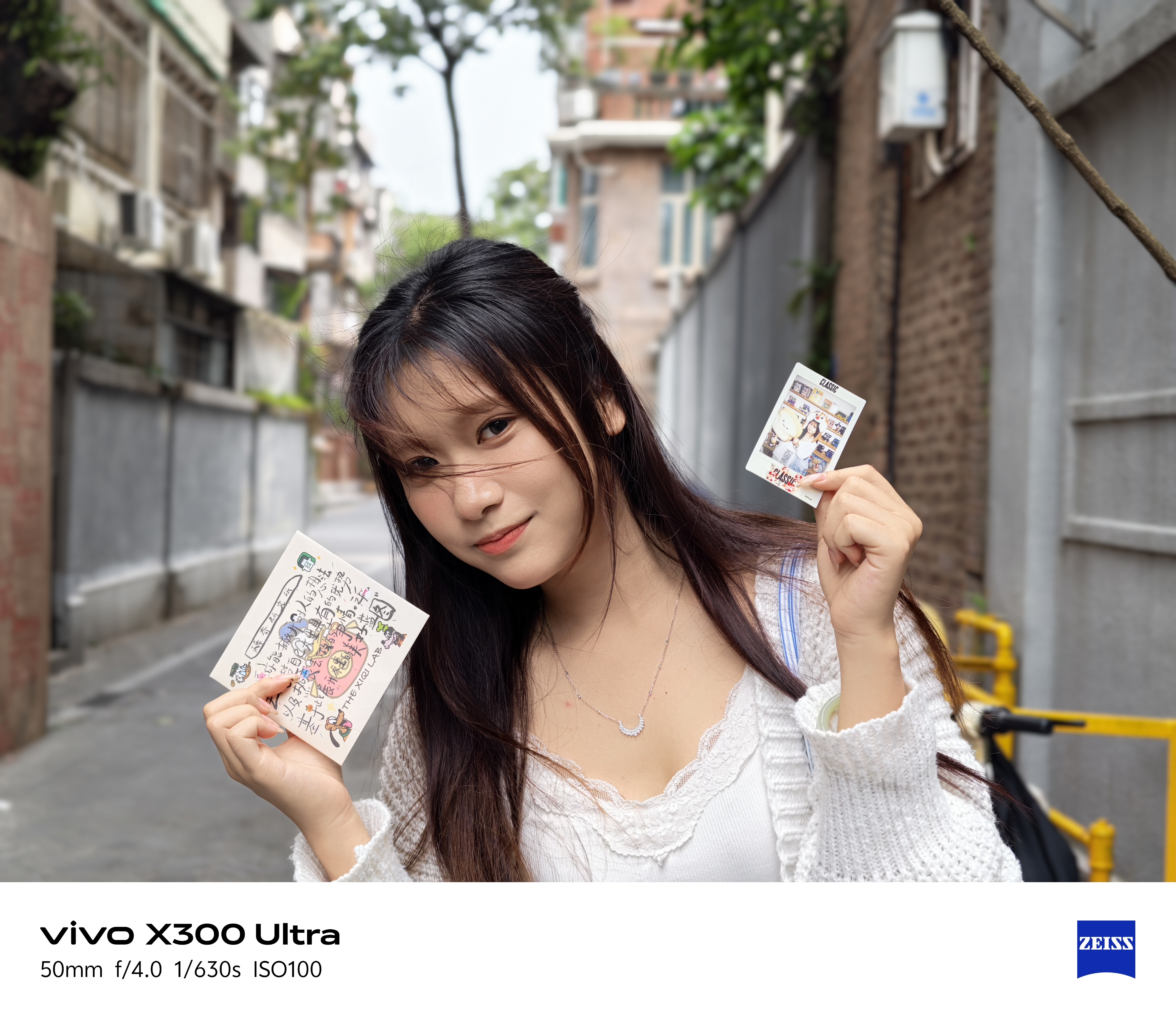

(Image Source: Leitech Photography)
In other words, the X300 Ultra functions like a penta-camera flagship with 14mm, 28mm, 35mm, 50mm, and 85mm focal lengths, maintaining consistent image quality across all ranges—almost unique in the market.
Telephoto is a key upgrade for the vivo X300 Ultra, featuring vivo's 5th-gen Zeiss telephoto lens. During my week-long testing, the standout improvement wasn't image quality but stabilization.
Why do telephoto lenses generally sell worse than standard focal lengths? Ignoring price and weight, lenses beyond 140mm typically require a tripod for stability. This principle applies to smartphones too. It's not that I dislike using ultra-telephoto focal lengths like 140mm, 200mm, or 400mm for landscapes, but their practicality is low, often resulting in missed focus.
The vivo X300 Ultra rarely has this issue, with extremely fast autofocus, image capture, and steady focus tracking.
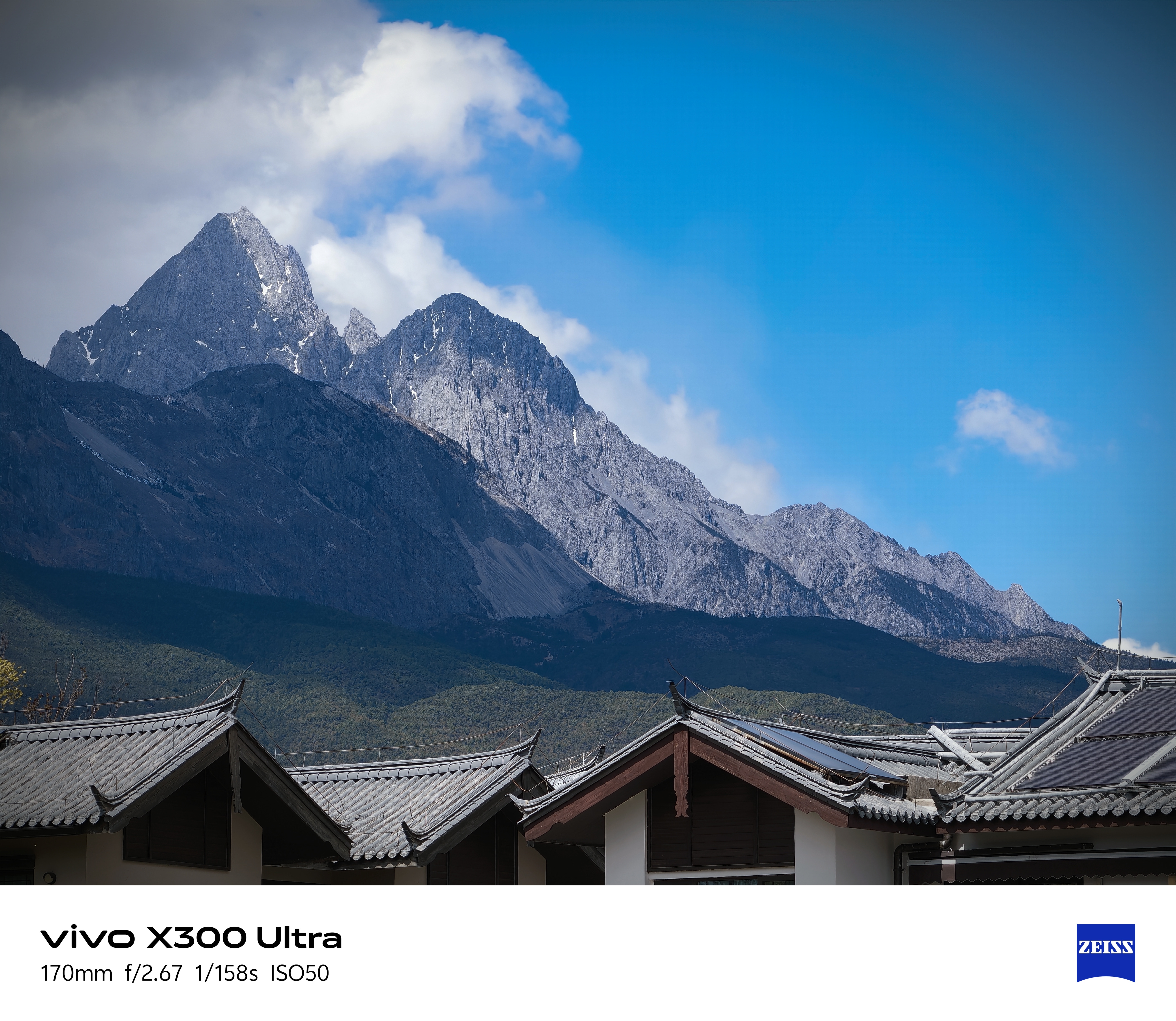
(Image Source: Leitech Photography)
I particularly appreciate vivo's approach: when zooming to 170mm, the camera interface automatically displays seven higher magnification options for quick switching. Since the telephoto is already so capable, why hide these features?
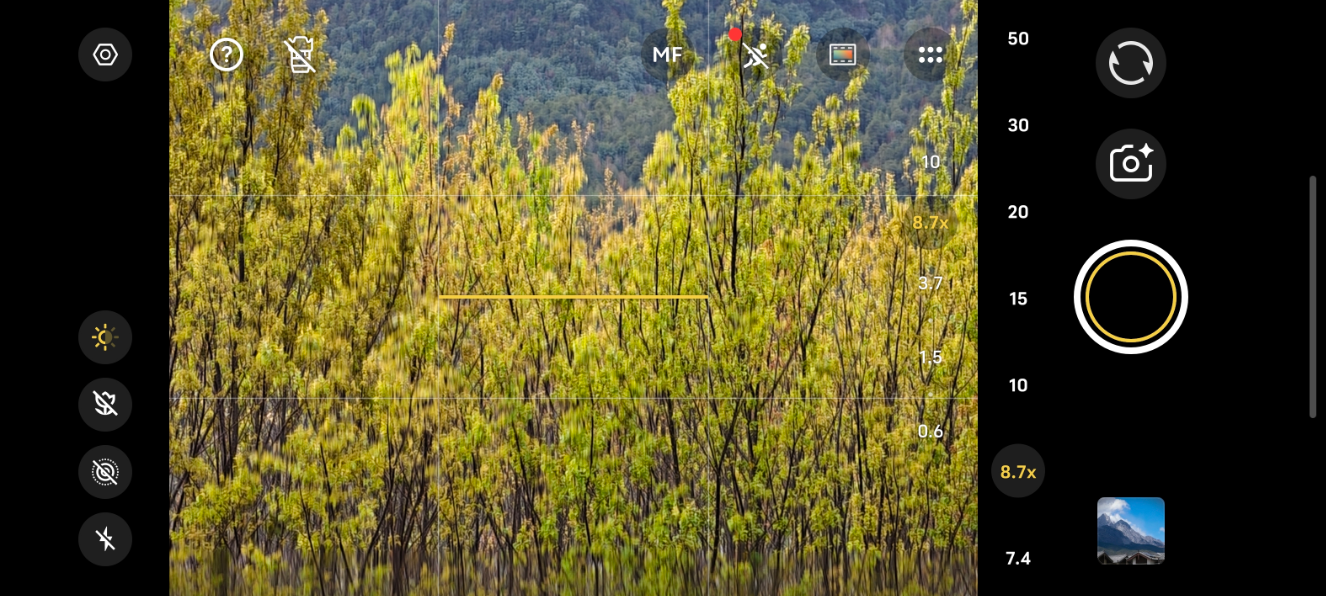
(Image Source: Leitech Photography)
Its native 85mm focal length also excels. With the new color-accurate auxiliary camera, the vivo X300 Ultra automatically optimizes scenes based on lighting and the subject's skin tone.
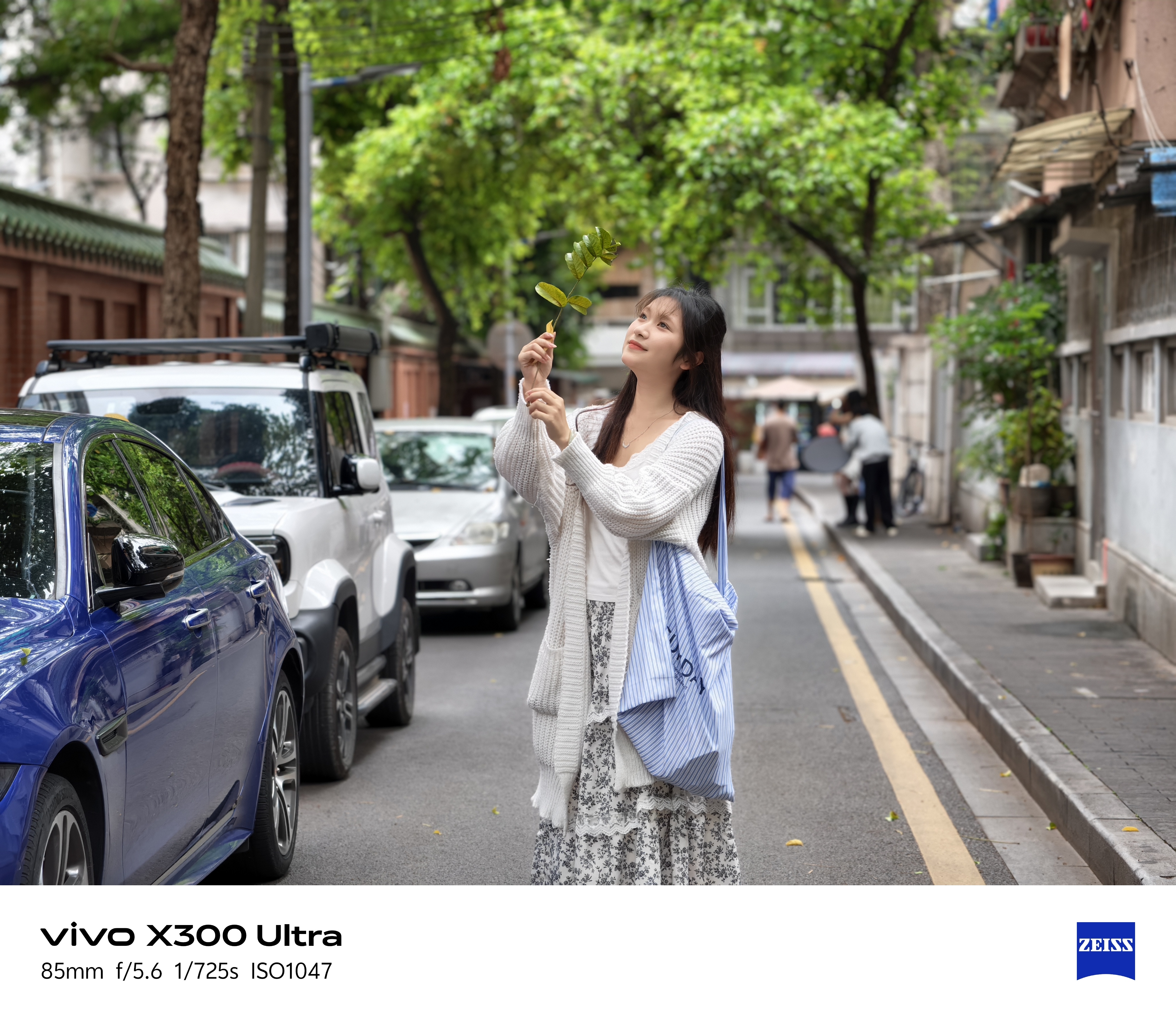
(Image Source: Leitech Photography)
Sample shots show natural skin tones and harmonious scene colors, evoking a sense of spring.
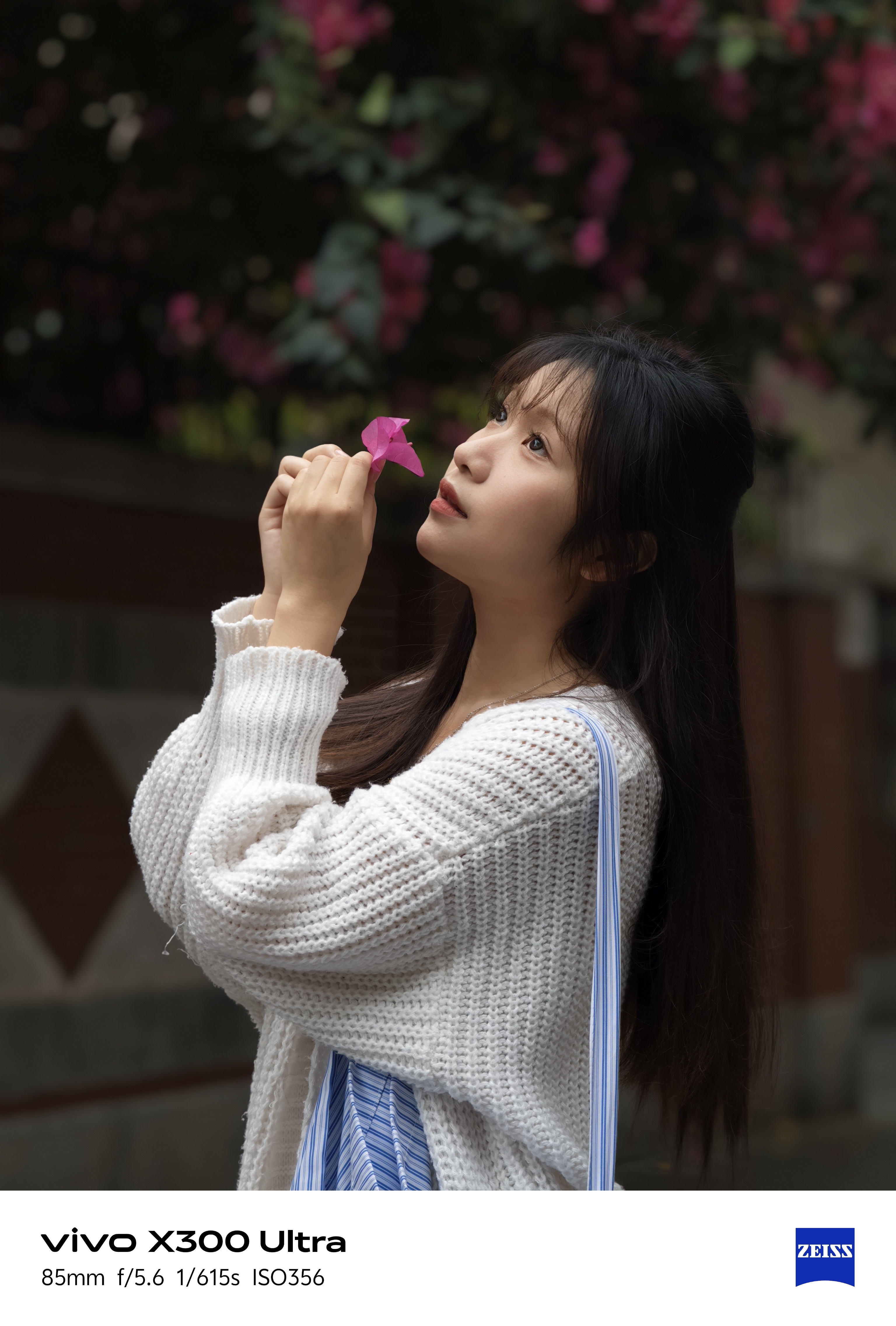
(Image Source: Leitech Photography)
Surprisingly, the 85mm telephoto lens in portrait mode resolves the "bokeh blur" issue common in many smartphones, with smooth transitions between subject and background and naturally appealing distant bokeh.


(Image Source: Leitech Photography)
Undeniably, the vivo X300 Ultra delivers a high success rate for keepers. Its massive light intake, paired with vivo's new algorithms, makes it exceptional for non-portrait subjects like flowers too, offering unmatched texture.
Hardware Excellent, Software Almost There?
During shooting, I noticed the vivo X300 Ultra's algorithms intervene frequently, sometimes suggesting AI enhancements for subpar shots. Some might see this as false advertising, making photos less authentic.
Personally, I believe current smartphone photography cannot abandon algorithms entirely—they've elevated mobile imaging to this level. Our issue lies with overly aggressive, unnatural algorithms that strip photos of genuine beauty.
Does the vivo X300 Ultra satisfy in this regard?
Mostly yes, scoring 90/100, but sometimes failing miserably.
Take these samples: when detecting poor image quality, the phone prompts to enable photo enhancement. At first glance, the "optimized" snow-capped mountain, previously obscured by clouds, looks significantly better—a true "bad weather savior."

(Image Source: Leitech Photography)
However, close comparison reveals 60% difference in the mountain's shape between shots, especially the snow peaks, which AI misidentified as clouds and erased. The result looks better but artificially rendered.
For portraits, the vivo X300 Ultra performs consistently. When detecting backlit portrait shots, it prompts for processing (though I dislike how enhanced images overwrite originals, eliminating comparison options).
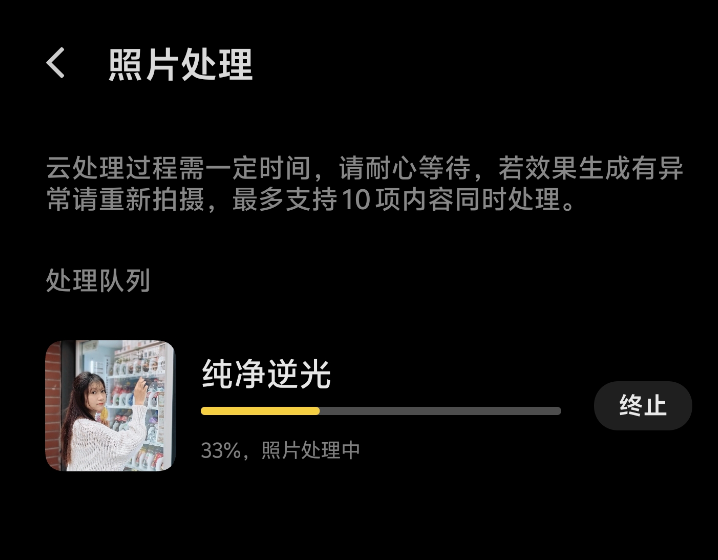

(Image Source: Leitech Photography)
In short, the vivo X300 Ultra balances hardware and software algorithms well, lowering the barrier to photography. However, some algorithm features should remain optional, as aesthetics are subjective, and AI doesn't always align with user preferences.
This raises a new issue: if every feature requires separate toggling, doesn't that increase operational complexity? I can only hope vivo finds a middle ground.
400mm Zeiss "Super Cannon": The Limit of Smartphone Telephoto?
At the vivo X200 Ultra launch, vivo introduced the fourth lens—a Zeiss 2.35x extender, designed to enhance telephoto image quality. With the X300 Ultra, vivo goes further, launching two new extenders: the equivalent 200mm 2.35x Zeiss Extender G2 and the 400mm 4.7x Zeiss Extender G2 Ultra.
Let's start with this 400mm "super cannon". Just by looking at its size, you can probably guess how incredibly powerful it is. When mounted on a smartphone, it makes you wonder, "Is this really still a phone?"
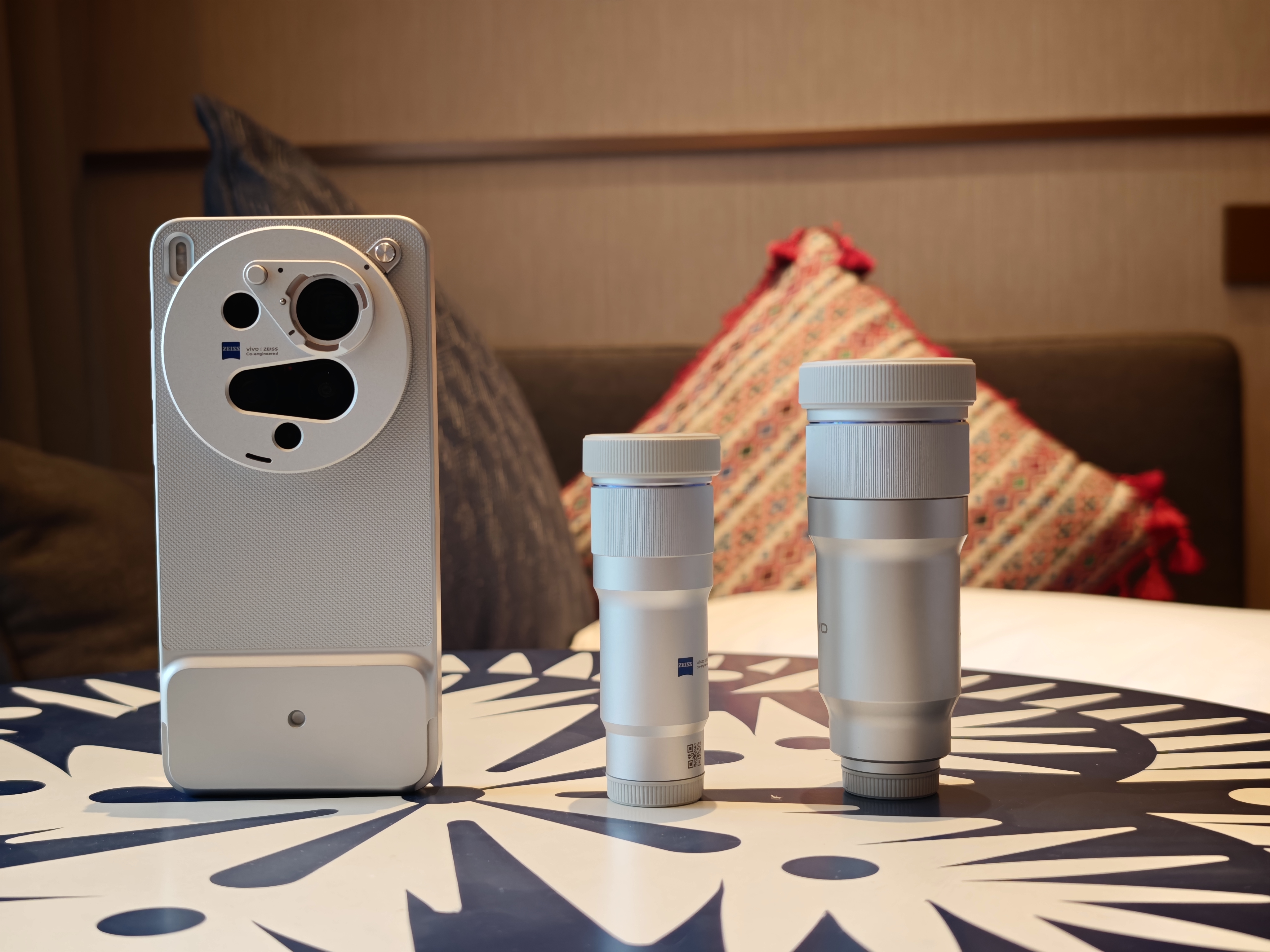
(Image source: Shot by Lei Tech)
At first, Xiaolei wasn't optimistic about this lens. Its massive size and the "weird" feel it gives when attached to a phone suggest that it's more of a novelty than a practical tool. However, after giving it a closer look, this 400mm "super cannon" actually has some impressive qualities.


(Image source: Shot by Lei Tech)
To be honest, if Xiaolei hadn't taken these sample shots himself, it would be hard to believe they were taken with a phone. The clarity, detail retention, and light and shadow reproduction are all top-tier (T1) level. While there were issues like awkward handling and inconvenient focusing during shooting, the ability to capture photos of this quality makes it all worthwhile.
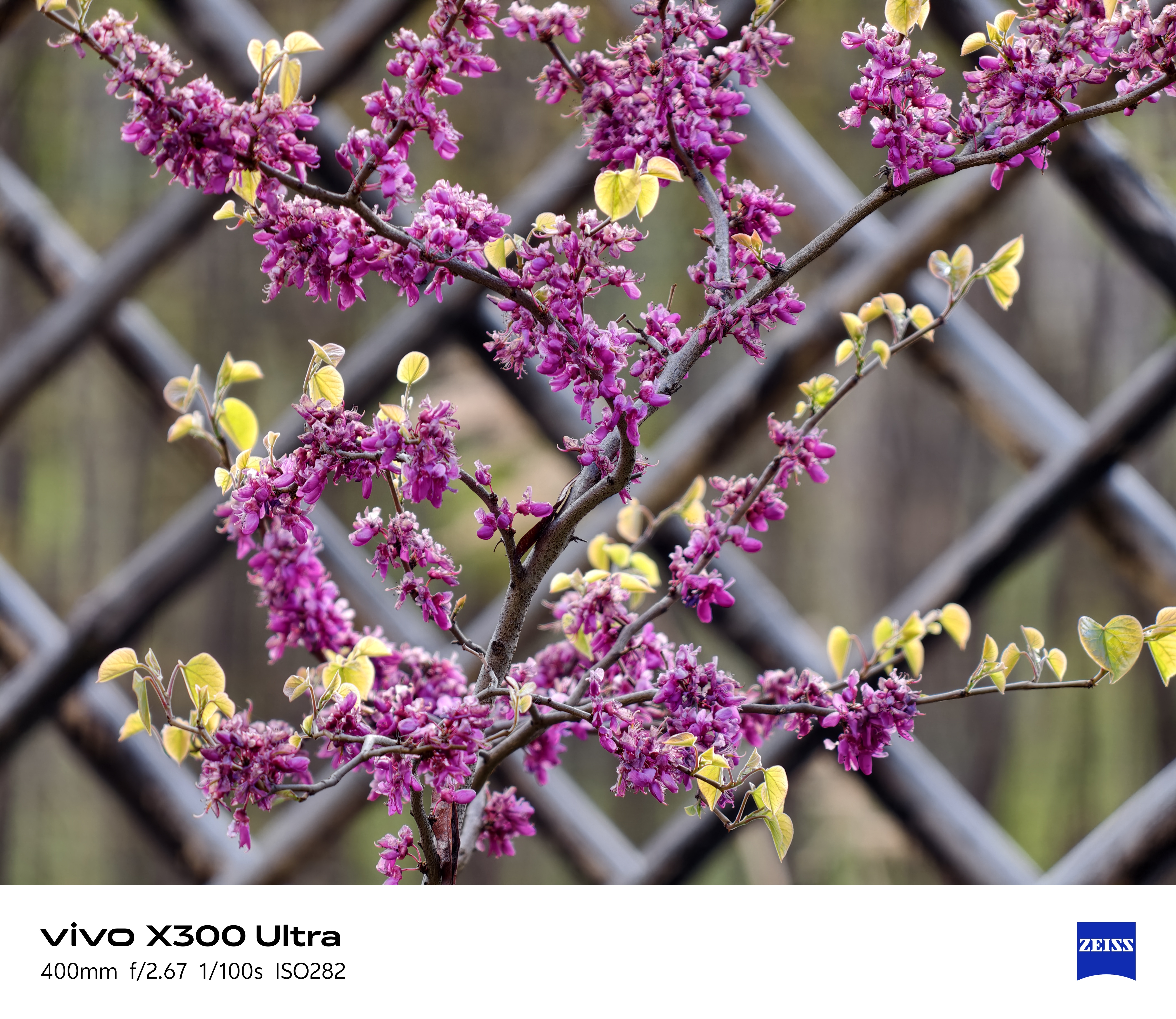
(Image source: Shot by Lei Tech)
Of course, even when not shooting grand scenes like snow-capped mountains, the improvement brought by this teleconverter is visible to the naked eye. If not for the focal length watermark, most people would believe this was a 50mm focal length shot.
Meanwhile, the other 2.35x G2 pales in comparison to the G2 Ultra, but that's not surprising—"you get what you pay for in terms of weight."

(Image source: Shot by Lei Tech)
It's worth praising that the Zeiss G2 teleconverter has been significantly reduced in size compared to the previous generation. After all, only by being more portable can more users be willing to take it out.
In addition to still photography, the vivo X300 Ultra also shows significant upgrades in videography, though the advantages are hard to convey through text and images alone. If readers are interested, our video team will conduct an in-depth experience and analysis of its video capabilities later.
The Third-Generation Ultra: The Ultimate Imaging Flagship
Finally, following Lei Tech's tradition, here's a brief summary of the pros and cons of the vivo X300 Ultra:
Pros:
1. The long-focus stabilization has improved significantly, resulting in a higher success rate for usable shots.
2. The three large-sensor cameras offer more usable focal lengths.
3. The portrait performance remains top-tier (T1) level.
4. The two teleconverters are highly usable and suitable for specific scenarios.
Cons:
1. The handling is poor, with a slightly top-heavy feel.
2. The camera interface has too many buttons, lacking integration, and has a learning curve.
3. The algorithm intervenes too frequently, sometimes getting the priorities wrong in certain scenes.
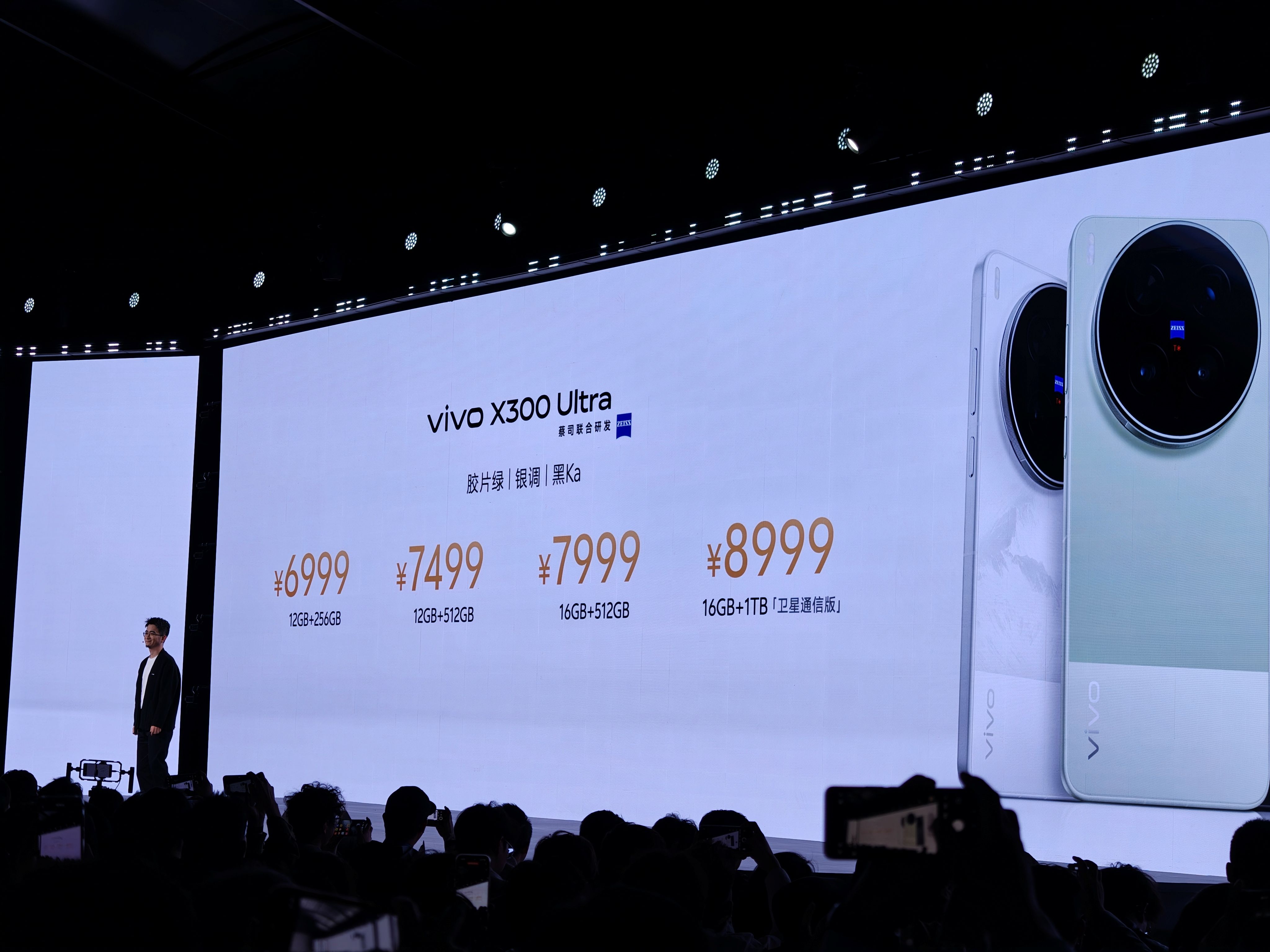
In terms of pricing, the vivo X300 Ultra comes in four versions with the following prices:
12+256GB: 6,999 yuan
12+512GB: 7,499 yuan
16+512GB: 7,999 yuan
16+1TB: 8,999 yuan
(Image source: Shot by Lei Tech)
It's clear that the vivo X300 Ultra isn't a standard flagship designed for ordinary users. Its configurations and features are all aimed at achieving the ultimate imaging experience, making it a "mobile imaging workstation" for professional photographers, imaging creators, and users who pursue the ultimate imaging experience. In other words, if your imaging needs aren't that high, the vivo X300 Pro and X300s are also excellent choices.
Of course, the peripheral configurations of the vivo X300 Ultra also prove that it's a top-tier flagship smartphone through and through. Whether you need superior imaging, flagship performance, or a more professional screen, it can perfectly meet your needs.
So far, two ultra-high-end imaging flagships have been released, and their performances have impressed Xiaolei greatly. Now, the pressure is on the remaining one that hasn't been released yet. Who will ultimately claim the title of this year's imaging king?
vivo Imaging Flagship X300 Series X300 Ultra
Source: Lei Tech
Images in this article come from: 123RF Licensed Image Library Source: Lei Tech
-
![]()
Smartphone Prices Surge Amid Manufacturer Anxiety
-
![]()
Orbbec Soars to Record Heights, Eyes Further Capital Influx of 980 Million!
-
![]()
Tongding Interconnect Sets Up Shop in Shaoguan with 800 Million Yuan in Registered Capital
-
![]()
Before Kimi’s A-Share Debut, Zhipu Aims to Secure More 'Strategic Funding'
-
![]()
Innovative Leap | Fiber-Pluggable 1470nm Laser Source: Revolutionizing Precision Laser Weeding
-
![]()
73-Day Rapid Listing: Where Does Unitree's Wang Xingxing's 'Sense of Urgency' Come From?
-
![]()
AI Project Mindverse, Backed by Meituan, Faces Data Inflation Allegations Over Its Macaron Product
-
![]()
3000-word In-Depth Analysis | What Makes Physical AI So Magnetic? It Has Captivated Masayoshi Son, Jensen Huang, and Justin Sun All at Once