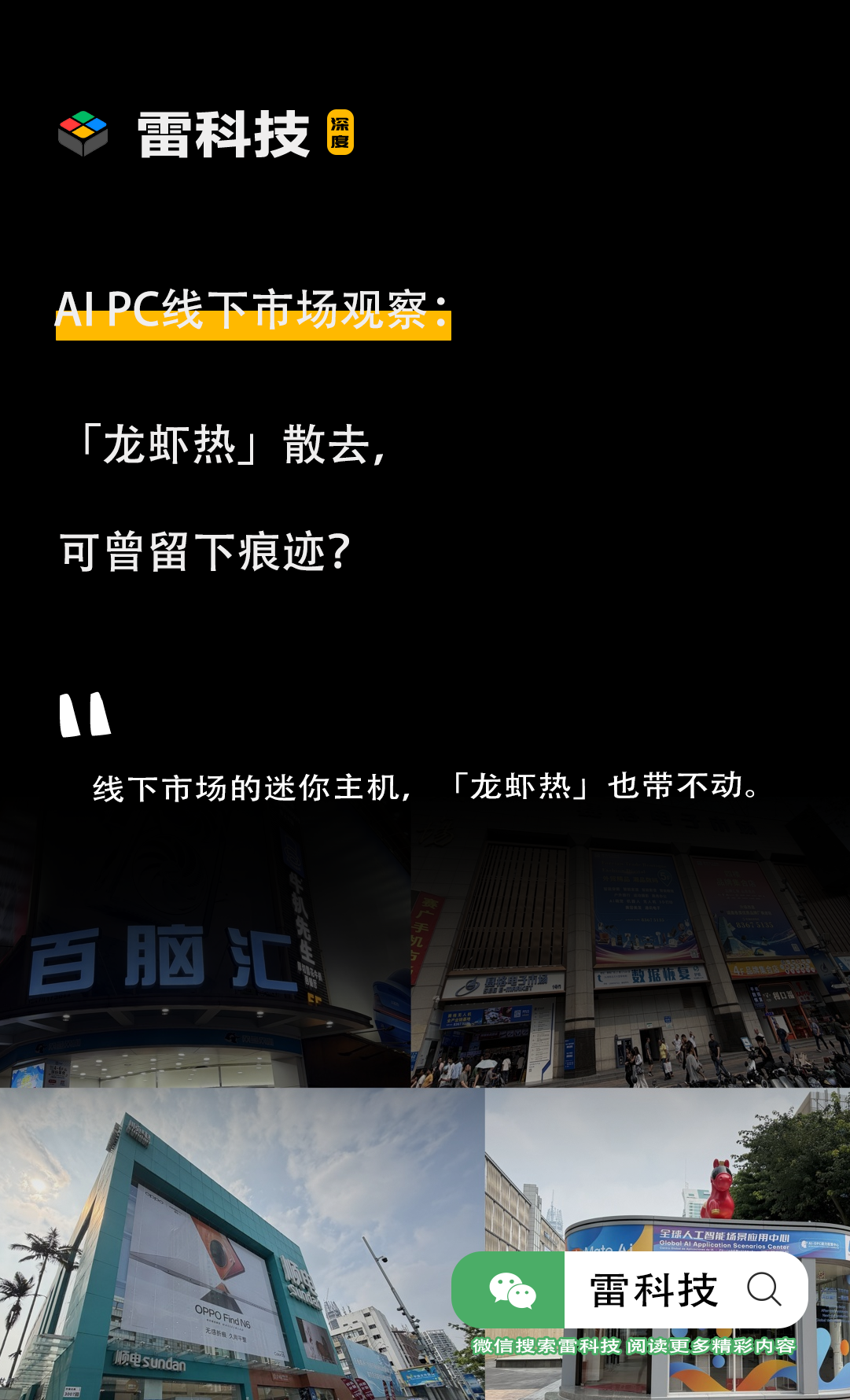
Observations on the Offline AI PC Market: As the 'Lobster Craze' Fades, What Traces Remain?
 04/20 2026
 623
623
Offline mini hosts remain untouched by the 'lobster craze.'
The latest shipment data for PCs and smartphones have been released, revealing starkly different trajectories for these two consumer electronics categories.
IDC data shows a 2.5% YoY increase in global PC shipments in Q1 2026, while smartphone shipments declined by 4.1% YoY.
Against the backdrop of tight memory chip supplies, the PC market delivered steady growth. Beyond factors like anticipated component price hikes, defensive channel stockpiling, and Windows 10 migration demand, industry analysts widely attribute this growth to surging demand for AI PCs driven by the popularity of 'Lobster'-style AI agent applications.
AI is now entering standard work scenarios for general users, with corresponding mini hosts (like Apple's Mac mini) quickly gaining popularity. Even professional edge-side large model all-in-one machines (such as NVIDIA DGX Spark) maintain exceptionally firm pricing.
Following these two technological routes, numerous ultra-compact mini hosts (Lobster all-in-ones) and edge-side large model all-in-ones (AI mini workstations) have emerged from domestic manufacturers and markets. This has even spawned new ultra-low-cost desktop smart boxes (Smart Box Lobster Edition) priced from several hundred to tens of thousands of yuan. All manufacturers aim to capture a share of this 'Lobster' mini host consumer market craze.
In mid-to-late April, Leitech (ID: leitech) visited Guangzhou and Shenzhen computer malls, attempting through frontline observations to systematically analyze currently selling AI mini hosts in offline markets, their representative products, and corresponding user-level practical and detailed demand scenarios. What pitfalls might consumers encounter when purchasing? Are there any 'IQ tax' products among these categories?
Despite the 'Lobster Craze,' mini hosts remain niche in offline markets
At Guangzhou Gangding Buynow and other computer malls, Leitech (ID: leitech) searched major brand stores like Lenovo, HP, Dell, and ASUS on core floors, as well as smaller computer and DIY assembly shops on non-core floors, but found no stores with 'mini host' signage or 'Lobster Host/All-in-One' promotional posters.
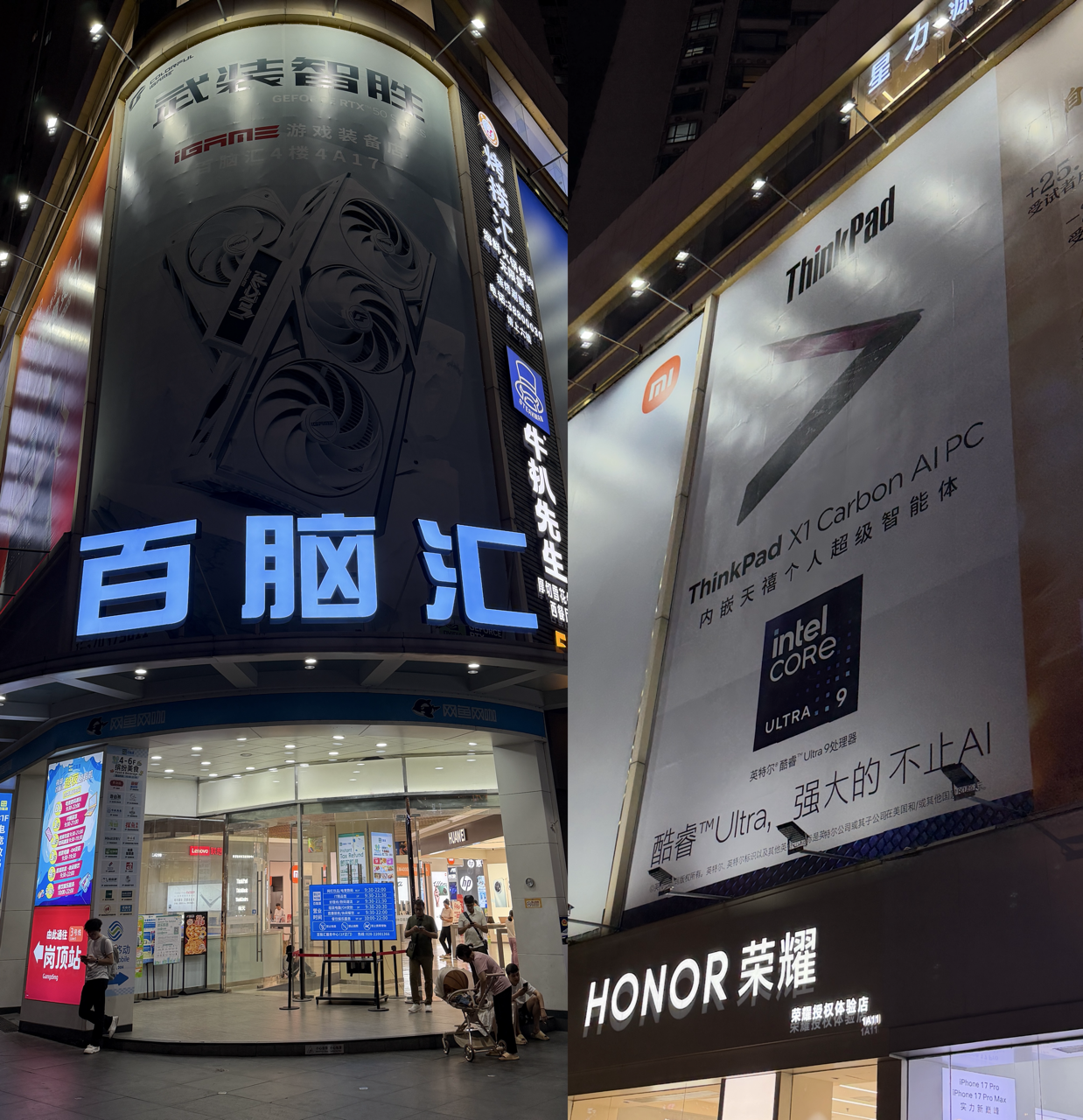
Image Source: Leitech Guangzhou Buynow Photography
Of course, in brand stores like Lenovo, Leitech (ID: leitech) observed their promoted AI PCs, including specially constructed display setups.
When asked about mini host displays and experiences, Lenovo staff stated they currently only offer notebook products. For AI functionality, customers could try Lenovo notebooks' 'Tianxi AI' application; for conventional large hosts, they could visit nearby Lenovo stores. Regarding ultra-compact mini hosts, staff were unsure of specifics.
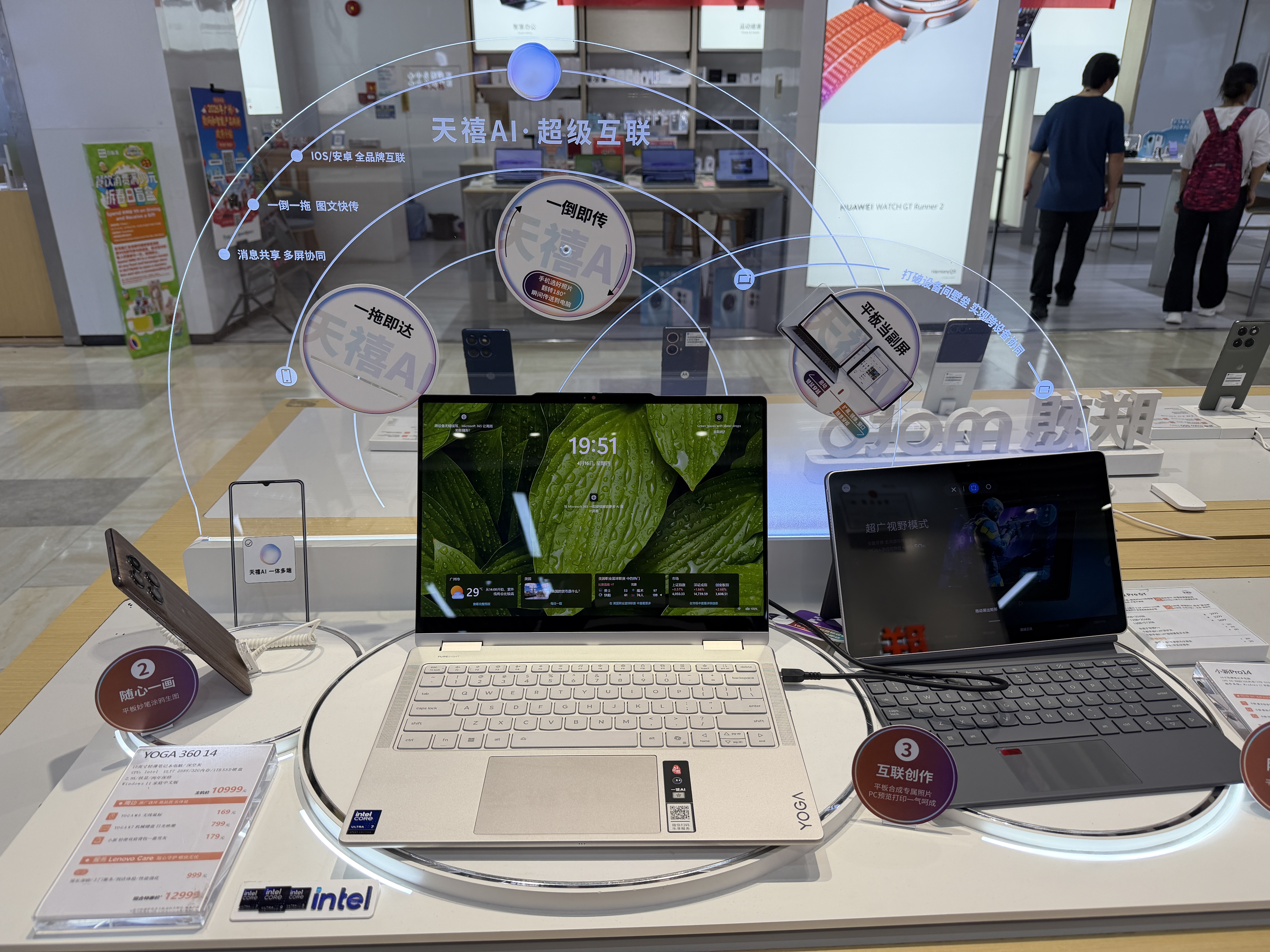
Image Source: Leitech Guangzhou Buynow Photography
At smaller computer and DIY assembly shops, Leitech (ID: leitech) inquired at several stores but found no mini host products available.
If mini hosts were hard to find in Guangzhou consumer-oriented computer malls, perhaps Shenzhen's Huaqiangbei, known as 'China's No. 1 Electronics Street,' would fare better.
Upon exiting Huaqiangbei Metro Station, Leitech (ID: leitech) immediately noticed a specially established 'Global AI Scenario Application Center,' though its doors remained closed all day.
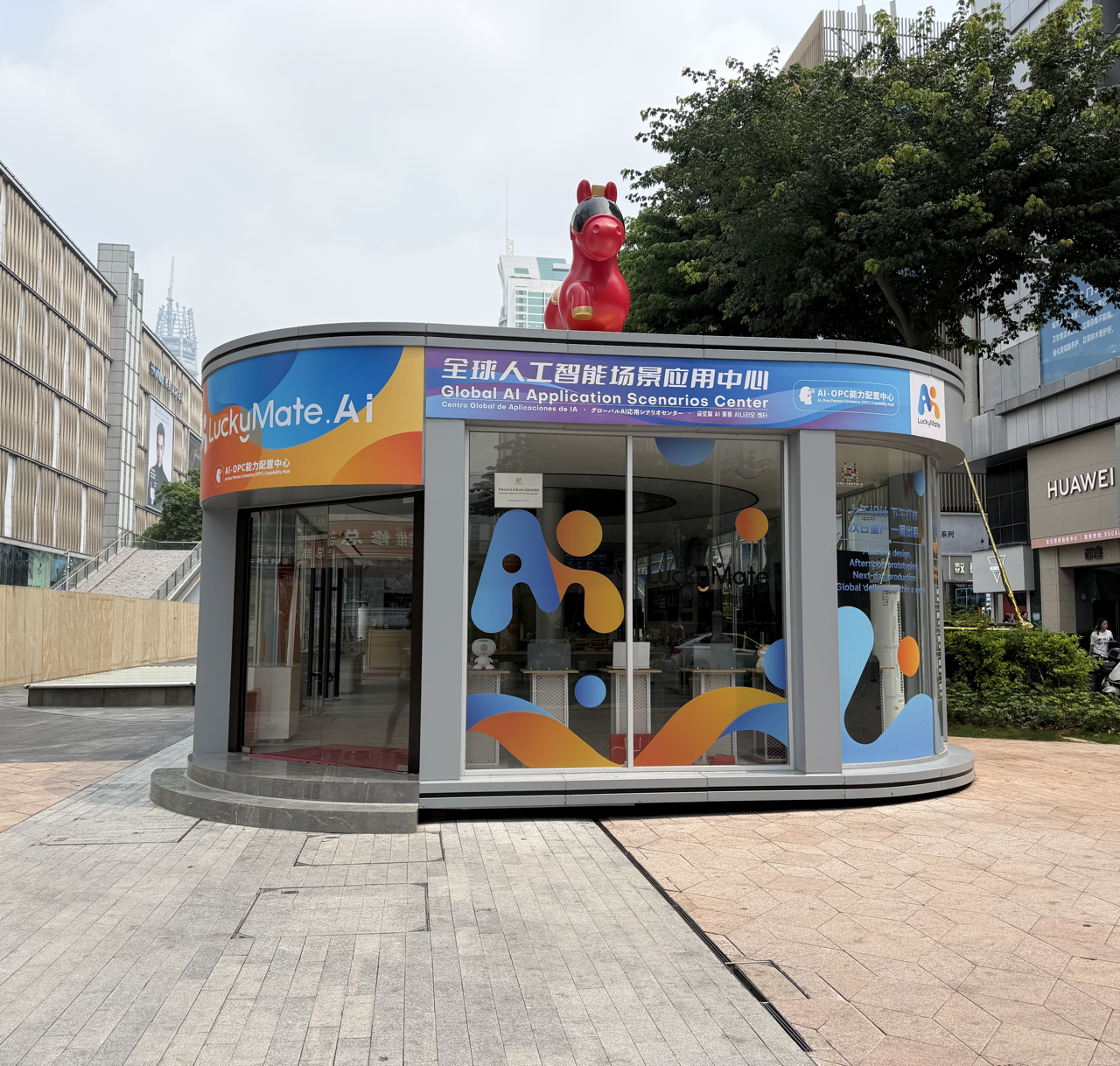
Image Source: Leitech Shenzhen Huaqiangbei Photography
This flagship store, which opened in February this year, experienced peak 'Lobster Craze' in March before quieting down in April, mirroring the trajectory of 'Lobster Host' popularity after Chinese New Year.
Subsequently, Leitech (ID: leitech) entered Huaqiang Electronics World, but even in this massive electronics mall, dedicated mini host or AI host stores remained elusive.
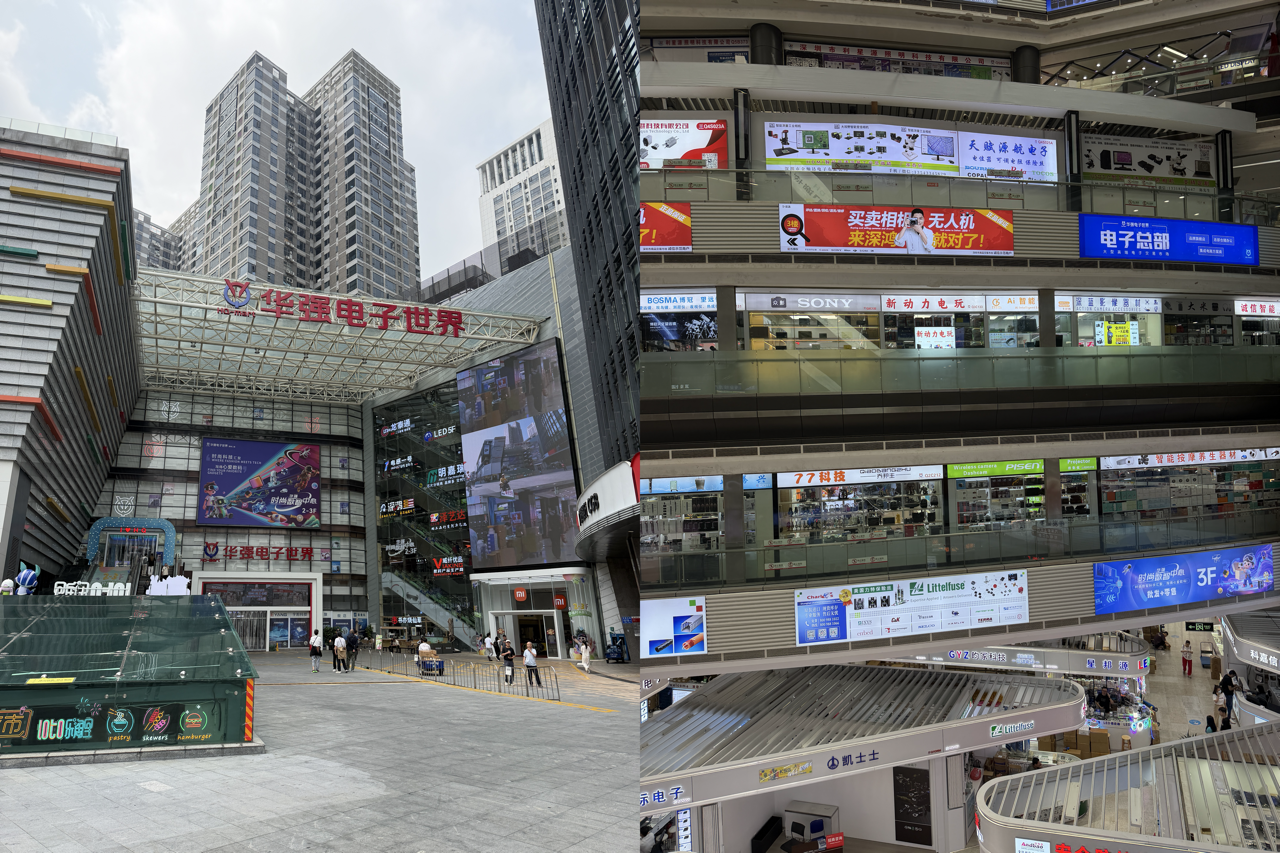
Image Source: Leitech Shenzhen Huaqiang Electronics World Photography
It should be noted that both Lenovo and HP have released mini hosts targeting consumer markets.
At two Lenovo stores in Huaqiangbei, staff reported no ultra-compact mini hosts on display or for sale. However, at an HP store, Leitech (ID: leitech) finally saw actual HP mini host products, priced starting at 5,999 yuan. Notably, HP's mini host not only starts significantly higher than Apple's Mac mini but also begins with just 8GB of memory, raising eyebrows.
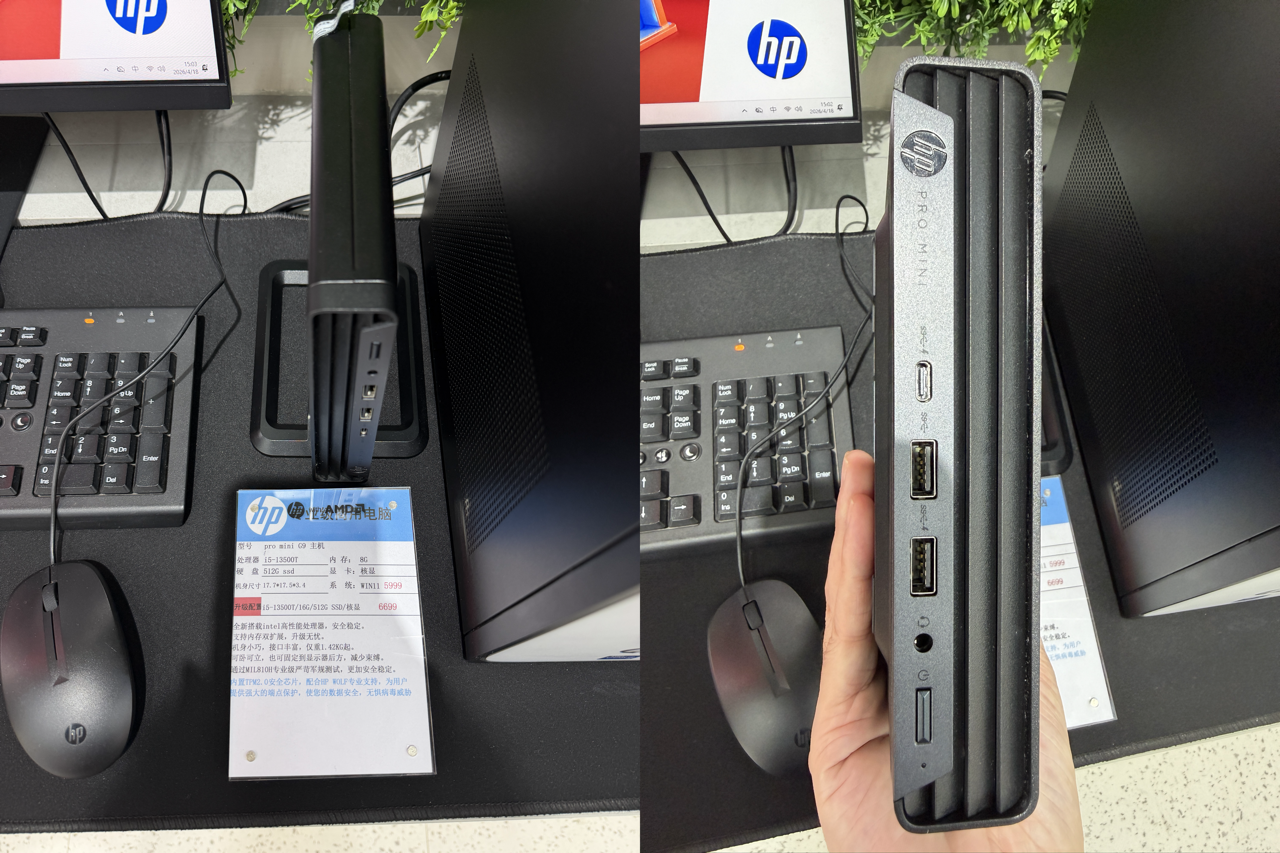
Image Source: Leitech Shenzhen Huaqiang Electronics World Photography
Huaqiangbei also has dedicated computer malls like Seg Plaza (Seg Electronics Market), where Leitech (ID: leitech) finally made more significant discoveries.
Offline selection of domestic mini hosts requires consumer expertise
At Seg Plaza, Leitech (ID: leitech) found a store specializing in 'AI stock selection.'
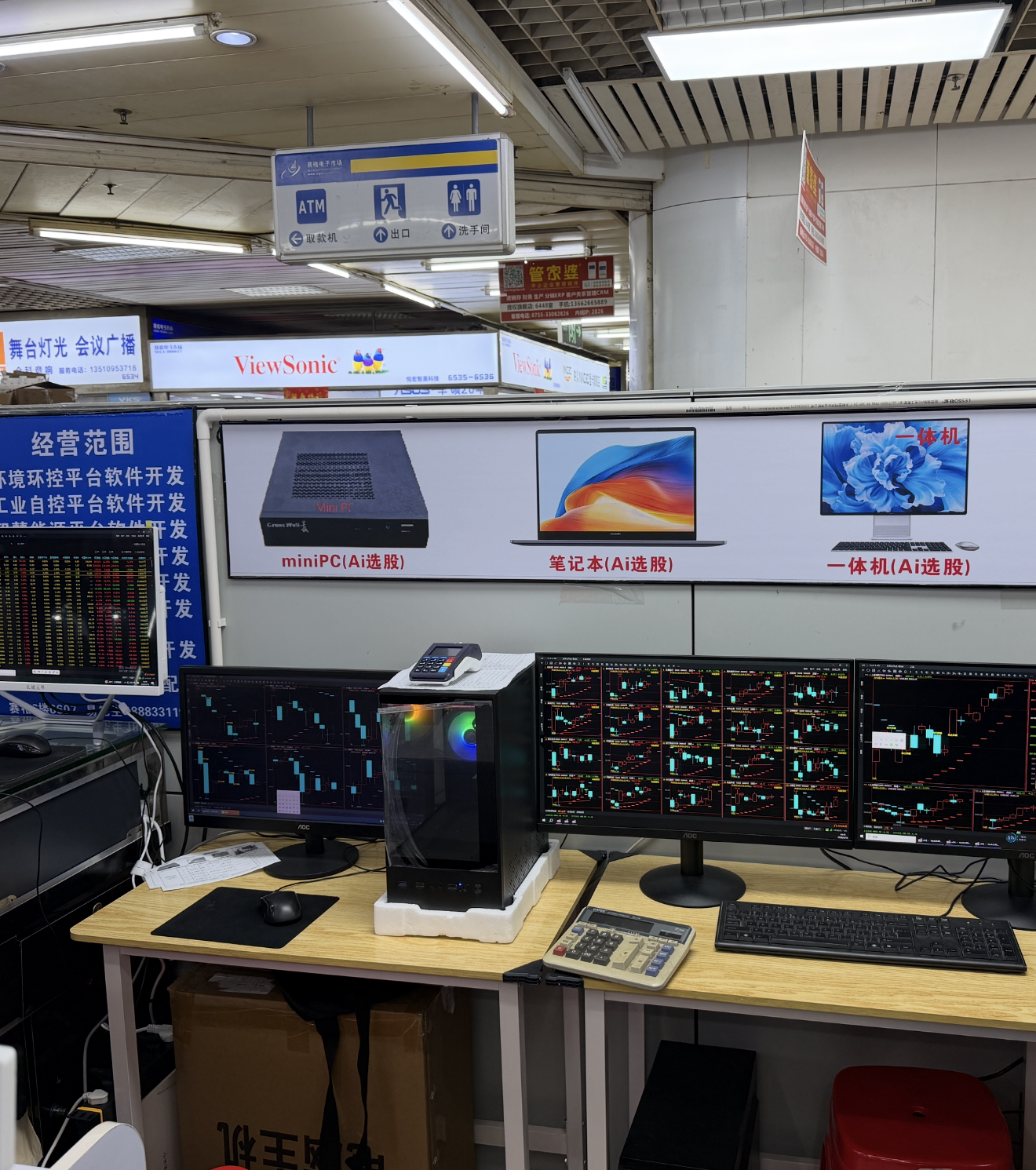
Image Source: Leitech Shenzhen Seg Plaza Photography
This store's counter displayed two Great Wall mini host models, both 'barebone' systems requiring users to add CPU, memory, hard drive, and install an operating system:
MH3: 6th-9th gen Intel CPUs
MH5: 10th-11th gen Intel CPUs
What does 'barebone' mean? Users must equip the host with CPU, memory, hard drive, and install an OS.
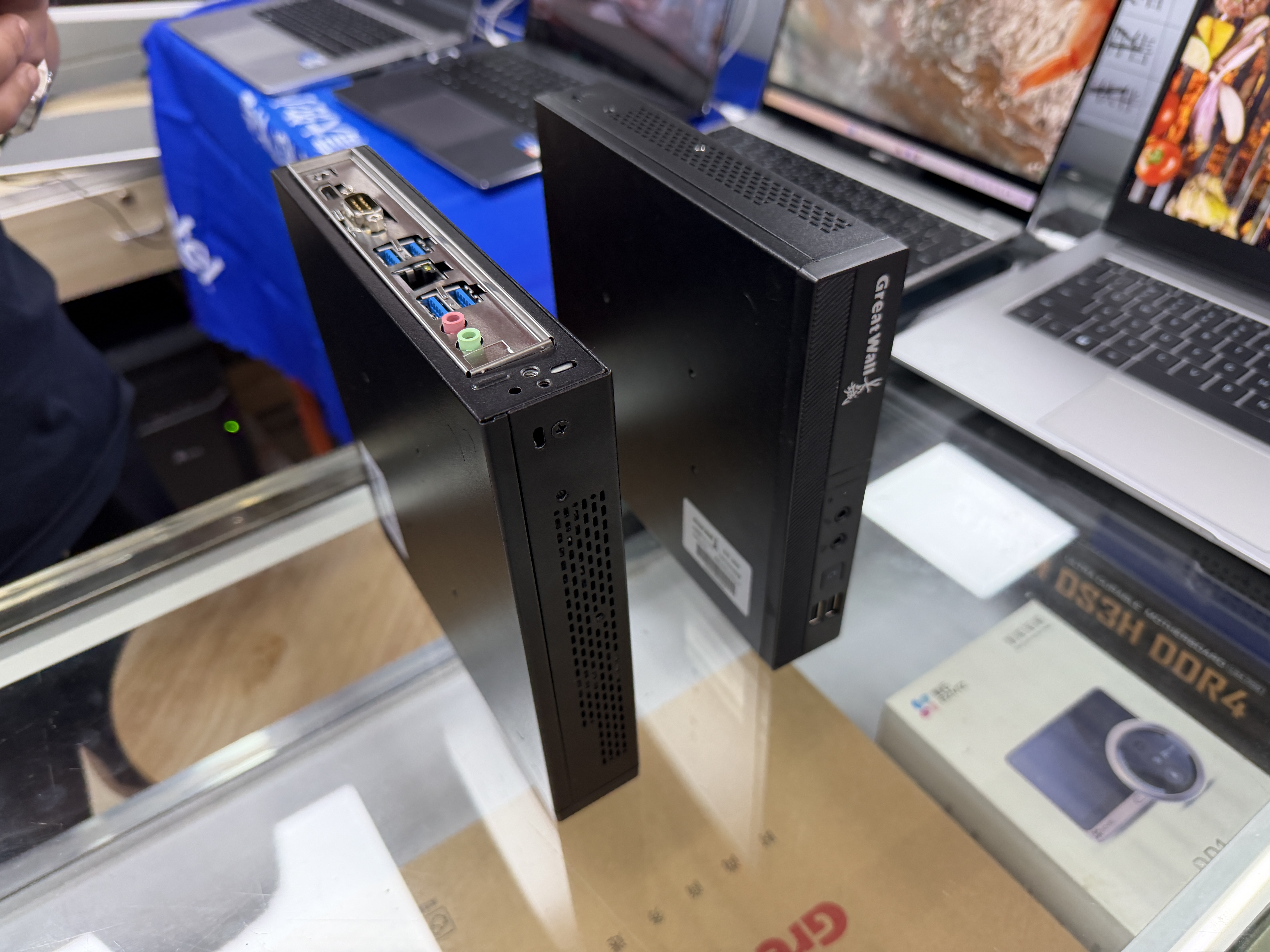
Image Source: Leitech Shenzhen Seg Plaza Photography
For average consumers considering mini hosts, all-in-one solutions are generally preferred. The store owner accordingly recommended a third mini host model not on display: Lingyun DHC37, featuring a 12th-gen Intel CPU (i5-12450H), memory, hard drive, and OS, priced at 2,340 yuan with no negotiation accepted. For comparison, this model currently costs 2,548 yuan on JD.com after subsidies.
Testing required advance purchase (so-called 'machine verification'), so no hands-on experience was possible. However, the store owner claimed Great Wall mini hosts had operated continuously for 12 hours in-store, with attempts at 24-hour operation causing no overheating or excessive noise. That said, 'Lobster Hosts' require not just 12 or 24-hour operation but 7×24 (or longer) reliability.
Notably, the store owner stated that adding 'Lobster (OpenClaw)' installation and deployment to a mini host would incur an additional 500 yuan service fee.
The primary target audience for mini hosts in offline markets isn't general consumers but two distinct customer segments:
1. Traditional industrial control scenario clients
2. Emerging SME deployment clients
At Seg Plaza, Leitech (ID: leitech) visited an OEM customization shop for all-in-one computers offering 'barebone' mini hosts and personalized customization. However, staff weren't even familiar with 'Lobster,' requiring customers to contact the business manager via WeChat with CPU, memory, and hard drive specifications before receiving a final product quote.
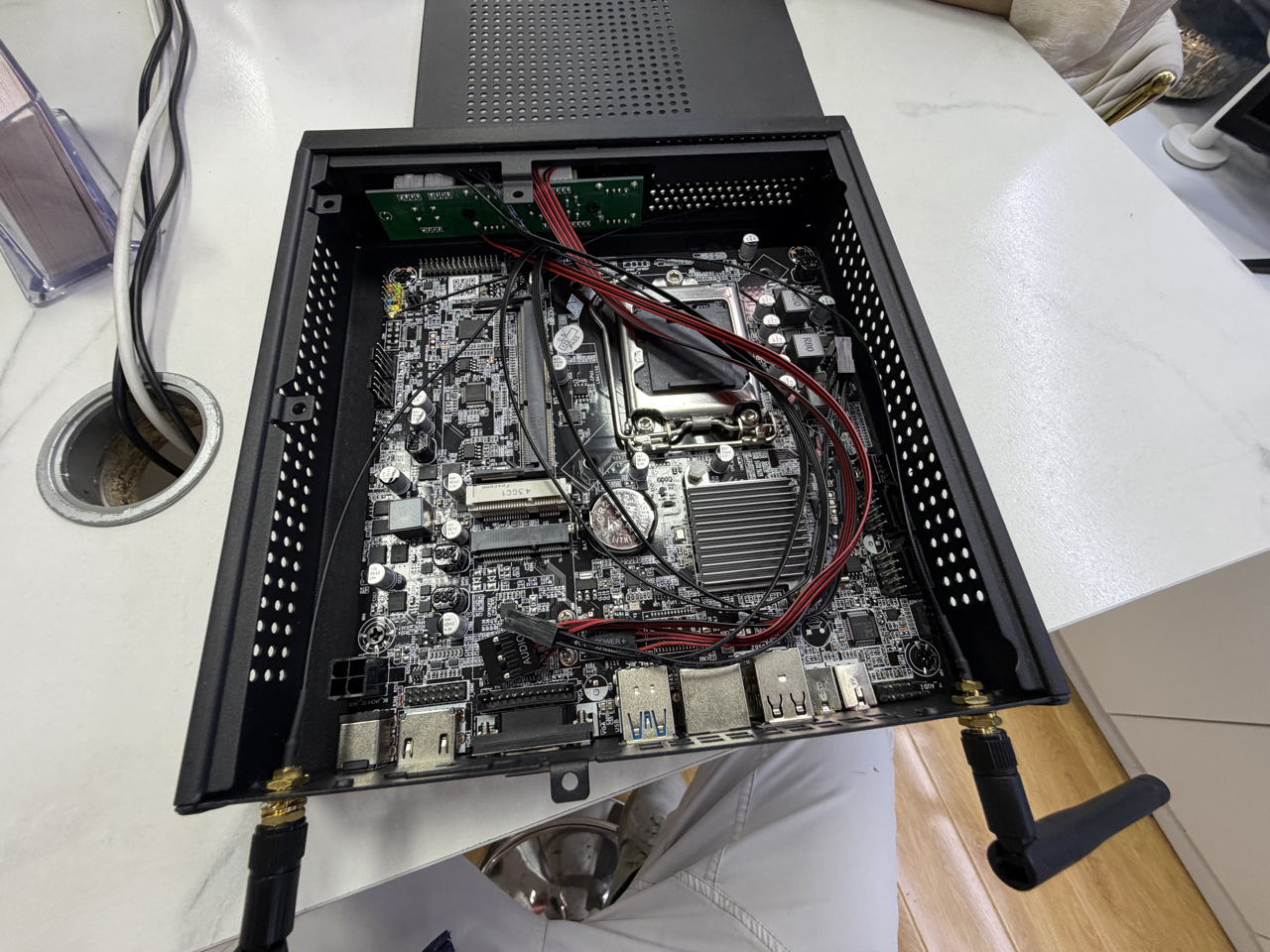
Internal structure of 'barebone' mini host (Image Source: Leitech Shenzhen Seg Plaza Photography)
Traces of the 'Lobster Craze' in Huaqiangbei now exist only in select stores. Also at Seg Plaza, Leitech (ID: leitech) observed the world's first ARM-based OpenClaw software-hardware integration solution. Interestingly, this company also promotes last year's popular DeepSeek AI local inference all-in-one machines.
The company's young sales manager enthusiastically explained their newly developed 'dual-core' Lobster Box. Priced at 5,000 yuan, this product uses a Rockchip dual-core chip design, supporting deployment of two 'Little Lobsters' per computer or one 'Little Lobster' plus one 'cloud phone.'
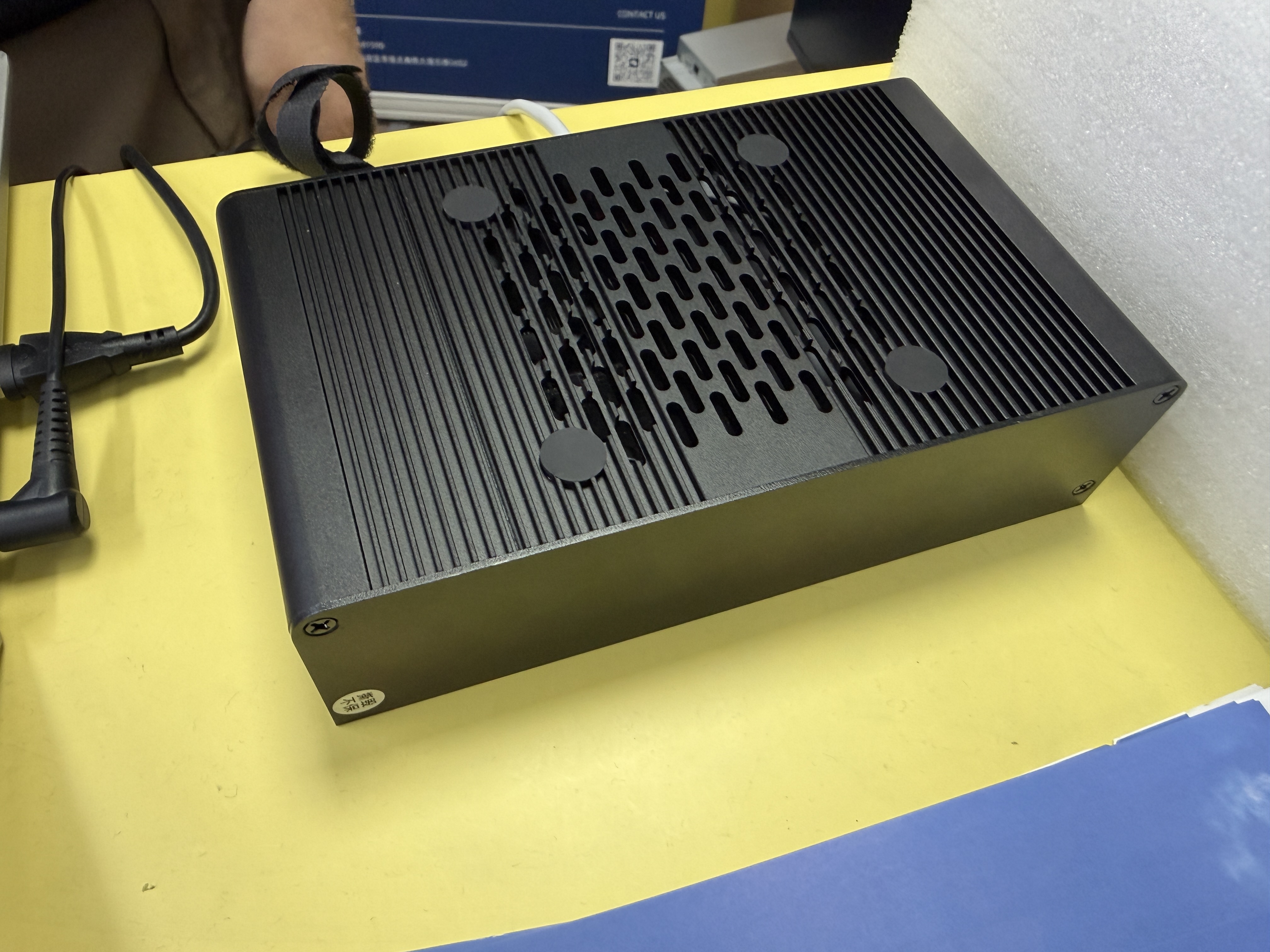
Image Source: Leitech Shenzhen Seg Plaza Photography
Clearly, this isn't equipment for average users. The sales manager emphasized that 'Little Lobsters' run entirely within the box, preventing information leakage and security risks from direct operation on user computers.
Leitech (ID: leitech) noted that telecom operators also offer similar Smart Box Lobster Editions at much lower prices.
In March, Henan Broadcast & TV Technology launched its first desktop AI workstation, the 'Desktop Smart Box,' priced from 799 yuan. That same month, China Telecom's Tianyi Cloud released its Smart Box Lobster Edition for SME commercial clients at an undisclosed price.
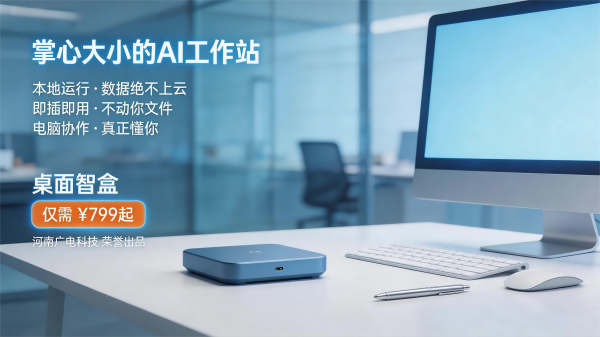
Image Source: Henan Broadcast & TV Technology
Why has the domestic mini host boom been limited to online markets?
Omdia reports that global mini hosts (Mini PC/Small Form Factor) will account for approximately 10-13% of PC devices by 2025, primarily due to their transition from 'geek toys' to 'enterprise standard configurations.' IDC reports show an 8.2% decline in global traditional tower host shipments in 2025, while mini host shipments grew by 47%.
For domestic enterprise clients, mini hosts are procured directly through commercial channels from brands like Lenovo, HP, Dell, and Apple. For general consumers, mini hosts are primarily sold through e-commerce platforms and online markets.
The domestic consumer mini host market has gradually produced notable brands like Minisforum, GMKTec, and Beelink, with popular models concentrated in the 1,000-2,000 yuan range aiming to serve as affordable alternatives to Apple's Mac mini. Notably, none of these brands have established official offline stores to date. During Leitech's (ID: leitech) visits to Guangzhou and Shenzhen computer malls, no third-party channels were found selling products from these online brands.
The primary reasons include:
1. Thin profit margins discourage offline sales.
Computer mall business models, particularly for DIY assembly merchants, rely on profit margins from component bundling and information asymmetry.
Traditional assembled PCs offer substantial profit margins, as merchants can recommend specific brands (e.g., certain motherboards, power supplies, coolers) or bundle sales (e.g., 'seaview case' chassis, RGB fans) for high profits.
Mini hosts offer transparent and thin profit margins. As highly integrated brand systems, their prices are transparent. Industry data suggests net profit margins for mini hosts range from just 3-8%, far below assembled PCs.
2. Mini host repairs offer little benefit to computer malls.
Computer malls traditionally rely on local PC repair and after-sales services as a key strength. Mini hosts, designed for compactness, often feature soldered CPUs and memory, making them far less repairable than desktops.
After selling mini hosts, computer malls would likely need to send them back to factories for repairs.
3. Declining computer malls struggle to embrace conceptual products like 'Lobster Hosts.' The extremely challenging offline customer acquisition environment makes it difficult for individual stores to 'lose money on promotions' for such conceptual products.
Notably, while most domestic mini host brands avoid offline markets, some like Khadas are embracing them.
At Suning stores in Huaqiangbei, Leitech (ID: leitech) observed Khadas' Mind mini host on display.
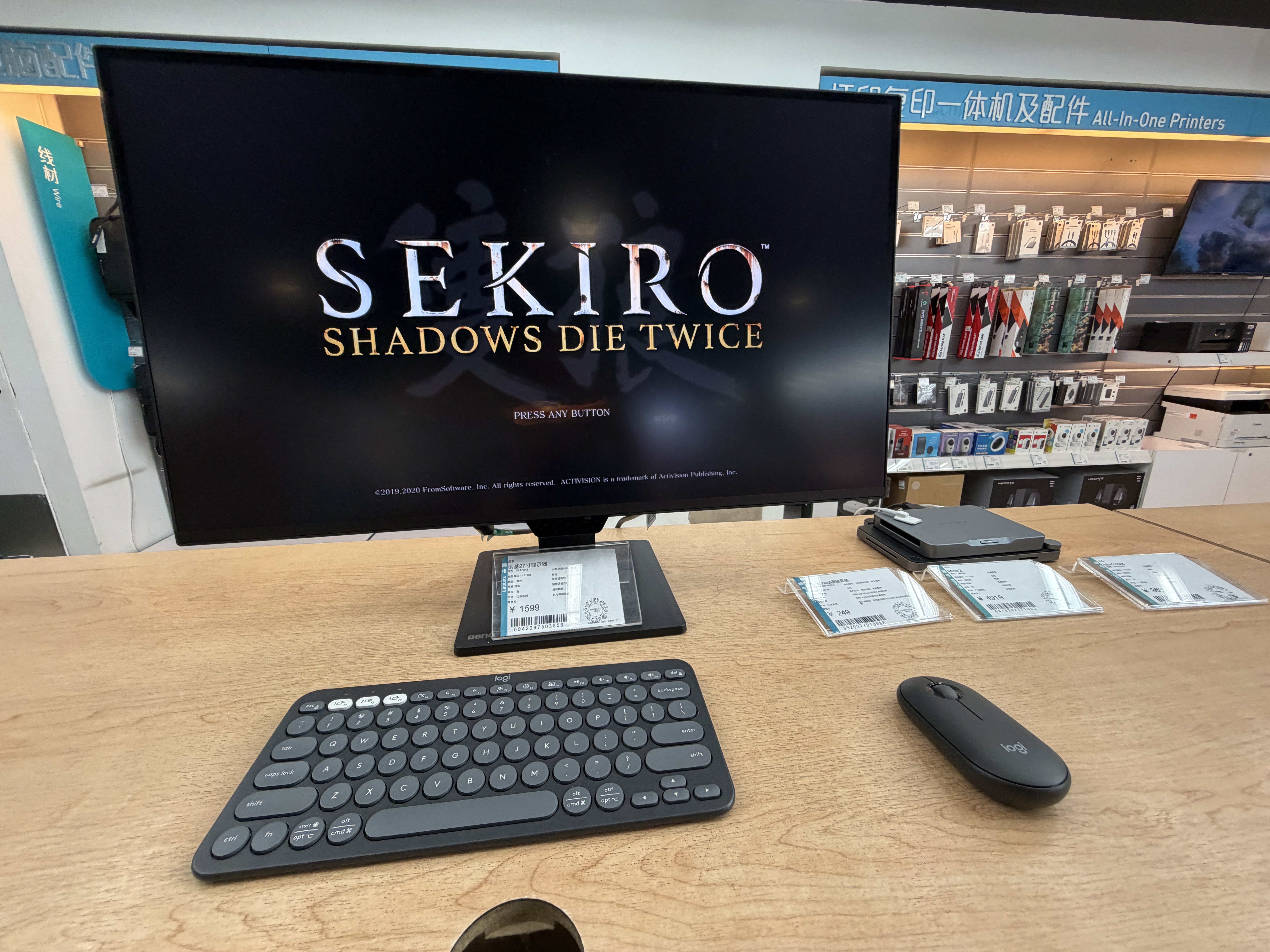
Image Source: Leitech Huaqiangbei Suning Photography
This mini host was set up in an experience zone, allowing users to test it with provided monitors, keyboards, and mice. Games playable on this mini host included Sekiro: Shadows Die Twice, running relatively smoothly at 1080p resolution.
Shundian has given the green light to a domestic mini PC, which naturally comes with a high price tag of 4919 yuan.
It should be noted that when purchasing a domestic mini PC online, one should remember the basic principle that 'you get what you pay for.'
For instance, similar to the offline market, many cheaply priced domestic mini PCs are actually 'barebone versions.' After purchasing online, users need to additionally configure memory, hard drives, and even the CPU. The final actual cost will vary depending on the options chosen, resulting in different final prices.
Meanwhile, for standard versions of mini PCs, attention should also be paid to the processors and memory they come with. Some older processors, such as the Intel N-series commonly used in domestic mini PCs, are not recommended, especially versions older than N95. It is advisable to opt for N97 or higher, with N100 being the recommended starting point. In terms of memory, while the Apple Mac mini starts at 16GB, it is recommended that domestic mini PCs also start at 16GB, with the lower-priced 8GB version not being recommended.
AI PCs have been promoted for years, yet the consumer market is still in the conceptual promotion phase.
During visits to computer malls in Guangzhou and Shenzhen, Leitech (ID: leitech) also observed the overall coverage and penetration of AI PCs in the current offline market.
In short, after years of cultivation and development, AI PCs still remain in the conceptual phase. Even some computer brands, such as ASUS, no longer display any AI-related promotional information in their stores or on counters. Brands like Dell have also begun to focus on promoting AI PCs and their solutions among commercial customer groups.
Among current consumer-grade PC devices, Lenovo, HP, and Apple remain the major brands still vigorously promoting the concept of AI PCs. Among new brands, Honor has become the biggest 'show-off' for AI PCs at the moment.
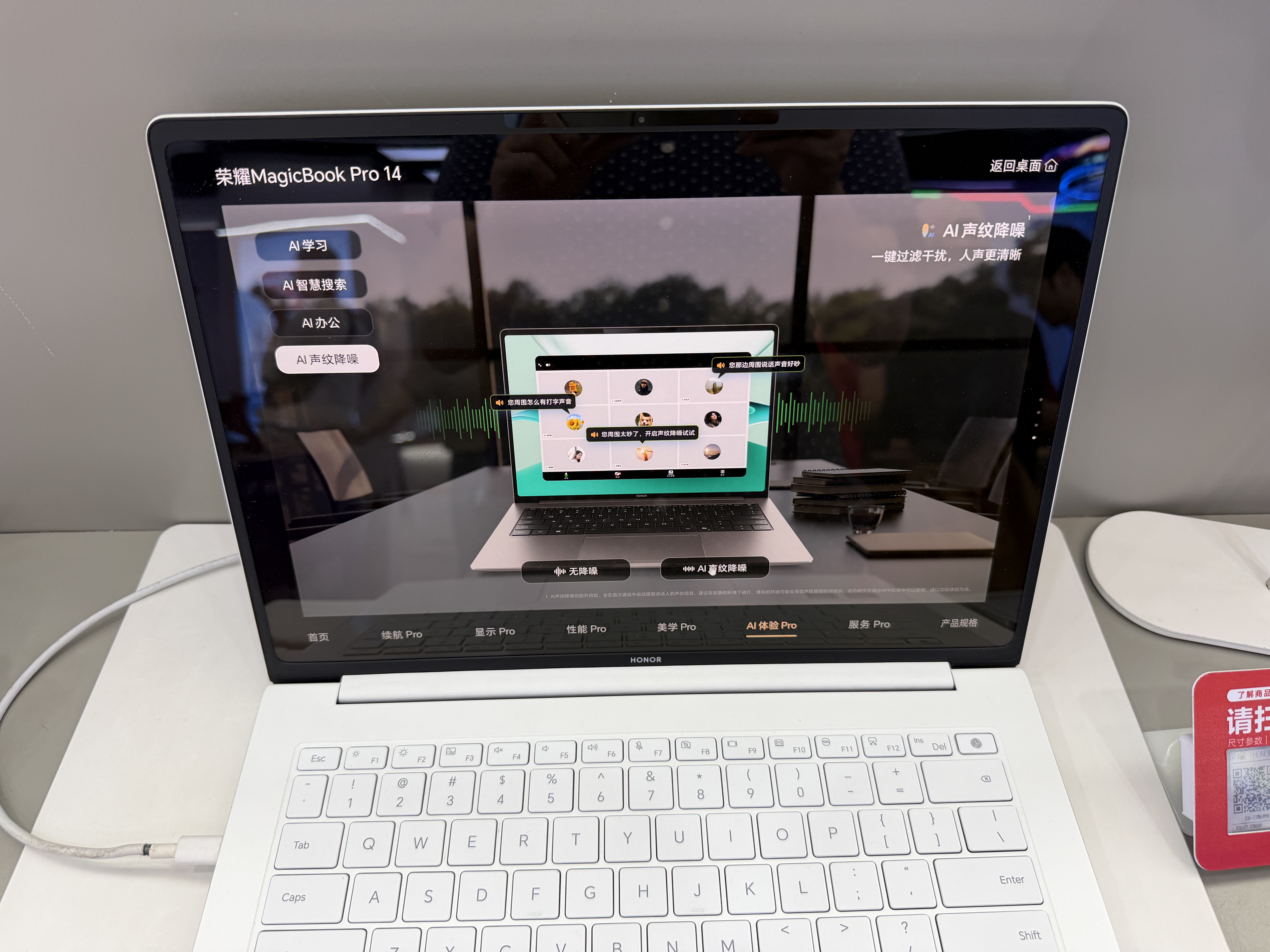
Image Source: Leitech, JD Electric City Flagship Store
At the JD Electric City Flagship Store in Huaqiangbei, Leitech (ID: leitech) sensed the enthusiastic atmosphere surrounding AI PCs: from Lenovo's Tianxi AI notebooks to ThinkPad's AI PC displays; from HP's Spring AI Renewal Season to Honor's AI Experience Pro.
Different brands use different promotional messages, but they still focus on single-point functions of AI technology applications. For example, Lenovo Tianxi AI offers features like AI search, AI view the world, AI smart notes, AI translation, and cross-device super interconnection; Honor's new notebooks emphasize AI learning, AI smart search, AI office, and AI voiceprint noise reduction.
Earlier this year, Leitech (ID: leitech) also visited a Best Buy store in Las Vegas, USA. The atmosphere surrounding AI PCs there was undoubtedly more intense, primarily because the key drivers had changed.
In the Chinese offline market, device manufacturers are vigorously promoting AI PCs. In the US offline market, AI platform vendors, such as Microsoft (Copilot) and Google (Gemini), are more actively promoting AI PCs.
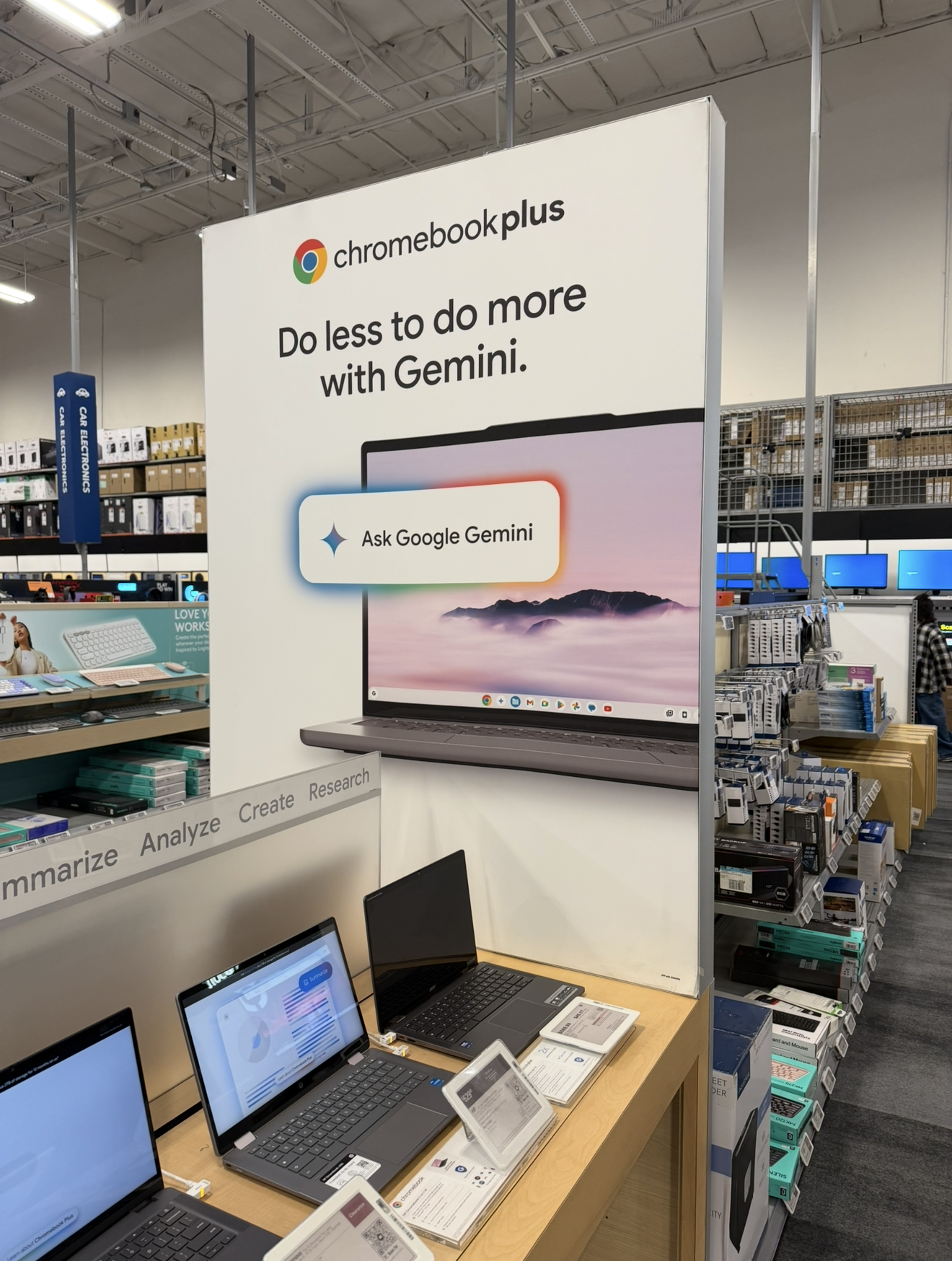
Image Source: Leitech, Best Buy USA
Leitech (ID: leitech) also surveyed ordinary consumers, with nearly 70% of respondents stating that they are not currently using an AI PC; similarly, nearly 70% said they would not specifically buy a mini PC to 'raise lobsters.' If they were to buy a mini PC, more than half of the respondents indicated they would consider the Apple Mac mini series.
Compared to mini PCs, ordinary consumers have a higher recognition of AI PCs (such as notebooks and desktops). Nearly 70% of respondents said they would prioritize an AI PC when purchasing their next computer. Nearly 90% said they would consider higher-configuration products due to AI capabilities and performance requirements when buying their next computer.
The main battleground for 'lobster hosts' and even AI PCs lies in the commercial and small-to-medium-sized enterprise sectors.
It should be noted that the 'lobster craze' has not completely subsided. In startup parks in major cities, 'one-person companies' (OPCs) are rapidly developing, and even larger small-to-medium-sized enterprises are beginning to fully embrace AI PCs and even mini PC-shaped AI PCs.
The core battleground for AI PCs has shifted to commercial customer groups, and 'lobster' mini PCs still have broad development prospects in the small-to-medium-sized enterprise and OPC markets.
For ordinary consumers, they can either directly and 'brainlessly' opt for the Apple Mac mini series, which can be used for more than just 'raising lobsters,' with the price and supply of the M4 chip version gradually returning to normal; or they can purchase a cost-effective thousand-yuan domestic mini PC online for pure entertainment.
From the perspective of product form development trends, the market share of traditional tower PCs is being rapidly eroded by integrated, high-performance mini PCs, a process that requires comprehensive coverage from online platforms to the offline market.
AI Hardware, AI, AI PC, AI Host, PC
Source: Leitech
The images in this article are from the 123RF Authentic Library (123RF Royalty-Free Image Library)
-
![]()
Proceed with Caution Before Entering the Indian Auto Market: Even Musk Faced Challenges, What Makes Chery Think It Can Succeed?
-
![]()
EU Intends to Engage in Trade War with China Amid Chinese Cars Nearing 10% of Monthly Sales in Europe
-
![]()
Shenzhen Rolls Out 'Ten Measures' for New Energy Vehicle Insurance: Integrates Innovative Risk Factors and Adopts Battery-Body Separation Model
-
![]()
If You Can’t Drive a Ferrari Yourself, What’s the Point of Owning One?
-
![]()
ByteDance Clarifies: 'No Car Production, No Investment in Saido!' Seres' Stock Price Plummets to New Lows!
-
![]()
New Energy Vehicles Boast Over 60% Penetration Rate: Joint Venture Automakers Must Accelerate Their Efforts
-
![]()
Why Are New Energy Vehicles Becoming Increasingly 'Bulky'?
-
![]()
Over 12 Years, the Average Passenger Vehicle Has Gained Nearly 400 kg, Sparking Netizens' Queries: When Will New Energy Vehicles Revert to Their 'Standard Size'?