Handheld Gimbal Cameras Embrace Dual-Lens Trend: DJI Pocket and Insta360 Luna Go Head-to-Head
 04/20 2026
 525
525
The dual-lens pocket gimbal craze has finally taken off.
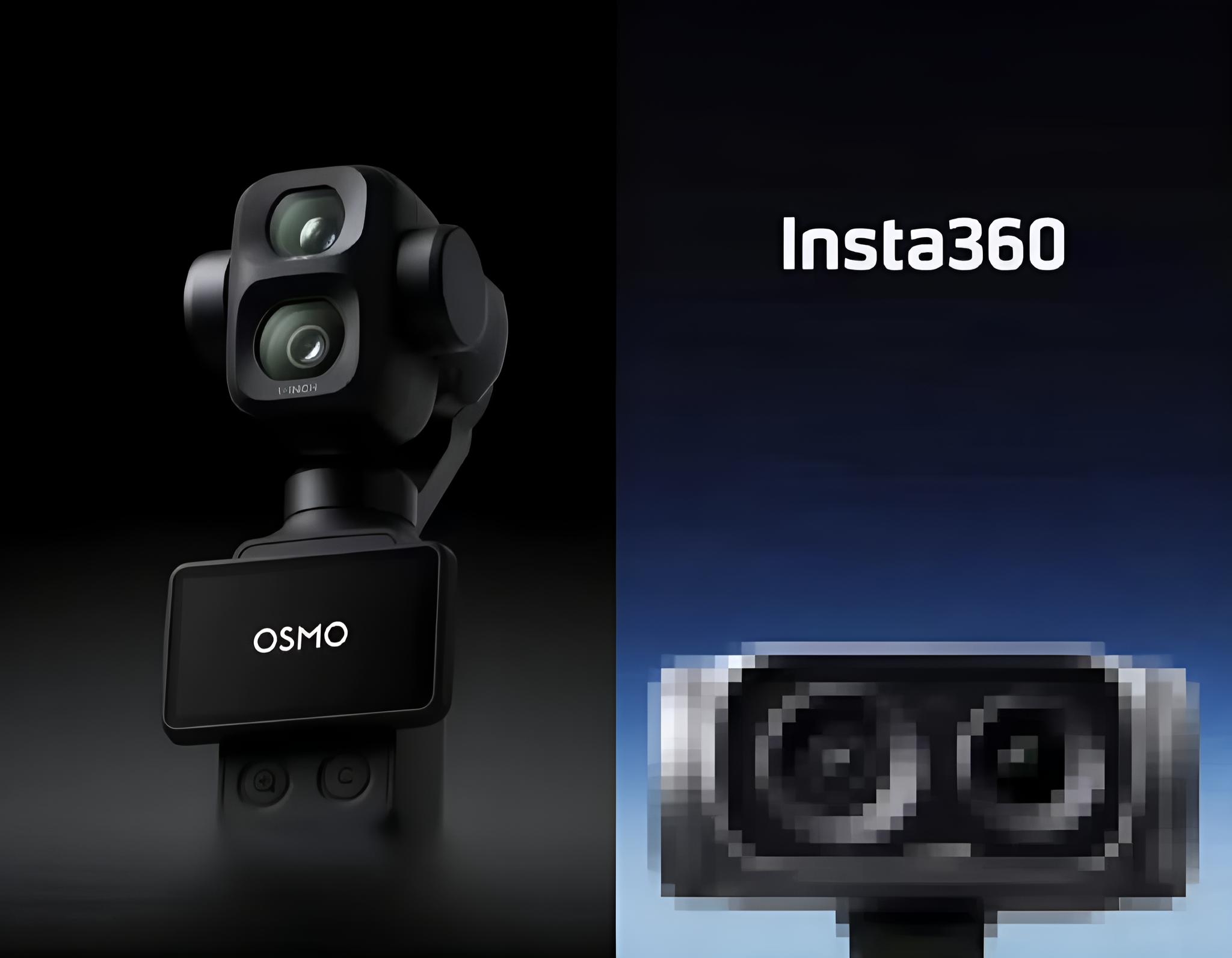
Last week, DJI unveiled its highly anticipated product—the Osmo Pocket 4. However, what surprised everyone even more was the bonus reveal at the end of the launch event—a Pocket 4 model equipped with two cameras. Based on previous online leaks, this is likely the Osmo Pocket 4 Pro (tentative name).
(Image source: DJI & Insta360 official)
Coincidentally, Insta360 also released sample footage of its first handheld gimbal camera, the Luna, on the same day, which is similarly equipped with a dual-lens module.
Both DJI's teaser and Insta360's announcement convey the same message to the market: the era of "single-lens" handheld gimbal cameras is coming to an end, and the dual-lens era has officially begun.
The "fish" and "bear's paw" dilemma for single-lens cameras
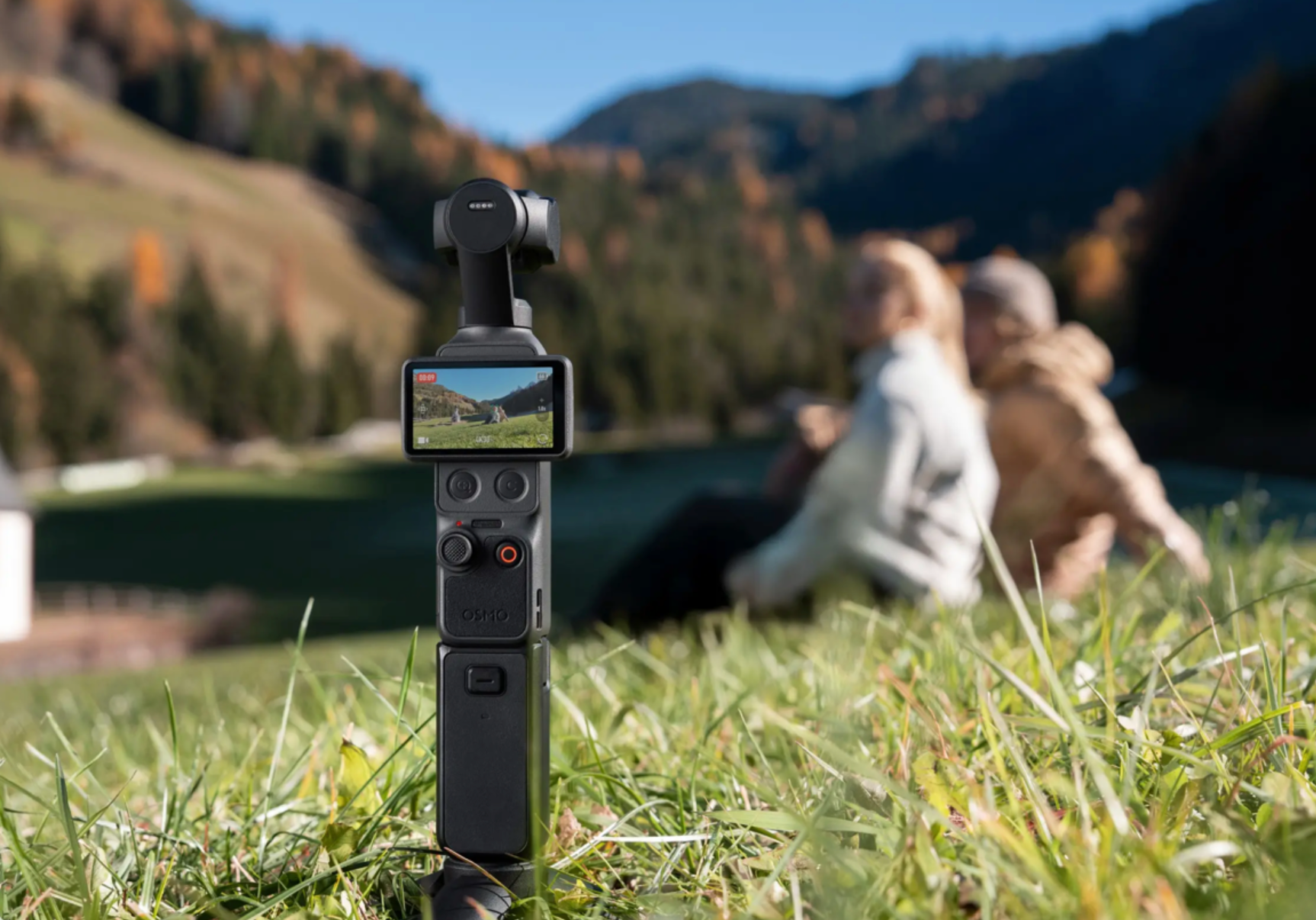
Over the past few years, the vast majority of portable Vlog devices (including the Pocket series and various action cameras) have come standard with an ultra-wide-angle lens equivalent to around 20mm (the typical primary lens focal length on smartphones ranges from 23-26mm). The reason is simple: it easily captures the user's upper body and a broad background during handheld selfies. This focal length provides an environmental backdrop that delivers a stronger visual impact, rather than simply capturing a "headshot" of the user, as would be the case with 35/50mm lenses.
However, the fatal flaw of wide-angle lenses lies in perspective distortion and their inability to filter out complex backgrounds.
(Image source: DJI official)
For example, when users want to capture close-ups of people, product details, or hope to filter out passersby and highlight the subject on crowded streets, a 20mm wide-angle lens falls short. Facial stretching at the edges of the frame and unavoidable environmental interference limit the final footage to "daily recording" quality, making it difficult to associate with the term "cinematic."
In March 2025, DJI introduced firmware for the Pocket 3 that enabled 40mm lossless zoom, addressing users' pain points in shooting. However, from an optical perspective, DJI's approach still relied on sensor cropping, which sacrifices image quality, light intake, and dynamic range. While the difference may not be noticeable to the naked eye in well-lit conditions, cropped footage appears heavily smeared in low-light environments. More importantly, even a 2x digital crop cannot replicate the unique "spatial compression" effect of a true telephoto lens.
In other words, the market desire s a device that can handle both handheld selfies and possess a certain level of depth-of-field close-up capability. Since a single lens cannot meet this demand, incorporating a second lens into the device becomes the only solution.
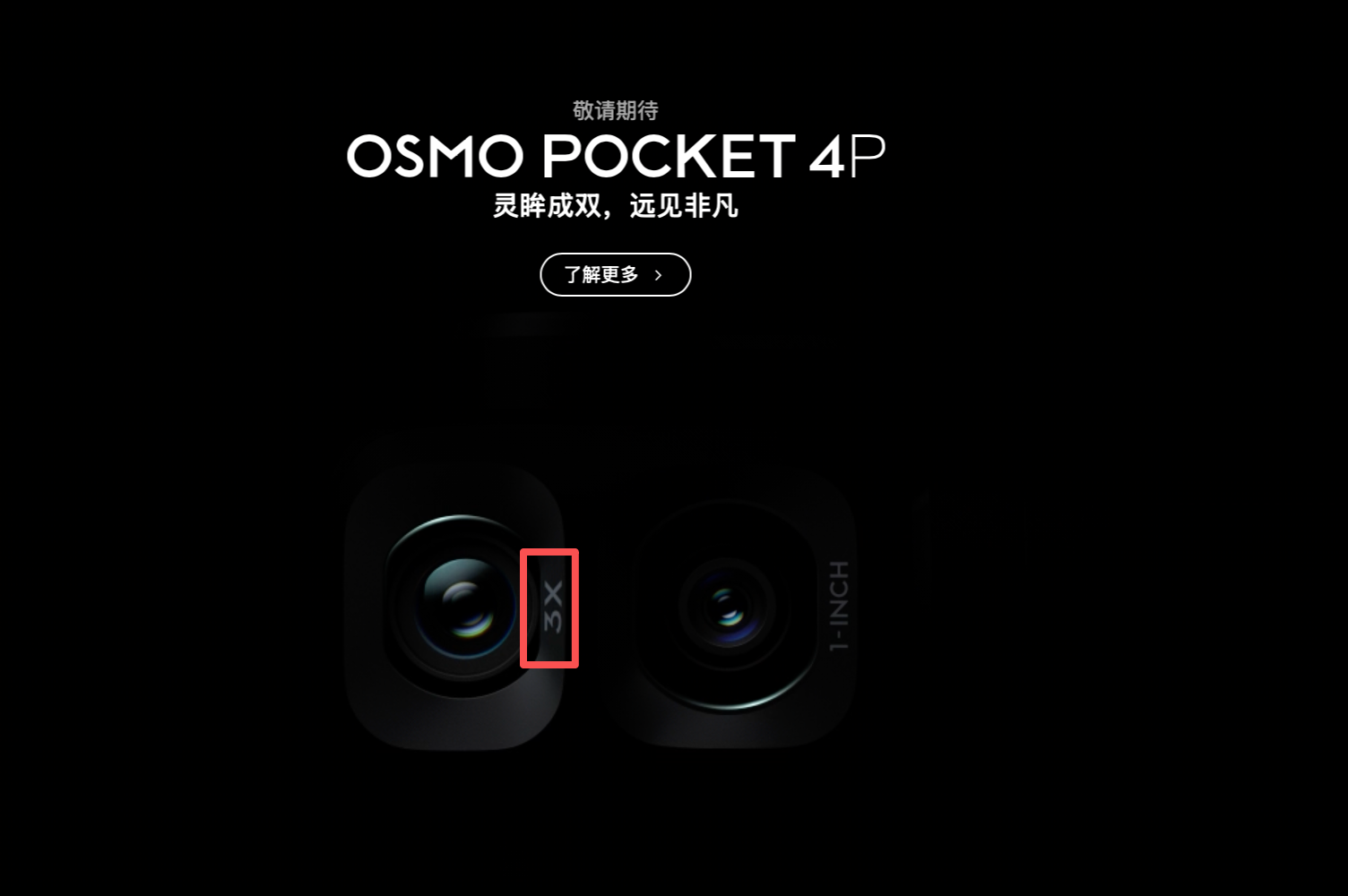
According to official disclosures, both the Insta360 Luna and the DJI Pocket 4 Pro (tentative name) are equipped with a 3x optical zoom telephoto lens, equivalent to 60mm.
Why 60mm? Because it is a classic focal length for "portraits and close-ups." When switching to this lens, the perspective of the image immediately returns to normal human visual habits, eliminating the exaggerated stretching of wide-angle lenses. Combined with the inherent depth-of-field advantages of telephoto lenses and large physical apertures, the subject can be directly "isolated" from a cluttered environment.
(Image source: Leitech)
Another revolutionary experience offered by the dual-lens combination is simultaneous dual-lens recording. For DJI and Insta360, which possess mature panoramic camera technology, enabling the wide-angle and telephoto lenses to work simultaneously is not a difficult task. This feature significantly enhances the user's shooting experience: the wide-angle lens can capture the surrounding environment and the user's overall reaction, while the telephoto lens simultaneously focuses on the details of objects or hand movements in front of the user.
During post-production editing, users instantly gain access to a richer multi-angle footage library. This not only eliminates the awkwardness of retakes and continuity errors but also represents a qualitative leap in the richness of video content produced by solo creators.
Why cram dual lenses into a "lipstick-sized" device? DJI and Insta360's motivations
In addition to evolving user demands, Leitech believes that the emergence of dual-lens technology is largely influenced by the smartphone market.
The DJI Pocket 3 was released in October 2023. At that time, smartphone imaging was primarily focused on competing in static photography, with only iPhone and vivo making significant efforts in the video domain. Back then, gimbal cameras could still comfortably capitalize on the video market with their 1-inch sensors and mechanical stabilization.
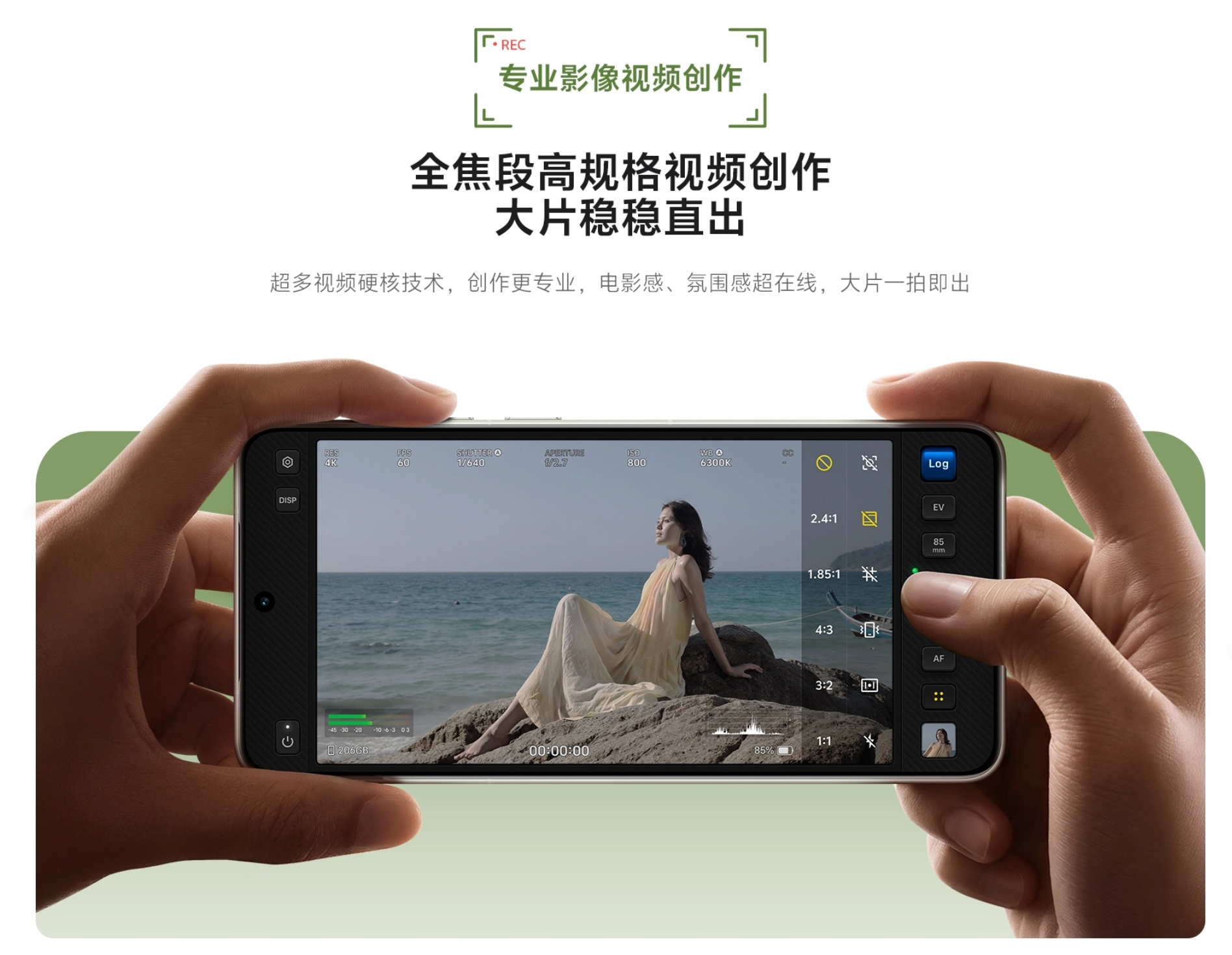
By 2026, however, when all manufacturers began shifting their focus to video recording, smartphone video capabilities had advanced to a formidable level: supporting various high-resolution and high-frame-rate recordings, high dynamic range, professional 10-bit D-log video formats, diverse shooting templates, and even Pro/Master modes developed specifically for filmmakers. Coupled with the powerful chip computing power and multiple focal lengths already present in smartphones, handheld gimbal cameras with only a single lens suddenly seemed like "relics."
(Image source: vivo official)
Therefore, DJI and Insta360's decision to venture into dual-lens technology is not only driven by the focal length limitations mentioned earlier but also by the need to prove the irreplaceability of dedicated devices. Smartphones have extremely limited space for optical image stabilization (OIS), requiring significant cropping for stabilization during vigorous motion or low-light walking, which easily leads to jelly effects. Additionally, the slim bodies of smartphones cannot support the cooling and battery requirements for prolonged high-specification video recording. Gimbal cameras, with their physical three-axis mechanical stabilization, independent cooling architectures, and the advantage of not draining smartphone storage and battery, represent their core competitive edge.
In essence, achieving physical dual lenses on a compact gimbal is DJI and Insta360's strongest trump card against smartphones.
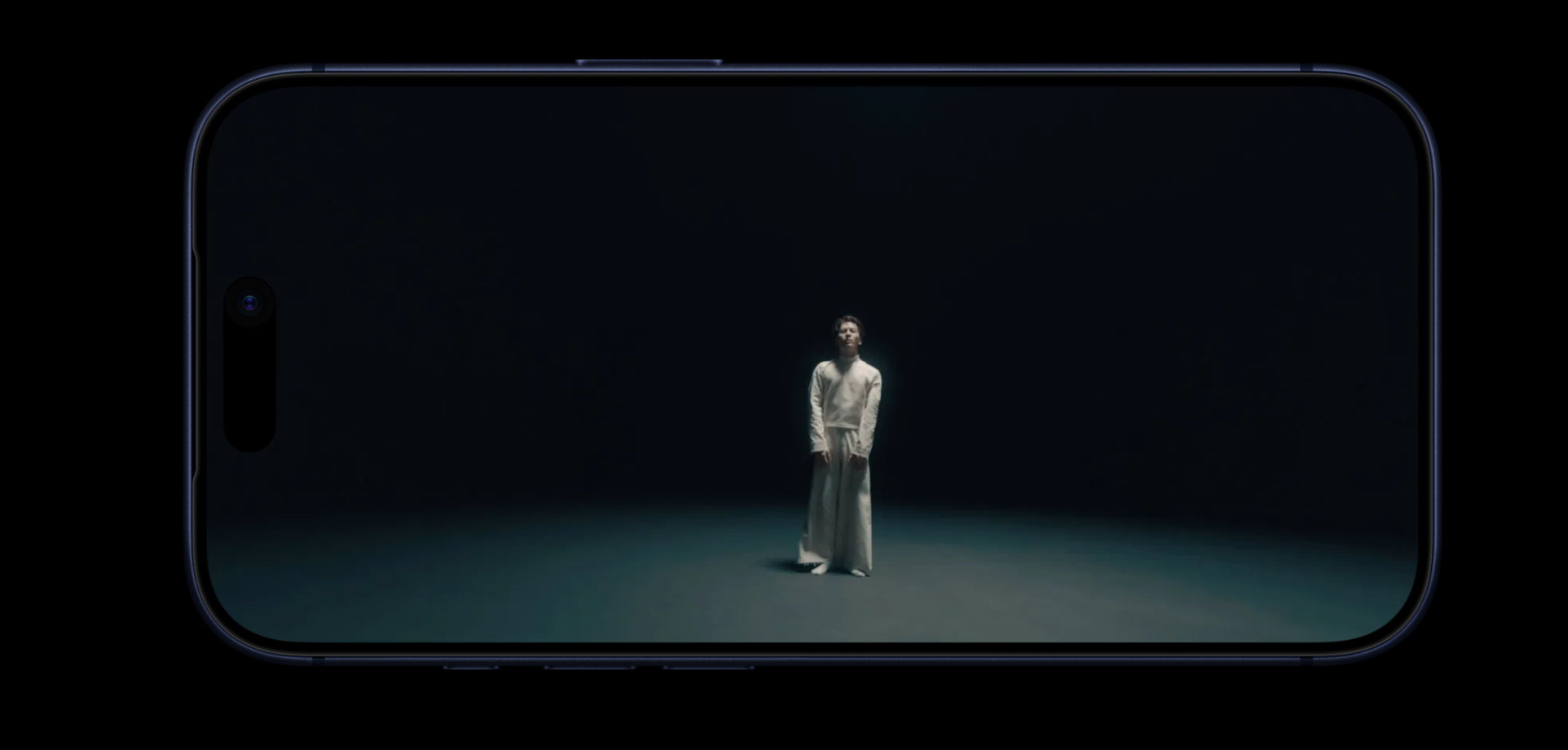
Beyond filling in focal length gaps, the dual-lens design also brings about a qualitative leap in "computational photography" for gimbal cameras. When smartphones shoot video, the so-called background blur (such as iPhone's Cinematic mode) is largely achieved by a primary lens combined with extremely powerful AI computing power to "guess" the background. This approach works well with simple backgrounds but often fails with complex backgrounds (e.g., sunlight filtering through leaves, hair strands, transparent glass containers), resulting in awkward matting that detracts from the overall aesthetic.
(Image source: Apple official)
With the introduction of two physical lenses in gimbal cameras, the situation changes entirely. Due to the natural physical distance between the wide-angle and telephoto lenses, "parallax" occurs. By simultaneously analyzing the footage captured by both lenses, the chip can directly calculate the true depth information of objects in real space, rather than relying on AI algorithms to make blind guesses.
With this hardware-level depth information acquisition capability, gimbal cameras can render extremely natural transitions in real-time, even achieving shallow depth-of-field effects comparable to those of DSLR cameras with large-aperture lenses.
Another predictable outcome is that DJI's renowned object tracking technology will become even more impressive with binocular vision. Previously, with single-lens tracking, if the subject moved behind a pillar and was obscured for two seconds, the camera might lose track. Now, with spatial depth perception, the camera can more accurately predict the subject's movement trajectory and maintain lock-on even during brief obstructions. This level of tracking experience is impossible to replicate manually when holding a smartphone to record.
However, cramming all this into a gimbal camera the size of a lipstick tube presents engineering teams with hellish challenges.
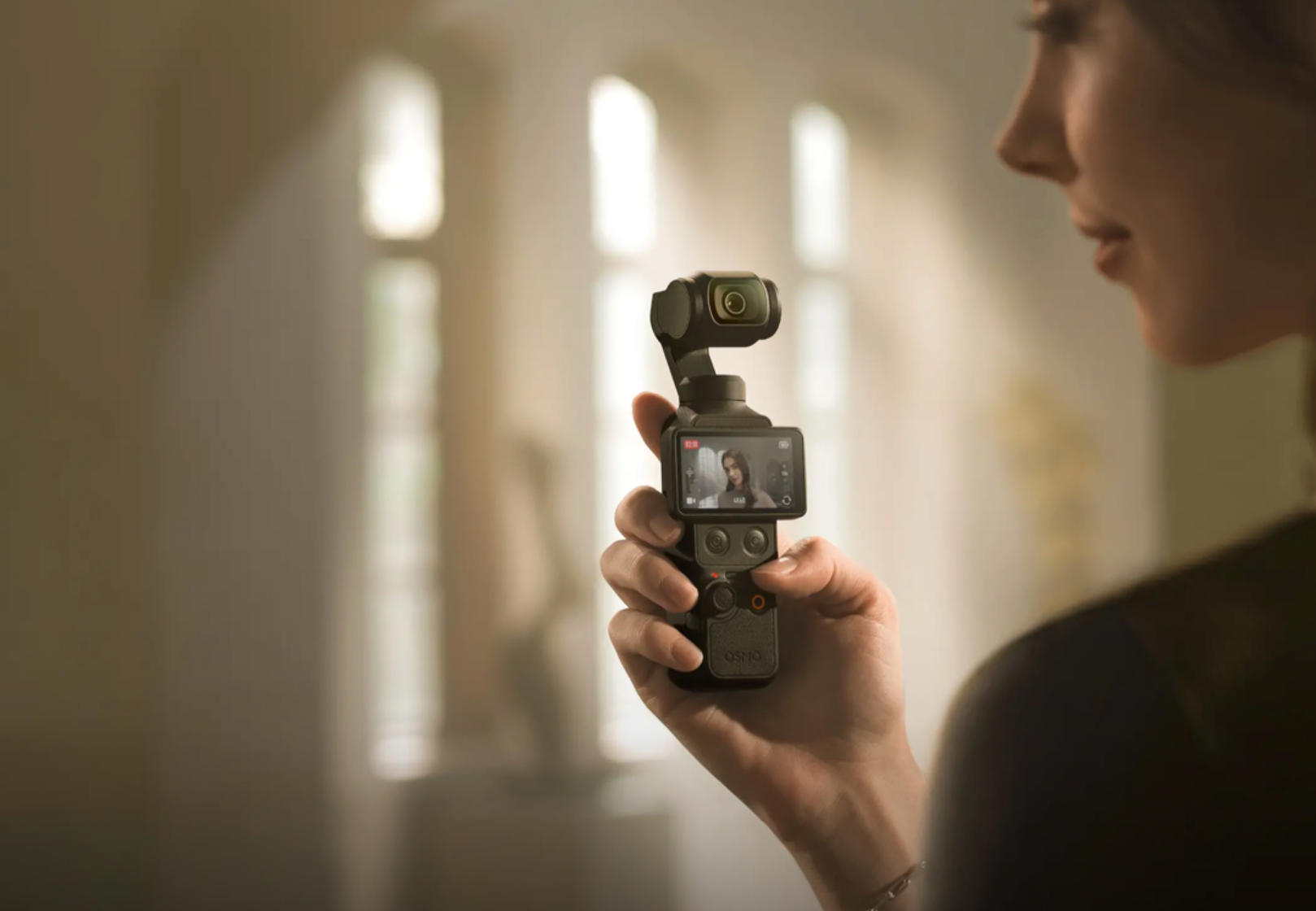
First is the nightmare of physical structure. The core of a gimbal is its motors and balancing. Previously, the single-lens module was a relatively uniform cylinder, making balancing straightforward. Now, not only must two lenses be fitted, but the weights and volumes of the wide-angle and telephoto glass elements are entirely different, causing the entire gimbal head's center of gravity to shift. Engineers must perform micrometer-level structural redesigns within the extremely confined internal space and rewrite the motor drive algorithms to ensure the asymmetrically weighted camera can still operate as smoothly as before.
(Image source: DJI official)
Next is computing power and cooling. Gimbal cameras cannot incorporate active cooling fans like professional cameras, nor can they stack various cooling structures like smartphones. They must rely solely on passive body cooling. This means the internal image signal processor (ISP) must simultaneously process two 4K-level, possibly even 10-bit deep, high-specification video streams. The massive data throughput generates tremendous heat instantaneously. How to prevent overheating and shutdown during outdoor recording in hot summer conditions severely tests manufacturers' ability to tune the chip's underlying architecture.
Faced with such stringent miniature hardware engineering challenges, Insta360's launch of the dual-lens Luna represents a differentiated strategy based on its technical DNA. Insta360 has chosen to introduce its "multi-lens image collaboration processing" and "dual-ISP computing power scheduling" technologies, accumulated in the panoramic camera domain, into gimbal cameras. This technological migration essentially provides users with new shooting ideas through product form innovation, carving out a unique path within the existing market landscape.
Meanwhile, DJI's release of the dual-lens Pocket 4 Pro not only meets creators' demands for multi-focal-length collaboration recording but also showcases its underlying technological reserves in complex imaging system integration. Simultaneously, it represents a necessary step for a mature product line to break through single-form bottlenecks after multiple iterations, offering consumers a fresh visual experience. By introducing a dual-lens architecture, DJI effectively broadens the usage scenarios of the Pocket series and further extends the product line's lifecycle.
Within this tiny gimbal body, what we see is no longer merely a battle for market share but an upgrade in underlying algorithms, breakthroughs in miniature hardware engineering, and the portable imaging industry's inevitable progression toward more professional storytelling capabilities.
From single-lens to dual-lens: The evolutionary path of dedicated imaging devices
Looking back at the handheld gimbal camera's full-fledged entry into the "dual-lens era," this is not a routine parameter upgrade but a necessary step for dedicated imaging devices in the face of smartphones' increasingly powerful video capabilities.
Confronted by imaging flagships from iPhone, vivo, and Huawei, handheld gimbal cameras must unveil their ultimate trump card—"physical dual lenses + mechanical stabilization + independent computing power"—to avoid being relegated to gathering dust.
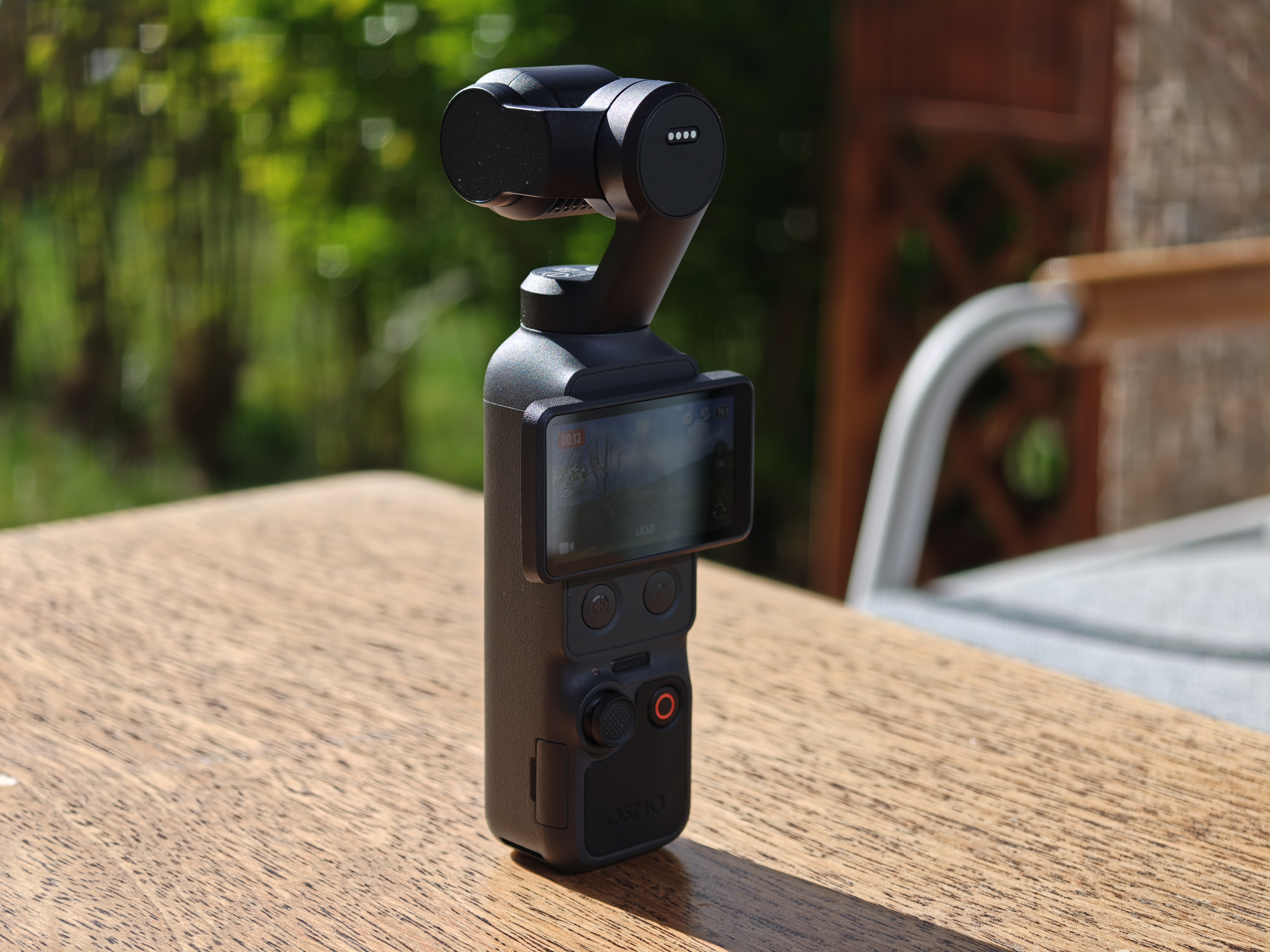
(Image source: Leitech)
As for whether DJI's Pocket 4 Pro will deliver a more stable overall experience or if Insta360's Luna will surpass it through algorithmic innovation, we will only know after obtaining actual devices and conducting in-depth comparative reviews. Regardless of the outcome, one thing is certain: the advent of dual-lens gimbals has resolved the long-standing dilemma for Vloggers of choosing between "capturing the environment" or "shooting close-ups." Manufacturers have used tangible hardware upgrades to pack a multi-angle shooting solution, previously requiring multiple cameras, directly into our pockets.
Now that manufacturers have leveled the playing field for multi-focal-length shooting, the next step is to take the device out and capture more compelling content.
DJI and Insta360 Gimbal Cameras
Source: Leitech
Images in this article are sourced from: 123RF Royalty-Free Image Library
-
![]()
Proceed with Caution Before Entering the Indian Auto Market: Even Musk Faced Challenges, What Makes Chery Think It Can Succeed?
-
![]()
EU Intends to Engage in Trade War with China Amid Chinese Cars Nearing 10% of Monthly Sales in Europe
-
![]()
Shenzhen Rolls Out 'Ten Measures' for New Energy Vehicle Insurance: Integrates Innovative Risk Factors and Adopts Battery-Body Separation Model
-
![]()
If You Can’t Drive a Ferrari Yourself, What’s the Point of Owning One?
-
![]()
ByteDance Clarifies: 'No Car Production, No Investment in Saido!' Seres' Stock Price Plummets to New Lows!
-
![]()
New Energy Vehicles Boast Over 60% Penetration Rate: Joint Venture Automakers Must Accelerate Their Efforts
-
![]()
Why Are New Energy Vehicles Becoming Increasingly 'Bulky'?
-
![]()
Over 12 Years, the Average Passenger Vehicle Has Gained Nearly 400 kg, Sparking Netizens' Queries: When Will New Energy Vehicles Revert to Their 'Standard Size'?