A Smart Apple on the Horizon? Ternus Makes a Firm Pledge to AI Amid Triple Concerns
 04/23 2026
 594
594
What Are the AI Concerns Facing Apple?
This September, John Ternus is set to succeed Tim Cook as Apple's CEO. During a recent internal meeting with employees, this typically low-key Apple executive delivered an impassioned speech to the company's workforce.
In his address as the incoming CEO, Ternus declared that Apple is poised to once again revolutionize the world, citing "an incredible roadmap ahead of us."
Ternus specifically underscored the pivotal role of AI for Apple, stating that it will unlock nearly boundless potential. He emphasized that Apple will continually discover new avenues, creating entirely fresh opportunities for products and services. Simultaneously, Ternus pledged to keep the design and user experience of Apple products at the forefront, maintaining a strong focus on product design.
Regarding the leadership transition, Ternus assured that Apple's core values as a company would remain unchanged, as would the mission of all Apple employees.
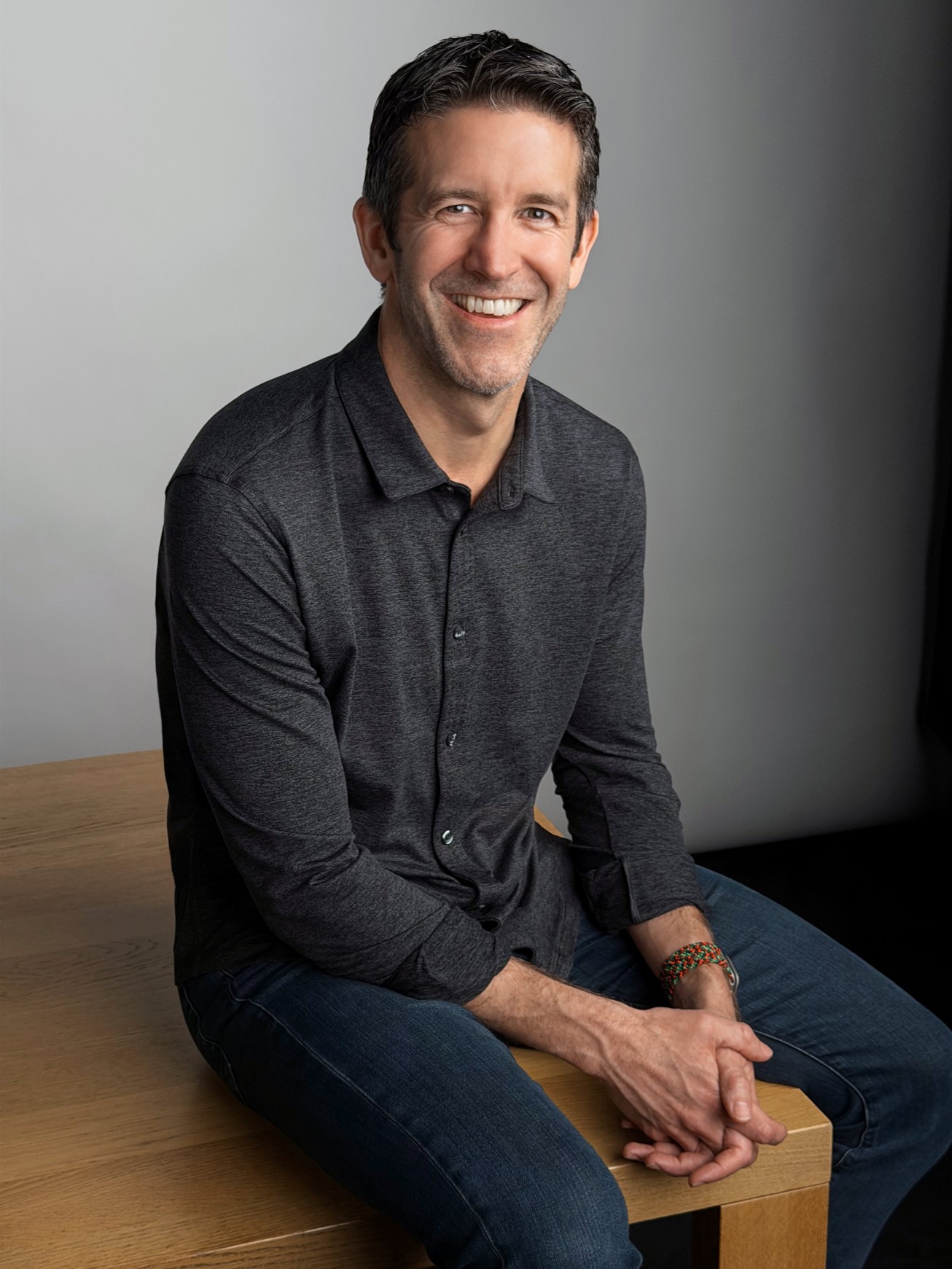
Image Source: Apple
John Ternus is poised to become Apple's eighth CEO, yet the outside world knows relatively little about him on a personal level.
On one hand, Ternus is not a "stage-centric" Apple executive. Although he has become a more frequent presence at product launches in recent years, he is clearly less visible than star executives like Craig Federighi.
On the other hand, Ternus is known for his understated demeanor, avoiding unnecessary public appearances or making bold statements. He is regarded as one of the few "transparent figures" among Silicon Valley executives.
As for this technology-focused executive's capabilities in product design and definition, and whether he has the potential to become a "tech visionary" akin to Steve Jobs, the outside world remains somewhat uncertain. This uncertainty was reflected in Apple's stock price, which dipped significantly (-2.52%) the day after the new appointment was announced.
Kicking off with his passionate "pre-inaugural" speech at the employee meeting, Ternus will represent Apple as the CEO-elect, articulating his vision for Apple's new development plans both internally and externally.
Can Ternus, with a Hardware Background, Ease Apple's AI Concerns?
Transitioning from leading the hardware engineering department to overseeing the entire business and company, Ternus's first major challenge is whether he can effectively alleviate Apple's AI concerns.
Apple's AI concerns primarily manifest in three key areas:
The first is whether Apple's "AI hardware products" can sustain their industry-leading position. This area is Ternus's forte, with strategies such as hardware-software integration, in-house chip development, and on-device AI already yielding representative products like the Mac mini. No major disruptions are anticipated in the short term.
According to earlier foreign media reports, Ternus is also spearheading the development of several new AI hardware products at Apple, including AI glasses, AirPods with cameras, AI brooches, and smart home products like a HomePod with a display, smart cameras, and even intelligent robots.
The second area is whether Apple can truly make strides and achieve significant breakthroughs in its "AI application systems and even the operating system." Objectively speaking, all major hardware terminal manufacturers face this concern, and no other company has yet established a substantial lead over Apple. However, all hardware terminal manufacturers, including Apple, must confront the systemic risk of whether the "dominance" of future personal terminal devices will be seized by AI application platforms.
As a precaution, some hardware terminal manufacturers are developing their own large models, aiming to gradually transform and evolve their system OS into an AI OS. Apple has also considered and attempted this approach, but with no significant progress in sight. After running out of patience, Apple opted to collaborate deeply with Google, integrating the Gemini cloud-based large model to enable Siri to become "smarter" quickly. As expected, the new Siri and Apple's AI roadmap will debut at WWDC26.
The third area is whether Apple can reverse its unfavorable position in the competition for AI talent. Currently, this has become a prominent factor contributing to skepticism about Apple's AI ambitions. Ternus will officially take over as CEO in September, and the "transition period" in the preceding months will provide an opportunity to observe important personnel changes among Apple's executives and AI R&D team, especially the addition of new talent.
It should be noted that Ternus has already made his first personnel appointment as the new CEO. Johny Srouji will immediately assume the role of Apple's Chief Hardware Officer, leading the hardware engineering team and hardware technology department previously managed by Ternus.
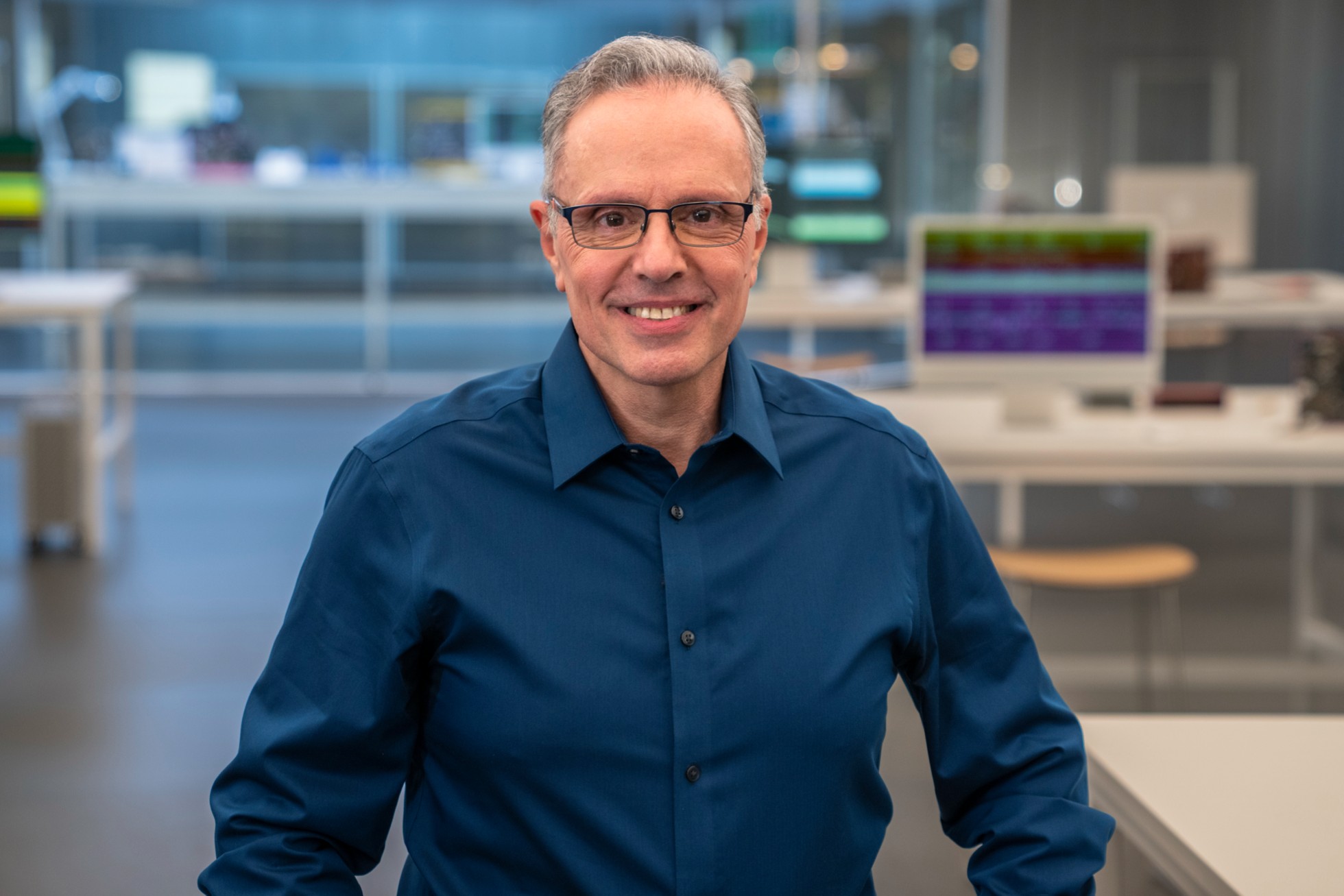
Image Source: Apple
Srouji joined Apple in 2008 and led the development of the first Apple-designed system-on-chip (the A4 chip). Subsequently, he led Apple's chip and technology engineering team, achieving numerous key advancements and breakthroughs in custom chips and hardware technology.
According to foreign media reports, Ternus has fully embraced an AI-driven office philosophy within Apple, including significantly increasing the Claude Token budget for employees' workflows. For instance, the business team has a daily budget of $300, and employees who consume fewer Tokens may even face penalties. When evaluating team leaders for promotions, Apple will also focus on the AI usage rate within their respective teams.
It is evident that even before being confirmed as Apple's new CEO, Ternus has been actively leading the team to comprehensively advance and implement new AI strategies and their detailed measures across multiple levels and fields beyond personnel matters.
This year's WWDC and autumn product launches can still be viewed as the culmination of Cook's product and strategic system. Starting from 2027 and 2028, the outside world will begin to witness Ternus's actual business acumen and leadership skills. Whether Apple's AI concerns are truly alleviated effectively can only be evaluated at that time.
Will Ternus Continue to Prioritize Accessibility and the Vision Pro?
Ternus, a native of California, graduated from the University of Pennsylvania with a bachelor's degree in mechanical engineering. For his graduation project, Ternus chose to focus on assistive technology and accessible mechanical devices, designing a "mechanical feeding arm" for individuals with quadriplegia.
The core idea of this device was to enable individuals with limited mobility to control the movement of the mechanical arm through head movements, thereby assisting with feeding.
It is evident that even before entering the workforce, Ternus was already concerned with the assistive functions and accessible experiences of devices. During Cook's tenure, assistive functions ranked first among the five core "Apple values," which may reflect a significant alignment between Cook and Ternus.
As Apple enters the Ternus era, with nearly 3 billion active devices worldwide, attention and care for minority groups such as people with disabilities will become a golden opportunity and brand momentum that this technology company can continuously polish and consolidate.
Meanwhile, Ternus's graduation project, which adopted a head-movement-based human-computer interaction scheme, connects with his later joining a VR company and his leadership in launching the exploratory Vision Pro at Apple.
After graduating from university in 1997, Ternus joined a VR company named Virtual Research Systems as a mechanical engineer, the only company he worked for before joining Apple.
In the late 1990s, VR was in its infancy. At this technologically advanced yet small-scale hardware company, Ternus worked for four years, focusing on developing head-mounted display products.
Twenty-two years after joining Apple, with strong support from Cook, Ternus launched the Vision Pro, a product he led the development of.
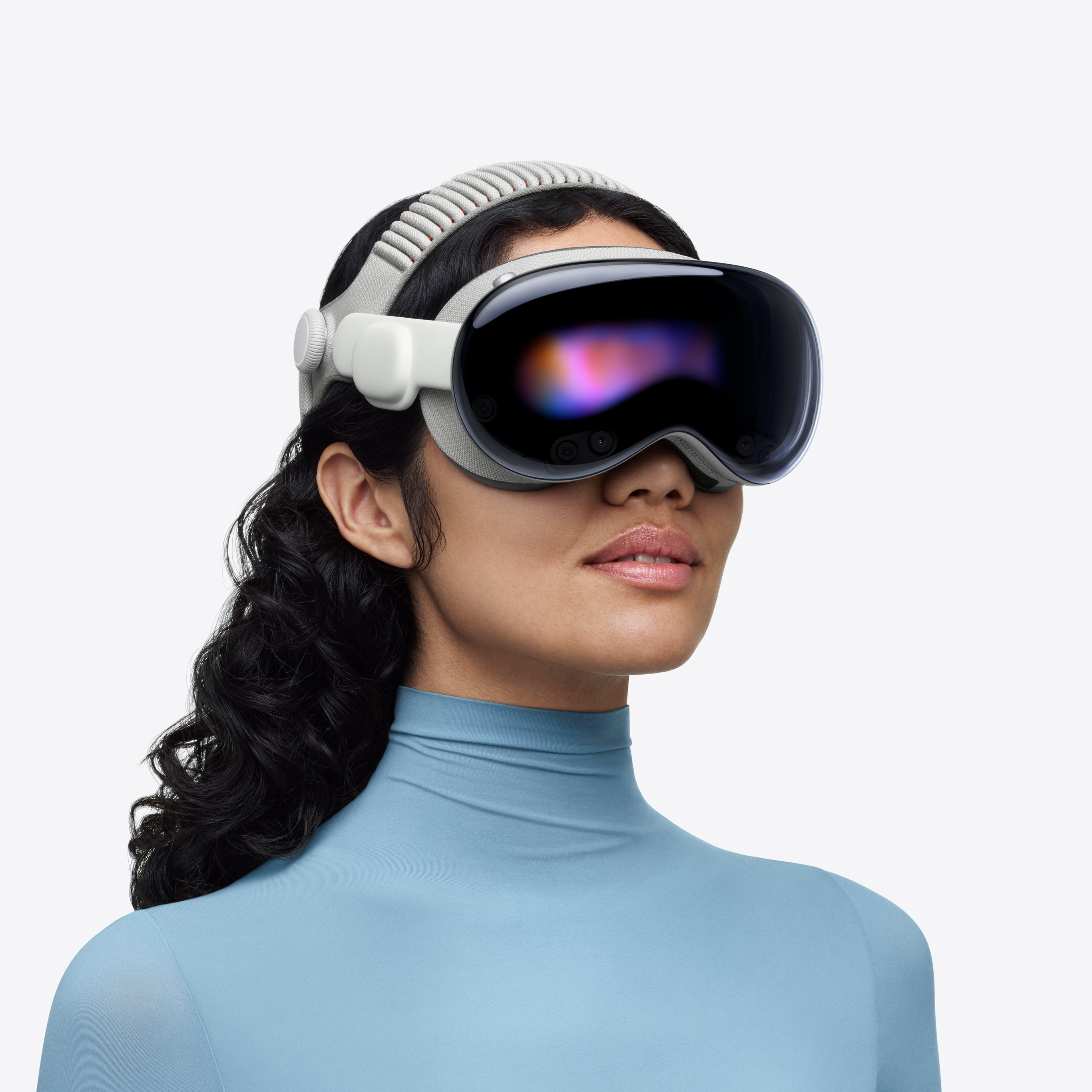
Image Source: Apple
Vision Pro is viewed by many as a "less successful" product from Apple, primarily due to its market performance. Compared to other Apple product categories, Vision Pro's high price and unique product form can be seen as a more exploratory "trial product."
After Ternus takes over as Apple's CEO, how he will act and strategize regarding this product category and its iterations will be a major point of interest. This includes the increasingly popular rumors about Apple's AI glasses and how they will relate to and prioritize against Vision Pro, which is also worth anticipating.
The Cook Era Will Conclude, and Ternus Is the Ideal Successor
Over his 25-year tenure at Apple, Ternus rose from a member of the product design team to become the head of the Mac hardware department (Vice President of Hardware Engineering) in 12 years, then spent another 8 years as the head of Apple's hardware department (Senior Vice President of Hardware Engineering), and finally ascended to the position of Apple's new CEO after another 5 years.
During these 25 years, Ternus has overseen hardware engineering for almost all of Apple's major product categories, including the iPhone, iPad, Mac, Apple Watch, AirPods, and Apple Vision Pro product lines. His roles in product lines other than the iPhone are as follows:
iPad, AirPods: Founding-level core leader
Mac: Overall leader of the Apple Silicon transition
Apple Watch: Core leader after 2022
Apple Vision Pro: Lead hardware leader
It should be noted that Apple has also particularly recognized Ternus's work in leading the hardware department team, especially for the iPhone 17 series and MacBook Neo.
The popularity of the iPhone 17 series in global and Chinese markets significantly boosted Apple's market share in the high-end smartphone segment. The newly launched low-end notebook, MacBook Neo, achieved market performance far exceeding external expectations, substantially raising the overall market share expectations for Apple's MacBook lineup.
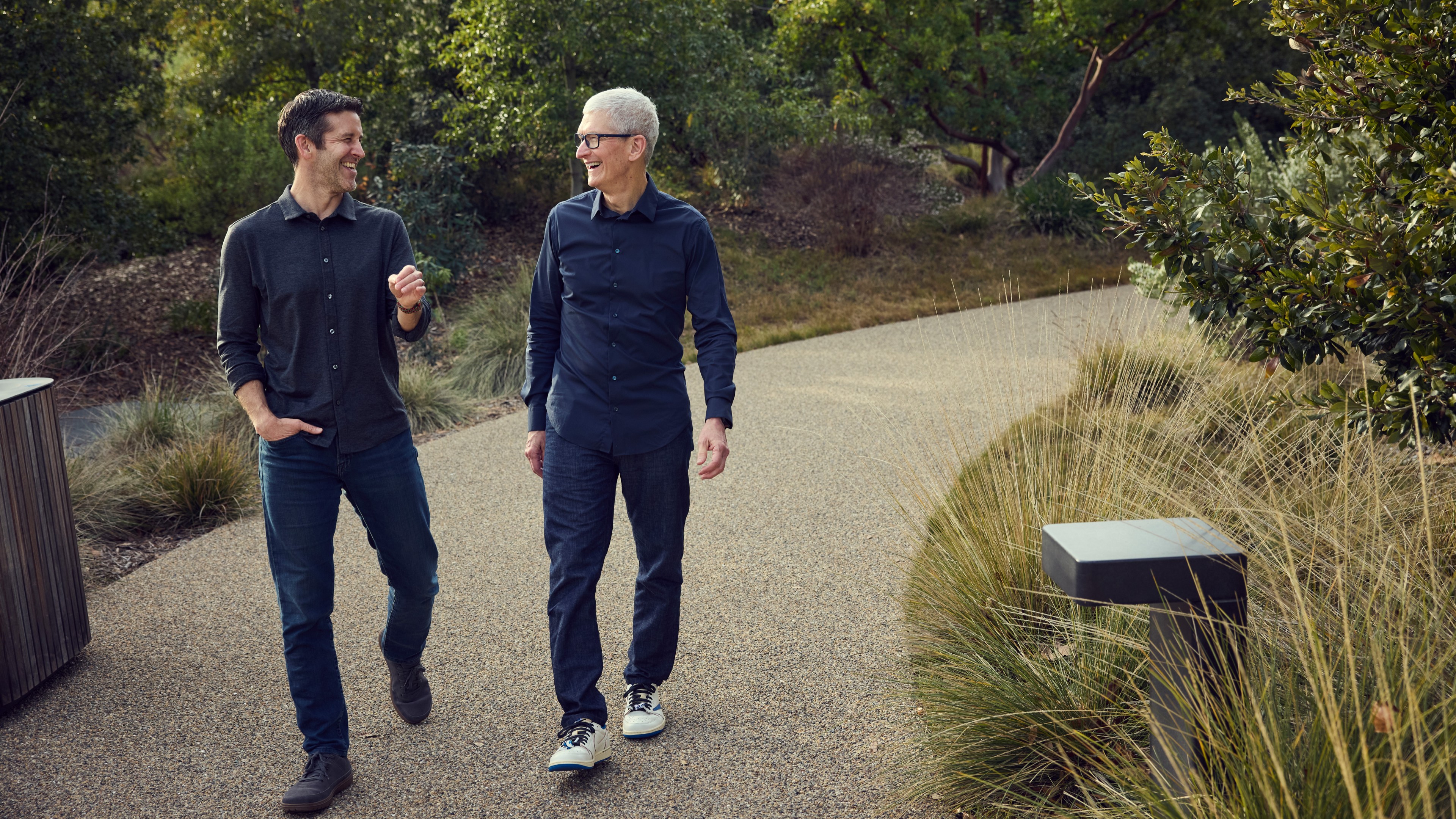
Image Source: Apple
From the Jobs era to the Cook era, Cook took on a critical leadership role during a challenging time and successfully led Apple to establish a true technology ecosystem empire in the global market, far exceeding external expectations.
After fulfilling the crucial role of "bridging the past and the future," Cook chose to step down at the peak of Apple's success, handing over the baton to a new "product-oriented" leader.
-
![]()
"3D Vision Pioneer" Grapples with Internal Strife: $120 Million in Share Reductions Offset by $147 Million Private Placement
-
![]()
The domestic auto sales have declined so much that dealers who can't hold on have started closing stores en masse
-
![]()
Five Brands Team Up with Huawei: Will Dongfeng Still Pursue Independent R&D?
-
![]()
The Large Six-Seater SUV Market: Overhyped and Overrated
-
![]()
The Smart Driving Blue Light: Urgent Need for Rectification
-
![]()
Would OpenAI Be Fascinated by Anthropic’s Concepts?
-
![]()
Tencent: Few Great Queries, Yet Possessing the Ultimate One
-
Does DingTalk Need Revolutionaries or Reformers?