Should Avita and Shenlan ‘Combine Forces’?
 04/23 2026
 596
596
Changan’s New Move Amid Industry Consolidation
On April 21, 2026, the China Changan Automobile Group wrapped up its global strategy conference. Zhu Huarong, the group’s Party secretary and chairman, made a surprising announcement during the post-conference discussion: the two major new energy vehicle brands under the group, Avita and Shenlan, will undergo strategic integration. The goal is to achieve an annual sales volume of 1.5 million units by 2030, with Avita targeting 500,000 units and Shenlan aiming for 1 million units.
This strategic shift immediately brought the topic of “group brand integration” back into the spotlight within the automotive industry.
At present, the domestic automotive market has fully transitioned from a “blue ocean” of growth expansion to a “red ocean” of intense competition, with the pace of market consolidation quickening.
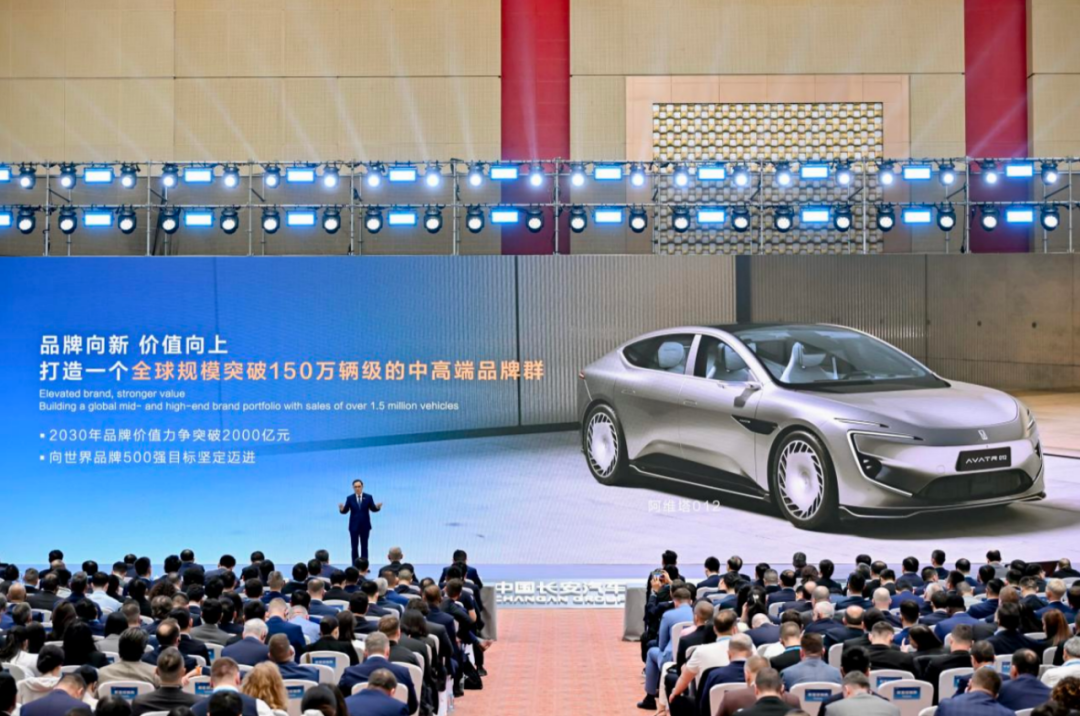
Against this backdrop, Changan Automobile’s move to integrate Avita and Shenlan has sparked widespread industry debate and attention: Is this a bold step to align with industry trends and overcome development hurdles, or a risky gamble that could lead to internal brand conflict and dilute core competitiveness?
From Independent Operations to Synergistic Coexistence
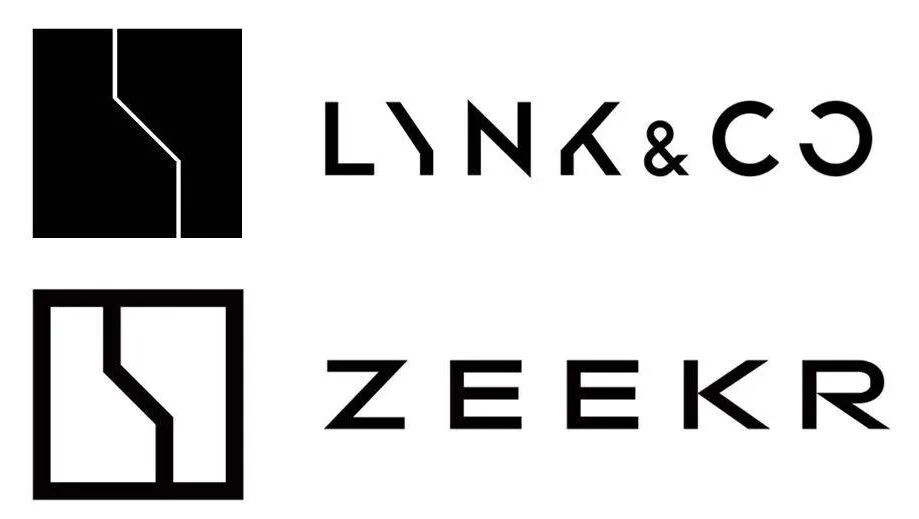
Just two years prior, Geely Automobile initiated its brand integration process, with Zeekr delisting from the U.S. stock market and merging with Lynk & Co to form the Zeekr Automobile Group. This move became a cornerstone of Geely’s brand strategy consolidation.
Two years later, Changan followed suit, pushing the strategic integration of its Avita and Shenlan brands to the forefront.
Similar to Geely’s approach, Avita and Shenlan will maintain their distinct brand identities and differentiated operations, with the primary focus on breaking down barriers and achieving deep resource synergy.
Whether it’s the partnership between Zeekr and Lynk & Co or the collaboration of Avita and Shenlan, the underlying rationale is an inevitable choice for automakers in the era of “market consolidation.”
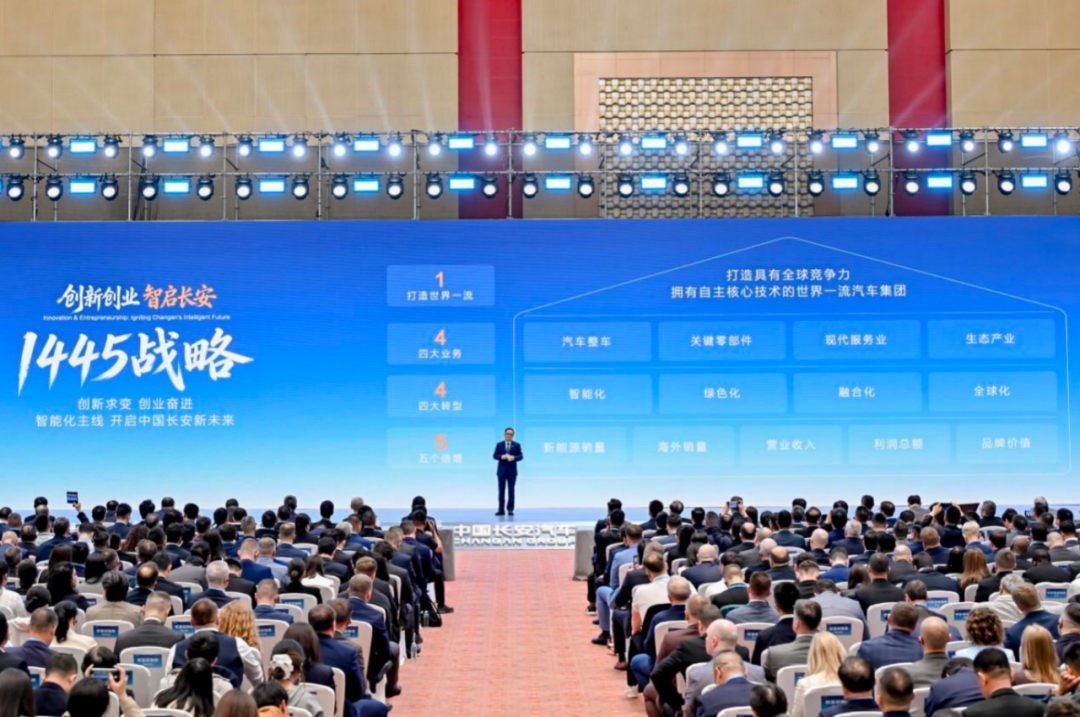
Zhu Huarong, Party secretary and chairman of Changan Automobile, underscored the harsh realities of the current global automotive industry at the conference: “Over the next three to five years, the competitive landscape of the global automotive industry will largely take shape. Companies with annual sales of 8 to 10 million units will truly thrive, those with 5 to 7 million units will survive, and those with 3 to 3.5 million units will merely stay afloat.”
In such a fiercely competitive environment, standalone brands struggle to weather the storms, making group integration a strategic imperative to enhance scale effects and bolster core competitiveness. Under this competitive yardstick, while Avita and Shenlan under Changan have made significant progress, they also face their own set of pressures.
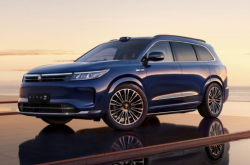
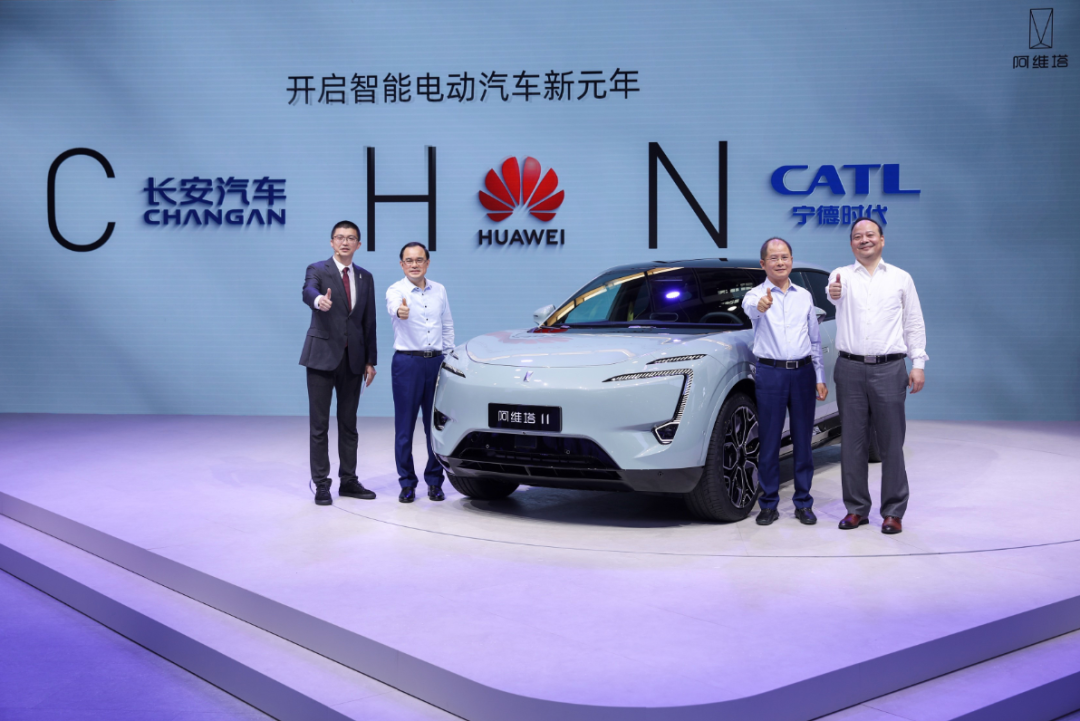
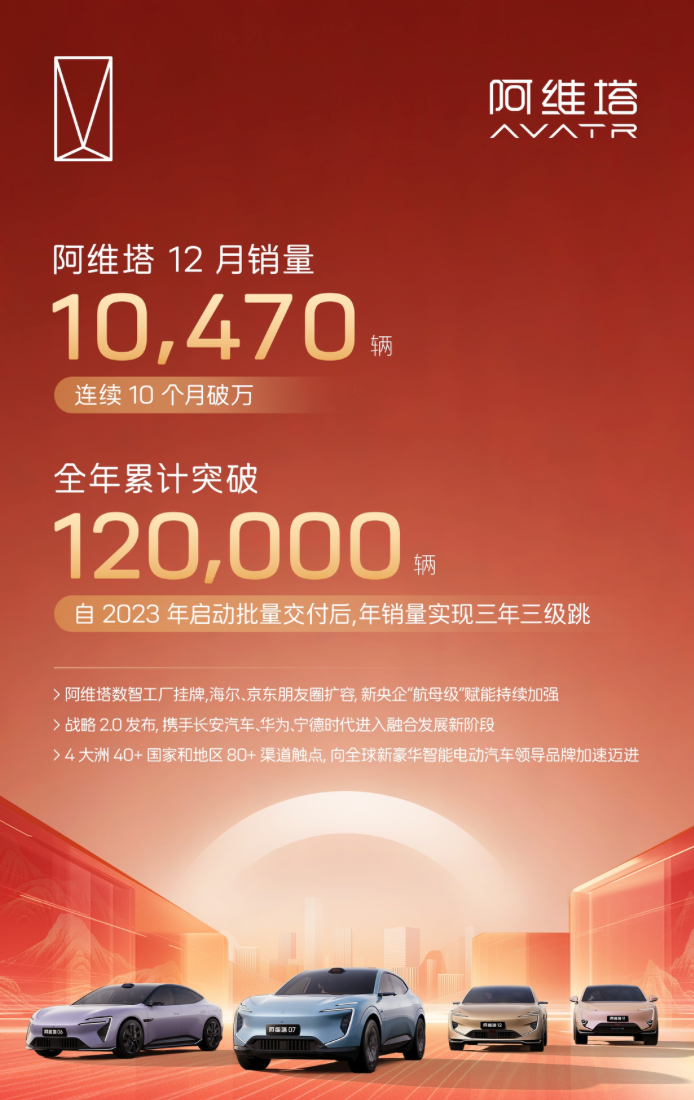
Backed by Changan, Huawei, and CATL’s “CHN” alliance, Avita has carved out a niche in the 300,000-yuan market segment with its high-end intelligent vehicle label. However, its sales volume of over 120,000 units in 2025 still fell short of its target, and the efficiency of converting brand momentum into actual sales needs improvement.
Shenlan, under the banner of “technology democratization,” has deeply penetrated the mass market priced between 150,000 and 250,000 yuan. With sales exceeding 325,000 units in 2025, marking a 44.4% year-on-year increase, it has become Changan’s new energy sales pillar. Yet, it has consistently struggled to cross the profitability threshold.
More critically, under the previous independent operation model, the two brands operated independently in R&D, supply chain, and channels, leading to increasingly prominent issues of resource dispersion and redundant investments. Parallel R&D efforts in the same technical directions, separate procurement of similar parts, and duplicated construction of independent channels not only drove up operational costs but also hindered Changan from forming a unified competitive force.
BusinessCars believes that this strategic integration may adopt a “front-end independent, middle- and back-end collaborative” model. This means that brand positioning and market operations will remain independent, while core resources such as R&D, procurement, manufacturing, and technology platforms will be deeply shared.
For instance, at the technical level, the two sides will collaborate on R&D in mechanical architectures, three-electric systems (battery, motor, electrics), intelligent cockpits, and autonomous driving to reduce redundant investments. The number of platform architectures will be further streamlined, with unified electronic software baselines and middleware, retaining only brand differentiation at the application layer.
This “integrated yet differentiated” approach avoids internal fragmentation while unlocking synergistic value through scale effects.
Previously, Geely Automobile achieved a 10%-20% reduction in R&D costs, a 5%-8% compression in supply chain costs, a 3%-5% increase in factory utilization, and a 10%-20% cut in support department expenses through similar synergistic strategies.
For Changan Automobile, the impact of this integration will be equally significant.
On the R&D front, sharing technology platforms and software architectures can reduce redundant R&D investments and shorten new product development cycles. On the procurement side, large-scale procurement will enhance bargaining power with suppliers and lower part costs. On the manufacturing front, unified production standards and platform-based production can improve factory utilization and spread fixed costs. On the channel front, Avita’s high-end outlets and Shenlan’s extensive layout complement each other, reducing channel construction and operational costs.
This bidirectional empowerment will reconstruct the profit models of the two brands.
Avita is expected to accelerate its path to profitability through scale effects, while Shenlan can enhance its product premium capabilities through technological upgrades. Both brands will cross the breakeven point faster through synergy.
For Changan Automobile, the improved profitability of the two brands will directly drive improvements in the group’s overall profit performance, accumulating more capital for its global competition in the automotive industry.
Changan’s Long-Term Vision
From Geely to Changan, the wave of group integration among Chinese automakers is essentially a proactive response to the global automotive industry’s transformation. This integration is not an isolated event but a crucial part of Changan Automobile’s deepened globalization strategy and optimized brand matrix after its elevation to an independent central enterprise.
In July 2025, Changan Automobile was spun off from China South Industries Group and became a first-tier central enterprise headquarters in Chongqing. Subsequently, it launched a series of strategic adjustments. In September 2025, Avita and Shenlan completed core management transitions, laying an organizational foundation for integration. In 2026, Changan proposed “reducing the product portfolio from 63 models to 36 over the next five years,” focusing on creating global blockbuster models, reflecting a strategic orientation of “streamlining and improving efficiency.”
From a broader perspective, integrating Avita and Shenlan is an inevitable choice for Changan to respond to global automotive industry competition.
Currently, the new energy vehicle market has shifted from “growth competition” to “market consolidation.” Leading players like Tesla and BYD continue to drive down prices through scale effects, while new-force automakers accelerate breakthroughs in the intelligence track.
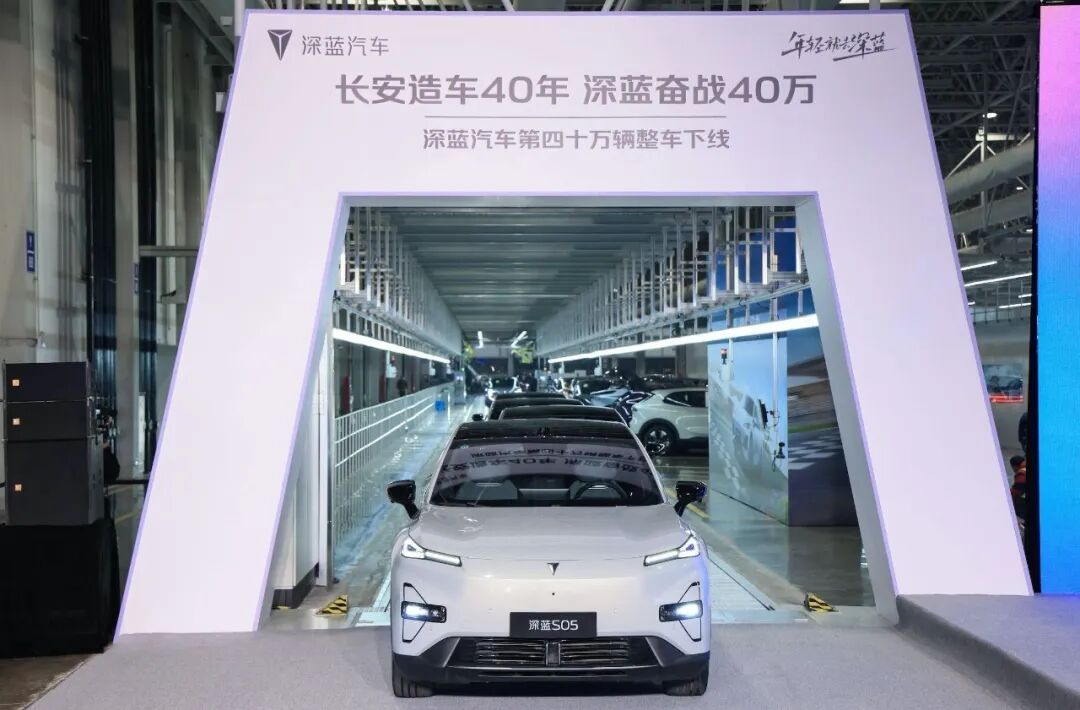
Changan hopes to leverage internal integration to connect the technical, channel, and market resources of the two brands, enabling it to concentrate forces to tackle the high-end market while consolidating its scale advantage in the mid-to-low-end market, forming a “top-down collaborative” brand synergy.
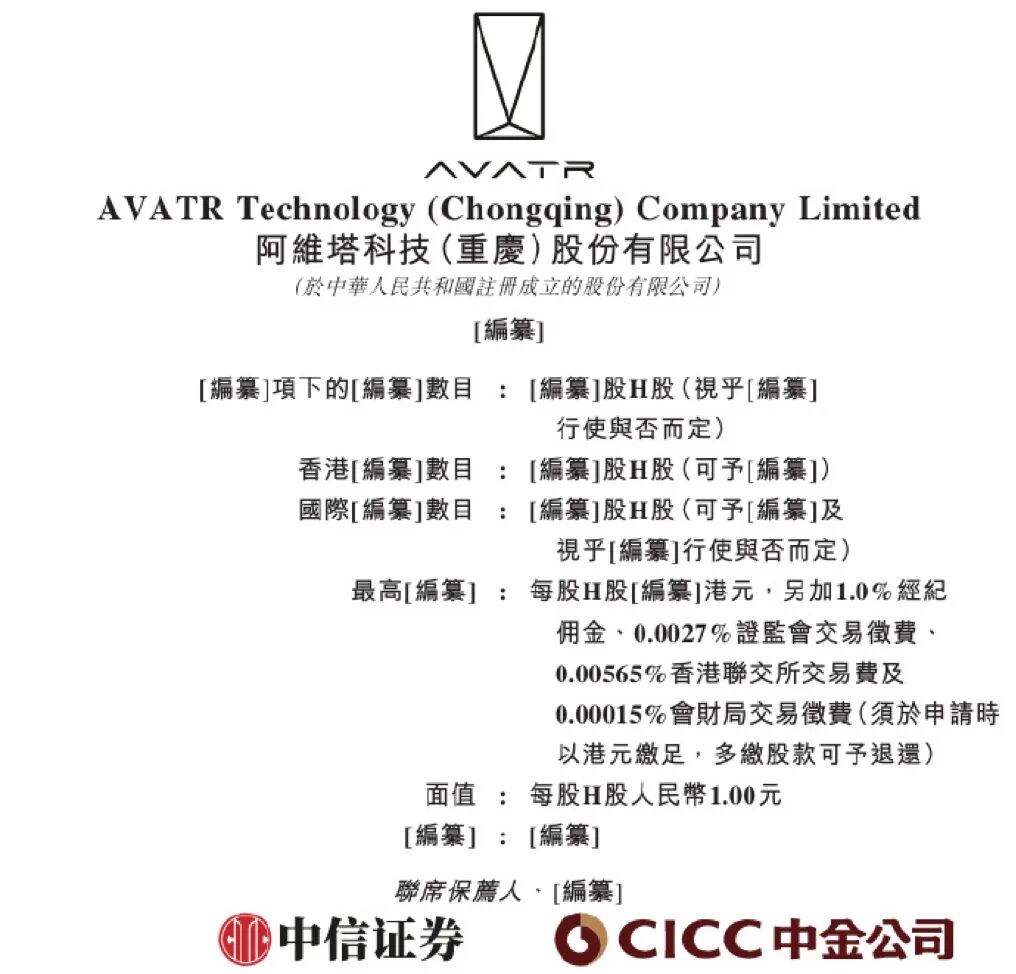
Additionally, the integration has positive implications for Avita’s subsequent IPO process.
Avita previously planned to list on the Hong Kong Stock Exchange in 2026. The improved profitability and enhanced scale effects post-integration will boost confidence in the capital market and pave the way for the listing. Meanwhile, if Shenlan can achieve profitability through integration, it will become a new profit growth point for Changan Automobile, improving the group’s overall financial performance.
Despite the clear logic and immense potential of the integration, the implementation process still faces numerous challenges.
First is the balance of brand positioning. How to maintain Avita’s high-end image and Shenlan’s cost-effectiveness advantage while sharing resources and avoiding internal brand conflict is key to the integration’s success. Second is the fusion of culture and teams. The two brands previously operated independently, with differences in organizational structures and corporate cultures, requiring effective management mechanisms to achieve team synergy.
Additionally, the depth and efficiency of technical synergy will also affect the integration’s outcome. How to unify standards while stimulating technological innovation vitality tests Changan’s management wisdom.
In the long run, this integration will propel Changan Automobile toward its corporate goals of “efficiency, collaboration, and globalization.” By 2030, if Avita and Shenlan can achieve the sales target of 1.5 million units, they will become a significant force in China’s automotive brand mid-to-high-end market. Meanwhile, the cost reduction and efficiency gains released by the integration will enhance Changan Automobile’s profitability, supporting its sustained investments in electrification and intelligence.
When we shift our gaze from Changan’s individual strategy to the development trajectory of the global automotive industry, it’s clear that group integration has long become an industry consensus. Volkswagen Group has achieved resource sharing across entry-level to luxury brands through modular platforms like MQB and MEB. Toyota has built an efficient R&D, production, and supply chain system globally through the TNGA architecture.
However, the integration path of Chinese automakers is not a simple replication of international models.
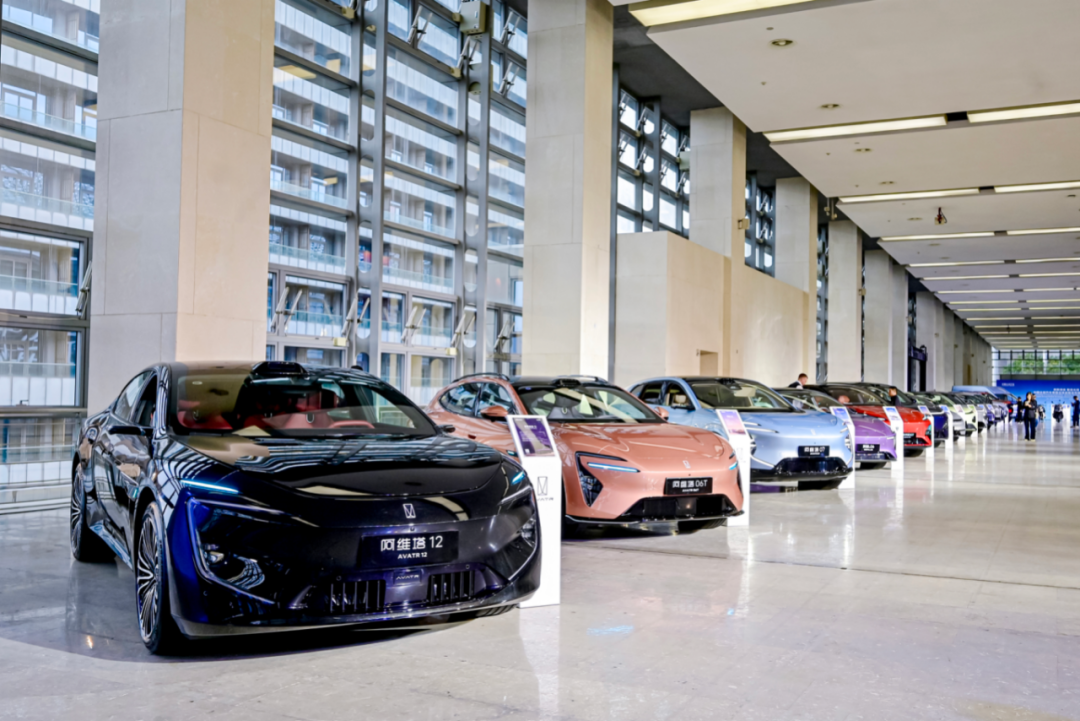
Currently, unlike the group models of international automakers like Volkswagen and Toyota, Chinese automakers’ integration focuses more on combining their own market characteristics and development stages to enhance overall competitiveness through internal resource optimization. The integration of Avita and Shenlan is a crucial measure for Changan Automobile to respond to market competition and achieve strategic upgrades.
In the global automotive industry integration wave, this decision is both necessary and feasible but also faces numerous challenges. For Changan Automobile, integration is just the starting point. How to achieve a “1+1>2” effect through effective collaborative management is the key to determining the integration’s success. For the entire automotive industry, the integration of Avita and Shenlan will provide a referenceable sample for Chinese automakers’ integration efforts.
Note: Some images are sourced from the internet. If there is any infringement, please contact us for removal.
-END-
-
![]()
Jitian Xingzhou: A Pioneer in Optical Payloads Secures Hundreds of Millions in Series B Funding!
-
![]()
Orders Secured Through to the Second Half of the Year! The Rationale Behind the 'Surge' in Demand for This Company’s Optical-Grade Base Films
-
![]()
Beyond Patents: The Retail Rivalry of Insta360 and DJI Unfolds
-
![]()
180 Billion Market Cap Vanished! How Did Seres Fall So Far?
-
![]()
Blockbuster! Domestic storage takes the global double crown for the first time, from an AI company
-
![]()
China Spearheads Formulation! World's Pioneering Global Technical Regulation for Automated Driving Systems Greenlit and Unveiled
-
![]()
Farewell to Pulsed Support Policies: Three Major Auto Policy Directions from Multiple Departments Take Effect on the Same Day
-
![]()
Embercore AI’s Accelerated Funding: The Robot Industry’s Shift Toward ‘Learning Systems’