Is new energy also engaging in 'internal conflict'?
 04/23 2026
 469
469
Introduction
Introduction
Multiple factors are driving changes in consumer psychology.
Early Monday morning, as I was heading to the underground parking lot with my luggage, I noticed that the joint-venture family sedan produced a decade ago by my neighbor downstairs was gone from the parking spot next to mine. In its place was a brand-new pure electric compact car from a certain brand.
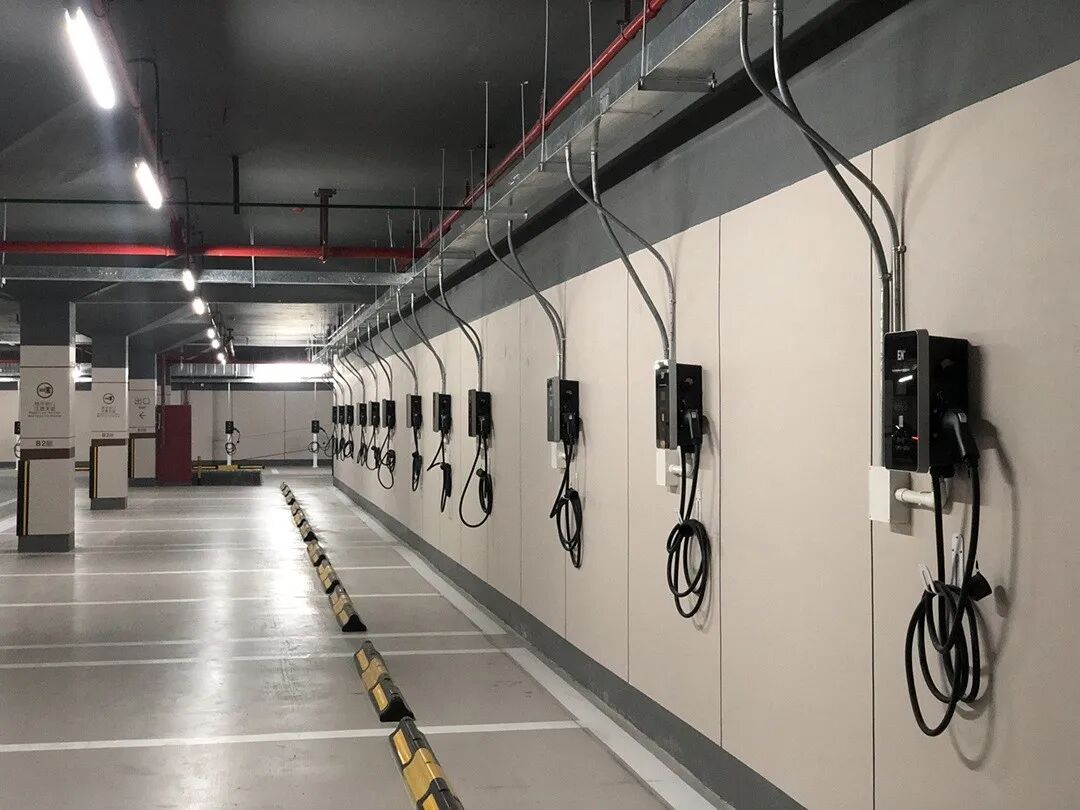
Glancing at the wall behind the parking spot, I saw that a private charging station had already been installed. It seemed that in just the weekend when I hadn't used my car, things had moved quickly. "Weren't you the one who said, 'I'll never buy a pure electric car'?", I joked in a WeChat message to my neighbor on the way to the airport.
"At the beginning of the year, when choosing between a pure electric or hybrid for our new car, it was you who advised me that 'a compact car should only be pure electric'... and then my son followed suit," my neighbor quickly replied. After a moment, he added, "Who can blame us when oil prices are so high now?!"
Although in my view, the reason he added at the end might just be the final "push" before making up his mind, the soaring oil prices are undeniably a fact and a major issue that all car owners must face.
In the third week of April 2026, the international crude oil market once again became the epicenter of global economic turmoil. On the 20th, light crude oil futures on the New York Mercantile Exchange surged nearly 7% in a single day, closing at $89.61 per barrel; Brent crude oil futures also rose above the $95 mark.
Of course, saying "once again" is somewhat inaccurate because, over the past eight weeks, global oil prices have fluctuated with the ups and downs of the situation in the Strait of Hormuz. Earlier in the month, on April 22, Brent crude oil prices even reached $147.27 per barrel, the highest level to date. This, in turn, caused domestic oil prices to rise by nearly 2 yuan per liter on average compared to the end of February.
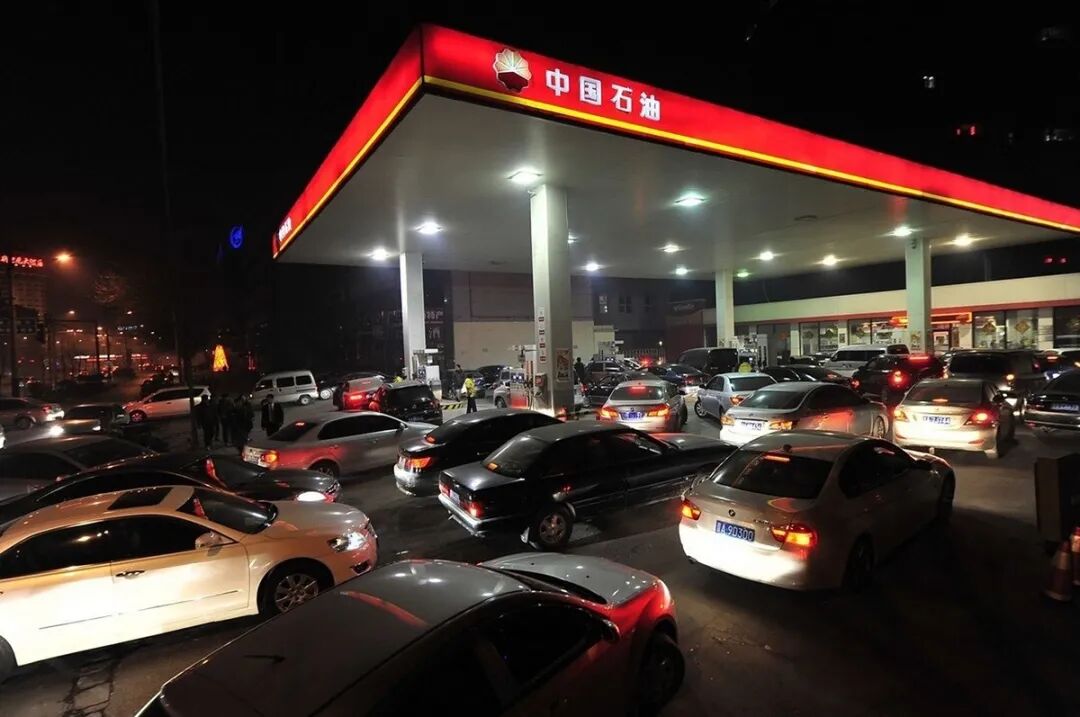
The soaring oil prices are rapidly spreading along the industrial chain, driving up global production costs and inflationary pressures, and causing every ordinary car owner to feel the pinch at the gas station.
Meanwhile, thousands of miles away in Beijing, the destination I was heading to, a grand automotive event of unprecedented scale was being prepared.
The 19th Beijing International Automotive Exhibition, themed "Leading the Era, Intelligent Future," was set to open on April 24. With an exhibition area of 380,000 square meters, 181 global premieres, and a large number of newly unveiled concept cars, it would once again capture the attention of the global automotive industry, marking a departure from the lackluster style of the previous edition.
On the eve of this event, seen as a bellwether for the industry, various signs from multiple sources indicated that new energy models, especially pure electric models, were occupying the central stage of the market with unprecedented density and intensity.
01 Oil price pressure drives changes in consumer psychology
It is important to emphasize that, standing at this point in the second quarter of 2026, there is no longer a need to debate the merits of fuel-powered versus new energy vehicles. Therefore, the historic turning point for pure electrics mentioned above refers specifically to the "internal competition" within new energy vehicles, namely the competition between pure electric and hybrid models.
First, let's look at some data released by a renowned automotive research institute at the end of March:
Since 2026, the sales share of pure electric models in the new energy vehicle market has rebounded strongly from 58.5% in 2025 to 66.9%. In contrast, the market shares of plug-in hybrid and extended-range models have declined by 6.6% and 1.9%, respectively, over the same period.
The reasons for this outcome lie in two main areas. The first is price. This year, the average transaction price of pure electric models has remained remarkably stable compared to last year, increasing by only 400 yuan. In contrast, the average prices of plug-in hybrid and extended-range models have risen by 21,400 yuan and 17,200 yuan, respectively.
The second reason is policy. After the adjustment of new energy vehicle purchase tax incentives from "full exemption" to "50% reduction" in 2026, purely policy-driven purchasing demand has decreased. However, pure electric models have become even more attractive to consumers due to their lower operating costs and relatively mature technology.
In the past decision-making process, the inherent range anxiety of pure electric vehicles, compared to the advantages of fuel-powered and hybrid vehicles, often posed the biggest obstacle before making a purchase. At one point, hybrid models, which could run on both fuel and electricity, precisely addressed this pain point by offering, flexibility in energy use winning a significant market share during a period when pure electric infrastructure was still underdeveloped.
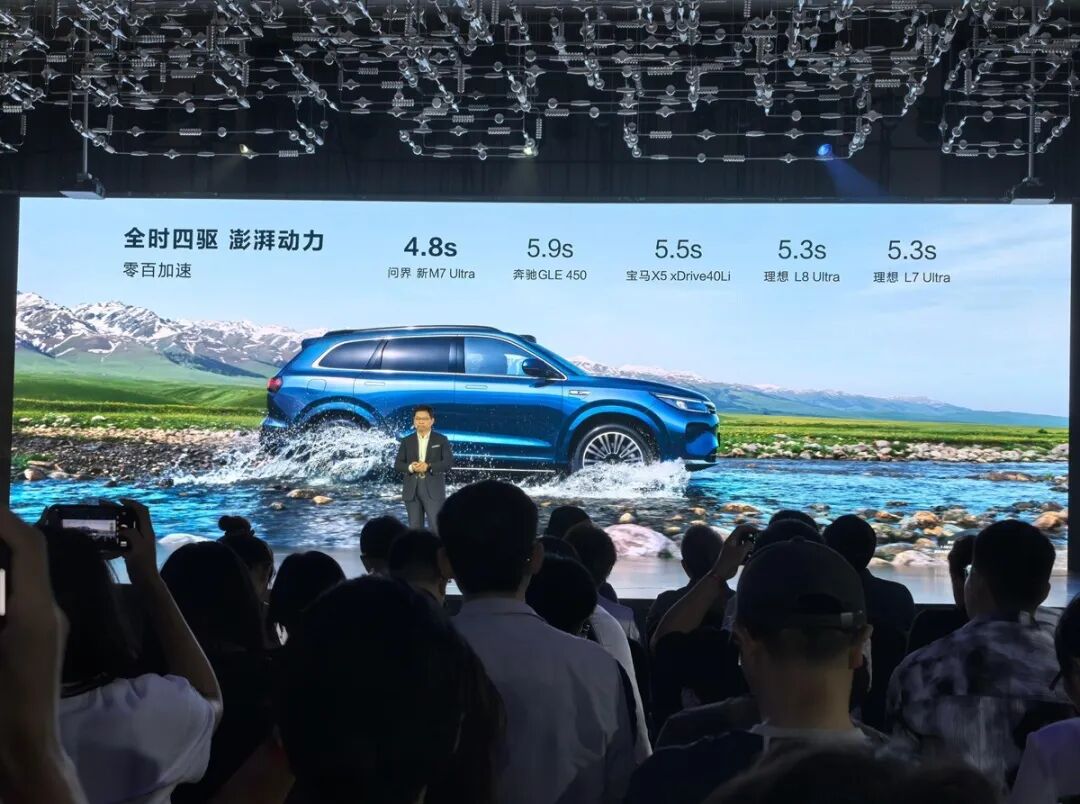
However, precisely because of the sustained high-intensity investment in domestic new energy charging infrastructure over the past five years, what was once considered the greatest advantage is now rapidly diminishing.
The number of fast-charging stations on the national highway network has grown from about 20,000 at the end of 2022 to 71,500 by the end of 2025, with plans to add "10,000 high-power charging facilities" in 2026. The total number of charging stations in China has surged from 5.21 million at the end of 2022 to 20.09 million by the end of last year, with an average annual growth rate exceeding 50%.
From the perspective of early 2026, driving a pure electric vehicle for interprovincial travel has become commonplace. Long queues at service stations only occur during a few periods, such as long holidays and the Chinese New Year. Even during peak times, the average waiting time is nowhere near as long as it was three years ago.
As illustrated by the example of my neighbor above, when pure electric and hybrid models are gradually becoming evenly matched, the addition of fluctuating oil prices is bound to have a decisive impact on the final decision-making of potential car buyers. After all, with a private charging station, the cost of electricity during off-peak hours is simply too attractive.
02 Beijing Auto Show: A showcase of confidence in pure electric technology
The upcoming Beijing Auto Show provides an excellent window to examine the current state and future direction of pure electric technology. Looking at the lineup of new models announced by major automakers, pure electric platforms, high-voltage fast charging, and long-range capabilities have become "standard features" for high-end models. The focus of technological competition has shifted from addressing "range anxiety" in previous years to how to provide drivers with a "top-tier experience."
Mercedes-Benz will globally premiere its new long-wheelbase pure electric GLC L based on an 800-volt architecture, while BMW will introduce the iX3 based on its Neue Klasse native pure electric platform, as well as a spiritual remake of the i3, with a maximum CLTC range exceeding 900 kilometers.
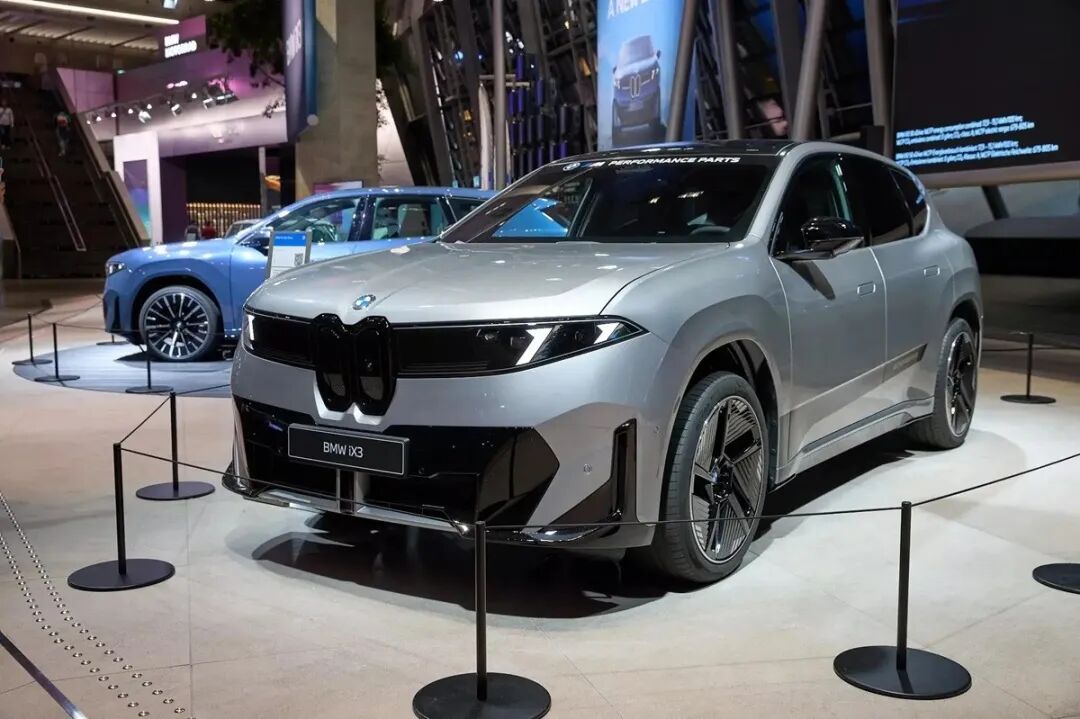
The full commitment of traditional luxury giants marks the comprehensive recognition of pure electric technology routes in the high-end market. However, Chinese brands are even more aggressive.
BYD showcased the pure electric version of its full-size SUV, the "Datang," equipped with second-generation blade batteries that support ultra-high-power (1000kW) fast charging, claiming a 10%-97% charge in just about 9 minutes and a range of 950 kilometers. Huawei's collaborations with GAC Motor on the Qijing GT7 and with SAIC Motor on the Shangjie Z7 are both positioned in the high-end pure electric market and are equipped with cutting-edge intelligent driving hardware such as 896-line LiDAR.
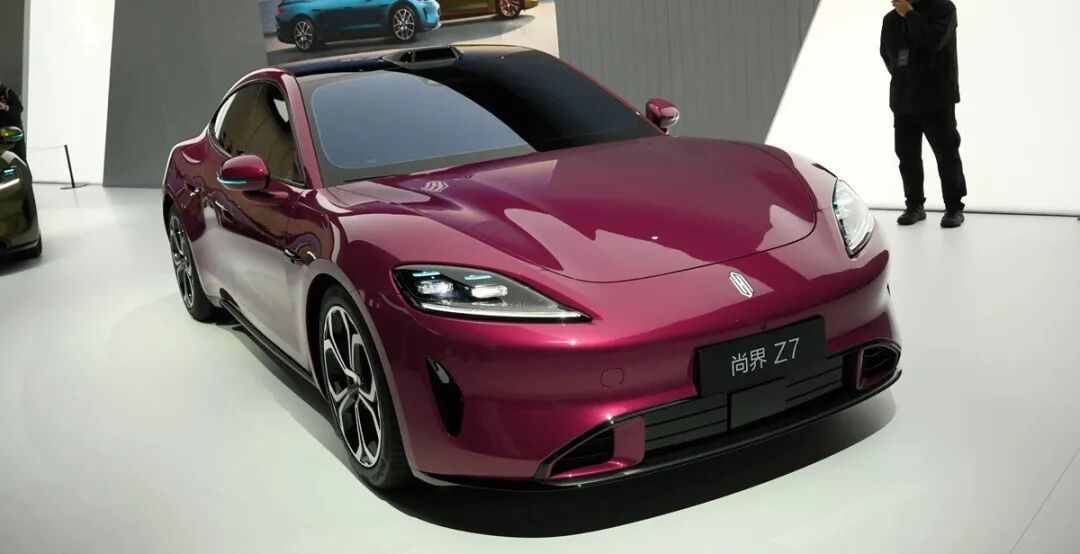
All these products together paint a picture:
The range of mainstream pure electric vehicles has generally surpassed 600 kilometers and is approaching 1000 kilometers; 800-volt high-voltage fast-charging technology is becoming widespread, with charging speeds measured in "minutes." Performance, luxury, and intelligent driving experiences are on par with or even surpass traditional fuel-powered vehicles in the next price tier. As some industry observers have pointed out, when the value-added experience brought by pure electric technology outweighs consumers' potential concerns about range, the market balance will inevitably tilt.
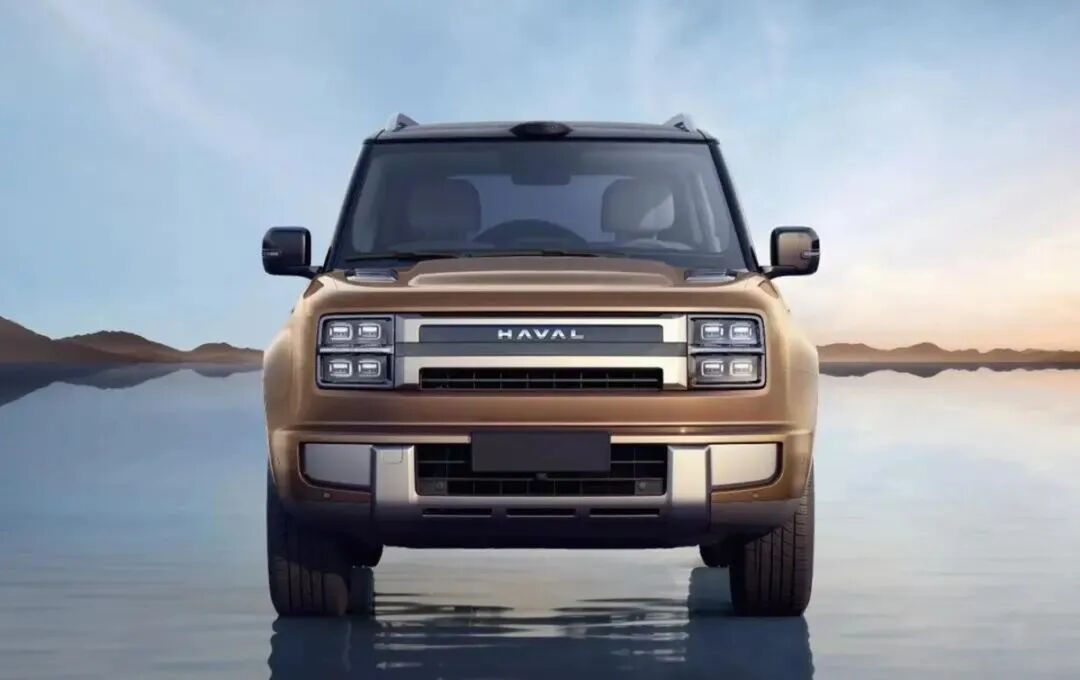
In comparison, plug-in hybrid models, with their powertrain structures that efficiently combine electric motor and internal combustion engine power, have many commendable features. Examples include the powerful Zeekr 8X, the off-road-oriented GAC Trumpchi's new hardcore off-road SUV (internal code T75), and the Great Wall Haval H10. In contrast, various extended-range models at this year's auto show are more of a supplement to existing product lines or a hold fast in specific niche markets.
The new Aito M9, although a remake based on the Mcube platform, still offers both extended-range and pure electric versions for users to choose from. Similarly, new models like the Zhijie V9 also follow the convention of the "Jie series" by offering an extended-range version. SAIC Volkswagen introduced the brand's first large 6-seater extended-range SUV, the ID. ERA 9X. As for the Leapmotor D19 extended-range version, it boasts the "largest battery capacity among global extended-range models" (80.3kWh) and a 500-kilometer pure electric range.
These product strategies themselves reflect the current state of extended-range routes. They remain a "safe" choice for users who lack home charging facilities and have long-distance travel needs. However, their technological narrative has quietly shifted from a disruptive solution in the past to a scenario-based supplementary option.
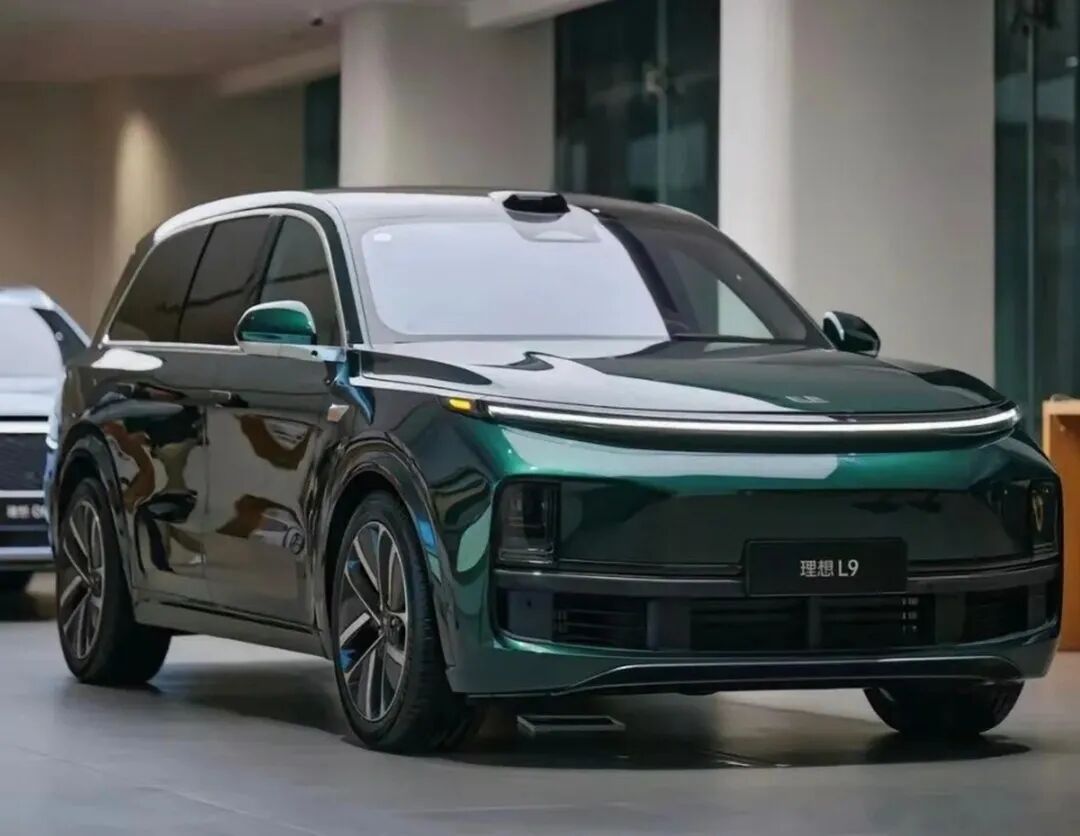
In fact, when you look at their general pure electric range, it's not hard to see that, to some extent, the range extender is actually an "additional feature" whose main function is to maximize the driving experience for car owners, especially providing psychological security.
03 Profound changes in market dynamics
Looking beyond the surface waves of oil price fluctuations and new auto show models, what lies beneath is a profound transformation in the internal logic of China's new energy vehicle market.
First, the inflection point in technological maturity and consumer mindset has been reached.
In the early days of the new energy market, short range, slow charging, and high prices were the three major hurdles for pure electric vehicles. Extended-range/plug-in hybrids, with their internal combustion engine backup, provided a seemingly perfect compromise. However, today, improvements in battery energy density, reductions in vehicle energy consumption, and the expansion of supercharging networks have significantly alleviated the first two pain points.
With these pain points resolved, rational calculations naturally follow—is it worth carrying a complex extended-range system (including an engine, generator, fuel tank, etc.) year-round, incurring higher purchase and maintenance costs, as well as a poorer experience when the battery is depleted, just to cope with the few long-distance trips each year?
When daily pure electric driving can cover more than 90% of usage scenarios, the answer for an increasing number of consumers is no.
Second, the cost structure game theory has reversed.
In the past, the high cost of power batteries was the main reason for the high prices of pure electric vehicles, while hybrid models could control costs by using relatively smaller batteries. However, with the realization of battery economies of scale and the growing strength of the domestic supply chain, these costs have been declining year by year. The phenomenon of "stable pure electric prices and rising hybrid prices" reflected in the data is a direct manifestation of this cost game theory .
Finally, the marginal effects of policies and infrastructure are diminishing.
New energy vehicle purchase subsidies have already been phased out, with policy-driven growth giving way to market-driven growth. At the same time, China has built the world's largest and most complete charging network, especially the rapid coverage of charging facilities in highway service areas, which has greatly improved the convenience of pure electric travel. The alleviation of range anxiety has removed one of the biggest pillars supporting hybrid vehicles, especially extended-range models.
Therefore, the so-called changes in market dynamics are essentially the result of the joint evolution and synergy of multiple dimensions, including technology, cost, infrastructure, and consumer awareness. Pure electric models are no longer just policy-driven products or environmental labels; they now demonstrate comprehensive product competitiveness as the ultimate form, thanks to their simpler structure, lower energy consumption, quieter and smoother driving experience, and lower lifetime operating costs (assuming stable electricity prices).
04 Hybrids will not disappear but will have a "new positioning"
So, are hybrid models on the verge of extinction? The author believes that the answer may transcend a simple "yes" or "no" binary opposition; a more likely outcome is transformation.
From the perspective of competition in the mainstream market, especially the mid-to-high-end market, the golden age of hybrid new energy models has ended, and their overall market share is narrowing.
Currently, the technological route adjustments of several leading Chinese automakers send a strong signal. Some automakers have reportedly discontinued their main extended-range models and stated that future new products will no longer adopt extended-range solutions. Other reports indicate that Geely has internally decided not to invest new research and development funds in extended-range technology.
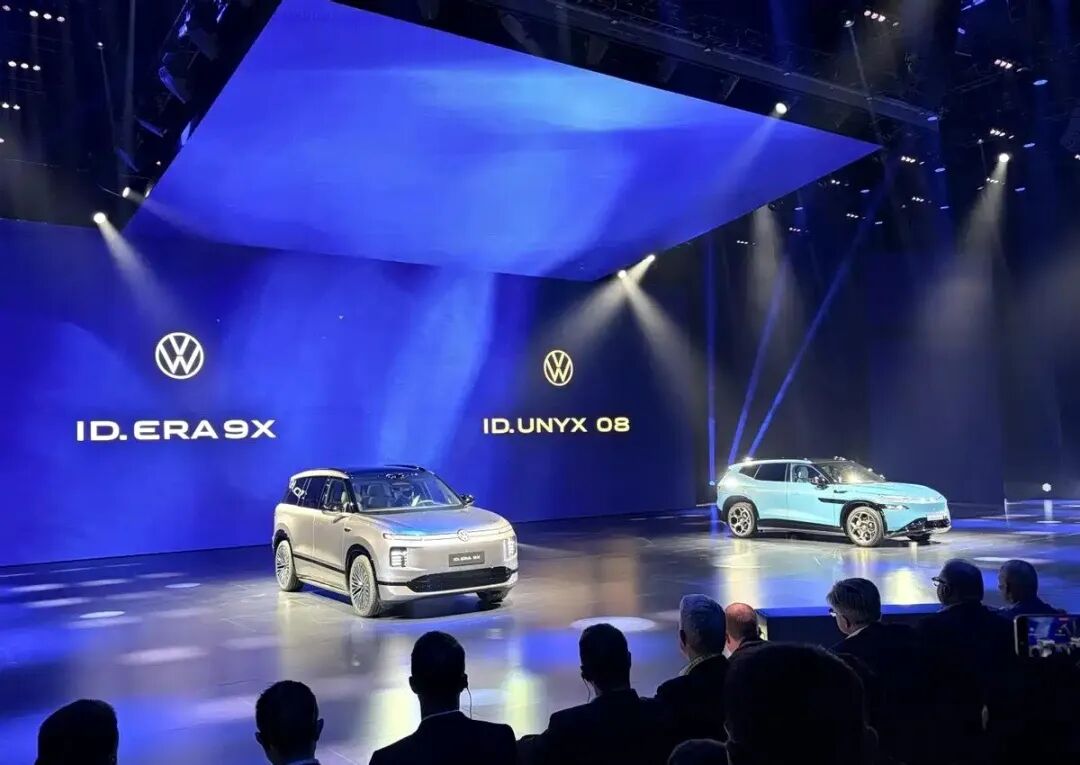
Although Volkswagen has introduced an extended-range SUV in China, the project was initiated more than two years ago and is more of a response to the mainstream trends in the Chinese market at the time.
These developments suggest that, in the strategic vision of mainstream automakers, the appeal of extended-range technology as a long-term route is declining.
Perhaps plug-in hybrid powertrains, with their advantages of low energy consumption at medium and low speeds in electric vehicles and low fuel consumption at high speeds, as well as technologies like DHT that can effectively coordinate the internal combustion engine and electric motor to maximize vehicle performance, have stronger vitality. However, extended-range models, as a rapid solution in the new energy track , are gradually completing their historical mission.
However, it is still too early to assert that hybrid models, or even extended-range powertrains, will fade away. In certain scenarios, such as in fourth- and fifth-tier cities and rural areas where infrastructure remains weak; for users with frequent ultra-long-distance travel needs who are highly sensitive to refueling time; and for large SUVs, MPVs, pickups, and other vehicle types with dual high demands for space and range, hybrids may still be a more pragmatic choice than pure electric vehicles.
Nevertheless, in the medium to long term, hybrids are more likely to transition from being a mainstream choice, as they have been in the past few years, to a gradually narrowing market share, ultimately becoming a niche market solution. This transition will also be accompanied by further advancements in related technologies, such as more efficient range extenders, higher thermal efficiency hybrid-specific engines, and even hydrogen internal combustion engines.
The periodic surges in oil prices act as powerful external forces, accelerating the shift in consumer psychology and purchasing decisions toward pure electric vehicles. The array of high-end pure electric products showcased at the Beijing Auto Show demonstrates that the industry has accumulated sufficiently mature technologies to meet this demand. The reversal in market data—with pure electric vehicles regaining a strong market share while hybrids decline—serves as compelling evidence of this trend.
The core characteristic of the pure electric era is not the instantaneous disappearance of all fuel-powered vehicles or even engines, but rather the irreversible dominance of electrification, with pure electric drive becoming synonymous with high-end, advanced, and mainstream experiences. Hybrid vehicles, as an innovative product of China's automotive industry during a specific historical stage that skillfully combined market demand, technological conditions, and policy environments, naturally have their historical mission: to educate the market, nurture the supply chain, and accumulate valuable capital and experience for the eventual transition to pure electric vehicles.
For some time to come, pure electric vehicles will continue to coexist with various hybrid models, particularly plug-in hybrids with stronger direct-drive capabilities, forming a diversified and hierarchical powertrain landscape.
Ultimately, what drives the wheel of progress forward is always a superior product experience, more economical user costs, and more sustainable social benefits. When pure electric vehicles establish comprehensive and solid advantages in these dimensions, their era will truly begin. Fluctuations in oil prices may disrupt the pace of progress, but they cannot alter its predetermined direction.
Looking back over the past few years, there have been numerous predictions within and outside the industry about the timeline for the arrival of the pure electric era, often delayed by practical issues such as range, cost, and infrastructure. Today's various signs suggest that we should no longer question whether the pure electric era has arrived ahead of schedule, but rather recognize that it is evolving in accordance with the objective laws of technological maturity and market acceptance.
Therefore, our conclusion is that the pure electric era has not arrived early but has come—"as scheduled"—in step with the rhythm of the times.
Editor in charge: Yang Jing Editor: He Zengrong
THE END
-
![]()
Jitian Xingzhou: A Pioneer in Optical Payloads Secures Hundreds of Millions in Series B Funding!
-
![]()
Orders Secured Through to the Second Half of the Year! The Rationale Behind the 'Surge' in Demand for This Company’s Optical-Grade Base Films
-
![]()
Beyond Patents: The Retail Rivalry of Insta360 and DJI Unfolds
-
![]()
180 Billion Market Cap Vanished! How Did Seres Fall So Far?
-
![]()
Blockbuster! Domestic storage takes the global double crown for the first time, from an AI company
-
![]()
China Spearheads Formulation! World's Pioneering Global Technical Regulation for Automated Driving Systems Greenlit and Unveiled
-
![]()
Farewell to Pulsed Support Policies: Three Major Auto Policy Directions from Multiple Departments Take Effect on the Same Day
-
![]()
Embercore AI’s Accelerated Funding: The Robot Industry’s Shift Toward ‘Learning Systems’