AI Glasses: Apple's New CEO Faces First Major Challenge
 04/23 2026
 545
545
A Strategic Shift for Apple
By VR Tuoluo Lichun
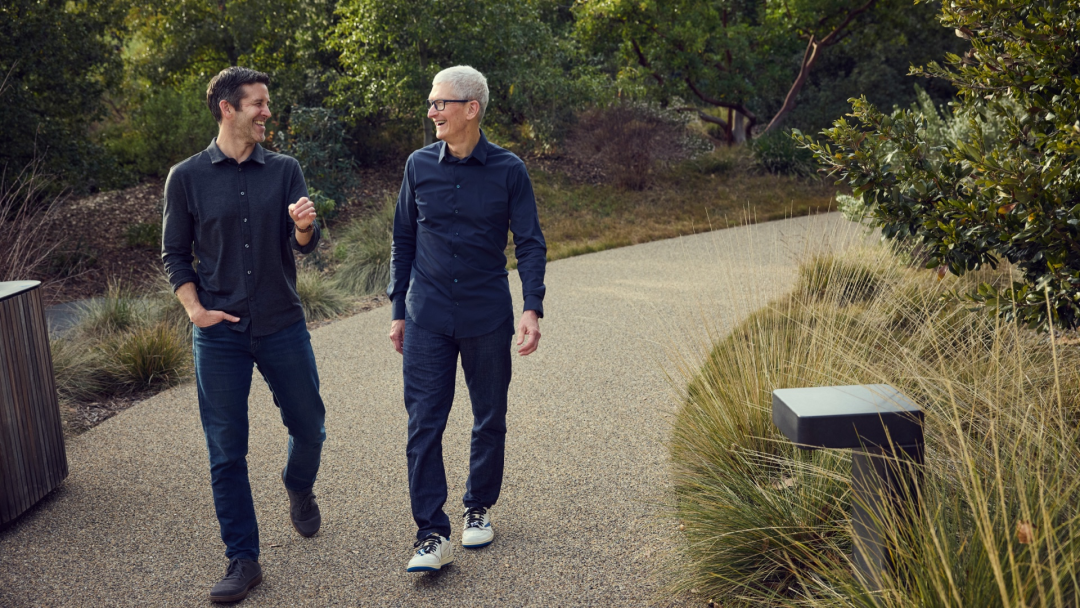
On April 21, 2026, Apple Inc. revealed that Tim Cook would step down as Executive Chairman of the Board of Directors. John Ternus, Senior Vice President of Hardware Engineering, is set to take over as CEO on September 1, 2026.
"Leading Apple as CEO and being entrusted with such an exceptional company is the greatest honor of my life," Cook remarked. "John Ternus embodies the mindset of an engineer, the soul of an innovator, and the integrity and honesty of a true leader. Over the past 25 years, he has made countless contributions to Apple. Without a doubt, he is the ideal candidate to lead Apple into the future."
This leadership transition marks the most significant change at Apple in over a decade and signifies a pivotal moment in the company's strategic direction. Moving forward, Apple is expected to place greater emphasis on the innovative combination of "hardware + AI," with the accelerated development of AI glasses likely to become the new CEO's first major challenge.
01
Cook's Legacy at Apple: Market Value Soars Past $4 Trillion
Reflecting on Cook's 15-year tenure at Apple, he successfully navigated the company through a transformative era.
Tim Cook joined Apple in 1998 and assumed the role of CEO in 2011. Under his leadership, Apple launched numerous groundbreaking products and services, including new categories like the Apple Watch, AirPods, and Apple Vision Pro, as well as a range of services from iCloud and Apple Pay to Apple TV and Apple Music.
During Cook's tenure, Apple's market value skyrocketed from approximately $350 billion to $4 trillion, marking an increase of over 1000%. Annual revenue also nearly quadrupled, rising from $108 billion in fiscal year 2011 to over $416 billion in fiscal year 2025.
Apple significantly expanded its global presence. The company now operates in over 200 countries and regions, boasting more than 500 retail stores worldwide. The number of countries with Apple Stores has more than doubled. During this period, Apple's workforce grew by over 100,000 employees, and the number of active devices increased by over 2.5 billion.
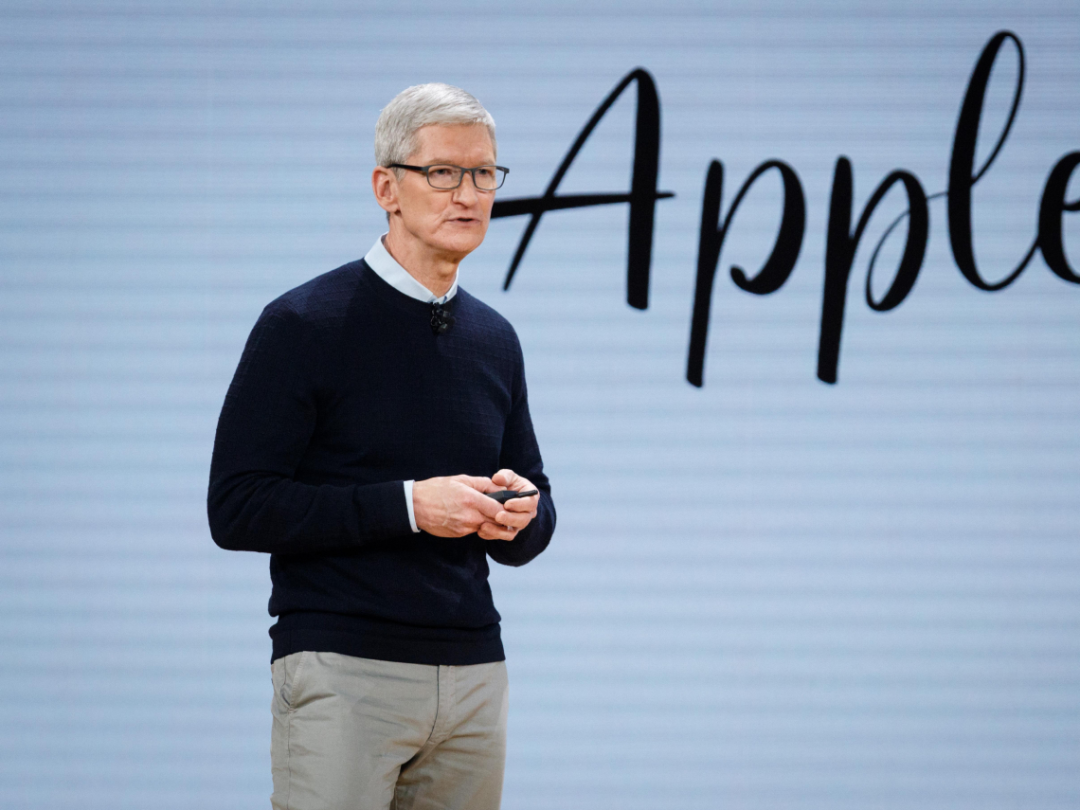
Apple Announces Current CEO Cook to Step Down in September
Cook, who has served as Apple's CEO for 15 years, once shifted the company's strategic focus towards the services sector with remarkable success. In terms of supply chain management, he transitioned Apple to a just-in-time (JIT) production model, reducing the inventory cycle from one month to six days. By 2012, this figure had further decreased to five days.
Cook excels at "refining mature technologies and replacing genius with systematic approaches." His steady leadership and focus on services have yielded technologically appealing products for the masses, such as large-screen iPhones, in-house chips, and the Apple Vision Pro.
However, stability is a double-edged sword. The Vision Pro, which took seven years and significant investment to develop, primarily caters to high-end niche users due to issues like pricing, weight, and battery life, and has not yet reached the mainstream market. In today's era, where mobile internet dividends are peaking and the AI wave is sweeping the globe, Apple needs a leader who understands both AI and hardware engineering.
02
Ternus: The Ideal Successor for Apple's "AI + Hardware" Vision
Ternus joined Apple's product design team in 2001 and was promoted to Vice President of Hardware Engineering in 2013. In 2021, he became Senior Vice President of Hardware Engineering on the executive team. During his tenure at Apple, Ternus has overseen the hardware engineering of numerous groundbreaking products across various categories. He has been instrumental in launching multiple new product lines, including the iPad and AirPods, as well as multiple generations of the iPhone, Mac, and Apple Watch.
Beyond the products themselves, Ternus has led the company to prioritize reliability and durability, introducing several new technologies that have enhanced the longevity of Apple products. He has also driven numerous innovations in materials and hardware design, reducing the carbon footprint of products. This includes developing a new type of recycled aluminum composite material used in multiple product lines, incorporating 3D-printed titanium in the Apple Watch Ultra 3, and improving repairability to extend the lifespan of several Apple products.
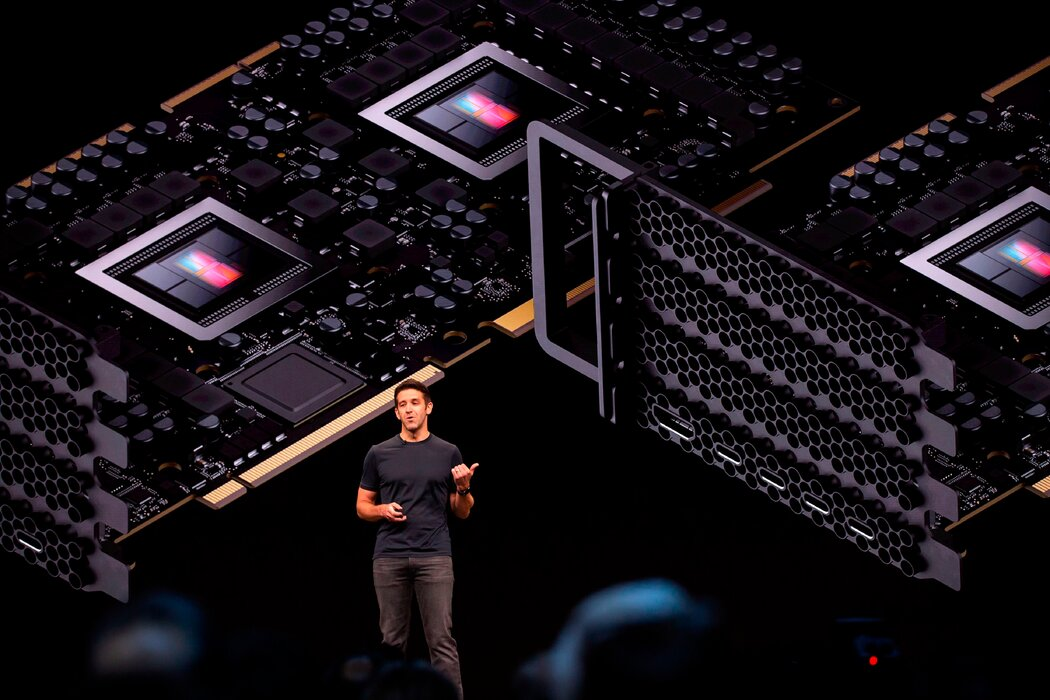
John Ternus Explaining the Internal Hardware of the Mac Pro at Apple's Worldwide Developers Conference in 2019
Coincidentally, the 50-year-old Ternus is the same age as Cook was when he succeeded Steve Jobs in 2011. Like Cook, Ternus is known for his attention to detail and familiarity with Apple's vast supply chain network. Both are considered mild-mannered and collaborative leaders. However, Ternus's background in hardware engineering aligns more closely with Apple's needs in the upcoming AI era.
In the era of large AI models, "hardware + AI" has become a standard configuration. Judging by current products like the iPhone, Apple Watch, and Vision Pro, Apple appears to be lagging behind. Apple urgently needs a new technical leader to "revolutionize" its product lineup, making it more in line with the characteristics of the AI era, rather than just being aesthetically pleasing and incrementally improving.
Furthermore, before joining Apple, Ternus worked as a mechanical engineer at Virtual Research Systems, where he designed virtual reality headsets and gained extensive experience in the XR wearable field. This experience will undoubtedly be a significant asset for Apple's next hardware product: AI glasses.
03
AI Glasses: Ternus's First Major Challenge
Just a few days before the official announcement of Cook's departure, Ternus and Apple's marketing head, Joswiak, gave an exclusive interview to Tom's Guide. The two rarely directly discussed smart glasses, but they defined the Vision Pro as Apple's "pathfinder" towards a glasses form factor.

Recently, news of Apple's first AI glasses has caused quite a stir in the industry. It is rumored that the smart glasses, codenamed N50, could debut as early as the end of this year or early 2027. The glasses are said to feature acetate frames, a variety of stylish frame designs, and vertically oval cameras. For more information, see: "Innovative Apple Aims to Create a Conservative 'AI Glasses'".
According to foreign media reporter Gurman, these AI glasses are part of Apple's "Trident" strategy for AI wearables, which also includes a new generation of AirPods and a neck-worn device equipped with a camera. All three devices aim to use computer vision technology to interpret the user's surroundings, providing data support for upgraded Siri and Apple Intelligence, enabling core functions such as visual understanding and real-time translation.
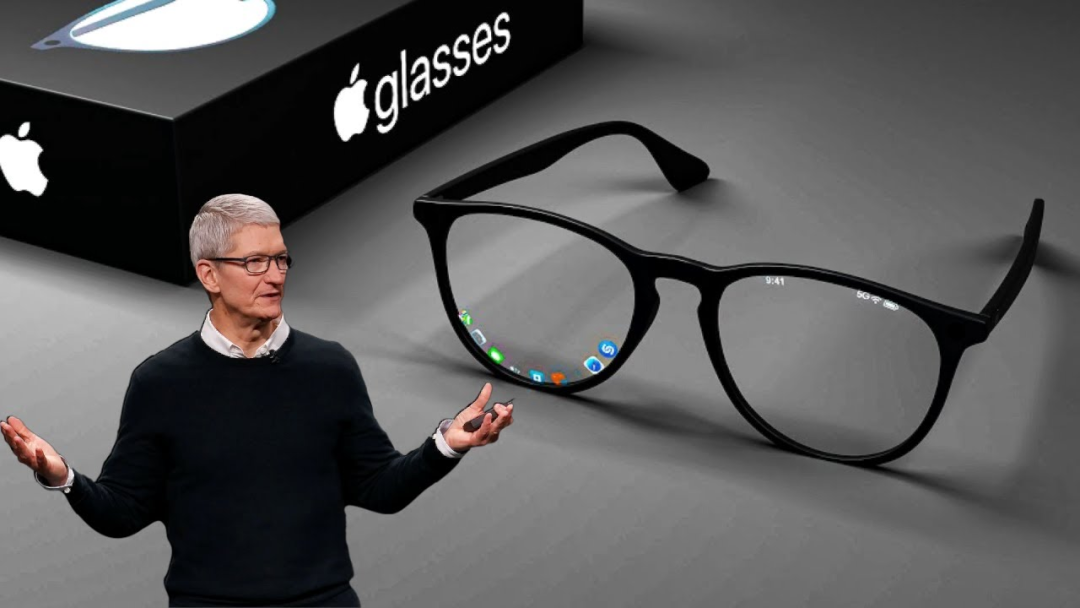
In the fiercely competitive AI glasses market, Apple faces significant challenges. Currently, the Ray-Ban Meta series glasses dominate the market, and Google and Samsung also plan to release smart glasses this year, making the competition increasingly intense.
Timothy Hubbard, an assistant professor of management at the University of Notre Dame, commented, "Apple's choice of Ternus, with a hardware background, as CEO may signal that the company still believes the future of artificial intelligence will be realized through highly integrated devices, not just software."
Given the timing of Ternus's appointment and the release schedule of Apple's AI glasses, Apple's first AI glasses will mark Ternus's debut. Differentiating AI features and product design amidst a sea of functionally similar AI glasses, and persuading consumers to buy it as a latecomer, are all formidable challenges.
-
![]()
"3D Vision Pioneer" Grapples with Internal Strife: $120 Million in Share Reductions Offset by $147 Million Private Placement
-
![]()
The domestic auto sales have declined so much that dealers who can't hold on have started closing stores en masse
-
![]()
Five Brands Team Up with Huawei: Will Dongfeng Still Pursue Independent R&D?
-
![]()
The Large Six-Seater SUV Market: Overhyped and Overrated
-
![]()
The Smart Driving Blue Light: Urgent Need for Rectification
-
![]()
Would OpenAI Be Fascinated by Anthropic’s Concepts?
-
![]()
Tencent: Few Great Queries, Yet Possessing the Ultimate One
-
Does DingTalk Need Revolutionaries or Reformers?