The Heart of the Beijing Auto Show: BBA's Existential Battle, Not Just New Cars
 04/23 2026
 614
614
As the 2026 Beijing Auto Show draws near, the spotlight is on the global unveilings of high-profile new models. Yet, the true game-changer for the future luxury car market isn't any single vehicle debut; it's the seismic shift reshaping the entire market landscape.
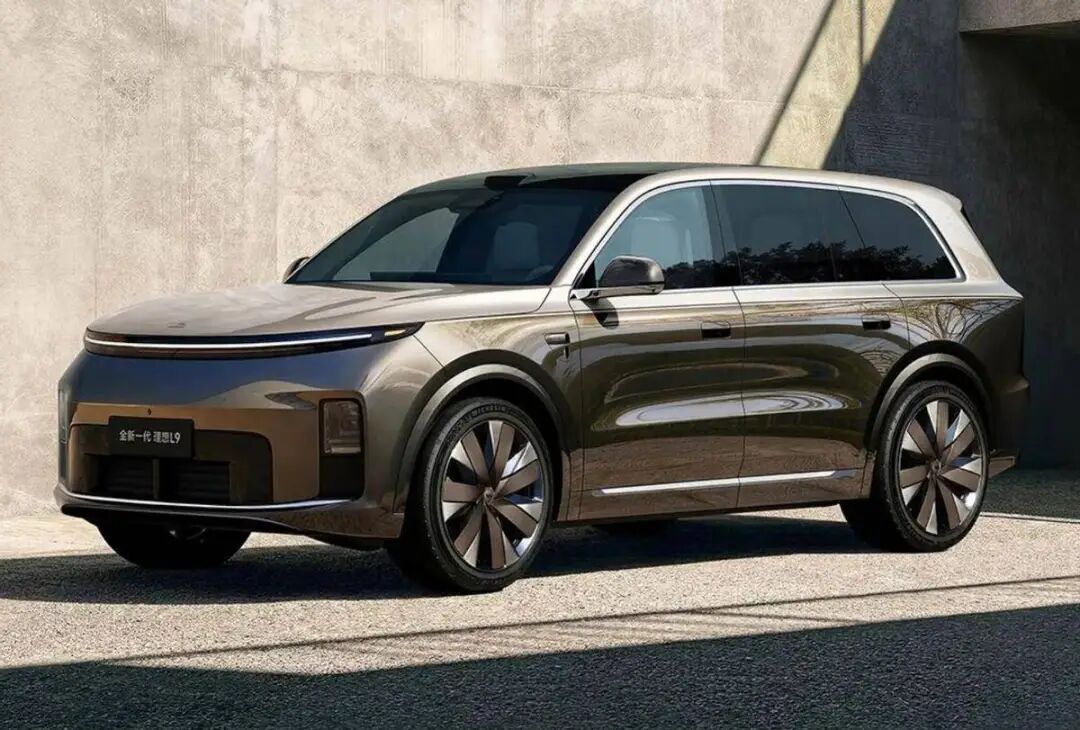
First-quarter sales figures paint a stark picture: Mercedes-Benz sales in China plummeted by 27% year-on-year, BMW saw a 10% drop, and Audi fell by 12%. Collectively, these three giants sold nearly 70,000 fewer units than during the same period last year, translating to a daily loss of over 700 customers. In the luxury segment above RMB 400,000, where BBA (Benz, BMW, Audi) has long reigned supreme, Chinese brands like Li Auto L9, Aito M9, and NIO ES9 have shifted from isolated breakthroughs to a comprehensive encirclement. For the first time, signs of a full-scale erosion of BBA's once-impenetrable market position have emerged.
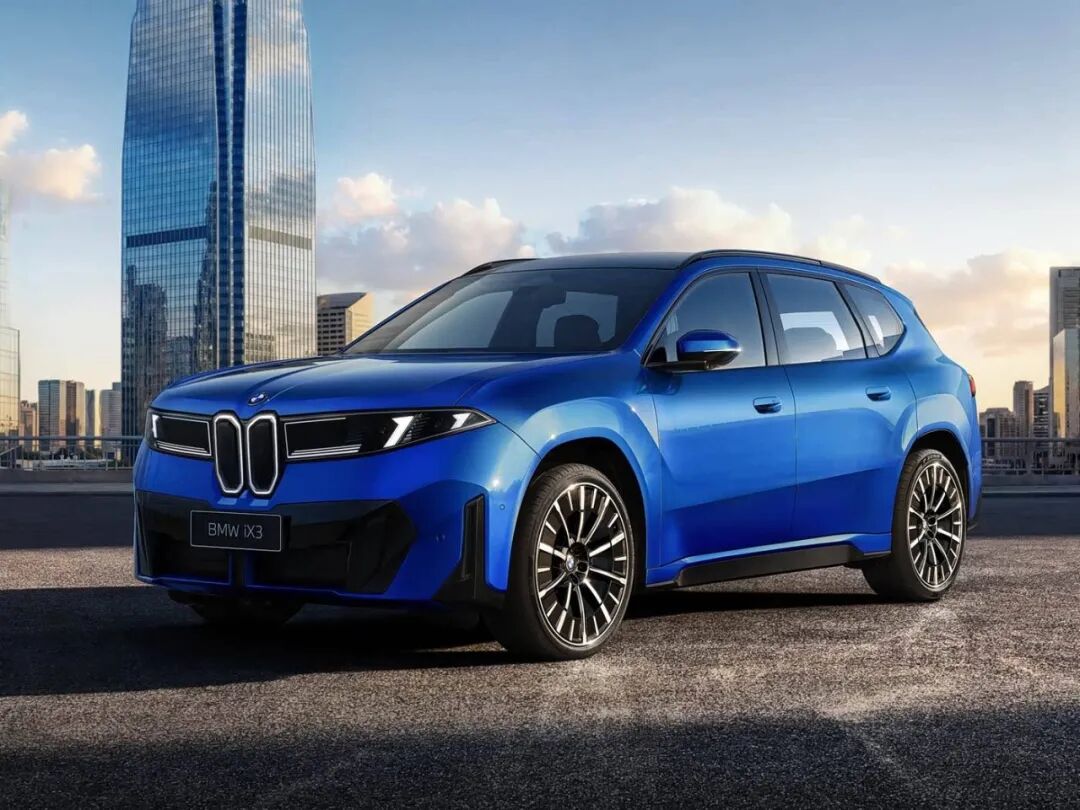
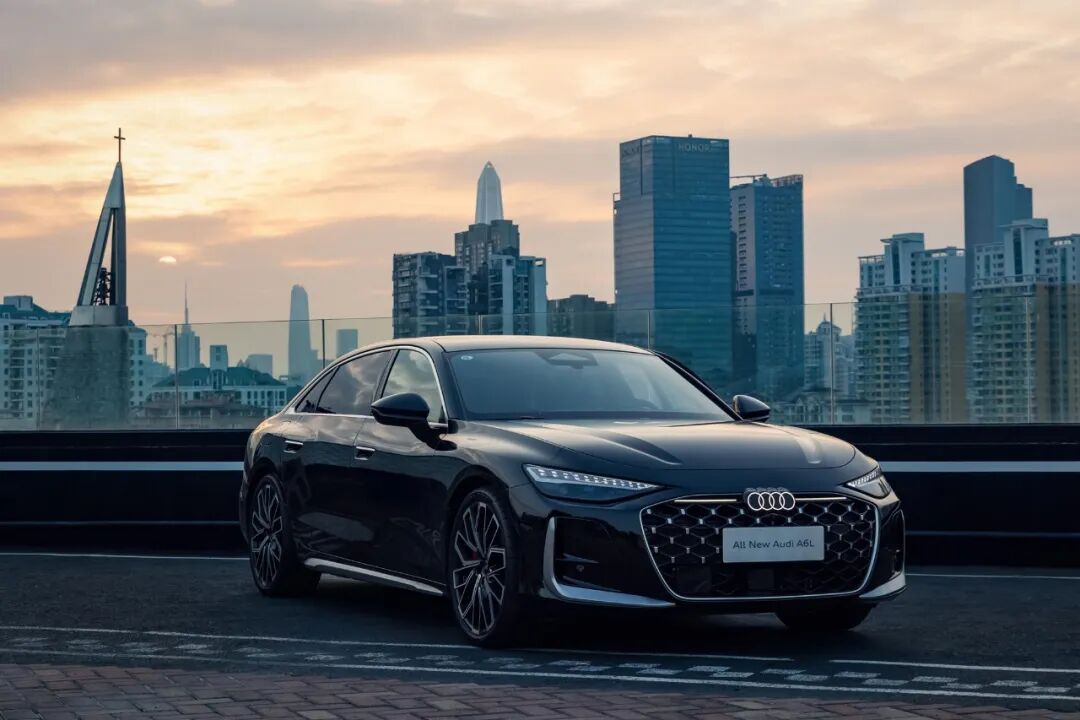
At this auto show, BBA has rolled out unprecedented countermeasures: BMW has undertaken a comprehensive, intelligent localization adaptation of its long-wheelbase model, built on its new-generation pure electric platform. Meanwhile, Audi's all-new A6L fuel version and pure electric A6L e-tron now incorporate Huawei's cutting-edge intelligent driving technology. With Chinese brands closing in and German titans scrambling to retaliate, the question looms: Will this luxury market showdown mark BBA's comeback or signal the dawn of Chinese brands rewriting the rules?
The Offense-Defense Shift in the Over-RMB-400,000 Luxury Market
Many may not realize that the impact of Chinese brands on BBA extends beyond mere disruption; it represents a comprehensive encirclement of their core stronghold. BBA once enjoyed an absolute monopoly in the RMB 300,000-800,000 luxury market, leveraging brand prestige and a diverse product lineup. Now, Chinese brands have woven an impenetrable net in the core price band above RMB 400,000.
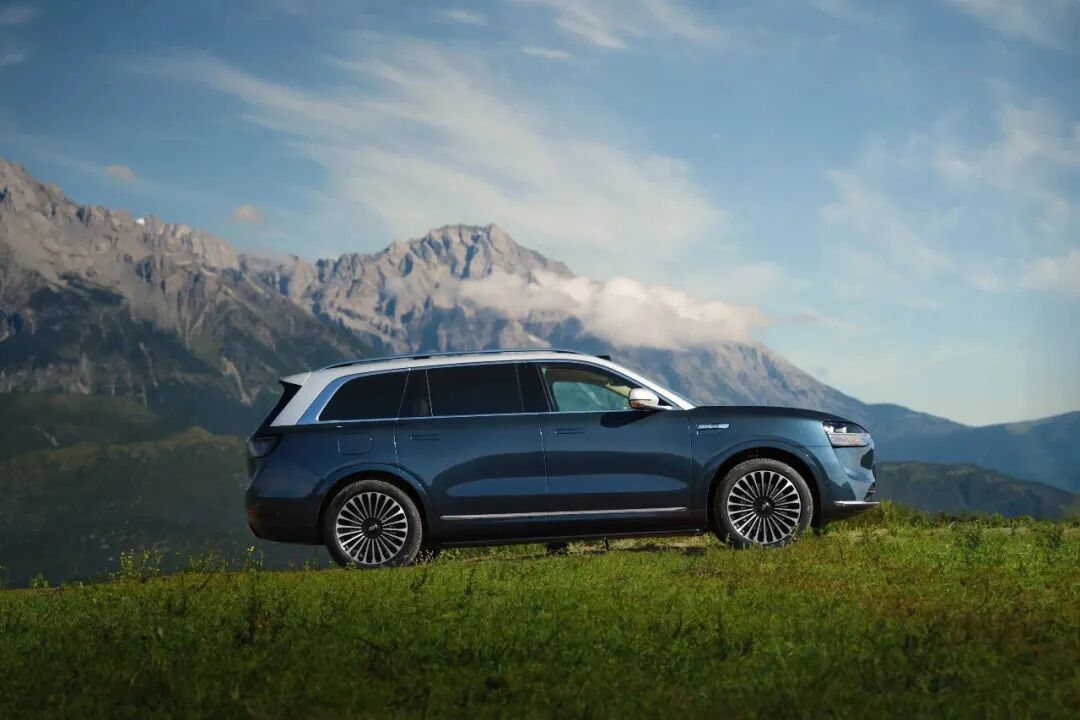
The Aito M9, priced starting at RMB 469,800, has consistently topped the sales charts for luxury SUVs in the RMB 500,000 segment, with cumulative deliveries surpassing 270,000 units. The NIO ES8 has claimed the sales crown for large SUVs above RMB 400,000 for four consecutive months, with nearly 85,000 units delivered in half a year. Even the Li Auto L9, amid a generation transition, maintains a firm foothold in the RMB 400,000 family flagship market. These models no longer rely on low pricing to capture market share; instead, they penetrate BBA's long-established options system and brand premium logic through a 'top-spec-as-standard' product philosophy.
The data speaks volumes. In the first quarter of 2026, sales of Li Auto, NIO, and Aito in the RMB 300,000-600,000 price band surged by 60%, 98.3%, and 86% year-on-year, respectively. The combined sales of these three brands now exceed the total sales of all second-tier luxury brands in China. Critically, they have achieved this not through isolated breakthroughs in a single market segment but by covering full scenarios, including family travel, business receptions, pure electric range, and extended-range power, forcing BBA into a retreat. The luxury market, once dictated by BBA's rules with consumers following suit, now sees Chinese user needs defining luxury, with Chinese brands translating these needs into products and pushing BBA out of the rule-making sphere.
Is BBA's Counterattack a Follow-Up or a Breakthrough?
Faced with this encirclement, BBA has shed its century-old luxury brand arrogance and launched unprecedented localization efforts. BMW's global debut of the new-generation iX3 long-wheelbase version at the Beijing Auto Show features a 108mm axle extension tailored for the Chinese market, a full-scenario navigation-assisted driving system co-developed with domestic team Momenta, and a vehicle system with 70% of its functions developed by Chinese R&D teams—a stark departure from its past 'global model, minor Chinese tweaks' approach.
Audi's move is even bolder, directly integrating Huawei's advanced intelligent driving system into the all-new A6L fuel version, complete with dual LiDAR for full-scenario NOA functionality on highways and urban roads—a feat previously unthinkable for BBA fuel vehicles. Just a few years ago, German giants clung to their mechanical prowess and global R&D systems, dismissing China's intelligent demands as 'gimmicks.' Now, they proactively lower their stance, using Chinese intelligent driving technology, R&D teams, and user needs to define their products—a transformation as thorough as it gets.
However, questions linger: Can this 'localization follow-up' strategy truly turn the tide? Ultimately, BBA now resembles a chaser rather than a leader. Chinese brands have completed multiple iterations of their intelligent driving systems, achieving 99.9% urban NOA coverage, while BBA is only now equipping mass-produced models with advanced intelligent driving. Chinese brands have mastered 800V high-voltage architectures for pure electric platforms, whereas BMW's new-generation platform is just beginning domestic production. This catch-up approach may narrow the gap but is unlikely to enable a comeback.
Moreover, a deeper contradiction persists between BBA's global R&D system and local demands. While they can extend axles and install Chinese intelligent driving systems for the Chinese market, they struggle to match the high-frequency OTA updates and deep integration of Chinese users' nuanced needs into their products, as Chinese brands do.
The Authority to Define Luxury Is Shifting Hands
The outcome of this showdown hinges not on short-term sales fluctuations but on the ownership of luxury definition rights. For a century, German brands held sway over luxury automotive definitions, equating luxury with the three-pointed star, blue-and-white propeller, and four rings—symbols of mechanical excellence, century-old brand heritage, and globally unified luxury standards.
Today, China is rewriting these standards. More consumers, especially younger ones, now prioritize intelligent driving usability, cabin intelligence, family-oriented space, and charging convenience over brand logos when choosing luxury vehicles above RMB 400,000.
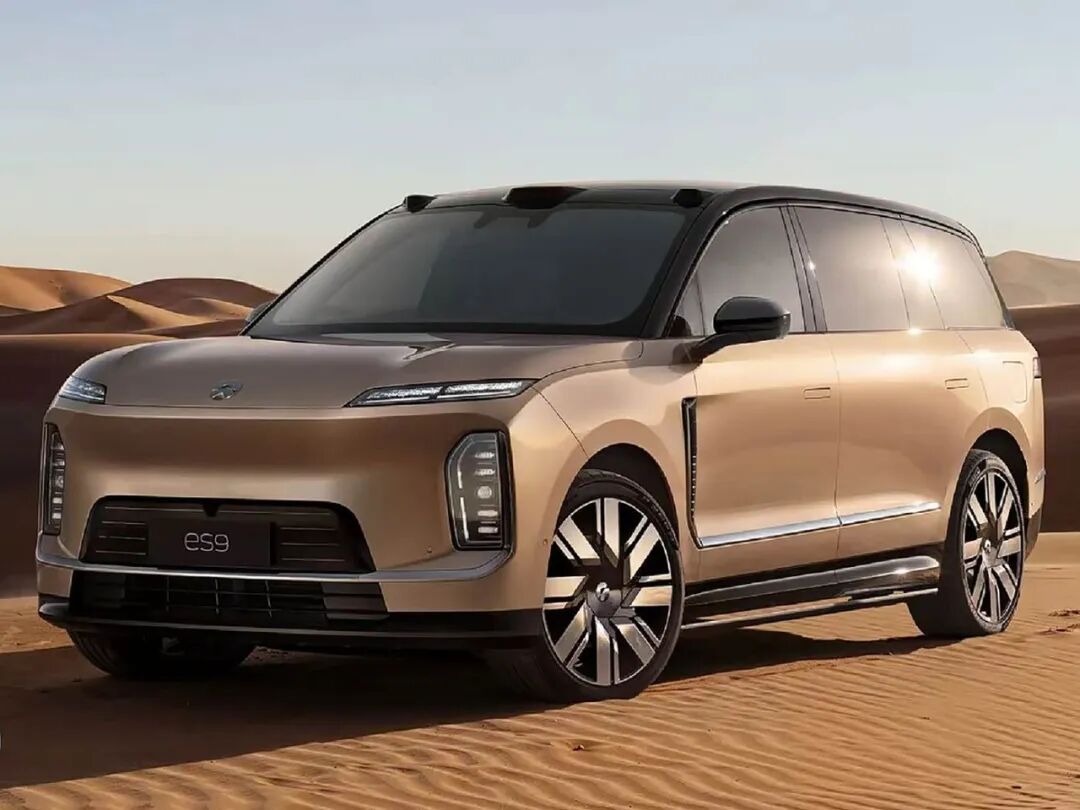
The Aito M9's sustained leadership in the RMB 500,000 segment stems not from its logo but from Huawei's full-scenario ecosystem enabling seamless human-vehicle-home connectivity. NIO's foothold in the RMB 400,000+ market relies on its nationwide battery-swapping network and unparalleled service experience. Li Auto's creation of the family flagship SUV category stems from its profound understanding of Chinese family travel needs—qualities BBA finds hardest to replicate.
From a brand strength perspective, BBA still commands stable premium capabilities, albeit rapidly diluting. Consumers once willingly paid tens of thousands more for a BBA logo on an entry-level model with weaker power and lower specs. Today, with a RMB 400,000 budget, more people opt for fully loaded, experience-driven Chinese brand flagships. This shift in consumer mindset deals the most fatal blow to BBA.
While it would be premature to declare BBA's decline, the century-old brand's resilience should not be underestimated. However, the rules of the luxury market have irrevocably changed. BBA once defined Chinese luxury with global standards; now, only Chinese market demands can shape the future of luxury.
Thus, the 2026 Beijing Auto Show is poised to mark a pivotal turning point in China's luxury car market. Chinese brands have, in just over a decade, transitioned from chasing to keeping pace and now leading in segments, erecting a formidable encirclement in the RMB 400,000+ luxury market. Meanwhile, BBA has shed its arrogance, launching an unprecedented localization counteroffensive.
This war is far from over. The efficacy of BBA's 'localization follow-up' hinges not on matching Chinese brands' configurations and technologies but on truly abandoning global system arrogance and prioritizing the Chinese market as its core—not just a significant branch. After all, in an era where Chinese users define luxury, only those who truly understand the Chinese market can seize the initiative in the future luxury car market.
-
![]()
Jitian Xingzhou: A Pioneer in Optical Payloads Secures Hundreds of Millions in Series B Funding!
-
![]()
Orders Secured Through to the Second Half of the Year! The Rationale Behind the 'Surge' in Demand for This Company’s Optical-Grade Base Films
-
![]()
Beyond Patents: The Retail Rivalry of Insta360 and DJI Unfolds
-
![]()
180 Billion Market Cap Vanished! How Did Seres Fall So Far?
-
![]()
Blockbuster! Domestic storage takes the global double crown for the first time, from an AI company
-
![]()
China Spearheads Formulation! World's Pioneering Global Technical Regulation for Automated Driving Systems Greenlit and Unveiled
-
![]()
Farewell to Pulsed Support Policies: Three Major Auto Policy Directions from Multiple Departments Take Effect on the Same Day
-
![]()
Embercore AI’s Accelerated Funding: The Robot Industry’s Shift Toward ‘Learning Systems’