What Happened to Steve Jobs' Legacy at Apple? Where Is the Next 'iPhone Moment?'
 04/27 2026
 558
558
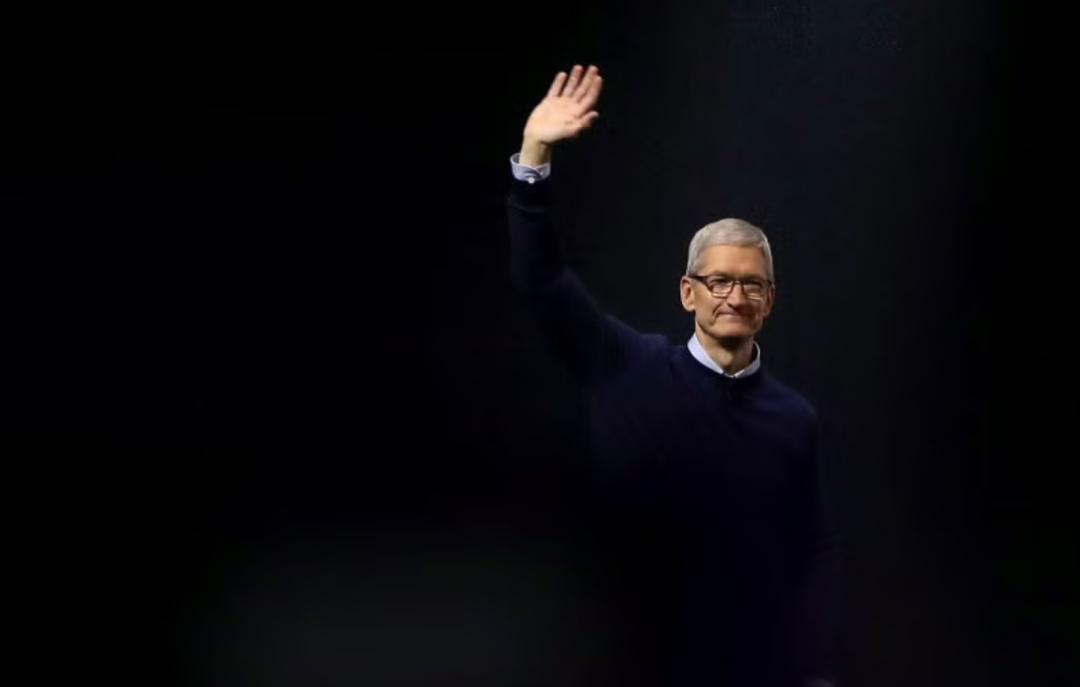
The Pros and Cons of Tim Cook's Legacy
On April 21, 2026, when Apple's official website posted 'A Letter from Tim,' Wall Street traders barely raised an eyebrow. The stock price rose a modest 1.04%, with the market value firmly above $4 trillion—enough to buy the entire German stock market. Yet, the capital markets' calm response to this major executive change was unsettling.
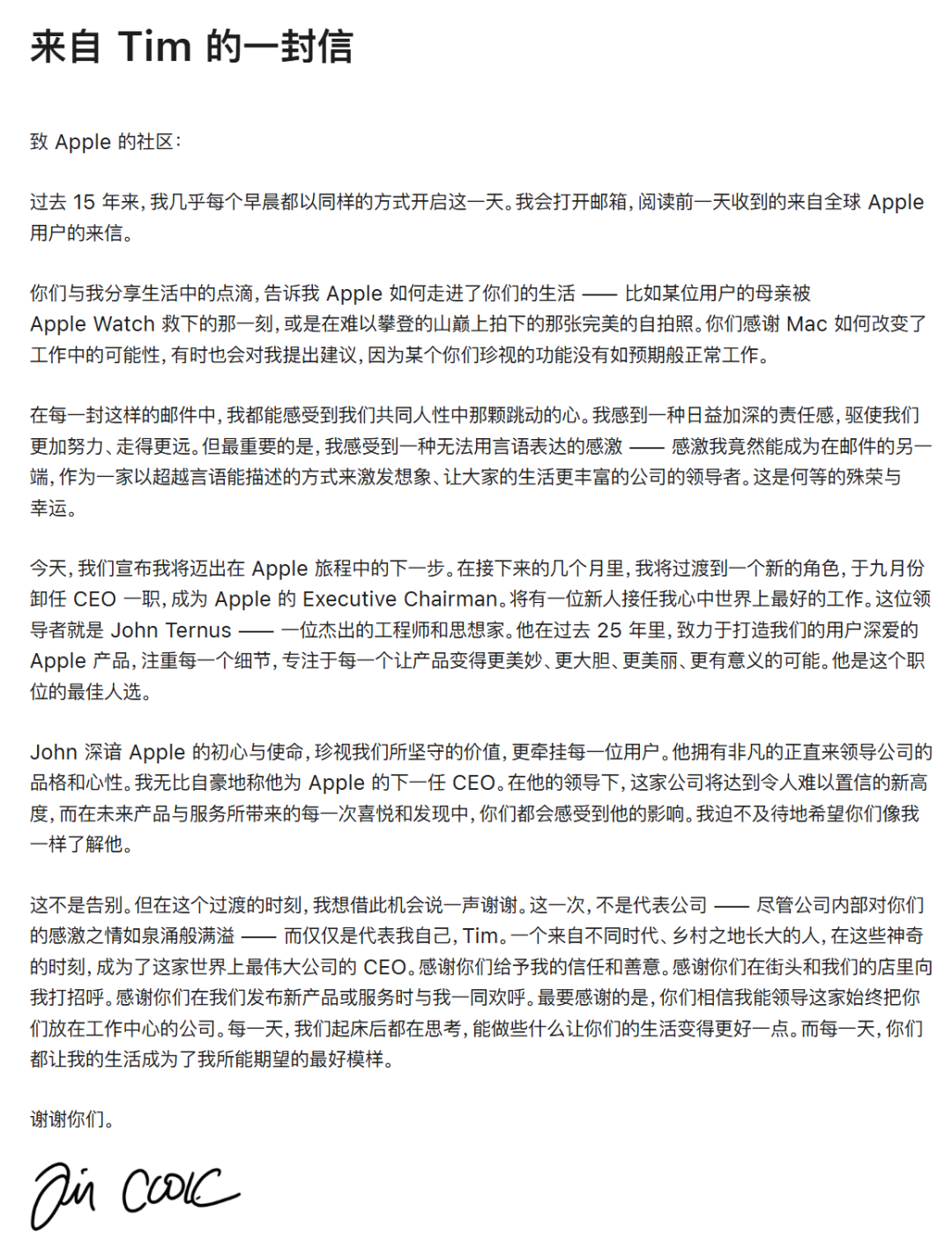
Image Source: Apple's Official Website
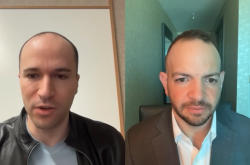
Tim Cook announced he would step down as CEO on September 1, transitioning to Executive Chairman, with hardware engineering head John Ternus taking the helm. There was no geopolitical storm, no hasty exit—just a graceful exit at the peak of financial success. During Cook's 15-year tenure, Apple's market value surged from $350 billion to $4 trillion, an 11-fold increase; revenue skyrocketed from $108 billion to $400 billion; and services, starting from zero, now contribute over $100 billion in annual revenue.
But as Cook departs, Apple faces an awkward reality: in the AI revolution reshaping the tech industry, Apple has become a bystander. Siri lags behind competitors by at least a generation, generative AI layout (AI layout - 'AI strategy') is nearly nonexistent, and Vision Pro mixed-reality device sales have fallen short of expectations. Cook spent 15 years making Apple the world's most profitable company, yet it missed the most critical tech wave.
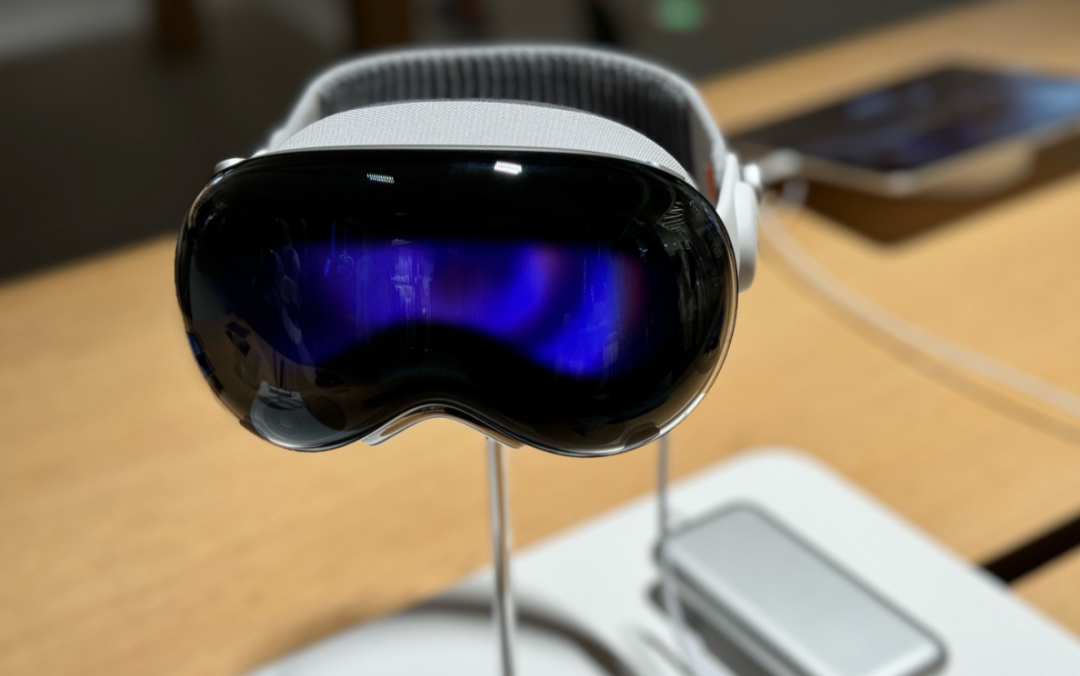
Image Source: Internet
Wall Street analysts are reevaluating Apple's value proposition. Over the past decade, investors paid a premium for 'certainty'—stable annual product iterations, predictable cash flow, and consistent dividend growth. Cook proved Apple could keep making money without taking risks.
But the tech industry's iron law is clear: giants without innovation are more dangerous than those that fail while innovating.
Ternus inherits Apple at a delicate turning point. Hardware sales growth has peaked, services face regulatory pressures, and an AI technology gap has formed. The market doesn't want another Cook-style caretaker but a disruptor who can lead Apple across the 'innovation gap.' This 50-year-old hardware engineering chief, the same age as Cook when he took over, faces a more complex landscape.
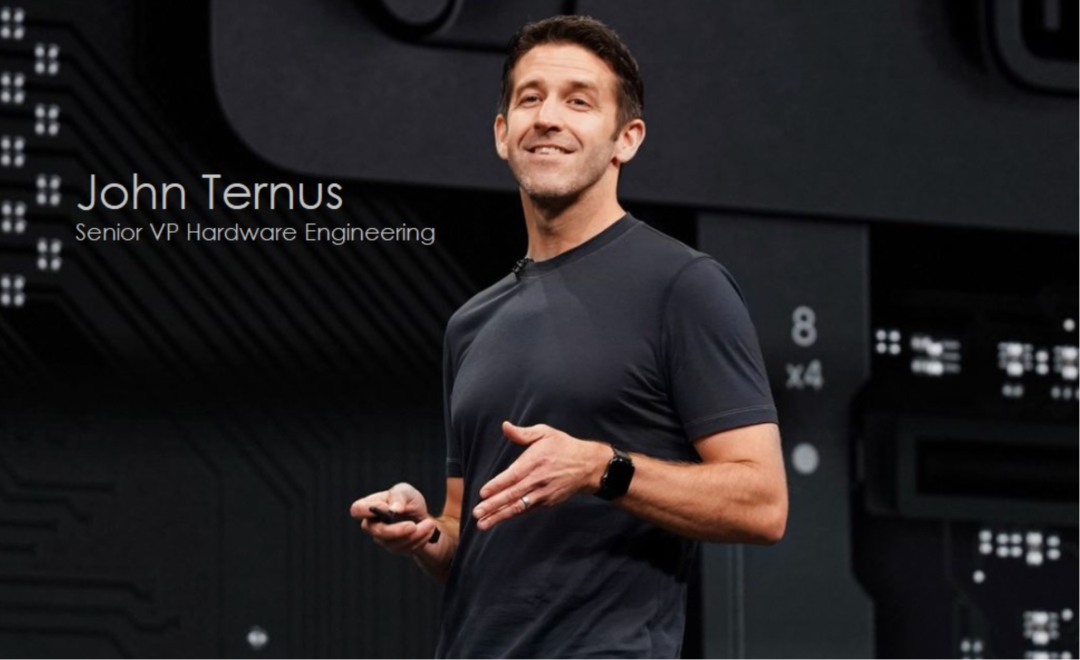
John Ternus Image Source: Internet
Cook left Ternus a vast but rigid empire. iPhone dependency dropped from 70% at its peak to 50%— Seemingly successful in diversification ( Seemingly successful in diversification - 'seemingly successful diversification') masks growth bottlenecks. Services contribute 25% of revenue, but the EU's Digital Markets Act is forcing Apple to open its ecosystem, potentially eroding this high-margin business. Vision Pro's struggles show Apple has lost its ability to define the next computing platform.
The AI lag (AI lag - 'AI lag') has created a 'generational technology gap.' While Google, Microsoft, and Meta invest tens of billions in generative AI, Apple's Siri team still struggles with basic commands like 'What's the weather tomorrow?' Internal documents reveal Apple's AI R&D investment is just one-third of competitors', with a 40% talent attrition rate. Cook's focus on short-term financial returns caused Apple to miss the most critical tech revolution.
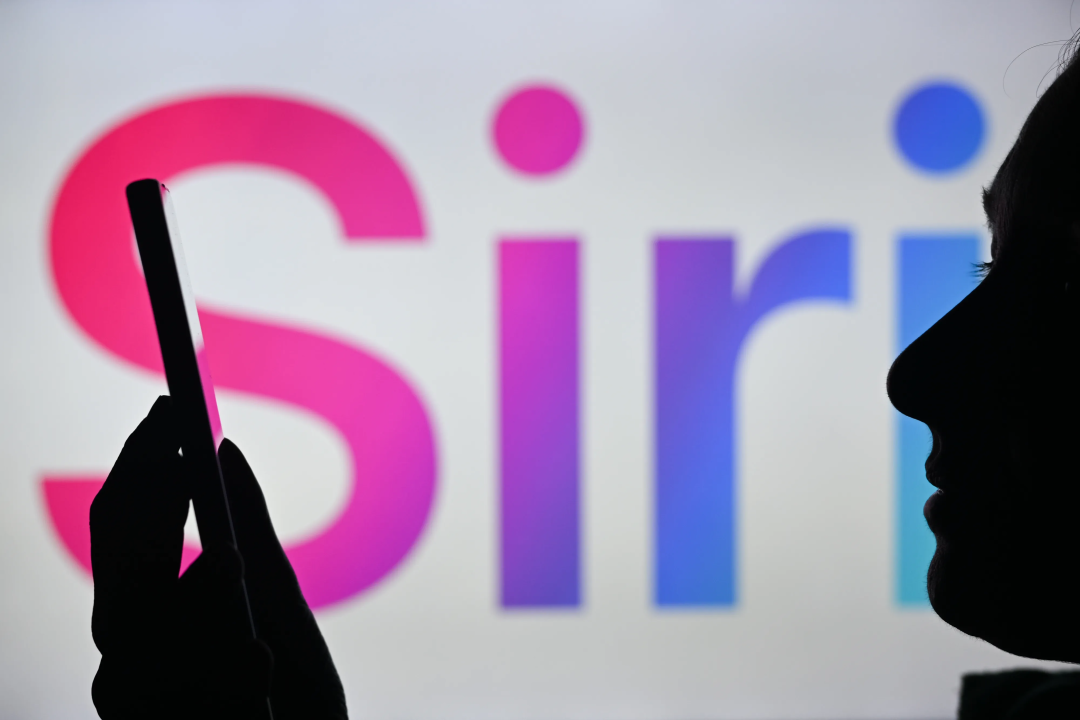
Image Source: Internet
Cook left Ternus a financially healthy but technologically lagging giant. $400 billion in revenue, $4 trillion in market value, and $200 billion in cash reserves form an impenetrable financial moat. But beyond that moat, AI, AR, and other new tech waves are reshaping the industry. The question Ternus must answer is: How can he use Cook's money to buy back the innovative spirit of the Steve Jobs era?
Ternus's Triple Challenge
01 Why Apple Struggles with AI
Why did Siri stagnate in the 2020s? A mix of technical missteps and organizational flaws. Apple's 'perfectionism' became a liability.
A former Apple executive admitted: 'In AI, you have to invest first to figure out what the product is. That's not how Apple works. We always know the end goal before developing a product... Our strategy was to enter late, leverage over 1 billion users, and steadily dominate everyone.'
In 2023, Bloomberg reported Apple's internal chatbot for basic image generation lagged ChatGPT by at least 25%. While OpenAI's GPT-4 ignited global excitement, Apple focused on MR devices. Cook last year warned large models might pose privacy risks, only to reverse course at the February 2024 shareholders' meeting, vowing to 'pioneer new frontiers in generative AI.'
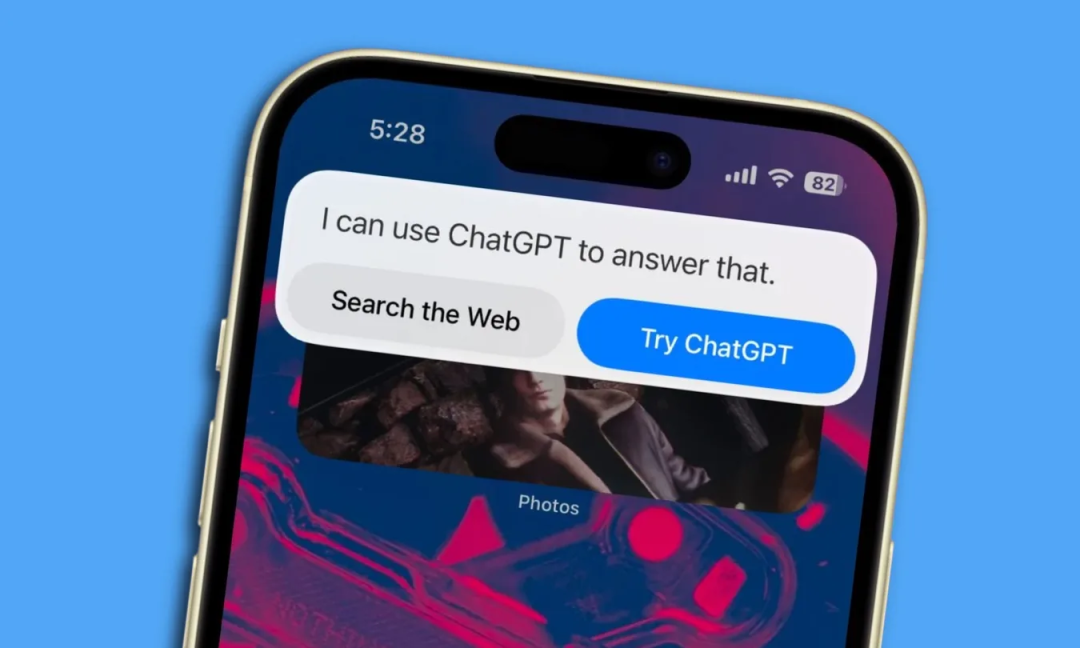
Image Source: Internet
A decade of stagnation created a generational tech gap. Siri's fall from leader to laughingstock exposed fundamental flaws in Apple's innovation system.
Ternus's appointment may signal Apple's shift from 'operations-driven' to 'product-driven.' His biggest challenge: reengaging Apple as the tech narrator of the AI era.
Apple's AI lag stems not from hardware but strategy and organization. Ternus-led A-series and M-series chips already deliver peak neural engine performance—A18 hits 45 TOPS, fully capable of running billion-parameter models.
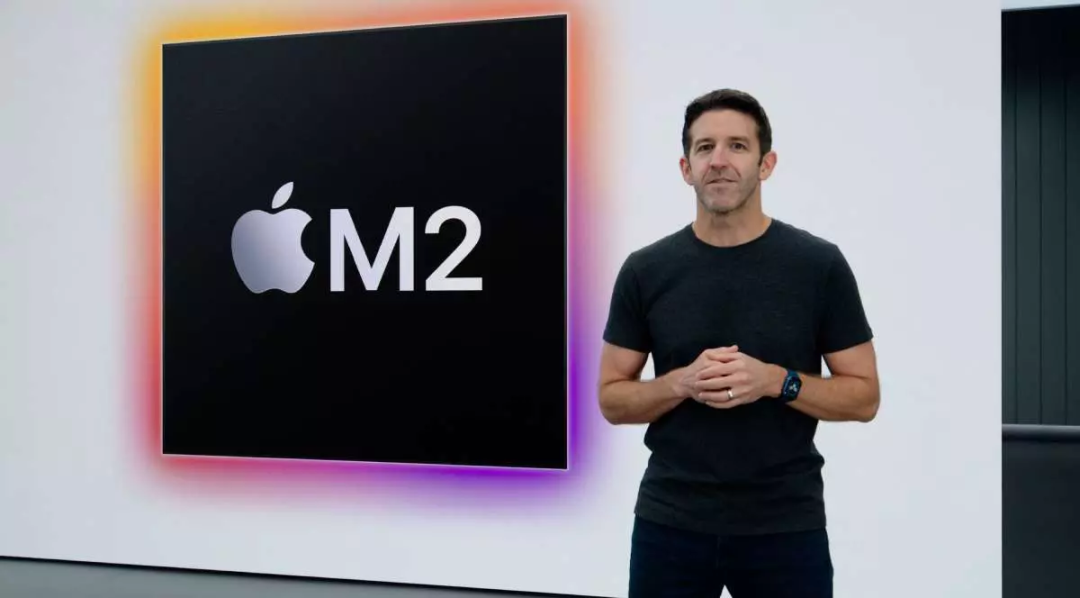
Image Source: Internet
But Apple's software, AI frameworks, and organizational structure lagged, squandering its hardware advantages. Edge AI success hinges on full-stack synergy between chips, hardware, software, and algorithms—Ternus's expertise. He understands chip architecture, hardware design, and Apple's product ecosystem, enabling him to unify Apple's AI capabilities and convert hardware strengths into AI dominance.
02 Ternus Must Prove Himself
In Apple's official announcement, Cook described Ternus as having 'the mind of an engineer, the soul of an innovator, and the heart to lead with integrity and honor.' Those eight words—'engineer's mind, innovator's soul'—clearly don't describe 'another Cook.' Like Jobs before him, Cook chose a successor to solve his era's unresolved problems, not to Continuing oneself ( Continuing oneself - 'extend his legacy').
Today's tech industry is no longer a 'disruptor-takes-all' wild west or a 'scale-is-king' expansion phase. Apple needs neither another genius nor another operations master but an 'innovation executor' who can inherit Cook's legacy while adapting to modern demands. Simply put, Apple must refocus competition on its hardware strengths, translating AI into tangible product experiences. Whether Ternus can restore Apple's product-defining prowess may be his ultimate test.
Critics argue Ternus's track record isn't stellar. His signature creation, the Touch Bar, ranks among Apple's worst designs in a decade. He excelled more at refining products than defining them. The Mac's chip transition followed preset plans, while Vision Pro's concept owed little to him. Some inside Apple see him as a caretaker, not a visionary like Jobs or Ive who dares to scrap and rebuild.
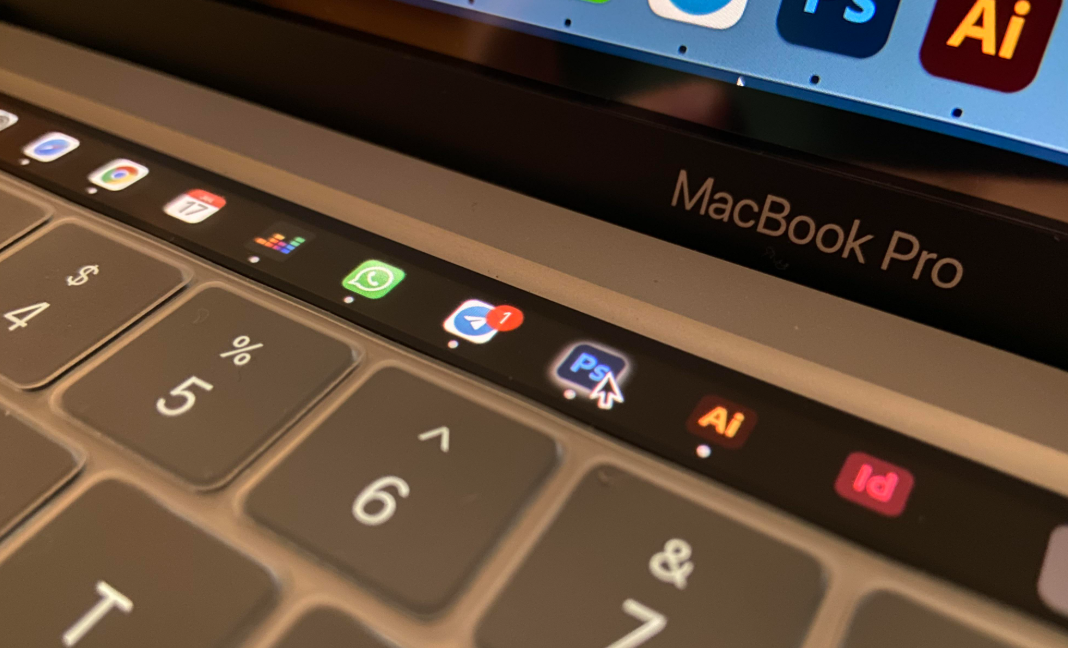
Image Source: Internet
But for a $400 billion commercial empire, Apple needs precise, incremental hardware innovation—not another GPT-4. Moreover, monetizing AI investments remains unproven.
Under Ternus, AirPods Pro dominated with active noise cancellation. The March 2026 MacBook Neo sold out immediately, with delivery delays of 2–3 weeks in China, the U.S., and the U.K. Foreign media credit him with driving iPadOS's creation, spurring hardware like Apple Pencil and Magic Keyboard. At last year's fall event, Ternus unveiled the iPhone Air, and he leads the iPhone 17 series and rumored foldable iPhone projects.
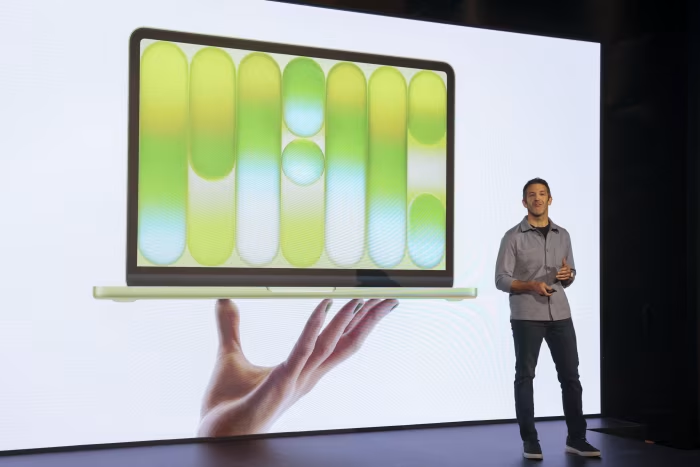
Image Source: Internet
These innovations, while not groundbreaking, have commercial appeal and stabilize Apple's financials. Apple's AI lag stems not from technical inability but systemic failures in strategic priority and organizational culture.
Yet Apple's 'late arrival' in AI isn't necessarily disastrous. While rivals chase cloud-based large models, Apple's 'device-first' approach could carve a unique niche if it balances privacy and computing power. Apple's stock has dropped just ~7% this year, unlike Microsoft, Meta, and others spending heavily on AI infrastructure. Apple avoids the market's anxiety over 'ROI on massive AI investments.'
Thus, declaring Apple the 'next Nokia' in AI is premature. Though imperfect, Ternus has a strong AI team. Apple quietly assembled a new core team around him: Mike Rockwell takes over Siri; Amar Subramanya, a Google veteran from Gemini and DeepMind, leads overall AI strategy, accelerating Apple's AI catch-up. In hardware/XR, promoted Fletcher Rothkopf heads smart glasses engineering. A screenless Air headset may debut in 2026, with a full version in 2027.
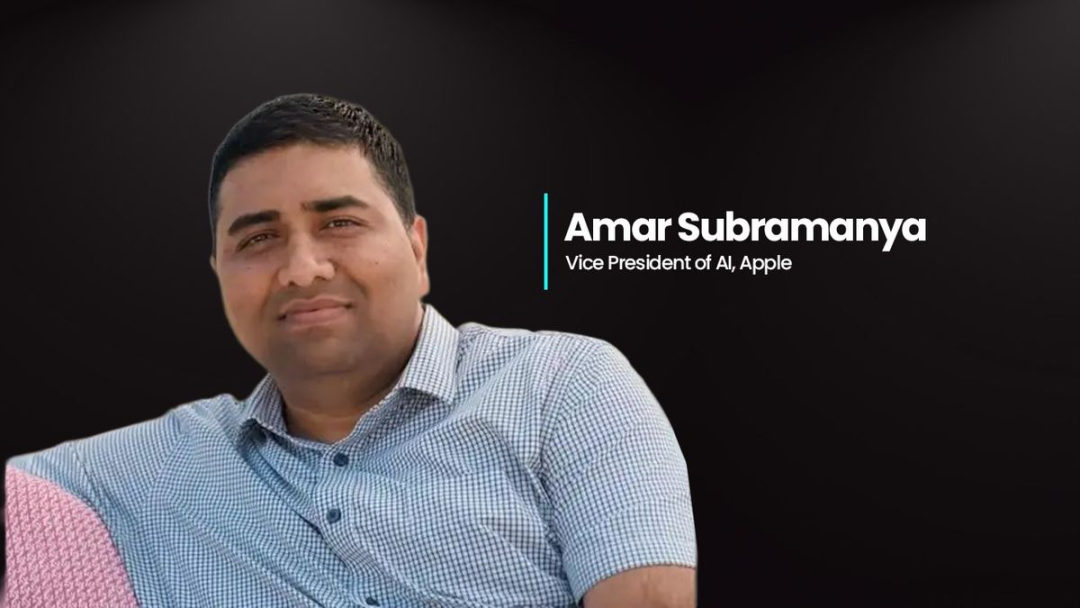
Image Source: Internet
03 Depletion of Geopolitical Dividends
'De-Sinicization' is strangling Apple financially. Factories in Vietnam and India operate at just 60% of China's productivity, with 15% lower yield rates and 30% higher logistics costs. The global supply chain efficiency Cook built is eroding. Worse, tariff games push iPhone Pro Max prices to $1,599 in the U.S., testing consumer tolerance.
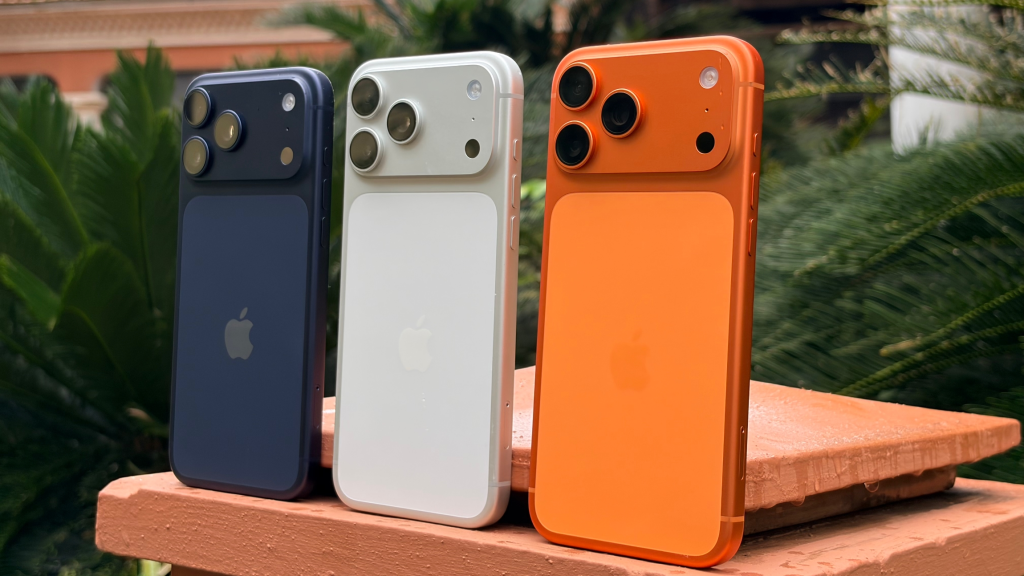
Image Source: Internet
India's manufacturing ecosystem remains immature, relying on Chinese imports for most components. Assembling in Vietnam or India merely extends supply chains (China → Vietnam/India → global markets) without reducing China dependence, instead increasing logistical complexity and costs.
Beyond manufacturing, Apple faces supply chain 'power shifts' in the AI era. As OpenAI, Google, and Nvidia scramble for AI chips and memory, global DRAM and NAND prices surge, altering supplier bargaining dynamics. Nvidia has surpassed Apple as TSMC's largest advanced-node customer, shaking Apple's priority in securing cutting-edge chip capacity.
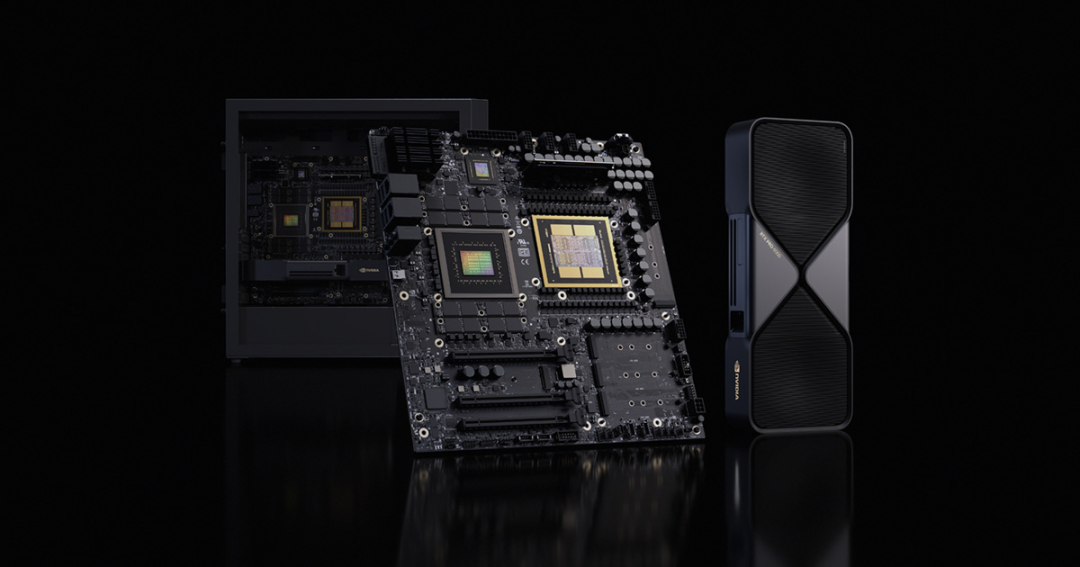
Image source: Internet
In the post-Cook era, Ternus faces not only the technical challenge of catching up on AI but also a life-and-death battle of geopolitical supply chain restructuring. Can he find a new balance between "maintaining China's core supply chain" and "satisfying U.S. political correctness"? Can he transform an engineer's pragmatism into the foresight of a geopolitical strategist?
Epilogue
WWDC 2026 marks Ternus's 'debut exam.' Investors are waiting for a signal: Can Apple demonstrate a posture of redefining products, or will it continue to tell a story that looks normal on paper but lacks appeal?
References:
Apple Once Again Chooses a Successor Who Seems Least Like Him Source: Geek Park
Cook Steps Down as CEO, Ternus Takes Over Source: Tencent Tech
Apple Welcomes Back a 'Jobs-like Figure' Source: China Newsweek
Alright, that's all for today's content. If you've made it this far, you're likely a loyal fan of our chief. Here, I'd like to invite you to participate in a quick survey.
Would you like to receive similar case analyses on a weekly basis? We're organizing the Chief Insider Circle, with regular online and offline closed-door sharing sessions covering:
1. 'In-depth Dissection' of key companies' histories and success stories;
2. Industry trends, including consumption, AI, going global, and more;
3. Interpretation of industry policies.
-
How can we elevate autonomous driving scene understanding from 2D to 3D?
-
![]()
DeepSeek V4: Chinese Computing Power, Chinese Model, Chinese Pace
-
AI Adoption Becomes a Stringent Benchmark: Big Factory Workers Find Themselves 'Ensnared' by AI
-
![]()
Beijing Auto Show: No Dominant 'Star Car', but Three Key Tech Battles That Shape the Future
-
![]()
Is the Prompt Outdated? GPT-5.5 Now Has Intuition—Just Specify the Goal and AI Takes Over Automatically
-
![]()
Cook Passes the Torch: Apple Bolsters Its Position in China’s Competitive Market
-
![]()
Cash Flow Soars by 1147%! Delving into O-Film Tech's Q1 Financial Report
-
![]()
60,000 Domestic Cards Train Trillion-Parameter Models: What Do LongCat and DeepSeek Validate?