China’s Former Color TV Titan Now Faces Delisting Crisis
 04/29 2026
 533
533

Source | Home Appliance Pai (jiadpai)
Author | Xiaoxiao
From Five Years of Market Dominance to Four Years of Near-20 Billion Yuan Losses: How Did Konka’s Fortunes Collapse?
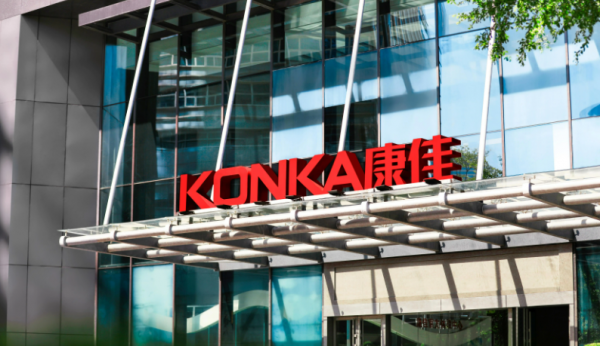
Over the past two days, the home appliance industry has been abuzz with a story that has evoked widespread regret. Shenzhen Konka A, once hailed as China’s “pioneer color TV stock,” has announced that it will be slapped with ST (special treatment) and *ST (delisting risk warning) designations. Starting April 30, its stock tickers will be changed to “*ST Konka A” and “*ST Konka B.”
In layman’s terms, the company’s audited net assets for 2025 were negative, triggering a delisting risk warning. To put it more bluntly, this former titan of China’s color TV sector is now teetering on the brink of being delisted from the stock exchange.
When news broke, many lamented: “Konka, how did things come to this?”

From Glory Days to Desolation
Let’s rewind to the 1980s and 1990s.
Founded in Shenzhen in 1980, Konka rose to prominence during an era when televisions were still a luxury. Owning a color TV would draw neighbors from the entire block to gather and watch. Seizing this golden opportunity, Konka became one of the first companies listed on the Shenzhen Stock Exchange in 1992, earning the moniker “China’s first color TV stock.” At its peak, Konka was riding high.
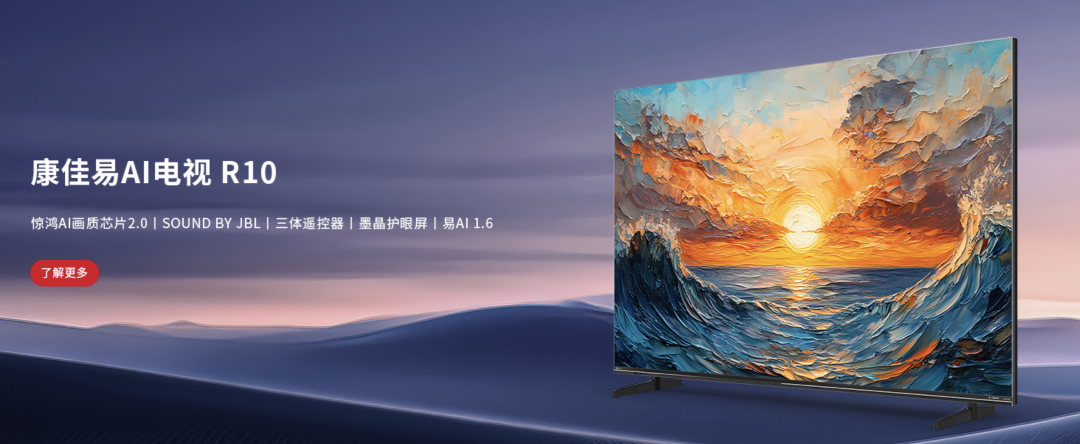
Even greater success followed. From 2003 to 2007, Konka dominated China’s color TV market for five consecutive years, leaving rivals Hisense, TCL, and Changhong trailing in its wake. Those five years marked Konka’s golden era. During festivals, long lines would form outside Konka TV counters in shopping malls. For weddings or moving into a new home, buying a Konka color TV was considered standard.
By today’s standards, Konka was the “ultimate influencer” in the home appliance world. But what about now?
Nearly 20 Billion Yuan in Losses Over Four Years: A Closer Look at Konka’s Recent Performance
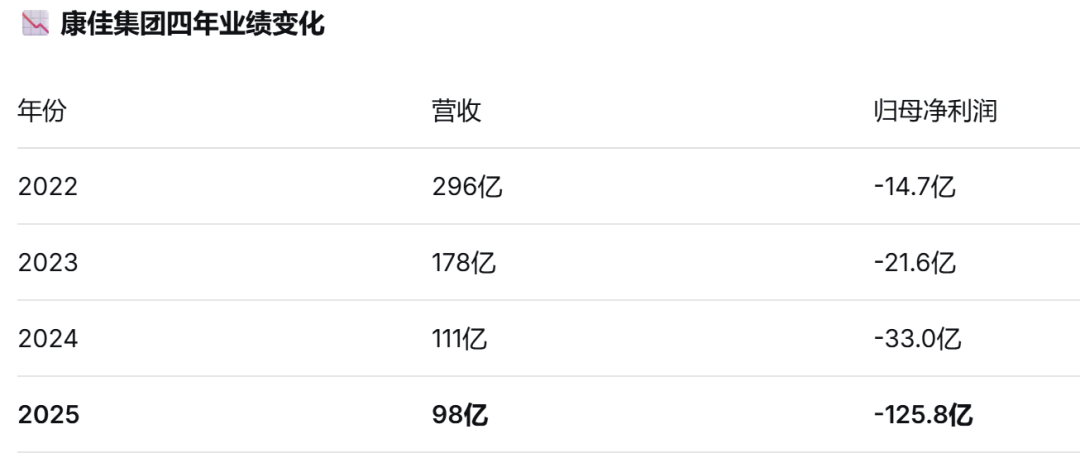
Over the past four years, cumulative losses have approached 20 billion yuan.
In 2025 alone, the company reported a staggering 12.5 billion yuan loss—more than the combined losses of the previous three years. Revenue? It plummeted from 29.6 billion yuan in 2022 to just 9.8 billion yuan in 2025, a two-thirds decline. To put this in perspective, Konka effectively lost the entire net worth of a medium-sized enterprise in four years.
The first quarter of 2026 brought even more disheartening news: revenue of 1.932 billion yuan, down 24% year-on-year, and another loss of 184 million yuan. From five years of market leadership to four years of massive losses—how did this former home appliance giant fall so far?

How Did Konka Squander Its Advantages?
The decline of any industry giant is rarely sudden. Konka’s downfall ultimately boils down to one phrase: strategic missteps.
1. Success in Color TVs Led to Failure in Color TVs
Konka’s rise was fueled by color TVs, but its downfall began when it failed to adapt to industry shifts. As the market transitioned from CRT to LCD TVs, Konka was slow to respond. When internet TV brands like Xiaomi and LeEco disrupted the market with “cost-effectiveness + content ecosystem” strategies, Konka again dragged its feet.
More critically, while competitors like Hisense, TCL, and Skyworth focused on high-end products and overseas expansion, Konka chose a different path: diversification.
2. Blind Diversification: Jack of All Trades, Master of None
How many “side hustles” has Konka pursued in recent years? Mobile phones, refrigerators, washing machines, kitchen appliances, white goods, semiconductors, environmental protection, industrial parks—the list goes on.
In 2018, Konka made headlines by announcing its entry into the semiconductor industry, vowing to invest heavily in memory chips. The result? No chips were produced, but significant capital was burned.
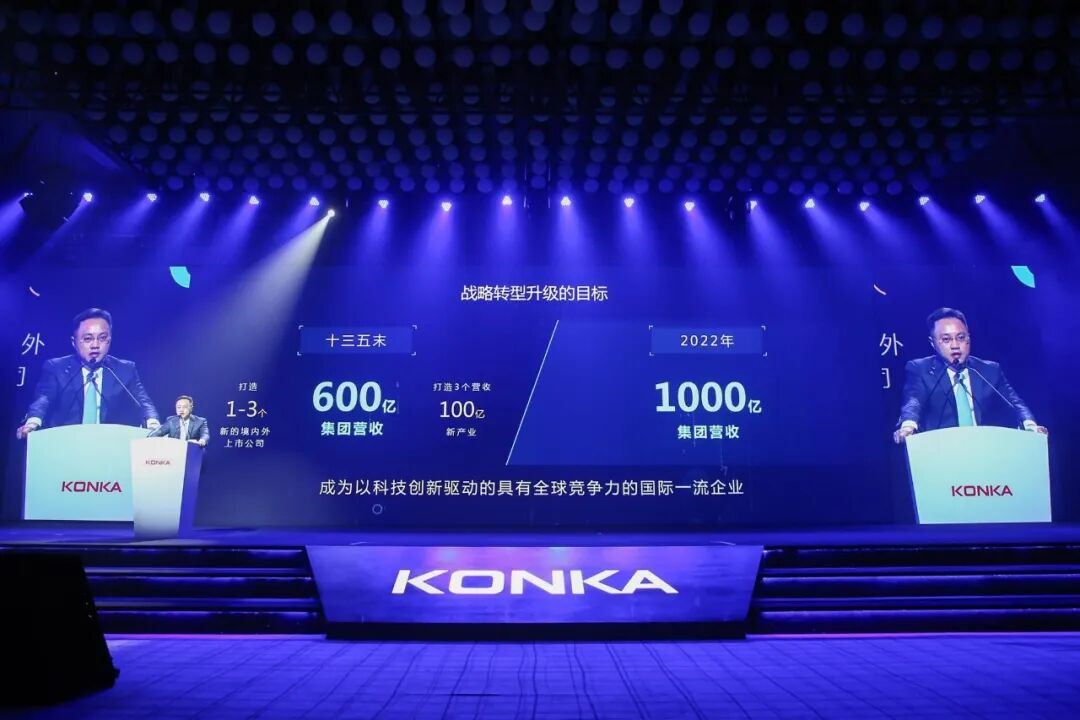
In 2021, the company unveiled a grand strategy of “new consumer electronics + semiconductors + new energy technology.” The slogans were ambitious, but execution was lacking.
What went wrong? Before stabilizing its core color TV business, Konka chased every hot trend. It bet on multiple business sectors without deep cultivation in any. The result: it lost its old advantages and failed to secure new growth drivers.
3. Internal Turmoil and Management Disarray
Konka’s leadership changes in recent years have resembled a revolving door. Frequent executive turnover has led to repeated strategic shifts. Media reports indicate that Konka has cycled through multiple presidents in just a few years, with each new leader eager to “make their mark” by introducing a new strategy.
But a company’s success hinges on strategic consistency. One day, it’s about chips; the next, industrial parks; then, back to white goods. With leaders coming and going and directions constantly changing, how can employees keep pace?

Can Konka Stage a Comeback?
To be frank, Konka’s situation is dire.
The *ST designation means it must turn its net assets positive within a year to avoid delisting. Filling a 12.5 billion yuan loss hole in one year is a daunting task.
That said, China’s color TV industry has seen its share of “phoenix rising from the ashes” stories. TCL once incurred massive losses but later turned itself around with its panel business. Hisense also weathered a low period before rebounding through technological innovation and internationalization.
Konka still has assets: brand recognition, a distribution network, and production capacity. The key lies in whether it can refocus on its core business, cut loss-making and non-core operations, and chart a sustainable path forward.
Some analysts argue Konka should take three steps: first, stabilize its color TV business and abandon flashy “ecosystem” pursuits; second, focus on white goods and kitchen appliances, which offer growth potential; third, streamline operations by divesting loss-making and non-core assets.
Ultimately, Konka hasn’t exhausted all its options, but time is running out.
The advertising slogan “Konka, giving you a clear world” once resonated with generations of Chinese consumers. Let’s hope the next headline about Konka isn’t about *ST, but about a “rebirth.”
After all, no one wants to see this 40-year-old industry veteran bow out in such a manner.
-
![]()
Let's Imagine: What If DeepSeek and Kimi Merged?
-
![]()
Why Are Young People Choosing 'Reverse Car Upgrades'?
-
![]()
Who 'Killed' the Profits of Cars in the Era of Intelligent Electric Vehicles?
-
![]()
China’s Smart Box Market: Scale Hits Rock Bottom; Breakthroughs Seen in Gaming, Learning, and AI Integration
-
![]()
70.06 Million Yuan in Subsidies Lead to First-Quarter Profitability, Moore Threads Continues to Await Commercialization Turning Point
-
![]()
Momenta's Ambitions for 'Physical AI' Must Overcome the Challenge of 'Momenta Quotient'
-
![]()
China’s Former Color TV Titan Now Faces Delisting Crisis
-
![]()
The Dual Facets of CCD’s Comeback: ‘Retro Tech’ Trends at Canton Fair Struggle in the Secondhand Market