Android 17 Update: Google Accelerates AI Implementation on Phones and Releases a High-End PC
 05/13 2026
 460
460
An appetizer before the Google I/O conference.
Since the first beta version was released in February 2026, Android 17 has gone through four iterations. Following the usual practice, the official version of Android 17 is set to be officially released in the second half of this year, most likely in August.
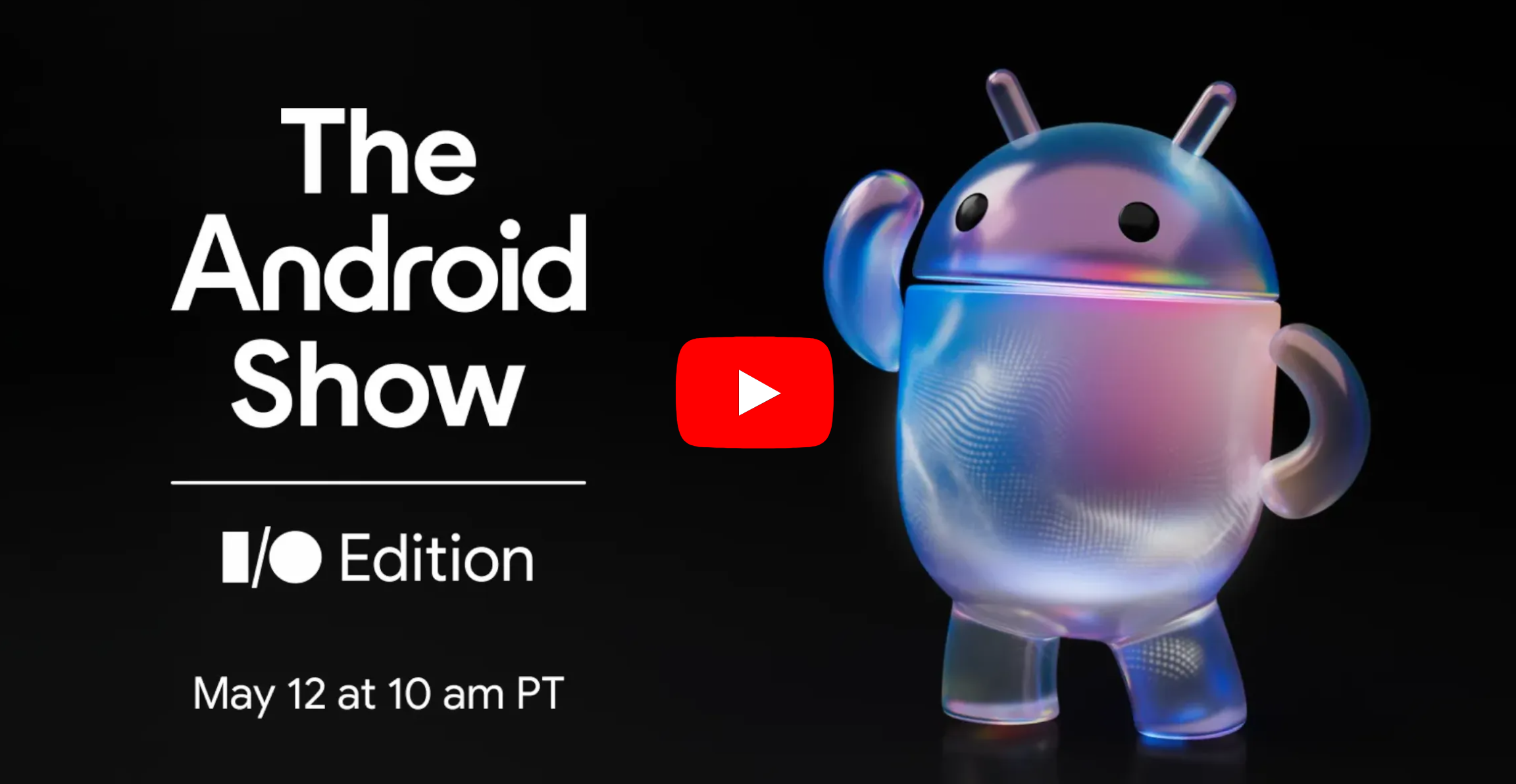
However, the Google I/O conference is set to kick off next week, with Google's latest advancements in AI taking center stage. To focus on AI discussions during the event, information about Android 17 will be shared in advance at The Android Show event on May 12.
(Image source: Google)
Now, let's take a look at the latest upgrades in Android 17.
New Android, Many New Features, But Lacks Novelty
Recently, Google officially released an image of the Android mascot, which now features a frosted glass style. However, Google quickly clarified that Android 17 will not adopt Apple's liquid glass aesthetic.
From the information revealed at this event, it's clear that Android 17 has not copied iOS 26's liquid glass design. However, the Gaussian blur and frosted glass style still give it an "Apple-esque" feel at first glance.
In terms of features, Google has announced quite a few.
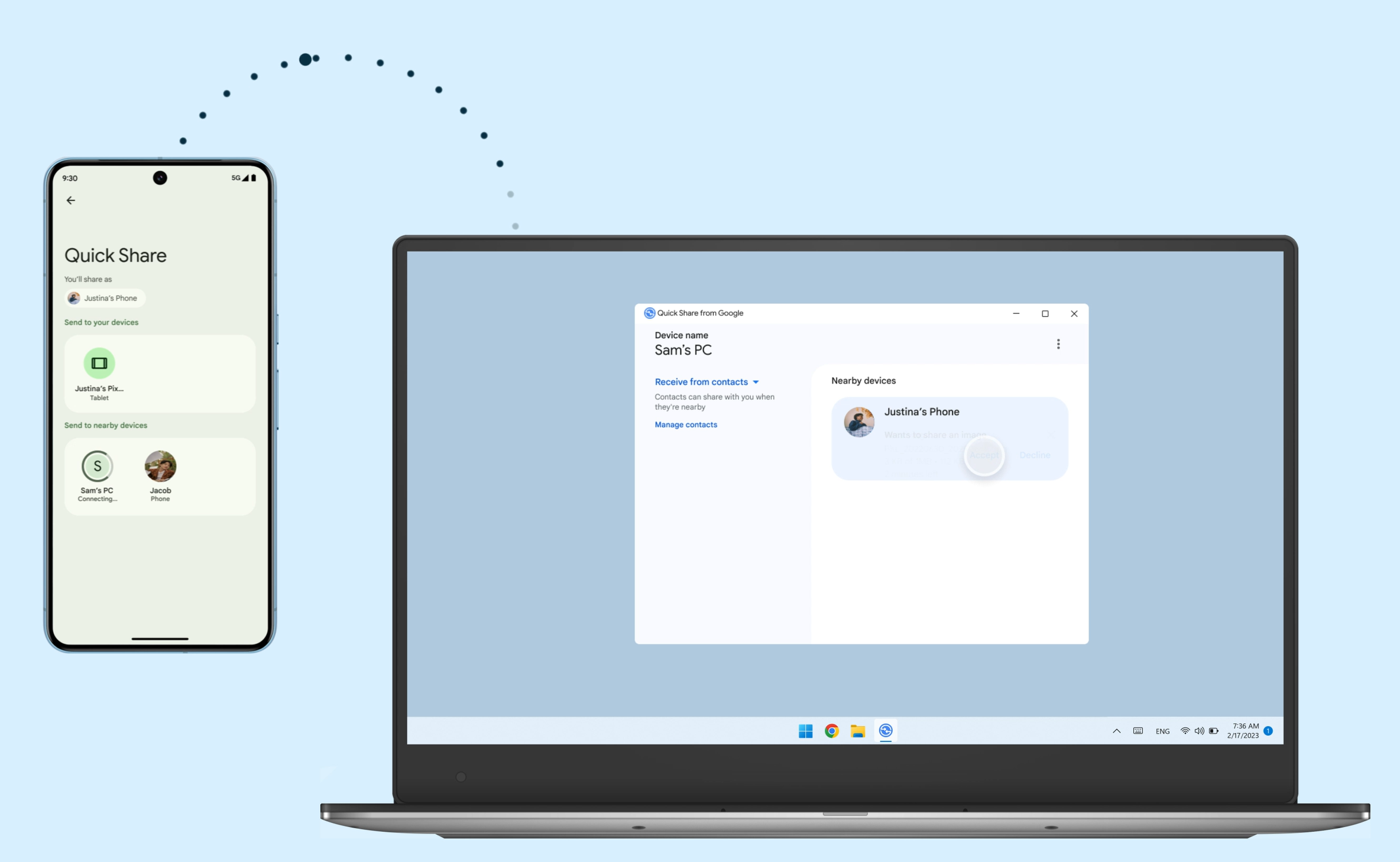
Among them, the Quick Share feature is quite interesting. It integrates with third-party apps like WhatsApp, allowing users to share files quickly.
More importantly, it enables interoperability with Apple's AirDrop, allowing Android devices to send files to Apple devices in this manner. For devices that do not support this feature, Google provides cloud-based transmission and download options, where the receiving device can simply scan a code to download the file.
(Image source: Google)
Additionally, Android 17 introduces the Pause Point feature. Specifically, it allows users to mark certain apps as "distracting applications." When these apps are opened, the system provides a gentle reminder to discourage use, helping to alleviate issues like short video addiction.
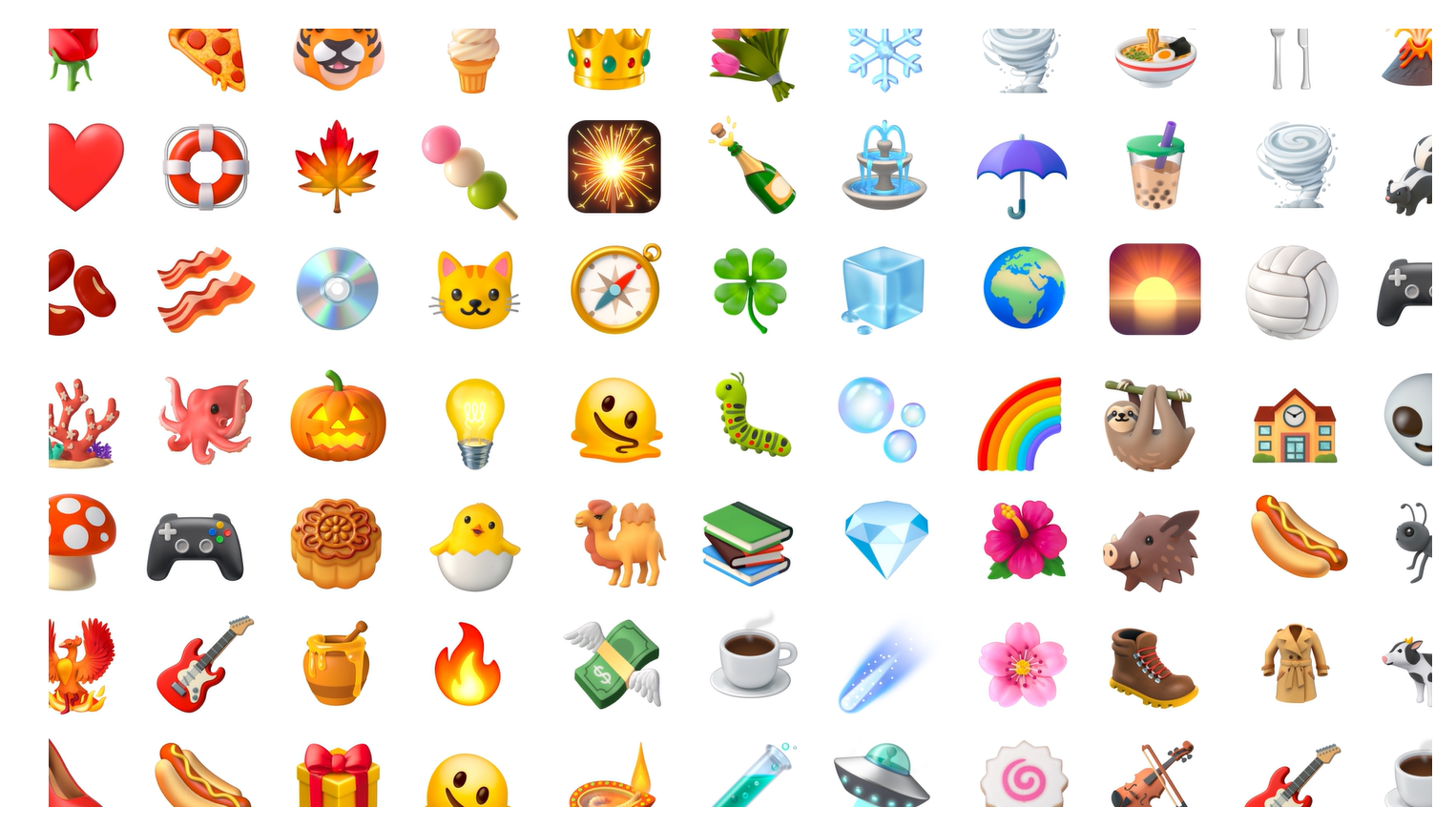
At the same time, Google has redrawn approximately 4,000 Android Emoji expressions, transitioning the design style from 2D to 3D, officially referring to them as "Noto 3D."
(Image source: Google)
Furthermore, Android 17's anti-theft features have been upgraded. Once a user marks their lost phone as such, even if someone cracks the lock screen password, they still cannot unlock the phone or disable tracking without passing biometric authentication. Even a factory reset requires authentication for normal use.
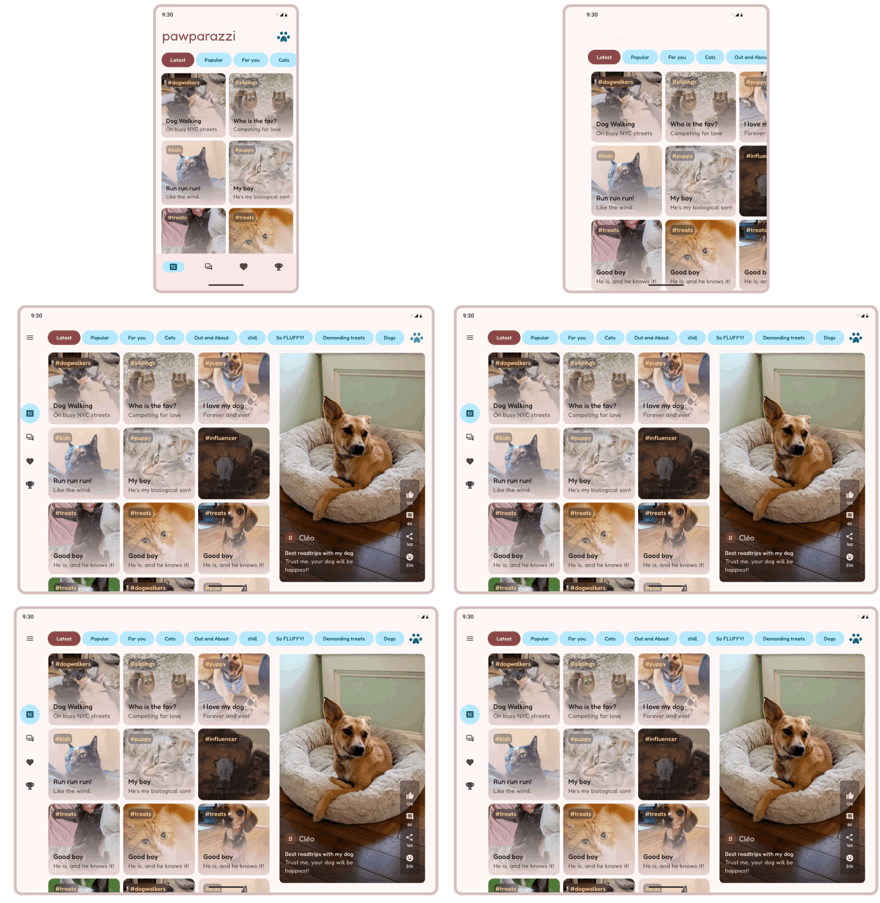
Android 17 also strengthens compatibility requirements for devices with different form factors and screen sizes, meaning app developers must ensure their apps are compatible with foldable screens, tablets, and other devices. An app cannot support only a single screen size.
(Image source: Google)
Frankly, these features may seem somewhat unremarkable to Chinese users, as we have already seen many similar ideas in iOS and domestic custom systems. In 2026, native Android is largely drawing inspiration from domestic custom systems.
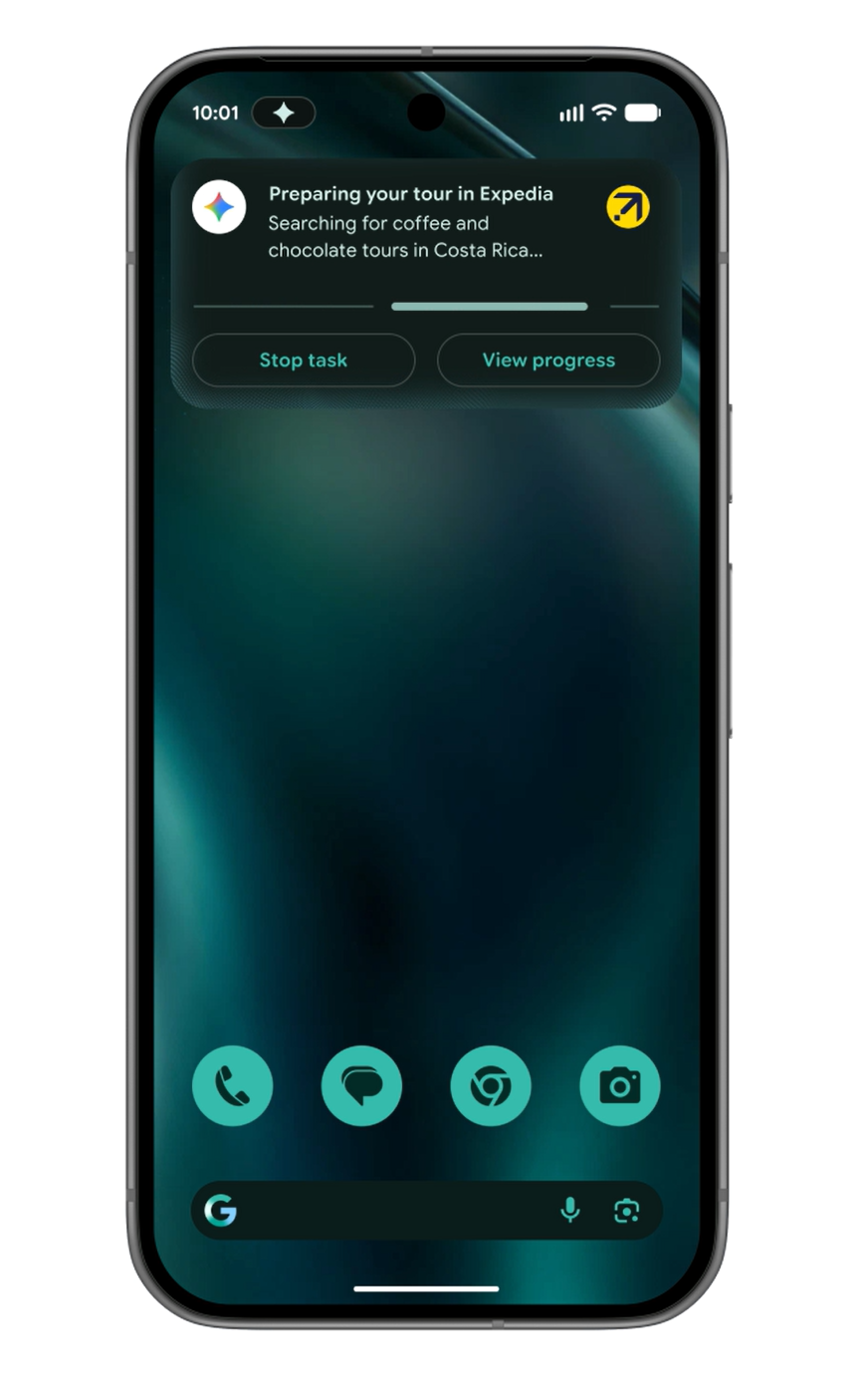
In our view, the most significant change in this Android update is the arrival of Gemini Intelligence. Google aims to fully integrate Gemini into the Android system. More specifically, Gemini will have stronger Agent capabilities on phones and other devices.
For example, users can command Gemini in natural language to complete more complex tasks, and the AI will automatically invoke the necessary apps. Even in the absence of relevant apps, the AI can use Chrome to open web pages or other methods to complete tasks assigned by the user.
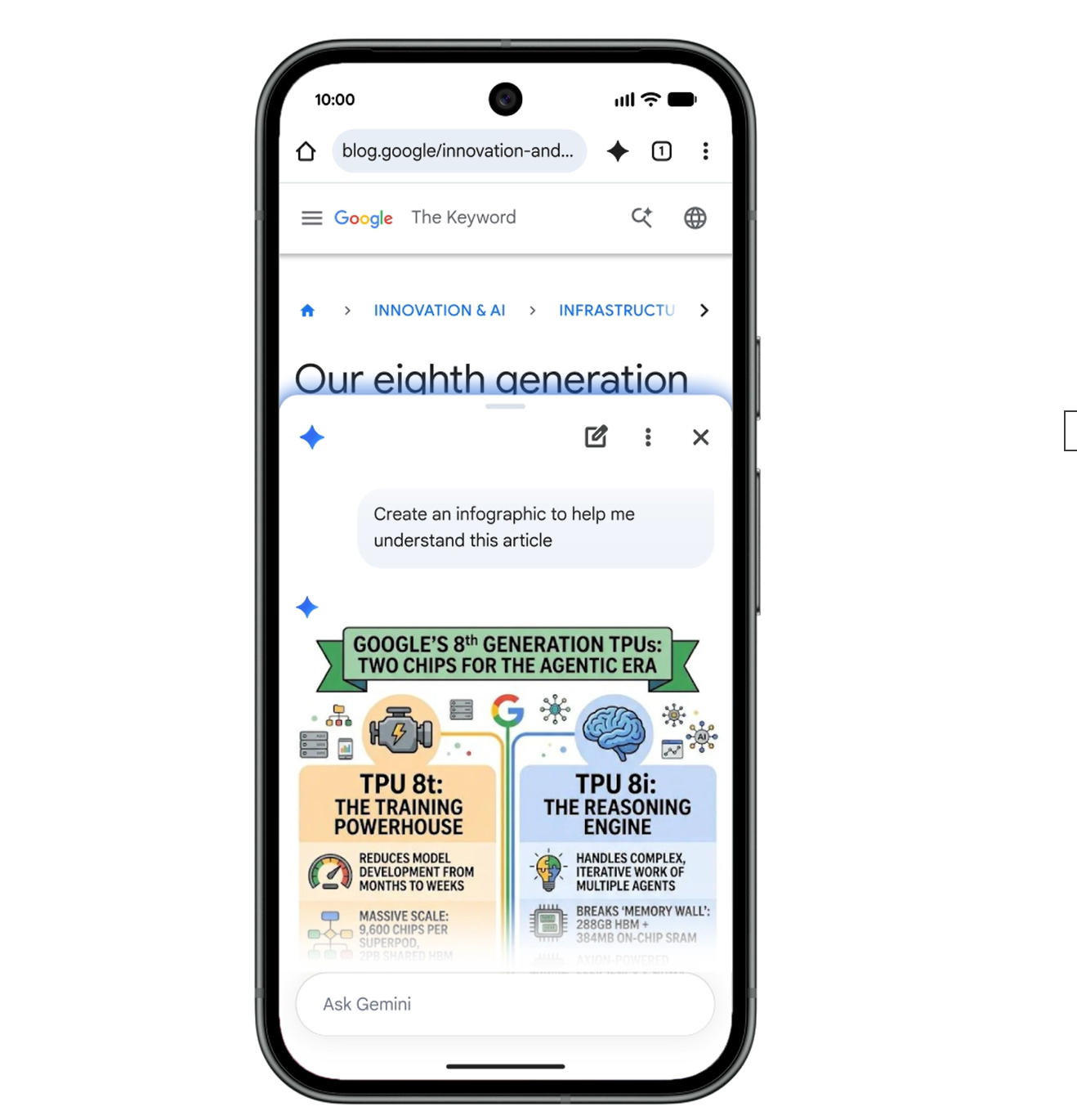
Moreover, individual apps like Chrome have integrated Gemini, allowing direct text processing, image generation, and more.
(Image source: Google)
At the same time, Google will continue to implement a hybrid AI strategy combining on-device and cloud processing. Simple tasks will be completed directly using on-device computing power, while complex tasks will still call on cloud-based models.
Gemini Intelligence will not only gradually arrive on Android phones but will also be installed on various devices such as in-vehicle systems, PCs, and wearables, becoming the core capability that connects the Google ecosystem.
It is evident that Google's AI strategy for consumer electronics devices is very similar to Apple's. However, Google's own AI capabilities are significantly stronger than Apple's. Currently, the core AI technology of Apple Intelligence still comes from Gemini, and for a long time to come, Apple will likely be overshadowed by Google in the AI field.
Android PCs Are Coming: Is Googlebook Set to Capture the High-End Market?
The most surprising new product at Google's event is undoubtedly Googlebook. Google entered the PC market early on and has been releasing Chromebooks. However, these Google laptops have always been positioned as inexpensive netbooks, primarily targeting the education market.
Today, Google is launching Googlebook, a brand-new series. It does not run ChromeOS but the latest Android system, although it will integrate some ChromeOS features.
More importantly, Googlebook is positioned in the high-end market, with Google stating that these products will use premium materials. However, specific configuration information for the Android laptop has not been announced; all we know is that it will feature a cool colored light bar, somewhat similar to Chrome laptops.
Additionally, the Windows logo key on the Googlebook keyboard has been replaced with a Google logo key.
Furthermore, the list of initial partner brands has been announced, including HP, Dell, Lenovo, Acer, and ASUS, covering most of the major PC brands.
(Image source: Google)
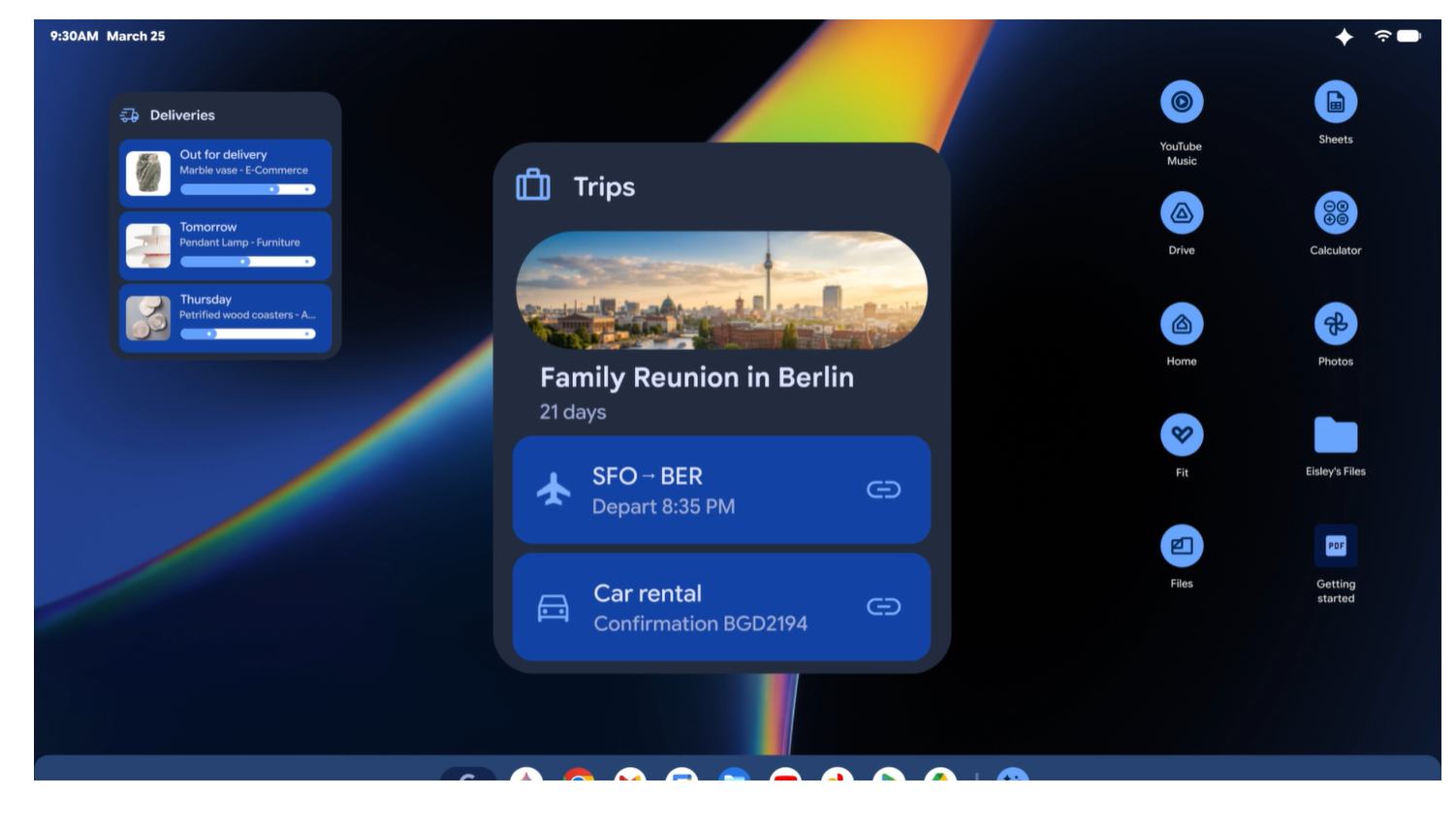
In terms of core selling points, Googlebook's overall product concept is AI-driven, with many features implemented through Gemini as the entry point. One of the functions demonstrated by Google at the event was using voice commands to invoke Gemini and then using natural language to generate a widget that could link Gmail, weather, calendar, and other Google system apps into a personalized desktop information panel.
(Image source: Google)
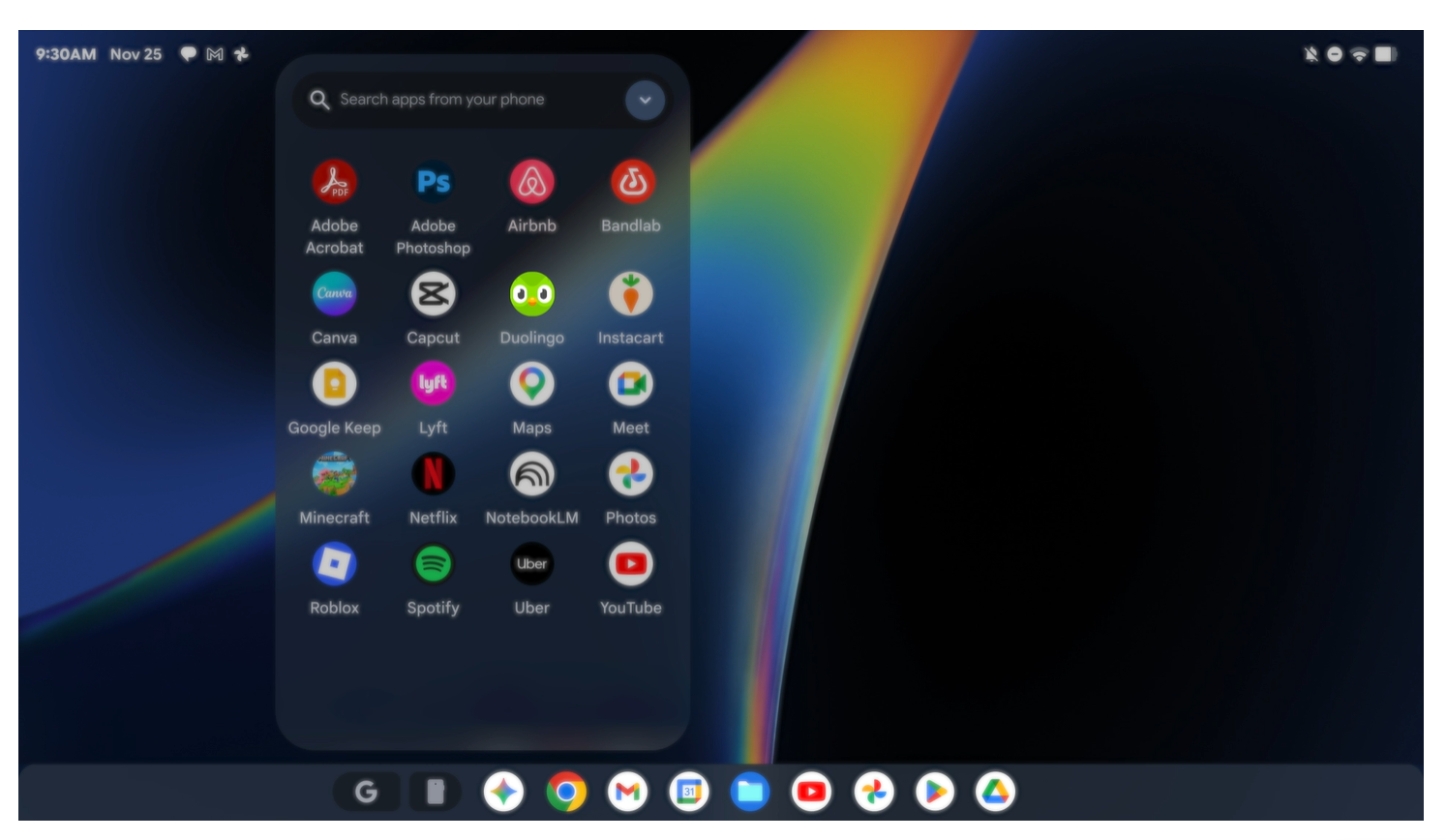
Additionally, Googlebook can closely integrate with Android phones, including controlling the phone from the laptop and projecting the phone screen onto the computer screen, with operational logic and functions similar to the multi-screen collaboration of domestic brands.
(Image source: Google)
Overall, the information revealed about Googlebook is still limited, giving a strong impression of mere promises. For users, Chromebooks are cheap enough, and having a browser and online document functionality is sufficient. However, since Googlebook is positioned as high-end, it needs to offer a sufficient number of features and strong productivity capabilities. Simply incorporating Gemini cannot solve all problems.
Therefore, before experiencing the actual device, we remain skeptical about Googlebook's ability to challenge Windows laptops and MacBooks.
Additionally, users still using Chromebooks need not worry. Google remains committed to providing long-term system updates for Chromebooks and offers the opportunity to experience some Googlebook features.
AI Has Become Android's Core Competitiveness
In fact, both iOS and Android, as mobile operating systems, have long since reached maturity in terms of functionality, making it difficult to bring enough freshness in major version updates. In today's rapidly developing AI landscape, the most important challenge for giants like Google and Apple is how to provide solutions for implementing AI on mobile phones.
On this front, Apple's current performance is unsatisfactory. Since the announcement of Apple Intelligence in 2024, progress has been slow, with Apple's weak self-developed AI capabilities hindering the AI-ification process of its hardware devices.
In contrast, Google has clear advantages in various aspects of AI implementation. Nowadays, Gemini is successful both technically and product-wise. Technically, it competes with GPT, while product-wise, Gemini is deeply integrated with Google's search, leading in web retrieval capabilities and offering comprehensive multimodal support for text, images, videos, and audio.
In Leitech's (ID: leitech) view, most of the features in Android 17 are minor improvements, at best addressing some user "itch points." The truly significant change is the inclusion of Gemini Intelligence.
(Image source: Google)
It will bring unprecedented capabilities to Android, not limited to AI dialog boxes but also permeating every corner of the phone system in various Agent forms. It can fully utilize every capability of the phone, integrate with every app, and help users solve various problems in an automated manner. In other words, Google has created its own "Claw" and integrated it into native Android.
As domestic users, we don't need to envy overseas users who can use Gemini Intelligence. In fact, domestic Android brands have also been actively developing various Claw tools. Previously, Huawei and Xiaomi were internally testing their own Claws, while brands like Honor, OPPO, and Vivo have also introduced intelligent agents into their phones and created various practical AI scenarios.
It is foreseeable that both native Android and customized Android are accelerating their AI-ification processes. Soon, we will see more and more AI scenarios implemented on mobile phones, which are likely to revolutionize the way we use them.
Google, Google, Android, 17, Android
Source: Leitech
Images in this article are from the 123RF Authentic Library
-
Technology Innovation丨Domestic Native AGI Infra Hits RMB 700 Million Funding Record, Ushering in New Productivity Barriers for AI Infrastructure
-
![]()
Android 17 Update: Google Accelerates AI Implementation on Phones and Releases a High-End PC
-
![]()
DeepSeek Raises 50 Billion Yuan in Funding, but Liang Wenfeng Can't Escape Capital Game
-
![]()
Kuaishou’s Strategic Split: Let Kling Shine While Laotie Tills the Fields
-
![]()
Qianwen Teams Up with Taobao, Doubao Joins Forces with Douyin: Two Distinctive AI-Driven E-commerce Pathways Take Shape
-
Who can defeat DJI?
-
Xiaohongshu’s AI Gains Momentum, but Proceeds with Caution
-
![]()
ZTE: Achieved Scale but Lost Profits, 133.9 Billion Yuan in Revenue Yields Only 5.6 Billion Yuan in Profit