vivo S60 First Launch Review: IMX921 May Not Be Top-Tier, But It Really Excels in "People Photography"
 06/01 2026
 618
618
Lightweight, good-looking, and great at photographing people.
vivo's S series has always been a unique presence. While it is also a model aimed at offline markets, compared to other models, it better understands the needs of offline users. Even many of vivo's debut features are first introduced in the S series.
This has made the S series a product that looks good, takes great photos, and is reasonably priced in the eyes of users who like photography and selfies but aren't overly pursuit (zhui qiu, meaning 'pursuing') high performance.
So, does the all-new vivo S60 continue this trait? Let's dive straight into the most important aspect: imaging.
Not About Hardware Specs, But Better Than Expected
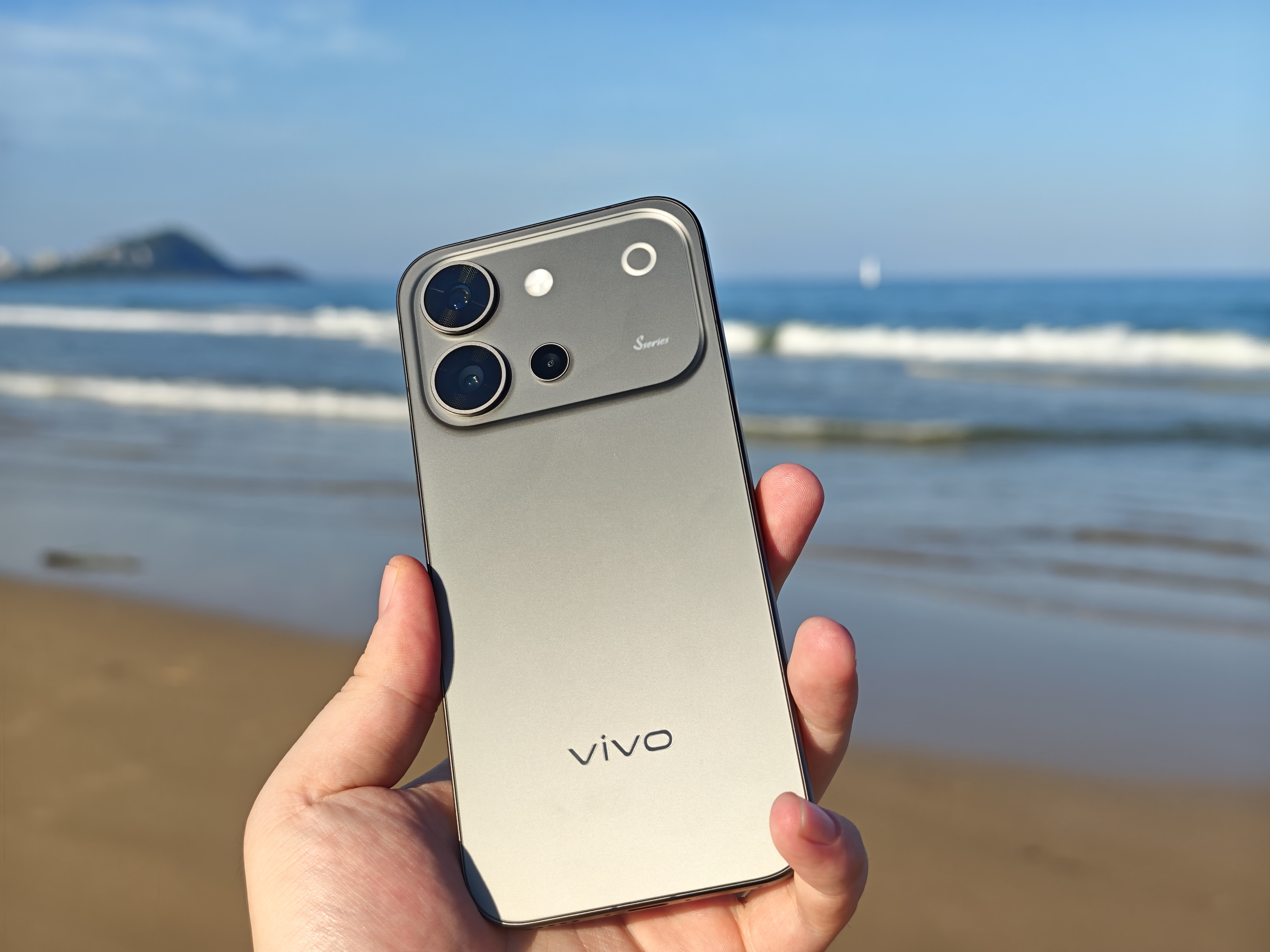
Starting with the hardware, the vivo S60's imaging hardware specifications aren't particularly outstanding: a 50MP IMX921 main camera, a 50MP Sony IMX882 telephoto lens, and an 8MP 110° ultra-wide-angle camera. The overall configuration is largely similar to the S50 series.
(Image Source: Leikeji Photography)
Although the IMX921 sensor doesn't have a large light-sensitive area, thanks to Sony's latest VCS bionic spectrum technology, it performs well in noise control, color reproduction, and low-light performance.
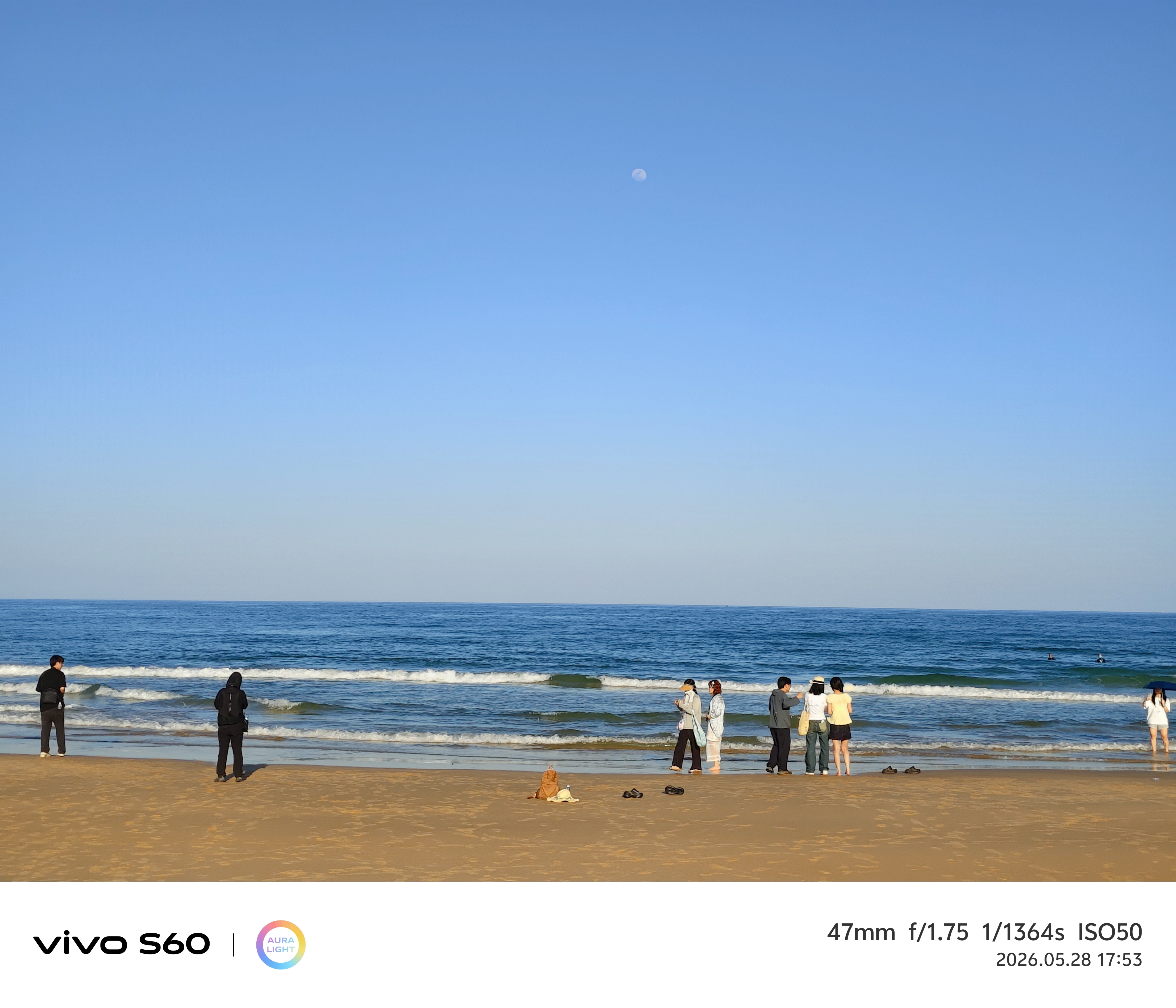
(Image Source: Leikeji Photography)
From this set of sample shots, the main camera accurately reproduces the colors of the beach and sea, and you can even faintly see the moon in the sky. The transition between light and dark areas at the bottom of the beach is also relatively delicate and natural.
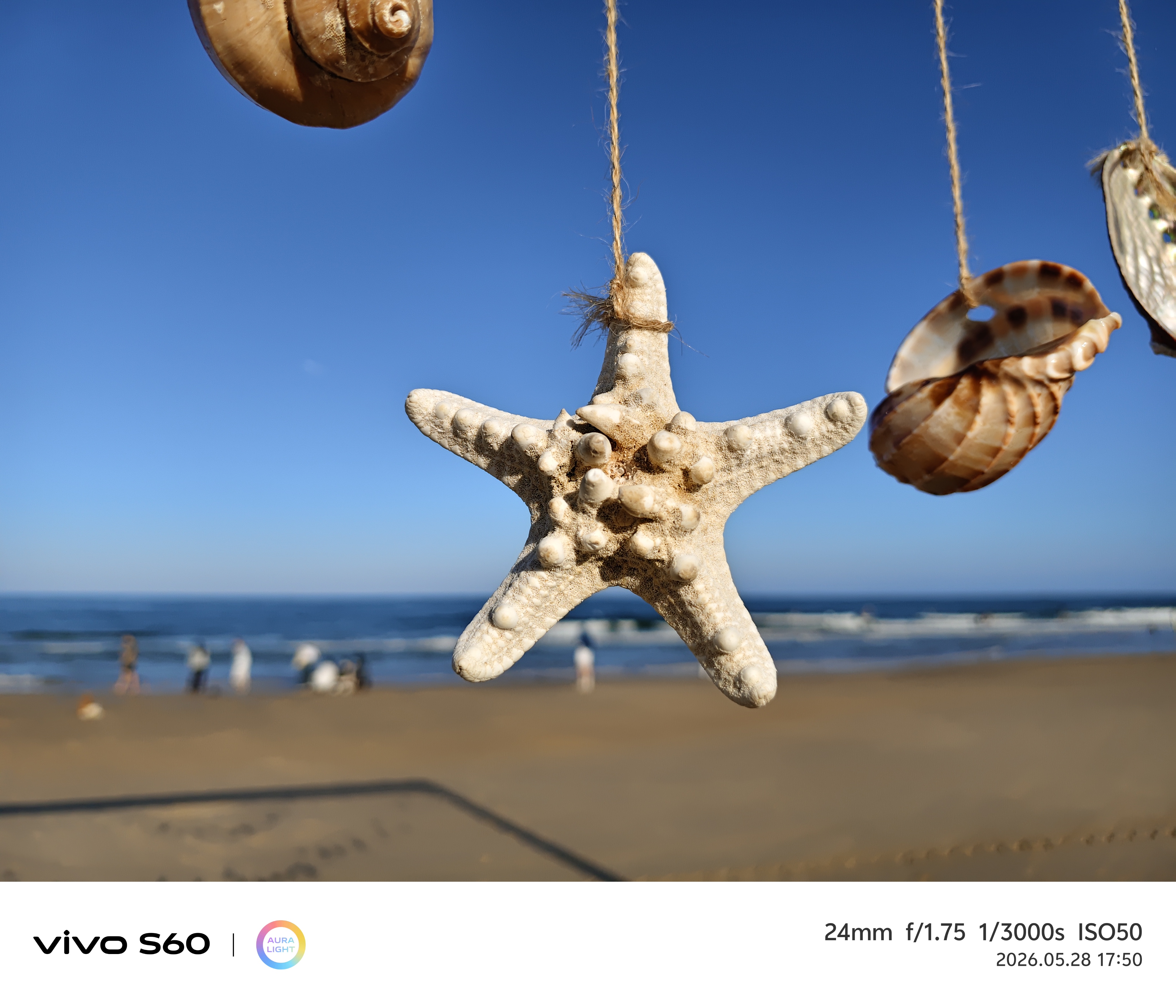
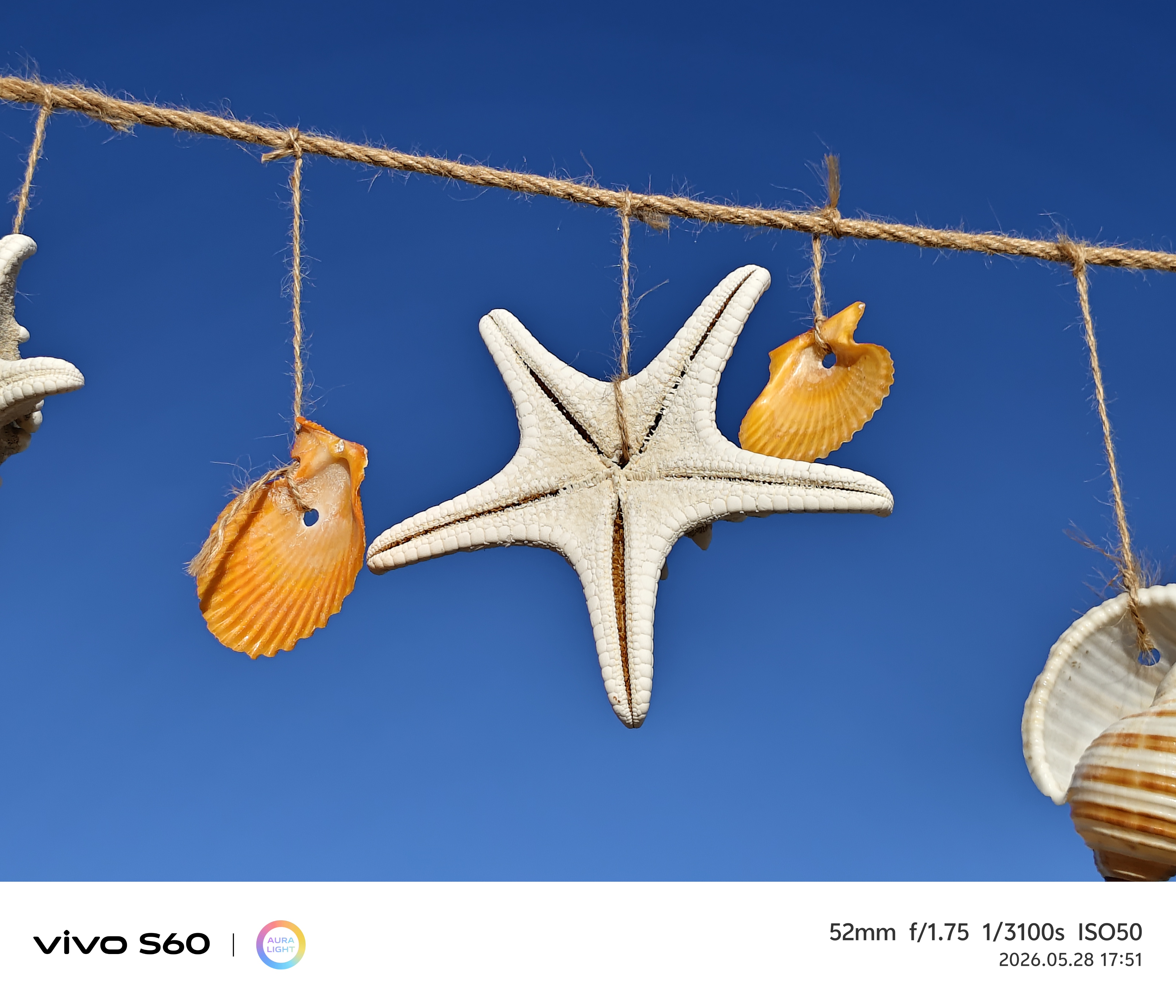
(Image Source: Leikeji Photography)
When shooting some close-up objects, this high-pixel main camera also performs very well. The light and shadow transitions on the starfish are natural, and when paired with this low-saturation blue background, it gives a sense of tranquility.
Therefore, under daylight and good lighting conditions, the main camera performance of the vivo S60 meets Xiaolei's expectations. The overall imaging quality, combined with excellent algorithms, makes it easy to capture a great photo.
However, the performance of the 3x telephoto lens is slightly lacking.
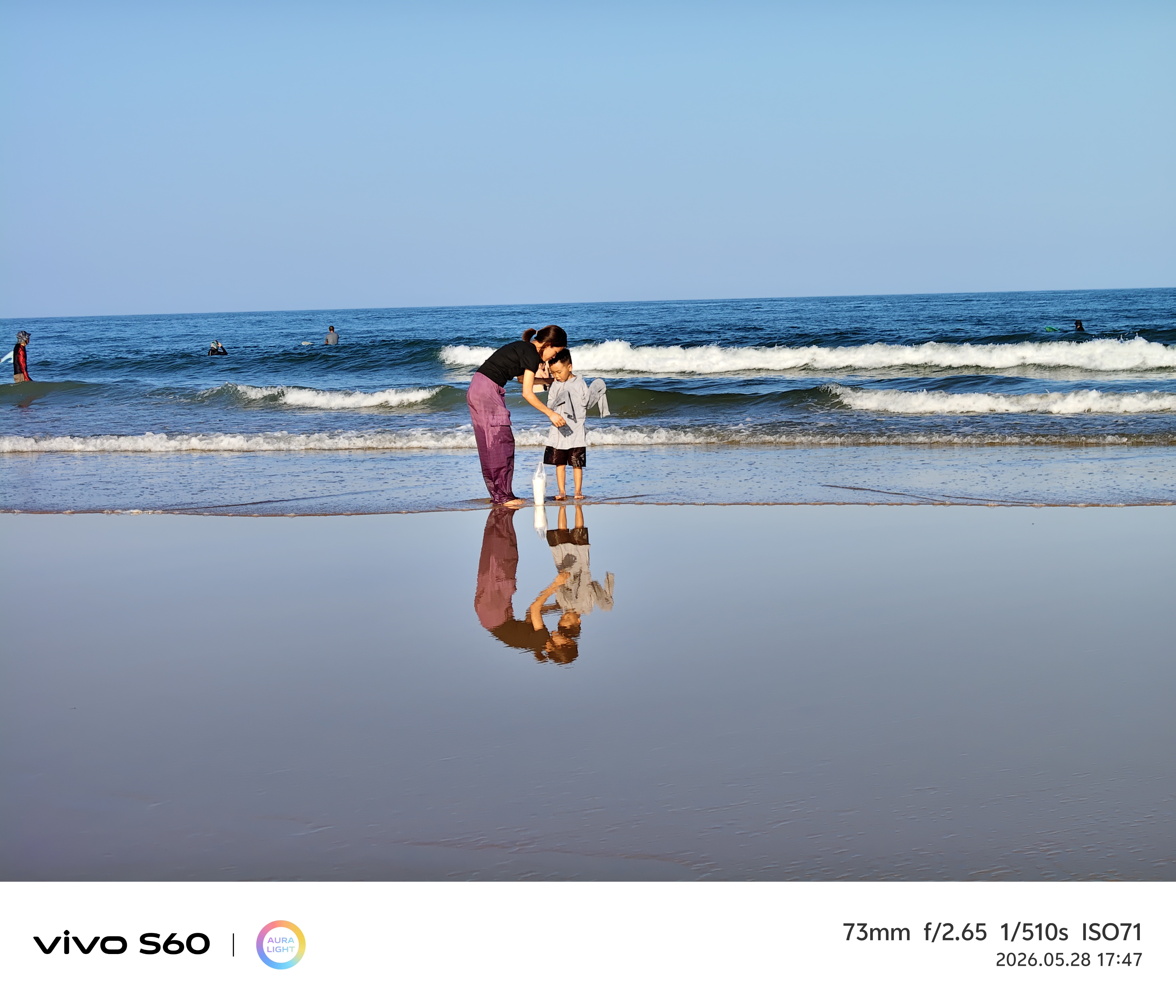
(Image Source: Leikeji Photography)
At first glance, this is a photo with decent effects. The details of the distant waves are well-preserved, and the reflections of the mother and child on the beach in the foreground are also well-reproduced. However, there's an indescribable strangeness. Upon closer inspection, the issues become apparent: excessive smoothing and sharpening, lack of realism, or in other words, an AI-like taste.
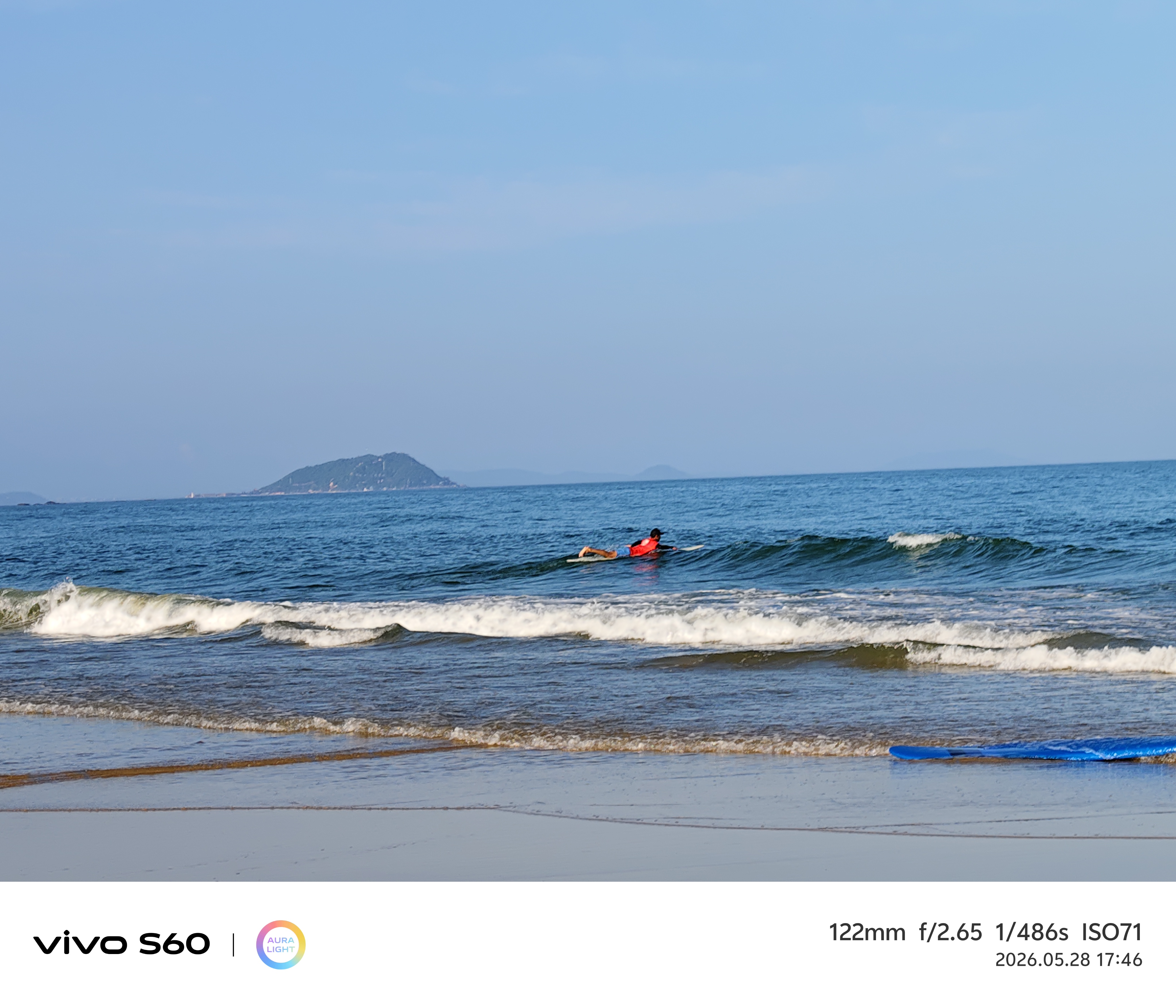
(Image Source: Leikeji Photography)
But if we further extend the focal length of this telephoto lens, the visual experience seems to improve slightly. Although there are still traces of sharpening and smoothing, it doesn't look as awkward.
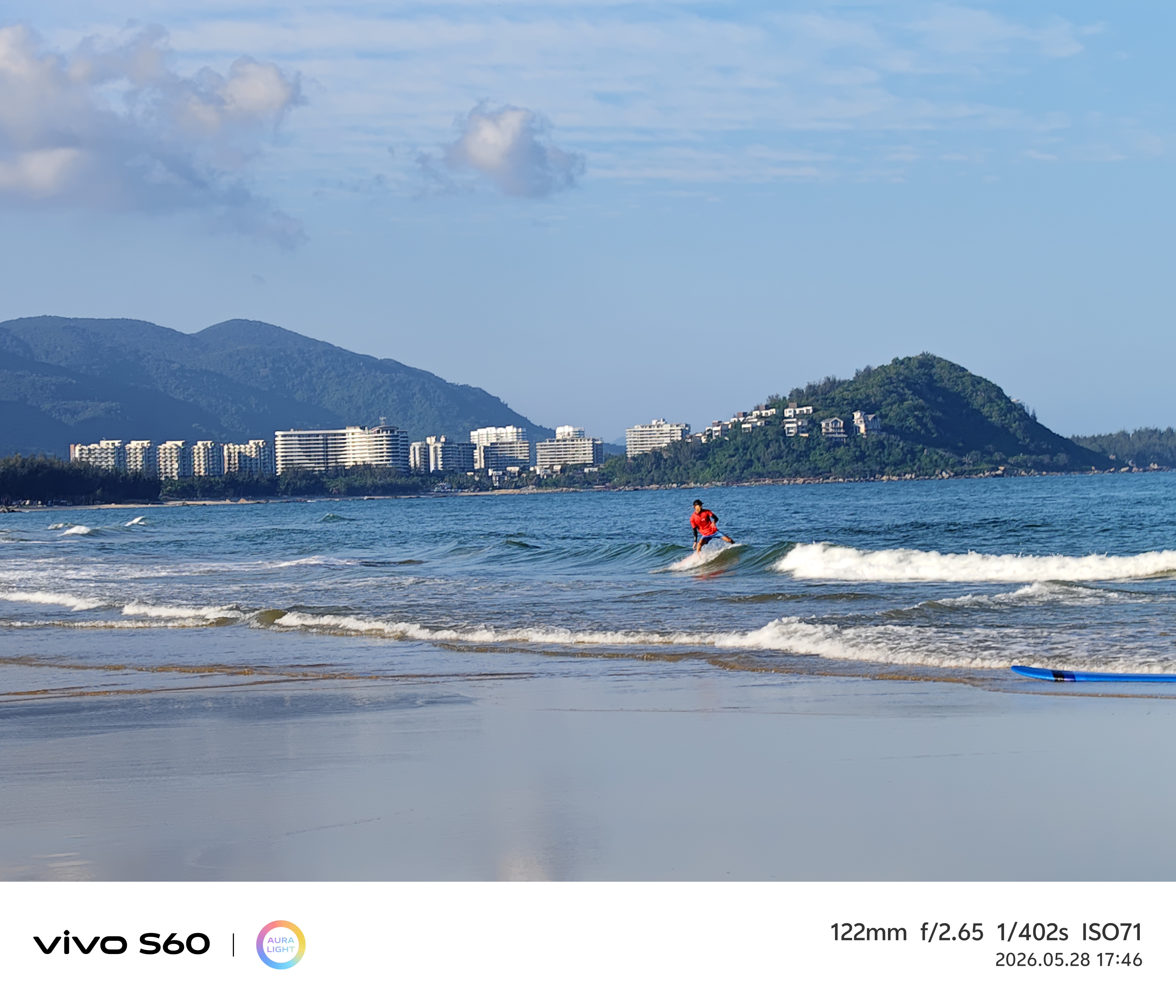
(Image Source: Leikeji Photography)
After multiple tests, Xiaolei found that this is due to the camera algorithm of the vivo S60: typically, telephoto lens algorithms focus on reproducing the contours and colors of the subject. However, in some sample shots where the subject isn't that far away, the algorithm is still applied rigidly, resulting in a strange-looking image. Hopefully, vivo can adjust and fix this in later updates.
Not About Professionalism, But Making It Easier to Capture Great Shots
If the imaging playing method (wan fa, meaning 'playstyle' or 'approach') of past S series models somewhat carried on the flavor of the X series, then starting from the S30 series, it has forged its own path in imaging. The same goes for the S60 in our hands. Its biggest improvement isn't in pixels, image quality, or telephoto capabilities but in portrait photography, which is most important to the female demographic.
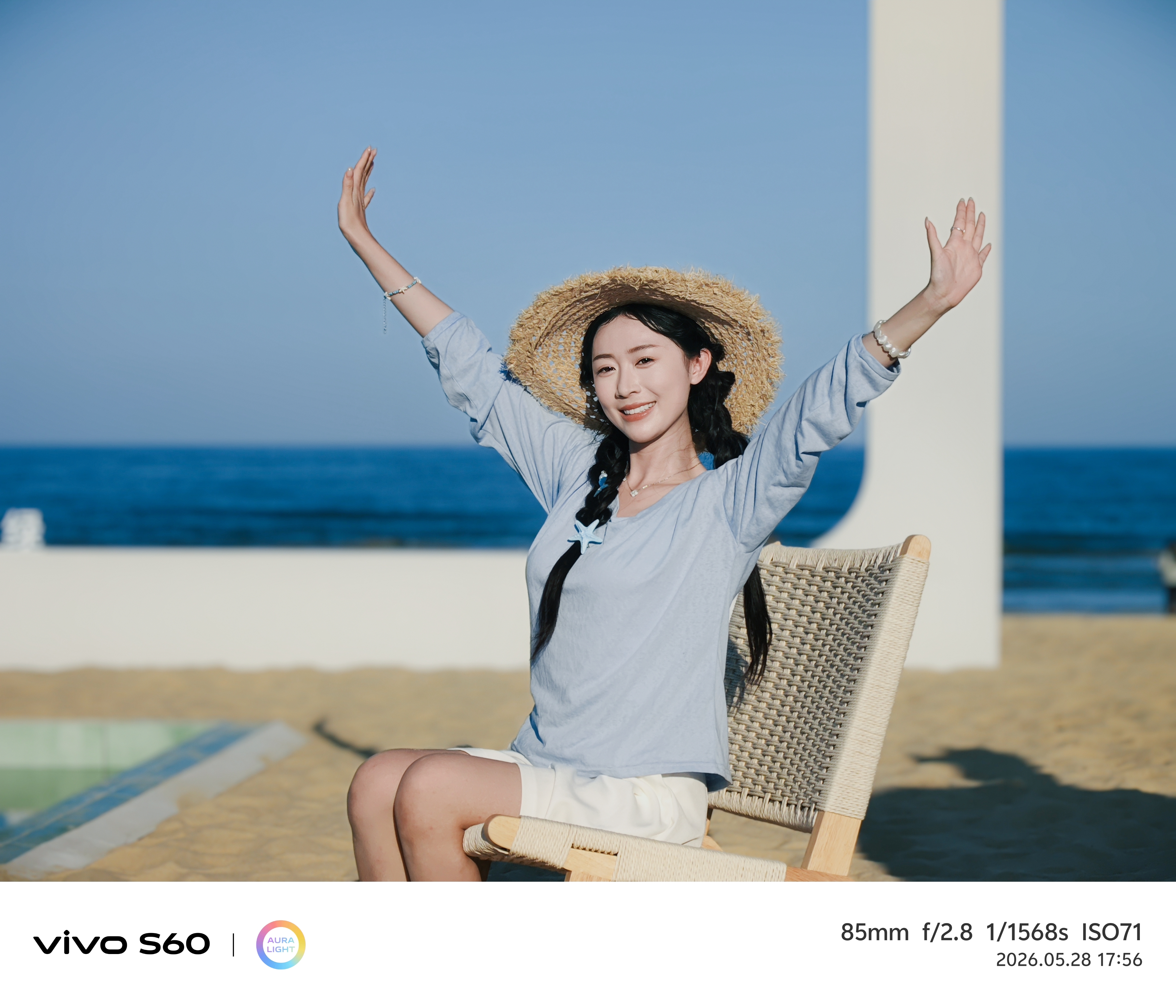
(Image Source: Leikeji Photography)
Whether it's the 23mm focal length that blends the subject with the background, the golden 50mm focal length, or the 85mm focal length that emphasizes the subject, the vivo S60 can capture portraits with even skin tones and bright eyes under different lighting conditions.
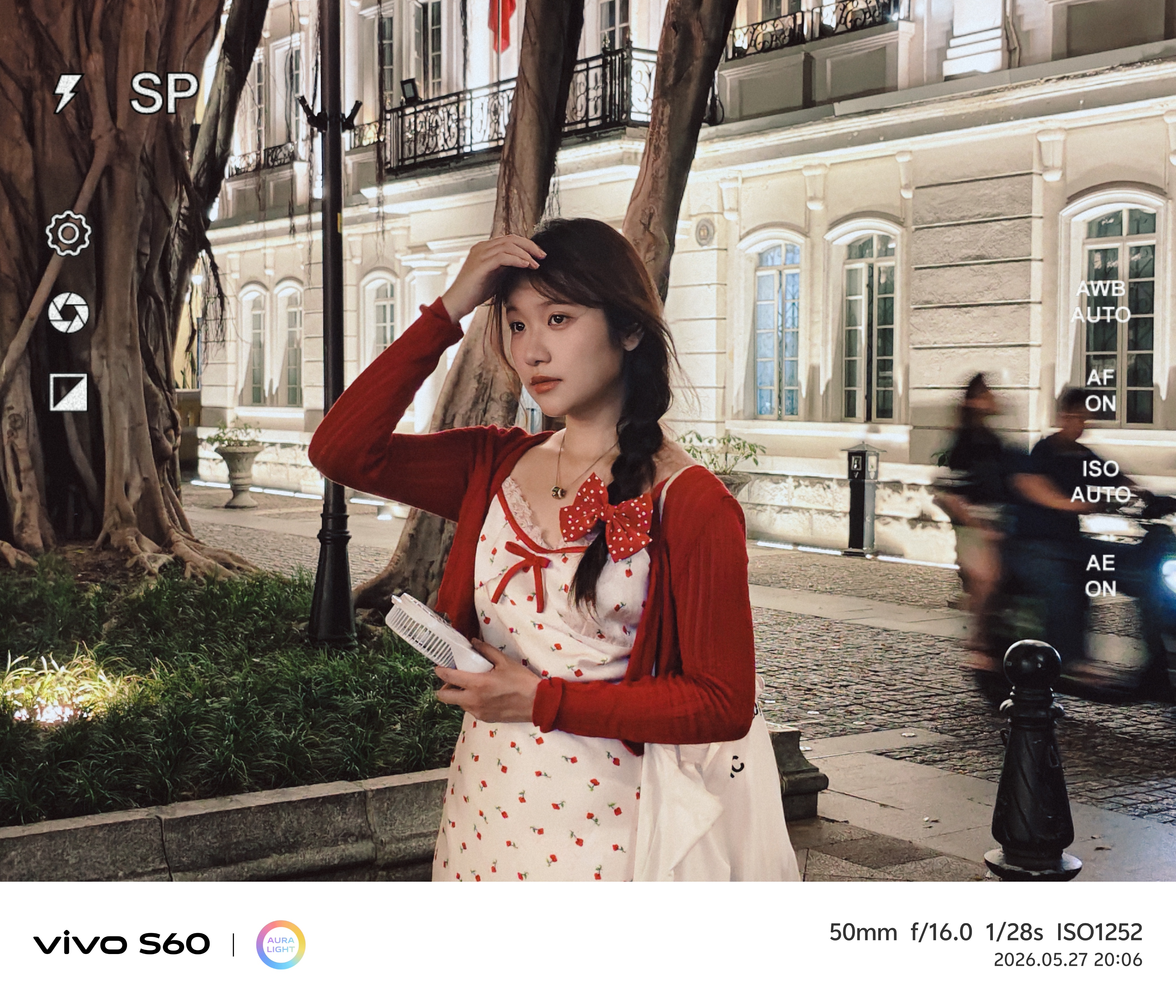
(Image Source: Leikeji Photography)
However, what surprised Xiaolei the most wasn't the S60's performance in processing faces but the countless style options in the camera interface's bottom-right corner. There are 29 portrait filter styles alone, and combined with the color wheel mode from the vivo X series below, users can quickly adjust parameters like color, tone, and saturation.
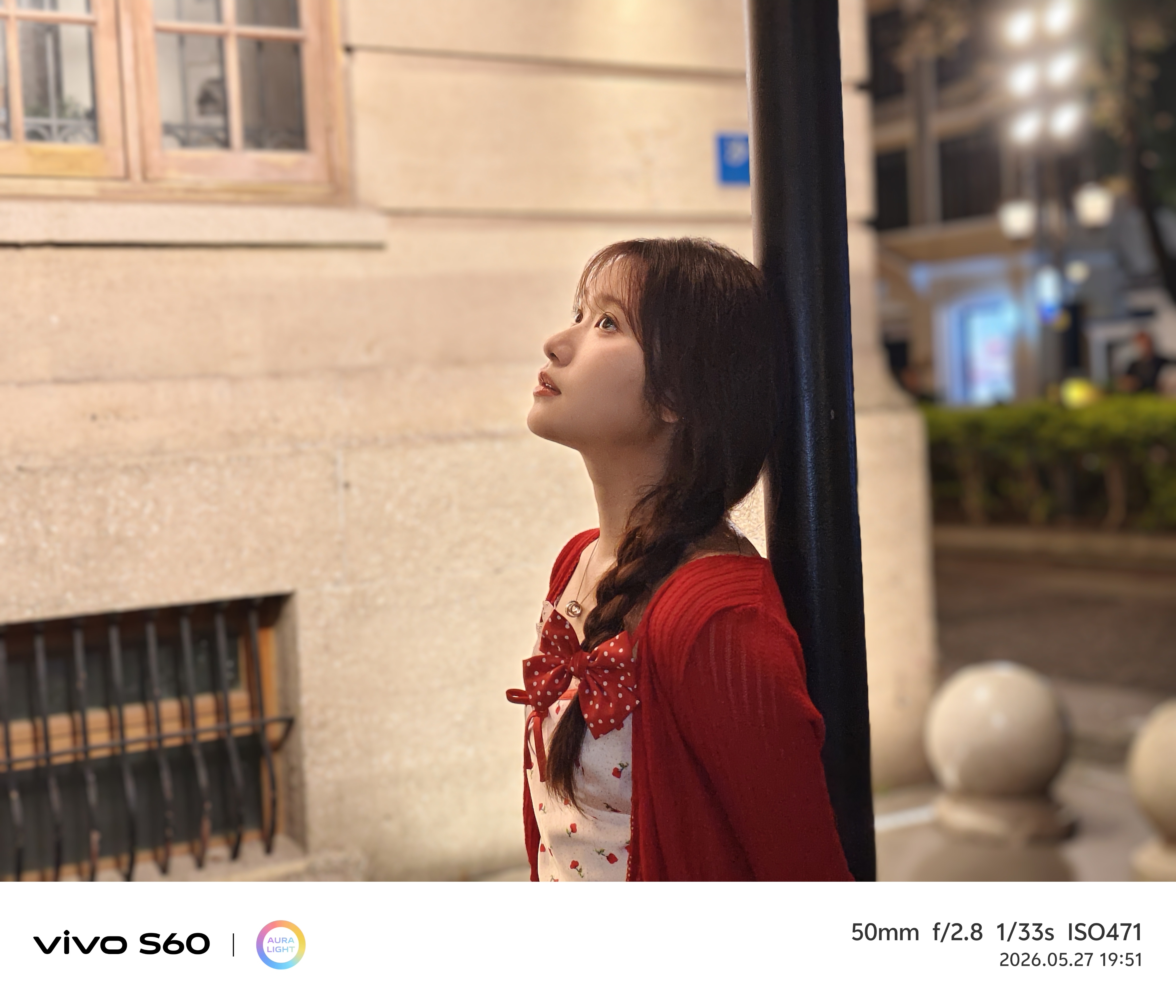
(Image Source: Leikeji Photography)
For example, "Warm Light Film" has a Kodak film feel, with cyan in the shadows, warmth in the highlights, and rich colors, allowing ordinary street scenes to exude a warm, lived-in atmosphere.
Additionally, there are "Film Green" and "Film Blue" styles inspired by the Ricoh GR, offering a low-saturation, high-grayscale texture that can turn any casual shot into an emotional masterpiece.
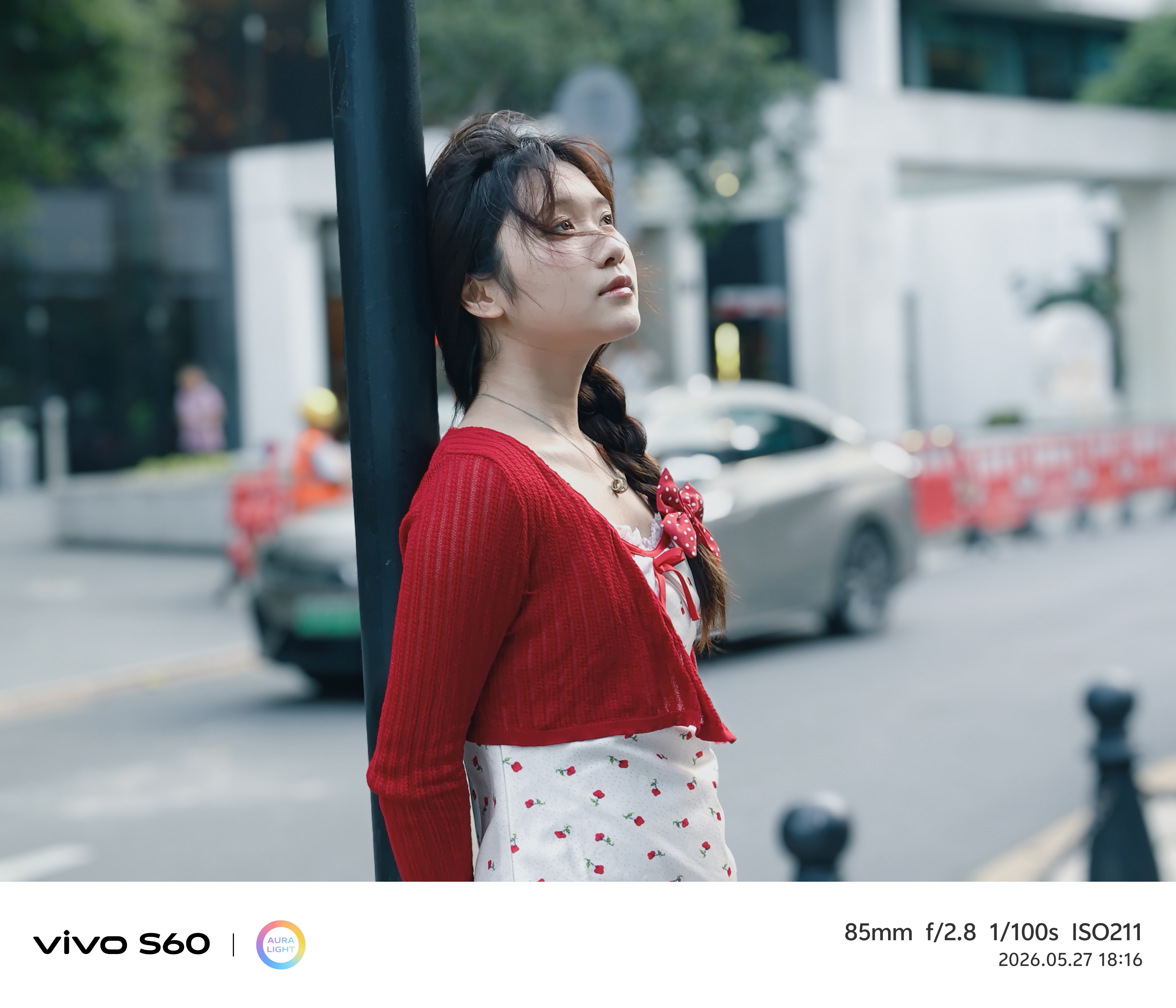
(Image Source: Leikeji Photography)
Even with the front camera, the vivo S60 can produce attractive headshots through its excellent algorithms and stackable filter colors.

(Image Source: Leikeji Photography)
If you think this is all the S60 has to offer in terms of imaging, you might be underestimating vivo. The S60 introduces a new option—AI Style, which, as the name suggests, processes photos using AI. Although it only offers five choices on the main interface, photos taken with AI Style can be further processed with AI.
In the new processing interface, there are an additional 35 AI styles to choose from. While Xiaolei personally doesn't favor AI photo editing, vivo is definitely the first to integrate AI into photo creation and offer such a wide range of choices.
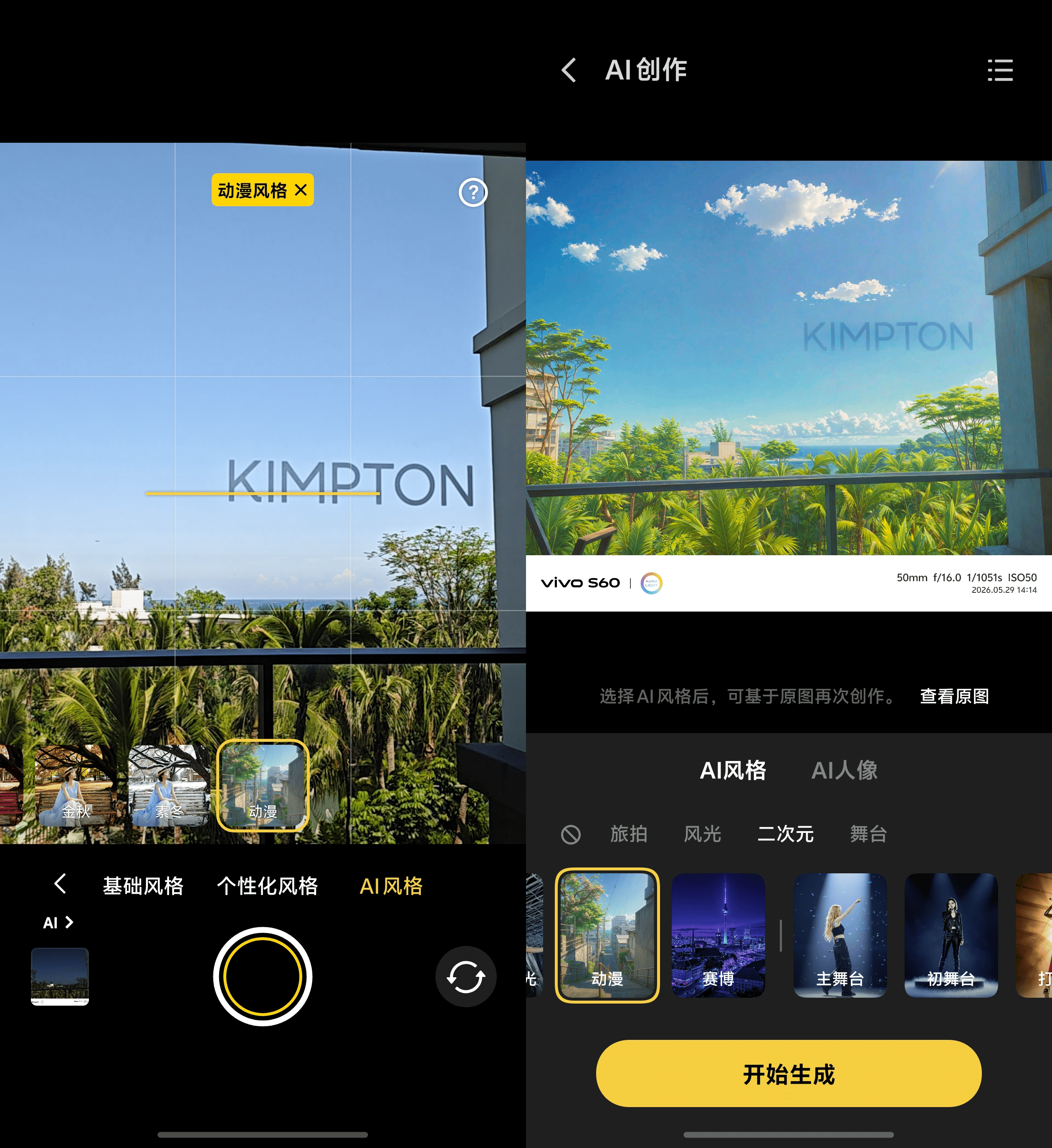
(Image Source: Leikeji Photography)
However, having so many filter algorithms can also lead to a drawback: conflicts with other algorithms. Xiaolei encountered situations while shooting portraits where "the preview looked clear, but when saved to the album, the face was blurry, or the subject and background didn't seem to be on the same layer." Xiaolei suspects this is due to conflicts between the filter algorithm and the night portrait algorithm, with the filter algorithm taking precedence, resulting in photos with no color issues but unpredictable portrait quality. Hopefully, the relevant team can address this soon.
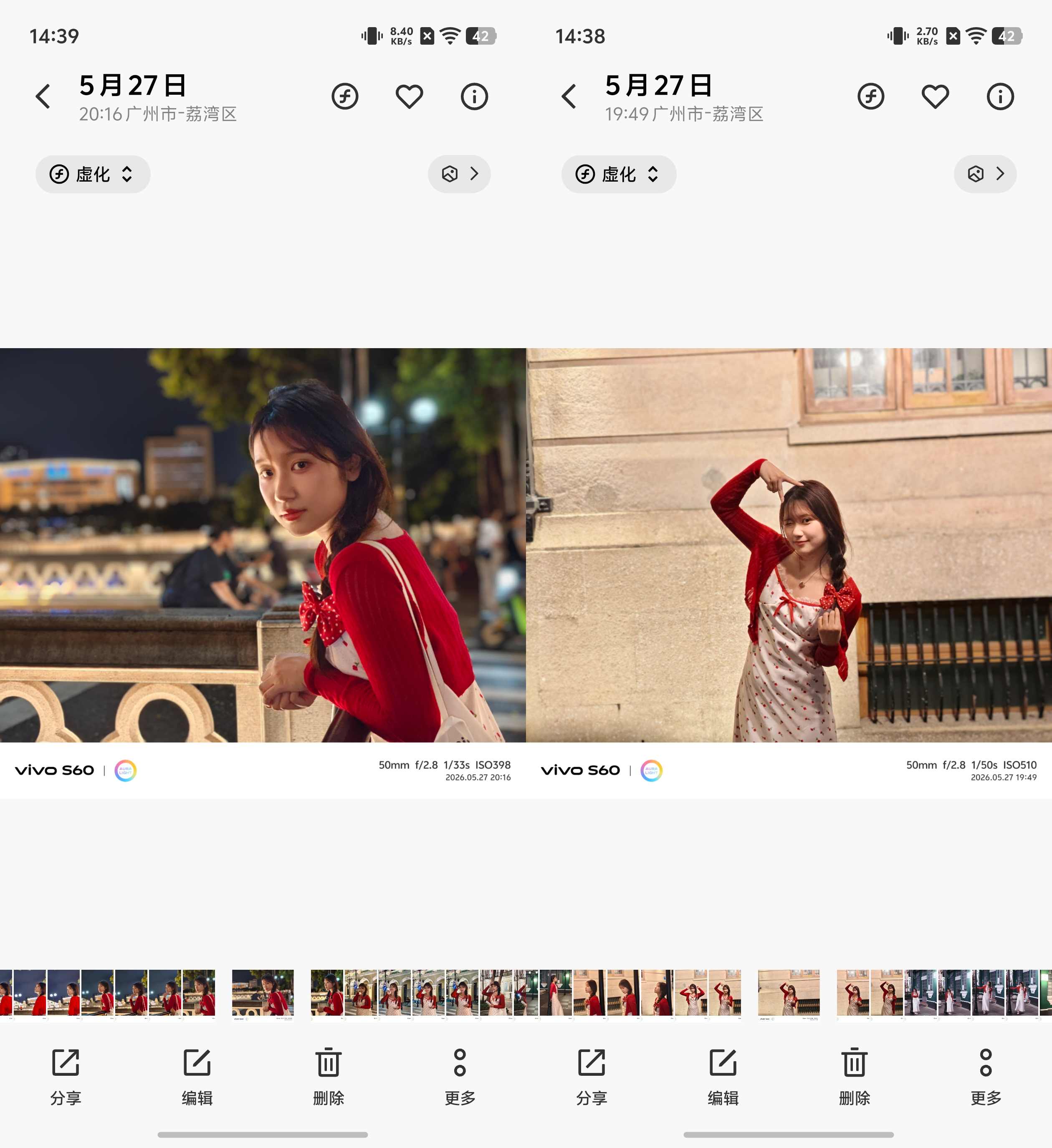
(Image Source: Leikeji Photography)
In essence, the imaging logic of the S60 isn't about "making the camera more professional" but about "making photography easier, more stable, and more likely to produce great shots." It clearly prioritizes shot success rate and atmospheric consistency.
Still Compact, Still Understands Women
Compared to the X series' perennial "Oreo" rear camera design, the vivo S series' design language has been constantly evolving. Each generation features unique and outstanding color combinations and a slim profile. This striking first impression is one of the reasons why the vivo S series consistently ranks among the top three in sales within its price range.
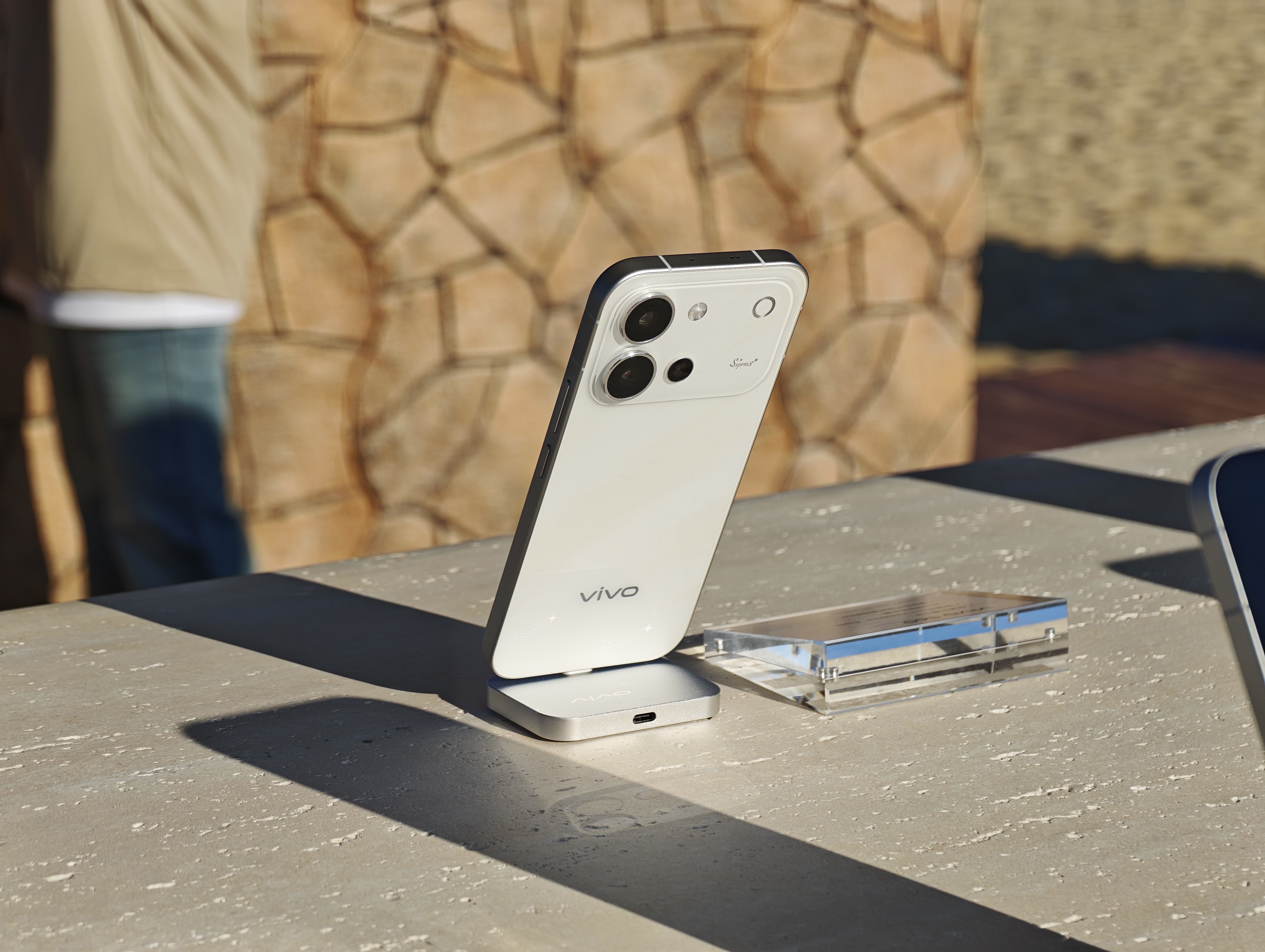
(Image Source: Leikeji Photography)
The vivo S60 continues the S series' tradition of being lightweight and aesthetically pleasing. Although Xiaolei received a more subdued black-gray version, the back cover's texture is exceptionally high-end. Paired with its compact size, it's very suitable for female users with smaller hands.
In terms of the screen, the vivo S60 features a 6.31-inch OLED display with a 2640*1216 resolution, 120Hz refresh rate, 4320Hz PWM dimming, and a partial (ju bu, meaning 'local') peak brightness of 5000nits. The overall quality is decent, and the system includes more professional color calibration settings. If there's a drawback, it's that the bottom bezel is noticeably wider than the other three sides.
For other specifications, here's a quick rundown: Snapdragon 8s Gen 3 processor, 7000mAh battery, 90W wired fast charging. The specs aren't particularly strong and can't compare to cost-effective performance phones, but the actual experience is decent, with daily use and gaming performance meeting the needs of most users.
Conclusion: A "Small Phone" with Distinct Pros and Cons
Finally, as is customary, let's summarize the pros and cons of the vivo S60:
Pros:
1. Excellent feel in hand, with a quality approaching that of flagship models.
2. Deep understanding of portrait photography, offering high playability.
3. The main camera's performance exceeds expectations.
Cons:
1. Many current camera features urgently need OTA optimization.
2. Photos taken in non-AI mode cannot be optimized with AI afterward.
Overall, the vivo S60 remains a typical S series product: it doesn't pursue extreme performance or stack the most exaggerated imaging hardware. However, in terms of feel, exterior quality, portrait experience, and photography playstyle, it continues vivo's understanding of offline users' needs.
Its imaging performance looks better than the specs suggest, with daytime sample shots featuring pleasing colors, dynamic range, and atmosphere. The addition of multiple focal lengths, portrait filters, color styles, and AI styles makes it more like a "photo-capturing tool" for ordinary users when shooting portraits, rather than an imaging flagship emphasizing professional parameters.
What it truly aims to solve are the issues that matter most to offline users: whether the phone feels lightweight in hand, whether the exterior and quality are pleasing, whether the portraits captured casually look good, and whether they require extensive editing before sharing on social media. In other words, the vivo S60 is indeed easy to shoot with, good-looking, and easy to pick up. However, for vivo to truly stabilize these playstyles into a consistent experience, a few more rounds of refinement are needed.
vivo, portrait photography, portrait mode, S series
Source: Leikeji
All images in this article are from: 123RF Royalty-Free Image Library Source: Leikeji
-
Ofilm Teams Up with ADSensE to Propel Large-Scale Deployment of All-Solid-State LiDAR Powered by ADS6311 Chip!
-
![]()
Loss of 2.5 Billion Yet Facing Strong Demand for Shares? Another Battle for Control of Lianchuang Electronics
-
![]()
Huawei’s Enjoy Series Flies Off the Shelves, Prompting Xiaomi to Double Down on Budget Smartphones
-
![]()
Beijing Hyundai's Top Executive Criticizes Industry Disorder: Certain Brands Treat Customers as Beta Testers
-
![]()
The domestic mobile phone market has declined for five consecutive quarters! Huawei defies the trend with significant growth: maintains its top market share
-
Annual Revenue Surpasses 3 Billion: An Automotive Trim 'Little Giant' Makes Its Debut on the Beijing Stock Exchange
-
![]()
The Space Force Wants to Spend $30 Billion on Rocket Launches: Is Trump Doubling Down, and Is SpaceX the Big Winner?
-
![]()
Going Crazy! One out of Every Three Plug-in Hybrids Sold in Europe is a Chinese Vehicle