Over 3,000 Heat-Related Deaths Daily, Yet India Imposes Ban on Chinese Air Conditioner Imports: Unraveling the Underlying Motives
 06/08 2026
 653
653
This year, the El Niño phenomenon has unleashed consecutive heatwaves across India, Pakistan, and Nepal, resulting in record-breaking temperatures that have left numerous cities sweltering in intense heat.
In India, particularly, daytime temperatures in many cities have soared above 45 degrees Celsius, with some regions even hitting a scorching 48 degrees Celsius. Notably, India is home to 97 of the world's top 100 hottest cities.
Faced with such extreme conditions, Indians have been compelled to adjust their work routines. Post-10 a.m., outdoor activities are minimized, and work typically resumes in the evening when temperatures become somewhat bearable.
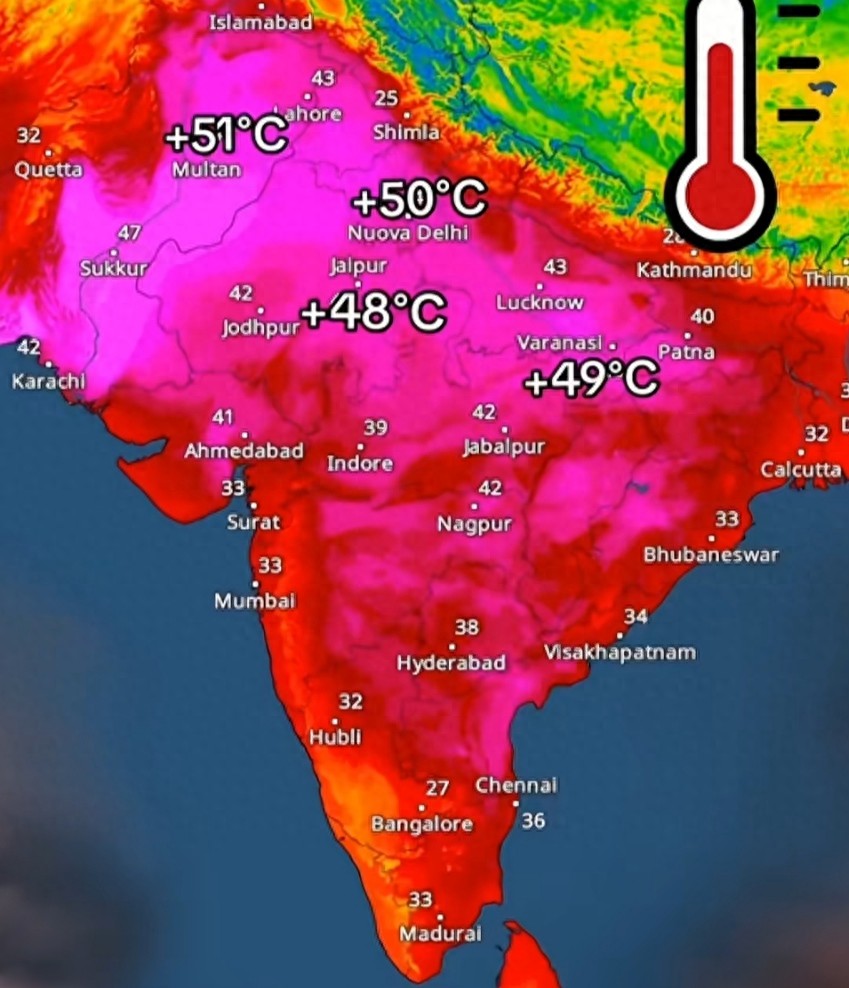
Some research institutions suggest that, given this extreme heat, India may be witnessing over 3,000 heat-related fatalities daily, although the actual figures remain undisclosed by the Indian authorities.
In such sweltering conditions, what is most urgently needed? Air conditioners, undoubtedly.
However, purchasing an air conditioner in India is a luxury beyond the reach of the average person; it is a product typically associated with the middle class. Furthermore, the high electricity consumption of air conditioners renders them unaffordable for many due to exorbitant electricity bills.
Data indicates that the current penetration rate of air conditioners in Indian households stands at a mere 8%.
Why is this the case? On one hand, India's domestic air conditioning industry lags significantly, lacking a comprehensive industrial chain. Core components such as compressors, electronic parts, and inner-grooved copper tubes are scarcely available domestically. Even when available, the quality is often subpar, and the lifespan is short.
Consequently, most air conditioners in India are assembled using imported core components and locally sourced non-core parts, leading to high prices and limited durability.
Moreover, India has maintained stringent controls on imported air conditioners, imposing long-standing restrictions on foreign brands. Specifically, the importation of complete units is nearly impossible, hindering the export of air conditioners from countries like Japan or China as fully assembled products.
For instance, Chinese air conditioner manufacturers are compelled to export key components to India and assemble them locally for sale.
Subsequently, India further tightened its grip by blocking the trade of core components, even banning the import of compressors, in an effort to coerce Chinese companies into establishing factories in India and manufacturing core components domestically.
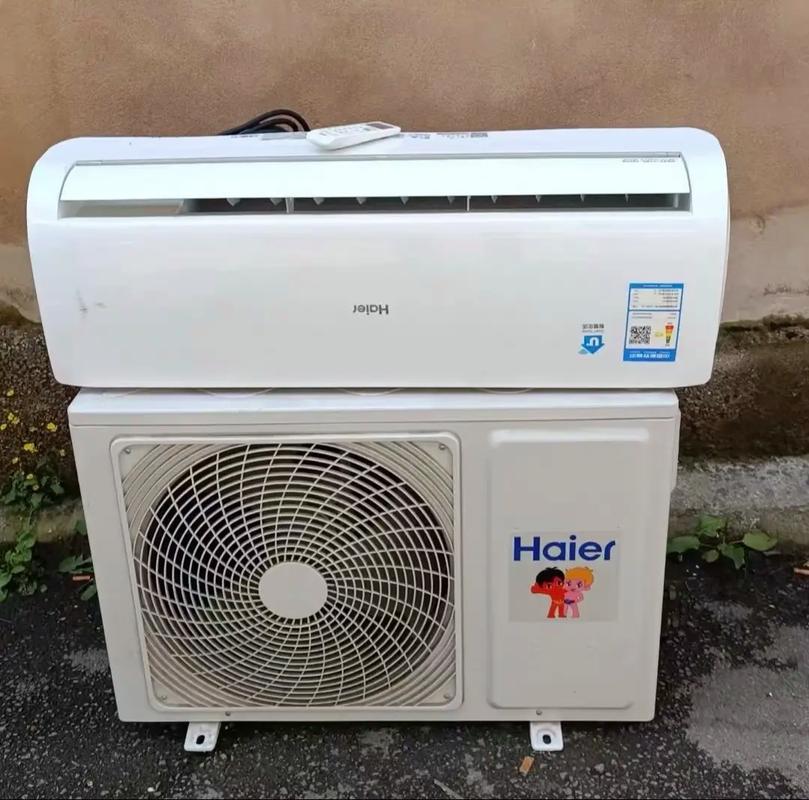
India's strategy appears calculated. It anticipates a surge in air conditioner demand due to its vast market. By banning the import of complete units and even core components from Chinese and Japanese firms, India hopes to entice these companies into setting up factories within its borders, thereby fostering an indigenous air conditioning industrial chain and ensuring technology transfer.
Despite the alarming number of heat-related deaths in India, the government remains steadfast in its restrictions on air conditioners, aiming to lure Chinese and Japanese companies into investing in local production. However, these companies are not easily swayed; they prefer exporting when possible and may simply cease sales if faced with insurmountable barriers.
The ordinary consumers bear the brunt of this policy; they continue to suffer from the heat, yet the government shows no signs of relaxing its grip on air conditioner imports. The populace, it seems, has become the collateral damage in India's relentless pursuit of an air conditioning industrial chain.
-
Ofilm Teams Up with ADSensE to Propel Large-Scale Deployment of All-Solid-State LiDAR Powered by ADS6311 Chip!
-
![]()
Loss of 2.5 Billion Yet Facing Strong Demand for Shares? Another Battle for Control of Lianchuang Electronics
-
![]()
Huawei’s Enjoy Series Flies Off the Shelves, Prompting Xiaomi to Double Down on Budget Smartphones
-
![]()
Beijing Hyundai's Top Executive Criticizes Industry Disorder: Certain Brands Treat Customers as Beta Testers
-
![]()
The domestic mobile phone market has declined for five consecutive quarters! Huawei defies the trend with significant growth: maintains its top market share
-
Annual Revenue Surpasses 3 Billion: An Automotive Trim 'Little Giant' Makes Its Debut on the Beijing Stock Exchange
-
![]()
The Space Force Wants to Spend $30 Billion on Rocket Launches: Is Trump Doubling Down, and Is SpaceX the Big Winner?
-
![]()
Going Crazy! One out of Every Three Plug-in Hybrids Sold in Europe is a Chinese Vehicle