DJI Addresses Pocket 4P 'Sold Out Immediately' Backlash: Scalpers Identified, Production Accelerated
 06/29 2026
 341
341
Consumer Daily - Jinzhao News Recently, a number of netizens took to social media to report that the DJI Osmo Pocket 4P was sold out almost immediately after its release. Some even shared that they had enlisted the help of multiple friends to secure the product, yet “were left empty-handed.” This led some netizens to speculate whether DJI was employing hunger marketing strategies. 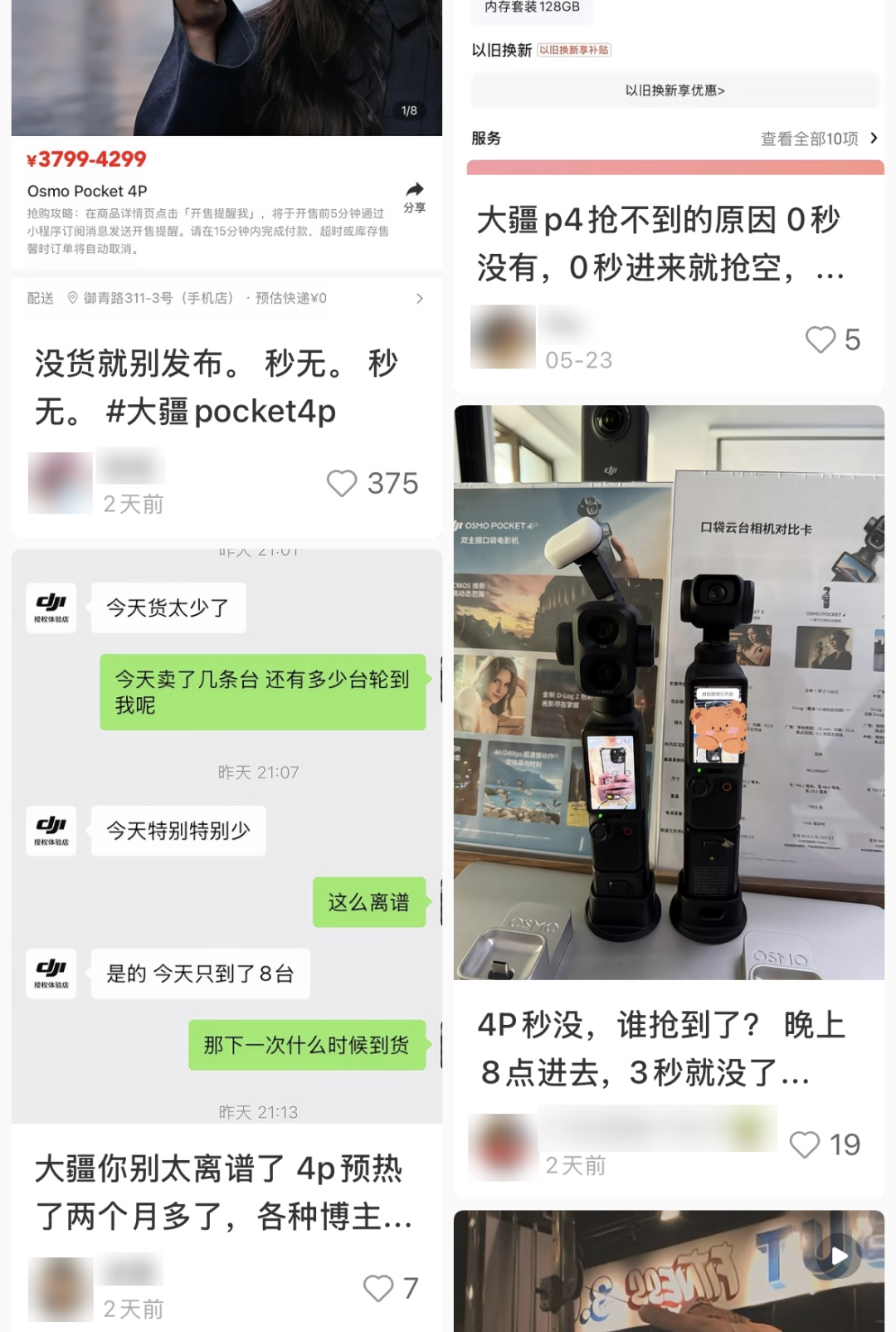
Image source: Social media
On June 26, Beijing Daily reported that DJI responded by clarifying that the product series had garnered significant attention from users since its launch. The company had substantially increased the initial stock quantity compared to its predecessor. Specifically, the initial stock for the Osmo Pocket 4 series was nearly ten times higher than that of the Osmo Pocket 3. However, market demand still surpassed expectations, resulting in a supply shortage in some channels. “We are making every effort to ramp up production and restocking to ensure product availability as soon as possible,” DJI stated. Regarding the abnormal purchasing behavior experienced by consumers during this launch, DJI said that through tracing, it had successfully identified some scalper groups. After formally reporting to the public security authorities, and following preliminary investigations by the police, criminal coercive measures have been taken against a group of individuals in recent days. 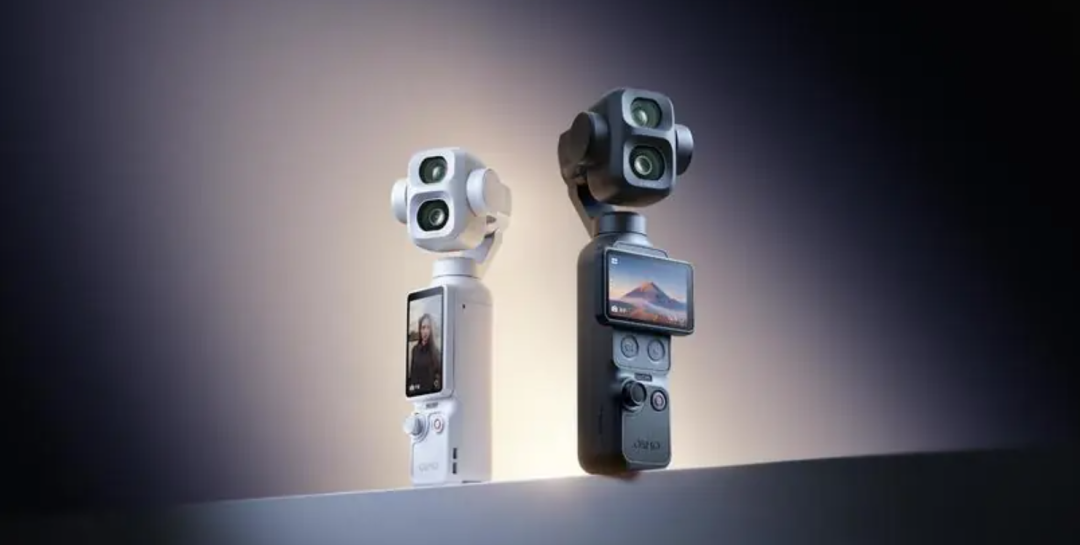
DJI Osmo Pocket 4P (Reference Image) Public information reveals that the DJI Osmo Pocket 4 series comprises two core models: the Osmo Pocket 4 and the Osmo Pocket 4P. The Osmo Pocket 4 was released in April this year, while the Osmo Pocket 4P, which sparked the recent controversy, went on sale across all channels on June 23. These channels include DJI’s official store, mainstream e-commerce platforms, and offline authorized retailers. The standard kit of this model is priced at 3,799 yuan, while the Vlog kit is priced at 4,299 yuan.
In terms of performance, the Osmo Pocket 4 series has undergone multiple upgrades compared to its predecessor. It features a 1-inch stacked CMOS sensor, with the dynamic range increased to 14 stops, improved photo resolution, and support for 10-bit D-Log. For video, it supports up to 4K/240fps slow motion, doubling the frame rate compared to the Pocket 3. Battery life has been extended by 20%, and it is equipped with WiFi 6 and USB 3.1 high-speed transmission. The ActiveTrack feature has been updated to version 8.0. Additionally, as the high-end version, the Osmo Pocket 4P includes a new 3x optical zoom, paired with 12x digital zoom, addressing the previous shortcoming of portable gimbal cameras in telephoto shooting capabilities. 
DJI Company (Reference Image) Industry data indicates that in the first quarter of 2026, DJI shipped 2.7 million units in the global handheld smart camera market, maintaining an overall market share of around 65%. However, DJI is also facing stiff competition from rivals like Insta360.
Data shows that Insta360, the second-largest player in the industry, shipped 900,000 units in the first quarter of 2026, with a year-on-year growth rate of 66%, currently holding a 22% market share. Notably, Insta360 has entered the portable gimbal camera segment, where DJI holds a dominant position, by launching the Luna Ultra camera to compete with DJI’s Pocket series. Insta360 has adopted a strategy of offering similar specifications at slightly lower prices to capture market share. Industry insiders point out that competition in the current handheld smart camera market is intensifying, and DJI’s subsequent moves in capacity allocation, channel management, and consumer communication will be pivotal in maintaining its competitive edge.
Source: Consumer Daily
Disclaimer: The copyright of this article belongs to the original author. If there are any errors in the source or infringements of your legitimate rights and interests, you can contact us via email, and we will handle it promptly.
-
![]()
The Unstoppable Rise of 'Optical Progress and Copper Decline': Sunny Optical’s Strategic Vision for the Next Decade
-
![]()
AI + Going Global in the Second Half: No Intermission for Robot Vacuum Cleaners
-
![]()
The Suffering Endured in E-commerce, Walmart Doesn't Want to Repeat in AI
-
![]()
What Does the Doubling of New Energy Vehicle Exports Mean?
-
![]()
Ghosn: 'Only I Can Save Nissan'
-
![]()
Volkswagen Lays Off 100,000 Employees, The Elephant Sits Down
-
![]()
Expanding Production Capacity! Yutong Optics Acquires Approximately 1.5 Hectares of Industrial Land in Chang'an, Dongguan
-
![]()
Why Is Nokia Making a Comeback in the AI Era?