Ghosn: 'Only I Can Save Nissan'
 06/29 2026
 442
442
No one knows what the best solution is.
"Nissan needs someone like Ghosn. He has his flaws, but he also has strengths. I hope for a leader like him."
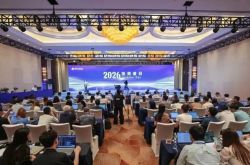
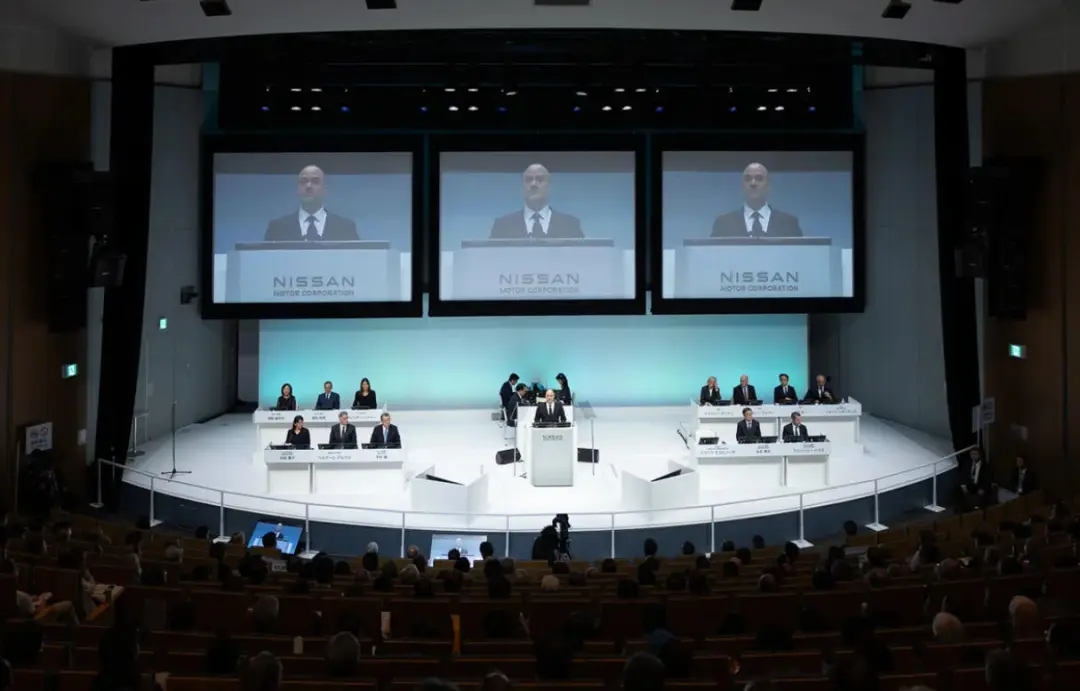
Recently, Nissan Motor held its annual shareholders' meeting, where a highly controversial shareholder proposal emerged. An investor proposed reappointing Carlos Ghosn as the company's CEO and demanded the removal of current CEO Ivan Espinoza.
This proposal essentially reflects the market's concentrated outburst over Nissan's poor performance in the past eight years. The pent-up emotions need a outlet, and Ghosn, who once brought glory to Nissan, is remembered again.
Speaking of Ghosn, in summary, he was once Nissan's 'Automotive Godfather' but overnight became a 'fugitive.'
Ghosn, now in Lebanon, said in an interview that he understands shareholders' anger and initial intentions, as Nissan's stock price has fallen about 80% and sales have plummeted since 2018. However, Ghosn is not prepared to return, stating, "A return is legally impossible."
The proposal to recall Ghosn suggests that Nissan is truly at a loss.
The CEO role at Nissan is a hot potato.
Nissan's downfall at the hands of the Japanese was predictable. Today's Nissan leaders, unable to save the beleaguered company, is also expected.
When Ghosn took over Nissan, he repeatedly stated that a 'gambling gene' was essential for a CEO. fling caution to the winds (he spared no effort) to move forward boldly, closing redundant factories and streamlining operations, earning him the title of 'Cost Killer.'
Through aggressive reforms such as staff reductions, shutdown of inefficient factories, and optimization of the supplier system, Nissan, mired in seven consecutive years of losses and high debt, achieved a turnaround in just one year and repaid over 2 trillion yen in debt within a few years.
During his tenure, he also pushed Nissan into the Chinese market, establishing a joint venture, Dongfeng Nissan, in 2003. At its peak, Dongfeng Nissan's annual sales exceeded one million vehicles.
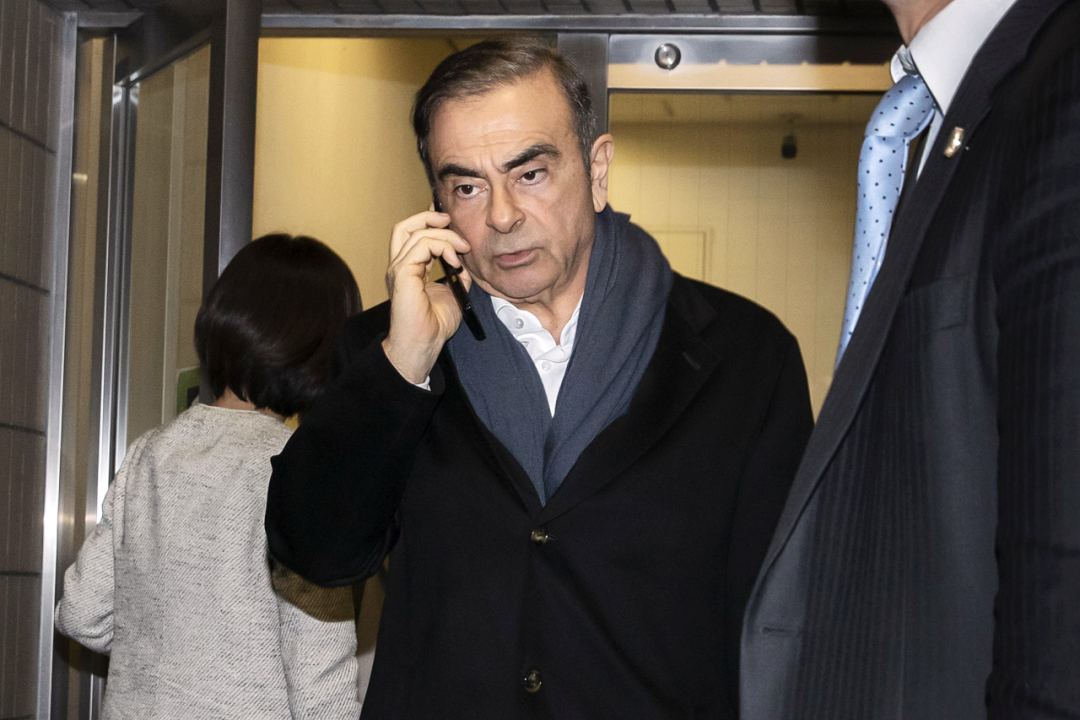
Later, Ghosn built the Renault-Nissan-Mitsubishi global automotive alliance, integrating R&D, procurement, and manufacturing resources from the three parties. At its peak, the alliance's annual sales ranked second globally, with a vast synergistic effect providing a stable profit base for Nissan.
To maintain balance between Renault and Nissan and pursue the dream of being among the top three globally, Ghosn deepened alliance cooperation. On September 15, 2017, Ghosn led the formulation of the 'Alliance 2022' goals, planning to develop 12 new pure electric vehicles by 2022 based on new electric vehicle modular platforms and components applicable to multiple market segments.
The goals were ambitious and clear, targeting electric vehicle deployments in markets such as China, Japan, the United States, and Europe. With a target of 14 million annual sales and $240 billion in revenue, this was when the trends of electrification and intelligence were becoming clear. Ghosn hoped to use deeper alliance integration to cope with (cope with) the incoming wave of electrification.
Looking back at these old stories, it's not an overstatement to call it visionary. However, Nissan's fate took a turn for the worse starting from this 'visionary' move.
As Ghosn's power grew, so did question (doubts) about him within Nissan. Hiroto Saikawa, then Ghosn's deputy, also felt panic, believing it was a signal of a complete merger between Renault and Nissan.
For Nissan, this was Renault's 'malicious intent' to annexation (annex) Nissan, with Ghosn being the traitor lobbying the French government for more control over Nissan. Meanwhile, the saying 'killing the Japanese and enriching the French' spread widely.
Later, Ghosn's story at Nissan became one of escape, with 'Ghosn Arrested' splashed across newspapers and an 1845-word defense statement, sincere and genuine. But no one in Japan cared about his feelings.
After Ghosn, Nissan went through Hiroto Saikawa to Makoto Uchida, and now to Ivan Espinoza, who is being called to step down. As netizens put it, a downward parabola reflects that 'the CEO role at Nissan is a hot potato,' and no one can do it well.
In 2020, Ghosn predicted, 'They say they want to turn the page on the Ghosn era. Indeed, the Ghosn era is over, but the fact now is that these three brands have no future.'
His words came true.
After Ghosn, Nissan has been striving to make a comeback every day. Saikawa was suspected of financial irregularities, and under heavy pressure, he admitted to it. A week later, he was officially announced to leave the company early.
Makoto Uchida took over in a crisis, and every decision he made was scrutinized. Amid internal and external challenges, Nissan announced Uchida's early resignation one year ahead of schedule in less than 20 minutes.
At that time, Ivan Espinoza, Nissan's 46-year-old chief planning officer, took over and was highly anticipated.
No one knows what the best solution is.
Ghosn, Saikawa, and Uchida, caught in the tides of the times and power games, became prisoners of fate and victims of palace intrigues. A year later, Ivan Espinoza faces the same fate.
Because Espinoza is another foreign executive steering Nissan after Ghosn. After taking office, to cut costs, Espinoza quickly launched the 'Re:Nissan' plan, establishing cost reduction, focus, and partnerships as the three core pillars.
At the earnings press conference, he described these measures as a 'last-ditch effort,' rapidly introducing aggressive cost-cutting plans to close seven factories and lay off 20,000 employees. However, he still struggled to halt the dual decline in sales and profits, and the weak stock price further exacerbated shareholder anxiety.
Ghosn once said, 'Nissan now needs to recover and urgently needs funds and investments, but no one inside the company knows what the best solution is.'
Indeed, no one knows.
Today, Nissan is undergoing a painful transformation centered on defensive strategic contraction. However, due to procrastination in decision-making and obvious internal friction, it lacks a core leader dare to (daring) to implement bold reforms. As a result, Nissan's fate sinks further into the abyse with each transformation attempt.
Under have no choice but to (necessity), reminiscing about past glory becomes a psychological comfort. The thought 'if Ghosn were still here...' only grows stronger, amplifying dissatisfaction with Espinoza.
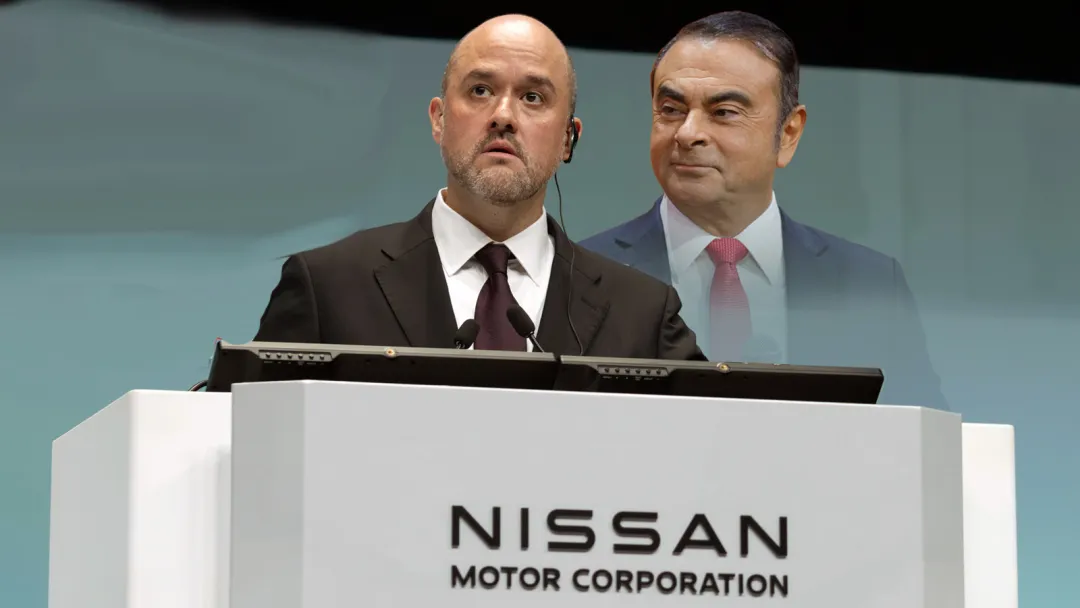
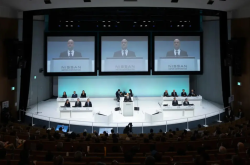
At the annual shareholders' meeting, Espinoza said Nissan is focused on revitalizing its business and steadily progressing amid challenges, expecting to return to profitability by the end of fiscal year 2026. 'Our task is to win back confidence,' Espinoza said.
But no one dares to believe it. Shareholders, in a frenzy, expressed strong dissatisfaction through the plummeting stock price and hoped to 'recall' Ghosn.
Ghosn emphasized that shareholders' calls for his return reflect deep anger over years of failed transformation plans. 'They want to regain what they once had. We want to return to Nissan's golden age, which lasted 18 years. Everything was going smoothly.' He accused Nissan's top management of wasting Nissan's value and losing direction since 2018.
Ghosn also said that the only position to save the company is CEO, and there must be someone who is the true decision-maker. 'If there is one person or one image today that can get it out of this mess, it's me. I'm not saying this out of arrogance. It's a fact. I've done it once before. I know this company from every angle.'
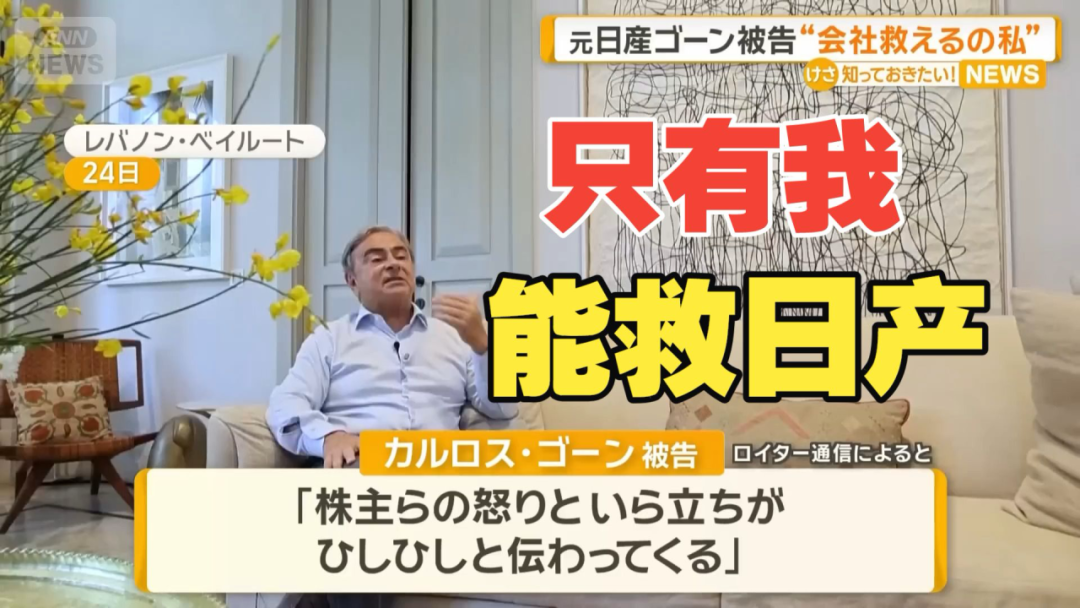
However, both Nissan's shareholders and Ghosn himself know that past glory is buried in the annals of history, and reminiscing is futile.
After all, Ghosn, 72, still faces four charges alleging financial misconduct during his tenure at Nissan. Moreover, the equity structure, cooperation model, and alliance synergy logic between Renault and Nissan have long been rewritten.
Even if Ghosn came, it would not yield immediate results. Ghosn believes that self-rescue is only possible by changing course; otherwise, Nissan risks becoming a 'subsidiary' of others.
However, Espinoza disagrees with Ghosn's remarks. He emphasized to shareholders again that Nissan has emerged from the emergency phase of recovery and now focuses on building a more sustainable future.
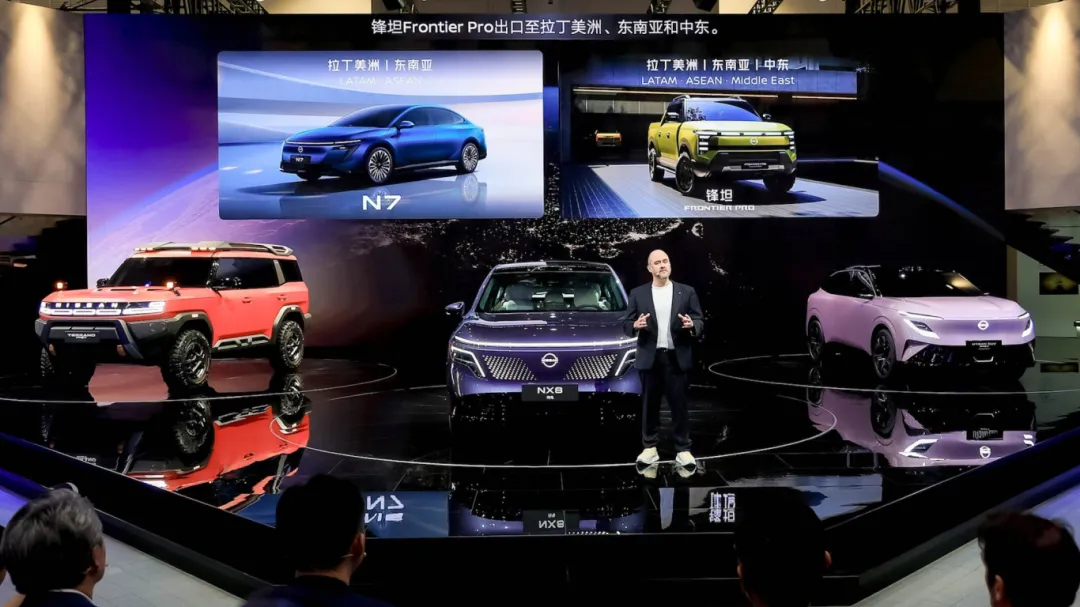
In the past 12 months, Nissan and Dongfeng have launched three new electric mid-size models in China, giving Espinoza some hope. He told shareholders that Nissan is moving from rebuilding and recovery to growth and expansion.
Now, with the cost-cutting plan nearing completion, if Nissan cannot pull itself back from the brink, steadily advance (advancing) cost reduction and efficiency improvements and streamlining long-term product planning will be empty talk.
Perhaps, it will also be Espinoza's last 'order' as CEO.
Note: Some images are sourced from the internet. If there is any infringement, please contact us for deletion.
-END-

-
![]()
The Unstoppable Rise of 'Optical Progress and Copper Decline': Sunny Optical’s Strategic Vision for the Next Decade
-
![]()
AI + Going Global in the Second Half: No Intermission for Robot Vacuum Cleaners
-
![]()
The Suffering Endured in E-commerce, Walmart Doesn't Want to Repeat in AI
-
![]()
What Does the Doubling of New Energy Vehicle Exports Mean?
-
![]()
Ghosn: 'Only I Can Save Nissan'
-
![]()
Volkswagen Lays Off 100,000 Employees, The Elephant Sits Down
-
![]()
Expanding Production Capacity! Yutong Optics Acquires Approximately 1.5 Hectares of Industrial Land in Chang'an, Dongguan
-
![]()
Why Is Nokia Making a Comeback in the AI Era?