Laifen Seeks to Escape 'Budget Dyson' Label but Falls Short of Dyson's Prestige
 07/03 2026
 403
403
Author|Haotian
After a hiatus of two years, Laifen has once again unveiled its 'combat report' for the 618 shopping extravaganza.
On June 21, 2026, Laifen declared that during the 2026 618 period (spanning from May 13 to June 20), the brand's cumulative sales surpassed RMB 710 million, marking a year-on-year surge of over 70% and its most outstanding performance to date.
Notably, Laifen's remarkable growth trajectory in the 2026 618 was built upon a lackluster performance in the corresponding period the previous year. Based on 2026 data, Laifen's 618 sales in 2025 hovered around RMB 418 million, a significant drop from RMB 530 million in 2024. Owing to this subpar showing, Laifen refrained from issuing a 'combat report' following the 2025 618.
While Laifen's sales have rebounded this 618, its growth momentum has markedly decelerated over the long haul. Official statistics reveal that from 2022 to 2024, Laifen's total 618 sales stood at RMB 167 million, RMB 330 million, and RMB 530 million, respectively, boasting a compound annual growth rate (CAGR) of 78.15%.
In stark contrast, from 2024 to 2026, the CAGR for Laifen's total 618 sales dwindled to just 15.74%. Significantly, post-2023, Laifen shifted its core strategy towards diversification beyond hair dryers, introducing product lines such as electric toothbrushes, shavers, and compact fans.
Against this backdrop of substantial product category expansion, the sharp deceleration in 618 sales growth not only signals the fading of Laifen's growth miracle but also underscores the considerable operational hurdles the company faces in its cross-border endeavors.
01 After Positioning as a 'Budget Dyson,' Laifen Faces Fierce Competition
As a 'newcomer' established in 2019, Laifen's meteoric rise in the fiercely competitive home appliance market can largely be attributed to its adeptness at capitalizing on niche market opportunities.
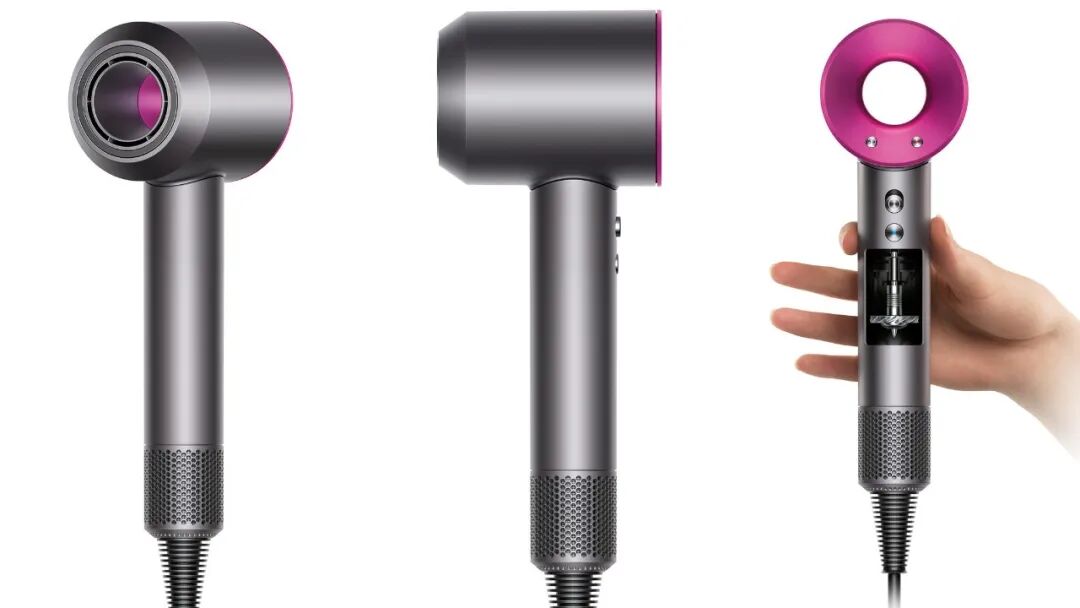
Image Source: Dyson
In 2016, Dyson unveiled the Supersonic hair dryer, featuring a V9 digital motor spinning at 110,000 RPM, enabling swift drying without hair damage, priced at RMB 2,990.
At that time, traditional hair dryers suffered from severe product homogeneity due to a lack of core technological advancements. The Supersonic's differentiated user experience, propelled by its high-speed motor technology, successfully captivated a vast audience of middle-class consumers.
Official data indicates that within the first hour of the 2016 Double 11 shopping festival, Dyson's flagship store sales exceeded RMB 50 million, eclipsing its total Double 11 sales from the previous year. The following year, Dyson ranked among the top 4 brands in the small appliance category during Double 11.
Max Conze, then-CEO of Dyson, remarked, "Disruptive cutting-edge technology has been the linchpin enabling our growth in the Chinese market. Chinese consumers are particularly tech-savvy, and Double 11 is not merely a promotional event but an opportunity for consumers to select products that genuinely address everyday challenges."
It is worth noting that while the Supersonic successfully carved out a niche in the high-end hair dryer market, its price point of around RMB 3,000 excluded a broader mass-market audience, leaving a substantial market void.
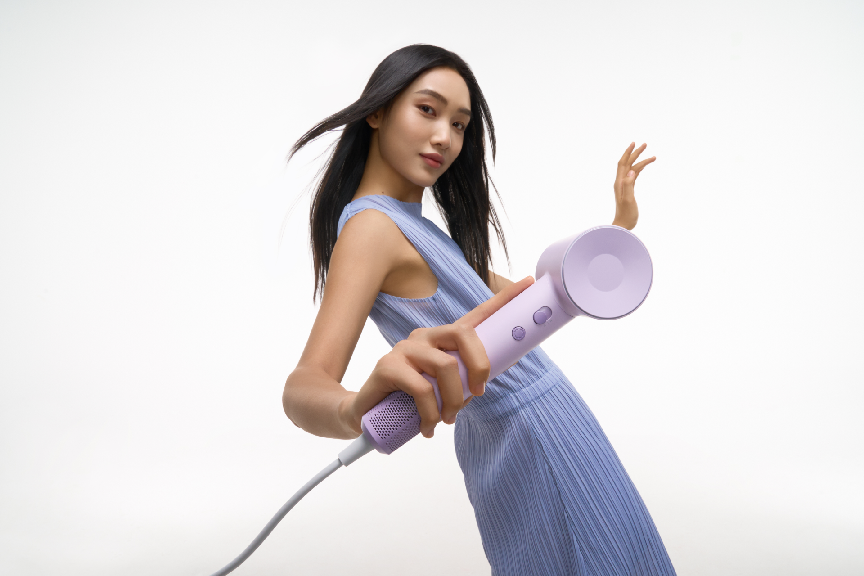
Image Source: Laifen
Having already mastered high-speed motor technology, Laifen launched its inaugural high-speed hair dryer, the Laifen LF01, in January 2021. Equipped with an 110,000 RPM high-speed brushless motor and priced at a mere RMB 599—less than one-fifth of the Supersonic's price—it was hailed as the 'budget Dyson.'
Owing to its exceptional cost-effectiveness, the Laifen LF01 swiftly became a market sensation, propelling rapid growth in Laifen's performance. Official data reveals that from 2021 to 2023, Laifen's sales reached RMB 150 million, RMB 1.5 billion, and RMB 3 billion, respectively.
However, Laifen did not monopolize the budget high-speed hair dryer market. In recent years, as upstream supply chain technologies have matured, numerous brands have introduced even more affordable high-speed hair dryers.
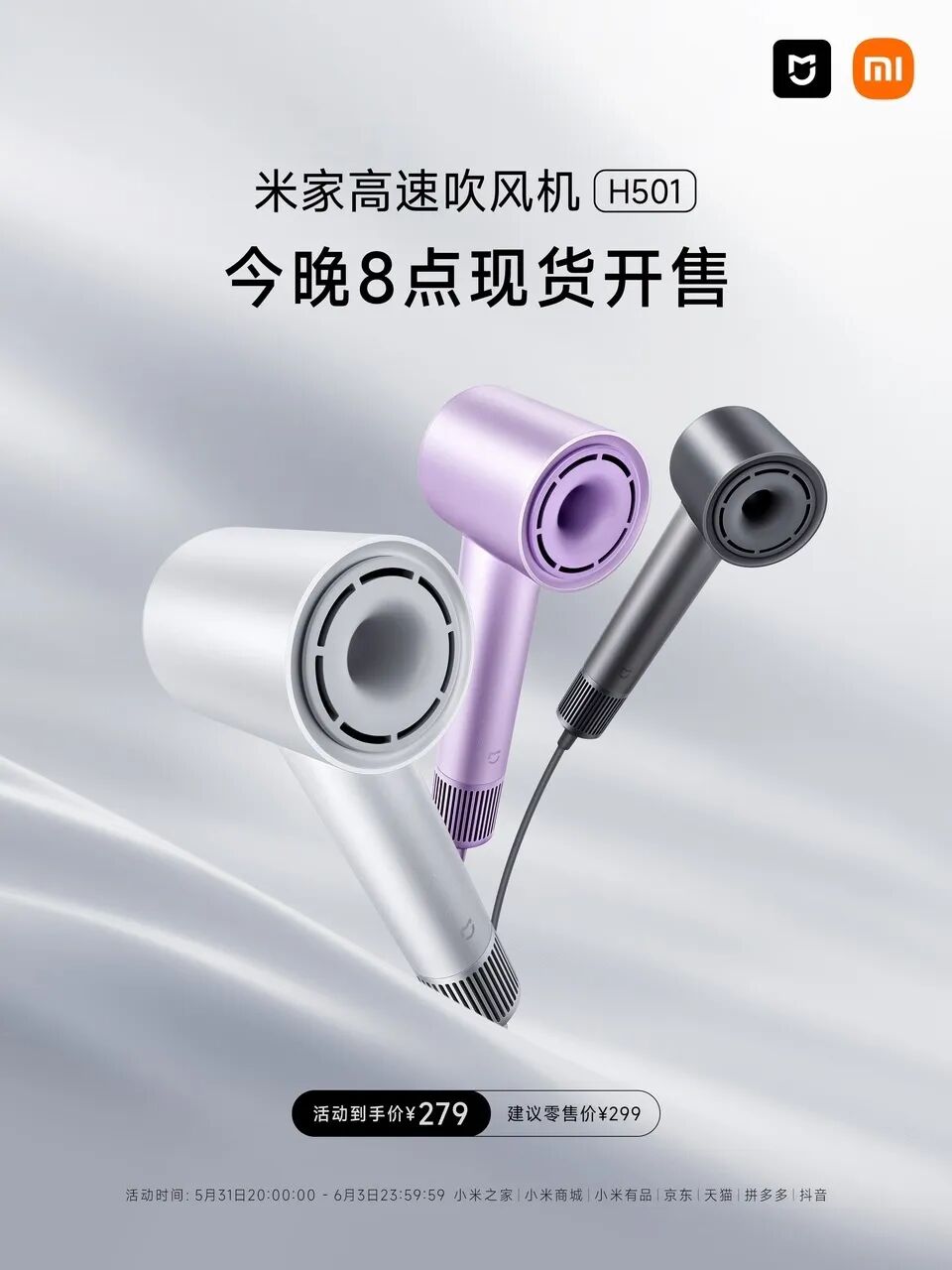
Image Source: Xiaomi
For instance, in March 2023, Dreame unveiled the Aurora high-speed hair dryer, featuring an 110,000 RPM high-speed digital motor, priced at RMB 399. Two months later, Xiaomi introduced the Mijia High-Speed Hair Dryer H501, also equipped with an 110,000 RPM high-speed brushless motor, with a starting price of just RMB 279.
Unlike Dyson, which wields strong pricing power, Laifen has been compelled to slash its prices in the face of fierce competition.
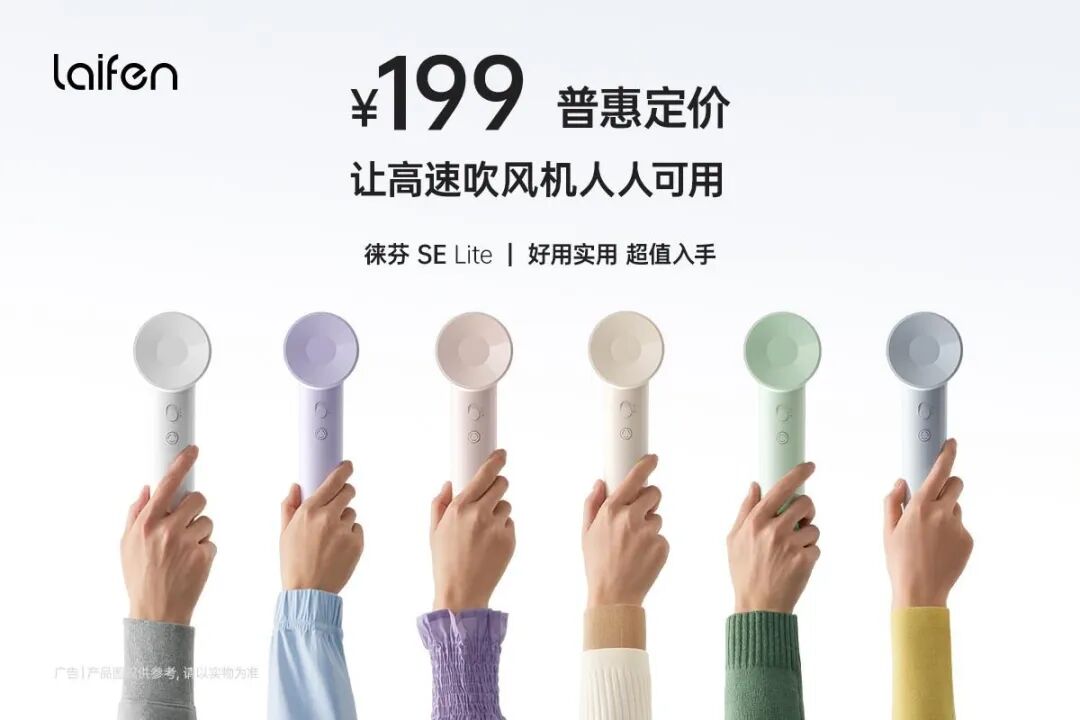
Image Source: Laifen
In September 2022, Laifen released the Laifen High-Speed Hair Dryer SE, which closely resembled the LF03 in appearance but had a slightly lower rotation speed (0.5 million RPM less) and wind speed (1 m/s slower), priced at RMB 399. In January 2024, Laifen took a step further, launching the Laifen High-Speed Hair Dryer SE Lite for just RMB 199, with the slogan 'making high-speed hair dryers accessible to all.'
Despite Laifen's repeated price reductions, its ability to sustain robust growth has waned as high-speed hair dryer technology has become ubiquitous in the budget market. As previously mentioned, the year-on-year growth rate of Laifen's total 618 sales has been on a downward trajectory in recent years.
In essence, Laifen's predicament mirrors the challenges faced by new energy vehicle (NEV) companies like Li Auto. After gaining traction as a 'budget alternative' to overseas brands, Li Auto became a prime target for domestic automakers. Brands such as Leapmotor, NIO, and Seres have witnessed surging sales by introducing more cost-effective products that further 'replace' Li Auto.
In the home appliance sector, due to a lack of formidable competitive moats, Laifen has inevitably become the 'budget alternative' target as competitors engage in price wars over high-speed hair dryers, leading to a decline in its appeal to consumers.
02 Diversifying into Electric Toothbrushes and Shavers: Laifen's 'Stuck in Time' Approach
Confronted with intense price competition in the high-speed hair dryer market, Laifen has responded by launching lower-priced products while also leveraging its core motor technology to diversify into new ventures such as electric toothbrushes and shavers.
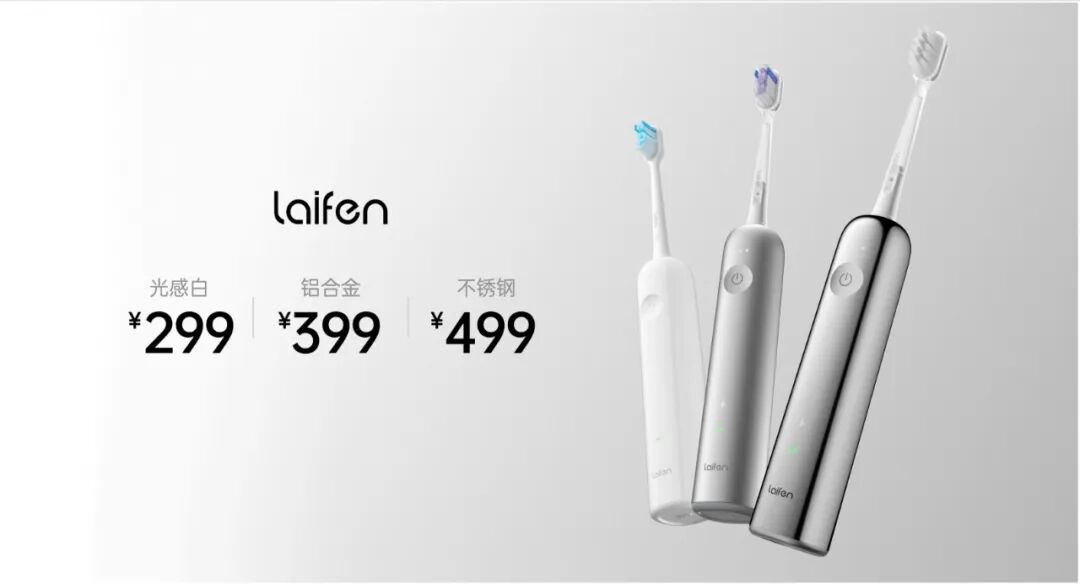
Image Source: Laifen
In October 2023, Laifen ventured into the electric toothbrush market with the Laifen Sweep-and-Vibrate Electric Toothbrush SE, featuring a self-developed servo system with a maximum vibration frequency of 66,000 times per minute, priced at RMB 299.
In May 2025, Laifen launched the Linear Reciprocating Shaver T1 Pro and P3 Pro, equipped with high-speed linear motors and high-speed dual-linear motors, respectively, both capable of 12,000 cuts per minute, priced at RMB 499 and RMB 699.
A horizontal comparison reveals that electric toothbrushes and shavers continue Laifen's product DNA, boasting not only robust performance and elegant designs but also high cost-effectiveness. However, unlike its high-speed hair dryers, Laifen's electric toothbrushes and shavers have failed to emerge as new growth engines.
In an interview with Lei Feng Network, a former Laifen employee disclosed that as of August 2025, Laifen's electric toothbrush shipments were insufficient to achieve economies of scale in its self-built supply chain, resulting in high per-unit manufacturing costs. In 2024, Laifen's toothbrush product line incurred a net loss of RMB 80 million.
In response, Ye Hongxin, Laifen's founder and CEO, lamented in August 2025 that the electric toothbrush, priced at RMB 299, yielded less than 40% gross margin, leaving it vulnerable to competitors with margins around 70%. "We've thrown in the towel. This category is extremely dysfunctional, with inferior products driving out quality ones. Only those who engage in deception and gimmicks can survive."
Similarly, Laifen's shaver products have also grappled with losses. In a May 2025 media interview, Ye revealed, "Our gross margins are very low. After crunching the numbers, our shavers are likely to incur 100% losses this year."
Despite employing the same underlying technology and product strategy, Laifen's electric toothbrushes and shavers have failed to replicate the commercial success of its high-speed hair dryers, largely due to Laifen's 'stuck in time' approach.
From a market perspective, unlike Dyson, which pioneered the Supersonic and left a significant void in the budget high-speed hair dryer market, the electric toothbrush and shaver markets have been mature for years, characterized by intense competition.
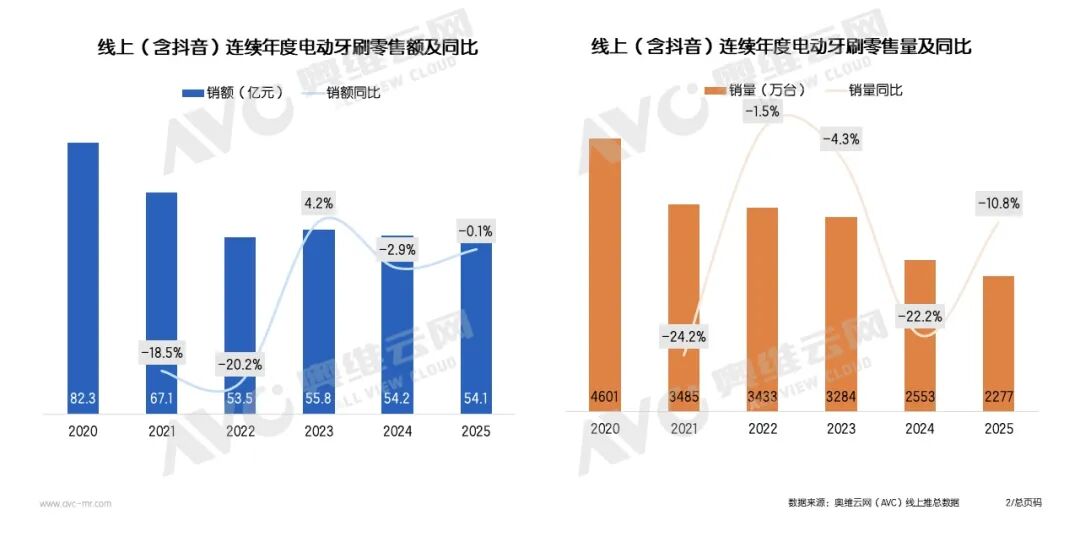
Image Source: Aowei Cloud
For instance, data from Aowei Cloud indicates that in 2025, total online sales of electric toothbrushes in China reached 22.77 million units, down 10.8% year-on-year, with sales revenue of RMB 5.41 billion, a slight 0.1% decline. In the electric toothbrush market, Laifen's growth potential is severely constrained.
At the product level, while Laifen's design philosophy for electric toothbrushes and shavers mirrors that of its high-speed hair dryers, the market demands they face are vastly different.
Due to their more focused usage scenarios and simpler needs, high-speed hair dryers offer a significant experience upgrade over traditional models, making them easier to market. In contrast, electric toothbrushes and shavers cater to complex and diverse needs, requiring not only strong technical capabilities but also tailored optimizations for specific user scenarios.
Insider opinions expressed in Caizhong Society highlight that when developing its first-generation electric toothbrush, "Laifen fell short in systematic construction. For example, choices around charging methods, whether to use soft rubber tips, and the completeness of reliability testing were not adequately addressed."
Clearly, while Laifen's success with high-speed hair dryers in recent years is commendable, it has also become a burden for the company.
Under vastly different market conditions and consumer demands, Laifen's blind pursuit of technological advancements and price competition reflects a path dependency that must be carefully navigated in its future diversification efforts.
03 Diversification and Premiumization: Laifen Faces Mounting Uncertainties
Given the failure of its electric toothbrushes and shavers to establish new growth trajectories, Laifen is actively pursuing full-category expansion.
From May 11–15, 2026, Laifen held three product launches, introducing eight new products, including folding fans, hair curlers, and smart desk lamps. Additionally, according to 36Kr, Laifen plans to enter the floor-washing machine industry, with a team led by a former DJI executive.
Curiously, Laifen's new diversified products no longer adhere to the 'budget alternative' concept but instead take inspiration from Dyson, targeting the high-end market.
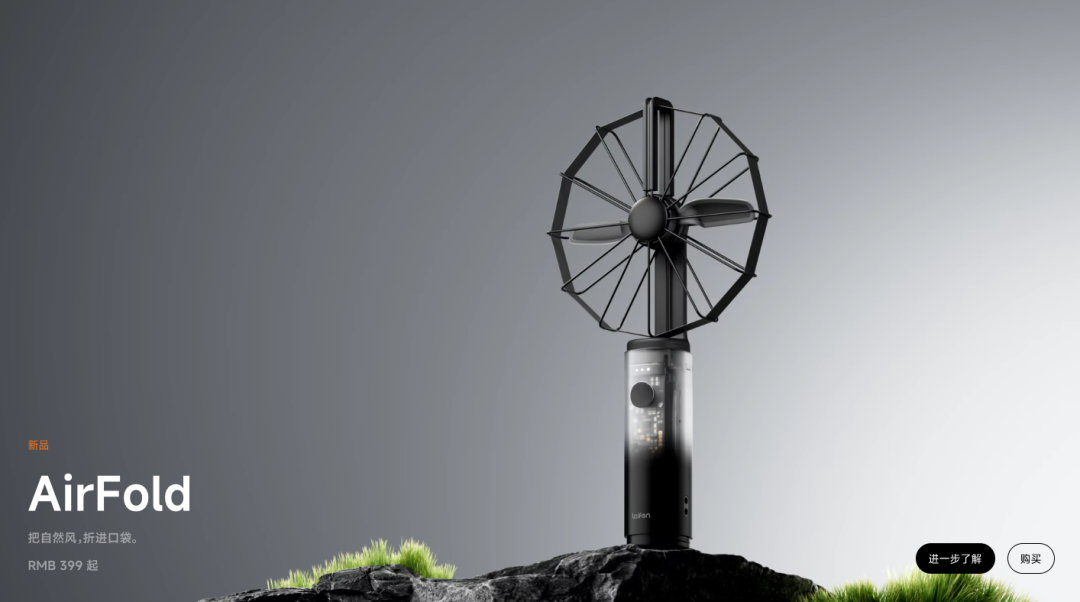
Image Source: Laifen
Official data reveals that Laifen's Reciprocating Shaver T2 Pro standard edition is priced at RMB 559, a RMB 60 increase over its predecessor. Even more notably, Laifen's Folding Small Fan AirFold is priced at RMB 399, with the transparent explorer edition reaching RMB 459. For comparison, Dyson's recently launched HushJet Mini Cool fan is priced at just RMB 799.
Evidently, given the lack of incremental growth opportunities in many sectors similar to the early days of the high-speed hair dryer market, Laifen hopes to sustain steady performance growth by enhancing the pricing power of its products.
While premiumization is a common strategy for companies entering a mature market phase, it is also a more challenging and demanding path. Although Laifen has established itself in the home appliance market, its transition to high-end offerings across multiple previously untapped sectors will not be easy.
First, many of the products Laifen has developed are functional standard items. Due to their low technological barriers, single usage scenarios, and intense market competition, other players have already set low price benchmarks for such products. For instance, portable fans are typically priced below RMB 100 on e-commerce platforms, far lower than Laifen's Folding Small Fan AirFold.
Without strong pricing power in terms of brand, ecosystem, or services, Laifen will struggle to convince consumers to pay a premium for its products.
On the other hand, as economist Ren Zeping has noted, "The history of domestic and foreign enterprises clearly shows that most diversification efforts fail, with a nine-in-ten chance of failure. Excelling in one area is already difficult, let alone crossing into multiple unrelated fields. Your experience, energy, capabilities, and team cannot cover everything. Less is more; focus on mastering the basics."
 Nonetheless, market opportunities are, by their very nature, transient. As technology becomes increasingly ubiquitous and competition grows fiercer, the growth advantages that Laifen secured through its "cost-effective alternative" approach are gradually diminishing.
Currently, Laifen is striving to discover fresh avenues for growth by diversifying its product range and moving towards premium offerings. However, markets like electric toothbrushes and shavers are typically marked by fierce rivalry and price transparency.
Owing to the absence of a substantial brand premium and a robust ecological moat, Laifen finds it challenging to merely transpose its triumphant formula from the high-speed hairdryer era into these new markets. Its diversification strategy is thus fraught with considerable uncertainty.
From a wider perspective, Laifen's predicament serves as a classic example of numerous emerging consumer brands encountering a growth impasse after reaching a certain development stage. Market opportunities can propel a company to success but cannot offer an eternal safe haven; the "cost-effective alternative" strategy can assist a brand in swiftly penetrating the market but falters in sustaining long-term competitiveness.
Upon entering an era of stock competition (where companies vie for existing market share rather than new growth), what truly determines a company's ability to weather cyclical fluctuations is no longer merely seizing market trends. Instead, it hinges on the company's capacity to continually construct technological barriers, enhance brand value, and foster product innovation capabilities. Only by converting short-term market gains into enduring core competitiveness can a company genuinely evolve into an "evergreen enterprise."
Interactive Topic
Have you ever used Laifen's products? What are your impressions?
This article represents original content from Shijiao Farsight and is strictly prohibited from being reproduced without prior authorization.
-
![]()
NVIDIA Launches 'Computing Power Financing'
-
![]()
Following Up on the 'Safety Net' for Intelligent Driving: Is Huawei's Strategy Astute or Perilous?
-
![]()
ICML 2026 | One Model to Unify Humans, Objects, Sounds, and Actions: OmniShow Revolutionizes Multimodal Controllable Video Generation as a Systematic Engineering Feat!
-
![]()
Mid-Year Sales Analysis: Leapmotor Faces Challenges Alone, NIO Breaks Free from the 'NIO 30K' Stigma
-
![]()
Without Chinese EVs, the European Auto Market Would Stagnate in the Past
-
![]()
Tata Electronics Hit by Ransomware, iPhone 18 Pro Secrets Leaked: Why Did Apple's 'Indian Stronghold' Crumble So Fast?
-
![]()
After Watching Several World Cup Knockout Matches, My Insight into the Competition Among Large Models Has Deepened
-
![]()
2025 Annual Dual Credit Report: Positive NEV Credits Exceed 21 Million Points