Without Chinese EVs, the European Auto Market Would Stagnate in the Past
 07/03 2026
 468
468
Without Chinese EVs, the European Auto Market Would Stagnate in the Past.
This summer, during a scorching heatwave with temperatures soaring above 40 degrees Celsius, the European auto market experienced a pivotal moment.
On June 23, data from the European Automobile Manufacturers' Association (ACEA) showed that new car registrations in the EU rose by 4% year-on-year as of May 2026. Hybrid vehicles claimed 37.8% of the market share, while plug-in hybrids (PHEVs) accounted for 9%.
Remarkably, battery electric vehicles (BEVs) secured a 20% share of the EU market, up from 15.3% year-on-year. This indicates that one in every five newly registered vehicles in the EU is now a BEV.
On a broader pan-European scale, BEV sales reached 268,000 units, marking a 39.1% year-on-year surge. Their market share surpassed 23.3%, historically overtaking gasoline vehicles to become Europe's second-largest powertrain type. This milestone represents the most significant turning point in Europe's decade-long electrification journey.
Italy, France, and Germany were the top contributors to EU BEV sales, collectively accounting for 63% of total sales. BEV sales in these three countries increased by 75.7%, 55.4%, and 40.9% year-on-year, respectively.
In May, sales of gasoline and diesel vehicles declined by 20% and 19% year-on-year, respectively, with their combined market share falling below 30%—an 8-percentage-point drop from the previous year.
Thus, Europe's overall new energy vehicle penetration rate has exceeded 68%, while traditional fuel vehicles have faced a comprehensive defeat.
A Wildfire of Transformation
Starting in 2025, the EU will impose stricter carbon emission limits on light-duty vehicles, placing significant pressure on automakers to decarbonize by 2030. Driven by policy urgency, European automakers are accelerating the launch of new energy models.
From July 2025, France will introduce an "eco-bonus" subsidy for electric vehicles (EVs), offering up to €4,200 per vehicle. Starting October 1, 2025, buyers of EVs produced in Europe with locally manufactured batteries will receive an additional €1,000 subsidy. This year, the EV "eco-bonus" will increase to a maximum of €5,700.
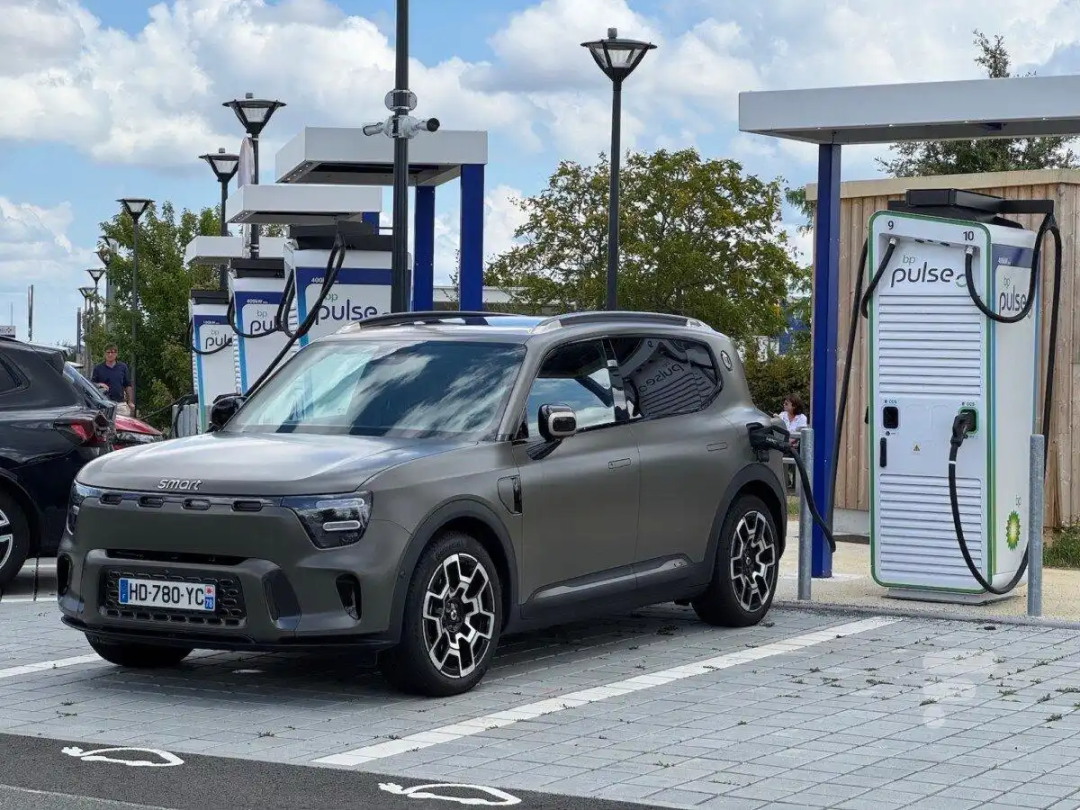
Leveraging subsidies to make EVs more affordable, France saw BEV sales soar by 92.7% year-on-year in May, maintaining the highest penetration rate among the top five markets. Italy, with dual government-enterprise subsidies, witnessed BEV and PHEV sales surge by 86.5% and 68.5%, respectively, becoming Europe's fastest-growing potential market.
Germany's overall auto market stagnated with just 0.1% year-on-year growth, but BEV sales still jumped by 39.3%, driven by sustained demand for premium electric vehicles. On May 19, Germany launched a new EV subsidy application platform, allocating €3 billion over three years to support approximately 800,000 new energy vehicles. Base subsidies stand at €3,000 for BEVs and €1,500 for plug-in hybrids and extended-range EVs.
Admittedly, this wave of subsidy policies closely mirrors China's market incentives a decade ago.
Beyond subsidies, the EU is also bolstering infrastructure development to encourage new energy vehicle adoption.
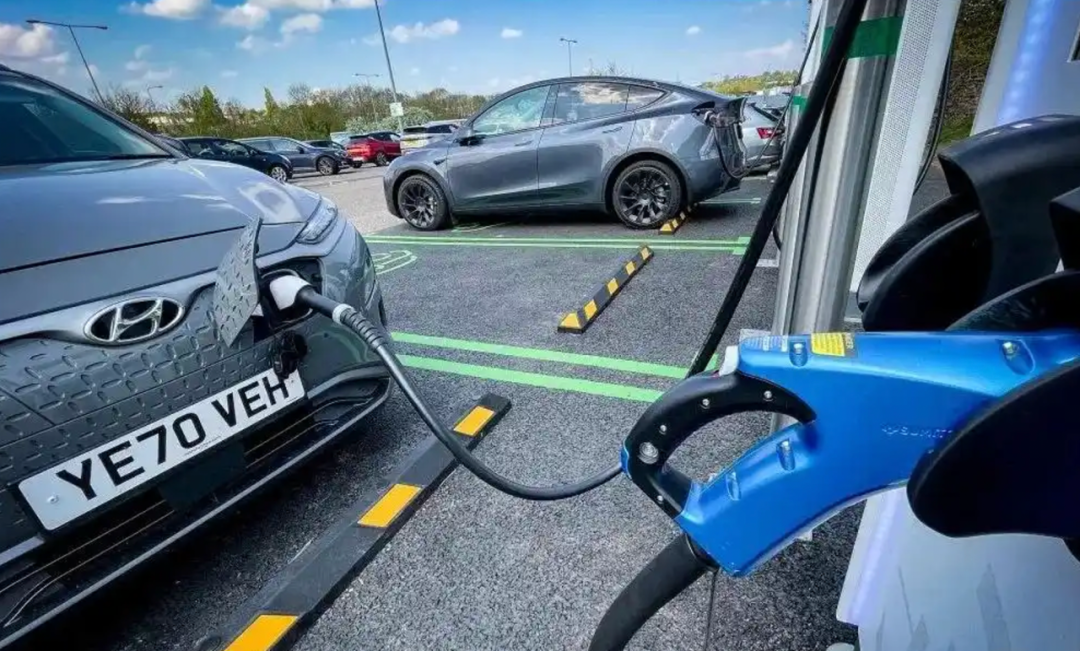
In December 2025, the European Commission unveiled a comprehensive automotive industry package to foster innovation collaboration among member states and support the sector's transition to clean mobility. The "Battery Acceleration Plan" will invest €1.8 billion, primarily through interest-free loans, to support European battery manufacturers.
The EU's Alternative Fuels Infrastructure Regulation, which sets mandatory minimum standards for public charging stations, has also taken effect. The Energy Performance of Buildings Directive requires member states to adjust national building regulations by May this year to ensure new and renovated buildings are EV-charging-ready.
Edler, executive director of the Fraunhofer Institute for Systems and Innovation Research, stated, "The EV industry across the EU is in a clear upward growth phase. The future belongs to electric vehicles."
Since March, geopolitical conflicts in the Middle East have driven up oil prices, prompting consumers to seek alternatives to internal combustion engine vehicles. BEV sales across 31 European countries surged from 15.8% year-on-year growth in February to 41.7% in March.
Germany, France, Spain, Italy, and Poland—Europe's top five EV markets—have all seen BEV sales grow by over 40% this year.
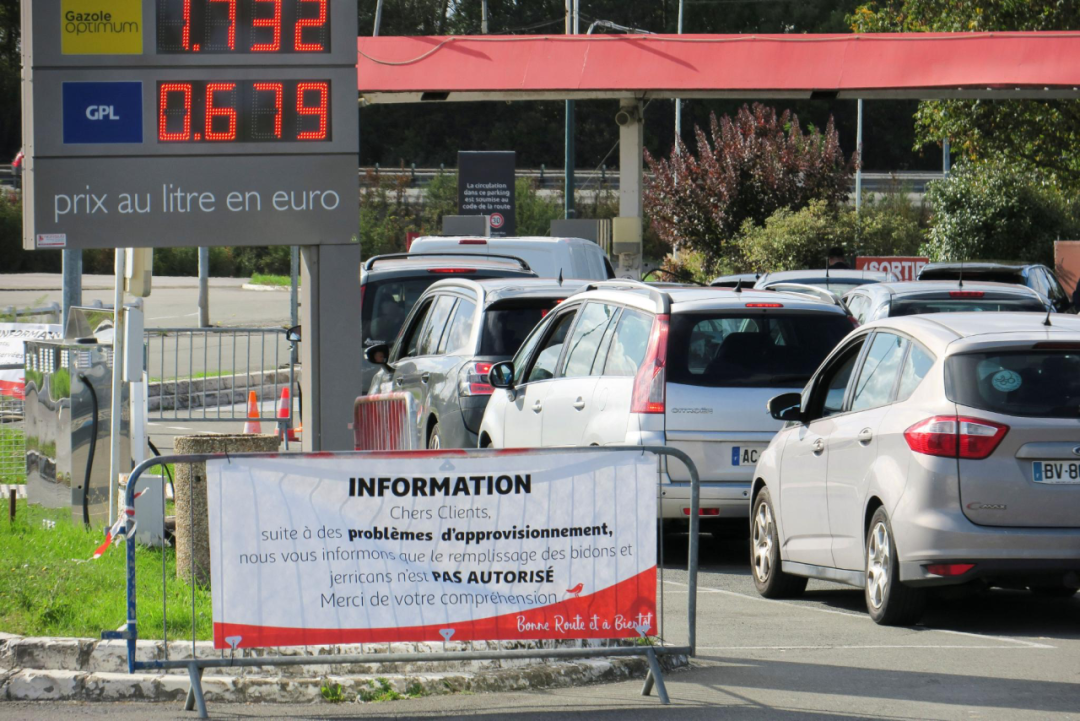
As of May 2026, the average fuel price in Europe hovers around €1.8 per liter (approximately ¥14 per liter), with Western European countries like Germany and France exceeding €2 per liter. Filling a 50-liter tank costs roughly €100, significantly driving up commuting costs.
Faced with soaring fuel expenses, Europeans are finally embracing frugality.
Eastern Wisdom Spreads West
Beyond fuel prices, European consumers have rediscovered the strength of Chinese manufacturing following last year's tariff dispute resolutions.
The €30,000-priced Seagull model sold over 6,500 units in Europe in Q1, becoming an instant favorite among young consumers and urban commuters.
The Leapmotor T03—domestically dubbed a "senior scooter"—registered 5,513 units in Italy alone in March, catapulting Leapmotor to a 33.5% share of Italy's BEV market.
Andy Palmer, former Nissan executive, remarked, "Consumer interest in EVs has clearly been stimulated by the entry of high-quality Chinese vehicles into the market."
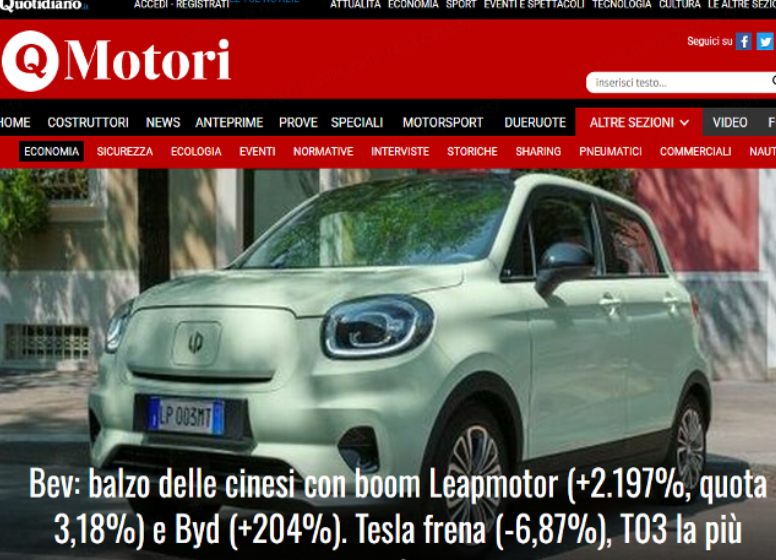
In May, Leapmotor's European sales surged 465.1% year-on-year, Chery's jumped 244.1%, and BYD's rose 136.6%—all far exceeding the overall market growth of 3.6%. Chinese brands collectively sold 138,000 vehicles in Europe in May, capturing over 10% market share for the first time—nearly double the previous year.
Moreover, Chinese automakers outsold Japanese brands by 6%, marking their first market share reversal in Europe.
Since entering the European market, Chinese automakers have addressed the region's biggest product gaps with mature battery-electric technologies, advanced intelligent cockpits, and extreme supply chain cost control—offering European consumers "high-spec, low-price, premium-feel" new energy options for the first time.
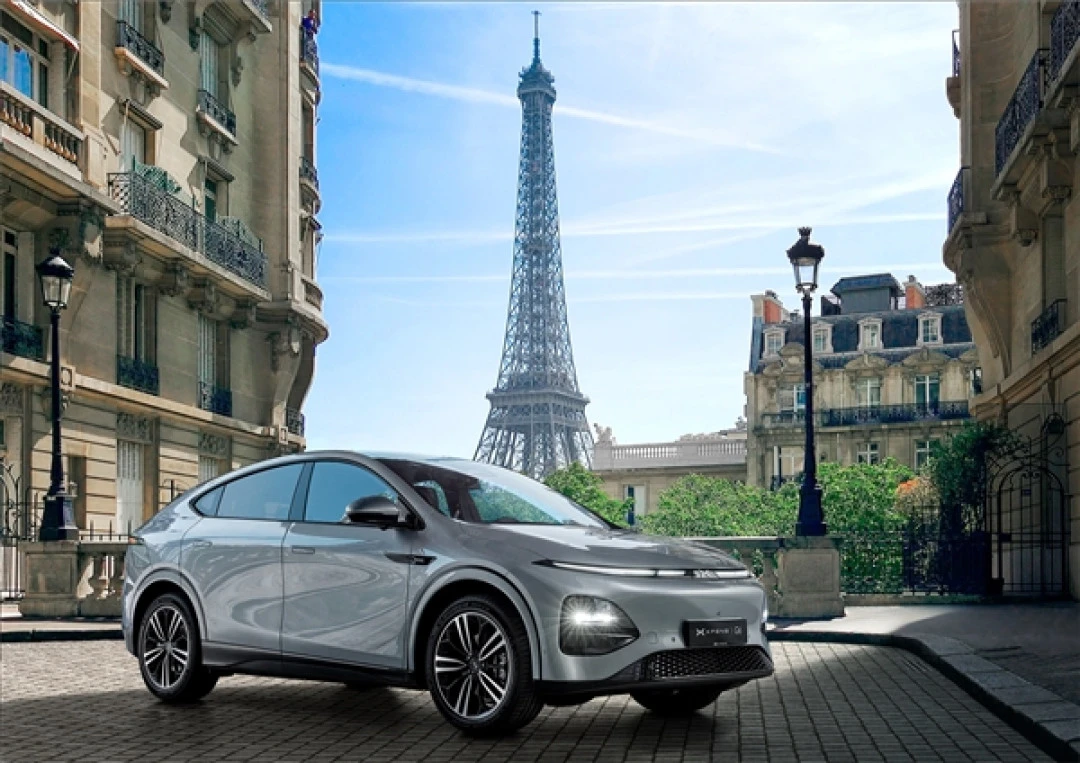
On one hand, the European market is in a golden window of rapid penetration and structural transformation, with internal combustion vehicles rapidly exiting and new energy growth abundant. On the other, Chinese automakers are leveraging product strength and supply chain advantages honed through intense domestic competition to reverse-export to Europe, forming a perfect closed loop of "domestic tech refinement, overseas market expansion"—a unique advantage unavailable to Western, Japanese, or Korean automakers.
Chinese companies are also making significant strides in European localization this year.
BYD's Hungarian plant is nearing production, while Leapmotor plans to utilize Stellantis' Spanish factory for local manufacturing. Once Chinese EVs bear the "Made in Europe" label, tariff barriers will disappear entirely, and supply chain responsiveness will improve.
When Toyota conquered the U.S. market decades ago, its final breakthrough came through local production, transforming its products into quasi-domestic brands.
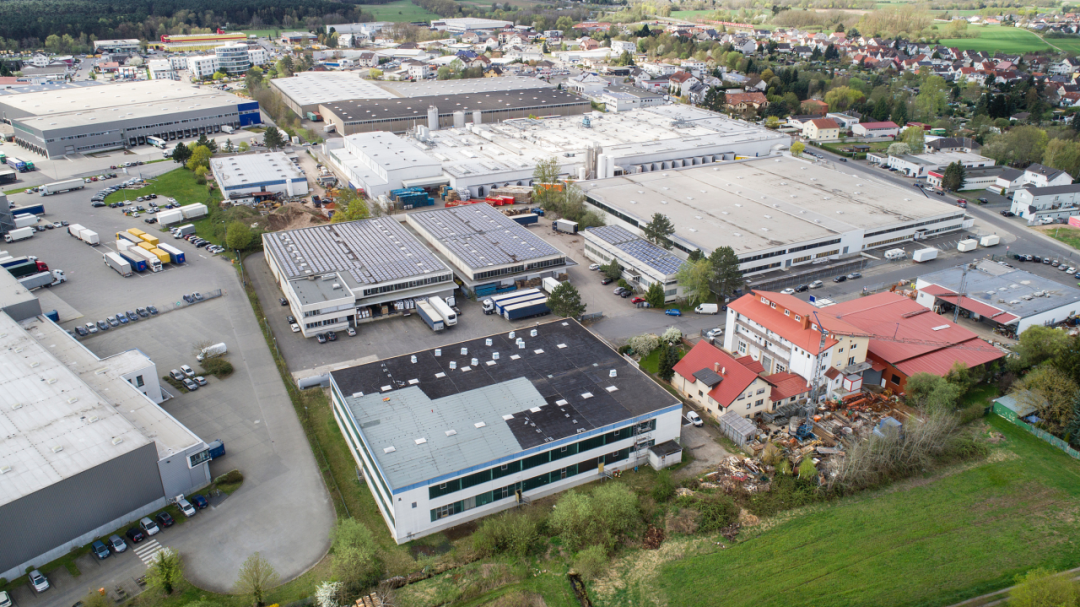
Unlike China's decade-old wave of electrification and intelligent transformation, Europe's shift is being driven by market forces compelling corporate transformation. Traditional manufacturers like Volkswagen have panicked, announcing massive layoffs and production cuts to weather the storm.
Volkswagen plans to slash 100,000 global jobs while shutting down four factories. BMW aims to reduce its global workforce by up to 5% (approximately 7,700 positions) by the end of 2026. Ford will cut 4,000 European jobs and close part of its Cologne plant's production lines by 2027, while Stellantis plans to lay off 2,000 workers in Italy and shift some fuel vehicle production to China.
Previously, critics argued that new energy vehicles were merely policy-dependent creations nurtured by China's subsidies, lacking appeal in mature markets like Europe and North America. Yet today, European consumers are voting with their wallets for affordable, feature-rich, and high-quality Chinese EVs.
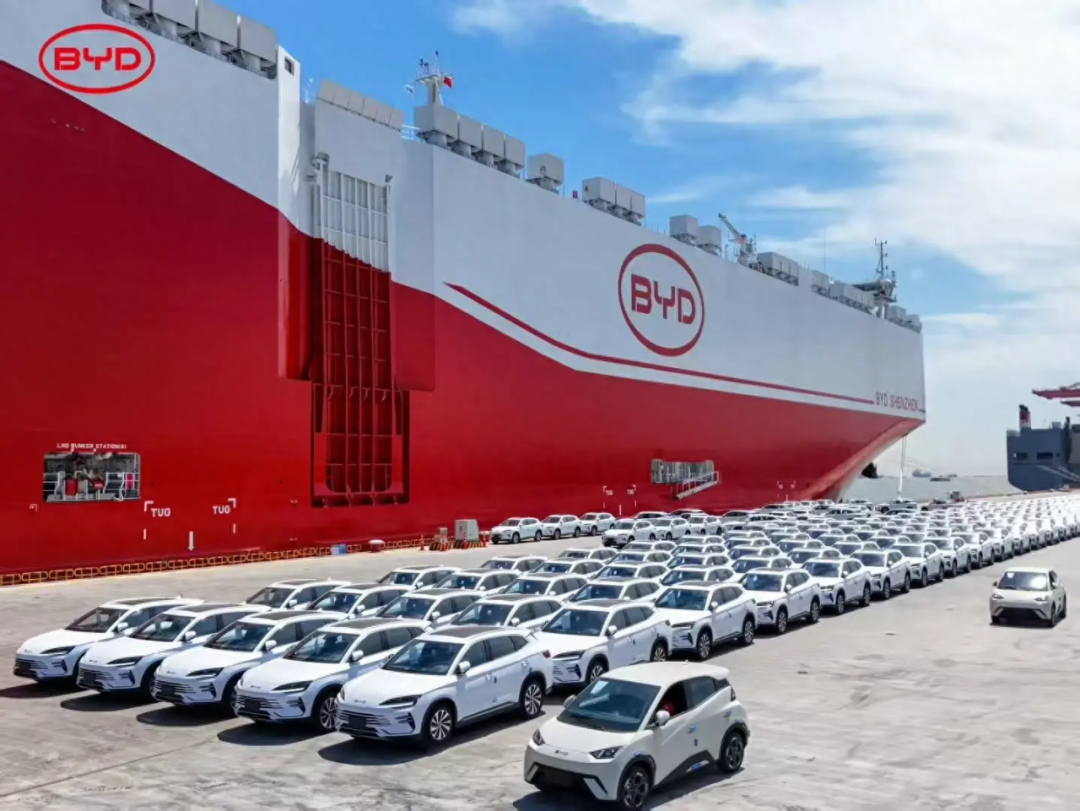
To exaggerate slightly: without Chinese EVs, the European market would remain trapped in the past. European consumers would be left with no choice but to accept whatever vehicles companies decide to offer.
Looking ahead, as the EU's 2035 internal combustion engine ban takes effect, Europe's new energy penetration rate will continue rising. Market competition will shift from "internal combustion engine transitions" to a "global new energy brand showdown." Chinese automakers, armed with technological, production, and product advantages, are poised to become the core driving force in Europe's electrification second half.
Note: Images sourced from the internet. Contact for removal if infringement occurs.
-END-

-
![]()
Rokid's Ambition and Embarrassment: 300,000 Sales Can't Support Its Ecosystem Dream
-
Are Gaming Ventures No Longer in Vogue Among Tech Titans?
-
![]()
Kuaishou’s Keling AI, Valued at $18 Billion with a Five-Year IPO Pledge, Faces a Make-or-Break Challenge
-
![]()
Valued at $18 Billion with a Five-Year IPO Plan: Kuaishou’s Kling AI Takes a Bold Leap
-
![]()
NVIDIA Launches 'Computing Power Financing'
-
![]()
Following Up on the 'Safety Net' for Intelligent Driving: Is Huawei's Strategy Astute or Perilous?
-
![]()
ICML 2026 | One Model to Unify Humans, Objects, Sounds, and Actions: OmniShow Revolutionizes Multimodal Controllable Video Generation as a Systematic Engineering Feat!
-
![]()
Mid-Year Sales Analysis: Leapmotor Faces Challenges Alone, NIO Breaks Free from the 'NIO 30K' Stigma