StepOn Has Solved the Monetization Challenge of Large Models with Just a Smartphone
 07/17 2026
 513
513
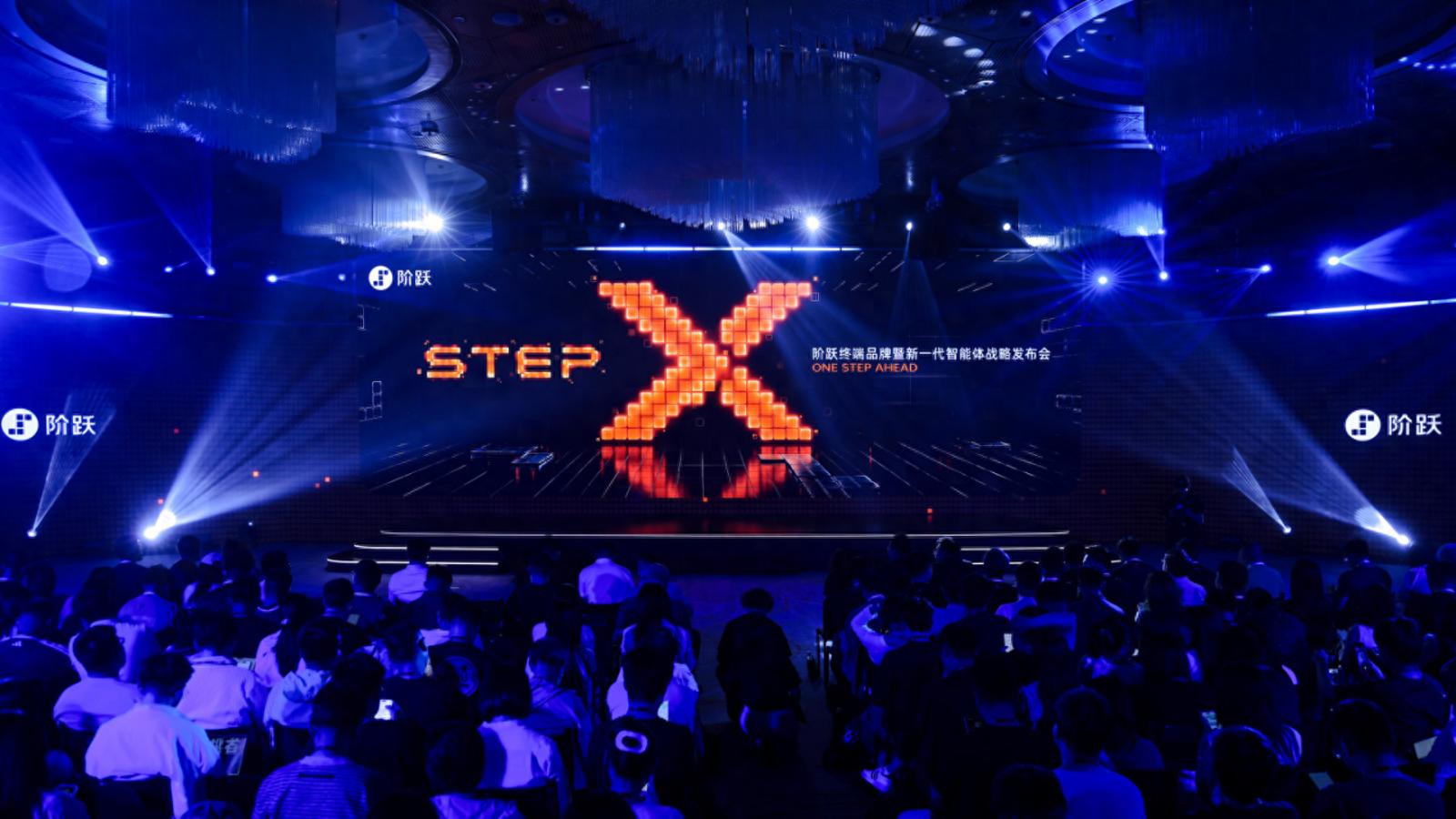
On the evening of July 13, Shanghai.
Yin Qi, Chairman of StepOn, took out a smartphone and whispered softly to the camera, 'Hi, Amoo, welcome to the world.'
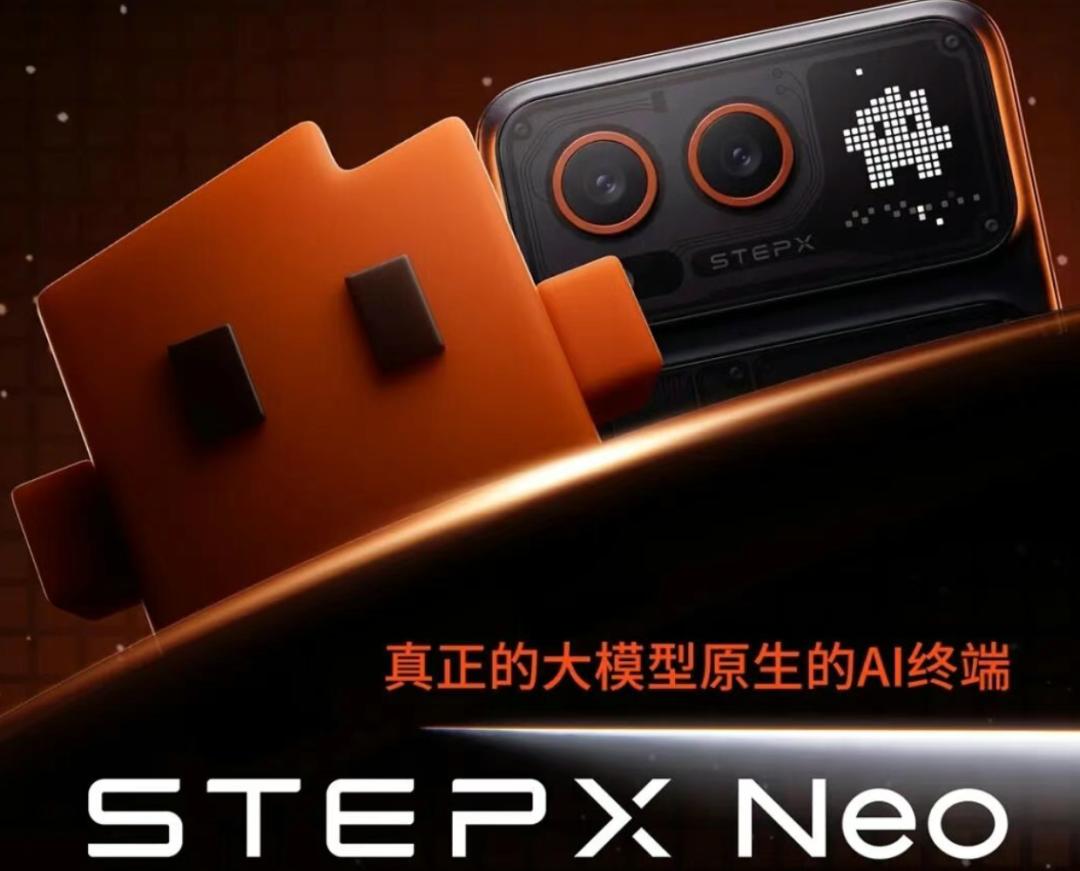
The screen lit up, revealing the world's first large model-native intelligent agent smartphone—STEPX Neo.
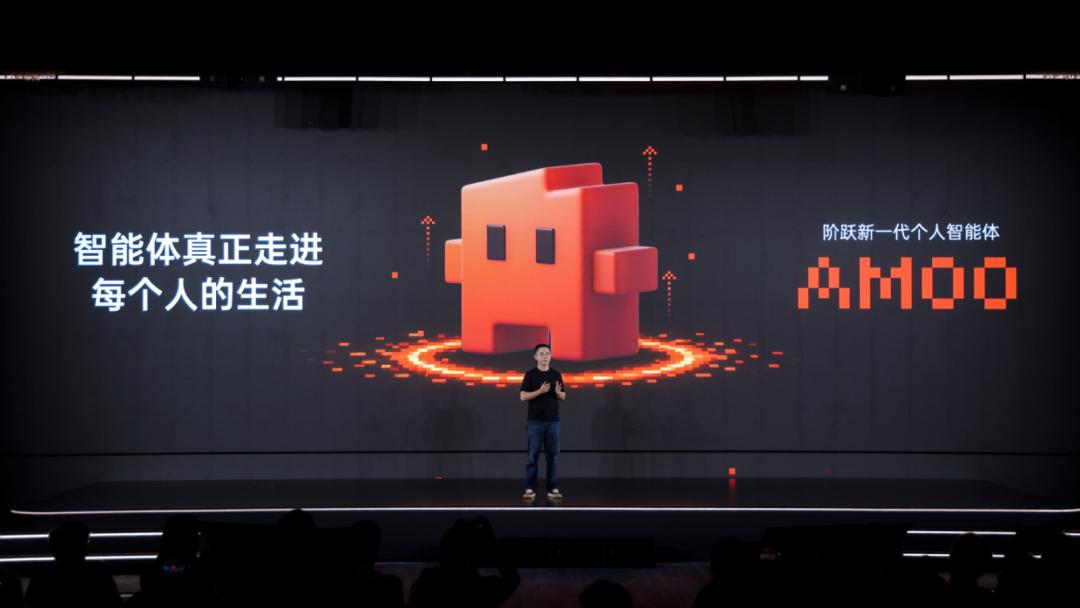
Also unveiled were the large model-native AI terminal brand STEPX, the intelligent agent-native operating system Step AOS, and the next-generation personal intelligent agent, StepOn Amoo.
Yin Qi said that AI has completed a three-step leap: from 'able to speak' to 'able to think' and now to 'able to act.'
However, before STEPX Neo, no smartphone on the market was truly designed for 'AI that can get things done.'
So, he decided to build one himself.
01
Who is Yin Qi?
A founding member of Tsinghua University's 'Yao Class' and co-founder of Megvii Technology, Yin Qi is one of the leaders of the 'AI Four Dragons' in the AI 1.0 era.
In 2024, he did something unexpected:
He invested 2.4 billion yuan to take control of the listed company Lifan Technology (later renamed Qianli Technology), making a cross-border move from AI software into automotive hardware. In February 2025, Lifan was renamed Qianli Technology, and Yin Qi proposed a comprehensive 'AI + Vehicle' strategy.
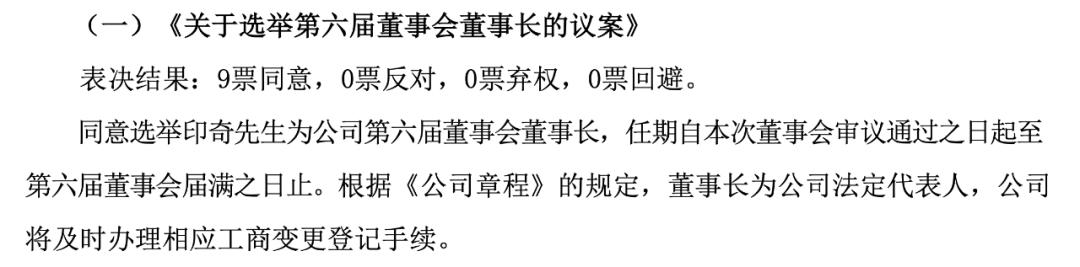
(Image source: Previous announcement by Lifan Technology)
In January 2026, he added another title: Chairman of StepOn.
That same month, StepOn announced the completion of a Series B+ financing round exceeding 5 billion yuan, setting a new record for single-round financing in China's large model sector.
Now, Yin Qi holds two chairman titles simultaneously: Chairman of Qianli Technology and Chairman of StepOn.
On one side is the foundational large model; on the other is the intelligent automotive terminal.
Yin Qi is playing a grand game of 'AI + Terminals.'
02
Why is StepOn building a smartphone?
Yin Qi's answer was straightforward: 'We consulted many friends in the terminal industry, and they all advised us not to venture into hardware. We really wanted to heed that advice, but we are deeply committed to bringing our intelligent agents to everyone.'
He did the math: StepOn originally operated in a B2B model, providing AI capabilities to smartphone and automotive infotainment system manufacturers. However, under the existing smartphone ecosystem, it was difficult to fully integrate models, operating systems, and intelligent agents into terminals.
Without building their own device, they couldn't form a closed-loop value system.
So, he decided to take the first step and build a complete ecosystem themselves. Once this ecosystem is proven, it can be opened up to other manufacturers.
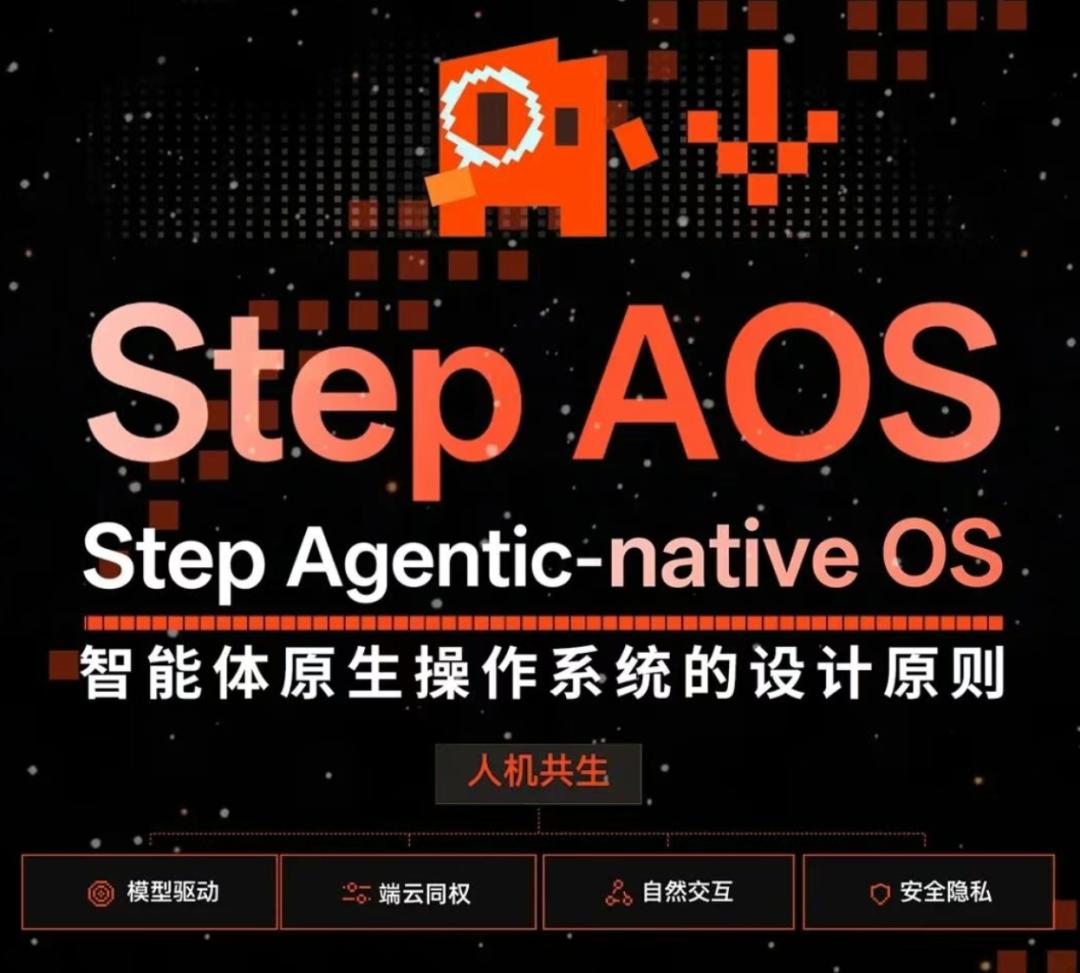
The core of this ecosystem is Step AOS.
(Image source: StepOn's official WeChat account)
An operating system built from scratch to create a runtime environment for intelligent agents. It is no longer designed around 'humans operating apps' but instead makes intelligent agents the center, reallocating hardware resources and system capabilities.
Users don't need to navigate menus layer by layer; they simply state their intent, and the intelligent agent autonomously understands, plans, and schedules across applications to complete tasks.
From 'humans operating tools' to 'human-machine symbiosis,' Yin Qi aims to redefine the fundamental logic of human-computer interaction.
03
What can STEPX Neo do?
A demo at the launch event showcased a scenario:
With a single voice command, the intelligent agent could automatically book flights, hotels, call a ride, and schedule an itinerary—all in one go.
Currently, STEPX has established deep AI collaborations with The first batch of ecological partners (first-batch ecosystem partners) such as Ctrip, Alipay, Didi, Meituan, WPS, and CapCut.
Yin Qi is well aware that this path won't be easy.
(Image source: StepOn's official WeChat account)
Previous attempts, like the 'Doubao Phone,' faced rejections when trying to integrate across apps. For STEPX Neo to persuade these super apps to open their interfaces, it will test ecological integration capabilities.
But Yin Qi believes the real barrier isn't hardware. 'In the future, such an operating system should be cross-device, not confined to a single smartphone or PC.'
He also revealed that the company has AI-enhanced the Android kernel and plans to rewrite open-source ecosystems like Linux and RTOS in the future.
04
Yin Qi's ambitions extend beyond smartphones.
Just one day after the STEPX launch event, on July 14, Qianli Technology announced that it would fully introduce Step AOS, StepOn Amoo, and the edge-side model Step Edge into the automotive sector to create large model-native automotive terminals.
Smartphones + automobiles—Yin Qi is making moves at both ends.

(Image source: Qianli Technology's official WeChat account)
The logic behind this strategy is clear:
StepOn provides the large model 'brain,' Qianli Technology provides the automotive terminal 'body,' and STEPX provides the smartphone terminal 'extensions,' forming a complete closed loop from models to operating systems to hardware.
Chinese large model companies need to explore industrialization paths suited to their own markets. 'There is no standard answer today; someone must take the first step,' Yin Qi said.
Conclusion
From Megvii to Qianli, and from Qianli to StepOn, Yin Qi has been on the AI journey for 15 years.
During these 15 years, he has experienced the glory of being one of the 'AI Four Dragons' and the darkest moment when Megvii's IPO failed.
Now, he simultaneously leads an A-share listed company and a large model unicorn, attempting to bridge the last mile from technology to commercialization with the combined force of 'AI + Terminals.'
STEPX Neo was just a 'debut'; parameters, pricing, and release dates were not announced.
Yin Qi said this wasn't a smartphone launch but an operating system launch.
(Image source: StepOn's official website)
But the capital market has already voted with its feet. According to market sources, StepOn has completed a nearly US$2.5 billion Pre-IPO financing round, valued at over 80 billion yuan, and is accelerating toward a Hong Kong Stock Exchange IPO.
Yin Qi said, 'No model company can survive long-term without an application that can sustain it.'
STEPX Neo is the 'self-sustaining application' he has found for StepOn.
Yin Qi is 38 this year—the perfect age for an AI entrepreneur.
He still has time to finish this game.
-
The Moment to Evaluate Montage Technology Has Arrived
-
![]()
StepOn Has Solved the Monetization Challenge of Large Models with Just a Smartphone
-
![]()
Is a Camera the New AI Safety Guardian? Hikvision Introduces Active Vision Operation Monitoring Gun-Ball Camera at WAIC 2026
-
The Second Half of AI: Cost-Effectiveness Takes Center Stage
-
![]()
Location, Concentration, and Trajectory Tracking: Hikvision’s TDLAS Gas Cloud Imaging Telemetry System Debuts at WAIC 2026
-
The 'AI Study Tour' Under the Original Equipment Manufacturer Model is Set to Create a New Wave of Internet-Famous Science and Innovation Cities
-
![]()
Now, There's a 'Basis' to Curb 'Price Wars': Future Reports of Automakers Setting Low Prices Will Be Probed Under New Rules
-
![]()
WAIC 2026: Farewell to Parameter Races, Full-Chain AI Commercialization