Doubao Mobile Phone: ByteDance + ZTE = Huawei + Dongfeng Xiaokang?
 12/08 2025
 751
751
01
Don't Underestimate Doubao—Wait, Actually, I Mean Large Language Models
Let's set Doubao aside for a moment and shift our focus to OpenAI.
Recently, OpenAI's leader, Altman, has been feeling the heat. The once-popular Sora2 now boasts a retention rate of a mere 1%, and ChatGPT's paid subscribers are starting to migrate towards Google's Gemini.
Xingkongjun once forecasted that OpenAI's future would likely unfold along one of two paths: bankruptcy or acquisition.
The rationale is straightforward: as industry giants gradually grasp the fundamentals of AI, OpenAI's technological edge has significantly diminished, and in numerous domains, it has even begun to lag behind.
The recently unveiled DeepSeek3.2 has further exacerbated this trend, showcasing performance scores on par with ChatGPT5.
It's worth noting that DeepSeek is open-source. However, DeepSeek stands out among large model companies by not relying on large models for its profitability.
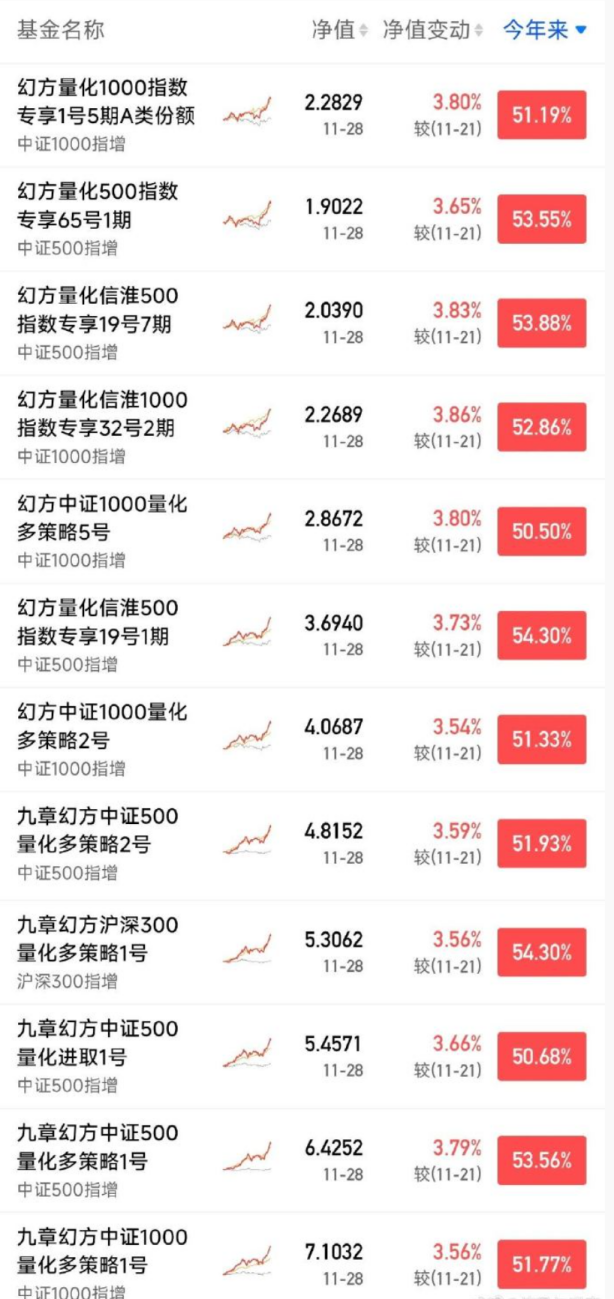
Years ago, Xingkongjun also predicted that quant would outperform humans. Many were skeptical at the time, but now, look at Liang Wenfeng's capabilities.
Humans, brace yourselves!
Excluding outliers like DeepSeek, domestically, Xingkongjun believes Alibaba can be likened to Google. Qianwen can comprehensively rival Gemini in all aspects, and similarly, all Qianwen series are open-source, yet still rank in the Top 5. Recently, Alibaba's Zimage team has gained immense popularity.
Alibaba's market valuation now reflects more than just an e-commerce entity; it has transformed into an AI-centric enterprise.
As an AI enthusiast, Xingkongjun has long been keeping a close eye on a company: ByteDance.
ByteDance is also a company fully committed to AI.
Xingkongjun believes that ByteDance will eventually launch a 'generative media' platform, leveraging AI to automatically generate content tailored to users' profiles without the need for human authors.
The potential of Doubao has been overlooked by many.
Unlike DeepSeek, Kimi, and Qianwen, which follow an open-source route, ByteDance opts for a closed-source approach.
However, closed-source is merely a facade. Xingkongjun has encountered works by ByteDance's team in numerous open-source plugins (Xiaohongshu is following a similar path and is poised to secure a prominent position in the AI field).
After being rigorously tested by open-source enthusiasts, ByteDance integrates relevant technologies into its closed-source models.
This is why Doubao's models, while not necessarily top-tier in performance scores, are highly practical and user-friendly.
Globally, the premier large model for intelligent agents and programming is Anthropic's Claude. However, this company imposes its values, refuses to serve Chinese users, and has even pushed out Chinese employees.
Xingkongjun reiterates: The world is materialistic. Companies that prioritize values over practicality will ultimately fail.
Domestically, ByteDance was the earliest to venture into AI applications.
In the programming realm, ByteDance launched Trae, which, in addition to Doubao, can leverage large models from various vendors for AI programming.
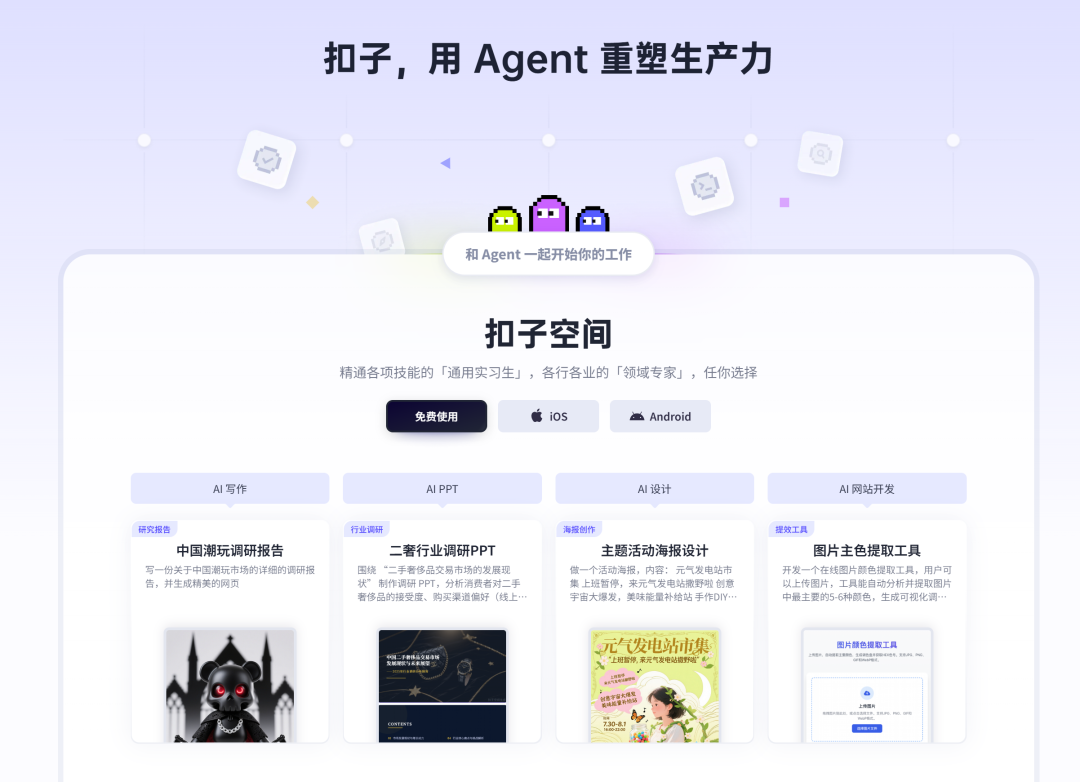
In the intelligent agent domain, ByteDance's Coze platform is essentially the most widely used domestic platform for intelligent agents, and it has even open-sourced Coze (though the open-source version is currently challenging to utilize).
Clearly, unlike OpenAI, which is preoccupied with misleading investors, ByteDance is actively seeking viable paths to monetize AI.
Thus, the Doubao mobile phone assistant was born.
02
Doubao Mobile Phone Assistant
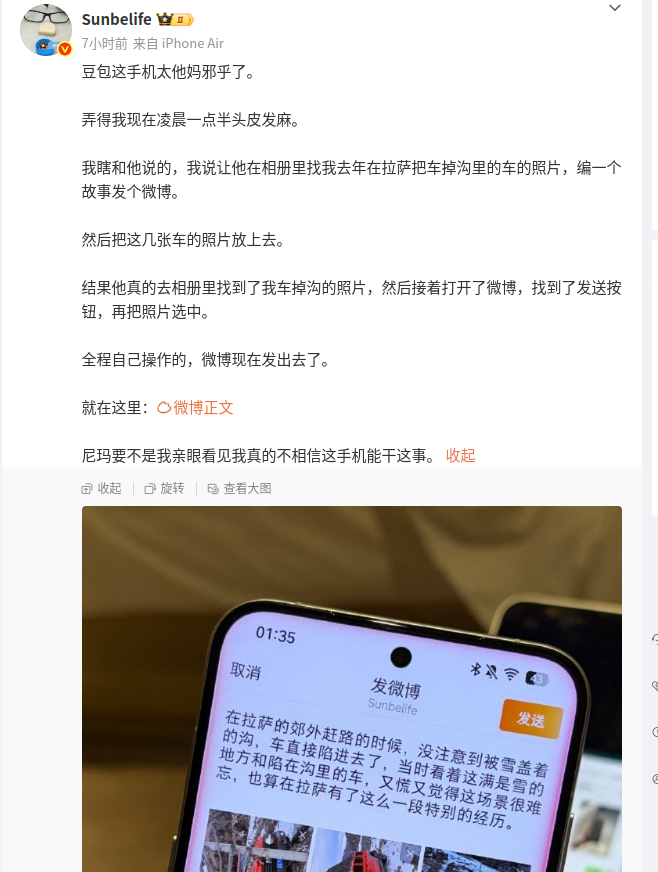
In fact, the underlying logic of the Doubao mobile phone assistant is not overly complex.
Those familiar with RPA will grasp the concept; those unfamiliar with RPA have likely used game cheats or button-pressing scripts.
The fundamental principle remains the same.
However, AI has significantly streamlined these operations.

Several renowned domestic RPA vendors, such as Yingdao and Yisaiqi, are fully embracing AI. AI+RPA is set to revolutionize numerous traditional software applications.
However, many software applications have developed countermeasures against RPA technology, such as complex verification mechanisms and SMS login requirements.
RPA and software are engaged in a perpetual struggle.
When Doubao takes control of a mobile phone, it encounters similar challenges as RPA.
AI that surpasses the operating system makes apps like WeChat and Taobao feel vulnerable.
Weibo, on the other hand, remains relatively calm: Weibo has long since opened up its API.
Over a decade ago, Xingkongjun even connected a tiger-patterned aloe plant to Weibo, using sensors to post tweets.
This has led to two distinct software response strategies: one, like Weibo, is indifferent and may actively embrace new technologies, potentially attracting new traffic; the other, where user data is the company's core competitiveness, like WeChat, Taobao, and various financial-grade apps.
What does the future hold?
Xingkongjun believes that after several years of tug-of-war, a compromise will likely be reached.
A significant number of apps will open up MCP.
MCP serves as a communication protocol between large models (essentially still prompts) and functions as an API for large models. Xingkongjun believes that open apps like Weibo will swiftly open up MCP.
WeChat and Taobao, however, may face a prolonged struggle.
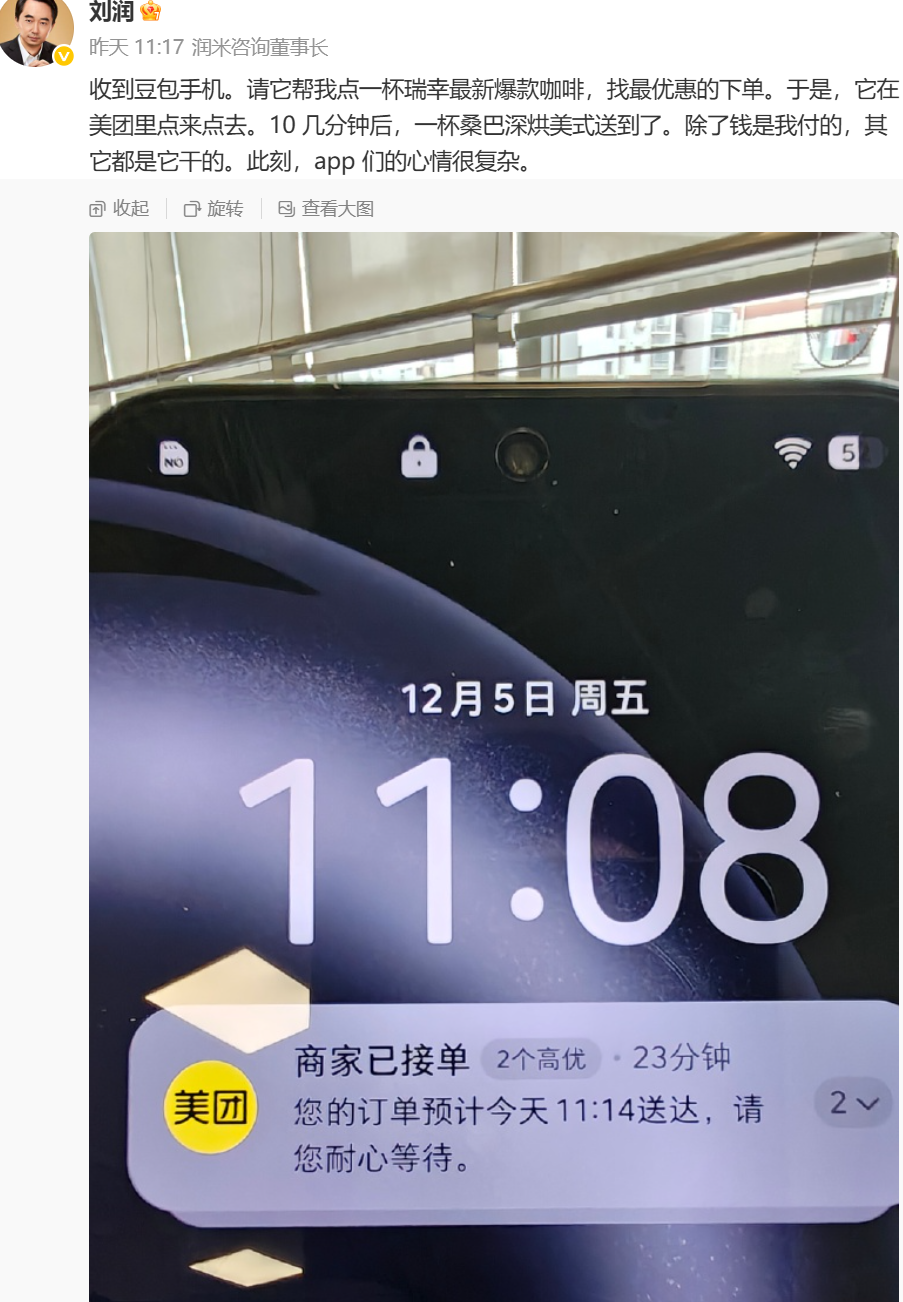
However, AI is an unstoppable trend of the times, and ultimately, some permissions will be granted, such as the ability to post WeChat official account articles or make WeChat payments through MCP (purely speculative; any resemblance to reality is coincidental).
In this process, Huawei, with its proprietary operating system (HarmonyOS), may unexpectedly achieve remarkable success.
03
How Much Is Workflow Worth?
Regarding the future of AI large models, there are two prevailing viewpoints.
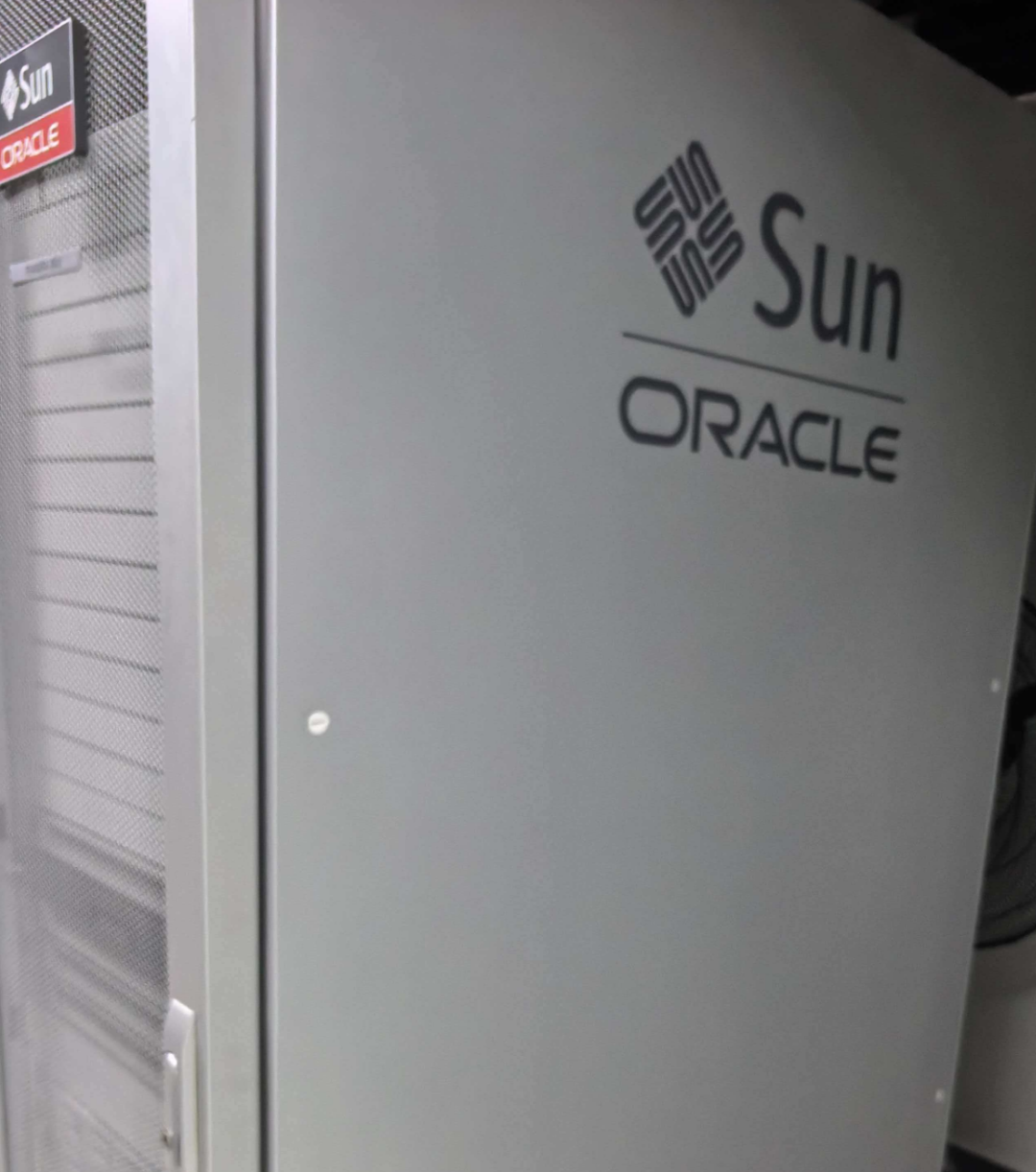
One is that large models are intelligent agents, which reminds Xingkongjun of SUN's epitaph: The network is the computer.
The other is that large models have inherent limitations, and workflow is the future.
At least for now, the latter viewpoint seems valid. Or perhaps, before a truly omnipotent large model emerges, workflow will enjoy a prolonged period of development.
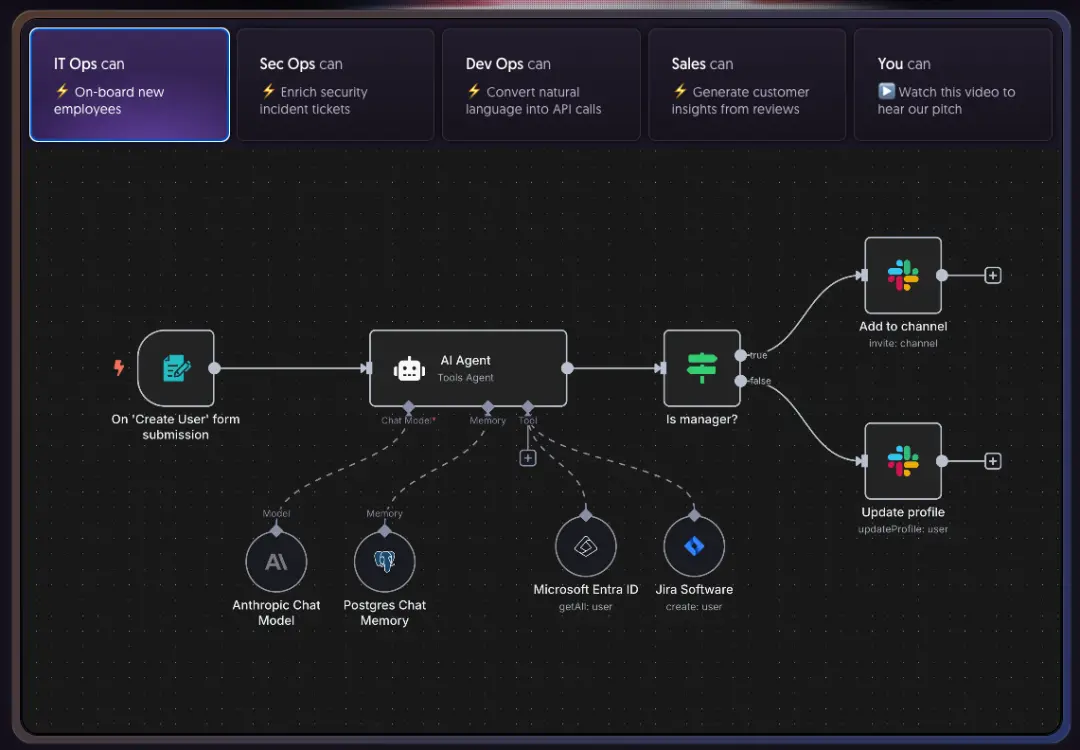
A rough foreign workflow tool, n8n, has raised hundreds of millions of dollars and is valued at over $2.5 billion.
While it pales in comparison to AI companies worth trillions, those familiar with workflow understand its technical significance.
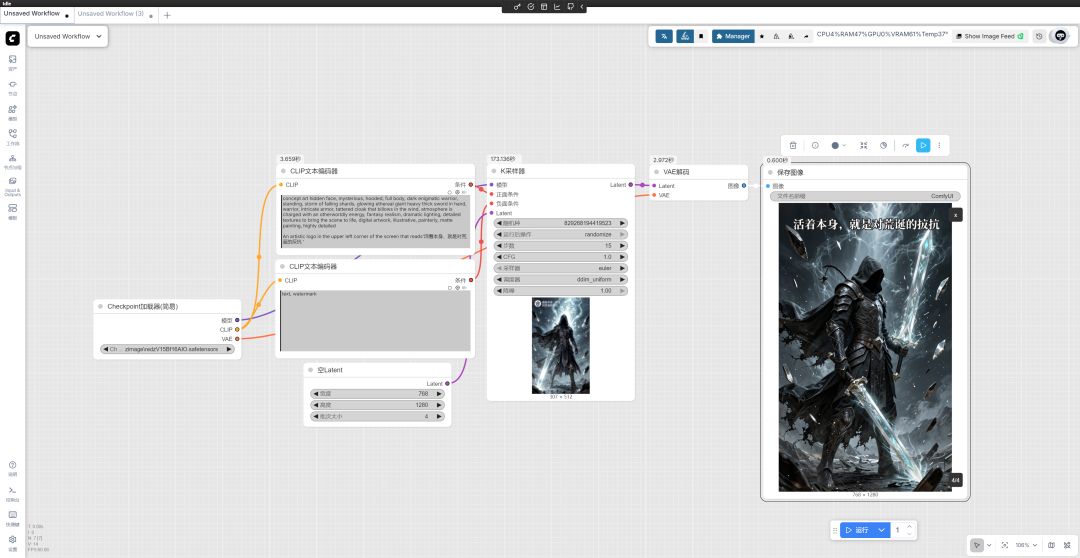
A renowned workflow tool for AI painting, ComfyUI, has raised tens of millions of dollars. Xingkongjun uses this tool daily.
Xingkongjun believes that domestic tools like Yisaiqi and Yingdao are not far behind, but they lack refinement in niche areas.
Why did ByteDance open-source Coze?
It's to gain a foothold in the workflow domain. Only by attracting more users can it derive value.
Of course, ByteDance is not the sole player in the domestic workflow arena. Tencent's Yuanqi is also performing well, Dify boasts a complete ecosystem, and Zhipu is thriving in the B2B sector.
Xingkongjun even believes that Yuanqi is more user-friendly than Coze, but Coze has a stronger reputation, with a plethora of ready-made workflows that can be utilized out of the box or with minor modifications.
Especially after MCP becomes standard, AI will thoroughly transform the entire software industry and its surrounding ecosystem.
-
![]()
A Week with QianWen Office: The Highs and Lows
-
![]()
It's Time to Invest in China's Auto Industry
-
![]()
An AI Position with an Annual Salary of 1.7 Million Yuan Suddenly Becomes Highly Sought-After
-
![]()
Chevrolet and Skoda Exit China Before Mazda and Peugeot-Citroen
-
![]()
Zuckerberg's Concerns About Superintelligence: Who Holds the Power When the Technology Arrives?
-
![]()
Auto Scene Competition in Full Swing
-
![]()
Just Hit with a $1.4 Trillion Lawsuit, Meta Open-Sources Its 30B "Pocket Rocket" Overnight: Zuckerberg Calls Out DeepSeek, Qwen, Kimi
-
![]()
Samsung Z Fold 8 Ultra Review: A $2,100 Foldable Flagship—What Justifies the Price?