The Rise and Fall of Meizu Mobile Phones: The Brand That Once Inspired Xiaomi
 02/28 2026
 618
618
Author | Wuzi
Meizu, a brand that once stood toe-to-toe with Xiaomi, is now struggling not only to uphold its "small yet beautiful" ethos but also to sustain its mobile phone business. On February 25, 2026, Jiemian News, citing multiple insiders, reported that Meizu's mobile phone operations have largely ceased, with an official delisting slated for March of the same year. Currently, the main Feishu group chat for Xingji Meizu still boasts over 1,000 members, but many employees have resigned, with a select few transferring to Zeekr, an automotive brand within the Geely ecosystem. Looking ahead, Meizu's Flyme Auto in-car system will operate independently, while the "Meizu" brand may continue to exist within the Geely ecosystem.
Although Meizu has not publicly commented on these rumors, given the consistently sluggish market performance of its mobile phones, the news of Meizu abandoning its mobile phone business is not entirely unfounded.
As one of China's pioneering smartphone makers, Meizu once crafted several benchmark products and amassed a vast following of "Meizu fans." However, after achieving prominence in China's mobile phone industry, Meizu failed to solidify its core strengths and instead embarked on a path of reckless expansion and repeated misjudgments of industry trends, ultimately leading to its downfall.
01
Meizu Pivots to "Design Leadership" After Being Overtaken by Xiaomi
Although the current dominant players in China's smartphone market are "Huawei, Xiaomi, OPPO, Vivo, and Honor," these major brands actually entered the smartphone arena later than Meizu.
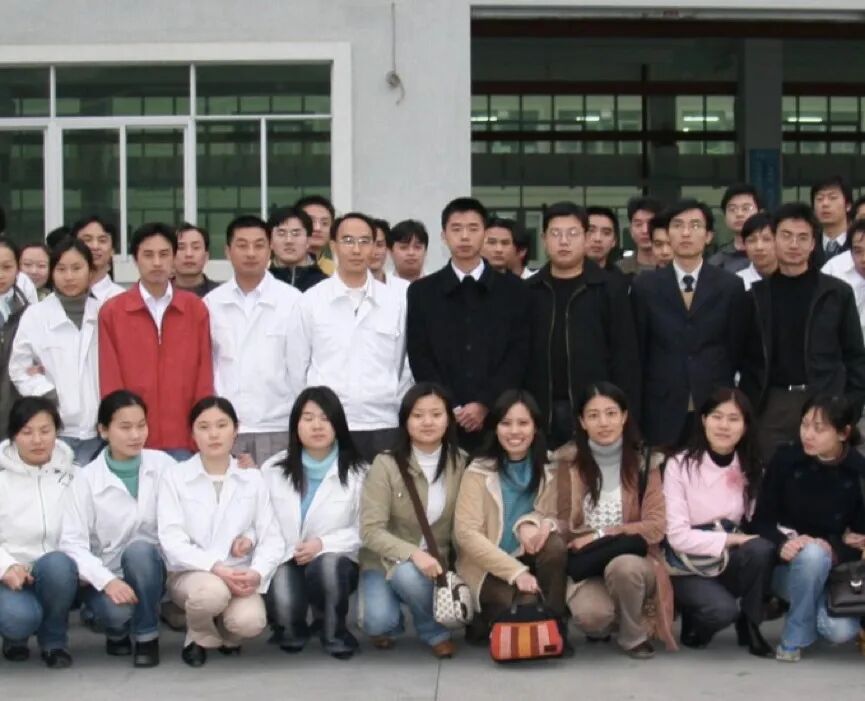
Meizu in 2006, with Huang Zhang (second row, fifth from left)
Almost concurrently with Apple founder Steve Jobs leveraging the iPod's foundation to create the iPhone, Meizu founder Huang Zhang, on the other side of the Pacific, keenly sensed the impending opportunity in the smartphone era through the evolution of MP3 products, with Sharp capturing his attention.
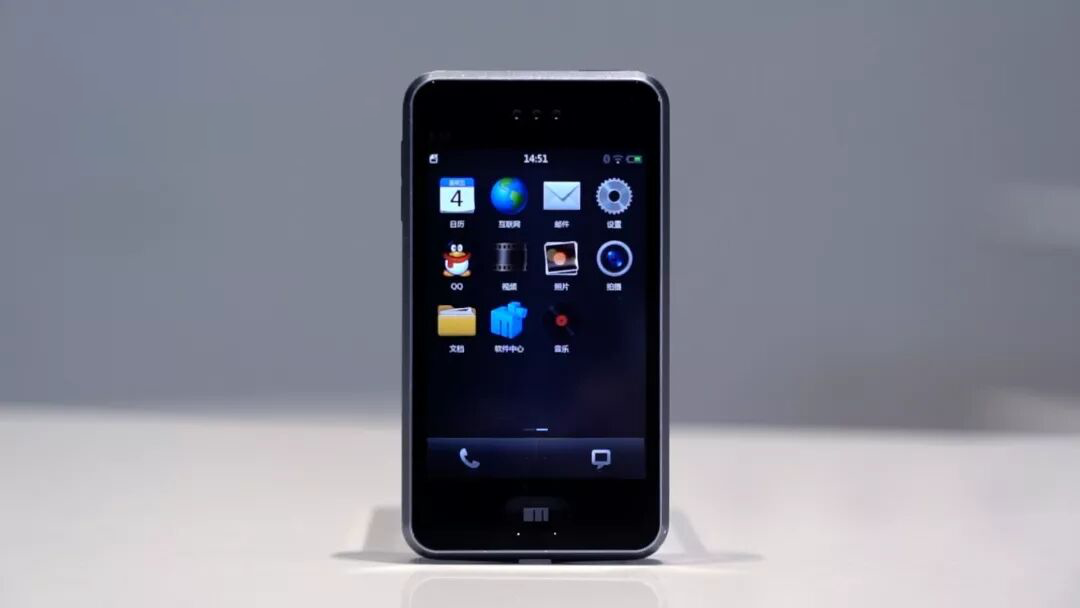
Meizu M8
In March 2006, Huang Zhang unveiled the development plan for the Meizu M8 smartphone on the official Meizu forum. After three years of meticulous refinement, the Meizu M8 was launched in February 2009, featuring a 3.4-inch multi-touch screen and running on the Mymoblie operating system based on the Windows CE 6.0 kernel. It offered internet browsing and multimedia capabilities, with a starting price of 2,380 yuan.
At that time, China's mobile phone industry was still entrenched in the feature phone era, with many phones suffering from severe homogenization and lacking internet functionality. Due to its highly differentiated advantages, the Meizu M8 was immediately sought after by consumers upon launch, with Meizu stores even witnessing scenes of thousands lining up to purchase. Official data reveals that the Meizu M8 sold 100,000 units within two months of launch and generated over 500 million yuan in sales within five months.
Meizu's overnight success not only propelled China's mobile phone industry into the smartphone era but also garnered significant attention from industry insiders.
In December 2007, Lei Jun stepped down as CEO of Kingsoft Software and ventured into the angel investment industry, increasingly sensing that the mobile internet would be the next major trend. Around 2009, Lei Jun crossed paths with Huang Zhang. Subsequently, Lei Jun frequently lauded Meizu phones in public and often traveled to Zhuhai to meet with Huang Zhang.
A former Meizu employee disclosed that Lei Jun had a penchant for Coke Zero. Back then, when Lei Jun visited the Meizu office to meet with Huang Zhang, Guo Wanxi, a Meizu executive, would often go out to purchase it for them.
According to *Boiling the Next Decade*, Lei Jun aspired to become Meizu's chairman as an investor. To enhance the likelihood of cooperation, Lei Jun introduced Lin Bin, then Vice President of Google China Engineering Research Institute, to Huang Zhang, hoping that the latter would grant Lin Bin a 5% stake in Meizu. However, Huang Zhang, who had risen from the grassroots, placed great importance on equity and did not agree to this proposal.
According to *Tencent DeepNet*, Huang Zhang at the time hoped that Lei Jun would serve as Meizu's CEO but was equally unwilling to cede equity. Lei Jun found this unacceptable.
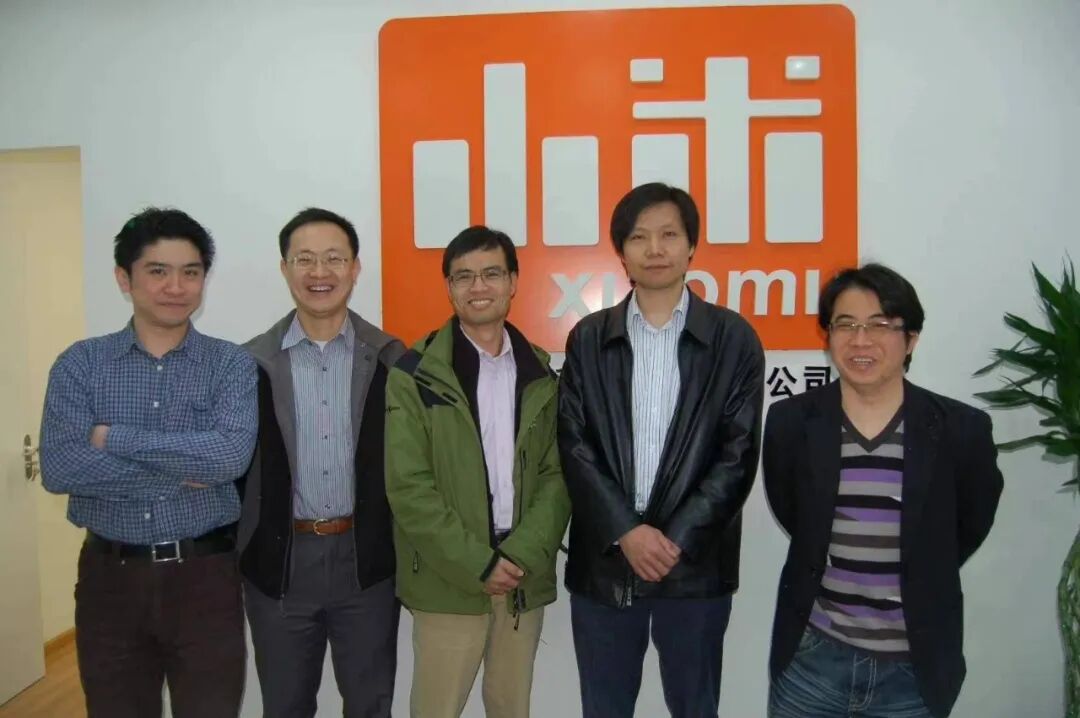
Xiaomi's office reception in April 2010, with Lin Bin (second from left) and Lei Jun (fourth from left)
With no other options, Lei Jun re-entered the business world and co-founded Xiaomi Corporation in April 2010 with Lin Bin, Li Wanqiang, and Huang Jiangji, focusing on an internet-based mobile phone business and directly competing with Meizu.
In August 2011, reflecting on his previous unreserved exchanges with Lei Jun, Huang Zhang expressed regret, saying, "I'm not afraid of him, just disgusted. He used his relationship with High-Tech Zone leaders as an angel investor to approach me and extract Meizu's business secrets. From overall philosophy to how and why to make phones, development processes to supplier selection, production and sales, company status and plans to introductions and contacts with core personnel, and financial statements. Under his repeated sincerity and the leaders' well-intentioned urging, I was completely trapped."
Although Xiaomi entered the smartphone industry about five years later than Meizu, Lei Jun had absorbed the essence of Meizu's phones and possessed stronger product definition and business execution capabilities. By actively recruiting external talent and securing financing, Xiaomi quickly surpassed Meizu in market influence.
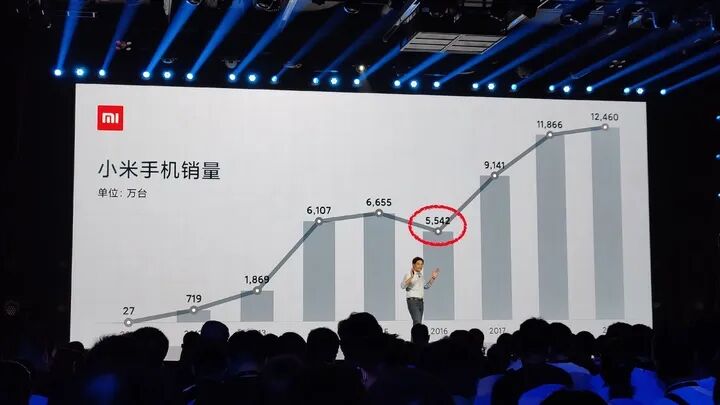
Source: Xiaomi
Official data shows that in 2012, Xiaomi shipped 7.19 million smartphones, while Meizu shipped approximately 1 million. In 2013, Xiaomi's shipments surged to 18.69 million, while Meizu's reached around 2 million.
Seeing Xiaomi's rapid ascent, Huang Zhang abandoned his conservative approach, actively sought external financing, and embarked on a path of expansion. In February 2015, Meizu secured a $590 million investment from Alibaba, providing sufficient funds to expand its market influence.
At the time, among internet-based mobile phone brands, Xiaomi and Honor had built deep competitive moats through "high cost-effectiveness" and "technology decentralization," respectively. Meizu, however, took a different path, focusing on "design leadership."
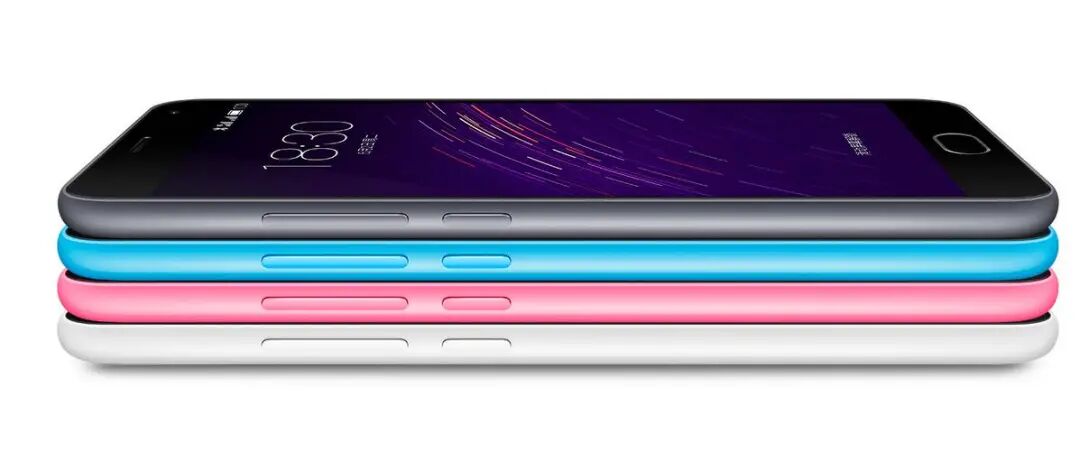
Meizu Blue Note 2
For example, in June 2015, Meizu released the Meizu Blue Note 2, featuring a 5.5-inch 1080P display, a MediaTek MT6753 processor clocked at 1.3GHz, 2GB of RAM, a unibody polycarbonate back cover, and an innovative mBack home button. It started at just 799 yuan.
Although the Meizu Blue Note 2's performance lagged behind the Redmi Note 2, thanks to MediaTek's strong support, the former not only had a stable supply but also saved costs to optimize its appearance, giving it a design advantage and making it a hit.
According to Li Nan, former CMO and Senior Vice President of Meizu Technology and President of Meizu Blue, without any inventory pressure, the Meizu Blue Note 2 quickly reached 7 million units in sales. "Meizu Blue leveraged this product to reorganize its supply chain and channels, laying the foundation for years to come."
Clearly, the success of the Meizu Blue Note 2 demonstrated that consumers do not solely prioritize performance when choosing smartphones. Phones with exquisite design can also attract specific consumers as long as their performance and smoothness meet standards.
Adhering to the philosophy of "design leadership" and riding the wave of the smartphone market boom, Meizu's shipments soared.
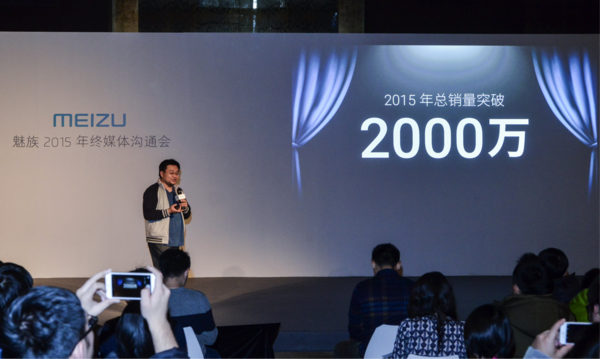
Source: Meizu
At the 2015 annual media briefing in December, Li Nan revealed that Meizu's total smartphone sales exceeded 20 million units in 2015, a 350% year-over-year increase. In 2016, sales reached 22 million units, up 10% year-over-year, achieving annual profitability.
Looking back a decade later, the success path of Meizu Blue also provided inspiration for later players. Under external pressure, Huawei's flagship phones, despite not having a performance advantage, managed to emerge from sanctions and regain a foothold in China's high-end smartphone market through exquisite industrial design and systematic integration capabilities, competing head-on with Apple.
02
System and Chip Decision Missteps Lead to Meizu's Decline
Many believe that the failure of the Meizu PRO 7, launched in July 2017, marked the turning point of Meizu's decline from prosperity. At the time, full-screen phones had become an industry trend, but the Meizu PRO 7 adopted a flashy "secondary display" design that failed to win consumer favor, resulting in severe inventory backlog.
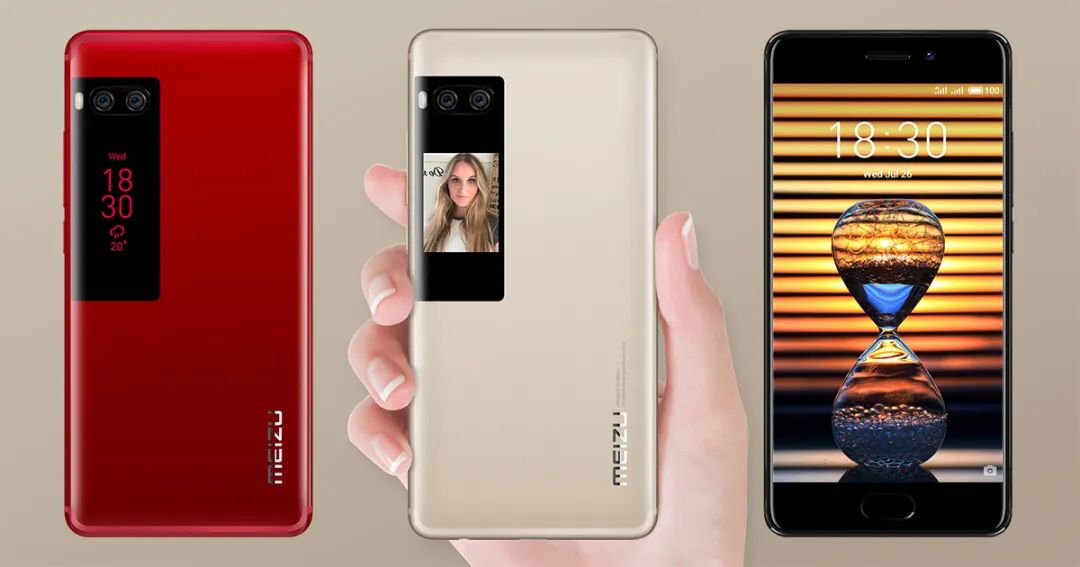
Meizu PRO 7
Farsight believes that while the Meizu PRO 7's product definition was indeed problematic, it was not the key factor that dragged Meizu down. What truly pushed Meizu into the abyss were consecutive decision missteps in system evolution and supply chain layout.
First, let's examine the system aspect.
In February 2015, PingWest reported, citing insiders, that Alibaba's investment in Meizu had two objectives: first, Meizu's smartphone shipments needed to reach 20 million units in 2015; second, Meizu should abandon its Android-based Flyme OS and adopt a Flyme OS built on Alibaba's YunOS.
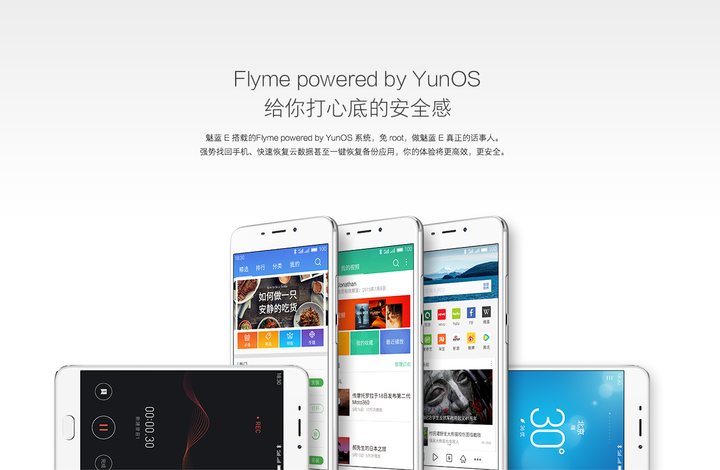
Source: Meizu
In short, Alibaba saw Meizu smartphones as a major strategic entry point into the mobile internet and hoped to leverage mass shipments of Meizu phones to expand the influence of the YunOS system, as well as businesses like Taobao, Tmall, and Alipay.
In this process, although Meizu surrendered its "soul," it secured guaranteed revenue. Li Nan revealed that, driven by scale effects, the hardware gross margin of Meizu Blue phones averaged 15% annually, with costs around 18%, resulting in a three-point loss. However, after taking over backend operations of Flyme, Alibaba could provide Meizu with a six-point annual revenue boost. Overall, Meizu netted three points.
However, as smartphone shipments climbed, Meizu was no longer satisfied with just making hardware and extended its reach into software, aspiring to become a so-called "mobile internet company." After 2016, Meizu's smartphone operating system began "de-YunOS" and returned to Android.
Cutting ties with YunOS not only caused Meizu to lose fixed revenue from Alibaba but also amounted to voluntarily discarding a trump card that could lock in profits. More importantly, it strategically severed deep integration and long-term support from the world's most powerful internet group.
After "de-YunOS," Meizu phones no longer held entry-point value, leading Alibaba to subsequently treat Meizu more as a financial investment rather than a deeply bound ecological partner. Naturally, when Meizu found itself in distress, it struggled to receive timely assistance from Alibaba.
Now, let's look at the supply chain aspect.
Because Meizu had long used relatively underpowered MediaTek processors, many believed this was the key reason for its gradual decline in competition with Xiaomi.
In reality, as mentioned earlier, Meizu never followed Xiaomi's "high cost-effectiveness" route but instead focused on "design leadership." MediaTek provided Meizu with an opportunity to overtake competitors.
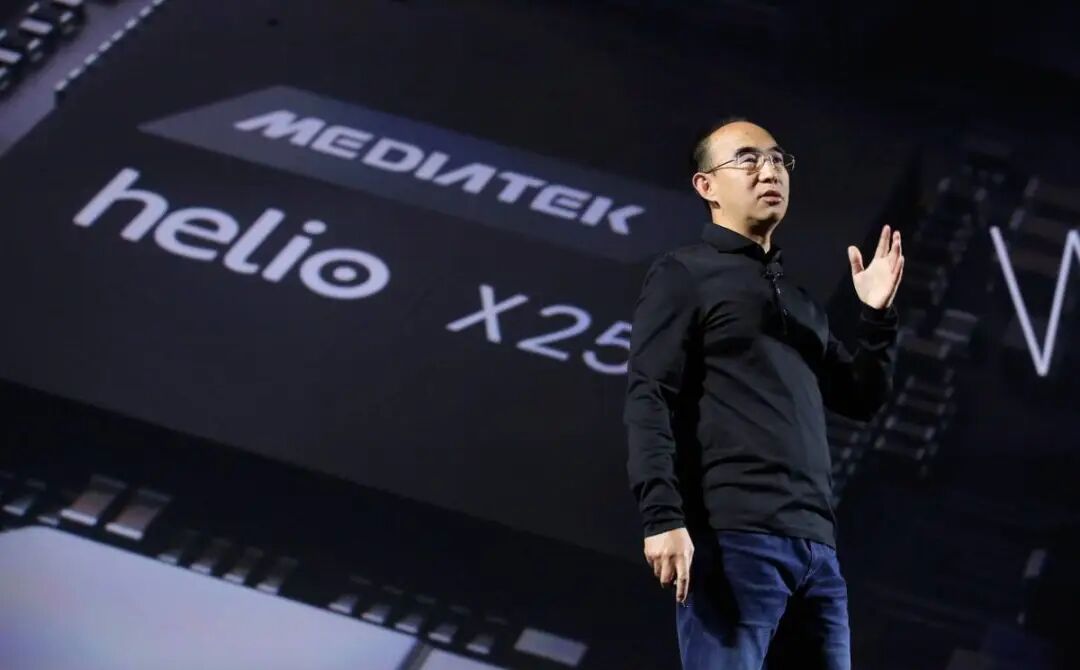
Source: Meizu
Li Nan revealed that during their deep cooperation, MediaTek fully supported Meizu, "providing us with VVIP platform support, priority technical assistance, priority supply guarantees, and the best prices to allow us cost space for enhanced design."
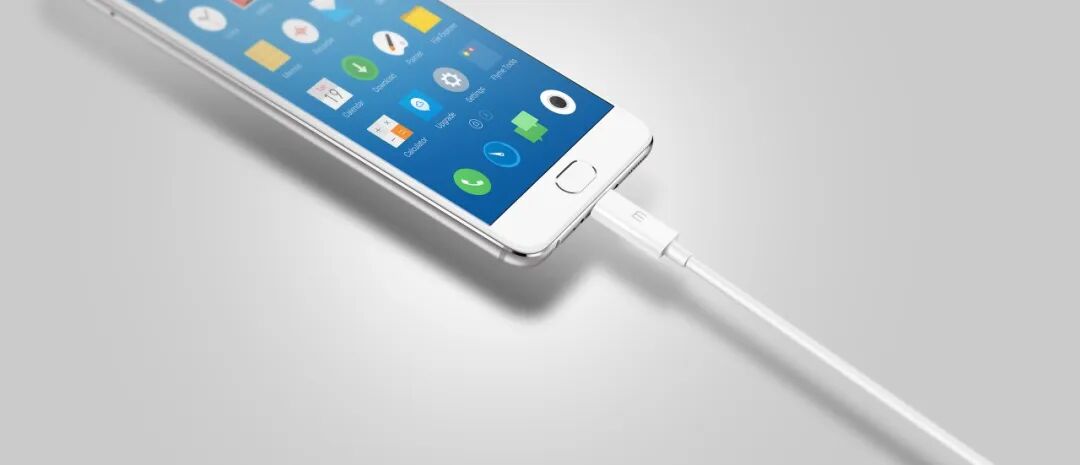
Meizu PRO 6
A typical case is the Meizu PRO 6, launched in April 2016, which featured a MediaTek Helio X25 processor and scored about 26% lower on AnTuTu than the Xiaomi 5, which used a Qualcomm Snapdragon 820. However, compared to the Xiaomi 5, which advocated "no design is the best design," the Meizu PRO 6 had a more refined appearance, featuring 2.5D curved glass, narrower bezels, and a more visually harmonious and operationally convenient mBack home button.
Due to its differentiated advantages in appearance and experience, the Meizu PRO 6 performed on par with competitors. Official Meizu data shows that the PRO 6 outsold 90% of domestic Qualcomm Snapdragon 820 models in the same price range, becoming Meizu's highest-shipping premium product ever.
Regrettably, Meizu did not continue to firmly choose MediaTek and instead compromised under legal pressure from Qualcomm. In June 2016, Qualcomm accused Meizu of infringing on its 3G and 4G patents and filed a lawsuit against Meizu in the Beijing Intellectual Property Court, seeking 520 million yuan in damages.

In retrospect, Meizu might have fared better if it had stood its ground when sued by Qualcomm a decade ago.
The reason is that Qualcomm's legal proceedings in China would have taken years to conclude. Had Meizu waited until May 2019, when the U.S. imposed sanctions on Chinese tech companies, it might have, like Huawei, become a protected entity.

Image Source: vivo
Moreover, after 2021, MediaTek's processor performance saw a significant boost. Had Meizu firmly committed to MediaTek, it could have not only maintained its cost advantage but also, similar to vivo's X-series flagships, built deep competitive advantages through collaborative tuning with Dimensity processors.
Unfortunately, history does not offer second chances. After losing its edge in system-level profitability and chip-level cost advantages, Meizu phones collapsed. IDC data reveals that in 2018, Meizu sold only 4.05 million phones, a 79% year-on-year decline, capturing just 1% of the market share. In subsequent years, its market share remained in the single digits.
03
Trapped in a 'Death Spiral,' Geely Fails to Revive Meizu
Although Meizu had become a 'supporting actor' in the smartphone industry, it still held strategic value in the era of the Internet of Everything.
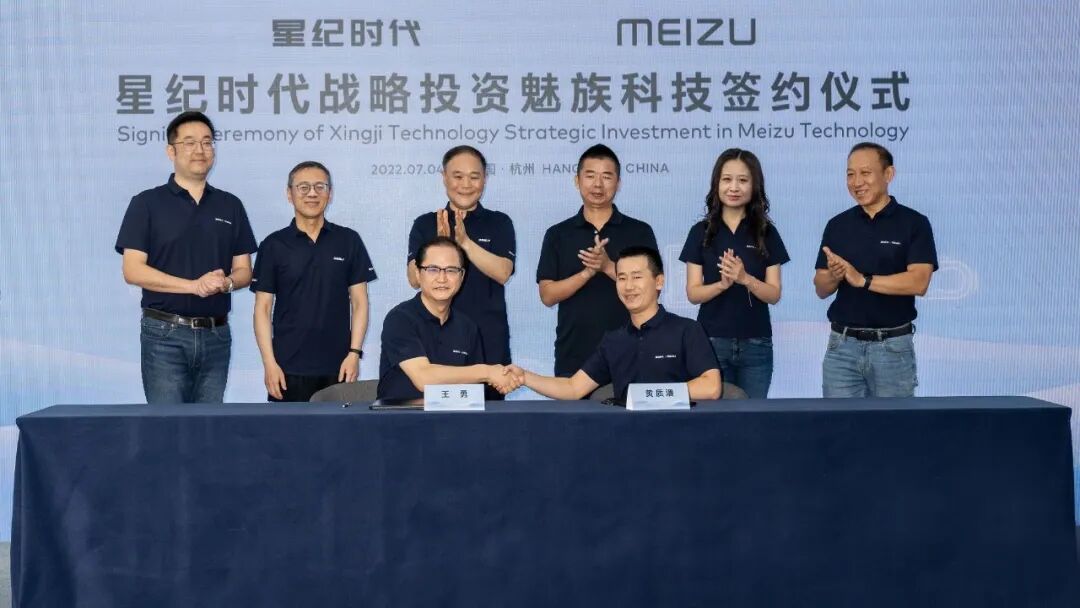
Image Source: Meizu
In July 2022, Geely announced that its subsidiary, Xingji Era, would acquire a 79.09% controlling stake in Meizu Technology, gaining sole control. Following the transaction, Meizu's CEO changed from Huang Zhipan to Shen Ziyu.
Commenting on the deal, Li Shufu, founder of Geely Automobile and chairman of Geely Holding Group, stated, "The future of smart cars and smartphones will no longer be separate but integrated, offering multi-terminal, full-scenario, and immersive experiences for shared users. By entering the phone business, we can deeply integrate the consumer electronics and automotive industries, cross-sectorally build a user ecosystem, and achieve super-synergy."
Clearly, Geely aimed to control the smartphone gateway through the acquisition of Meizu, enhancing the competitiveness of its smart car products through ecological linkage.
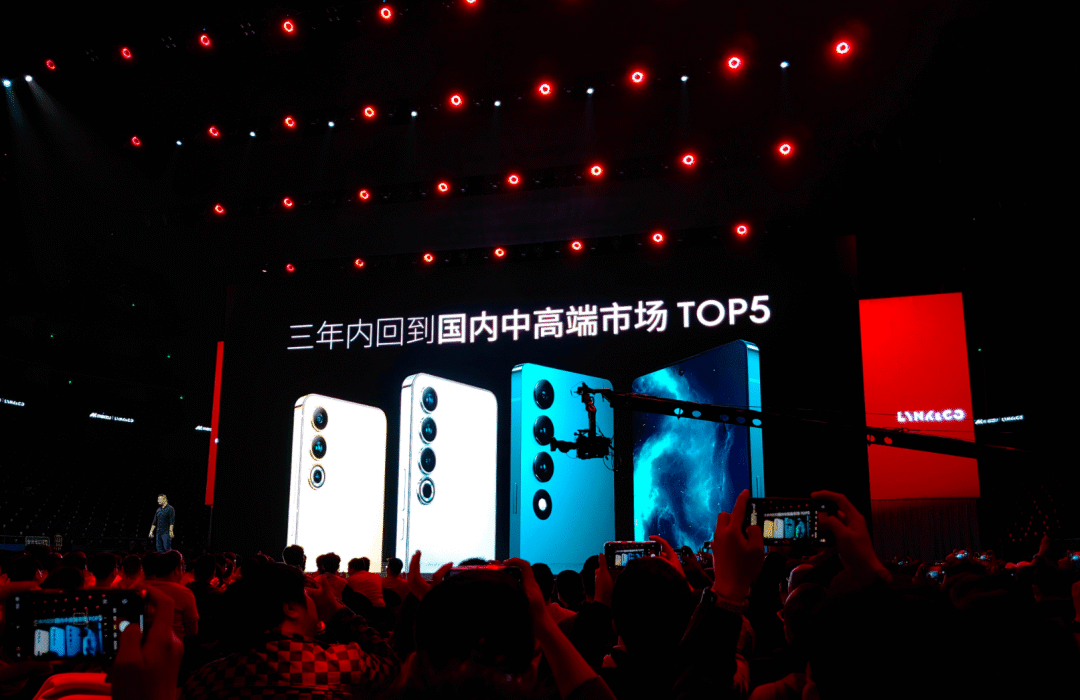
Image Source: Meizu
With Geely's financial support, Meizu was optimistic about its future. In March 2023, during the launch of the Meizu 20, then-CEO Shen Ziyu confidently declared, "Meizu will return to the top 5 in China's mid-to-high-end market within three years."
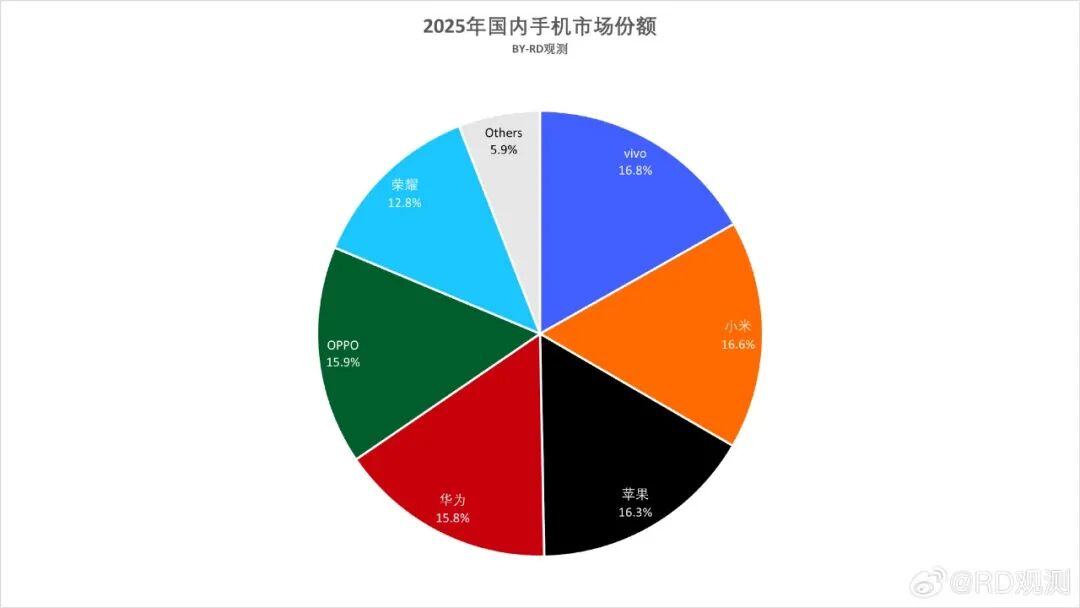
Image Source: RD Observation
Regrettably, three years have passed, and Meizu has failed to fulfill its promise. Data disclosed by tech blogger 'RD Observation' shows that in China's 2025 smartphone market, the top six brands are vivo, Xiaomi, Apple, Huawei, OPPO, and Honor, with Meizu falling under 'Others,' sharing 5.9% of the market share with other minor brands.
Farsight believes that after merging with Geely, Meizu's market influence remained stagnant, ultimately leading to its delisting, largely due to strategic misalignment. During an industry downturn, a brand that should have aligned with Geely's automotive ecosystem instead attempted to compete independently as an industry leader.
After 2018, Meizu's phone shipments plummeted, partly due to management missteps but also due to broader industry challenges. IDC data shows that after peaking at 467 million units in 2016, China's smartphone shipments declined steadily, reaching only 285 million units in 2025.
During this period, except for Honor, which briefly faltered after independence before quickly rebounding, no other smartphone brand emerged amid the dominance of major players.
The reason lies in the fact that as the smartphone market entered a mature phase, major players with scale effects gained stronger cost advantages, easily repelling attacks from minor brands.
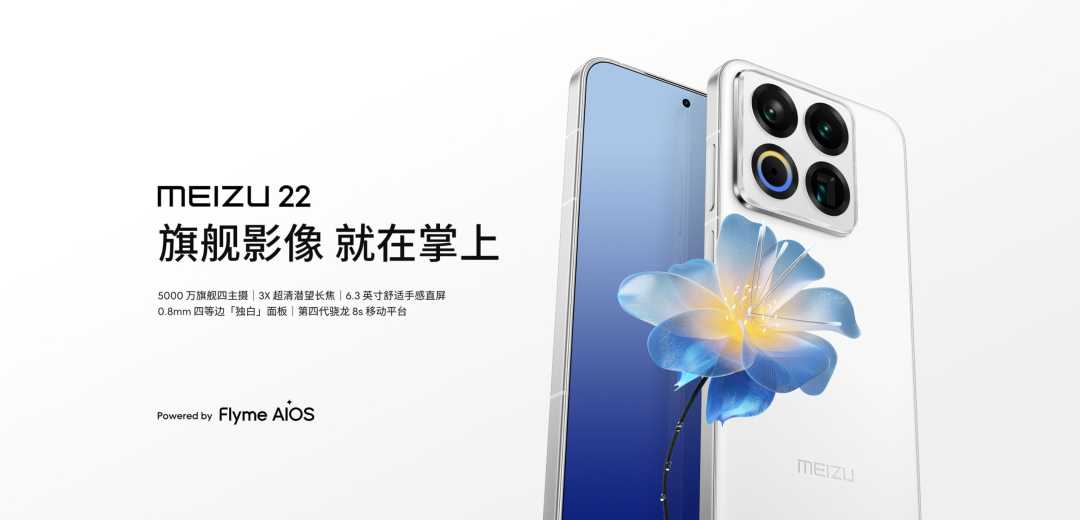
Meizu 22
For instance, in September 2025, Meizu launched its long-delayed flagship, the Meizu 22, equipped with only the mid-range fourth-gen Snapdragon 8s. By contrast, flagships like the Xiaomi 17, Honor Magic8, and OnePlus 15 featured Qualcomm's latest flagship processor, the fifth-gen Snapdragon 8 Supreme.
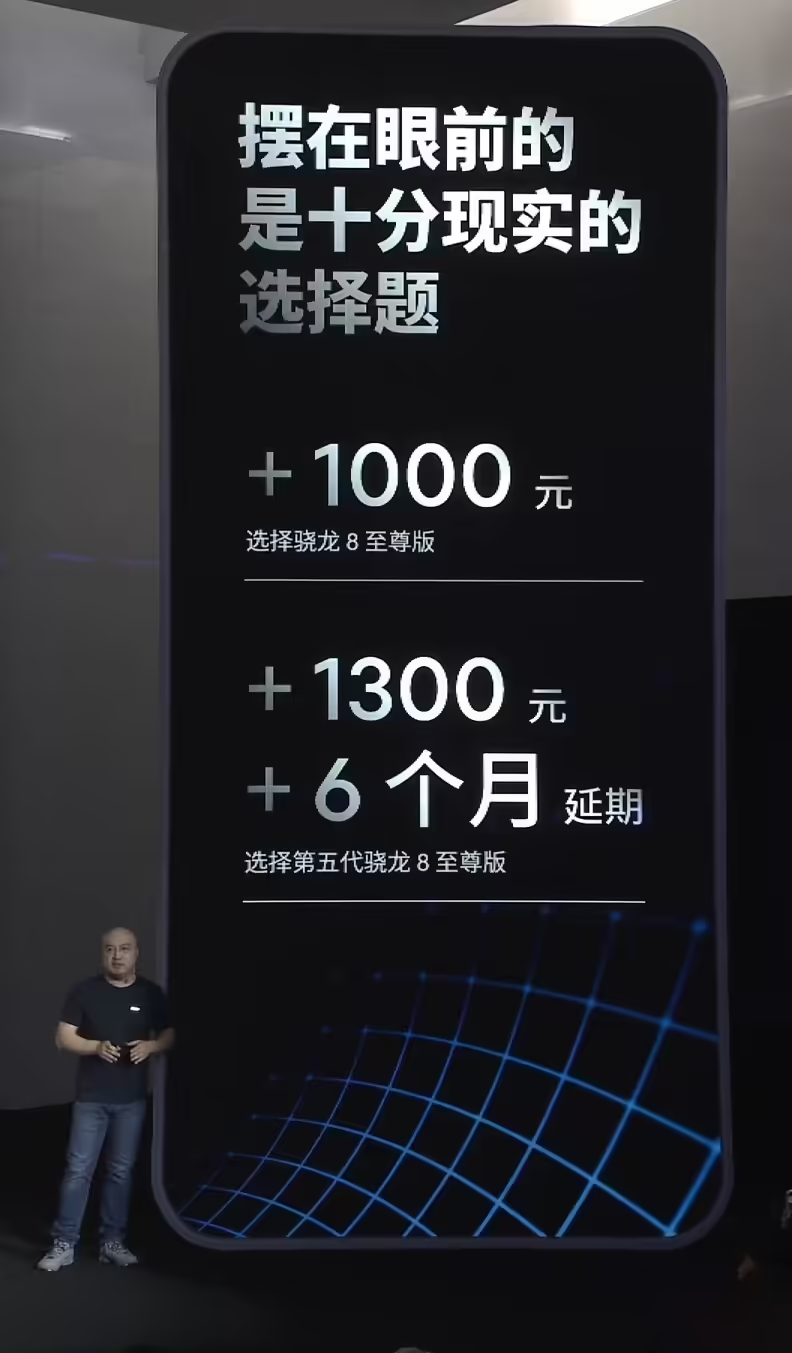
Image Source: Meizu
At the launch event, Meizu's China CMO, Wan Zhiqiang, stated that opting for the Snapdragon 8 Supreme would raise the Meizu 22's price by 1,000 yuan, while choosing the fifth-gen Snapdragon 8 Supreme would add 1,300 yuan and delay the release by six months.
The Meizu 22 reveals that Meizu phones are largely trapped in a 'death spiral'—limited market influence means weak supply chain leverage, making it hard to create differentiated products; lackluster products, in turn, fail to convince consumers, further eroding market presence.
Meizu's struggles worsened when memory prices surged in mid-2025, delivering a fatal blow.
In early February 2026, TrendForce reported that memory costs now account for 30%-40% of a smartphone's total bill of materials (BOM), up from 10%-15% previously. In Q1 2026, contract prices for 8GB+256GB models rose nearly 200% year-on-year.
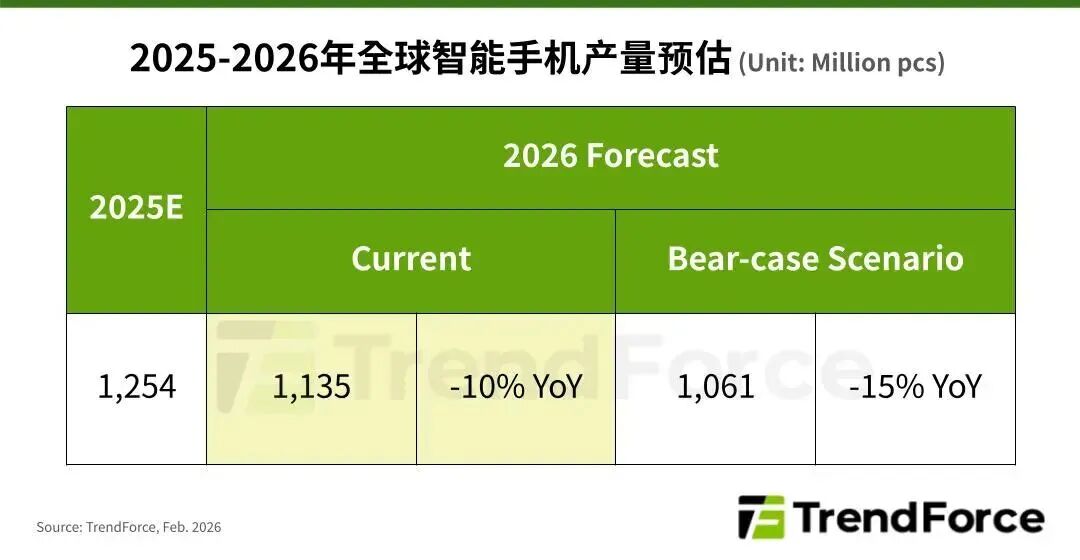
Image Source: TrendForce
Affected by memory price hikes, global smartphone shipments are expected to fall 10%-15% year-on-year in 2026. In response, Xiaomi, OPPO, vivo, and other smartphone makers have lowered their shipment forecasts.
Due to its smaller scale, Meizu faces far greater memory price pressures than leading smartphone makers, prompting a more conservative retreat.
At the Meizu Fan New Year Event in early January 2026, Meizu announced that soaring memory prices had severely disrupted its business plans, adding, "Regrettably, the Meizu 22 Air's launch has been canceled."
Rumors of Meizu abandoning its phone business now abound, signaling not only sustained pressure on Meizu phones but also revealing that, under cost and competitive pressures, Geely has lost patience with Meizu's phone division and is carefully weighing its long-term investment value.
From launching its first smartphone, the Meizu M8, in 2006 to now teetering on the brink of exiting the phone business, Meizu has traversed two decades in the smartphone industry.
In its first decade, whether through groundbreaking models like the M8 and M9 or its 'design-first' product philosophy, Meizu stood at the forefront of the era, using aesthetics and experience as breakthroughs to continually inject innovation into the industry, creating differentiated user value through wave after wave of product innovation.
However, around 2016, a series of strategic missteps in system development and chip selection rapidly diluted Meizu's once-celebrated differentiation advantages, ultimately sinking it amid homogeneous competition.
In summary, Meizu's two-decade journey reflects not just a brand's rise and fall but also a microcosm of China's smartphone industry transitioning from wild growth to oligopolistic competition. Its story warns the entire tech sector that while aesthetics and innovation can open markets, strategic resolve and critical resource decisions determine the final outcome.
In today's era of accelerated technological iteration, highly concentrated supply chains, and intense competition, a single strategic misstep can reduce a once-pioneering brand to a footnote of the times. Only by balancing product ideals with commercial rationality and maintaining clarity in trend judgment and resource allocation can companies truly stand firm after the tide recedes.
Meizu's decline is a sigh for idealism and a survival manual for tech enterprises to decipher.
-
![]()
Proposed to Raise 955 Million Yuan through Private Placement! Huicheng Vacuum Boosts Localization of Ultra-Precision Optical Coating Equipment
-
![]()
Cash Flow Soars 13-Fold! What Major Strategic Move is Wuhan Five Square Optoelectronics Planning?
-
![]()
Leaked Design of vivo X500: Reverts to Circular Camera Module in Top-Left Corner, Pays Homage to Classic X90 Aesthetic
-
![]()
DeepSeek Shows Signs of Foraying into Code Agents, Launches WeChat Official Account Focused on Harness
-
![]()
Auto Companies Deny Claims That ‘Cooperation with Huawei Is Non-Essential’, as Huawei Transforms into a ‘Public Platform’
-
![]()
Starship to Independently 'Return to the Launch Tower': SpaceX's Ambitions Extend Beyond Rocket Building to Dominating Space Transportation
-
![]()
Starship Set to Independently 'Return to the Launch Tower': SpaceX is Revolutionizing Space Transportation, Not Just Building Rockets
-
![]()
Anthropic and OpenAI Face Off Against Deepseek