Mercedes-Benz China’s Lightning Leadership Overhaul: Local Talent Steers Pivotal Electric Transformation
 02/28 2026
 663
663
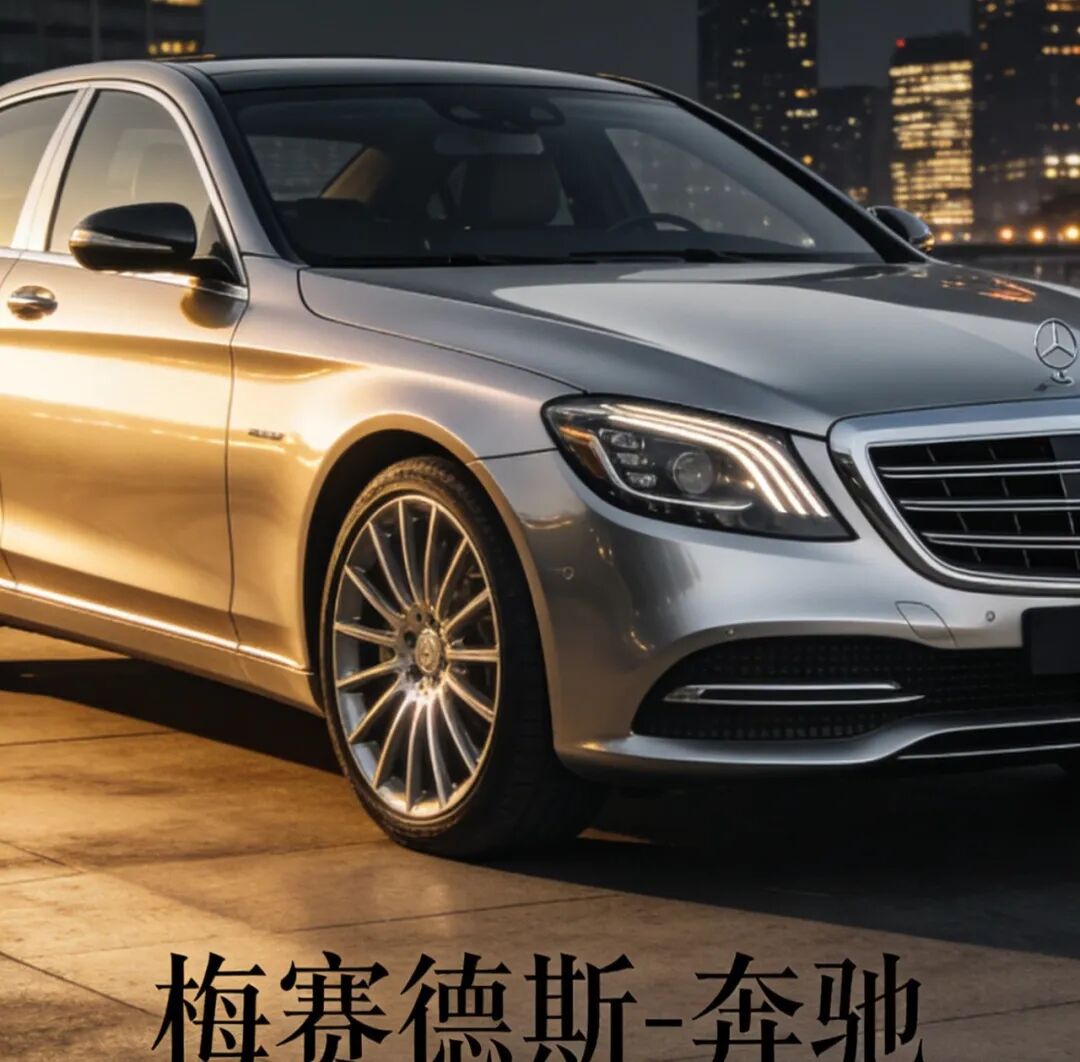
Facing a 19% sales downturn in China and a 40% squeeze on global profits in 2025, Mercedes-Benz has adopted a dual strategy of “internal promotion + cross-sectoral talent infusion,” banking on local expertise to navigate its electrification challenges. This marks a high-stakes battle for the luxury automaker to adapt to China’s rapidly evolving market and signals a strategic inflection point for foreign brands’ localization efforts.
Author / Chen Jia
Produced by / Insight Auto
On February 14, Mercedes-Benz China underwent a sweeping leadership shakeup: Duan Jianjun, who led sales for 13 years, stepped down for personal reasons; Li Desi, executive vice president of sales, ascended to president and CEO; Zhang Mingxia, former global CMO of smart, returned as executive vice president of sales; and Kang Yi transitioned to lead smart marketing operations.
This end-to-end overhaul—spanning sales, marketing, and finance—is far from a routine leadership transition. Amid a 19% sales decline in China and a 40% global profit squeeze in 2025, Mercedes-Benz is deploying a dual strategy of “internal promotion + cross-sectoral talent infusion,” betting on local expertise to crack its electrification dilemma. This marks a high-stakes battle for the luxury automaker to adapt to China’s market upheaval and signals a strategic inflection point for foreign brands’ localization efforts.
Duan Jianjun: The End of an Era for a 13-Year Luxury Veteran
Duan Jianjun’s 13-year tenure at Mercedes-Benz China saw him evolve from a “pioneer” to a “custodian,” witnessing both the golden age and twilight of traditional luxury brands.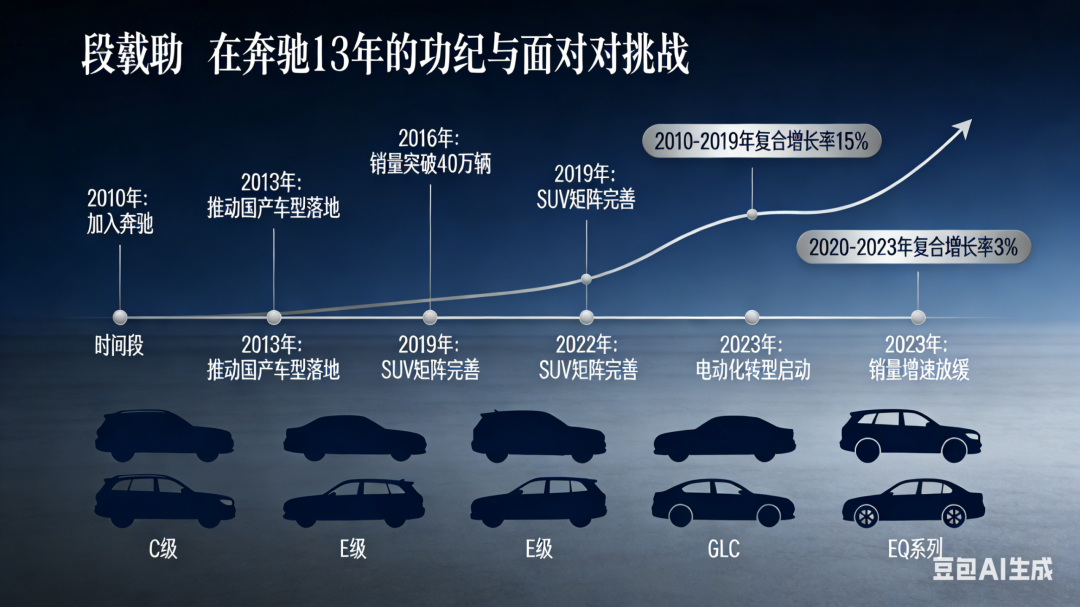
Joining Mercedes-Benz in 2013, he was tasked with cracking the Chinese market; by 2023, as CEO, he faced cutthroat competition amid the new energy vehicle (NEV) wave.
This industry veteran left three enduring legacies: propelling Beijing Mercedes-Benz to exceed 6 million units in combined vehicle and engine production capacity while launching 14 localized models; dominating the 400,000+ and 1 million+ premium segments with a 15% annual growth rate for Maybach; and pioneering culture-driven marketing IPs, fostering deep dealer partnerships, and safeguarding profit margins amid price wars.
Yet, the tides of change proved relentless. By 2025, China’s luxury vehicle market had fractured: Tesla led sales with 627,000 units, while Chinese brands like AITO and XPeng surged over 40%; Mercedes-Benz’s 575,000 units not only trailed BMW and Audi but also suffered a nearly 20% decline.
Duan’s steadfast approach failed to resolve core contradictions: electrification transformation faltered, with the EQ series struggling against Chinese brands’ native BEV platforms; intelligence upgrades lagged, with urban navigation systems launching only in 2025, while AITO’s ADS 2.0 already covered 400 cities.
His departure signals the end of “luxury playbooks from the fuel-car era,” leaving a stark question: How can traditional luxury brands sustain their premium appeal in the electric-smart era?
Local Team Strikes Back: Accelerating Transformation with China Speed
Mercedes-Benz’s personnel strategy reflects a clear rationale: counter market urgency with local talent’s agility and break through transformation rigidity with cross-sectoral innovation.
Li Desi’s promotion ensures stability. With deep roots in Mercedes-Benz’s sales system, he understands Chinese dealers’ pain points and evolving user demands, minimizing transition turbulence to safeguard services for 6 million owners—crucial amid a surge in dealer closures.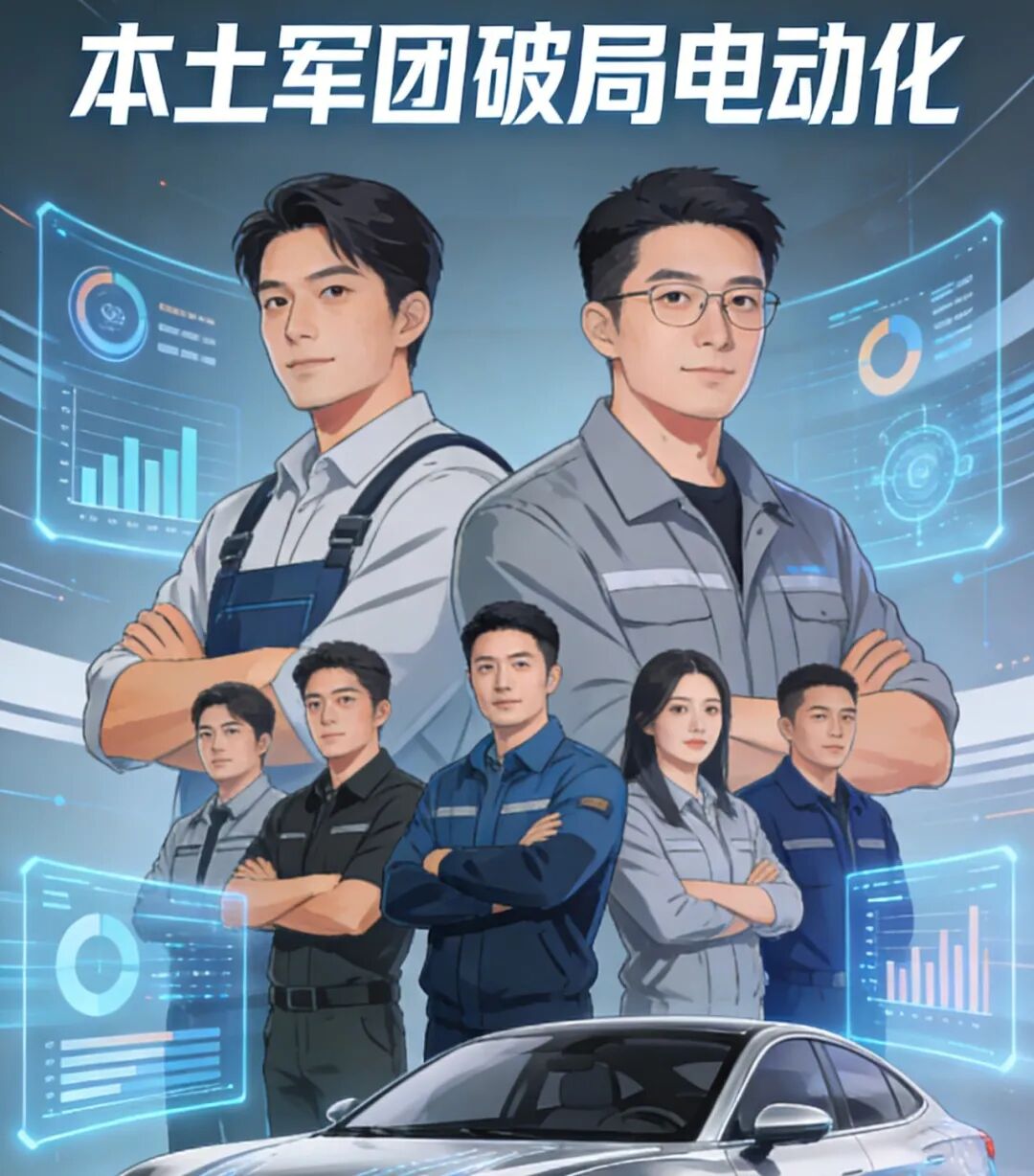
Zhang Mingxia and Kang Yi’s cross-sectoral moves target Mercedes-Benz’s core weaknesses.
During her four-year tenure at smart, Zhang built a digital customer operations system, slashing inquiry response times by 40% and gaining expertise in “global product + local customization” electrification strategies. Her return aims to inject digital, user-centric thinking into Mercedes’ main brand, aligning with the “2026 goal of intelligence parity across all models.” Kang’s automotive finance expertise strengthens smart’s service gaps, enhancing financial engagement with young users.
This adjustment reflects Mercedes’ strategic pivot from “global command over China” to “China feeding global innovation.”
Tong Oufu, head of Greater China, signaled this shift: 7 of the 40 global new models in the next three years will be China-exclusive, with 15 launches planned for 2026, accelerating localized tech collaborations with Momenta and Doubao AI.
The local team’s takeover essentially shortens decision chains and boosts market responsiveness. As Chinese brands erect technical barriers with 800V architectures and urban NOA, and luxury discount rates exceed 29%, Mercedes must leverage “insider” decision-making efficiency to compete in China’s “split-second” market.
The rules of engagement in China’s luxury vehicle market have been rewritten: success now hinges on local insights, not brand heritage; on ecosystem humility, not technological arrogance.
The true test for Li Desi’s team lies in blending Duan’s “legacy foundations” with Zhang’s “innovation DNA,” defending premium market share while rapidly addressing electrification and intelligence gaps.
This leadership reshuffle is Mercedes-Benz’s high-stakes battle—and a survival test for all foreign luxury brands. In China, only those who master local insights will win the future.
END
-
![]()
AI Predicting the World Cup? It’s Time to Stop Insulting AI
-
![]()
iPhone 18 Pro Memory Costs Soar Threefold! Apple Seeks Trump Administration Approval for CXMT Memory Chips
-
![]()
AI Tutoring: A Crack in the Intense Competition of East Asia
-
![]()
Weekly Stock Review | Li Bin Sounds Alarm on 'Toughest' Year, Casting a Shadow Over Lei Jun's Noodle Moment
-
![]()
Car Manufacturing Paused, Yet Dreame’s Automotive Dream Marches On
-
![]()
Can the Brand-New Hongqi H7 Forge Its Own Identity in the Hybrid Vehicle Market?
-
![]()
Challenges in Redeeming Certificates for New Cars: Mercedes-Benz Dealership Group Grapples with Operational Hurdles Once Again
-
![]()
Porsche Returns to Volkswagen, Ending the 'Electric Ferrari' Story