Preparing for the 6G Era: US Completely Shuts Down 2G Networks, China Unicom Initiates Gradual Decommissioning of WCDMA 3G Networks
 07/02 2026
 476
476
Kuaikeji, July 2 Report: Telecom operators around the globe are systematically progressing with the decommissioning of legacy 2G and 3G networks, with the United States taking a pioneering role. Numerous major carriers in the U.S. have already solidified their strategies for phasing out these older networks.
T-Mobile, a prominent operator in the United States, has officially announced that its long-standing 2G networks will be entirely decommissioned on August 3, 2026. Upon completion, T-Mobile will stand as the final carrier in the U.S. to terminate 2G services altogether.
A representative from the company explained that while other U.S. carriers had already discontinued their GSM networks earlier, T-Mobile opted to sustain 2G services for an extended duration. This decision was primarily made to support users who still depend on outdated access devices, ensuring service continuity during the network transition period and minimizing disruptions for everyday users.
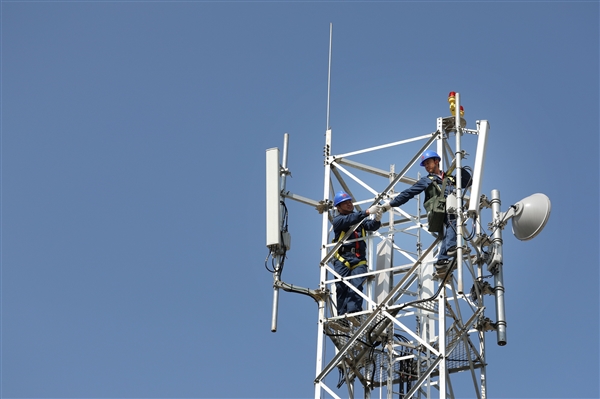
In recent times, an increasing number of operators across the world have initiated plans to decommission 2G and 3G networks. The primary goal is to free up valuable spectrum resources currently utilized by older networks, making them available for advanced communication technologies such as 5G and even more cutting-edge innovations (like 6G networks). This move aims to further expand high-speed network coverage and enhance the overall user experience.
Notably, Zhejiang Unicom recently made an official announcement stating that it will completely cease 3G services throughout the province on June 15, 2026.
This declaration signifies the near-completion of the nationwide decommissioning of WCDMA-based 3G networks in China. The liberated spectrum resources will be fully reallocated to bolster next-generation communication technologies.
-
![]()
Giants Enter the Arena One After Another: The Embodied AI Battle Commences
-
![]()
Is It More Profitable to Build 'Hands' for Robots Than 'Humans'?
-
![]()
Yunling Optoelectronics Accelerates Its Listing on the Beijing Stock Exchange: Secures 989 Million Yuan to Bolster Production of Computing Optoelectronic Chips
-
![]()
From Drill Bits to Optical Coatings: A 200-Billion-Yuan Behemoth Quietly Unveils a New Business Front!
-
![]()
New Energy Vehicle Growth Slows: Are 370 Million Existing Cars the Next Lucrative Market?
-
![]()
Is Baidu Now Fostering Its Own 'Yao Shunyu'?
-
![]()
NVIDIA Goes Wild! DeepSeek V4 Inference Costs Slashed by 80%
-
![]()
Preparing for the 6G Era: US Completely Shuts Down 2G Networks, China Unicom Initiates Gradual Decommissioning of WCDMA 3G Networks