China's Commercial Space Race Hits Mid-Game in 2026: RMB15.1 Billion Raised in Six Months, 15 Firms Eye IPOs
 07/17 2026
 573
573
"SpaceX's IPO Accelerates China's Commercial Space Race"
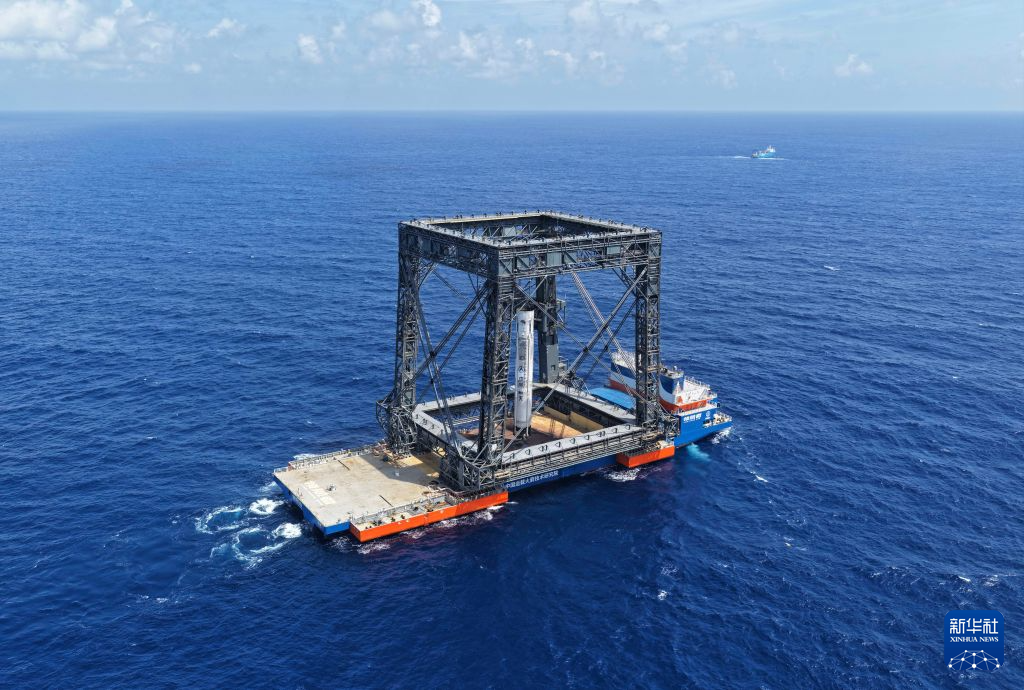
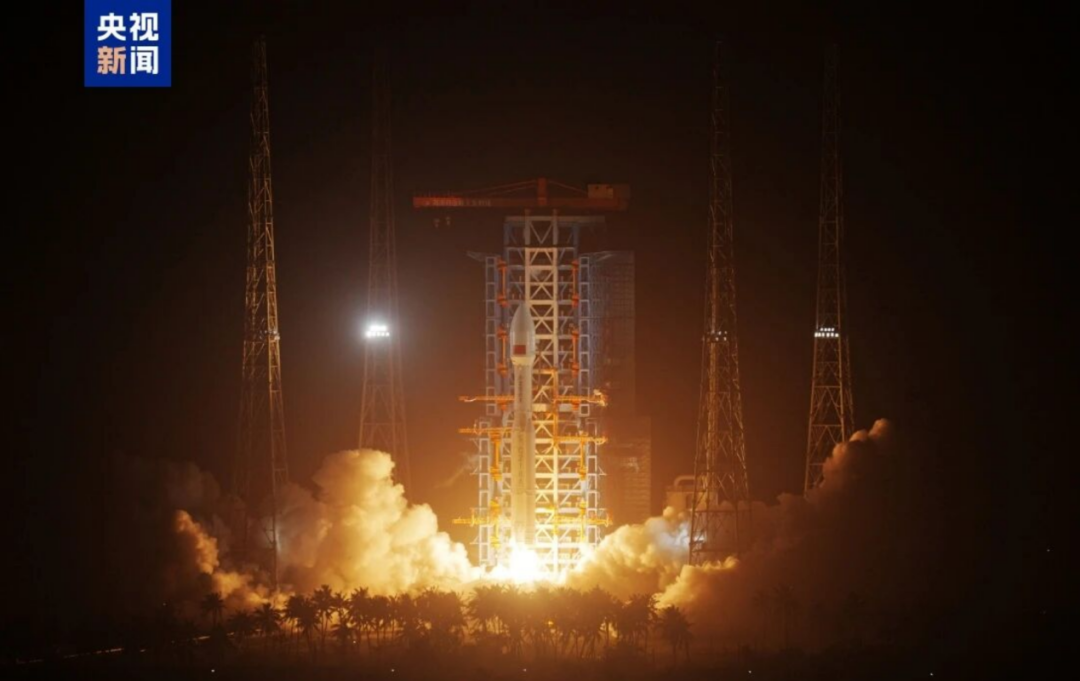
At 12:15 PM on July 10, at the Hainan Commercial Space Launch Site, the Long March 10B carrier rocket ignited and successfully sent a satellite into its Reservation orbit (predetermined orbit). Approximately six minutes after the first and second stages separated, the first stage returned vertically and was successfully captured by a flexible net on the "Navigator" recovery vessel in a predetermined South China Sea (South China Sea) maritime zone.
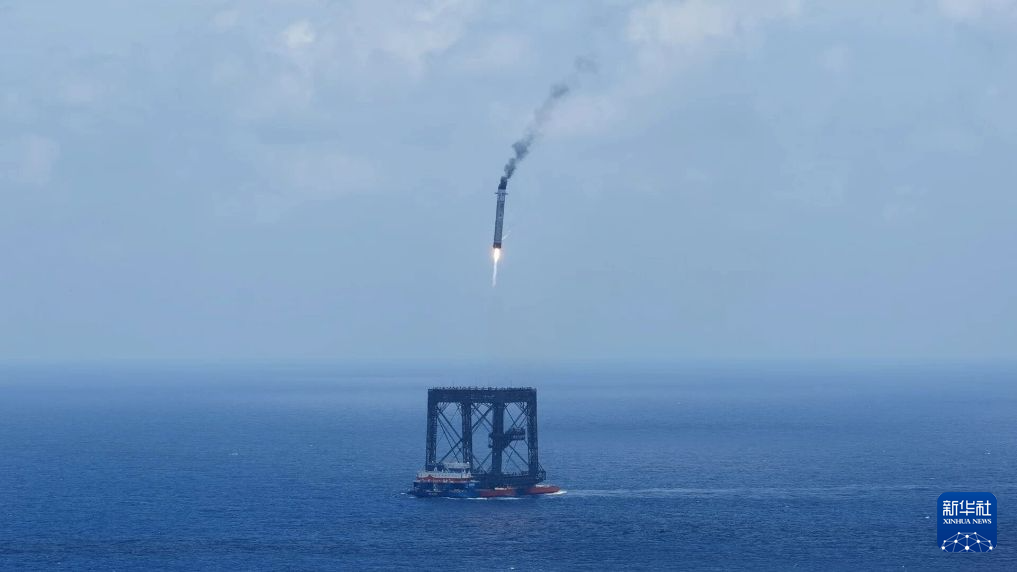
This marked China's first controlled recovery of a carrier rocket's first stage and the world's first maritime net-based recovery of a carrier rocket. People's Daily described the mission as a "historic breakthrough." The Long March 10B thus became China's first reusable carrier rocket to achieve recovery, and China became the first nation globally to master carrier rocket net-based recovery technology.
Of course, this successful recovery represents more than a technological breakthrough—it signals that China's commercial space sector has officially crossed the "technical verification" threshold, entering a new phase of scalable development featuring "recoverability and reusability." Simultaneously with reusable rocket technology advancements, commercial space is accelerating across capital, technology, networking, policy, and infrastructure dimensions.

Capital Race: Financing and IPOs Advance on Dual Fronts
Capital is flooding into the commercial space sector. According to Taibo Think Tank's 2026 H1 China Commercial Space Industry Progress Report, 89 financing deals were publicly disclosed in H1 2026, totaling RMB15.13 billion—exceeding 80% of 2025's total financing (RMB18.6 billion).
Financing momentum continued to build in July. According to Blue Shark Finance's incomplete statistics, as of July 16, 17 financing deals had already occurred that month—nearly one per day. Notably, newly established firms secured funding: Weiguang Qihang and Ruiqi Shenkong, both founded in March 2026, and Ultra-Low Orbit (Jinan) Technology Co., Ltd., which secured tens of millions in angel round funding less than a month after its establishment. The capital structure is also shifting: national team and local industrial funds are entering en masse, becoming the dominant forces in the primary market.
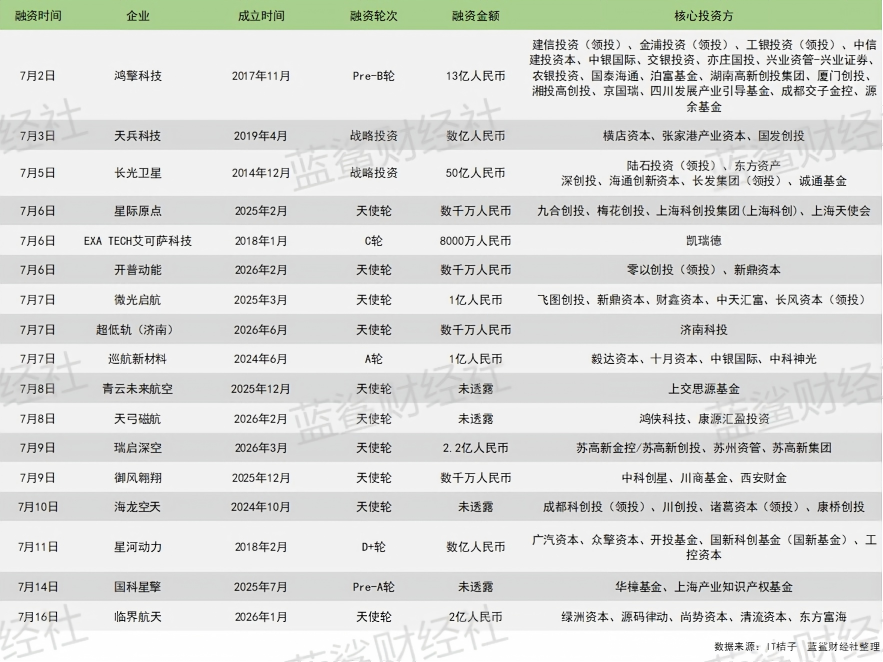
Single-deal financing records continue to fall. On February 12, 2026, i-Space completed a RMB5.037 billion Series D round, setting a new record for China's private rocket sector—accounting for one-third of H1 2026's total financing.
On July 5, Changguang Satellite completed a RMB5 billion strategic investment, ranking second in domestic commercial satellite and constellation single-round financing. As China's first full-industry-chain commercial remote sensing satellite company integrating R&D, manufacturing, operations, and remote sensing services, its self-developed "Jilin-1" satellite constellation successfully launched on October 7, 2015, initiating China's commercial satellite applications era.
Yuanxin Satellite also announced a new funding round in late June, seeking up to RMB15 billion. If completed, this would again break China's commercial space single-deal financing record.
The secondary market is equally active, with at least 15 commercial space firms having initiated IPO processes. 2026 is dubbed the "IPO Super Year" for commercial space.
LandSpace and CAS Space lead the pack, both having entered the inquiry phase. LandSpace's IPO application was accepted on December 31, 2025, planning to raise RMB7.5 billion. It entered the "inquiry" phase on January 22, 2026, but review was paused in March due to expired financial disclosures. After updating financial materials on June 29, review resumed, making it the strongest candidate for "China's first commercial rocket listing."
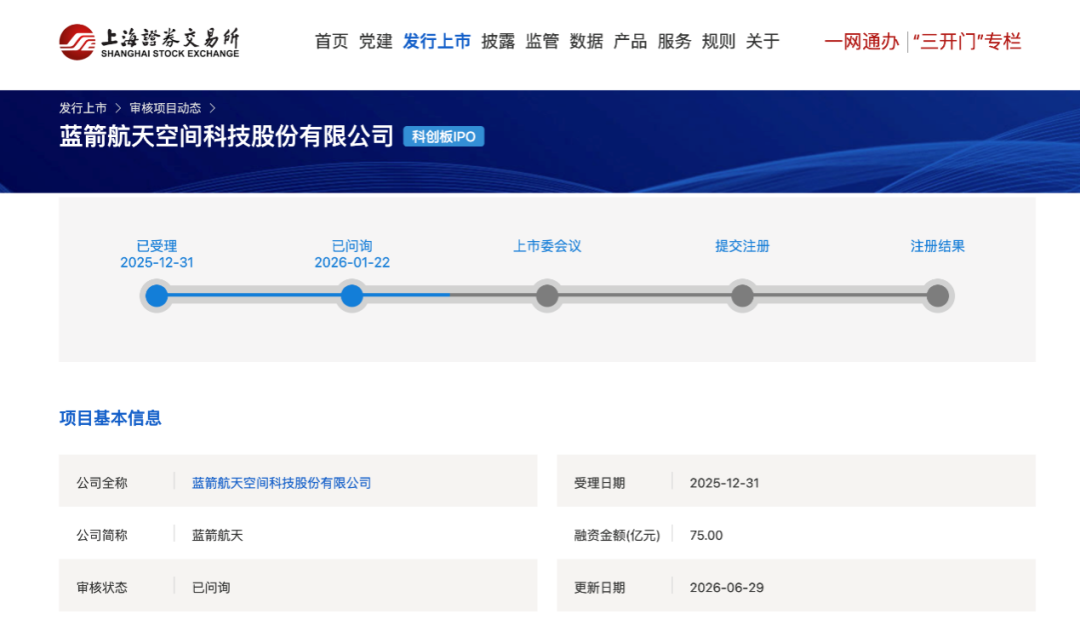
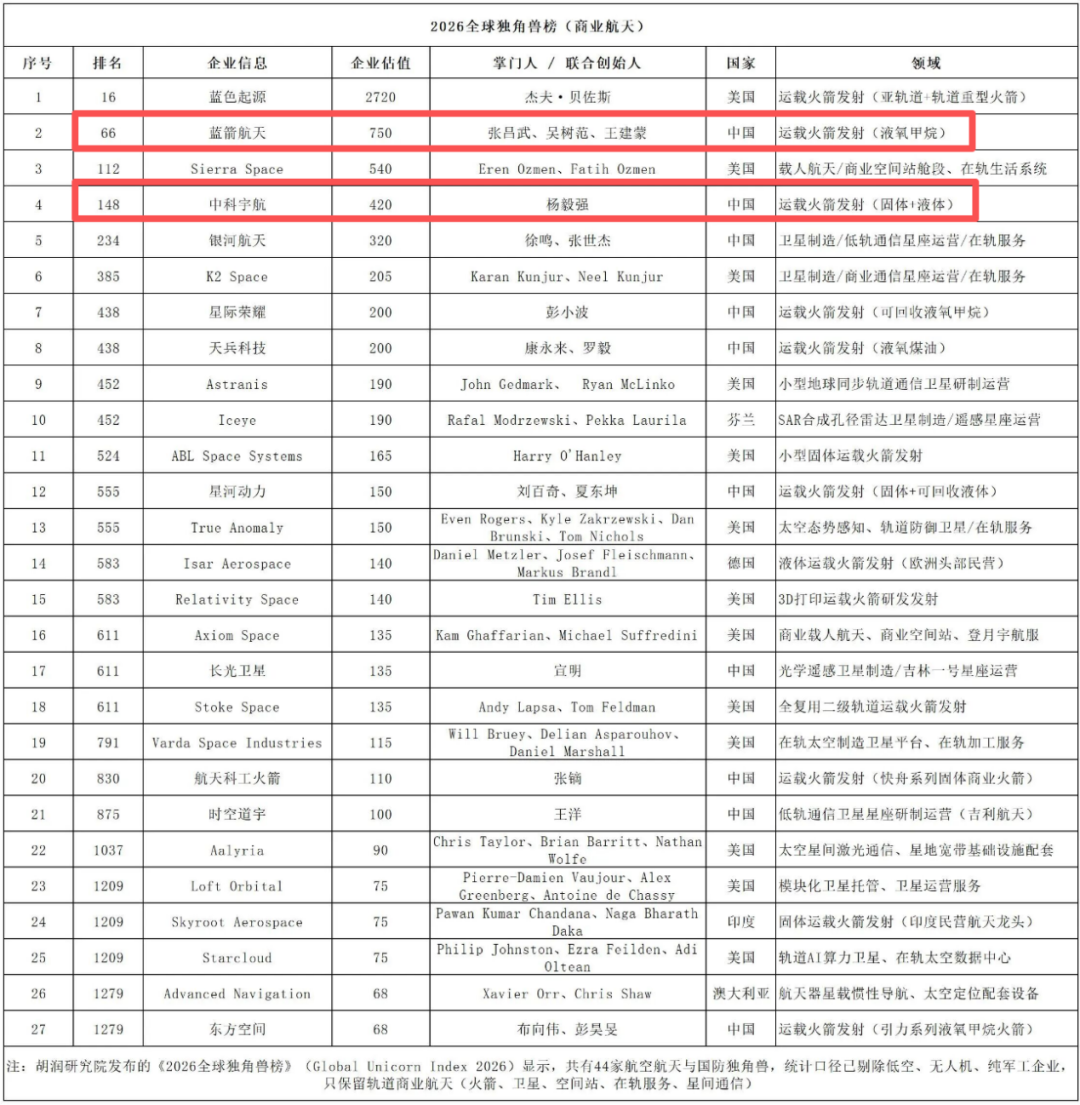
Notably, LandSpace's ZQ-3 rocket has been selected as a core supplier for China StarNet, a fact included in its prospectus. In Hurun Research Institute's 2026 Global Unicorn Index, LandSpace is valued at RMB75 billion, ranking 66th—up from 418th place last year with a RMB20 billion valuation, tripling in just one year.
Though CAS Space's IPO acceptance came later (March 31, 2026), its progress was rapid: entering the inquiry phase just 15 days later (April 15), setting an industry record. CAS Space plans to raise RMB4.18 billion, primarily for high-capacity reusable rockets and reusable launch vehicles. It ranks 148th on the 2026 Global Unicorn Index with a RMB42 billion valuation.
Additionally, MicroNano Space transferred to the STAR Market in May, planning to raise RMB5 billion to become "China's first private commercial satellite listing." Galaxy Power, i-Space, and Space Pioneer are in tutoring (coaching/tutoring) phases, while National Star Space chose a Hong Kong listing route, submitting its prospectus for the third time to become "China's first space AI listing."
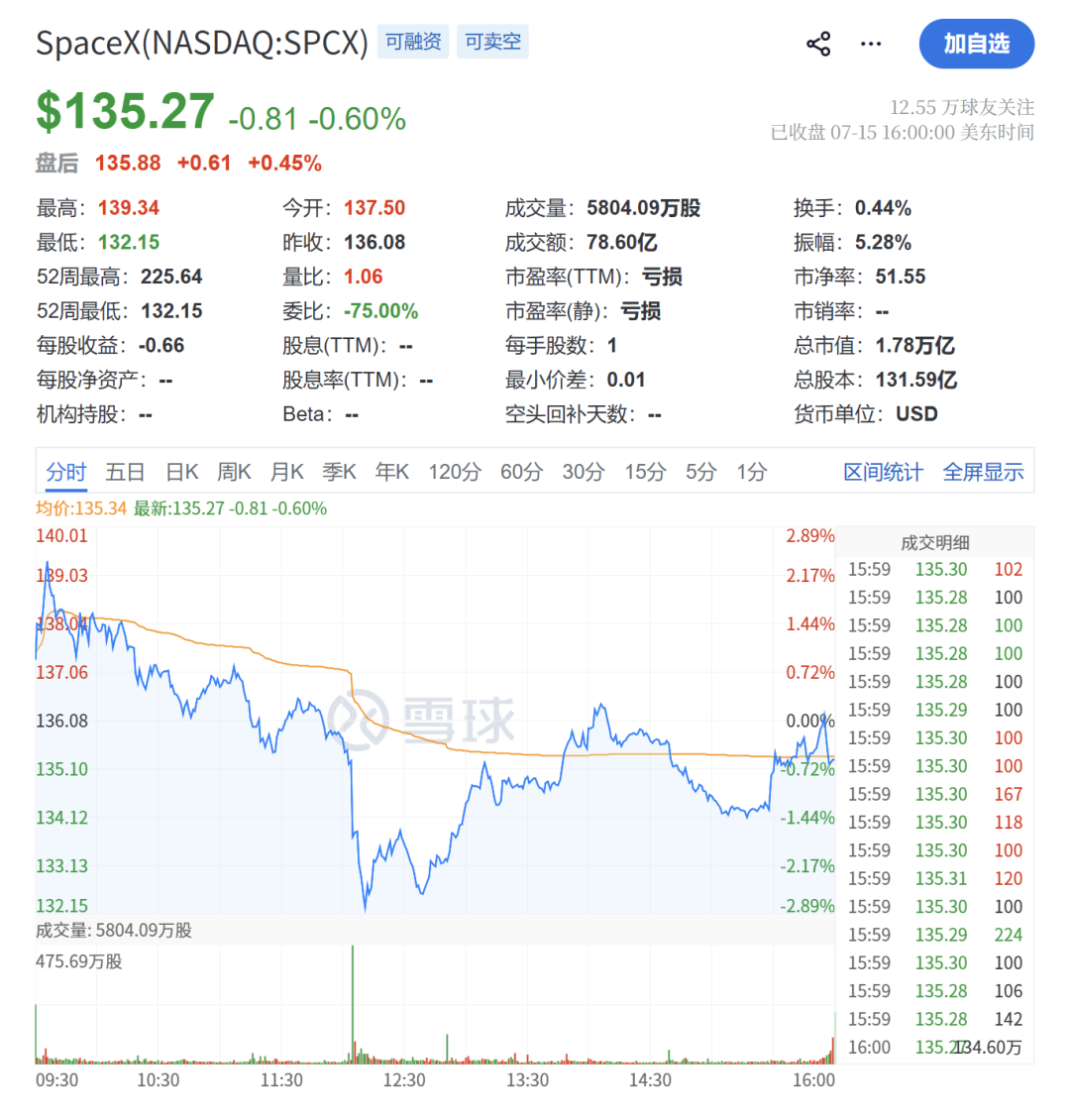
This accelerated IPO pace directly correlates with SpaceX's listing. On June 12, SpaceX debuted on NASDAQ, raising approximately $75 billion with a valuation nearing $1.8 trillion—the largest IPO in global business history. This objectively established an ultimate valuation benchmark for China's commercial space sector, significantly raising industry valuation ceilings and compelling domestic firms to accelerate capitalization.
However, investor enthusiasm for SpaceX appears to be waning: its stock price fell for four consecutive trading days, dipping below the $135 IPO price intra-day on July 15 (Eastern Time). Its current market cap stands at approximately $1.78 trillion, down over $800 billion from its mid-June peak of $2.6 trillion.
Overall, China's commercial space market continues to expand. According to CCID Think Tank, China's commercial space market reached RMB2.83 trillion in 2025, up over 23% YoY, with a 5-year CAGR of 23.1%. The market is expected to surpass RMB3.5 trillion in 2026 and reach RMB7 trillion by the end of the "15th Five-Year Plan" period.

Reusable Rockets Enter Intensive Verification Phase
The underlying logic for capital inflows is sustained technological breakthroughs. 2026 is a critical year for reusable technology verification, with the Long March 10B's success marking just the beginning.
The Long March 10B adopted a different technical path from SpaceX: while SpaceX's Falcon 9 uses landing legs for vertical descent, the Long March 10B eliminated landing legs, instead adding hook devices and employing the world's first "well-shaped" high-strength buffer net system for aerial capture. This approach simplifies rocket structure and increases payload capacity. The China National Space Administration officially stated that this mission marks a major breakthrough in China's reusable rocket technology.
Private rocket firms are advancing in parallel. LandSpace's ZQ-3 uses a stainless-steel body and liquid oxygen-methane engines, directly competing with Falcon 9's vertical recovery approach. In December 2025, ZQ-3's first flight successfully reached orbit, but its first-stage recovery failed. On June 29, 2026, ZQ-3's second prototype completed a full-rocket static fire test at Dongfeng Commercial Space Innovation Test Zone, with all nine engines operating stably. A second recovery test is planned for late July to early August; success would mark the first rocket recovery by China's private commercial space sector.
Additionally, LandSpace's ZQ-2 has entered stable commercial operation—the world's first privately developed liquid oxygen-methane rocket to reach orbit. In early June 2026, ZQ-2's eighth successful launch delivered the Qianfan DTC 01 and China Mobile 02 satellites to Pre booked track (predetermined orbits), just 26 days after its fifth launch—demonstrating sustained improvements in batch delivery and high-frequency launch capabilities.
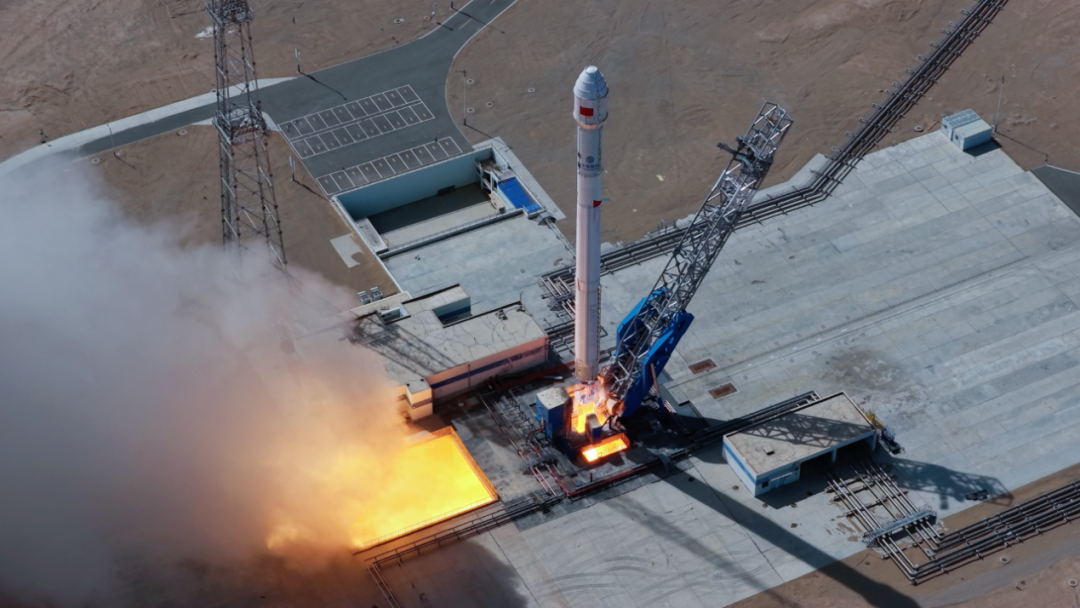
Oriental Space's self-developed Gravity-2, a medium-to-large liquid reusable launch vehicle designed for large-scale constellation deployment and commercial high-orbit launches, has completed engine system tests and is conducting pre-flight ground trials, with a maiden flight expected in October 2026.
Space Pioneer's Tianlong-3 failed its April maiden flight, but R&D continues on high-capacity reusable rockets. CAS Space's Lijian-1 maintains a stable commercial launch cadence.

China's "Starlink": Low-Earth Orbit Constellations Accelerate Networking
Rocket capacity improvements directly benefit low-Earth orbit (LEO) satellite constellations. In H1 2026, China's two major LEO constellations—Qianfan and GW—significantly accelerated networking.
Qianfan leads in speed. Developed and operated by Yuanxin Satellite, Qianfan is widely recognized as "China's Starlink." As of July 5, 2026, it had 238 in-orbit satellites—the first domestic LEO broadband constellation to exceed 200 satellites.
Qianfan completed eight launches in H1 2026. From June, launches became monthly routines, with two launches in early July: on July 4, the Long March 6A launched 18 Qianfan networking satellites from Taiyuan Satellite Launch Center; on July 5, the Long March 8A launched 20 networking satellites from Hainan Commercial Space Launch Site—setting a new record for satellites launched in a single mission (20).
Qianfan's three-phase construction plan includes: Phase 1 (648 satellites) for regional coverage, Phase 2 (1,296 satellites) for global coverage, and Phase 3 (over 15,000 satellites) for integrated services. At 238 in-orbit satellites, Phase 1 is 36.7% complete, suggesting sustained high-frequency launches in coming months.
The state-led GW constellation progresses more slowly but with higher strategic priority. GW comprises two sub-constellations (GW-A59 and GW-2), totaling 12,992 satellites, with approximately 177 in-orbit test satellites. Dense networking is underway, with about 400 satellites expected by 2027, 1,300 by 2029, and full deployment by 2035.
By late 2025, China had submitted approximately 203,000 LEO/MEO satellite frequency and orbit resource applications to the International Telecommunication Union—the largest-ever international orbit filing. The 2026–2027 period is critical for securing premium orbit slots and frequencies, explaining the constellations' accelerated networking.

Policy Boosts: Industrial Status Upgraded
Behind technological and capital acceleration lies a systematic policy framework. A key 2026 development is the substantive elevation of commercial space's industrial status—from "strategic" to "pillar."
This year's Government Work Report categorized aerospace alongside integrated circuits, biopharmaceuticals, and low-altitude economy as "emerging pillar industries." The 15th Five-Year Plan explicitly proposes building a "space power." This signifies that commercial space is no longer just a strategic industry for national defense; its economic value is now officially recognized.
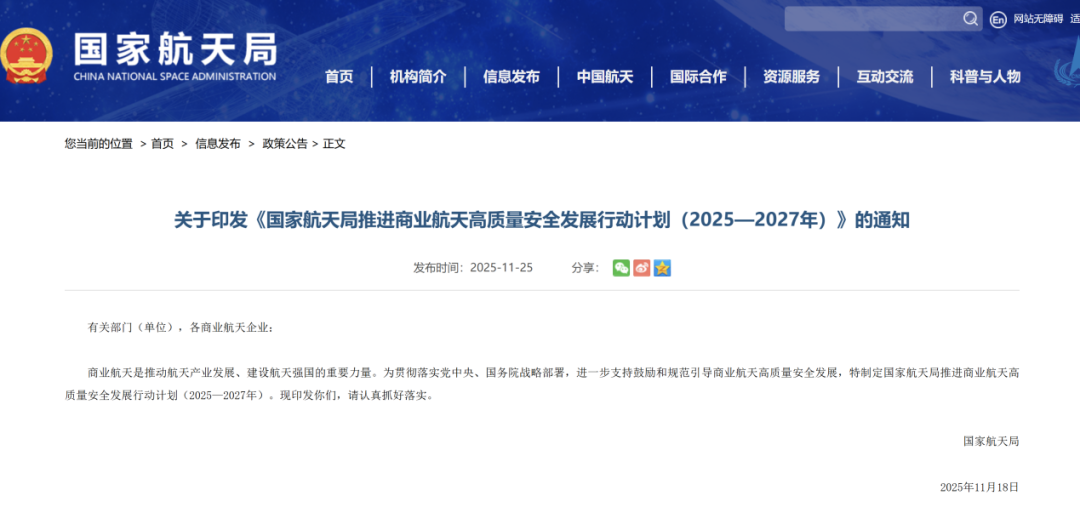
Specific policies are also rolling out. In November 2025, the China National Space Administration established the Commercial Space Department—the world's first national-level dedicated regulatory body for commercial space, ending fragmented oversight. The concurrently released Action Plan for High-Quality, Safe Development of Commercial Space (2025–2027) is China's first Specialization (specialized) guidance document for the sector. It mandates building an efficient industrial ecosystem by 2027, integrating satellite manufacturing, launch, and in-orbit operations while opening national team resources like tracking, telemetry, and satellite platforms to society.
On April 24th, China’s National Space Administration (CNSA) and the State Administration for Market Regulation jointly released the Commercial Space Standard System (Version 1.0). This is the first standard system in the commercial space sector, covering six areas: rockets, satellites, launch operations, tracking, telemetry and control (TT&C), operations, and safety. It fills gaps in industry standards. The system focuses on the overall layout of 'rockets, satellites, launch sites, applications, governance,' following a 'full-chain, all-domain, modular, and reconfigurable' approach. It includes six primary branches, 32 secondary branches, and 100 tertiary branches, with over 1,000 standard projects planned.
On July 14th, the CNSA released the application guidelines for the third batch of reusable launch vehicle R&D projects, opening up application channels to private enterprises for the first time. This move provides access to national-level research topics, supporting funds, and shared infrastructure. The long-standing challenges faced by private rocket companies—high R&D investment and supply chain bottlenecks for core components—are set to receive systematic relief at the national level.

Infrastructure and supply chain enhancement: Scaling up launch and manufacturing capabilities
Driven by both policy support and market demand, infrastructure and industrial chains are rapidly maturing.
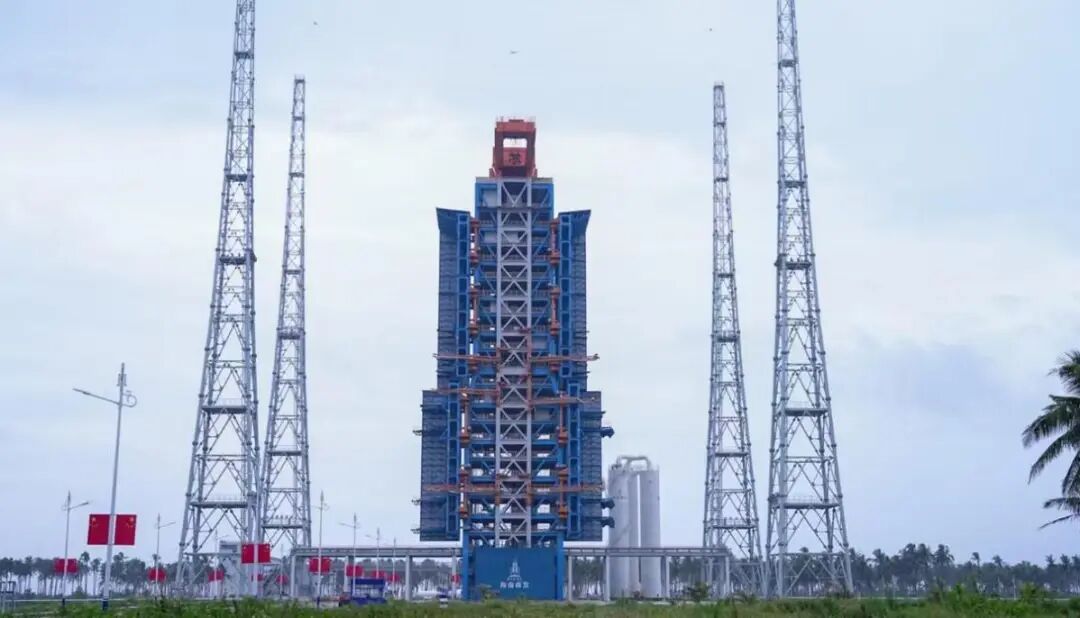
In terms of launch sites, the Hainan Commercial Space Launch Site has entered high-density, regular operations. Since June 2026, the site has been conducting 2-3 rocket launches per month on a regular basis. As China’s first dedicated commercial space launch site, it serves as a core hub for the industry.
The first phase’s Launch Pads 1 and 2 are already operating at full capacity. Launch Pad 2 features a universal interface designed to accommodate over 20 types of commercial rockets. The second phase’s Launch Pads 3 and 4 completed their main structural top out in February this year, 68 days ahead of schedule. According to the plan, all four launch pads will be fully operational by the end of this year. At that point, the launch site will have an annual capacity of over 60 launches, enabling near-weekly high-frequency launches.
Satellite manufacturing capacity is also seeing significant upgrades. In late June, the satellite production line at the Aerospace Satellite Mega-Factory (Hainan) successfully passed its operational review and officially entered trial production. The factory is designed for an annual capacity of 900-1,000 satellites, replacing traditional custom manufacturing with large-scale assembly line production. This reduces the cost of manufacturing a single satellite by over 30%. Moreover, the factory’s proximity to the Wenchang Launch Site will enable seamless integration of satellite production and launch operations.
Additionally, Geely’s satellite mega-factory in Taizhou has begun operations, reducing the manufacturing cycle for a single satellite to 28 days. Galaxy Space’s smart factory in Nantong has also achieved batch delivery of similar low-Earth orbit satellites.
The localization of the supply chain continues to improve. Data shows that the localization rate of China’s commercial space industry chain has exceeded 95%, eliminating reliance on overseas technology and components and strengthening self-sufficiency. The core components of the Long March 10B are fully domestically controlled, with all systems—from the rocket itself to the recovery infrastructure—developed independently in China, laying a secure foundation for large-scale commercial launches. LandSpace’s supply chain localization rate also exceeds 95%.
Common testing facilities are also addressing existing gaps. The China Academy of Launch Vehicle Technology is building China’s first commercial space common testing platform, equipped with nearly 50 sets of advanced facilities, including a Class 100,000 cleanroom, a 200-cubic-meter reverberation chamber, and a 70-ton vibration table. The platform can accommodate full-scale testing from micro-components to large rocket bodies, providing environments for vibration, thermal vacuum, large-scale integrated environmental, noise, and electromagnetic compatibility testing. It fully covers the testing needs of the entire commercial space industry chain, offering 'one-stop' testing services for commercial space companies.
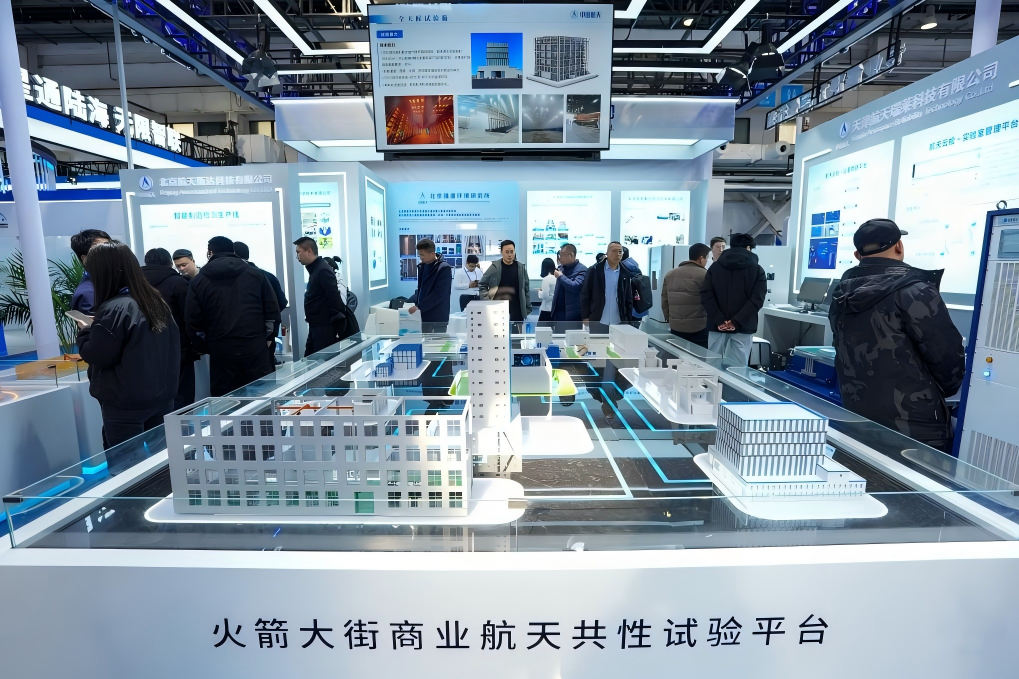
The platform focuses on the development of reusable rockets and new aerospace products, supporting commercial rockets with diameters up to 5 meters and takeoff weights of up to 1,000 tons, as well as commercial satellites under two tons. This effectively addresses the pain points of limited testing resources and long queue times for companies.

Talent and industry landscape: Cross-sector influx and the emergence of a 'four-pole' pattern (geographic pattern)
As the industry rapidly expands, significant changes are occurring in both talent composition and industrial layout.
A clear trend is the influx of telecommunications executives into the commercial space sector. For example, Shen Hongbo, former general manager of Shanghai Unicom, joined Yuanxing Satellite as president. The logic behind this trend is evident: as constellation construction enters the operational phase, companies require substantial talent experienced in telecommunications network operations, which traditional aerospace backgrounds alone cannot provide.
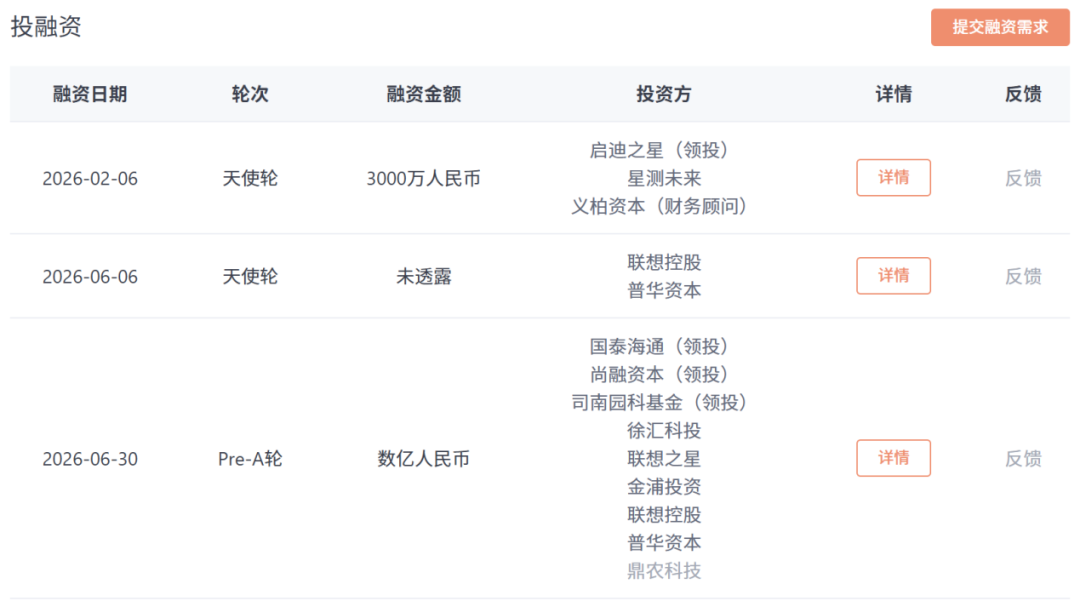
The number of technical experts leaving to start their own ventures is also increasing. He Xiaojun, former deputy chief engineer of Chang Guang Satellite and chief designer of the 'Jilin-1' Gaofen 06A satellite, founded Puxing Aerospace after leaving his position. Just 10 months after its establishment, the company has completed three rounds of financing. He’s team plans to build a global daily-coverage hyperspectral quantitative remote sensing constellation of 1,024 satellites, directly competing with his former employer.
The industry’s explosive growth has created a significant talent gap. Statistics show a shortage of 47,500 professionals in the commercial space sector, with key positions such as rocket engine specialists, chief model designers, and quality system managers having a supply-demand ratio exceeding 1:5. Aerospace institutions graduate only 3,500-4,000 professionals annually, with a very low proportion entering the commercial space sector. Additionally, only 200-300 experienced professionals from state-owned aerospace groups transition to commercial space each year.
Under these circumstances, 'poaching' talent has become a critical strategy for commercial space companies, often at great 'cost': salaries are benchmarked against those offered by major internet companies, with core technical positions such as chief model designers and chief technologists earning annual salaries up to RMB 1 million—2-3 times higher than traditional aerospace sectors—sometimes accompanied by equity incentives.
A clear 'four-pole' geographic pattern has also emerged in the regional industrial layout: Beijing serves as the R&D and rocket assembly hub, with Yizhuang’s 'Aerospace District' hosting over 160 companies, including headquarters of leading firms like LandSpace and Galactic Energy. Shanghai is the center for satellite manufacturing and constellation operations, housing Yuanxing Satellite’s headquarters and the operational hub of the Qianfan Constellation, with a 9.3-square-kilometer 'Rocket and Satellite City' under construction. Hainan functions as the launch and satellite manufacturing base, combining the commercial launch site with the satellite mega-factory to create a closed-loop 'satellite manufacturing-launch' industry. Wuhan specializes in solid rockets and small satellite production, featuring the Kuaizhou Rocket Industrial Park and China’s first fully automated small satellite production line.

Summary
In the first half of 2026, China’s commercial space industry achieved synergistic progress across multiple dimensions, including capital operations, technological breakthroughs, constellation deployment, policy standards, and infrastructure. It has evolved from a technology-driven industry exploration into an industrial revolution driven by policies, capital, and market demand.
As we move into the second half of 2026, several key milestones warrant continued attention:
First, will the second recovery test of the Zhuque-3 reusable rocket succeed? If successful, it will significantly advance the commercialization timeline for private reusable rockets.
Second, which company will become the 'first commercial space IPO'? The first listed commercial space enterprise will mark an important milestone in the industry’s capitalization.
Third, will the Qianfan Constellation achieve its annual target of deploying 324 satellites? This directly impacts the commercialization timeline for commercial low-Earth orbit constellations.
Fourth, how will the Hainan Commercial Space Launch Site’s second phase perform after becoming operational by the end of the year? The high-density launch capabilities of all four launch pads will need validation through actual missions.
-
The Moment to Evaluate Montage Technology Has Arrived
-
![]()
StepOn Has Solved the Monetization Challenge of Large Models with Just a Smartphone
-
![]()
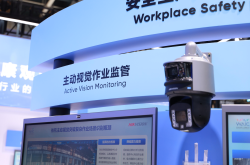
Is a Camera the New AI Safety Guardian? Hikvision Introduces Active Vision Operation Monitoring Gun-Ball Camera at WAIC 2026
-
The Second Half of AI: Cost-Effectiveness Takes Center Stage
-
![]()
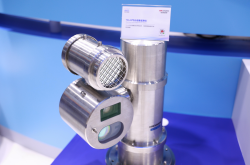
Location, Concentration, and Trajectory Tracking: Hikvision’s TDLAS Gas Cloud Imaging Telemetry System Debuts at WAIC 2026
-
The 'AI Study Tour' Under the Original Equipment Manufacturer Model is Set to Create a New Wave of Internet-Famous Science and Innovation Cities
-
![]()
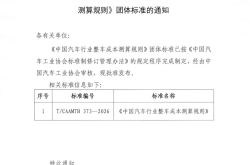
Now, There's a 'Basis' to Curb 'Price Wars': Future Reports of Automakers Setting Low Prices Will Be Probed Under New Rules
-
![]()
WAIC 2026: Farewell to Parameter Races, Full-Chain AI Commercialization