Financial Reports of New Energy Vehicle Startups in the Third Quarter of 2025: Intertwining Profitability Divergence and Transformation Pains
 12/02 2025
 664
664
In the third quarter of 2025, as the financial reports of various new energy vehicle startups for the quarter were one after another released (gradually released), the overall landscape for the year gradually became clear. Xiaomi's automotive business achieved profitability in its first quarter, while Leapmotor maintained profitability for two consecutive quarters and topped the sales charts. NIO and XPENG significantly narrowed their losses and clarified their profitability timelines. Li Auto, which had been profitable for 11 consecutive quarters, experienced its first quarterly loss in nearly three years due to multiple factors. These financial results not only directly reflect each company's product strategies and cost control capabilities but also indicate that the competitive landscape of China's new energy vehicle startups will face a major test in 2026, with the 'Matthew effect' accelerating in the industry.
Within the Q3 2025 financial report matrix, the profitable camp composed of Xiaomi and Leapmotor stood out. Despite their differing paths, both demonstrated the commercial value of scale effects and precise positioning.
Leapmotor's consecutive profitability stems from its approach of offering affordable intelligent vehicles. This quarter, its sales reached 174,000 units, doubling year-on-year, while topping the sales charts among new energy vehicle startups. With revenue of 19.45 billion yuan and a net profit of 150 million yuan, it broke the industry perception that affordable pricing and in-house technology development are incompatible. Although its comprehensive gross margin of 14.5% is not outstanding, its strategy of full in-house development compressed core component costs to 65% of the total vehicle cost, achieving a virtuous cycle of 'volume for price.'
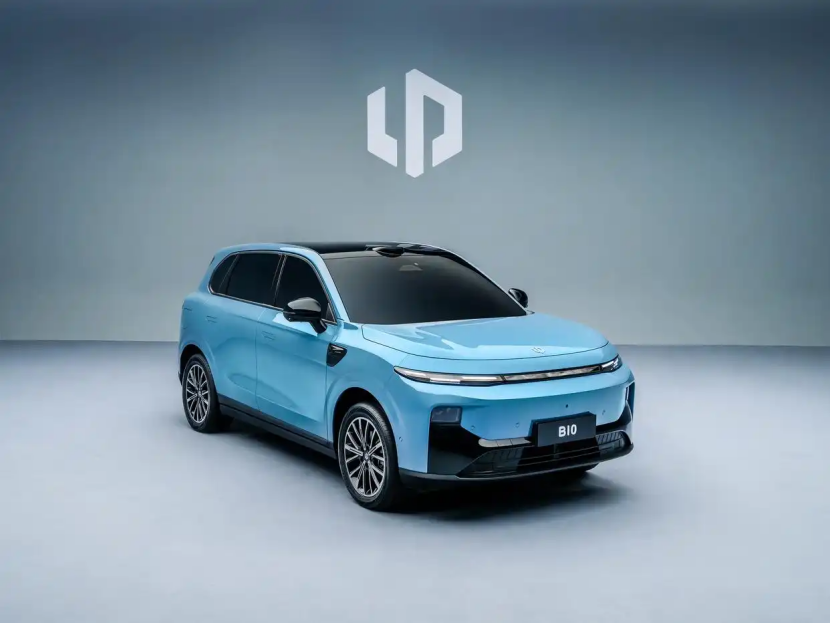
In the first three quarters of this year, Leapmotor's cumulative net profit reached 180 million yuan. Although this falls below market expectations, it represents a strong momentum compared to the 690 million yuan loss in the same period last year. With only a small gap remaining to achieve full-year profitability, Leapmotor is poised to become the second profitable Chinese new energy vehicle startup after Li Auto.
From a market perspective, Leapmotor's core strength lies in its precise market positioning, focusing on the mainstream market segment of 100,000-250,000 yuan, which accounts for 62% of the domestic new energy vehicle market. Its B01 model, priced starting at 87,800 yuan, lowers the entry barrier for intelligent vehicles, while the C16 model, priced at 151,800 yuan, meets family vehicle needs. The upcoming D-series flagship model is also priced around 250,000 yuan.
In 2026, Leapmotor has set a sales target of 1 million units, with overseas markets accounting for 10%. Its deployment of over 600 outlets in Europe is underway, supporting its scale expansion. Progress in the Southeast Asian market (17,400 units exported in the third quarter) also injects momentum into its global layout. Advancements in localization projects in Malaysia and Europe further fuel market expectations for its 2026 target of 1 million units.
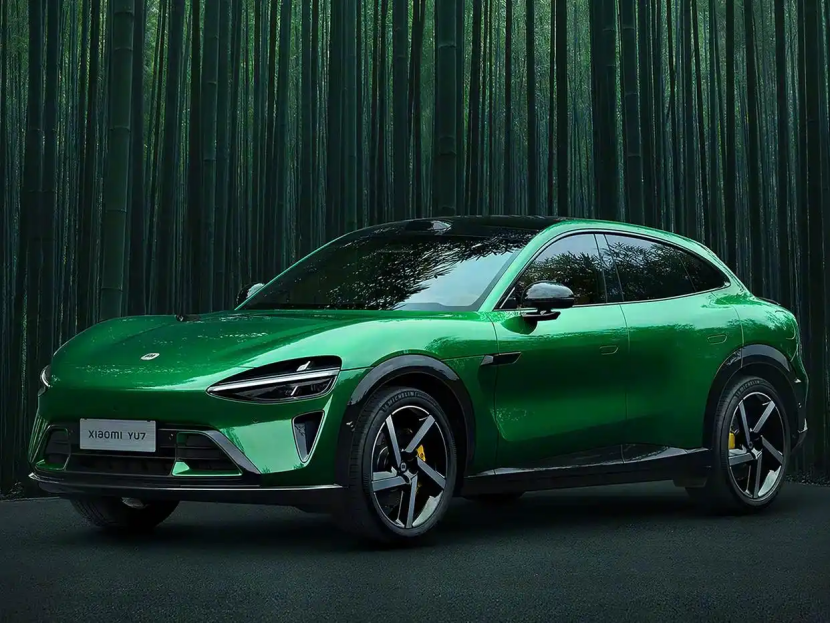
Xiaomi Auto entered the competitive landscape as a dark horse. Despite facing controversies, stock price fluctuations, and channel coverage issues, its first-quarter operating profit of 700 million yuan demonstrated strong supply chain integration capabilities. This breakthrough was supported by deliveries of 109,000 units, with product structure upgrades being a key factor—the proportion of deliveries for the mid-to-high-end YU7 model rose to 40% this quarter, driving the average selling price up from 253,600 yuan to 260,000 yuan. Even though a decline in the delivery proportion of the SU7 Ultra led to a slight drop in the gross margin to 25.5%, this level remains among the highest among mainstream new energy vehicle startups. The resource empowerment from Xiaomi Group also played a crucial role, with the automotive business accounting for 25.6% of the group's revenue. Ongoing research and development and channel support helped it achieve its annual delivery target of 350,000 units ahead of schedule, increasing market attention to its profitability sustainability.
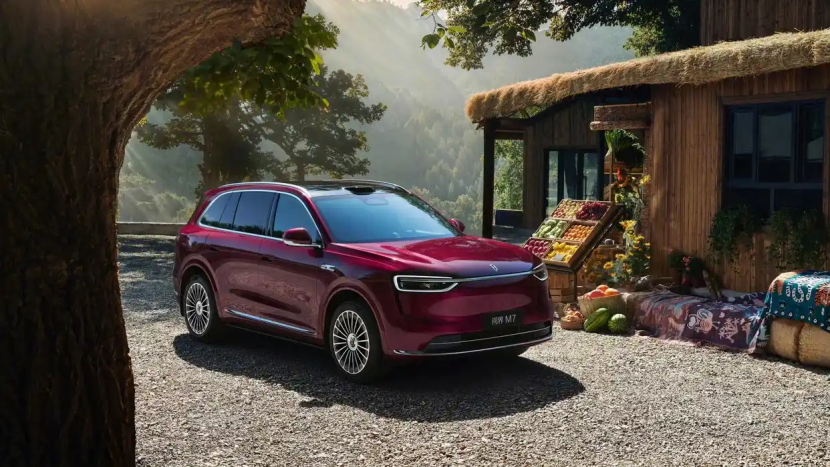
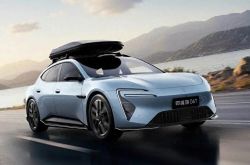
After partnering with Huawei, Seres has also seen improved fortunes. Financial reports show that Seres' revenue in the third quarter was 48.133 billion yuan, up 15.75% year-on-year; net profit attributable to shareholders of the listed company was 2.371 billion yuan. In the first three quarters of this year, Seres' cumulative revenue was 110.534 billion yuan, up 3.67% year-on-year; net profit attributable to shareholders was 5.312 billion yuan, up 31.56% year-on-year. Net cash flow from operating activities was 22.65 billion yuan, up 13.18% year-on-year. From January to September, Seres' cumulative sales of new energy vehicles reached 304,629 units. In November, Seres listed on the Hong Kong Stock Exchange, becoming the first luxury new energy vehicle company to be listed on both 'A+H' markets. Multiple institutions, including CSC Securities, Changjiang Securities, Western Securities, and Yongxing Securities, have given it a 'buy' rating, with Huachuang Securities even giving it a 'strong recommend' rating.
Corresponding to the performance of the profitable camp, the 'loss reduction sprint camp' composed of NIO and XPENG has sent positive signals, with both showing improvements in 'sales volume + gross margin' and advancing toward the breakeven line. NIO achieved revenue of 21.79 billion yuan this quarter, up 16.7% year-on-year, with sales of 87,100 units, a 40.8% year-on-year increase; the gross margin for complete vehicles reached 14.7%, the highest in nearly three years. Although the absolute net loss of 3.48 billion yuan remains high, it narrowed by 31.2% year-on-year, indicating operational improvements. NIO's management clarified its fourth-quarter profitability target during the financial report conference and planned to launch three high-end pure electric large vehicles in 2026, further defining its premium strategy.
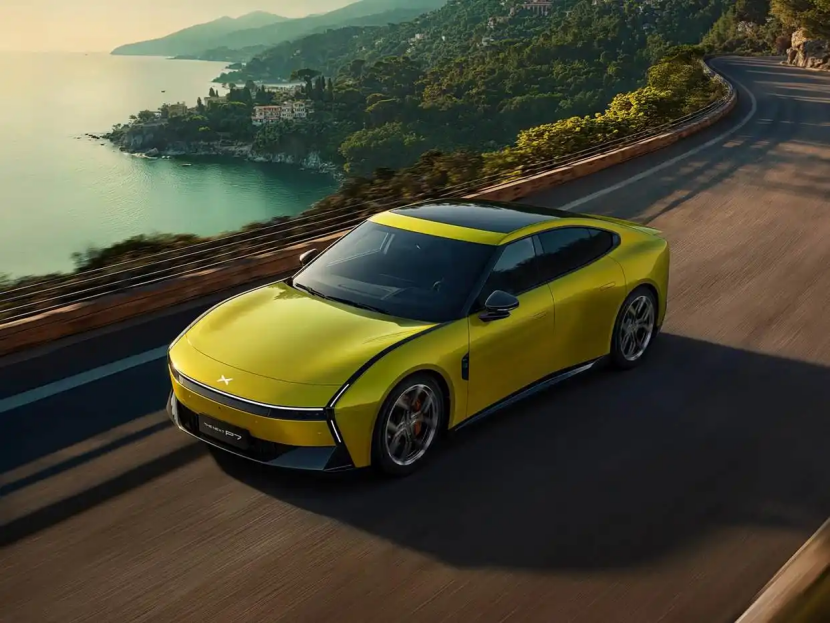
XPENG's loss reduction efforts have been particularly notable, with a net loss of 380 million yuan this quarter, a 78.9% year-on-year decrease, and revenue of 20.38 billion yuan, doubling year-on-year. Single-quarter sales reached a record high of 116,000 units, achieving the annual target of 350,000 units ahead of schedule. As a technology-driven company, XPENG's loss reduction benefits from technology implementation and cost optimization. The comprehensive gross margin rose to a historical high of 20.1%, with the gross margin for the automotive business increasing to 13.1%. This improvement stems partly from the cost dilution achieved through scaled deliveries of the G6 and G9 models and partly from the growth in subscription revenue for the XPILOT intelligent driving system.
XPENG's strategic layout for 2026 has been clarified, with plans to launch three super extended-range models in the first quarter, achieve scaled mass production of high-level humanoid robots by the end of the year, and initiate trial operations for three Robotaxi models, forming a business layout of 'intelligent vehicles + robots' to support breakeven goals.
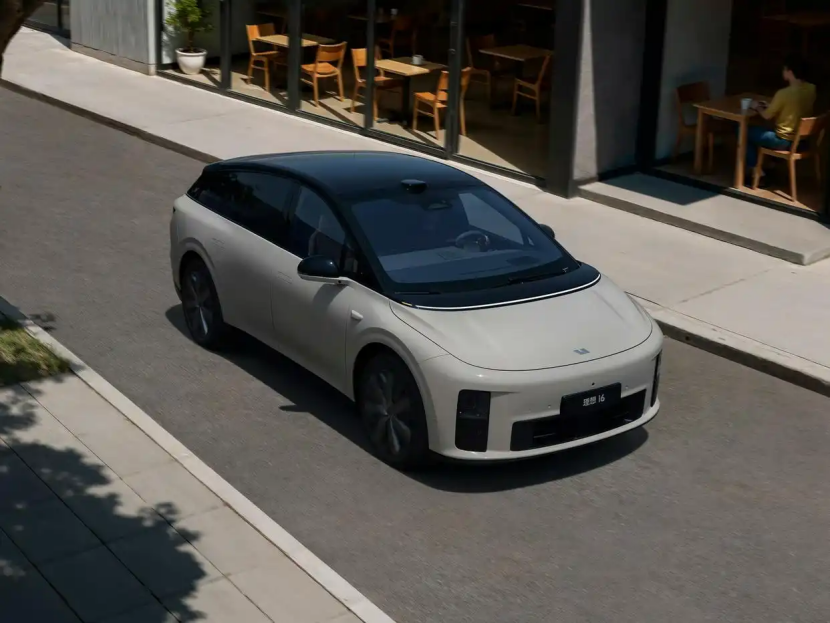
In contrast, Li Auto is in a period of transformation and adjustment. This quarter, Li Auto achieved revenue of 27.4 billion yuan, down 36.2% year-on-year, with sales of 93,000 units, a 39% year-on-year decrease, and a net loss of 624 million yuan, marking its first quarterly loss in nearly three years. The net loss directly resulted from 1.1 billion yuan in warranty costs due to the MEGA recall incident. Excluding this factor, Li Auto's overall gross margin would have rebounded from 16.3% to 20.4%, with the vehicle gross margin rising from 15.5% to 19.8%, approaching previous profitability levels. In response, Li Auto's Chairman, Li Xiang, admitted during the third-quarter financial report conference call that the company has faced various challenges, including product cycles, public relations issues, supply chain production ramp-ups, and policy changes, which have impacted deliveries and operations. Additionally, he stated that the company is firmly returning to a startup management model from the fourth quarter to face challenges in the new era and new technologies.
▍Profitability Is Not the Ultimate Answer for the Industry
The financial report divergence in Q3 2025, to some extent, reflects that the choice of technology routes, cost control capabilities, and market positioning precision have become the three core variables affecting the operational status of new energy vehicle startups. Profitable companies have also demonstrated that the quality of profitability matters more than profitability itself.
Between low-margin, high-volume sales and ecological premiums, the former relies on supply chain efficiency, while the latter depends on brand premiums. Xiaomi and NIO's adherence to pure electric routes has gained recognition in the premium market, with gross margins for pure electric models priced above 250,000 yuan generally exceeding 20%, reflecting profit potential in this segment. Leapmotor adjusts its technology routes based on vehicle size, introducing extended-range versions in the large vehicle segment, with extended-range models accounting for 50-60%. This approach not only meets usage needs in areas with inadequate charging infrastructure but also balances profitability and market coverage. Li Auto's transformation and adjustment provide insights for the industry, as the risks of a single technology route become apparent. While a dual-route layout aligns with industry trends, current challenges in the pure electric segment require focused consideration for breakthroughs.
Differences in cost control capabilities will further widen the performance gap among companies. In a market environment with fluctuating raw material prices and ongoing price wars, in-house development capabilities have become crucial for cost reduction. Leapmotor's 'full in-house development' and Xiaomi's group supply chain collaboration have both achieved a virtuous cycle of 'scale expansion - cost reduction - profitability improvement.' NIO has boosted its complete vehicle gross margin to a near three-year high by optimizing component procurement and production processes.

XPENG has expanded its profit sources by relying on in-house development and external output of its intelligent driving system. For Li Auto, besides the direct costs from the recall incident, delayed deliveries of pure electric models have impacted sales while posing challenges for cost control. This phenomenon indicates that the new energy vehicle industry has transitioned from a scale-prioritized extensive development phase to a benefit-prioritized refined operation phase, with cost optimization effects directly reflected in financial data and becoming a core competitiveness for companies.
From the third-quarter financial reports of 2025, new energy vehicle startups have bid farewell to a phase of universal growth and entered a period of differentiation and adjustment. Profitable companies have generally built collaborative systems spanning technology, products, and markets, delivering commercial value while responding to market demands. In contrast, those under pressure urgently need to reshape their competitiveness through strategic transformation and addressing shortcomings. In 2026, competition in intelligent driving and battery technologies will intensify, setting another critical hurdle for all new energy vehicle startups to overcome.
Layout | Yang Shuo
Image sources: Leapmotor, Xiaomi, AITO, NIO, XPENG, Li Auto, Qianku Network
-
![]()
ByteDance, DJI, and Xiaohongshu Secure Top Three Positions Among China’s Fastest-Growing Unicorns
-
Tesla's in-car voice system in China is finally learning to 'understand human language'
-
![]()
Foreigners Are Amazed: Chinese Electric Vehicle Drive Systems Unveil Innovative 'Poses'
-
![]()
700,000 Brothers and the Future of Robots: Behind JD.com's 'Nirvana Plan'
-
![]()
Zhipu's Trillion-Dollar Valuation: A New Chapter for China's AI
-
![]()
Is Laifen, a 'Dyson Alternative' on the Rise, Now Ensnared by the 'Alternative Curse'?
-
![]()
Beyond Patents: Insta360 and DJI Compete in Retail
-
![]()
Piercing Through Industry Chaos: The Curtain Rises on Compliance for Autonomous Driving