Renault 5 E-Tech Capitalizes on China's New Energy Vehicle Industry Chain for Success
 12/05 2025
 608
608
Lead | Introduction
In the European electric vehicle (EV) market of 2025, alongside the dominant presence of Chinese automakers, a French domestic automaker's EV has also made a significant impact. The Renault 5 E-Tech has emerged as a key player for the Renault Group, dominating the European EV market. This success is largely attributable to the comprehensive support provided by China's new energy vehicle industry chain.
Published by | Heyan Yueche Studio
Written by | Zhang Chi
Edited by | He Zi
Total Characters: 2,369
Estimated Reading Time: 4 minutes
Since 2025, the Renault 5 E-Tech has achieved remarkable sales figures.
According to relevant data, the Renault 5 E-Tech, a model under the Renault Group, secured the top spot in the European B-segment all-electric vehicle market in the first half of 2025, with approximately 49,000 units sold. PwC's Q2 2025 report also highlights that the Renault 5 E-Tech led sales in Germany, France, Spain, and Italy, outperforming the Tesla Model Y and Volkswagen ID.3. In November, the Renault 5 E-Tech became France's best-selling all-electric vehicle, with 3,316 units sold, surpassing the Tesla Model Y's 3,175 units.
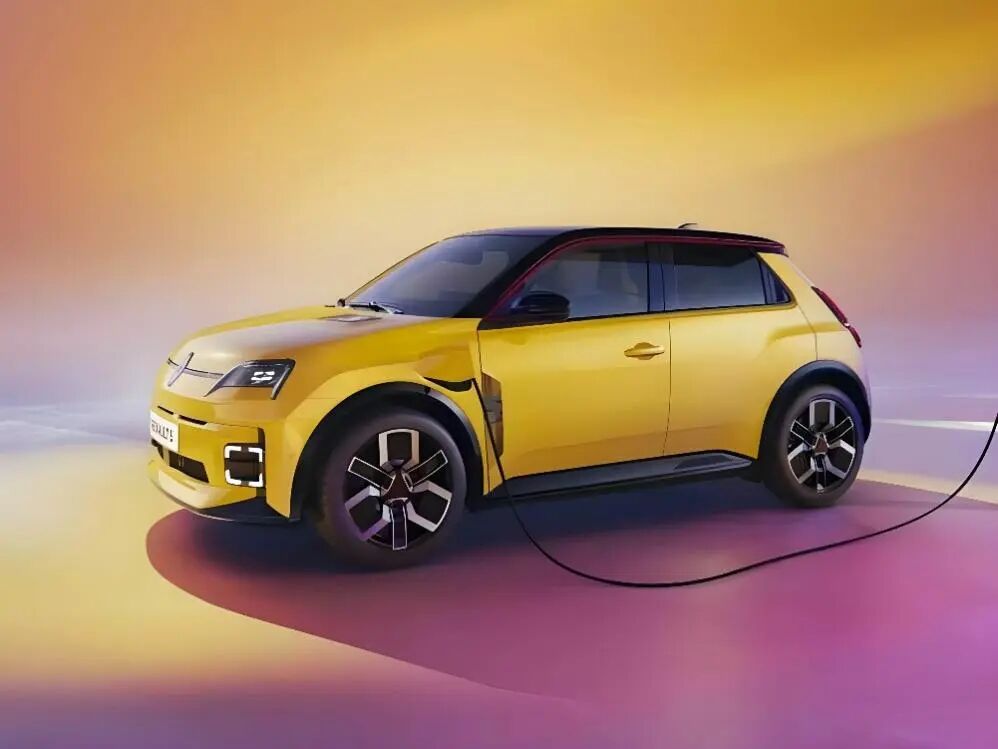
△Renault 5 E-Tech Shines Brightly in the European EV Market
In China, Renault is no longer the formidable competitor it once was compared to thriving domestic automakers. However, this automaker, often overlooked by the Chinese public, has successfully launched two top-selling models in the European EV market: the Dacia Spring and the Renault 5 E-Tech, surprising many. This achievement stems from Renault's precise judgment of the European EV market and its deep integration with China's new energy vehicle supply chain.
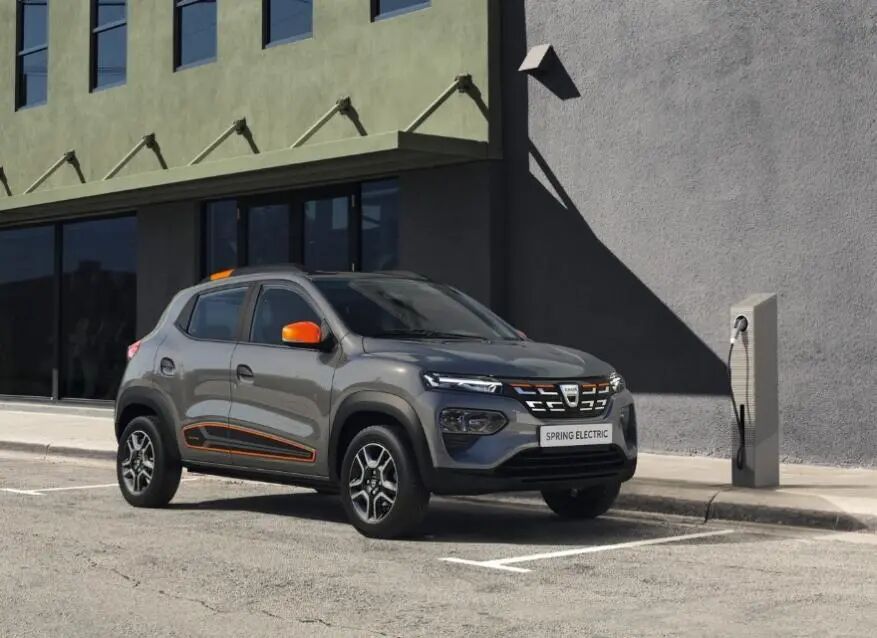
△Before the implementation of tariffs on Chinese EVs in Europe, the Dacia Spring also performed well.
Why has Renault succeeded in the European market?
What factors have contributed to Renault's success in the European EV market?
From a market perspective, Renault swiftly capitalized on the shift in the European EV market from luxury and large vehicles to practical and economical options. Post-pandemic, the European economy has not recovered as robustly as anticipated and remains sluggish. The threat of tariffs imposed by Trump has further exacerbated the economic outlook in Europe. In this context, consumers are naturally gravitating towards more affordable EVs, with the Renault 5 E-Tech, priced from €25,000, becoming an ideal choice. From a configuration standpoint, the Renault 5 E-Tech's 3.92-meter body length and approximately 400-kilometer all-electric range are more than adequate for daily urban commuting. Volkswagen, the dominant player in the European automotive market, has also planned an EV, the ID. EVERY1, priced at €20,000. However, this model is not expected to launch until 2027, by which time Renault may have already completed a model iteration.
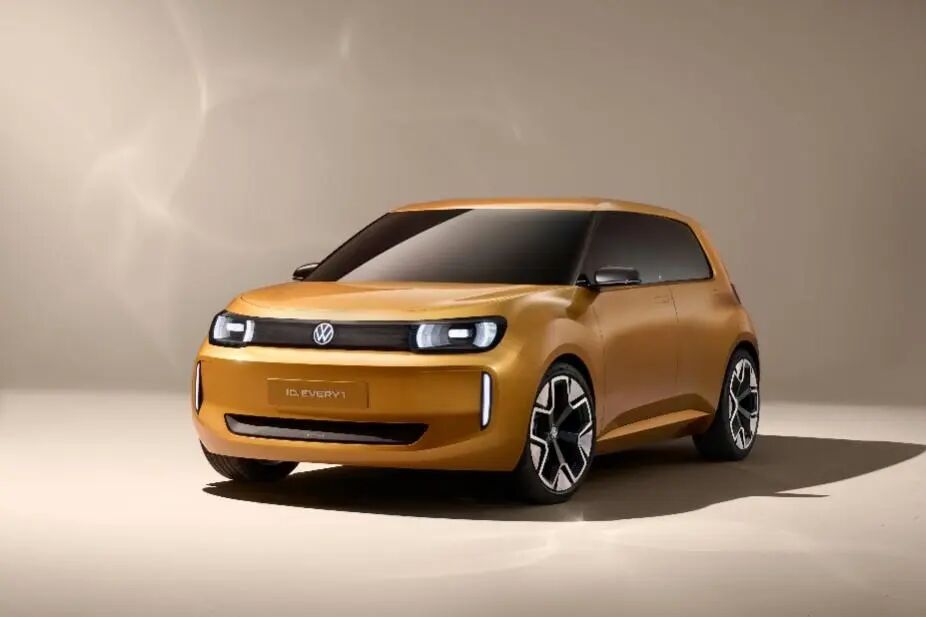
△Volkswagen's affordable EV is not expected to launch until 2027.
As a core component of EVs, Renault has also made a pragmatic choice in battery selection. The Renault 5 E-Tech is equipped with batteries supplied by Envision AESC, a Chinese company. In the field of EV batteries, Chinese companies have a clear competitive edge in terms of both product performance and cost control. Compared to Northvolt, once the darling of Europe, Envision AESC is undoubtedly more reliable. Furthermore, to support future collaborations with European automakers, Envision AESC has established a battery factory in France. This factory commenced production in June 2025 with an initial capacity of 10GWh and a planned total capacity of 24GWh, with the potential to expand to 40GWh. The factory's operation has not only significantly reduced logistics and tariff costs but also laid a solid foundation for Renault's future expansion of EV production.
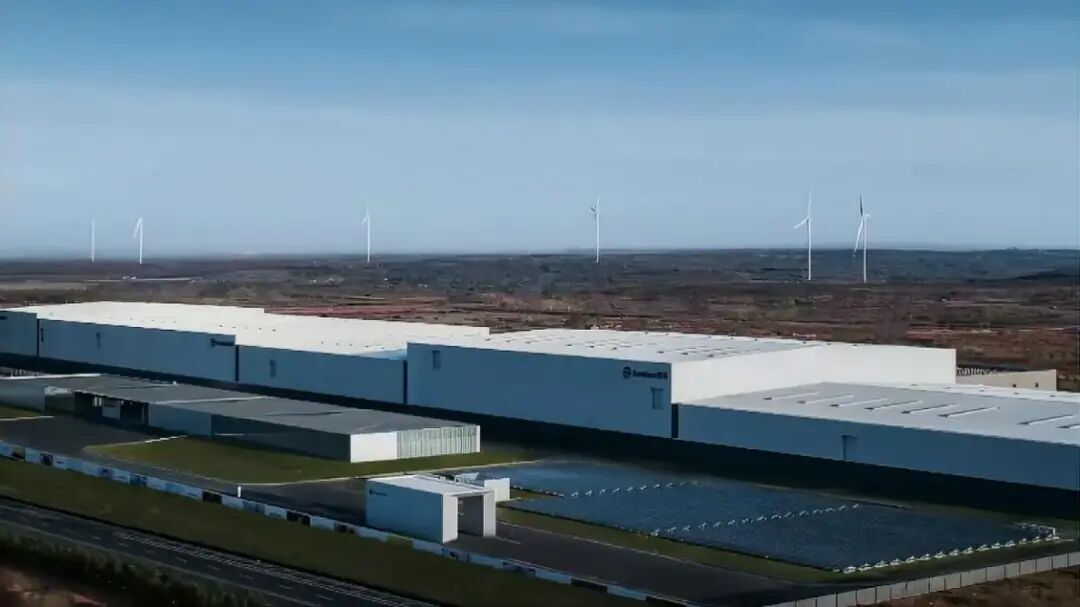
△Envision AESC's battery factory in France provides a solid foundation for Renault's future EV expansion.
Another crucial factor contributing to the strong sales of the Renault 5 E-Tech is its suitability for the needs of leasing companies. In major European EV markets, including Germany, the UK, and France, corporate users and car rental companies have been significant buyers of EVs due to regulatory and tax considerations. The Renault 5 E-Tech is not only attractively priced but also excels in the durability and reliability of its three-electric systems (battery, motor, and electronic control) as well as in post-sales maintenance costs. After all, in the domestic market, most entry-level EVs are used for ride-hailing services like Didi. Having withstood the tests of the domestic automotive market, it is not surprising that the Renault 5 E-Tech performs well in the more favorable road and usage conditions of the European market.
Renault's EV Strategy Relies on Integrating Chinese Resources
In the short term, Renault, like other foreign automakers, finds it challenging to overtake domestic brands in the Chinese market. However, for Renault, the role of its Chinese R&D center is becoming increasingly indispensable. In addition to incorporating the Chinese supply chain, Renault's engineering center in China has also played a significant role in the development of the Renault 5 E-Tech.
Furthermore, Renault has launched the new "Leap 100" plan, aiming to reduce the product development cycle from 200 weeks to 100 weeks. The first model under this new process, the Twingo E-Tech, took only nine months from project initiation to the rollout of engineering prototypes, shortening the development cycle by approximately 60%. Additionally, 46% of the procurement costs for the Twingo E-Tech came from Chinese suppliers, resulting in a 40% reduction in mold costs and a 50% decrease in development costs. These combined factors enabled the model to maintain a price point of €20,000. After experiencing these benefits, Renault plans to continue this approach by launching the Kwid E-Tech by the end of 2025 and the refreshed Clio electric version in 2026. By continuously introducing new models with significant Chinese elements in the entry-level market, Renault aims to solidify its competitive advantage in the European EV market.
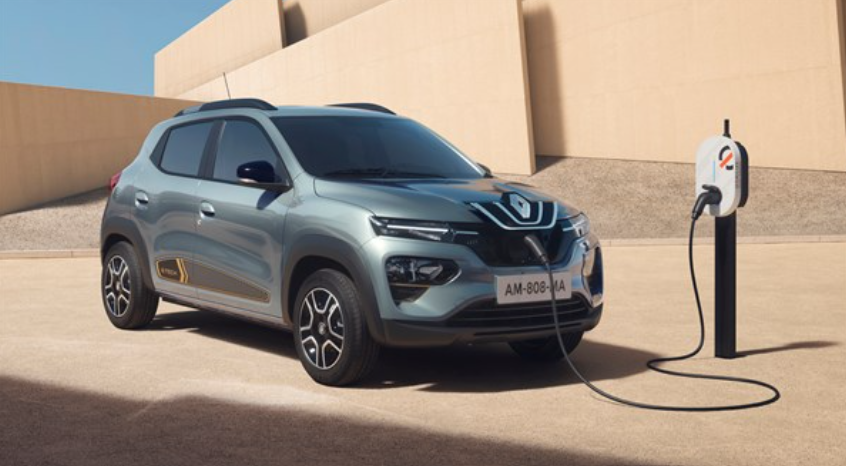
△Renault's future entry-level EVs will involve Chinese engineering teams and a substantial number of Chinese suppliers.
Compared to other automakers, Renault has moved relatively quickly in integrating China's new energy vehicle supply chain.
Renault's emphasis on China's new energy vehicles is not limited to relying on Chinese R&D teams for engineering development and the Chinese new energy vehicle supply chain. The company has also engaged in in-depth cooperation with Geely Auto. Geely has acquired stakes in Renault Korea and Renault Brazil, where it will produce models developed on Geely's platforms. These models will be sold through Renault's local sales networks. Furthermore, Renault has already spun off its combustion engine division and merged it with Geely/Volvo's internal combustion engine division to form a new company, HORSE. This collaboration is crucial for Geely's global market expansion. However, it is equally important not to overlook the significant benefits Renault has gained from this partnership.
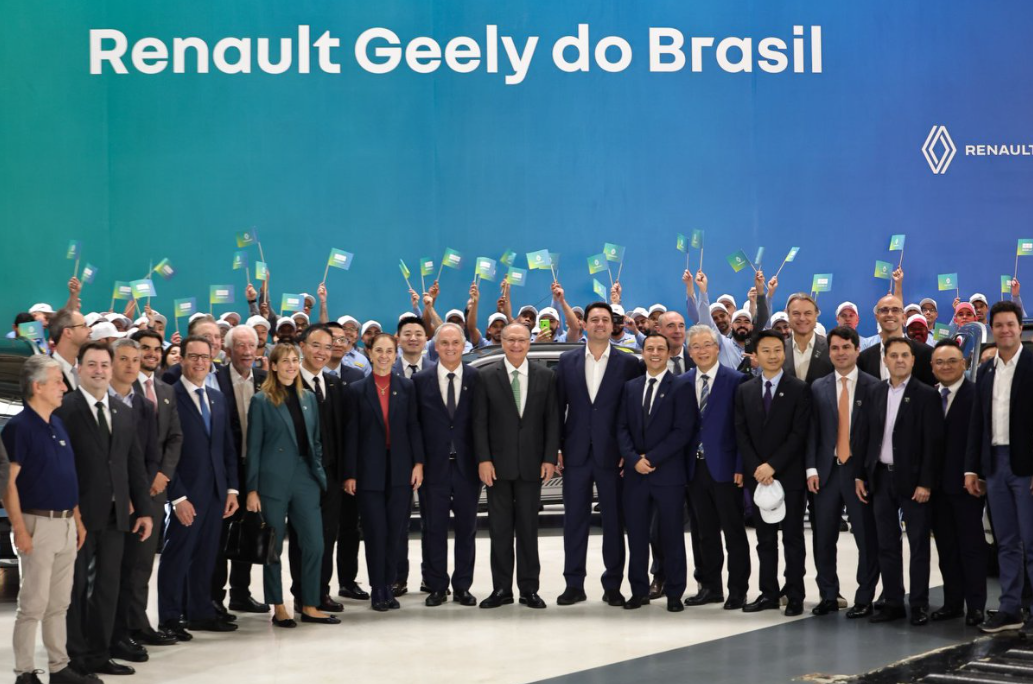
△Renault and Geely have engaged in extensive and in-depth cooperation.
For Renault, another "major trick" to further reduce vehicle development and material costs is to leverage Geely's vast scale to dilute its own costs. Geely Auto has already reached a production scale of 3 million units. If Renault can engage in joint procurement with Geely, its bargaining power with suppliers will significantly increase. In the future, it is even possible that Geely may follow Volvo's example and directly produce models developed on its platforms in Renault's European factories. After all, the Volvo EX30 serves as a prime example of a win-win situation, becoming a flagship product that enhances Volvo's presence in the European EV market.
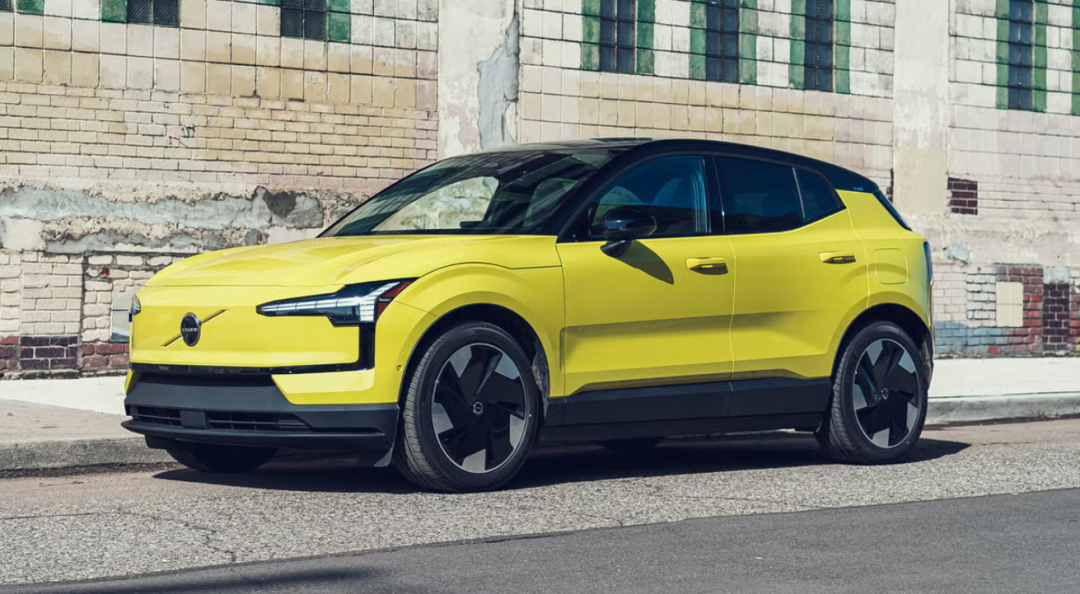
△Renault may even consider producing Geely models locally in Europe in the future.
Commentary
Amidst the challenging performance of major European automakers, Renault's financial results have remained relatively stable. In the first three quarters of this year, Renault's global sales increased by 3.8% to 1.699 million units, ranking third in Europe. Its revenue for the same period grew by 6.8% to €11.4 billion. In Renault's product mix, pure electric and hybrid models account for approximately 40%, an increase of about 11 percentage points from last year. For Renault, the role of Chinese factors will become increasingly significant in its efforts to continue improving its performance.
(This article is original to Heyan Yueche and may not be reproduced without authorization.)

-
![]()
ByteDance, DJI, and Xiaohongshu Secure Top Three Positions Among China’s Fastest-Growing Unicorns
-
Tesla's in-car voice system in China is finally learning to 'understand human language'
-
![]()
Foreigners Are Amazed: Chinese Electric Vehicle Drive Systems Unveil Innovative 'Poses'
-
![]()
700,000 Brothers and the Future of Robots: Behind JD.com's 'Nirvana Plan'
-
![]()
Zhipu's Trillion-Dollar Valuation: A New Chapter for China's AI
-
![]()
Is Laifen, a 'Dyson Alternative' on the Rise, Now Ensnared by the 'Alternative Curse'?
-
![]()
Beyond Patents: Insta360 and DJI Compete in Retail
-
![]()
Piercing Through Industry Chaos: The Curtain Rises on Compliance for Autonomous Driving