Electric Vehicle Sales Surge, Yet Extended-Range and Plug-In Hybrid Sales Falter Amidst Overall Auto Market Decline in Final Push
 12/07 2025
 723
723
According to data released by the China Passenger Car Association, nationwide passenger car sales took a 7% hit in November. Extended-range and plug-in hybrid vehicles witnessed a 7% year-on-year downturn, whereas electric vehicle (EV) sales defied the trend, climbing 7% and achieving a market penetration rate of 59.8%, nearly hitting the 60% mark once again. It appears that traditional fuel-powered vehicles are struggling to maintain their footing.

However, is the reality truly as straightforward? Month-on-month data paints a slightly different picture. In November, EV sales experienced a 6% month-on-month increase, while fuel-powered vehicle sales rose by 3% month-on-month. Fuel-powered vehicles still demonstrated resilient growth, whereas EVs' month-on-month and year-on-year growth were partly driven by EV companies' year-end sales targets and the allure of purchase tax incentives.
This year, consumers purchasing EVs are still exempt from purchase tax. However, next year, the purchase tax for EVs will be halved. EV companies have capitalized on this, actively promoting the incentive and pledging to cover the increased purchase tax if the vehicle is not delivered and invoiced before December 31, 2025. Nonetheless, some companies have set a deadline for order lock-in before November 30, spurring many consumers to place orders in November.
In contrast, despite the fierce competition from EVs, fuel-powered vehicles have continued to show month-on-month growth. This resilience stems from consumers' loyalty to traditional fuel-powered vehicles. These consumers remain steadfast in their preference, undeterred by EVs' aggressive marketing and subsidy incentives, further highlighting their limited enthusiasm for EVs.
These most loyal consumers of fuel-powered vehicles are likely the biggest concern for the EV industry. Despite EVs' fiercest push, these consumers remain loyal to fuel-powered vehicles. Take the long-selling Sylphy, for instance, which still ranks among the top three best-sellers, providing a solid foundation for fuel-powered vehicles to stage a comeback.
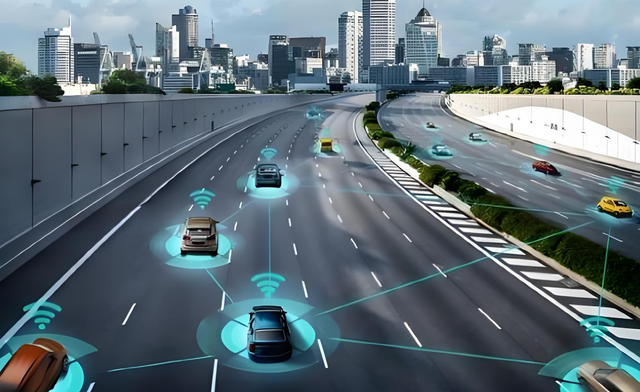
In fact, as the EV industry has matured, many of its once-touted advantages have diminished. The cost savings of EVs are no longer as significant with rising charging fees. Intelligent driving features have lost their hype after accidents. Innovations like hidden door handles and the removal of physical buttons have faced criticism. Even American EVs have become a laughingstock by offering paid installation of steering wheel levers.
Consumers are more inclined to choose EVs based on price, which heavily relies on subsidies. Next year, with the purchase tax halved and other subsidies significantly reduced, automakers may raise EV prices. After all, the automotive industry's profit margins have further declined this year. The battery costs of EVs are significantly higher than those of fuel engines, making it challenging to sustain low prices.
EV sales have also been marred by doubts. Zero-mileage used cars and exaggerated order numbers have raised questions about the authenticity of EV sales figures. However, due to fear of automakers' powerful legal departments, everyone remains a silent observer without naming names. But as subsidies decrease and the EV industry matures, those without a solid foundation will eventually be exposed. Since last year, several EV companies have already faced difficulties.
In contrast, fuel-powered vehicles have rarely been promoted amidst EVs' fierce impact. Purchases of fuel-powered vehicles rely more on consumer word-of-mouth. Under such circumstances, fuel-powered vehicles have still shown consecutive month-on-month growth, further proving the determination of consumers who choose them.
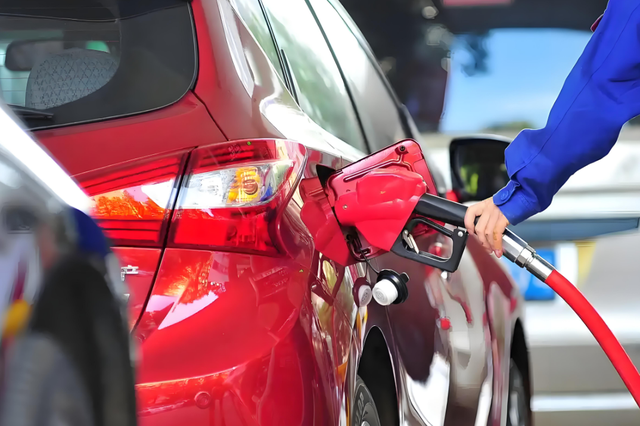
It can be argued that this is the zenith for EVs. There is widespread belief that next year, EV sales will decline, while fuel-powered vehicles will rebound. The extent of the rebound for fuel-powered vehicles will depend on the market. What also alarms EV companies is that among the top five EV sellers this year, three are traditional automakers. Foreign automakers like Toyota are gradually finding their footing in the EV market - Toyota's monthly EV sales have finally surpassed 10,000 units. Are EV companies prepared to embrace this new landscape?
-
![]()
Optical Industry Chain's 'Little Giant' Faces the Listing Challenge! Yuanli Optoelectronics Set for BSE IPO Review Tomorrow
-
![]()
There's No Such Thing as a Free DeepSeek
-
Five Consecutive Quarters of Revenue Decline: Baidu Sets Sights on 'Reclaiming Top-Tier Status in Foundational Large Models'
-
![]()
Global Vehicle-Mounted Optics Leader Reports RMB 358 Million Loss in H1!
-
![]()
Global Computing Power Behemoth Nvidia Faces Emerging, Formidable Rivalry!
-
![]()
Generative AI Fuels Global Cloud Market Boom, Three Cloud Titans Amass Trillions in Pending Orders
-
![]()
Semi-annual Report | Global Large-Size Interactive Flat Panel Market Grows by 9.4% in H1 2026; Analysis of Domestic and International Brand Strategies
-
![]()
Can Tencent Still 'Buy a Ticket' Onboard with an Extra 20 Billion?