"Batch 402 of New Cars from MIIT: Domestic Brands Go All In, Joint Ventures Make Bold Moves"
 12/09 2025
 535
535
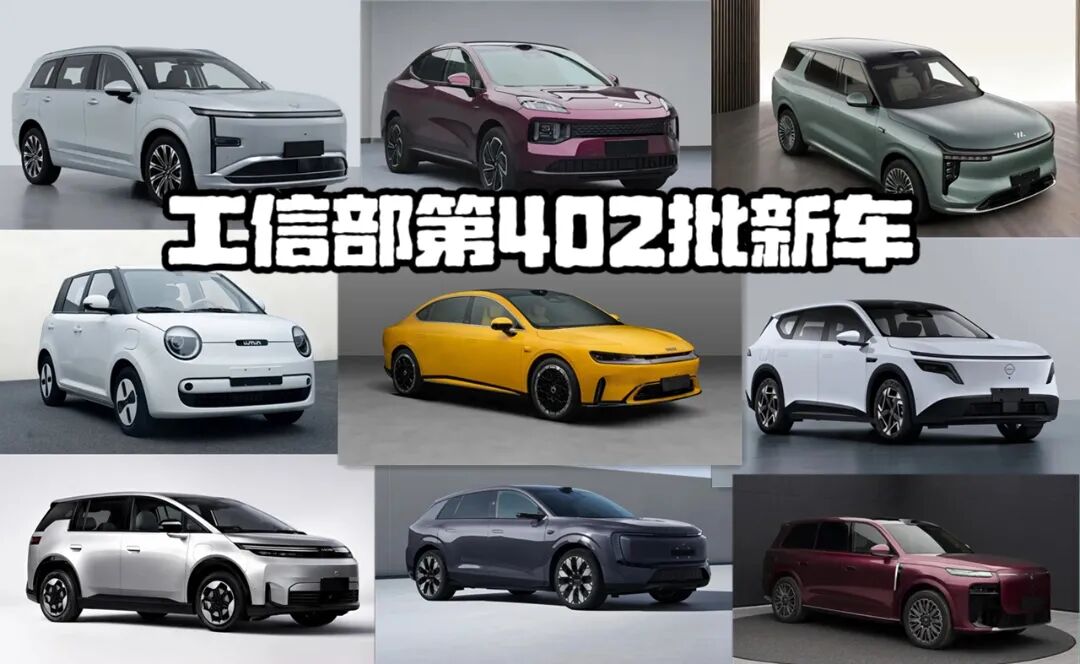
Introduction
As 2025 draws to a close, the upcoming wave of new car releases for the next year has unexpectedly taken center stage.
In the final month of 2025, when it was widely assumed that automakers would be preoccupied with year-end summaries and less enthusiastic about next year's product planning, the latest MIIT (Ministry of Industry and Information Technology) product list caught the industry off guard.
From domestic brands to joint ventures, and spanning hybrid models to pure electric vehicles, the new car offensive this time is brimming with vitality. Given the policy fluctuations affecting the entire industry, it was anticipated that automakers would pace their new car releases. Instead, a fully expanded product lineup has heightened expectations for a fierce market battle at the start of 2026.
Reflecting on the past year, the combined impact of price wars and public opinion battles has left nearly every automaker feeling anxious. Especially as numerous automakers collapsed just before the dawn of sustainable development in the new energy industry, finding a perfect solution for future development seems elusive for all.
It can only be said that as the market has re-educated leading automakers, by the end of this year, most have established a basic framework for future development. Facing a competitive landscape with numerous contenders, avoiding mistakes may well be the best strategy.
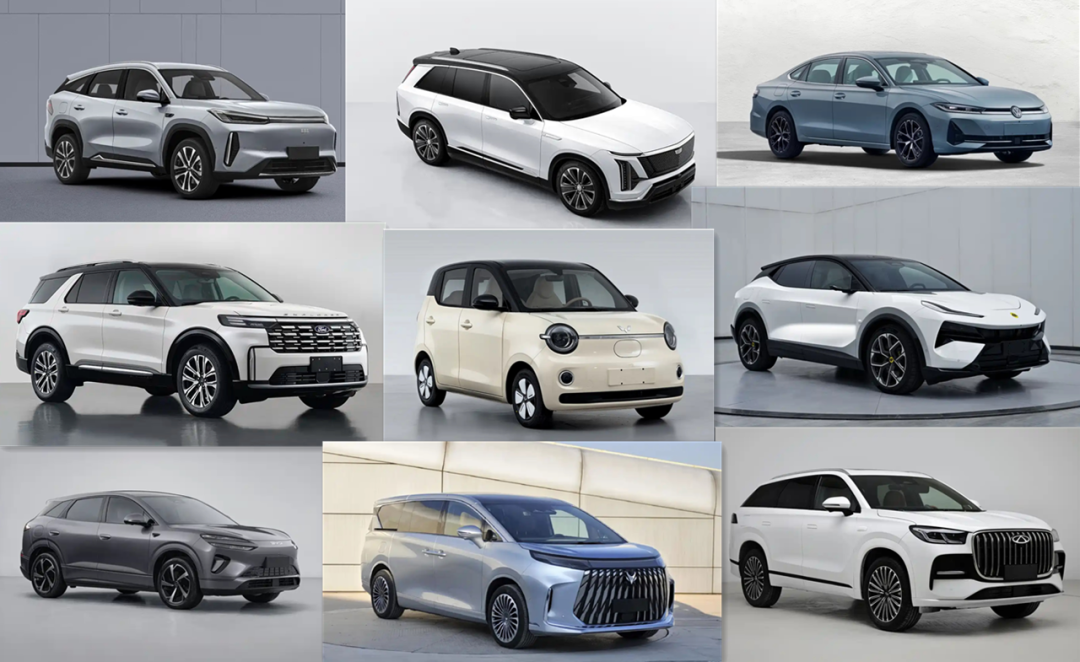
Therefore, a notable feature of Batch 402 of new car applications is the near absence of unconventional or unremarkable products. What is presented to consumers are all competent flagship products capable of standing on their own.
Whether it's joint ventures or domestic automakers, striving for success in various market segments has sparked a new wave of product enthusiasm across the entire Chinese automotive industry.
01 Chinese Technology Fully Feeds Back to Foreign Brands
If we rewind to this time last year, many held a clear view that starting from 2025, the dominance of the Chinese auto market would fully shift to Chinese automakers. Whether in terms of technology or products, joint venture automakers would gradually lose their edge and be marginalized by the market.
Interestingly, with joint venture new energy vehicles like GAC Toyota's bZ3X, Dongfeng Nissan's N7, and Changan Mazda's EZ-60 making a remarkable comeback, the Chinese auto market in 2025 did not follow the predetermined script. Today, against this backdrop, the newly revealed joint venture new energy vehicles are even more impressive.
Earlier this month, Dongfeng Nissan launched its latest offering, the N6, at a highly competitive price. Alongside the N7, it has become a crucial pivot for Nissan's new energy transition in China, increasingly revealing the long-lost brilliance of Nissan since the departure of former CEO Carlos Ghosn.
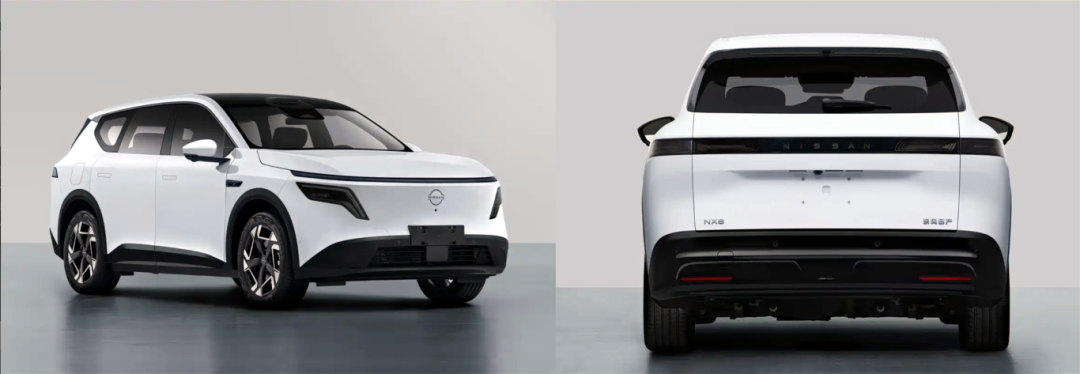
In this batch of new car exposures, when Dongfeng Nissan's NX8 debuts with even more impressive product parameters, the long-absent title of "Technical Nissan" seems to be making a comeback.
Built on Dongfeng Nissan's Tianyan architecture and debuting with an 800V high-voltage platform and CATL's 5C ultra-fast charging technology, the NX8 immediately outperforms potential competitors in terms of product strength.
Moreover, judging by Dongfeng Nissan's determination to complete localized development of new cars in China, it is estimated that when the NX8 is officially launched, it will maintain the cost-effectiveness seen in the N7 and N6, representing a Chinese offensive. In the current environment, this could pose a significant challenge to many potential rivals.
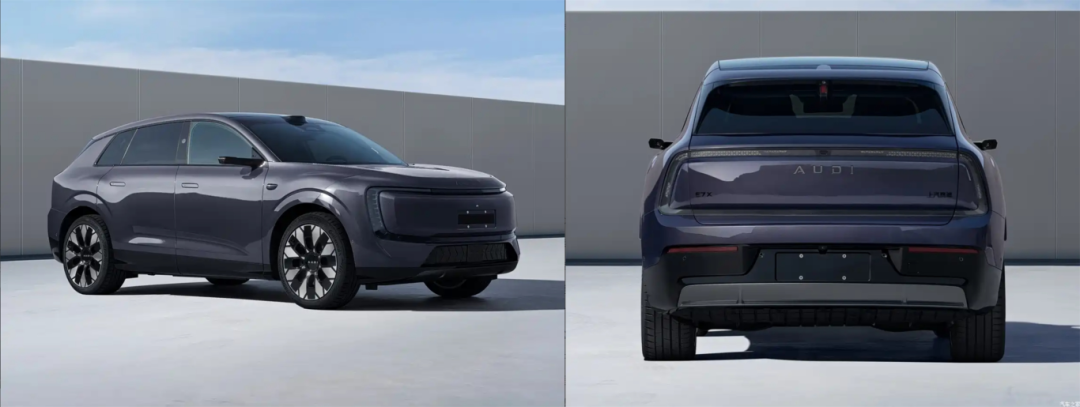
Similarly, due to this year's pressure on new energy transitions, it's not just ordinary joint ventures that are affected. Luxury brands led by BBA (BMW, Benz, Audi) are also not relaxing during this collective show of strength. Following the debut of the AUDI E SUV concept car at the Guangzhou Auto Show, SAIC Audi officially released its second model, the E7X, a mid-to-large-sized new energy SUV, and completed its MIIT filing.
Although the previously launched SAIC Audi E5 did not achieve outstanding sales in the terminal market, from the E5 to the E7X, it is evident that Audi is well-prepared to compete with Chinese companies.
If Audi hopes to use the e-tron series on the FAW-Volkswagen Audi platform to convey its purest understanding of the new era to Chinese users in terms of electrification transition, then for SAIC Audi, all the new cars on display or in planning aim to demonstrate one attitude: Audi is not turning a deaf ear to the development of China's new energy industry and the consumption habits of new energy vehicles.
From the available information, it can be concluded that the E7X is likely to share the same lineage as the E5, maintaining a high degree of consistency in core product strength. However, as long as the Chinese auto market plays a pivotal role globally, there is no need to underestimate traditional luxury brands like BBA.
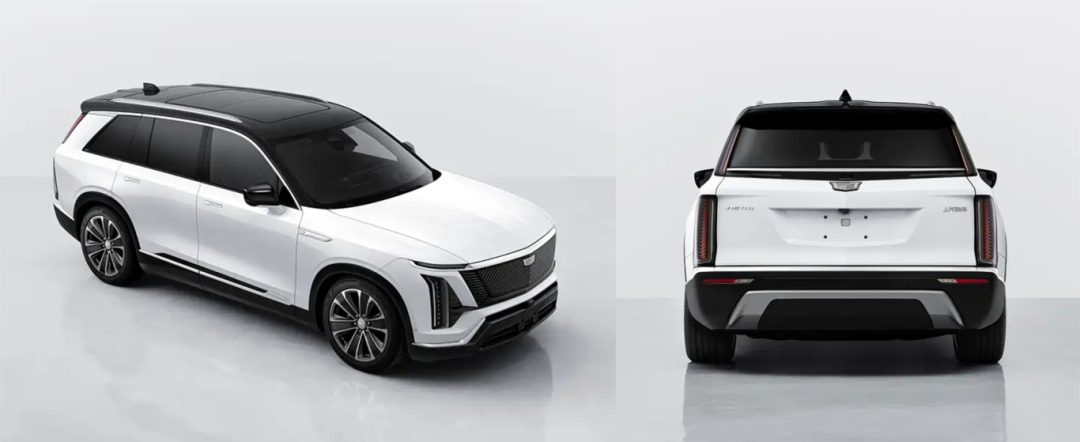
Even if products with strong brand styles like the Cadillac VISTIQ and Volkswagen Passat ePro appear in this batch of new car applications, the entire industry cannot withstand the counterattack from all joint venture automakers once they recognize the situation.
Indeed, given the level of support for the new energy industry in the Chinese auto market, there is no reason for global automakers not to learn from it here. This applies even more so to foreign brands with Chinese investment backgrounds, such as smart.
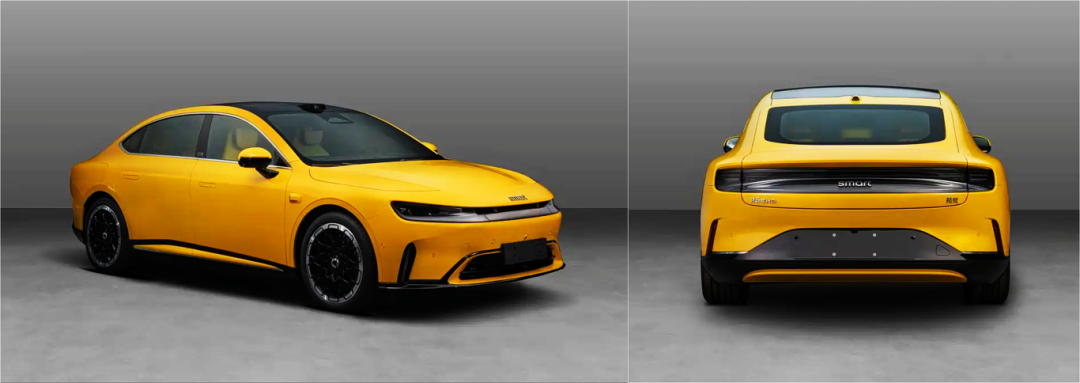
After the successive births of the smart #1, #3, and #5, smart has finally unveiled its first new energy sedan product, the smart #6 EHD.
With its 1.5T plug-in hybrid system and vehicle platform, the smart #6 still bears a strong Geely influence. However, as a mid-sized new energy sedan, the smart #6 has already moved away from smart's niche and individualistic track. Facing China's largest new energy market, the smart #6 EHD, like the #5, will directly target China's vast young and family user base.
02 There Has Never Been a Blue Ocean Market
Looking at the development of the Chinese auto market, it is clear that this industry has never been dominated by a single player. As the market volume has climbed to over 25 million annual sales, this is even more evident.
No matter how down-and-out joint venture brands may have been, in the face of changing times, giants like Toyota and Volkswagen always manage to reinterpret the new era. For Chinese automakers, with market shares already in place, why not maximize their strengths in their respective markets instead of engaging in a life-and-death struggle?
This year, besides the awakening of joint ventures, another clear product trend is the exceptionally lively market for "large" new energy SUVs and entry-level electric vehicles. In this batch of new car applications, even the most obscure brands are launching a plethora of similar products.
Recently, in the "Battle of the 9 Series," the IM LS9 and VOYAH Taishan can be seen as the final offensive against the Seres and Li Auto lineups in this round of warfare. Yet, it hasn't been long since the sibling models of these flagship SUVs made their appearance.
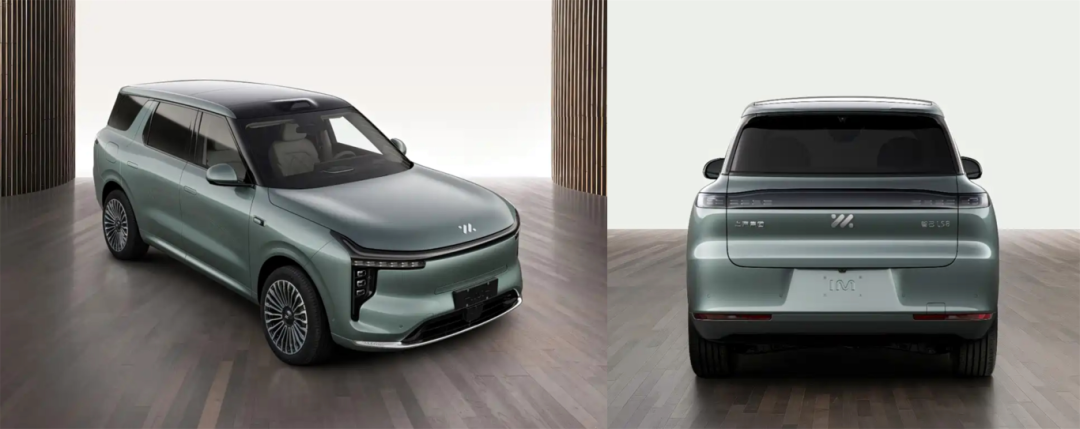
Similar to the IM LS9, the newly exposed IM LS8 is also a large-sized product. However, with a length of 5085mm and a wheelbase of 3060m, it is clearly aimed at supplementing the market, targeting the Seres M8, Li Auto L8, or the popular Lynk & Co 900.
Compared to the Taishan, the Taishan 8, with its large five-seat configuration, has a wheelbase 120mm shorter and a length 30mm less than the currently sold Taishan, indicating its purpose without further elaboration.
In this oversaturated market of mid-to-large-sized new energy SUVs, launching a flood of similar products is not only a cost-effective method but also meets the daily needs of most non-large families with products that seem different yet highly consistent in positioning.
So, what if one wants to further control vehicle purchase costs? I think it's time for Wuling to step in.
It is said that the currently "arrogant" Leapmotor achieved its consecutive sales growth with the mindset of offering a half-price Li Auto. However, when seeing the new Wuling Starlight L, honestly, it embodies the essence of Li Auto even more. Especially when the star-ring headlights appear on the Starlight L, the feeling that a true disruptor is emerging becomes even more profound.
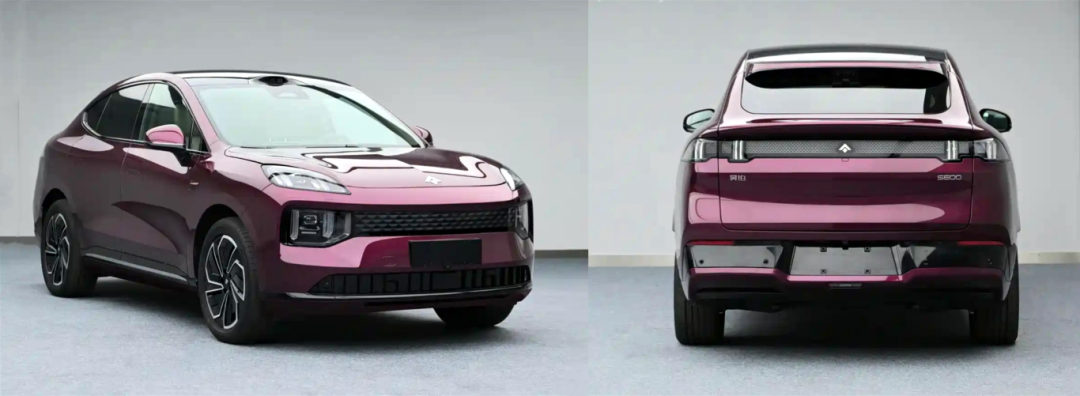
In comparison, the newly launched Hyper S600 by GAC Aion's Hyper brand seems less aggressive. Regardless of whether this car is a successor to the HT, at least in terms of body shape, it is not as homogeneous. Given that this new car will have both extended-range and pure electric models, its potential market in the later stages will be larger compared to the current Hyper HT.
After the Seres lineup dominated the market, the outside world once thought the market could finally settle down. Currently, it seems that major Chinese automakers have plenty of ways to prevent this trend from escalating. On the other hand, when the successor to the Wuling Hongguang MINI and the Binuo Pro collectively defend their market positions, rivals including Changan will certainly not sit idly by.
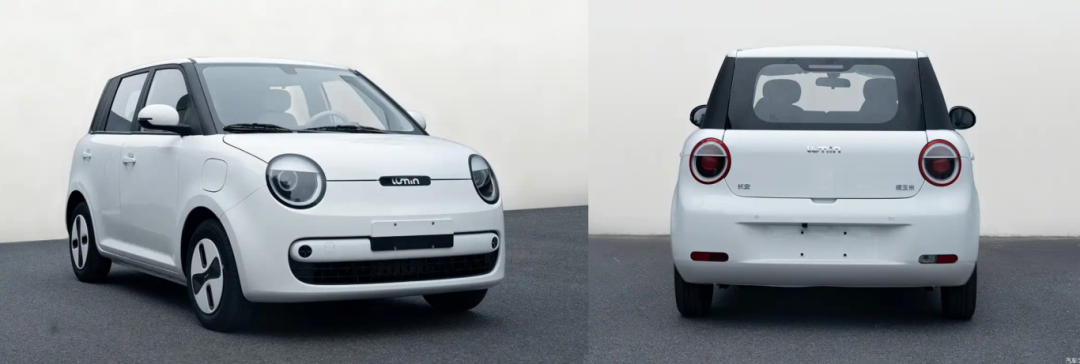
The Lumin has boldly introduced a four-door version, primarily to prevent Wuling from dominating the entry-level electric compact car market.
As the second new car under the brand's new naming system, the Aion N60 will not only serve as a refreshed version of the Aion Y but also help the UT consolidate its product matrix in the 100,000-yuan-level pure electric vehicle market, thereby exerting more pressure on other competitors.
In conclusion, when we take a closer look at Batch 402 of new cars from MIIT, the sense that automakers are preparing major moves is exceptionally strong. Besides the new cars mentioned above, models like the Geely Galaxy M7, Chery Tiggo 5 PRO, and a large number of new cars from BYD are poised for launch.
However, this means that even though 2025 has not yet ended, the high-intensity competition in the Chinese auto market next year is already laid bare before us. Any enterprise that wants to survive and thrive, regardless of its background, has no reason to slow down. "Raising the blade towards the future" is not only required by the current industry situation but also the only solution during the self-transformation phase.
Editor-in-Chief: Du Yuxin Editor: He Zengrong
THE END
-
![]()
ByteDance, DJI, and Xiaohongshu Secure Top Three Positions Among China’s Fastest-Growing Unicorns
-
Tesla's in-car voice system in China is finally learning to 'understand human language'
-
![]()
Foreigners Are Amazed: Chinese Electric Vehicle Drive Systems Unveil Innovative 'Poses'
-
![]()
700,000 Brothers and the Future of Robots: Behind JD.com's 'Nirvana Plan'
-
![]()
Zhipu's Trillion-Dollar Valuation: A New Chapter for China's AI
-
![]()
Is Laifen, a 'Dyson Alternative' on the Rise, Now Ensnared by the 'Alternative Curse'?
-
![]()
Beyond Patents: Insta360 and DJI Compete in Retail
-
![]()
Piercing Through Industry Chaos: The Curtain Rises on Compliance for Autonomous Driving