Logo Changes: The Chinese Automakers' "Voice Quest"!
 12/10 2025
 748
748
At the 2025 Guangzhou Auto Show, the LEVC L380, once an independent brand under Geely, bid farewell to the “LEVC” marking on its rear. Instead, it proudly sports the “Galaxy V900” badge and an exclusive golden emblem, signaling a subtle yet profound transformation in its brand identity.
Almost concurrently, Hongqi announced the abandonment of its previously designed logo for new energy vehicles, opting instead to forge a high-end matrix with a three-tiered architecture: “main brand + Tiangong + Golden Sunflower”. Meanwhile, Exeed has launched a global contest, offering a RMB 1 million prize to solicit a new logo that encapsulates its high-end vision.
These密集 (intensive, here "frequent" may be a more natural English choice) logo changes, though seemingly minor adjustments to vehicle exteriors, are, in fact, the result of meticulously planned strategic resets. As product capabilities and technological reserves have matured, Chinese automakers are redefining their relationships with users, the market, and even the global luxury landscape through the reshaping of visual symbols. Changing logos is no longer merely about “changing appearances” but about “reshaping lifestyles”.
Changing Logos: A Calculated Move
The current trend of logo changes in the Chinese auto market is far from a fleeting fancy. Instead, it reflects a deliberate initiative by Chinese automakers to elevate brand value after over a decade of trials in the electric and intelligent vehicle markets. Presently, the product capabilities of Chinese new energy vehicles have transitioned from “can we build them” to “can we build them better,” making brand the core battleground for success in the high-end market. Against this backdrop, changing logos has emerged as the most intuitive and efficient means to express this upgrade.
Take Hongqi as an illustration. It has entirely discarded its previous independent logo for “Hongqi New Energy” based on energy type and, instead, established a three-tiered sub-brand system: “main brand + Tiangong + Golden Sunflower”. Tiangong attracts users under 35 with its technological flair and trendy language, achieving breakthroughs akin to those of new forces. This clearly stratified and precisely positioned system not only prevents internal resource depletion but also enables efficient operations across diverse consumer segments.
Similarly, Geely has integrated its previously independently operated “LEVC” brand into the “Galaxy” main brand and crafted an exclusive Yao Jin (Shining Gold) logo for its flagship MPV V900, adhering to the same rationale. While multi-brand strategies in the past facilitated rapid market segmentation, they also led to “negative effects” such as fragmented brand perception and overlapping sales channels. Now, by adopting the “Galaxy V900” logo, Geely retains its differentiated advantages while leveraging the channels and influence of the main brand for synergistic amplification. This integration approach signifies a shift for Chinese automakers from extensive expansion to refined operations.
Behind these logo changes, Chinese brands are no longer merely imitating Western logos. Over the past few years, Chinese automakers have laid a solid foundation in product capabilities through technological breakthroughs in electrification and intelligence. For instance, blade batteries, 800V high-voltage platforms, urban NOA intelligent driving, and fully self-developed chips have equipped Chinese vehicles with the confidence to compete with international giants in terms of performance, safety, and experience. With a robust product foundation, brand storytelling capabilities have become the next frontier.
Today's logo changes are precisely the key carriers (here "vehicle" might be a more fitting metaphor than "carrier" in this context, but "carriers" is also acceptable) of this transformation. Exeed has partially delegated brand-building authority to users by globally soliciting logos, fostering a sense of participation and belonging. Hyper, on the other hand, named its brand's primary color “Hao Shi Cheng,” preserving the auspicious connotations of Lingnan culture while establishing a distinct memory point in the crowded new energy market with its high-saturation color.
To some extent, this represents an awakening (correct spelling) of brand maturity, transitioning from imitation to definition.
China's Automotive Breakthrough
In 2025, logos have transcended their traditional role as static emblems, evolving into comprehensive vehicles for technological progress, cultural confidence, and user interaction.
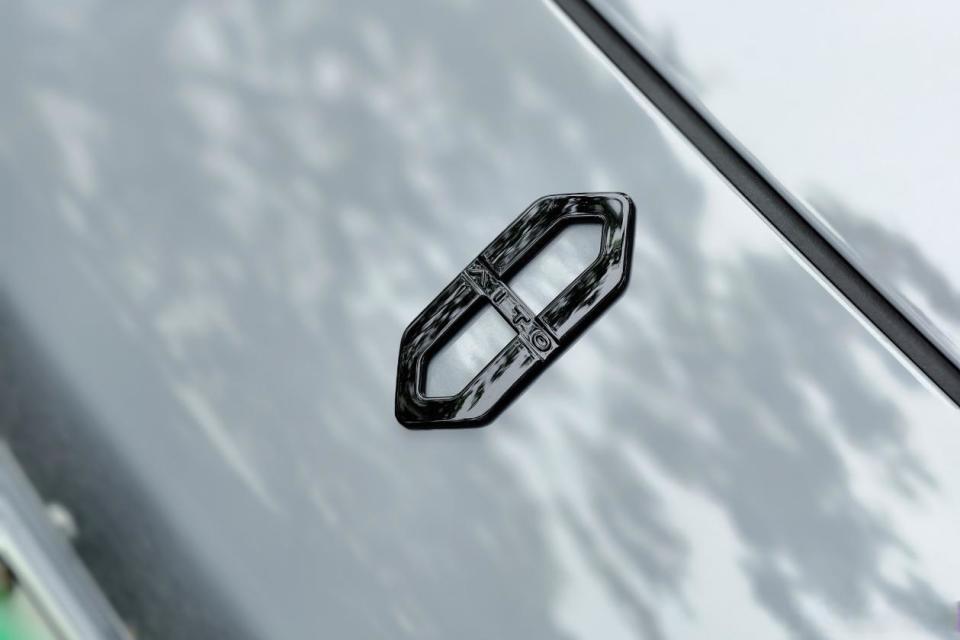
Today's logos are shifting from static symbols to dynamic interactive interfaces. Some new models have already implemented “intelligent glowing logos” that indicate battery charge progress through breathing lights during charging, gradually brighten to welcome users upon unlocking, and even change colors or light effects based on driving modes (e.g., sport, energy-saving, intelligent driving). This involves precise arrangements of LED microarrays, low-power drive chips, IP67-rated waterproof sealing structures, and deep integration with vehicle CAN buses or domain controllers through communication protocols. While these technical details may seem trivial, they necessitate cross-disciplinary collaboration spanning optical design, electronic engineering, and software-defined hardware, compelling local supply chain enterprises to accelerate their alignment with automotive-grade standards.
From the perspective of shifting automotive consumption concepts (corrected from "concept"), this trend of logo changes reflects the rapid responsiveness of Chinese automotive brands. As Generation Z (those born in the 1990s and 2000s) becomes the primary force in car purchasing, their demands for “technological sophistication,” “personalization,” and “cultural identity” far outweigh their reverence for traditional luxury symbols. Chinese brands are sending transformation signals through logo changes, actively catering to user preferences while echoing trends in electrification and intelligence. Both at the organizational and strategic levels, they demonstrate strong execution capabilities.
The explosive growth of the new energy vehicle market is also strongly driving changes in brand logos. From January to October 2025, cumulative sales of new energy passenger vehicles in China reached 11.47 million units, a year-on-year increase of 32.7%, with exports surpassing 2 million units for the first time. This significant growth has prompted Chinese automotive brands to rethink how to establish a unique visual identity in the global context—not by blindly following the logo rules of Western century-old brands but by boldly incorporating local elements such as Eastern aesthetics to form a differentiated recognition system.
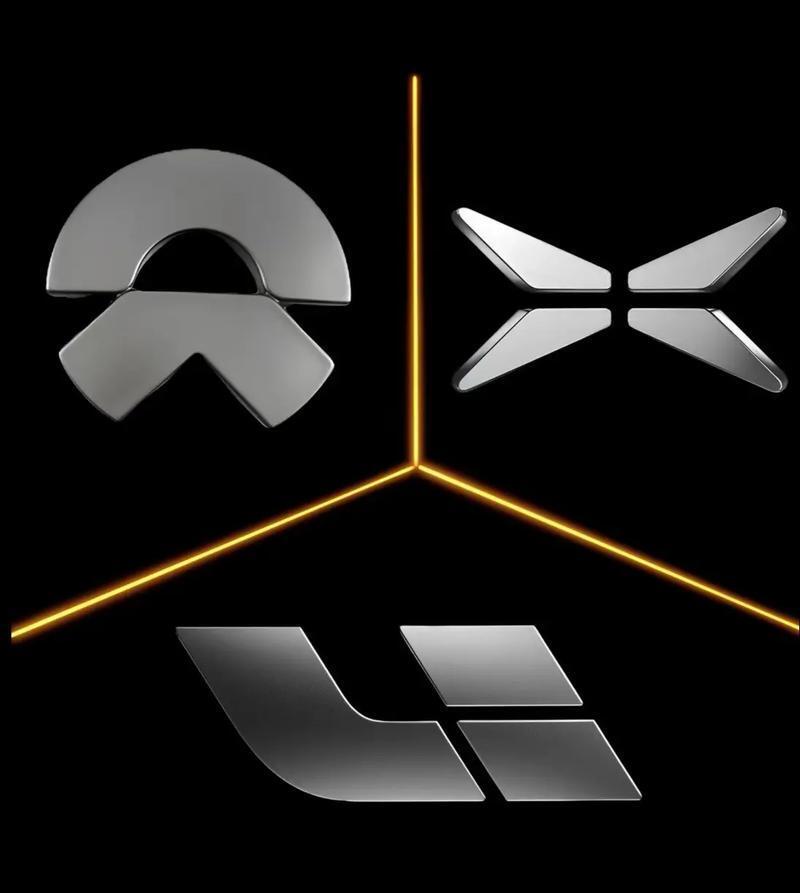
This transformation has elevated changing logos beyond a mere branding initiative led by the marketing department. Instead, it is deeply intertwined with China's automotive industry's strategy to break through to high-end, intelligent, and global markets.
However, we must also remain soberly aware that changing logos is not a panacea. Without genuine technological breakthroughs, reliable quality, and strong user experience support, even the most dazzling logos will eventually become “hollow symbols”.
Public Opinion on Cars
Ultimately, the essence of this round of logo changes is not about visual renewal but about the struggle for voice. As Chinese automakers refuse to be “defined” by others, logos have become declarations of this industry transformation.
Yet, historical experience reminds us that the power of symbols always depends on the strength of the foundation. Without the safety endorsement of blade batteries, the algorithmic support of urban NOA, or the charging efficiency of 800V platforms, even the most exquisite logos will struggle to take root in users' minds. True brand elevation lies not in how shiny the logo on the front of the car is but in whether it can provide users with a superior product experience.
-
![]()
Hyundai Motor Workers Strike Today, Fearing Job Losses to Robots
-
![]()
Embracing 'Light': O-film Unveils Its 'Illuminating the Future' Strategy
-
![]()
SenseTime’s SenseNova U1.5 Lite Goes Open Source: Ushering in a New Era of Predictable AI Image Generation
-
![]()
Collaboration Initiated! Tesla Officially Welcomes Doubao Onboard
-
![]()
WPS: From Alternative to Leader, Kingsoft Software Bets on AI Office, H1 Revenue Nears 5 Billion
-
![]()
Can TECNO Mobile Expand Beyond Africa?
-
![]()
A Sample of AI Breakthrough for a Company
-
![]()
Goldman Sachs Raises the Bar: China’s Global Expansion Steps into the '3.0 Era,' Now Exporting AI Industrial Prowess