Is Extended-Range Hybrid Technology in the New Energy Vehicle Market a Rising Trend or a Fleeting Fad?
 12/12 2025
 577
577
At present, the domestic new energy vehicle market offers three primary technological pathways: pure electric, plug-in hybrid, and extended-range hybrid. Pure electric vehicles, as their name clearly indicates, are entirely reliant on electricity for power, eliminating the need for further elaboration. However, the technical intricacies of plug-in hybrids and extended-range hybrids continue to perplex some consumers to this day.
Superficially, plug-in hybrids and extended-range hybrids share remarkably similar operational scenarios. Both can secure green licenses, be charged, and refueled. When compared to pure electric vehicles, they alleviate range anxiety concerns. Consequently, some consumers might remain oblivious to whether the vehicle they've acquired is a plug-in hybrid or an extended-range hybrid. Thus, a succinct explanation of the disparities between the two remains pertinent.
In layman's terms, a new energy vehicle equipped with plug-in hybrid technology can be propelled by its battery and also directly driven by the engine. Conversely, even though an extended-range hybrid vehicle can be refueled, the engine is solely utilized for power generation and cannot directly propel the vehicle. It essentially functions as a generator, transforming fuel into electricity, which subsequently powers the vehicle through the battery.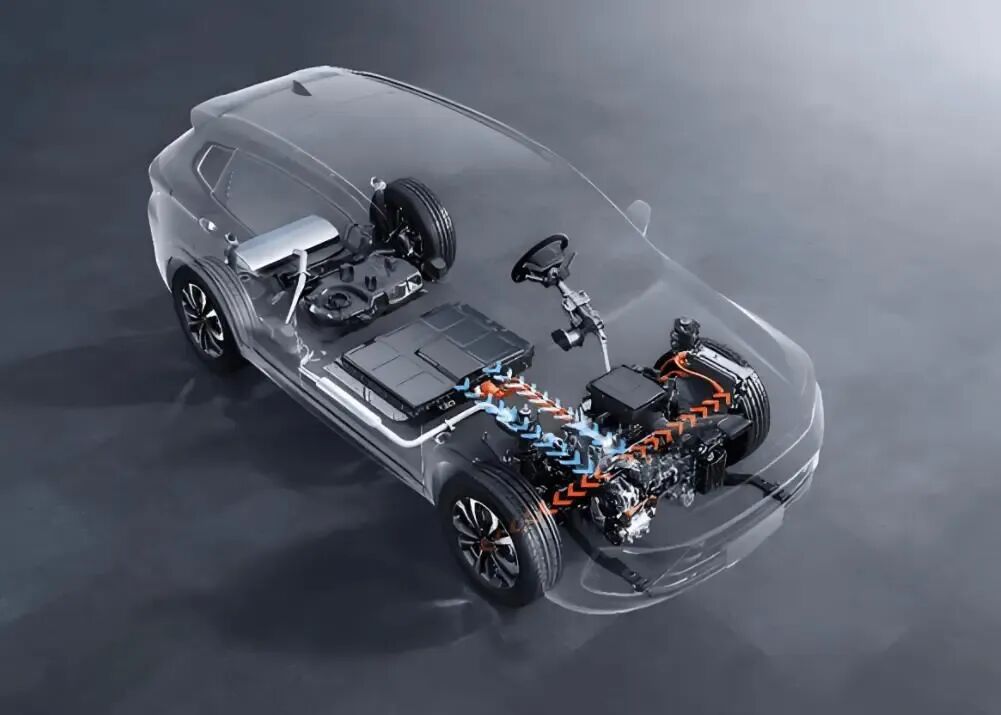
From a technical threshold perspective, plug-in hybrid technology undeniably surpasses extended-range hybrid technology in terms of complexity and system structure.
It is precisely due to the low barrier to entry and the driving experience that closely mirrors that of pure electric vehicles that new energy vehicle manufacturers, exemplified by Seres, Li Auto, and Leapmotor, have opted to pursue the extended-range hybrid route.
Although plug-in hybrid technology boasts a more intricate system structure and presents greater challenges, its advantages, whether in terms of power response or fuel consumption when the battery is depleted, are markedly superior to those of extended-range hybrid models.
Particularly at high speeds, plug-in hybrid models can achieve a 25-30% reduction in fuel consumption compared to extended-range hybrids under identical conditions.
Having delineated the distinctions between the two, let's delve into whether the relatively less advanced extended-range hybrid technology will emerge as a developing trend or merely a fleeting fad in the future domestic automotive market.
A cursory examination of the domestic automotive market's evolution reveals that, over the past two years, new energy vehicle manufacturers have exhibited a pronounced preference for extended-range hybrid technology. Numerous manufacturers that previously adhered to the pure electric route have now redirected their focus toward the extended-range hybrid market. This includes XPENG, ZEEKR, Avatr, and IM Motors, among others. In the past two years, these manufacturers have also rolled out their own extended-range hybrid models.
The objective is unmistakable: they aim to compete in the market with manufacturers like Li Auto, Seres, and Leapmotor, which predominantly rely on extended-range hybrid models for their sales volumes.
A glance at the sales data for domestic extended-range hybrid models in November of this year reveals that Seres and Li Auto accounted for five out of the top ten selling models. This encompasses highly sought-after models such as the Seres M8, Seres M9, Seres M7, Li Auto L6, and Li Auto L7.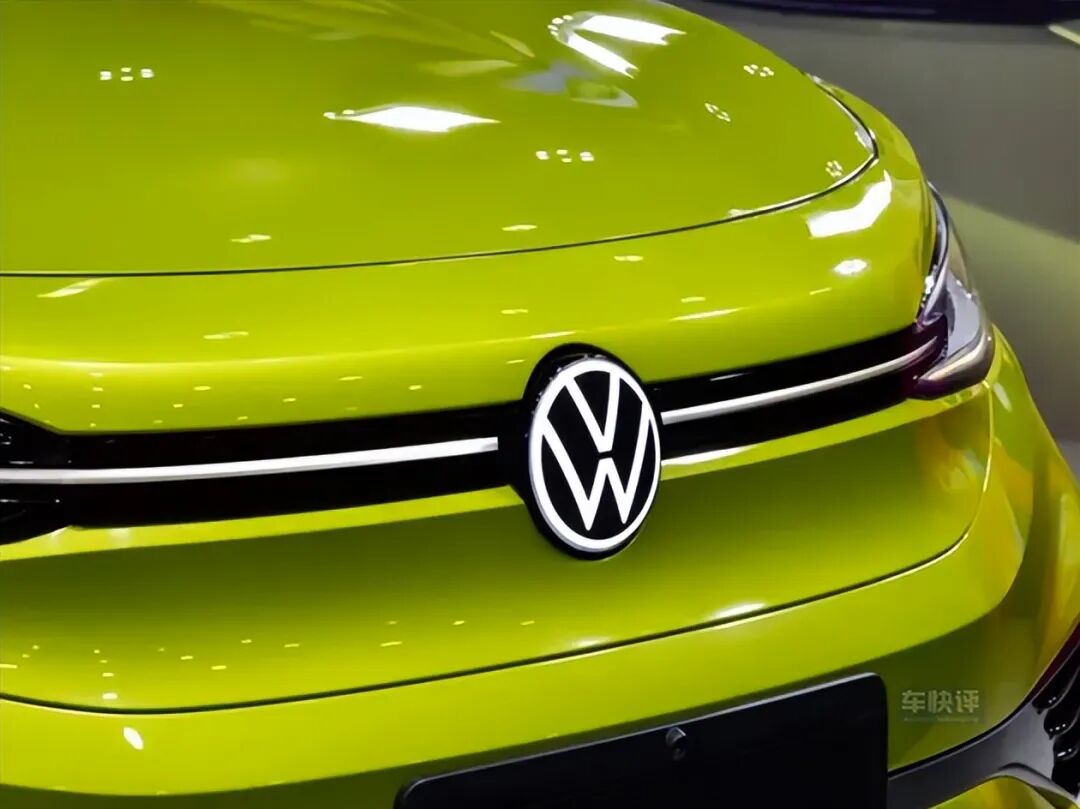
The allure of extended-range hybrid models extends beyond the domestic market; they also appear to be garnering favor overseas. Recently, foreign media reported that Volkswagen will introduce extended-range hybrid sedans and SUVs in Europe and the United States. To this end, Volkswagen Group is currently formulating a new five-year investment plan, underscoring its resolve to penetrate the extended-range hybrid vehicle market.
Volkswagen is also set to launch extended-range hybrid models in the domestic market in 2026. This underscores that, despite frequent criticisms of being outdated, extended-range hybrid technology remains enticing to many car manufacturers due to its low cost, low technical barrier to entry, and straightforward structure. If this holds true for Volkswagen, a global automotive behemoth, how much more so for new energy vehicle manufacturers?
In summary, asserting that extended-range hybrid technology is merely a fleeting fad seems somewhat one-sided. However, it is equally uncertain whether extended-range hybrid technology will emerge as the prevailing trend in the domestic new energy vehicle market. After all, BYD, Geely, and Great Wall Motors have consistently adhered to the plug-in hybrid route.
Copyright Notice: This article is an original work of CheKuaiping. Reproduction requires explicit permission. Unauthorized reproduction and any form of plagiarism or misuse of the text or images are strictly prohibited, and legal action will be pursued. Some images in the article are sourced from the internet, with copyright归属于 the original authors. If your work has been used, please contact us for royalties or deletion.
-
![]()
ByteDance, DJI, and Xiaohongshu Secure Top Three Positions Among China’s Fastest-Growing Unicorns
-
Tesla's in-car voice system in China is finally learning to 'understand human language'
-
![]()
Foreigners Are Amazed: Chinese Electric Vehicle Drive Systems Unveil Innovative 'Poses'
-
![]()
700,000 Brothers and the Future of Robots: Behind JD.com's 'Nirvana Plan'
-
![]()
Zhipu's Trillion-Dollar Valuation: A New Chapter for China's AI
-
![]()
Is Laifen, a 'Dyson Alternative' on the Rise, Now Ensnared by the 'Alternative Curse'?
-
![]()
Beyond Patents: Insta360 and DJI Compete in Retail
-
![]()
Piercing Through Industry Chaos: The Curtain Rises on Compliance for Autonomous Driving