German luxury giant to get a new leader
 12/12 2025
 548
548
Primary battleground remains in China
Author: Wang Lei
Editor: Qin Zhangyong
The CEO of a multinational automaker who loves visiting China the most is retiring.
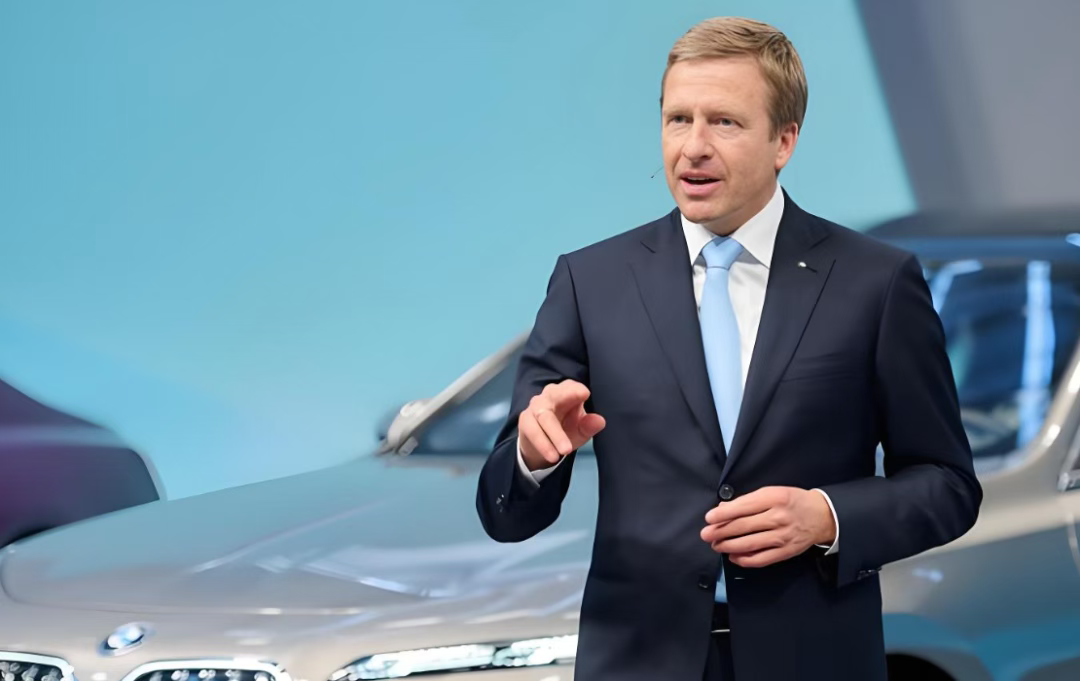
BMW Group officially announced that Oliver Zipser, who has served as Chairman of the BMW Group since August 2019, will officially step down in May next year and plans to transition to a supervisory board member at Airbus next summer.
Milan Nedeljković, who is set to take the helm at BMW, is a prominent figure with a similar background to Zipser and currently oversees the production division. Notably, before assuming the role of Chairman, Zipser also oversaw the production division.
Among multinational automakers, Zipser is considered one of the CEOs who loves China the most. In recent years, he has visited China more times than the CEOs of Mercedes-Benz and Audi combined. He has repeatedly stated, 'China is BMW's second home.'
Under his leadership, BMW is in a critical period of electrification transformation. Not only has he paved the way for BMW's 'Neue Klasse' strategy, but he has also managed to avoid significant organizational turmoil within BMW Group, a challenge faced by other traditional giants during their transitions.
Now, with his departure set after the successful launch of the 'Neue Klasse,' it marks the end of a phase focused on strategic planning and platform development.
01
A leader betting on China's future
Born in 1964, Zipser has spent his entire career at BMW Group, starting from the ground up and rising to become the leader of BMW Group.
After graduating from Darmstadt University of Technology in 1991, Zipser joined BMW Group as an intern in development, technical planning, and production, and has remained with the company ever since.
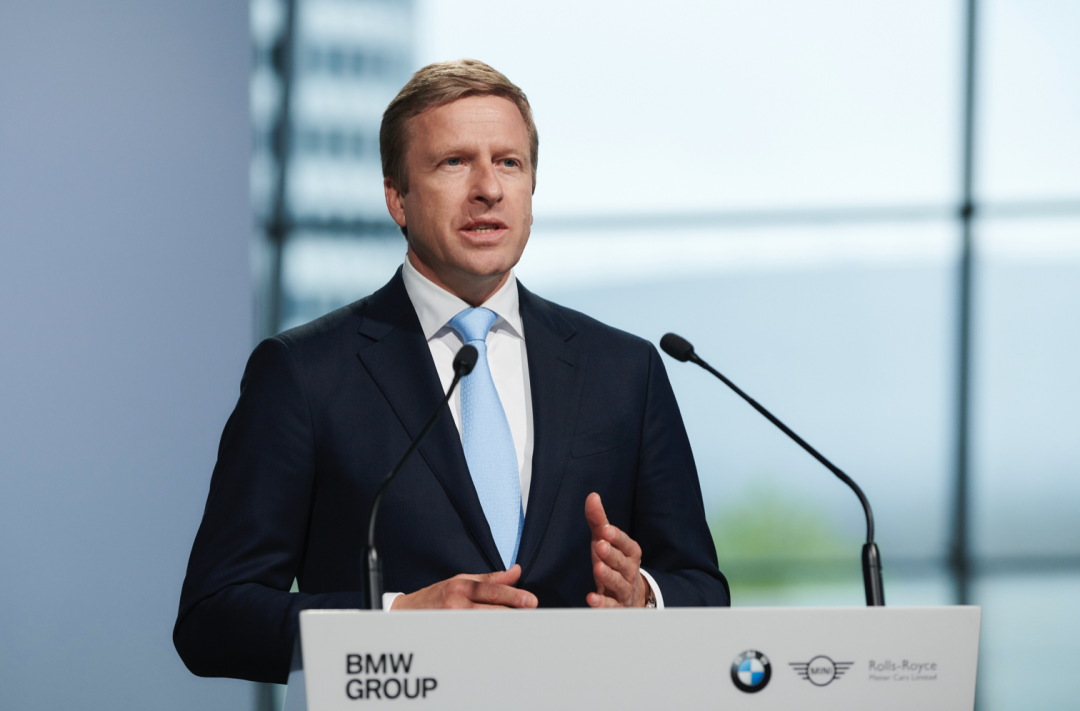
He has served as a project engineer in technology development, manager of the MINI Oxford plant, and, until 2009, was promoted to Senior Vice President of BMW Group, responsible for technical planning. From 2012, he oversaw corporate planning and product strategy. In May 2015, he was appointed Head of Production and joined the BMW Group Board of Management the same year. In August 2019, Zipser became Chairman and CEO of BMW Group.
In total, Zipser has worked at BMW for 35 years.
Given that BMW generally sets an age limit of around 60 for board members, Zipser was originally expected to step down in 2024. Not only had he reached the age limit, but his contract was also set to expire at the end of 2024. However, the BMW Group Supervisory Board extended his contract by two years, until 2026.
His final departure date has been set for May 13 next year—coinciding with BMW's Annual General Meeting for the fiscal year. At that time, he can be considered to have retired with honor.
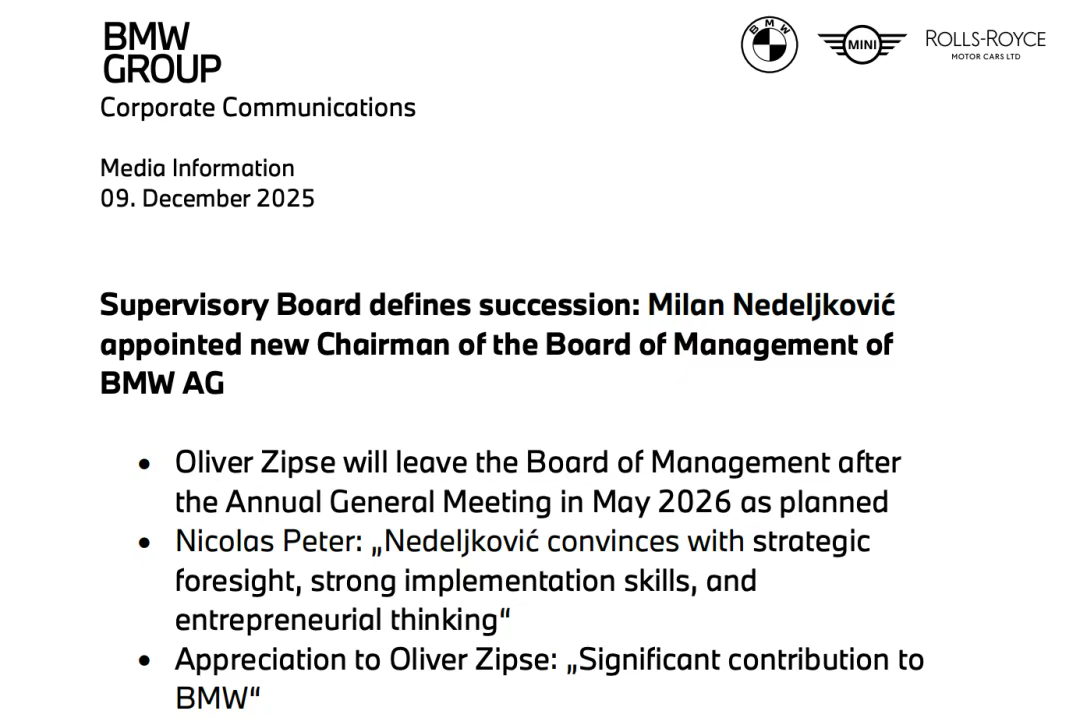
The Supervisory Board expressed its 'special gratitude for his tremendous contributions to BMW Group.' Supervisory Board Chairman Nicolas Peter stated,
'He led BMW through global crises such as the COVID-19 pandemic and regarded new models as the company's biggest project for the future.'
Compared to his predecessors, Zipser is undoubtedly BMW's most China-friendly Chairman. This year alone, he has visited China four times, stating directly, 'China is BMW's second home.' Last year, when the EU imposed significant tariffs on Chinese electric vehicles, Zipser was the first to voice opposition.
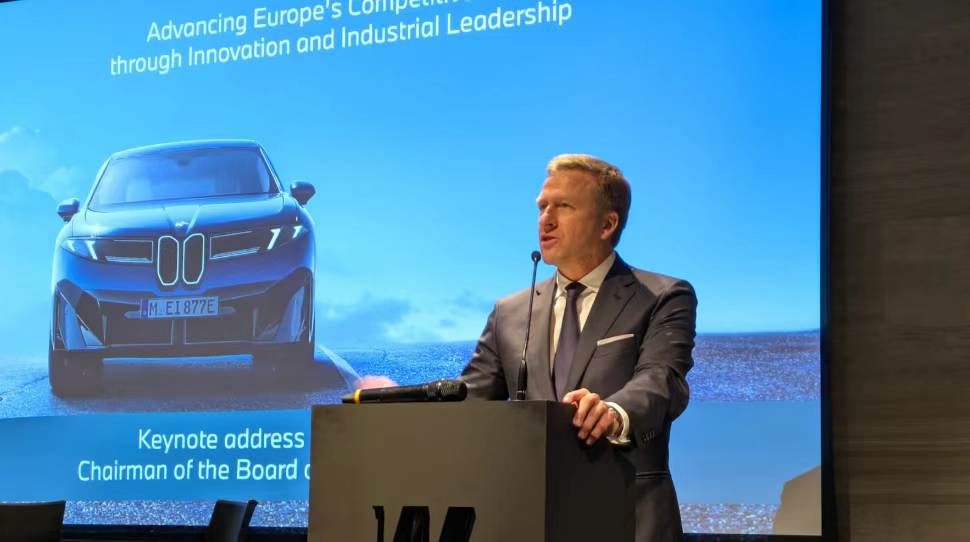
Recently, at the 2025 Advisory Board Meeting of Tsinghua University School of Economics and Management, Zipser emphasized that BMW Group firmly opposes the European Commission's imposition of anti-subsidy tariffs on Chinese electric vehicles and has filed a lawsuit with the EU Court.
Why does he love China so much?
In fact, in Zipser's first year as BMW Chairman, in 2019, BMW achieved its best performance in China, selling 723,700 vehicles and becoming China's luxury car champion for the first time. This also drove global sales growth of 1.2%, surpassing Mercedes-Benz to reclaim the top spot in the global luxury car market.
This was accompanied by BMW's resilient growth in the 2019 fiscal year, with annual sales exceeding 2.53 million vehicles for the first time and total revenue surpassing €100 billion, a 7.6% year-on-year increase.
With such achievements, it's no wonder Zipser loves China.
By embracing the Chinese market and integrating BMW's supply and ecological chains with it, BMW has demonstrated relative stability among traditional giants in recent years.
According to the latest data, BMW Group delivered a total of 1,795,894 vehicles in the first three quarters of 2025, a 2.4% year-on-year increase. Although cumulative sales in the Chinese market for the first three quarters were 464,971 vehicles, a 11.2% year-on-year decline, total sales of BMW's new energy vehicles exceeded 470,000 units, a 15% year-on-year surge, with 323,400 fully electric vehicles sold, a 10% increase.
This is also attributed to the 'Neue Klasse' strategy, the largest in BMW Group's history, which Zipser has been promoting. It aims to reshape BMW's future direction and is even compared to the 'Neue Klasse' project that saved BMW in the 1960s, seen as pivotal for BMW's transformation in the era of electric intelligence.
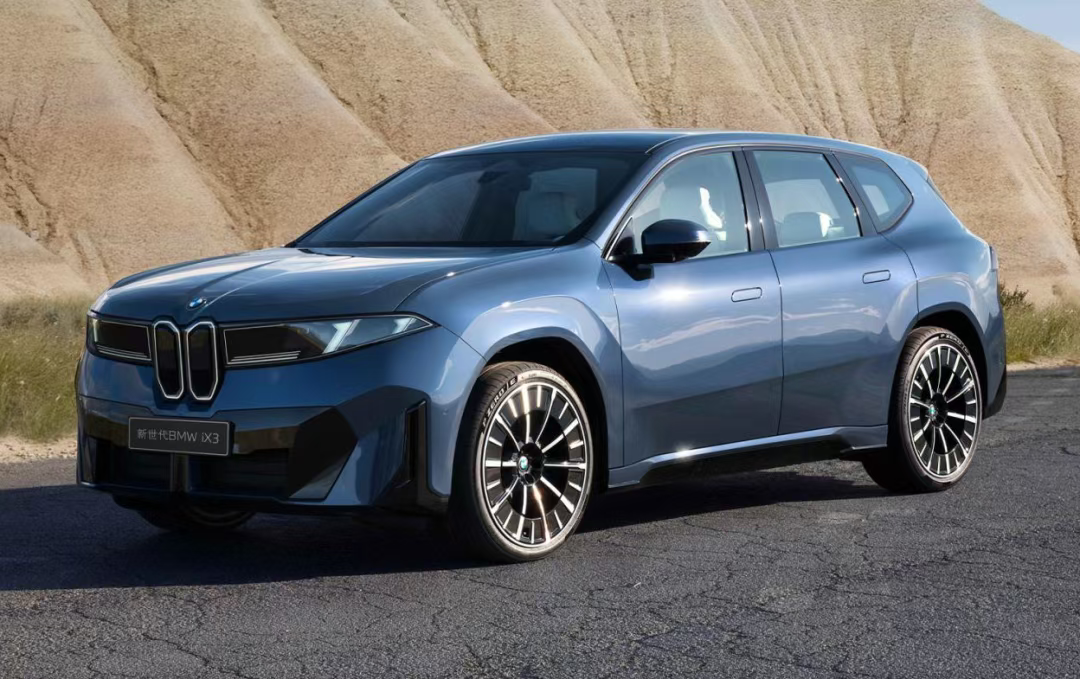
Previously, at the Munich Auto Show, the most important product in BMW's entire new energy strategy—the all-new BMW iX3—made its debut. It is set to be produced in Shenyang in 2026. As BMW's most localized model and the first under the 'Neue Klasse' strategy, it is even more critical that BMW will gradually apply the technologies first seen in the new iX3 across its entire product lineup (including electric and fuel vehicles).
From the timing of Zipser's departure, which is set after the successful launch of the 'Neue Klasse,' it can be seen as a fitting conclusion.
02
The 'Neue Klasse' second-in-command takes over
Dr. Milan Nedeljković, who will succeed Zipser, is also a veteran at BMW, having joined around the same time as Zipser and being younger.
Born in March 1969 in Kruševac, Serbia, Nedeljković joined BMW Group in Munich as a management trainee in 1993, just two years after Zipser. He was responsible for process planning in the body and stamping shops. Since then, he has served as General Manager of BMW Group's Leipzig plant and General Manager of BMW Group's Munich plant.
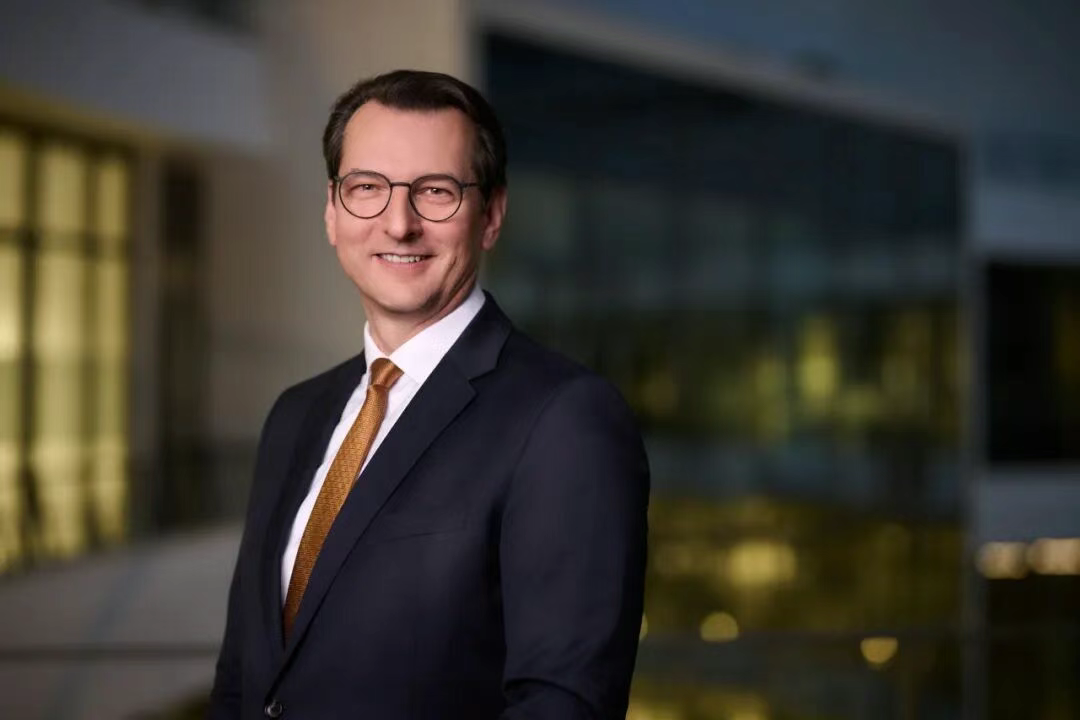
In 2018, he became Senior Vice President of Corporate Quality at BMW Group and joined the BMW Group Board of Management in October 2019. Currently, he oversees production operations. This 56-year-old executive has been with BMW Group for 32 years.
He has long been considered the top candidate for the next Chairman, as the promotion of BMW's production division head to Chairman is somewhat of a tradition.
For example, before Zipser took over as CEO, he also served in that role, and his predecessor, Harald Krüger, was also the head of production before becoming BMW Group's leader. BMW's long-time Chairman and later Supervisory Board Chairman, Norbert Reithofer, also previously oversaw this area.
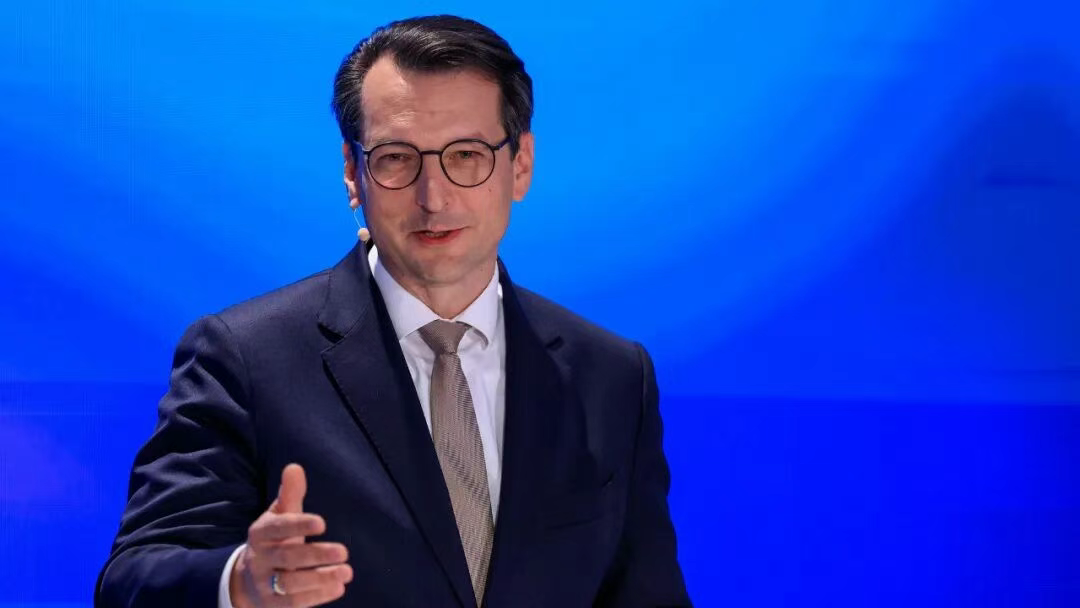
However, when Nedeljković takes over as Chairman of BMW Group, he will be 57 years old. Given BMW's tradition of not exceeding 60 years old, it seems he may not have many years left in the role. Based on this, BMW Group has extended his contract until 2031.
Dr. Nicolas Peter, Chairman of the BMW Group Supervisory Board, commented, 'Nedeljković possesses strategic vision, strong execution, and entrepreneurial thinking. He can inspire his team with clear ideas, unite them with shared values, and motivate them to perform at their best. During this critical period of transformation, such leadership is crucial to ensuring BMW Group maintains a steady trajectory of success.'
Analysts at Bernstein also commented that as the Production Director, he has prepared the entire production network for BMW's new generation of vehicles. 'We believe it is the right choice to have one of the main architects of the 'Neue Klasse' lead the company and manage its gradual introduction.'
It is clear that ensuring the continued progress of the 'Neue Klasse' strategy is a core factor in BMW Group's consideration of successors. The phase of strategic deployment under Zipser has been completed.
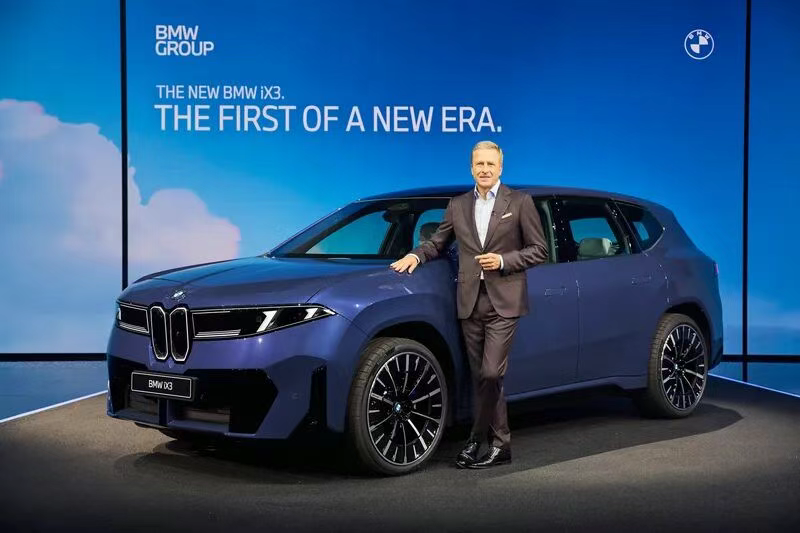
However, what follows is an even more challenging new phase: how to efficiently and economically transform grand technological blueprints into scalable, market-competitive products that generate profits. Nedeljković's core trait (I think you mean 'trait') is that he is a production expert, a key executive with global operational experience ensuring cost and efficiency.
As an engineer and production expert who rose from the factory floor, perhaps this is the fundamental reason Nedeljković was chosen. His future task is to ensure the high-quality, efficient, and low-cost global mass production and delivery of 'Neue Klasse' models.
However, it cannot be denied that Nedeljković's primary battleground after taking office will still be in China. As is well known, BMW's brand aura and pricing power in the new energy era have shown significant gaps under the pressure from Chinese autonomous brands.
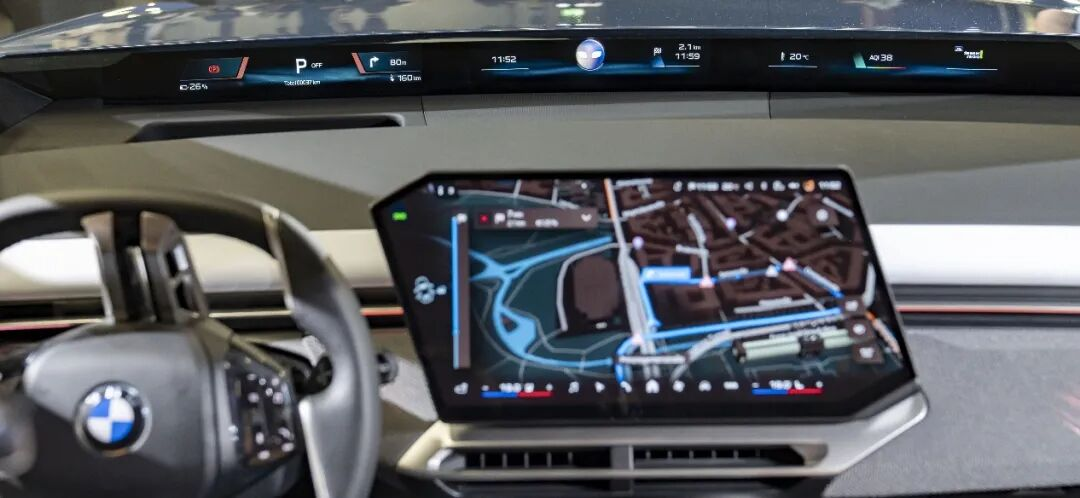
To address this, BMW has demonstrated a pragmatic approach. It has established four R&D innovation bases, three software companies, and the only Skylab human-machine interaction research center outside Germany in China, focusing on localized innovation and cutting-edge technology development. Not only has it developed exclusive models for the 'Neue Klasse,' but it has also co-developed assisted driving solutions with Momenta. In the battery sector, it has collaborated with domestic manufacturers such as CATL and EVE Energy for production.
Additionally, BMW previously announced a 'scale adjustment and restructuring' of its Chinese operations, including adjusting sales expectations, reorganizing the dealer network, and streamlining personnel. Under pressure, there have even been reports that BMW is considering reintroducing extended-range power versions for flagship models like the X5 and 7 Series to seek market opportunities.
It is clear that the backgrounds and missions of these two leaders reflect BMW's core needs at different transformation stages. Now, all eyes are on the performance of the first 'Neue Klasse' model, the iX3, in 2026.
-
![]()
ByteDance, DJI, and Xiaohongshu Secure Top Three Positions Among China’s Fastest-Growing Unicorns
-
Tesla's in-car voice system in China is finally learning to 'understand human language'
-
![]()
Foreigners Are Amazed: Chinese Electric Vehicle Drive Systems Unveil Innovative 'Poses'
-
![]()
700,000 Brothers and the Future of Robots: Behind JD.com's 'Nirvana Plan'
-
![]()
Zhipu's Trillion-Dollar Valuation: A New Chapter for China's AI
-
![]()
Is Laifen, a 'Dyson Alternative' on the Rise, Now Ensnared by the 'Alternative Curse'?
-
![]()
Beyond Patents: Insta360 and DJI Compete in Retail
-
![]()
Piercing Through Industry Chaos: The Curtain Rises on Compliance for Autonomous Driving