Lithium Iron Phosphate Batteries: A Winter Woe for Car Owners North of the Yangtze River
 12/15 2025
 771
771
The automotive industry is well-acquainted with the fact that electric vehicles (EVs) face challenges in cold weather. However, car owners have been taken aback by just how sensitive these vehicles can be. Lithium iron phosphate batteries, a common choice for EVs, see their range plummet to around 60% in sub-zero temperatures. When air conditioning is factored in, the range dwindles further to a mere 40%, leaving owners residing north of the Yangtze River thoroughly exasperated this winter.
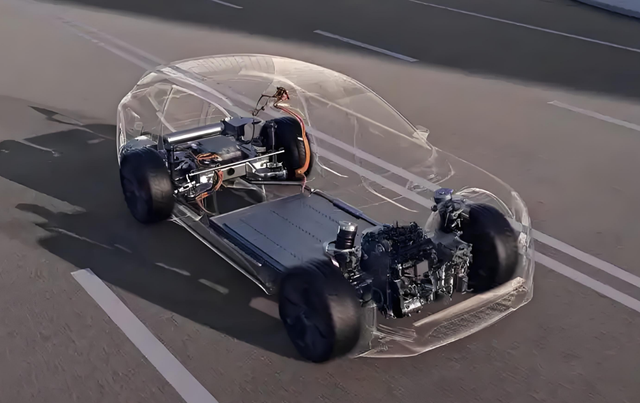
Consider the case of a plug-in hybrid vehicle owner. The battery of this vehicle is rated for a 120-kilometer range. During spring and summer, when temperatures are above zero, the owner can typically rely on this battery to power five days of commuting. Yet, come winter, the estimated range nosedives to approximately 70 kilometers. The culprit? A lithium iron phosphate battery.
The owner has pinpointed two main culprits for this range reduction: the high power consumption of the air conditioning and heating systems. While the air conditioning's power draw is somewhat understandable—after all, driving without heating in such frigid conditions is unthinkable—it still accounts for a hefty 20% of the battery's capacity, further shrinking the range.
As for heating, the owner discovered that the battery itself requires warming up to maintain its activity. Once the vehicle is started, it automatically initiates battery heating, a process that also guzzles a significant amount of power, thereby further diminishing the range. Ultimately, the winter range plummets to just over 40%.
Drawing from this, it's reasonable to infer that even lithium iron phosphate batteries with a rated range of 500 kilometers would only manage around 200 kilometers in winter. This presents a formidable challenge for pure electric vehicles, effectively reducing them to low-speed vehicles ill-suited for long-distance travel and only practical for daily commuting.
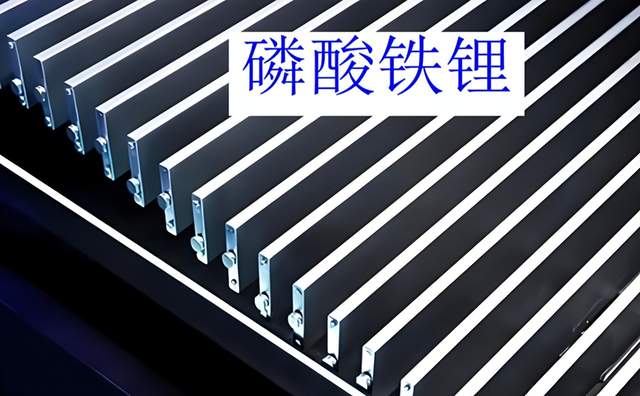
Industry experts also weigh in, noting that the power output of lithium iron phosphate batteries is severely curtailed in winter, leading to a noticeable drop in performance compared to the spring and summer months. Given that temperatures north of the Yangtze River typically dip below zero in winter, this implies that vehicles equipped with lithium iron phosphate batteries are highly unsuitable for these regions.
Battery performance is already lackluster in winter, and EVs with lithium iron phosphate batteries fare even worse. So, why are approximately 70% of EVs now using lithium iron phosphate batteries? The answer boils down to cost. Lithium iron phosphate is significantly cheaper than ternary lithium batteries. Amidst the fierce price wars in the EV market, automakers can only offer vehicles at competitive prices by opting for cost-effective lithium iron phosphate batteries.
Of course, lithium iron phosphate batteries do have their merits. They are generally considered safer, with weaker battery activity compared to ternary lithium batteries. Even in the event of a fault, they ignite much more slowly. Given consumers' fear of fires, automakers naturally lean towards the safer lithium iron phosphate batteries.
Sub-zero temperatures already pose a significant hurdle for EVs with lithium iron phosphate batteries, and regions like Northeast China, where winter temperatures can plummet to as low as -20°C, are even more ill-suited for such vehicles. Even ternary lithium batteries, known for their higher battery activity, struggle in such extreme cold, which is why EVs have an extremely low market share in Northeast China.
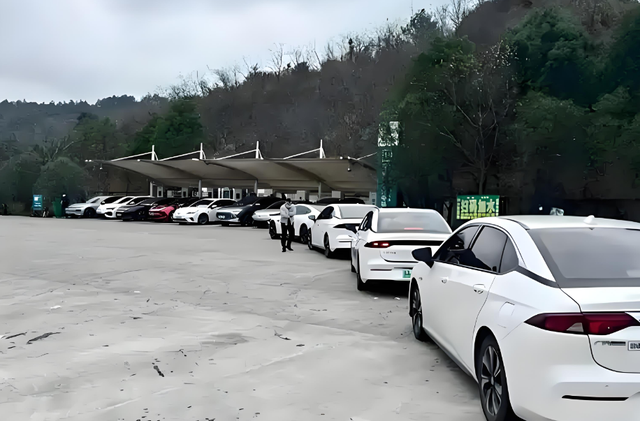
Industry experts emphasize that EVs are indeed not well-suited for use in low-temperature regions. For long-distance travel in winter, careful route planning is crucial, as the significant decline in battery range may necessitate charging at every 3-5 service stations. Moreover, due to the severe range reduction and extended charging times in winter, charging stations often witness long queues, significantly increasing waiting times. Long-distance travel in EVs can indeed be a hassle. Therefore, in northern regions, fuel-powered vehicles remain the preferred choice for long-distance travel, while EVs are only suitable for urban commuting in such cold conditions.
-
![]()
Registered Capital Slashed to 372 Million Yuan! Yutong Optical Finalizes Industrial and Commercial Change Registration
-
![]()
Zhuque-3 Successfully Lands, and 'Time Traveler' Secures Another ¥100 Million in Funding: China's Commercial Space Industry Experiences a 'Dynamic August'
-
![]()
Autohome Faces a Shrinking Window of Opportunity
-
![]()
Even a Titan Like Musk Has Faced Setbacks in Fulfilling Promises
-
![]()
AI Office: The End of the Racing Era, Context Becomes the Key to Success
-
![]()
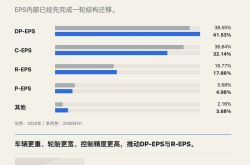
Domestic Vehicle Chassis Revolution ②: The Steering Wheel Remains, But Mechanical Connections in the Steering System Are Decreasing
-
![]()
Exploring MiniMax Design: Can Video Editing Be as Simple as Speaking?
-
![]()
Why Can SenseTime Achieve Profitability While CloudWalk Still Faces Challenges, Despite Both Adopting Large Models?