Why Are Chinese Fuel-Powered Vehicles Gaining Popularity Overseas? How Have Domestic Fuel-Powered Vehicles Achieved This Success?
 12/16 2025
 608
608
For a considerable period, domestic fuel-powered vehicles have carved out a distinctive niche. Due to the relatively late start of China's automotive industry, their global influence has been somewhat limited. However, recent reports of their burgeoning popularity overseas prompt the question: How have domestic fuel-powered vehicles managed to achieve this?
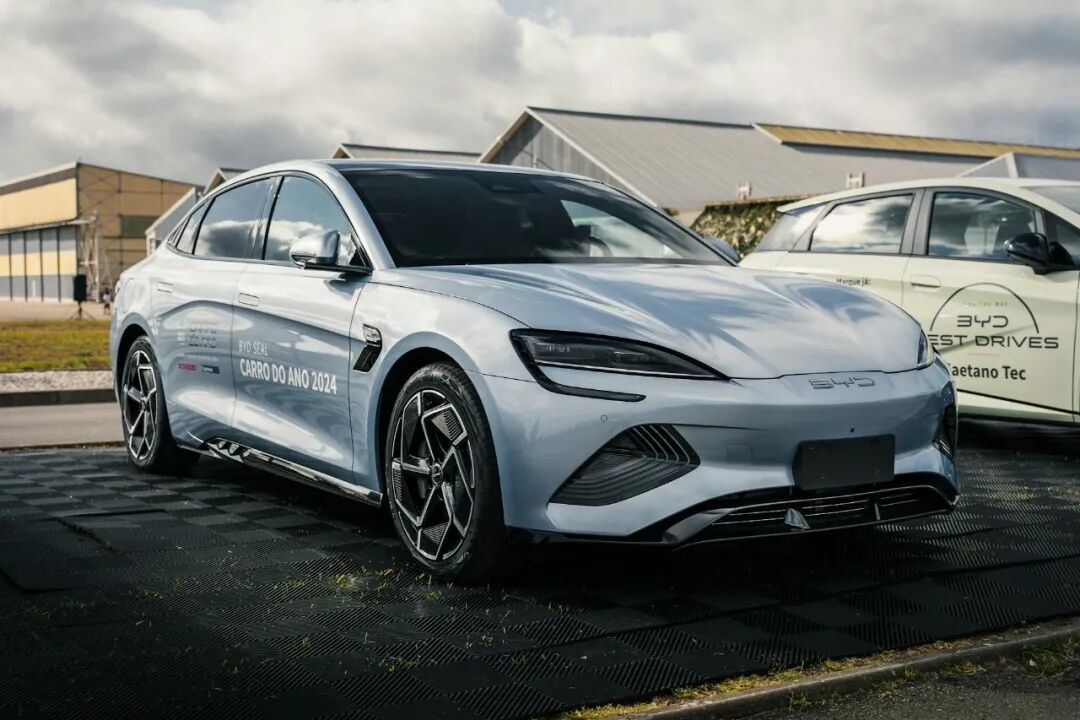
I. Chinese Fuel-Powered Vehicles Gain Popularity Overseas
According to reports from ifeng.com Finance, it took Chinese vehicles merely a decade to transition from being objects of ridicule to being highly sought after. Today, in an era dominated by electrification, Chinese-made fuel-powered vehicles are orchestrating a 'silent counterattack' on the global stage.
Data from the China Association of Automobile Manufacturers reveals that in 2021, China exported 2.015 million vehicles, with 1.705 million being fuel-powered, accounting for 84.6% of the total. In 2022, exports soared to 3.111 million vehicles, with fuel-powered vehicles increasing to 2.342 million, representing 78.2%. In 2023, exports of traditional fuel-powered vehicles reached 3.707 million, constituting 75.4% of total exports. By 2024, exports of traditional fuel vehicles hit 4.574 million, representing 78.1%.
Moreover, from January to November this year, among the top 10 domestic passenger vehicle exporters, except for BYD and Tesla, the other eight primarily focused on selling fuel-powered vehicles, firmly establishing them as the export mainstay. Industry statistics indicate that Chery has performed exceptionally well in fuel-powered vehicle exports. Media reports suggest that Chery exported 1.199 million vehicles from January to November 2025, with new energy vehicles accounting for about 30%, estimating its fuel-powered vehicle exports at around 800,000 units.
SAIC exported 969,000 vehicles during the same period, with new energy vehicles accounting for about 45%, translating to approximately 500,000 fuel-powered vehicle exports.
Fuel-powered vehicles continue to excel in second-tier markets such as Eastern Europe, Latin America, and Africa. JATO Dynamics data reveals that in the first half of this year, Chinese automakers captured nearly 16% of the South African automotive market, up from 10% in the same period last year. Fuel-powered vehicle sales approached 30,000 units, while electric vehicles sold only 11.
II. How Have Domestic Fuel-Powered Vehicles Achieved This Success?
Currently, Chinese fuel-powered vehicles are experiencing explosive growth in overseas markets, becoming the absolute mainstay of China's automotive exports. How did this come to pass? What strategies have domestic fuel-powered vehicles employed?
Firstly, Chinese-made fuel-powered vehicles have undergone a remarkable transformation. In the past, due to relatively backward technological levels, Chinese fuel-powered vehicles struggled to make a mark in the international market. Core technologies were constrained, with significant gaps in engine performance, fuel efficiency, and vehicle reliability compared to traditional automotive powers like Europe, the United States, and Japan. This made it difficult for domestic fuel-powered vehicles to stand out in international competition, often relying on lower prices to capture some low-end markets in less developed countries. However, in recent years, continuous technological development has enabled domestic fuel-powered vehicles to transition from 'following' to 'keeping pace' and even 'leading' in some areas.
Over the years, domestic automakers have significantly increased their investment in research and development, attracting a cadre of top automotive engineering talents. Through a combination of independent innovation and the introduction, absorption, and re-innovation of foreign technologies, they have overcome a series of key technological challenges. In the engine sector, the power performance and thermal efficiency of domestic engines have continuously improved, meeting domestic market demands while gaining international competitiveness. For instance, some domestic engines now match or even surpass imported engines of the same class in power output, with significant improvements in fuel efficiency, greatly reducing vehicle operating costs.
Additionally, substantial progress has been made in core technologies such as transmissions and chassis tuning, greatly enhancing vehicle handling and comfort. Coupled with the increasing application of advantages from new energy vehicles, such as intelligent cockpits and in-vehicle systems, which are now being integrated into fuel-powered vehicles, these continuous technological advancements have helped domestic fuel-powered vehicles shed their previous image of low quality and low prices. They now appear on the international market with high quality and performance, gradually gaining a favorable market position.

Secondly, from a global perspective, new energy vehicles cannot yet fully replace fuel-powered vehicles. A review of global market infrastructure reveals the uneven distribution of energy infrastructure, providing an irreplaceable niche for fuel-powered vehicles. Despite the global surge in electrification, not all regions possess the necessary conditions to support electric vehicles. In vast emerging markets such as Southeast Asia, the Middle East, Africa, and South America, the lack of new energy infrastructure poses a critical barrier to electric vehicle adoption. Low charging station coverage, unstable power supplies, and volatile electricity prices deter local consumers from embracing electric vehicles. For them, a car's core value lies in being a 'reliable means of transportation' rather than a 'cutting-edge technological product.' The convenience of refueling, mature technology, and low maintenance costs of fuel-powered vehicles make them the most practical choice for now.
Against this backdrop, domestic fuel-powered vehicles have acutely captured this market demand characteristic, accurately identifying market gaps, and focusing their product offerings on these regions. Leveraging their mature technology and reliable performance, domestic fuel-powered vehicles can well adapt to the complex road conditions and harsh operating environments in these areas. Whether in high-temperature desert regions or high-altitude mountainous areas, domestic fuel-powered vehicles can operate stably, providing local consumers with reliable transportation. Moreover, domestic fuel-powered vehicles offer a clear price advantage, being more cost-effective than fuel-powered vehicles from European, American, and Japanese brands, meeting the demand for affordable transportation among local consumers. Consequently, domestic fuel-powered vehicles have quickly gained market share in these regions, winning over consumers.
Thirdly, extreme cost-effectiveness has built a competitive barrier, enabling 'same price, higher specs' consumption upgrades. China boasts the world's most comprehensive automotive industrial chain and strong manufacturing capabilities. After years of development, China's automotive industry has formed a complete industrial system from component production to vehicle manufacturing, with coordinated development among upstream and downstream enterprises and extremely strong industrial supporting capabilities. This powerful manufacturing advantage provides domestic fuel-powered vehicles with unique conditions for cost control.
On one hand, the numerous domestic component suppliers and intense competition have kept component prices relatively low, reducing overall vehicle production costs. On the other hand, China's vast automotive market size and efficient production organization methods enable automakers to achieve large-scale production, further diluting costs. Therefore, domestic fuel-powered vehicles can be introduced to the market at lower prices while maintaining quality.
For many families in Asian, African, and Latin American countries, the money originally planned for purchasing a basic Toyota or Volkswagen model can now afford a fully equipped Chinese vehicle. Domestic fuel-powered vehicles are not only attractive in price but also offer richer configurations, meeting consumer demands for comfort, safety, and intelligence. This high cost-effectiveness gives domestic fuel-powered vehicles strong competitiveness in the international market, attracting a large number of overseas consumers.
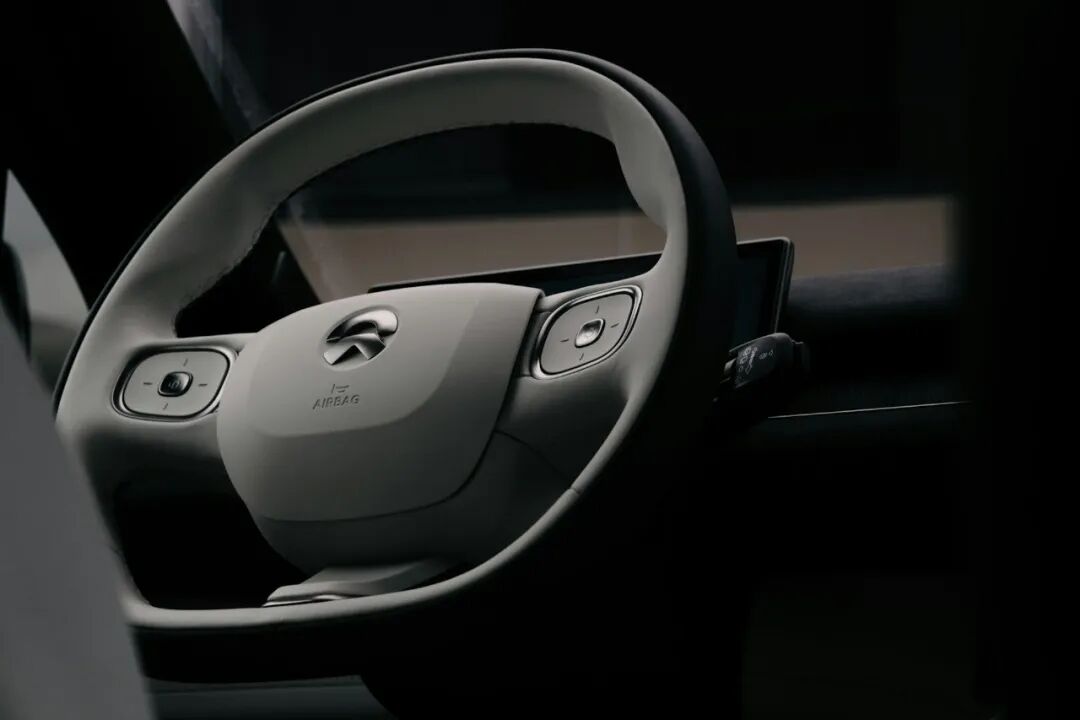
Fourthly, the increasingly improved industrial chain has also enhanced the competitiveness of fuel-powered vehicles. In recent years, the global layout of the service system for domestic fuel-powered vehicles has further promoted their overseas development. In the past, Chinese automakers often fell into the trap of 'one-time sales' when going overseas, focusing solely on exporting products while neglecting post-sales service, leaving consumers facing difficulties in maintenance and a lack of spare parts, severely damaging brand reputation. Today, Chinese automakers have recognized the importance of service systems and begun to systematically build global service chains. By establishing local sales networks, after-sales centers, and spare parts warehouses, they provide overseas consumers with long-term and reliable service guarantees, completely overcoming the shortcoming of 'emphasizing sales over service.'
This systematic layout enables consumers not only to purchase vehicles but also to conveniently access maintenance, repair, insurance, and even financial loan services locally. More crucially, Chinese brands have standardized and transparent service experiences through digital means (such as remote diagnostics, APP appointments, and OTA firmware updates), greatly enhancing user loyalty. When foreign consumers discover that a Chinese vehicle is not only 'affordable' but also 'cost-effective to use and convenient to repair,' brand loyalty naturally follows. This strategic transformation from 'selling products' to 'managing user relationships' marks that Chinese automakers have truly developed a mature mindset for global operations.
It can be said that the 'surge' of Chinese fuel-powered vehicles overseas is no accidental market dividend. After years of systematic development, domestic fuel-powered vehicles have increasingly built their own differentiated competitive advantages, becoming an increasingly important force in the international market.
END
-
![]()
The Allure of 'Acquisition Spree': Li Shufu's Left Turn, Xu Jiayin's Right
-
![]()
Strategic Transformation Yields Results: Phoenix Optics Reports 10.9% YoY Rise in Core Net Profit for H1 2026
-
![]()
Three Key Growth Trajectories Synergize! Crystal-Optech Reports 3.478 Billion Yuan in Revenue for H1 2026
-
![]()
Semi-Annual Report Sparks XPENG Motors Buzz
-
![]()
1.6 Billion Big Order Secured! SeeYA Technology's Revenue Soars by 287.87% in the First Half of the Year
-
![]()
Baidu's Profits Plunge by 68%: Unraveling the Mystery Behind the Numbers
-
![]()
Baidu’s Profits Tumble by 68%! Where Has All the Money Gone?
-
![]()
Hynix’s Taobao Store Shuts Down Abruptly: What Should Customers Do About Warranty Services for Memory Modules?