Stimulating Car Purchases, Yet Consumers Face These Hindrances
 12/17 2025
 560
560
Introduction
The purchasing process is merely one hurdle in the journey.
"Parking fees are exorbitant; I simply can't keep up." This helpless lament, found in the comments section of a social media platform, has garnered numerous replies and likes from those who empathize.
He calculated: parking at work costs 300 yuan per month, while parking at home is nearly the same. Annually, these two expenses alone surpass 7,000 yuan. These are just the fixed costs; fuel, car insurance, and regular maintenance are inevitable, while occasional traffic fines and vehicle depreciation add to the invisible financial burden.
The popularity of this comment underscores that his experience is far from unique. Nowadays, with car prices continuously dropping and purchase subsidies being rolled out, the one-time cost of buying a car is no longer the main barrier to consumption. Instead, it has been replaced by the ongoing costs of vehicle ownership and a collapse of trust in the long-term value of cars.
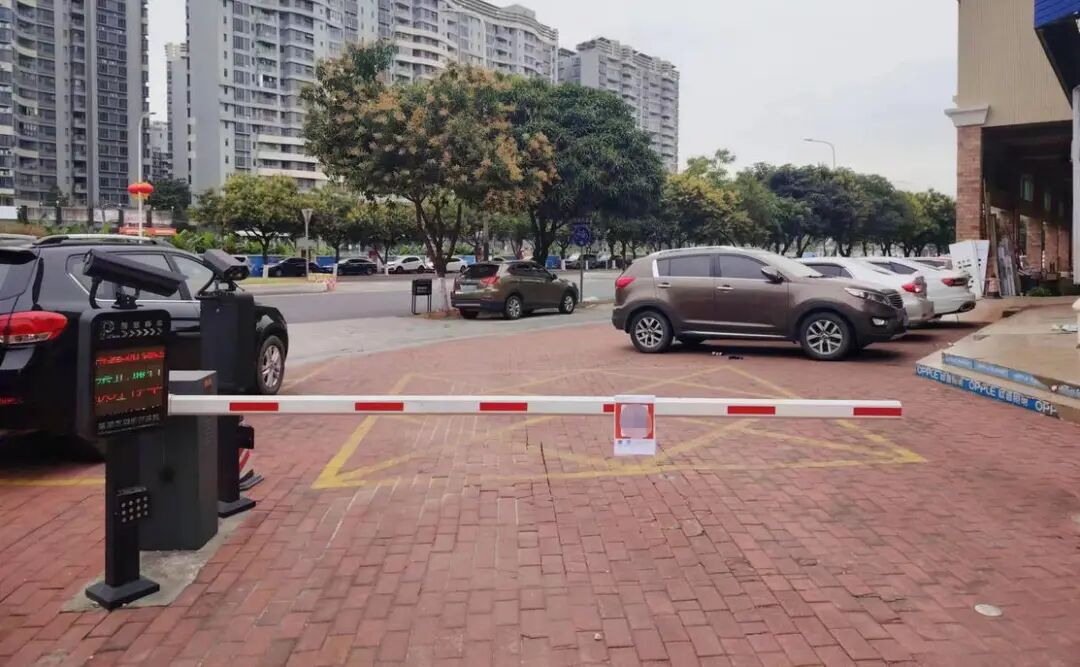
As consumers become increasingly rational, cars, once a convenient mode of transportation for the masses, now represent a significant financial burden that necessitates careful calculation and even induces anxiety, given their high daily costs and uncertain future value.
01 From Affordable Purchase to Unaffordable Upkeep
In recent years, various national-level policies have been introduced to stimulate car consumption, somewhat lowering the barrier to entry. However, many car owners report that the true cost of owning and using a vehicle has erected a new, formidable obstacle. For many ordinary families, this obstacle is even tougher to surmount than the car price itself.
The most direct impact comes from parking fees. In first-tier cities like Beijing, Shanghai, Guangzhou, and Shenzhen, parking fees in commercial areas often range from 15-20 yuan per hour, with daily caps exceeding 100 yuan becoming commonplace. Even in residential areas, the monthly rent for a fixed parking space generally ranges from 800-1,500 yuan. Opting to purchase a parking space can be a heavy sunk cost, often comparable to the price of an entry-level sedan.
An automotive blogger tallied up the annual expenses for a 100,000-yuan fuel-powered car: fuel costs around 5,600 yuan, insurance 3,000 yuan, maintenance 1,400 yuan, and parking fees alone reaching 6,000 yuan. This means that even when the vehicle is stationary, a significant annual fee must be paid just for the right to park it.
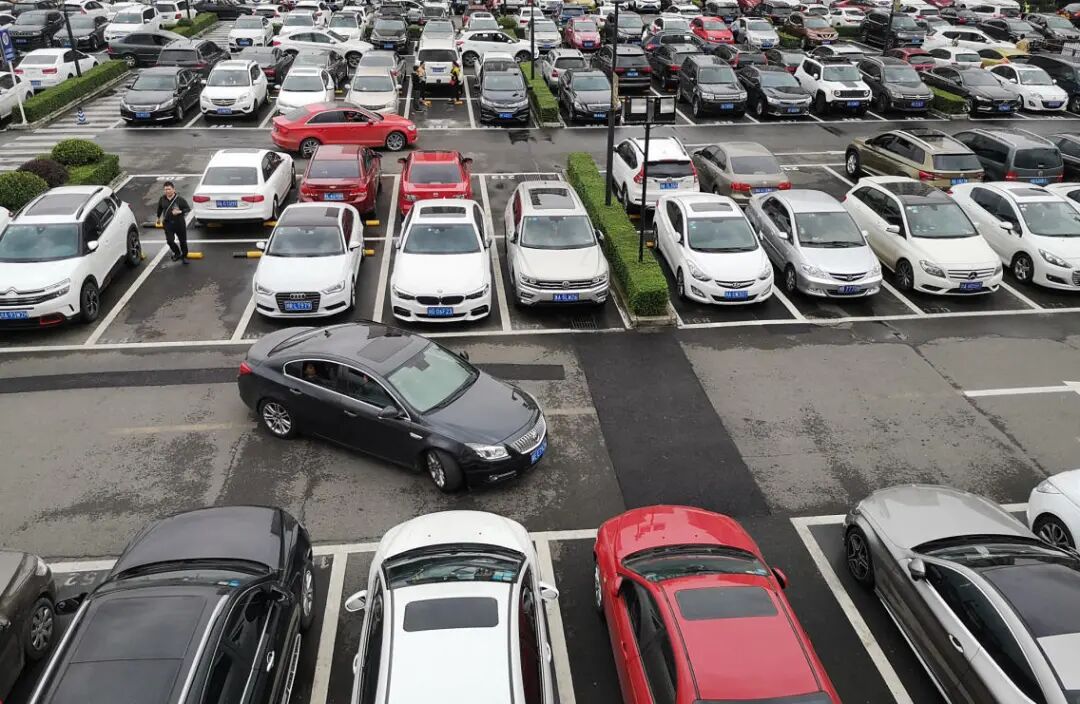
It's reported that the high cost of parking isn't solely due to market supply and demand. Data indicates that by the end of 2024, national car ownership had reached 346 million vehicles, while there were only 190 million parking spaces, resulting in a parking space-to-car ratio of just 1:0.55, far below the ideal standard of 1:1.1 to 1:1.5 recommended by the Ministry of Housing and Urban-Rural Development.
Even more surprisingly, some netizens from Guangdong mentioned that parking fees are now being charged even in villages. Consequently, these costs are ultimately passed on to consumers, significantly dampening demand. Research in Tianjin reveals that excessively high parking fees directly reduce consumer willingness, with 62% of citizens choosing to cut back on non-essential trips due to high parking costs.
If parking fees represent a visible burden, the "hidden assassins" in maintenance and repairs are even more challenging to guard against. Traditional fuel-powered cars, after decades of development, have established a service system comprising 4S dealerships, chain repair shops, and roadside garages, with highly standardized parts and relatively transparent pricing.
However, the advent of new energy vehicles has, to some extent, disrupted this equilibrium. A minor scratch that might cost a few hundred yuan to repair on a fuel-powered car could escalate to thousands of yuan on a new energy vehicle due to damage to radar sensors distributed across the body or its integrated body design. Repair costs for similar minor faults are 2 to 2.5 times higher for new energy vehicles than for fuel-powered cars.
Behind this cost disparity lies a confluence of factors. Firstly, repair channels are often monopolized by authorized dealers. Many automakers bind owners to their 4S dealership networks by claiming that "external repairs may affect the warranty." Some new energy vehicle owners admit that during the warranty period, even knowing that 4S dealership maintenance costs twice as much as third-party options, they have no choice but to accept it for fear of voiding the warranty.
Secondly, the low standardization of parts means that components from different automakers, or even different models from the same automaker, are not interchangeable, leading to a fragmented supply chain. Logistics and warehousing costs are ultimately passed on to consumers.
More challenging is that the repair permissions for the core "three electric" systems (battery, motor, and electronic control) of new energy vehicles are tightly controlled by the automakers, making it difficult for independent repair shops to obtain original parts and technical support. A garage owner mentioned that only about 10% of their business involves new energy vehicles, and they generally avoid touching the core "three electric" components.
02 From Durable Goods to Fast-Moving Consumer Goods
If high ownership costs deter consumers, then the "trust crisis" regarding the value and lifespan of vehicles fundamentally undermines consumer confidence. This crisis is most acutely felt in the batteries of new energy vehicles and has evolved into a battle over data black boxes and the right to information.
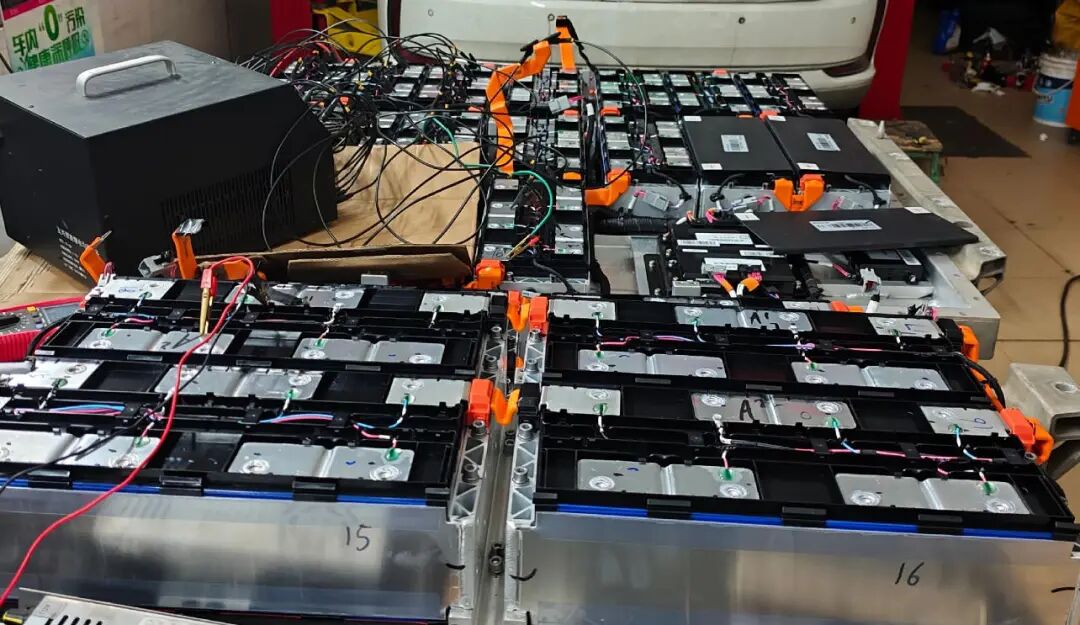
Recently, a news story emerged: Mr. Li, a ride-hailing driver in Beijing, purchased an electric vehicle in May 2022. After the total mileage exceeded 300,000 kilometers, the actual range plummeted from the advertised over 400 kilometers to less than 200 kilometers. When he requested a battery test based on the warranty promise that "battery degradation shall not exceed 20% within three years," the 4S dealership’s battery health (SOH) report showed 82%, just above the replacement threshold.
Mr. Li requested access to detailed raw data such as battery cycle counts and capacity distribution but was refused by the automaker on the grounds of "commercial confidentiality." When he contacted a third-party testing agency, he was told that reading the battery management system (BMS) data required authorization from the automaker. Mr. Li’s dilemma lies in the fact that the health assessment of the core component of the vehicle he purchased at great expense is entirely defined and interpreted unilaterally by the automaker, a stakeholder with vested interests.
This detection model, where the automaker acts as both player and referee, leaves consumers in a completely passive position. Battery health is no longer an objective technical indicator but has evolved into an internal conclusion that can only be accepted and not questioned. The lack of industry-wide standards and the varying SOH algorithms across different brands have created an irreconcilable conflict between consumers' right to information and the automakers' technical confidentiality and commercial interests.
Mr. Li’s experience is not an isolated incident. On social media, there are numerous complaints about battery degradation and unfair testing in new energy vehicles, each reflecting doubts about the long-term reliability of these vehicles. A deeper trust crisis stems from a profound shift in the business logic of the entire automotive industry, as cars rapidly transition from typical durable goods to fast-moving consumer goods.
Online jokes accurately capture the current situation: "Electric cars are meant to last 3 years and be used for 5; fuel cars are meant to last 10 years and be used for 8-15, as you wish." In the past, automakers competed on mechanical reliability and durability; now, the focus has shifted to rapid iteration of smart cockpits, autonomous driving, and exterior and interior design, with model refresh cycles shortening from one year to just 3-5 months.
The direct consequence of this predatory upgrade approach is the weakening of vehicles' long-term asset attributes. A model launched just a year ago may face parts supply disruptions, leading to long repair waits. Some automakers, in pursuit of design aesthetics or cost reduction, adopt highly integrated components.
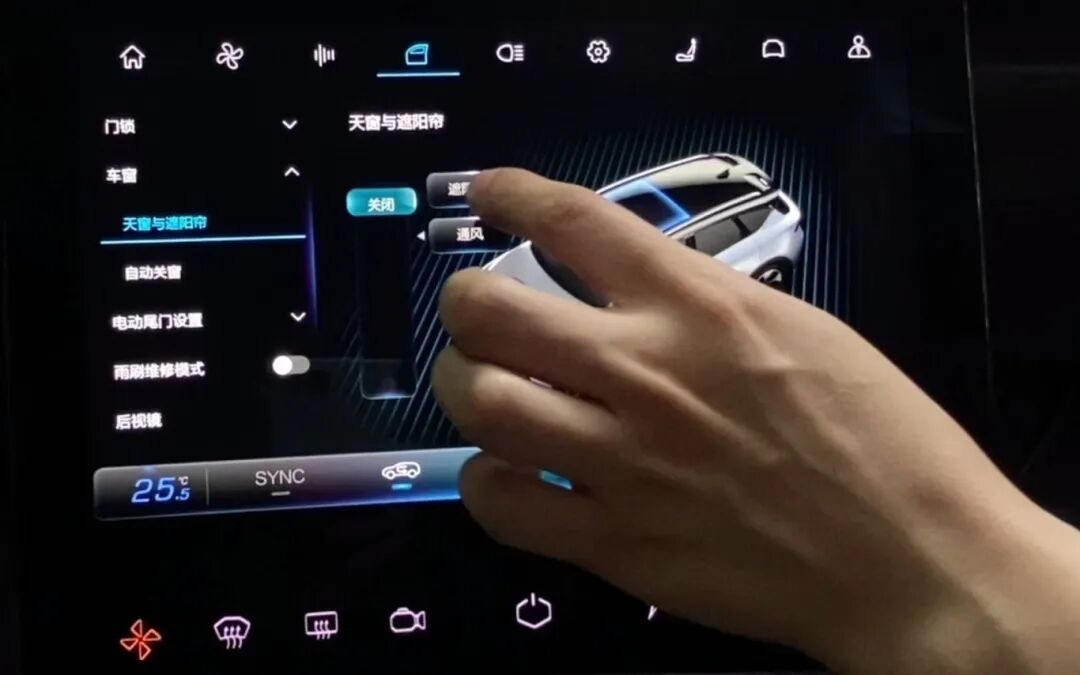
For example, deeply integrating headlights with bumpers means that even a minor scratch could damage the headlight bracket, requiring the replacement of an entire assembly costing tens of thousands of yuan. The tech-heavy design, filled with screens and devoid of physical buttons, poses hidden risks. These electronic systems may become severely laggy after just three to five years, degrading the user experience while replacement costs remain prohibitively high, indirectly pressuring users to upgrade earlier.
This leads to another issue: the continuous decline in the residual value of used new energy vehicles. The rapid iteration and intelligent features of new energy vehicles make them resemble fast-moving consumer goods among young consumers, often being replaced within three to five years, inherently limiting their residual value. Vehicles of the same age are generally worth less than their fuel-powered counterparts.
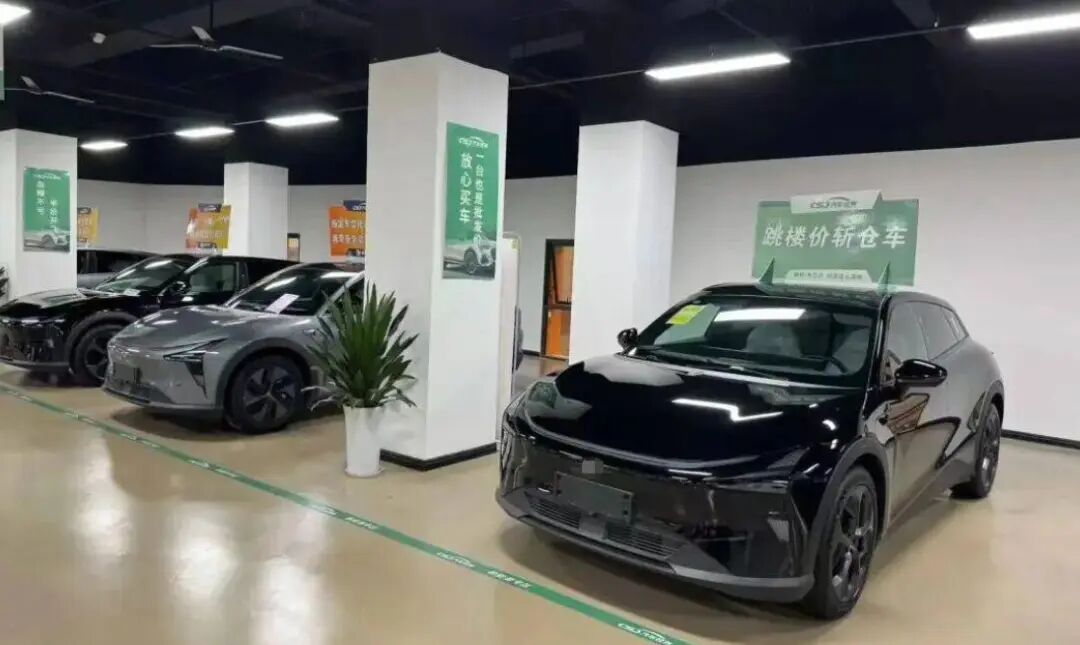
The essence of this business model is an attempt by capital to turn cars into high-frequency consumer products. For automakers, the more frequently users upgrade their vehicles, the higher the sales and profits. However, for ordinary consumers who view cars as significant family assets, this means that the long-term value of the product they purchased for hundreds of thousands of yuan is not guaranteed.
Evidently, good industrial design should extensively utilize standardized and interchangeable parts to make repairs simple and inexpensive. Model iterations should be based on genuine quality improvements and technological advancements, not merely to create upgrade anxiety. The sustainable development of the automotive industry must ultimately adhere to its original purpose of providing safe, convenient, and durable transportation tools for users, rather than transforming them into short-term wealth extraction vehicles.
When a car can reliably accompany a family for a decade or more, when every repair and maintenance service is transparently priced and fair, and when battery health is as clearly visible as engine mileage, consumer confidence will naturally return. Otherwise, any stimulus policy will only add another invisible lock to an already overwhelming burden.
Editor-in-Chief: Cui Liwen Editor: Chen Xinnan
THE END
-
![]()
Enflame Tech's IPO Journey: Navigating Over 5.9 Billion Yuan in Losses and Soaring Debt in Q1 This Year
-
![]()
Trillion-Yuan Giant Li Shufu 'Streamlines': Could Levc Be the Casualty?
-
![]()
AI Competes for Electricity and Generates Power in the Gobi Desert
-
![]()
The First Batch of Victims of the AI Bubble: Programmers
-
![]()
ByteDance, DJI, and Xiaohongshu Secure Top Three Positions Among China’s Fastest-Growing Unicorns
-
Tesla's in-car voice system in China is finally learning to 'understand human language'
-
![]()
Foreigners Are Amazed: Chinese Electric Vehicle Drive Systems Unveil Innovative 'Poses'
-
![]()
700,000 Brothers and the Future of Robots: Behind JD.com's 'Nirvana Plan'